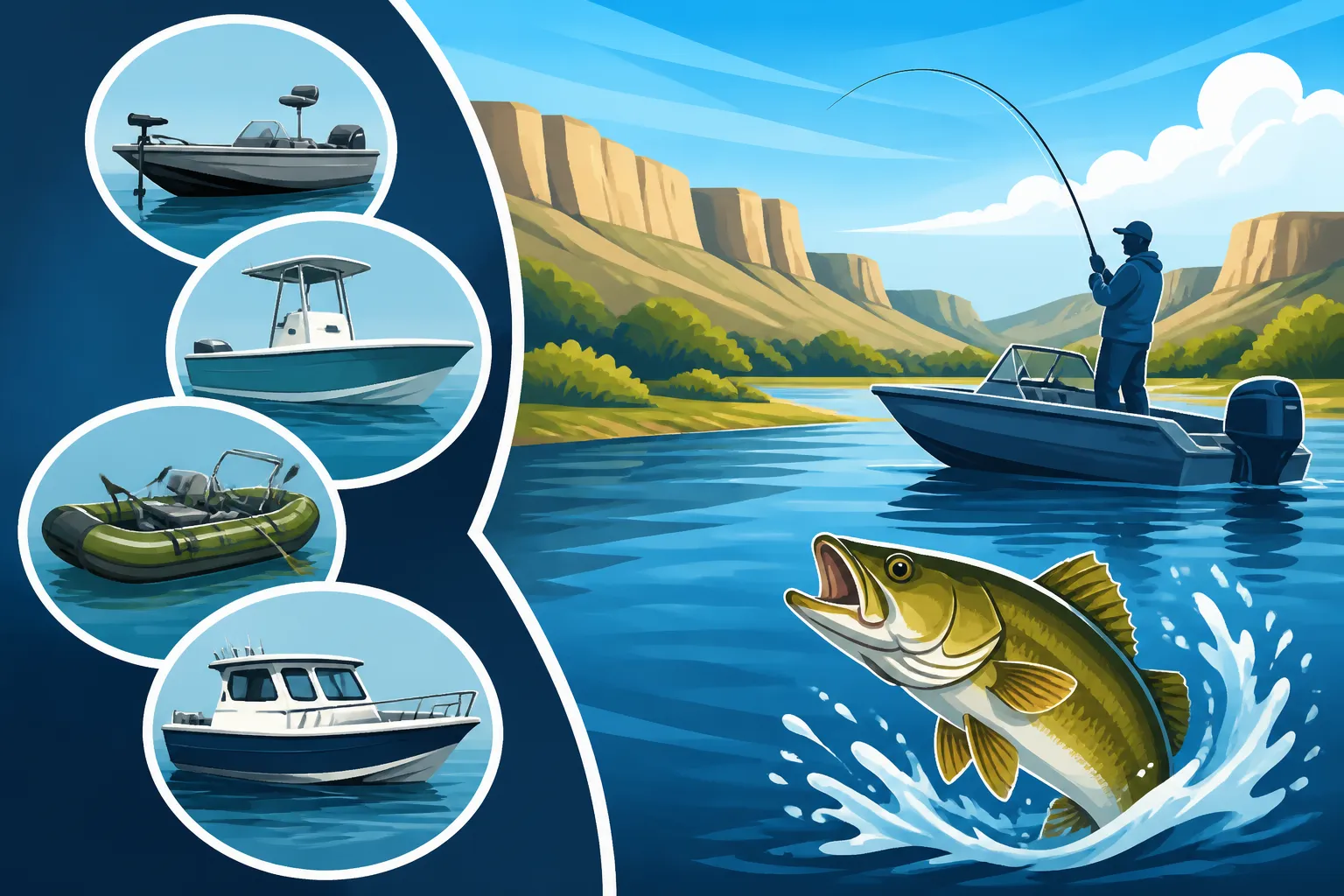
Best Fishing Boat Types for the Missouri River
The mighty Missouri River in South Dakota is an angler's paradise, but its sheer size, varying depths, and often unpredictable currents can make choosing the right fishing boat feel like a monumental task. You want a vessel that can handle everything from calm reservoir stretches to swift tailwater currents, all while keeping you safe and comfortable. This guide is here to demystify the process, helping you pinpoint the best boat types to conquer the diverse waters of the Missouri River.
Understanding the Missouri River's Unique Challenges
Before we even talk about specific boat models, let's get real about what the Missouri River throws at you. It's not a placid pond or a small, predictable stream. This isn't just a river; it's a series of massive reservoirs – Lake Oahe, Lake Sharpe, Lake Francis Case, and Lewis and Clark Lake – interspersed with sections of dam tailwaters and some free-flowing river further south. Each section presents its own set of navigational and fishing demands.
Current, Depths, and Obstacles
The Missouri River's current can be incredibly strong, especially below the dams. You need a boat that can safely navigate against these powerful forces and hold its position effectively while you're fishing. Drifting too quickly or struggling to stay put can ruin a prime fishing spot.
Depths also vary dramatically. You'll find expansive, deep basins in the reservoirs that demand deep-V hulls for comfort and stability, but also numerous shallow flats, submerged islands, and rocky points where a shallower draft might be advantageous. Knowing the typical depths of the areas you plan to fish is crucial. Moreover, the river, particularly in its wilder sections or after high water, can hide submerged trees, rock piles, or shifting sandbars. Your boat needs to be resilient enough to handle unexpected encounters or maneuverable enough to avoid them.
Weather and Wind Exposure
The South Dakota plains are famous for their wind, and the Missouri River reservoirs are vast, open bodies of water. A calm morning can quickly turn into a white-capping, boat-rocking afternoon. This isn't just uncomfortable; it can be dangerous. A boat that offers good stability and can cut through chop is essential for both safety and an enjoyable fishing experience.
Furthermore, exposed areas mean you're often battling direct sunlight, rain, or even sudden thunderstorms. Having some protection, or at least a stable platform to ride out a squall, is a significant advantage. It's a different ballgame than fishing a sheltered lake, and your boat needs to be up to the challenge of unpredictable prairie weather.
Key Characteristics of an Ideal Missouri River Fishing Boat
So, what makes a boat truly suitable for the Missouri? It's a combination of design, power, and construction that allows it to stand up to the river's demands while providing a comfortable and effective fishing platform.
Hull Design and Stability
For much of the Missouri River, particularly the large reservoirs, a deep-V hull is often considered the gold standard. The deeper V-shape at the bow helps the boat slice through waves, providing a smoother, drier ride in choppy conditions. This is a huge factor when you're making long runs across Lake Oahe in a stiff breeze. While a deep-V might sacrifice a tiny bit of shallow-water capability, the trade-off for comfort and safety on big water is usually worth it.
Stability at rest is also incredibly important. When you're standing and casting, fighting a big walleye, or moving around the boat, you don't want a tippy vessel. Modern deep-V designs often incorporate wider beams and clever hull strakes to maximize stability without compromising ride quality. For those targeting species like walleye, which often involves standing and jigging, a stable platform prevents unnecessary fatigue and improves your fishing effectiveness.
Power and Control
The Missouri River demands adequate horsepower. You're often covering vast distances, fighting strong currents, and needing to quickly get out of the way of changing weather. An underpowered boat can be frustrating and even unsafe. Most anglers on the main stem of the Missouri opt for outboards at the higher end of their boat's rated horsepower. This allows for faster transit, better fuel efficiency at cruising speeds, and the ability to punch through heavy chop.
Beyond raw power, control is paramount. A good trolling motor, preferably a bow-mounted electric one with GPS anchoring capabilities, is almost non-negotiable for precise boat positioning, especially when targeting walleye on structure or drifting current seams. It allows you to focus on fishing rather than constantly battling the boat's drift. Additionally, features like hydraulic steering can significantly improve handling and reduce fatigue, particularly on long runs or in rough water. You want to feel connected to your boat, making it an extension of your fishing intent, not a struggle. Best Trolling Motors for Walleye Fishing can provide more specific guidance on selecting the right motor.
Durability and Materials
The Missouri River isn't kind to flimsy equipment. You'll encounter everything from submerged stumps in back channels to rocky shorelines at access points. The material and construction of your boat need to be robust. Aluminum boats are a popular choice due to their lighter weight, durability, and resistance to minor impacts. They can often shrug off bumps and scrapes that might cause significant damage to fiberglass.
Fiberglass boats, on the other hand, can offer a smoother ride in rough water due to their heavier weight and customizable hull shapes, often with a more "finished" feel. However, they require more care to avoid gel coat damage. Ultimately, regardless of material, look for quality construction, strong welds (for aluminum), and a solid hull design that inspires confidence when facing the river's challenges. Remember, a cheap boat that fails on the water isn't a bargain.
Top Boat Types for Missouri River Walleye and Other Species
When you're dreaming of reeling in that trophy walleye or battling a feisty smallmouth, the type of boat you're in makes a big difference. Certain designs are simply better suited for the diverse conditions the Missouri River presents.
Deep-V Walleye Boats
These are arguably the most popular and versatile boats for serious anglers on the South Dakota Missouri River. As the name suggests, they feature a pronounced V-shape in their hull, which is designed to cut through waves and provide a smooth, dry ride, even when the wind whips up the main reservoirs like Lake Oahe. Brands like Lund, Ranger, and Alumacraft are well-known for their deep-V walleye boats, offering a fantastic balance of ride quality, stability, and fishing features.
They typically come equipped with powerful outboard motors, ample livewell space for your catch, numerous rod holders, and plenty of storage for all your gear. The open cockpit design allows for easy movement while casting or netting fish, and the bow often has a dedicated platform for a trolling motor and fish finder. If you plan to spend most of your time on the large, open waters targeting walleye, northern pike, or even South Dakota Chinook Salmon Regulations in the deeper sections, a deep-V walleye boat is an excellent choice. You'll find a huge selection of appropriate electronics and accessories at retailers like Bass Pro Shops.
Jet Boats
For anglers who prioritize accessing extremely shallow or rocky areas where propeller-driven boats simply can't go, jet boats offer a unique advantage. Instead of a propeller, a jet drive uses an impeller to suck water into the hull and then force it out the back, propelling the boat forward. This means there's no lower unit extending below the hull to get hung up on rocks or shallow sandbars.
While not as common on the main reservoirs, jet boats shine in the shallower, rockier stretches of the Missouri River, particularly upstream or in areas with fluctuating water levels. They are incredibly maneuverable in tight spaces and can literally run in just a few inches of water. The trade-off is often less fuel efficiency, a slightly rougher ride in chop compared to a deep-V, and a steeper learning curve for handling. However, for those who truly want to explore the skinny water or navigate braided river channels, a jet boat opens up a whole new world of fishing possibilities.
Jon Boats and Modified V-Hulls
For anglers on a tighter budget, or those who mostly fish the calmer backwaters, smaller tributaries, or less exposed sections of the Missouri, a robust jon boat or a modified V-hull can be a practical option. Jon boats are flat-bottomed, which gives them excellent stability in calm water and an incredibly shallow draft, allowing them to access areas where deep-V boats might get stuck. They are often made of aluminum, making them lightweight and durable.
Modified V-hulls offer a bit of a compromise, with a slight V at the bow to help cut through small chop, transitioning to a flatter bottom for improved stability and shallower draft. These boats are generally more affordable, easier to tow, and require less horsepower. While they won't provide the smooth ride of a deep-V in rough reservoir conditions, they can be perfectly adequate for targeting South Dakota Catfish Fishing Guide in slower currents, crappie in protected bays, or even smallmouth bass along shorelines in less exposed areas. Many anglers customize these with casting decks and basic electronics.
Inflatables and Kayaks
For the ultimate in portability, stealth, and access to truly remote spots, inflatable boats (like those from reputable brands such as Sea Eagle or Saturn) and fishing kayaks are becoming increasingly popular. While they won't replace a full-sized fishing boat for covering large distances on the main river, they excel in specific niches.
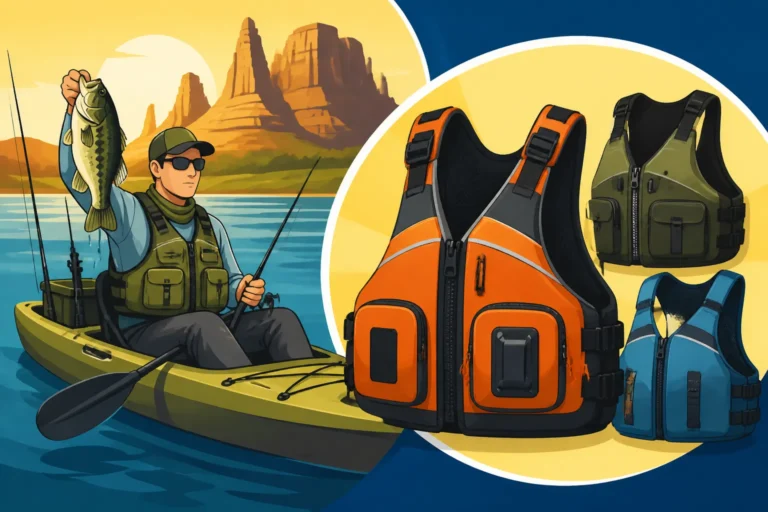
Kayaks, particularly pedal-drive models, offer hands-free propulsion, allowing you to fish while slowly moving. Their shallow draft and quiet operation make them ideal for sneaking into coves, sloughs, and shallow backwaters where bigger boats can't go. Inflatables, especially those with rigid floor inserts and small outboards, can offer a surprisingly stable platform for up to two anglers and can be deflated for easy transport and storage. These options are fantastic for exploring the smaller, more intimate sections of the river, especially if you're targeting species like South Dakota Smallmouth Bass Fishing Guide in rocky areas or South Dakota Trout Fishing Guide in tributary mouths, without the expense or logistics of a full boat and trailer. You can find a huge array of kayak fishing accessories and specialized gear on Amazon.
Considerations for Different Sections of the Missouri River
The Missouri River isn't a monolithic body of water; it changes dramatically as it flows through South Dakota. What works perfectly on one reservoir might be less ideal on a different section. Understanding these distinctions is key to choosing the right boat.
Upper River (Reservoirs: Oahe, Sharpe)
The upper Missouri River in South Dakota is dominated by massive reservoirs like Lake Oahe and Lake Sharpe. These are truly "big water" environments, more akin to inland seas than traditional rivers. They are vast, often deep, and notorious for quickly developing large, dangerous waves when the wind picks up.
For these expansive waters, a deep-V walleye boat (20 feet or more in length) with ample horsepower (150-300+ HP) is highly recommended. The deep-V hull is crucial for a safe and comfortable ride in rough conditions, allowing you to run long distances between fishing spots without getting beaten up. You'll want plenty of fuel capacity, robust electronics, and a powerful bow-mounted trolling motor to handle the wind and current. Stability at rest is also paramount for effectively fishing structure or drifting large flats for walleye. Think of these reservoirs as challenging, open-water arenas where only the fittest boats survive comfortably. Lake Oahe Fishing Guide and Lake Sharpe Fishing Guide offer more insights into these specific bodies of water.
Middle River (Tailwaters below the Dams)
The sections immediately below the major dams (like Oahe Dam, Big Bend Dam, and Fort Randall Dam) are known as tailwaters. These areas are characterized by strong, often turbulent currents, varying depths, and excellent fishing for species like walleye, sauger, and even salmon (especially below Oahe). The river here can be narrow in spots and has distinct current seams and eddies.
For tailwater fishing, maneuverability and the ability to hold your position against current are critical. A deep-V boat still works well here, but often anglers will use heavier anchors or specialized "kickers" (small auxiliary outboards) for precise boat control. Some might opt for a jet boat if they plan to run into very shallow, rocky areas that are common in some tailwater sections. Regardless of the boat type, a powerful trolling motor with GPS anchoring capabilities is invaluable for working current seams and holding over structure. Missouri River Tailwater Fishing Techniques can help you understand how important boat positioning is in these areas.
Lower River (Francis Case, Lewis and Clark, Free-Flowing Sections)
As the Missouri River flows further south, particularly through Lake Francis Case and Lewis and Clark Lake, and then into the more free-flowing sections towards the Nebraska border, the character of the river changes again. While still large reservoirs, they tend to be somewhat narrower than Oahe and Sharpe, and the currents, while present, can be less intense than directly below the dams. The free-flowing sections present more traditional river challenges like snags, shallower bars, and occasional logjams.
Here, deep-V boats remain a strong choice, but you might also see more modified V-hulls or even larger Jon boats, especially in the free-flowing areas where draft becomes more of a concern. These sections are excellent for a variety of species, including walleye, smallmouth bass, northern pike, and especially channel catfish. The ability to navigate diverse structure, from riprap to submerged timber, is important. A boat that can handle both open water and occasionally shallower, more obstructed channels will serve you well. Lake Francis Case Fishing Guide and Lewis and Clark Lake Fishing Guide offer specific information on these southern reservoirs.
Outfitting Your Missouri River Fishing Boat
Having the right boat is only half the battle; how you outfit it for the Missouri River can make or break your fishing experience. From navigating vast waters to precisely presenting your bait, your gear setup is crucial.
Electronics and Navigation
On a river system as large and complex as the Missouri, a reliable fish finder with GPS and mapping capabilities is non-negotiable. You need to be able to see depth changes, identify structure, mark waypoints for productive fishing spots, and navigate safely back to the ramp, especially in low light or fog. Look for units with side-imaging and down-imaging to get a comprehensive view of the bottom and fish-holding structure. Many anglers also carry a separate handheld GPS as a backup, just in case.
Beyond fish finders, a marine VHF radio is a smart safety addition, especially on the larger reservoirs where cell service can be spotty. It allows you to communicate with other boaters or emergency services if needed. Consider investing in quality mapping chips for your GPS unit that offer detailed contours and navigation aids specific to the Missouri River reservoirs. These tools don't just help you find fish; they ensure you can navigate safely and efficiently across these expansive waters.
Safety Gear
Safety on the Missouri River is paramount. The weather can turn quickly, and currents are powerful. Your boat must be equipped with all the legally required safety gear, as outlined in the South Dakota Boat Safety Requirements. This includes an adequate number of properly fitted life jackets for everyone on board, a fire extinguisher, a sound-producing device (horn or whistle), navigation lights for low light conditions, and a throwable flotation device.
Beyond the basics, consider adding items like a first-aid kit, a spare prop, a basic tool kit for minor repairs, a powerful spotlight for night navigation, and an emergency communication device like a satellite messenger or personal locator beacon, especially if you venture into remote areas of the reservoirs. Having reliable bilge pumps and a fully charged battery for starting and electronics is also critical. Always let someone know your float plan – where you're going and when you expect to return.
Rod Holders and Storage
Effective fishing on the Missouri River often involves multiple rod setups, whether you're trolling for walleye, casting for bass, or still fishing for catfish. Quality rod holders are essential for keeping your rods secure and properly positioned. For trolling, adjustable rod holders that allow you to vary the angle and spread of your lines are invaluable. Flush-mounted holders for vertical storage are great for keeping spare rods out of the way but easily accessible.
Storage, in general, is a premium on any fishing boat, but especially on the Missouri where you might be out all day. Look for boats with ample rod storage (both in-floor and side compartments), dry storage for electronics and personal items, and dedicated tackle storage systems. Keeping your boat organized not only makes fishing more efficient but also reduces clutter and tripping hazards, enhancing overall safety and enjoyment. Many anglers find customizable storage solutions, available at places like Bass Pro Shops or online through Amazon, to be incredibly useful for maximizing their boat's utility.
Maintenance and Storage Tips for River Boats
Investing in a quality boat for the Missouri River is a big step, and protecting that investment means proper maintenance and smart storage. The river environment can be tough on equipment, so a little preventative care goes a long way.
Engine Care
Your outboard engine is the heart of your Missouri River fishing boat, and it demands diligent care. Regular maintenance, including oil changes, spark plug replacements, and fuel filter checks, is crucial. Pay close attention to your prop; even minor dings can affect performance and fuel efficiency. Carry a spare prop and the tools needed to change it – hitting a submerged object on the Missouri is always a possibility.
After each trip, especially if you've been in areas with muddy water or heavy vegetation, flush your engine with fresh water to remove any sediment or debris from the cooling system. Check your lower unit oil regularly for signs of water intrusion, which can indicate a seal issue. Keeping up with your engine's service schedule, typically yearly or every 100 hours, by a certified marine mechanic is the best way to ensure reliable performance on those long runs across Lake Oahe or against the current of the Missouri.
Hull Protection
The Missouri River can be abrasive, from rocky shorelines at launch ramps to potential encounters with submerged timber. Aluminum hulls are generally more forgiving of minor bumps and scrapes than fiberglass, but both require attention. For aluminum boats, regularly inspect for loose rivets or cracks in welds. For fiberglass boats, check for spider cracks in the gel coat or deeper damage that might compromise the hull's integrity.
Consider adding keel guards or bow protectors, especially if you frequently launch from unimproved ramps or encounter shallow areas. These simple additions can save you significant repair costs down the line. After each trip, a quick rinse of the hull will remove any dirt, mud, or algae, preventing buildup and making deeper cleaning easier later. If you trailer your boat, ensure your bunks or rollers are in good condition and properly adjusted to support the hull evenly, preventing stress points.
Winterization
For most of South Dakota, winter means cold temperatures and solid ice, which means your Missouri River fishing boat will be out of commission for several months. Proper winterization is absolutely critical to protect your investment from freezing temperatures and ensure it's ready to go when spring arrives. This isn't a step you want to skip or rush.
Winterization typically involves stabilizing the fuel, fogging the engine cylinders, draining all water from the engine block and lower unit to prevent freezing, changing the lower unit oil, and ensuring the battery is fully charged and stored in a warm, dry place or connected to a trickle charger. All livewells, bilge pumps, and freshwater systems must be completely drained. Many boaters also cover their boat with a high-quality, breathable cover to protect it from snow and ice. If you're not comfortable doing it yourself, a reputable marine shop can perform a comprehensive winterization. Taking these steps seriously will prevent costly damage and ensure your boat is eager for Spring Fishing in South Dakota the moment the ice melts.
| Boat Type | Primary Strength on Missouri River | Ideal Conditions | Considerations |
|---|---|---|---|
| Deep-V Walleye Boat | Excellent rough water ride, stability, versatile fishing platform | Large reservoirs (Oahe, Sharpe, Francis Case), moderate to high winds, long runs. Ideal for walleye, salmon, pike. | Higher cost, deeper draft can limit extreme shallow access. |
| Jet Boat | Unparalleled shallow water access, excellent maneuverability | Shallow, rocky river sections, tributaries, fluctuating water levels. Ideal for smallmouth bass, northern pike in skinny water. | Less efficient, rougher ride in chop, higher learning curve for handling. |
| Jon Boat / Modified V-Hull | Economical, very shallow draft, stable in calm water | Protected bays, calmer backwaters, smaller rivers, less exposed sections of reservoirs. Good for catfish, crappie, panfish. | Poor performance in rough, open water; less comfortable ride. |
| Inflatable / Kayak | Portability, stealth, access to truly remote, small water areas | Small sloughs, protected coves, immediate shoreline fishing, easy transport. Ideal for smallmouth bass, panfish, river exploration. | Limited carrying capacity, weather dependent, not for large open water runs. |
Disclaimer
This article is for general informational purposes only and does not constitute professional advice. Laws, prices and regulations vary by location and change over time. Consult a qualified professional for guidance on your specific situation.