Best Kayaks for South Dakota Reservoir Fishing
Oh, the allure of kayak fishing on South Dakota's vast reservoirs! It's a dream for many, offering a uniquely intimate way to connect with the water and chase those elusive walleye or smallmouth bass. But let's be real, the thought of taking a small craft onto massive bodies of water like Lake Oahe or Lake Sharpe can be daunting, and choosing the right kayak often feels like trying to navigate a maze. This guide is here to cut through the confusion and help you pinpoint the best kayaks specifically designed to handle the diverse conditions of South Dakota's incredible reservoir fisheries.
Why South Dakota Reservoirs Demand a Specific Kind of Kayak
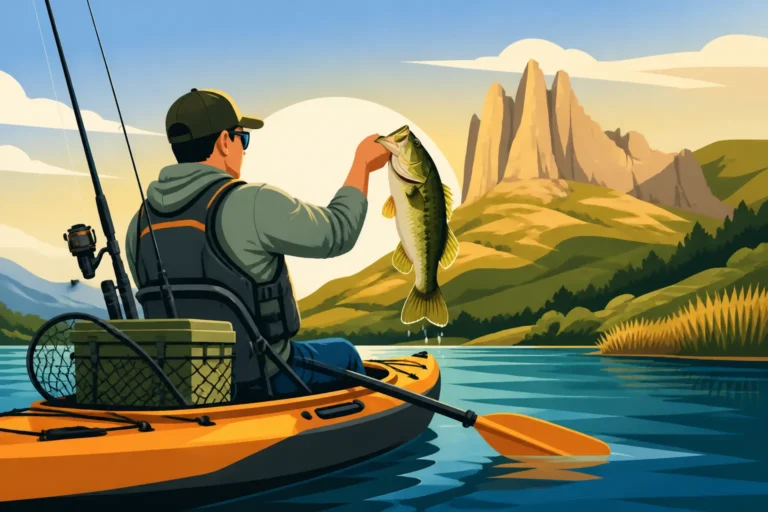
Fishing from a kayak on South Dakota's reservoirs is an experience unlike any other, offering access to secluded coves and shallow flats that larger boats simply can't reach. However, these aren't your calm, sheltered ponds. The Missouri River reservoirs, in particular, are colossal bodies of water, often stretching for miles, and they come with their own set of challenges that can quickly turn a peaceful outing into an unexpected adventure. Ignoring these factors when choosing your kayak can lead to a lot of frustration, or worse, an unsafe situation.
Understanding the Unique Challenges of Reservoir Fishing
When you're out on a reservoir like Lake Francis Case or Lewis and Clark Lake, you're not just contending with fish; you're contending with Mother Nature on a grand scale. The sheer size of these impoundments means they can act like inland seas, generating significant waves and chop, especially when the wind picks up. A gentle breeze at the launch can quickly escalate into whitecaps further out on the main channel, making a smaller, less stable kayak feel like a toy boat in a bathtub. This isn't just about comfort; it's about your ability to safely reach your fishing spots, stay on them, and get back to shore.
The currents, while not as dramatic as a raging river, can also be a factor, particularly in areas near dams or in the main river channel itself. A kayak that tracks poorly or is hard to paddle can wear you out quickly when you're fighting even a mild current, especially if you're trying to hold a position against it to cast. Long distances are also common on these waters. A quick jaunt across a small lake is one thing, but paddling a mile or two to a prime walleye spot on Lake Sharpe requires a kayak designed for efficiency and speed, not just stability.
The Impact of South Dakota Weather on Kayak Choice
South Dakota weather is famously unpredictable. A sunny morning can give way to strong thunderstorms, and winds can shift direction and intensify with little warning. This directly impacts the kind of kayak that will serve you best. A kayak that's great for calm water might become a liability when a squall rolls in. You need a craft that offers not only stability but also some degree of seaworthiness – the ability to handle rougher conditions without feeling like you're constantly on the verge of capsizing.
Temperature swings also play a role. Early spring and late fall fishing can mean cold water, and in these conditions, even an accidental dunking can be dangerous. A sit-inside kayak might offer a bit more protection from spray and wind, helping to keep you warmer and drier. Conversely, hot summer days mean you'll appreciate a kayak that allows you to easily cool off or offers plenty of ventilation. Ultimately, the best kayak for South Dakota reservoir fishing is one that provides a blend of stability, maneuverability, and durability to handle the wide array of conditions you'll encounter here.
Essential Features for a South Dakota Reservoir Fishing Kayak
When you're out on the big waters of South Dakota, your kayak isn't just a vessel; it's your fishing platform, your storage unit, and your lifeline. Getting the right features isn't about luxury; it's about practicality, safety, and ultimately, your enjoyment and success on the water.
Unmatched Stability for Rough Waters
If there's one feature that should top your list for South Dakota reservoir fishing, it's stability. These waters can get choppy in a hurry, and the last thing you want is to feel like you're constantly fighting to stay upright, especially when you're trying to cast, reel in a fish, or dig something out of your tackle box. A stable kayak means you can focus on fishing, not on balancing.
Look for kayaks with a wider beam (the width of the boat) and flatter hulls. These designs displace more water and provide a more stable platform. Some kayaks even feature pontoon-like designs or tunnels in the hull that significantly increase initial stability, allowing you to stand up and cast with confidence – a huge advantage when sight fishing for bass or working a shoreline. While extreme stability might mean a slight trade-off in speed, the peace of mind it offers on a windy day on Lake Oahe is well worth it. Think of it as your solid ground on an often-unpredictable liquid landscape.
Speed and Tracking for Covering Distances
While stability is king, you can't ignore speed and tracking. South Dakota's reservoirs are immense, and your prime fishing spot might be a good paddle from the launch. A kayak that's a slow slog will exhaust you quickly and limit the amount of water you can effectively cover. Good tracking, which is a kayak's ability to hold a straight line without constantly correcting, is equally important. When you're paddling into a headwind or across a large expanse, a kayak that continually wants to turn will make your journey much harder.
Longer kayaks generally offer better speed and tracking than shorter, wider ones. They cut through the water more efficiently and are less affected by chop. Some kayaks incorporate a defined keel line or a skeg (a retractable fin) to enhance tracking. While you're looking for that sweet spot between stability and speed, don't sacrifice too much efficiency. You want to spend your energy fishing, not just getting there. Consider how far you typically plan to paddle; if it's significant, prioritize a kayak that can glide with ease.
Ample Storage and Organization
Every angler knows the struggle: trying to fit all your essential gear into a small space. For reservoir fishing, you'll likely be out for extended periods, meaning you'll need room for tackle boxes, a cooler, safety gear, extra layers, and perhaps even a South Dakota Fishing Gear Checklist. Without adequate, well-organized storage, your kayak can quickly become a chaotic mess, making it difficult to find what you need when you need it.
Look for kayaks with multiple storage options. A large rear tankwell with bungee cords is crucial for securing a cooler or a dry bag. Hatches with watertight seals, especially in the bow and stern, are perfect for stashing items you want to keep dry and protected, like extra clothing or electronics. Many fishing kayaks also feature dedicated gear tracks (like those often seen on canoes or larger boats) that allow you to mount various accessories, from rod holders to fish finders, keeping your cockpit clear and organized. Integrated tackle storage areas or dedicated spots for bait buckets can also be a game-changer. Think about how you organize your gear now and then look for a kayak that complements that system, making your time on the water more efficient.
Comfort for Long Days on the Water
Imagine yourself spending six to eight hours on the water, battling fish and elements. If your kayak isn't comfortable, that dream day can quickly turn into a miserable experience. Back pain, numb legs, and general discomfort will detract from your focus and cut your trip short. Comfort isn't a luxury; it's a necessity for enjoying those long South Dakota fishing days.
Modern fishing kayaks have come a long way in terms of seating. Adjustable, framed seats that sit higher off the deck are a huge advantage. They provide better back support, allow for better leg circulation, and often elevate your vantage point for casting and spotting fish. Look for seats with breathable mesh fabric, which is a blessing on hot summer days. Footpegs or rudder pedals that are easily adjustable allow you to customize your paddling position for maximum efficiency and comfort. Even small details, like padded gunwales or a well-placed cupholder, can make a big difference over hours of fishing. Don't underestimate the importance of testing out a kayak's comfort before committing; a comfortable angler is a happy and more effective angler.
Types of Kayaks Best Suited for South Dakota Reservoirs
The world of fishing kayaks offers a dizzying array of choices, each with its own strengths and weaknesses. For the expansive, often-challenging waters of South Dakota's reservoirs, understanding the fundamental differences between kayak types is crucial to finding your ideal fishing machine.
Sit-on-Top Kayaks: The Popular Choice
Sit-on-top (SOT) kayaks are overwhelmingly popular among kayak anglers, and for good reason, especially on larger bodies of water like Lake Sharpe or Lake Oahe. Their open deck design makes them incredibly user-friendly for fishing. You're not "in" the kayak; you're "on" it, which offers a feeling of freedom and accessibility.
One of the biggest advantages of SOTs is their excellent stability. They are generally wider and have a flatter hull, making them very stable platforms for casting, reeling, and even standing up to fish. This stability is a huge plus when the wind kicks up and the waves start to roll across a reservoir. If you do happen to capsize, re-entry is typically much easier than with a sit-inside kayak – you just climb back on. The open deck also means self-draining scupper holes, so any water that comes over the side simply drains out, keeping your fishing area relatively dry. For South Dakota's often unpredictable weather and varying water temperatures, the ease of access and re-entry, coupled with their inherent stability, makes them a strong contender. They also offer a ton of deck space for mounting accessories like rod holders, fish finders, and even small anchor systems. Sit-On-Top vs Sit-In Kayak for Fishing goes into more detail on this comparison.
Sit-Inside Kayaks: Comfort and Protection
While less common for dedicated fishing on large reservoirs, sit-inside (SINK) kayaks do have their place, particularly for anglers prioritizing protection from the elements or seeking a more traditional paddling experience. Unlike SOTs, you sit with your legs and lower body inside the hull, often covered by a spray skirt.
The primary benefit of a SINK on a South Dakota reservoir is the added protection from spray, wind, and colder water temperatures. If you're an early spring or late fall angler, or if you simply prefer to stay drier, a SINK can offer a significant comfort advantage. They also tend to be narrower and more streamlined, often providing better speed and tracking, which can be beneficial for covering long distances on vast waters. However, SINKs are generally less stable for standing to fish, and if you do capsize, bailing out water and re-entering can be a much more challenging and potentially dangerous endeavor, especially in deep, cold reservoir water. While not ideal for every angler or every condition on an SD reservoir, a dedicated fishing SINK might appeal to those who value paddling efficiency and protection above all else, perhaps focusing more on trolling or specific techniques that don't require standing.
Pedal-Driven Kayaks: The Game Changer
For serious kayak anglers on South Dakota's reservoirs, pedal-driven kayaks have revolutionized the sport. These kayaks replace traditional paddling with a pedal system that drives a propeller or flippers (like those found on Hobie's MirageDrive system), allowing you to propel the kayak using your legs.
The "hands-free" advantage of a pedal kayak is immense. Imagine this scenario: you're drifting along a prime shoreline on Lake Francis Case, hands busy with a rod, casting, and reeling. With a pedal drive, you can maintain your position against a light breeze or slowly troll your lure, all while keeping your hands free to fish. This dramatically increases your efficiency and ability to present baits effectively. They are often incredibly stable, designed from the ground up as fishing platforms, and come equipped with all the bells and whistles an angler could want, from extensive gear tracks to integrated rod holders. Many also allow for easy addition of a small electric motor for even more versatility. The downside, of course, is the higher cost and increased weight. Hauling a heavier pedal kayak can be more challenging, and repairs to the pedal system might be more complex than a simple paddle. However, for sheer fishing effectiveness and comfort on a large reservoir, pedal-driven kayaks are often considered the ultimate tool. You'll find a wide selection of these specialized kayaks at retailers like Bass Pro Shops or through online searches on platforms like Amazon.
Top Kayak Features for South Dakota Reservoir Conditions
Beyond the basic kayak type, certain features can elevate your experience and ensure your kayak is truly optimized for the demands of fishing South Dakota's expansive and often windy reservoirs. These aren't just nice-to-haves; they can be game-changers for safety, comfort, and fishing success.
Effective Propulsion: Paddle, Pedal, or Motor?
The way you move your kayak across the water is fundamental to your fishing experience, especially on large reservoirs. Each propulsion method has its place, and understanding their pros and cons will help you choose wisely for South Dakota.
Paddle Power: Traditional paddles are the most common and cost-effective method. They're reliable, simple, and excellent for stealthy approaches to shallow coves or when navigating tight spots. However, on a large reservoir, paddling long distances against a headwind or current can be exhausting. It also ties up your hands, meaning you can't fish while actively propelling yourself. For anglers who enjoy the physical exercise and seek simplicity, a paddle is great. Just be sure to invest in a lightweight, efficient paddle to reduce fatigue over long days.
Pedal Power: As mentioned earlier, pedal-driven systems (like those from Hobie or Old Town) are fantastic for hands-free operation. They use your stronger leg muscles, which can be less tiring over time, and allow you to maintain speed, hold position, or even troll while casting. This is incredibly advantageous on sprawling reservoirs where you might want to cover ground or stay on a specific structure without dropping your rod. However, pedal systems add weight, complexity, and expense. They can also be a hindrance in very shallow, weedy areas where a propeller or fins might get fouled.
Motor-Ready & Electric Motors: Many modern fishing kayaks are designed to accept a small electric trolling motor, either in a dedicated transom mount or as a propulsive unit in a pedal drive well. For South Dakota's massive reservoirs, a small electric motor can extend your range, help you fight strong winds and currents, and significantly reduce fatigue. This is particularly appealing for anglers targeting fish over vast open water or those who want to reach distant spots quickly. Always check South Dakota Boat Motor Horsepower Rules and ensure you have the necessary battery power for your intended trip length. While not as nimble as paddle-only kayaks in tight spots, a motor can transform a long paddle into an effortless cruise, letting you save your energy for the fish.
Ergonomic Seating and Standing Platforms
Long days on the water demand a comfortable and versatile seating arrangement. Basic molded-in seats found on entry-level kayaks just won't cut it for extended reservoir fishing. Look for modern fishing kayaks with raised, adjustable frame seats.
These elevated seats offer several benefits. First, they provide excellent back support and allow for better leg circulation, preventing numbness and discomfort. Second, the higher vantage point improves visibility, helping you spot structure, weed lines, and even cruising fish. Many of these seats are also designed to be easily folded or removed, creating a flat deck space for standing. A dedicated standing platform, often padded with non-slip material, is a huge asset for sight fishing, casting with more power, or just stretching your legs. This ability to stand and sit comfortably throughout the day drastically improves endurance and enjoyment, allowing you to maximize your time on the water.
Integrated Rod Holders and Gear Tracks
When you're actively fishing, you'll likely have multiple rods with different setups, a fish finder, and possibly a GPS or camera. Without proper organization, your kayak can quickly become cluttered, leading to tangled lines or lost gear. Integrated rod holders and gear tracks solve this problem beautifully.
Most fishing kayaks come with at least two flush-mount rod holders behind the seat, perfect for trolling or holding a spare rod. Beyond that, look for kayaks that feature easily accessible gear tracks (often called "accessory tracks" or "uni-tracks"). These universal tracks allow you to attach and reposition various accessories, such as additional rod holders (for different angles or multiple rods), fish finder mounts, camera mounts, cup holders, and even small tackle trays, without drilling into your kayak. This modularity means you can customize your setup for each trip or target species, keeping your cockpit tidy and your essential tools within arm's reach. Retailers like Amazon offer a huge variety of track-mounted accessories to fit almost any kayak.
Smart Rudder Systems for Control
On open, windy waters like South Dakota's reservoirs, a rudder system moves from a luxury to a near necessity. Trying to paddle a straight line or hold your position against a crosswind without a rudder can be incredibly frustrating and energy-sapping.
A rudder, controlled by foot pedals in the cockpit, allows you to steer your kayak with subtle movements, freeing up your hands for fishing. When a gust of wind tries to push your bow off course, a quick tap of the foot pedal corrects your direction, maintaining your line or drift. This is invaluable when trolling, holding a specific angle on a drop-off, or simply trying to get back to the launch in a stiff breeze. Most pedal-driven kayaks come standard with a rudder, but many paddle-only fishing kayaks offer them as an optional or integrated feature. Ensure the rudder system is robust and easily deployable and retractable, as you'll want it out of the way in very shallow water. Best Kayak Length for Fishing Big Reservoirs often mentions that longer kayaks benefit greatly from a rudder for enhanced control.
Essential Gear to Complement Your Kayak
Your kayak is the vessel, but the right accessories turn it into a complete fishing machine, especially when you're tackling the big waters of South Dakota. These pieces of gear are not just extras; they're vital for safety, efficiency, and making the most of your reservoir fishing adventures.
Anchoring Systems for Holding Position
On South Dakota's reservoirs, the wind can be your biggest ally or your worst enemy. Trying to fish a specific piece of structure, a point, or a weed line while constantly drifting can be incredibly frustrating. This is where an effective anchoring system becomes indispensable.
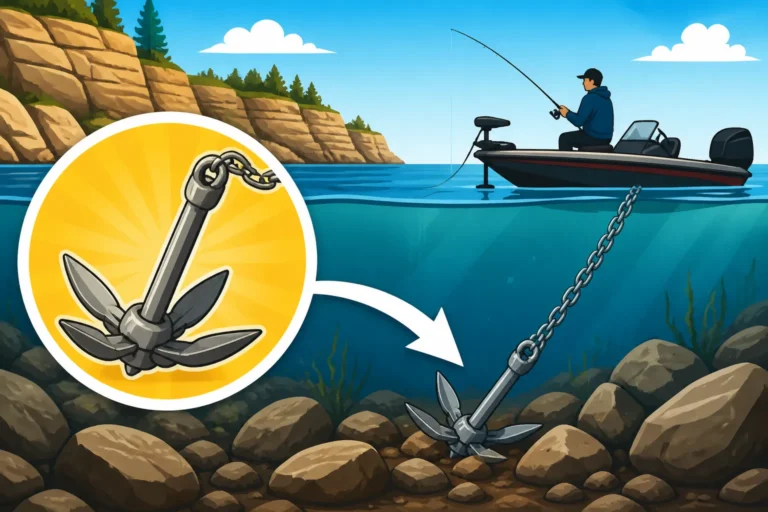
For kayaks, traditional anchors can work, but a trolley system is often the most versatile solution. An anchor trolley is a line that runs along the side of your kayak, allowing you to position your anchor point anywhere from bow to stern. This means you can anchor from the bow to hold your position against a current or from the stern to keep your bow facing into the wind for better casting. Types of anchors vary: a small grapnel anchor works well for rocky bottoms, while a mushroom anchor might be better for soft mud. For windy conditions or strong currents, a drag chain or a small, specialized kayak anchor like a Power-Pole Micro Anchor or a similar shallow water anchoring system can be a game-changer, allowing instant deployment and retrieval to precisely hold your position without fuss. Always consider the bottom type of the reservoir you'll be fishing and choose an anchor accordingly. Don't forget ample anchor rope – How Much Anchor Rope You Need for Deep Water is a critical question when fishing reservoirs that can be quite deep.
Safety Gear You Cannot Live Without
The open waters of South Dakota's reservoirs demand respect, and safety should always be your top priority. Accidents can happen quickly, even on calm days, and being prepared is not just smart; it's often legally required.
The absolute minimum is a properly fitting personal flotation device (PFD), or life jacket, which you should wear at all times while on the water. Seriously, it's not just a rule; it's a lifesaver. South Dakota Life Jacket Requirements are clear on this. Beyond that, a whistle or other sound-signaling device is crucial for alerting others in an emergency. A paddle leash ensures you don't lose your paddle if you drop it or capsize. A small dry bag for your phone, keys, and wallet is also a must, protecting your valuables from splashes or an unexpected swim. Consider adding a small first-aid kit, a bilge pump (for sit-inside kayaks), and a visible flag or light if you'll be on the water at dawn, dusk, or in low visibility conditions. These aren't just for you; they protect everyone else on the water too.
Fish Finders and Navigation Tools
Knowing what's beneath your kayak and where you are on the vast expanse of a South Dakota reservoir dramatically increases your fishing success. Modern electronics are incredibly compact and powerful, perfect for kayak fishing.
A fish finder, even a basic model, can reveal depths, bottom structure, and even schools of baitfish or game fish. Look for models with clear, easy-to-read screens and transducer mounting options that integrate well with your kayak. Many offer GPS capabilities, allowing you to mark waypoints for hot spots, hidden structure, or safe navigation paths. This is especially useful on large reservoirs where identical-looking shorelines can make finding your way back a challenge. If your fish finder doesn't have GPS, a separate handheld GPS unit or a reliable mapping app on your phone (in a waterproof case) is highly recommended. These tools help you understand the underwater topography, identify productive areas, and get back to your launch point safely, even if fog rolls in or darkness falls. How to Read Contour Lines on a Lake Map is a skill that pairs perfectly with these electronics.
Proper Storage and Transportation Solutions
Getting your kayak to and from the water efficiently and storing it properly are often overlooked aspects that significantly impact your overall enjoyment of kayak fishing. A heavy, awkward kayak can quickly become a deterrent if transportation is a constant struggle.
Consider a kayak cart or trolley that allows you to roll your kayak from your vehicle to the launch, saving your back and energy. For vehicle transport, a roof rack system (for car toppers) or a dedicated trailer (for heavier pedal kayaks) is essential. Ensure your tie-downs are secure, especially when driving South Dakota's highways at speed. When it comes to storage, keep your kayak off the ground, preferably in a garage or shed, to protect it from UV damage and weather. Wall mounts or slings are great space-saving options. Proper storage extends the life of your investment and keeps it ready for your next adventure. If you're wondering how to get your new kayak to the water, How to Transport a Kayak Without a Roof Rack might offer some creative solutions.
Finding Your Perfect South Dakota Reservoir Fishing Kayak
Alright, you've got the lowdown on features and types. Now, how do you actually get your hands on the best kayak for your South Dakota reservoir adventures? It comes down to a bit of research, some hands-on experience, and knowing where to look.
Researching Online and Reading Reviews
The internet is an incredible resource for initial research. Websites like those from Bass Pro Shops, Cabela's, or even the vast product selection on Amazon can give you a comprehensive overview of different kayak models, brands, and price ranges. You can compare specifications, check out photos, and get a general feel for what's out there.
Beyond official product pages, delve into customer reviews and dedicated kayak fishing forums. Real-world experiences from other anglers, particularly those who fish similar large, windy waters, are gold. Pay attention to comments about stability in chop, tracking, comfort on long paddles, ease of rigging, and durability. Look for recurring themes – if multiple people complain about a particular seat or how difficult it is to transport a certain model, take that seriously. This online research phase helps you narrow down your choices and identify a few top contenders before you even step foot in a store.
Visiting Local Kayak and Fishing Retailers
While online research is excellent for gathering information, there's no substitute for seeing a kayak in person. If you have access to larger outdoor retailers like Bass Pro Shops or even smaller, independent kayak shops in or near South Dakota, make a trip.
Being able to physically sit in a kayak, test the comfort of the seat, check the reach of the foot pedals, and assess the storage capacity firsthand is invaluable. You can gauge the kayak's weight and how easy or awkward it might be to handle. Talk to the sales staff; many are avid anglers themselves and can offer personalized advice based on your local South Dakota fishing conditions and your specific needs. They can also often give you guidance on South Dakota Kayak and Canoe Registration Rules or Do You Need to Register a Kayak in South Dakota?, which is always helpful. Plus, you might discover models you hadn't considered online.
Considering Used Kayaks and Demos
If a brand-new, top-of-the-line fishing kayak feels a bit out of budget, don't rule out the used market. You can often find excellent kayaks at a fraction of the price, especially if you're patient. Check online marketplaces, local classifieds, and even social media groups dedicated to kayak fishing.
When buying used, inspect the kayak thoroughly for damage, cracks, or excessive wear. Check scupper holes, rudder cables, and ensure all hatches seal properly. A test paddle (if possible) is ideal. Sometimes, local outfitters or dealerships will also offer demo days where you can try out different kayaks on the water before committing to a purchase. This "try before you buy" opportunity is incredibly valuable, as it allows you to experience how a kayak actually performs, how stable it feels with you in it, and how it handles paddling or pedaling. It’s the ultimate way to ensure that your chosen kayak truly is the best fit for your South Dakota reservoir fishing adventures.
Maintenance Tips for Your South Dakota Fishing Kayak
Investing in a quality fishing kayak for South Dakota's reservoirs is just the first step. Proper care and maintenance will ensure your vessel lasts for many seasons, always ready for your next adventure on Lake Oahe or Lake Sharpe. Neglecting simple upkeep can lead to costly repairs or a shortened lifespan for your beloved fishing platform.
Cleaning and Storage Best Practices
After every trip, especially on the larger reservoirs, it’s a good habit to give your kayak a quick rinse. This isn't just about aesthetics; it helps remove any mud, sand, or invasive species that might be clinging to the hull. A simple spray with fresh water and a wipe-down with a soft cloth will prevent buildup and keep your kayak looking great.
For long-term storage, especially during the harsh South Dakota winters, cleaning is even more critical. Remove all gear, drain any water, and thoroughly clean the hull. Store your kayak out of direct sunlight to prevent UV degradation, which can make the plastic brittle over time. Suspending it evenly on slings or storing it on its side can prevent flat spots or warping. If storing outdoors, cover it with a breathable tarp to protect it from snow and ice, but allow for air circulation to prevent mold and mildew. Proper cleaning and storage will significantly extend the life of your kayak and keep it in prime condition for South Dakota Spring Walleye Fishing Techniques.
Routine Inspections and Repairs
Regularly inspecting your kayak is key to catching small issues before they become big problems. Before and after each outing, take a few minutes to look over the hull for any cracks, deep scratches, or punctures. Check all rigging, including bungee cords, rudder lines, and seat attachments, for wear and tear.
If you find a minor crack or a leak, address it promptly. Small repairs, such as using marine-grade epoxy or specific plastic welding kits, can often be done at home. For more significant damage, consider taking it to a professional repair shop that specializes in kayaks. Don't forget to inspect your pedal drive system or rudder for any debris, corrosion, or signs of malfunction. Lubricate moving parts as recommended by the manufacturer. Proactive inspections and timely repairs will prevent unexpected failures on the water and keep your kayak safe and functional for years to come.
Caring for Accessories and Electronics
Your kayak accessories and electronics are just as important as the kayak itself. After each use, especially if you've been in murky or silty water, clean your fish finder transducer. Wipe down all electronic units and ensure they are dry before storage. Remove batteries from fish finders and trolling motors if storing for an extended period, as battery leakage can cause irreparable damage.
Lubricate any moving parts on rod holders, anchor trolleys, and pedal drive components with appropriate marine-grade lubricants. Store paddles in a way that prevents warping, and keep life jackets dry and out of direct sunlight to prevent degradation of the flotation material. If you have an electric trolling motor, ensure the battery is properly charged and maintained, especially during off-season storage. Following manufacturer guidelines for all your accessories will ensure they perform reliably when you need them most, whether you're using a Best Fish Finders for South Dakota Lakes or a specialized Best Kayak Anchor for River Fishing.
Disclaimer
This article is for general informational purposes only and does not constitute professional advice. Laws, prices and regulations vary by location and change over time. Consult a qualified professional for guidance on your specific situation.