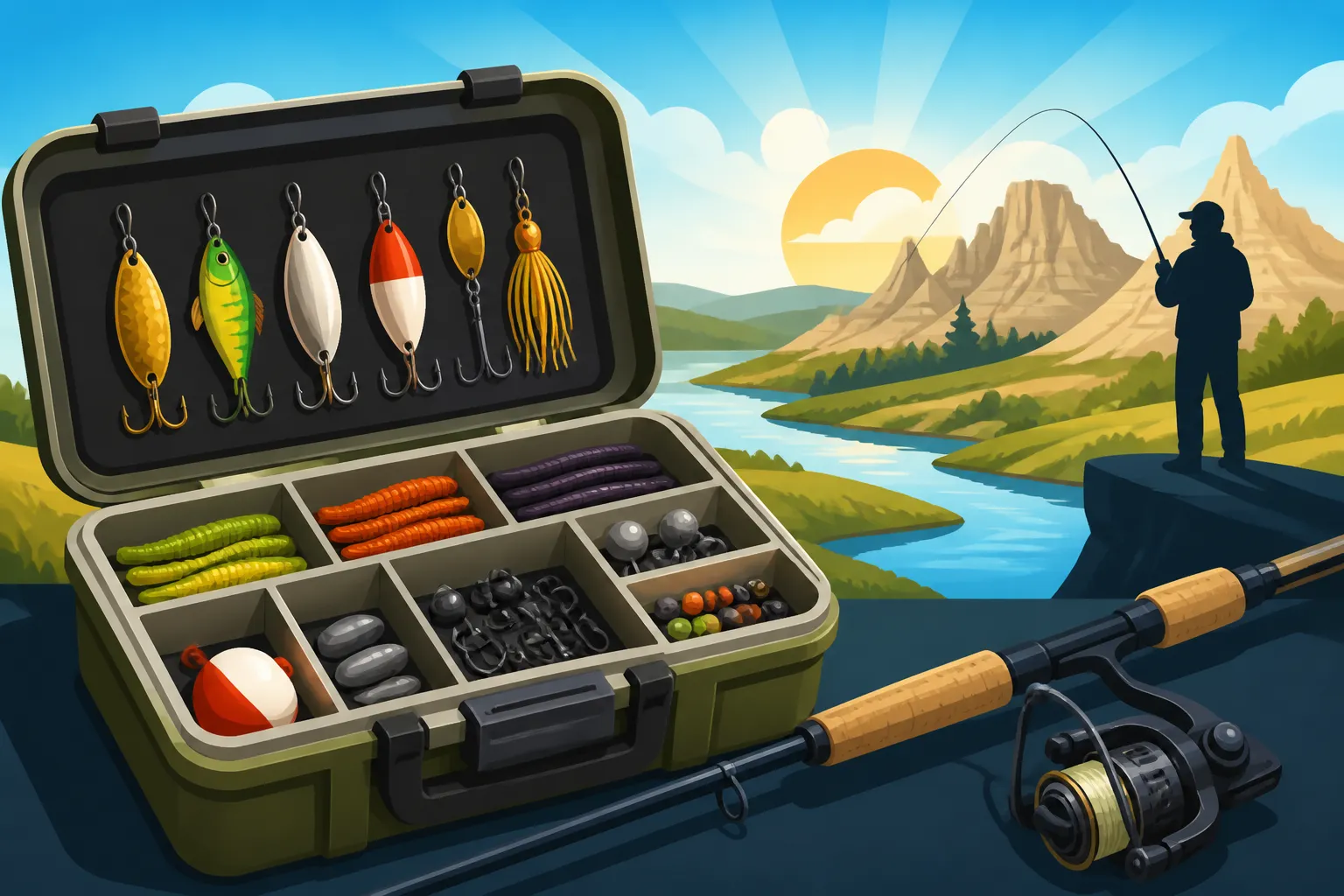
Best Tackle Box Setup for South Dakota Anglers
Oh, the age-old dilemma of the tackle box! It's a common frustration for so many of us, isn't it? You're either digging through a tangled mess of lures and hooks when the bite is hot, or you realize you've left that one crucial piece of terminal tackle at home while standing on the shore of Lake Oahe. It feels like every trip to a new spot demands a whole new setup, leaving your gear in a constant state of flux. This guide is here to cut through the clutter and help you assemble the best tackle box setup specifically for the incredibly diverse and rewarding fishing opportunities we have right here in South Dakota.
Understanding South Dakota's Diverse Fishing Environments
South Dakota isn't just one type of fishing ground; it's a tapestry of varied waters, each with its own quirks and demands. Trying to make a "one-size-fits-all" tackle box work across all these environments is like trying to use a hammer for every tool job – it just doesn't cut it. What works wonders for walleye on the vast Missouri River reservoirs will likely be completely wrong for trout in a crystal-clear Black Hills stream. Understanding these differences is the first crucial step in setting up a truly effective tackle box.
Missouri River Reservoirs: Walleye, Salmon, and Bass
Our mighty Missouri River, with its expansive reservoirs like Lake Oahe, Lake Sharpe, Lake Francis Case, and Lewis and Clark Lake, presents a unique challenge and incredible opportunities. These are big waters, often with significant current, deep channels, and varying structures from rocky points to submerged timber. Anglers here often target the legendary walleye, but also find success with Chinook salmon, smallmouth bass, and even big catfish.
For these massive bodies of water, you're often dealing with deeper presentations, covering a lot of water, and adapting to fluctuating water levels and currents. Your tackle needs to be robust enough to handle larger fish, and versatile enough to switch between trolling crankbaits for walleye and vertical jigging for salmon. It’s not uncommon to need heavier weights to get to the bottom in strong currents, or long rods for effective trolling spreads. Thinking about the sheer scale of these lakes and the power of the fish they hold really guides your choices, from the strength of your line to the size of your landing net. It’s an environment that demands preparedness and a wide array of options to respond to the changing conditions and feeding patterns of fish in vast open water.
Glacial Lakes: Walleye, Pike, and Perch
Head east, and you'll find South Dakota's Glacial Lakes region, a completely different world from the Missouri River. Lakes like Lake Thompson, Lake Poinsett, and Lake Kampeska are shallower, often weedier, and can warm up quickly in the summer. These waters are prime for walleye, but they also boast impressive populations of northern pike and jumbo yellow perch.
Fishing in the Glacial Lakes often means working weed lines, shallow flats, and finding those subtle structure changes. Your tackle box needs to reflect this: more weedless options for pike, smaller jigs and spoons for perch, and a good selection of shallow-running crankbaits or spinnerbaits for walleye cruising the flats. Presentation can be more subtle here, with less current to contend with, and often calls for lighter lines and more finesse tactics, especially when the water is clear. Ice fishing is also a huge draw on these lakes in winter, which will demand its own dedicated set of gear. So, while the target species might overlap with the reservoirs, the specific tactics and therefore the tackle you need are distinctly different, focusing on shallower water and denser vegetation. You'll want to be prepared for everything from pitching jigs into cattails to running slip bobbers over submerged humps.
Black Hills Trout Streams: Rainbow, Brown, and Brook Trout
Then there's the truly special experience of the Black Hills. Tucked away in the western part of the state, these picturesque streams, such as Rapid Creek and Spearfish Creek, offer incredible opportunities for rainbow, brown, and brook trout. This is a much more intimate, often technical, style of fishing compared to the vastness of the lakes.
For stream fishing in the Black Hills, precision and presentation are key. Your tackle box will shrink considerably, focusing on smaller, lighter gear. Think small spinners, tiny jigs, and perhaps a selection of flies if you're into fly fishing. South Dakota Fly Fishing Guide can give you even more insights into this specific pursuit. You'll need light line, small hooks, and a selection of weights that allow for a natural drift in varying current speeds. Many of these streams are "artificial lure only" or have specific regulations, so your tackle needs to comply. The focus here is on stealth, accurate casting, and delicate presentations to wary trout in clear, cold water. Your tackle box might include things like small indicators, split shot, and a variety of micro-lures that mimic the natural insects and forage available in these pristine waters.
The Essential Components of Any South Dakota Tackle Box
No matter where you cast your line in South Dakota, there are certain foundational items that every angler should have in their tackle box. These are the non-negotiables, the pieces of gear that form the backbone of your fishing setup, ensuring you're ready for most common situations. Think of these as your core survival kit on the water – without them, even the fanciest lures won't do you much good.
Terminal Tackle Staples: Hooks, Sinkers, Swivels
This is the nuts and bolts of fishing. You can have the most expensive rod and reel, but if you don't have the right hooks, sinkers, or swivels, you're not catching much.
- Hooks: For South Dakota, a variety is key. You'll need everything from small panfish hooks (size 8-12) for crappie and perch, to medium-sized octopus or Kahle hooks (size 4-1/0) for walleye and catfish, and larger circle hooks (2/0-5/0) if you're targeting those big Missouri River flathead catfish. Always have a good supply of jigs in various weights (1/8 oz to 1/2 oz) and colors, as they are incredibly versatile for walleye, smallmouth, and even pike. Many anglers swear by a chartreuse or white jig in the spring for walleye.
- Sinkers: Again, variety is crucial. Split shots are indispensable for adjusting the depth of live bait under a bobber. Bullet weights or worm weights (1/8 oz to 3/8 oz) are perfect for Texas rigging soft plastics for bass, helping them slither through weeds and cover. For deeper water or heavier current, especially on the Missouri River, you'll want bottom bouncers (1 oz to 3 oz) and perhaps some heavier egg or no-roll sinkers for anchor fishing with live bait. It's about getting your bait to the strike zone and keeping it there.
- Swivels: Both barrel and snap swivels are essential. Barrel swivels prevent line twist, which is critical when using spinning lures or trolling. Snap swivels make it quick and easy to change lures, which is a huge time-saver when you're trying to dial in the bite. Having a selection of sizes ensures you're not using an oversized swivel that spooks fish, nor one too small that won't hold up to a hard fight. Many anglers find it convenient to order specific terminal tackle in bulk through Amazon to ensure they're always stocked.
Line and Tools: Line, Pliers, Clippers
These are your workhorses, the items that facilitate rigging, repairs, and general fish-handling. Without reliable line and the right tools, your fishing day can quickly turn frustrating.
- Fishing Line: You'll want a few different spools. Monofilament (6-10 lb test) is a great all-around choice for its stretch and knot-tying properties, suitable for many walleye and panfish setups. Fluorocarbon (8-12 lb test) makes an excellent leader material, especially in clear water, due to its low visibility and abrasion resistance. Braided line (10-30 lb test) is fantastic for its sensitivity, strength, and thin diameter, particularly when jigging or fishing in heavy cover. Remember, different species and techniques demand different line types and strengths. For instance, Best Line Weight for South Dakota Catfish would require something much heavier than what you'd use for trout.
- Pliers/Forceps: A good pair of multi-tool pliers is indispensable. You'll use them for cutting line, crimping weights, and, most importantly, safely removing hooks from fish. Long-nosed pliers or hemostats are particularly useful for those deeply-hooked fish, protecting both you and the fish. Having a pair with a built-in line cutter saves you from fumbling for a separate tool.
- Line Clippers/Scissors: While many pliers have a cutter, a dedicated pair of line clippers or sharp fishing scissors makes clean cuts, especially with braided line. Clean cuts are crucial for strong knots, and you don't want to be chewing through line with dull blades. Keep them sharp and accessible; a small pair on a retractable lanyard is ideal.
Safety and Convenience Items: First Aid, Sunscreen, Measuring Tape
Beyond the actual fishing tackle, there are crucial items that ensure your day on the water is safe, comfortable, and compliant with regulations. These might not help you catch a fish, but they certainly help you enjoy the experience and stay out of trouble.
- First Aid Kit: Accidents happen. A small, waterproof first aid kit should always be in your tackle box or boat. It should include bandages, antiseptic wipes, pain relievers, and tweezers for splinters or small hooks. A basic kit can handle minor cuts and scrapes, ensuring a small mishap doesn't end your fishing trip prematurely.
- Sunscreen and Bug Spray: South Dakota summers, especially on the wide-open reservoirs, can be brutally sunny, and evenings can bring out the mosquitoes. Protecting your skin from harmful UV rays and fending off biting insects is essential for comfort and long-term health. Keep a travel-sized bottle of both in an easily accessible pouch.
- Measuring Tape/Scale: To ensure you're compliant with South Dakota's fishing regulations on length limits and to celebrate your catches, a measuring tape (or a ruler adhered to your boat) and a small, portable scale are invaluable. Knowing your fish's exact length and weight helps you adhere to catch limits, participate in programs like the South Dakota Master Angler Program, and accurately report your trophy catches. South Dakota Fish Limits and Size Restrictions can vary widely, so always be prepared to measure your fish on the spot.
Tailoring Your Lures for South Dakota's Key Species
Once you have your core tackle box essentials covered, it's time to get specific with lures. This is where your tackle box really starts to reflect the kind of fishing you love most in South Dakota. While some lures are versatile, dialing in on species-specific offerings will dramatically increase your success rate.
Walleye Wonders: Jigs, Crankbaits, and Spinner Rigs
Walleye are the undisputed kings in many South Dakota waters, and anglers travel from far and wide to chase them on our glacial lakes and Missouri River reservoirs. Your tackle box needs to be a walleye-catching arsenal.
- Jigs: Jigs are arguably the most versatile walleye lure. You'll want a variety of weights (1/8 oz to 1 oz) and colors (chartreuse, white, pink, natural patterns). Pair them with soft plastics like paddle tails or grub bodies, or tip them with live bait like minnows or nightcrawlers. Jigging is incredibly effective year-round, from vertical jigging on structure to pitching jigs into shallow cover in spring. Knowing How to Jig for Walleye in Current can be a game-changer on the Missouri River. A solid selection of quality jigs is a must-have for any serious South Dakota walleye angler.
- Crankbaits: When walleye are actively feeding or suspended, crankbaits shine. You'll need both shallow-running models for trolling flats or casting to shorelines, and deep-diving versions for covering open water and targeting deeper structures on the reservoirs. Colors should range from natural baitfish patterns to bright, aggressive colors for stained water. Think about different bill sizes and body shapes to achieve various depths and actions. For instance, Best Crankbait Colors for Stained Water will often be different from what you'd choose in clear conditions. Trolling crankbaits allows you to cover vast amounts of water, especially on Lake Oahe and Lake Sharpe.
- Spinner Rigs: Often referred to as "walleye rigs" or "worm harnesses," these are incredibly effective, especially when paired with live bait like a nightcrawler or leech. The spinning blade creates flash and vibration, attracting walleye, while the live bait provides scent and natural movement. Have a selection of blade colors (silver, gold, copper, fluorescent) and sizes. They can be trolled behind bottom bouncers or slow-drifted, making them perfect for covering ground and presenting bait naturally.
Bass and Pike Pursuits: Soft Plastics, Topwaters, and Spoons
While walleye might get most of the glory, South Dakota also offers fantastic fishing for smallmouth bass, largemouth bass, and northern pike. These toothy critters and feisty fighters require a different approach and a different set of lures.
- Soft Plastics: For bass, soft plastics are king. Senkos, flukes, creature baits, and tube jigs are all incredibly effective. Carry a range of colors and sizes. Texas rigging worms or creatures allows you to fish in heavy cover without snagging, while wacky rigging a Senko offers a seductive, slow fall. Smallmouth bass on the Missouri River reservoirs love tube jigs and grubs worked along rocky bottoms. Learn How to Fish a Tube Jig for Smallmouth Bass for great success.
- Topwater Lures: There's nothing quite like a topwater strike. Poppers, walk-the-dog baits, and frogs are exciting options for both largemouth and smallmouth bass, especially in low light conditions or when fishing over submerged vegetation. These lures create surface commotion that draws aggressive strikes. While pike can hit topwater, bass are usually the primary target for this exhilarating technique.
- Spoons: Both casting spoons and jigging spoons have a place in a South Dakota tackle box, especially for pike and even aggressive bass. Casting spoons, like Daredevils or Five of Diamonds, are excellent for covering water and mimicking injured baitfish, particularly around weed lines where pike lurk. Jigging spoons are effective for vertical jigging for walleye or perch, but can also entice pike and bass holding to deep structure. Have a variety of sizes and flashy colors.
Trout Stream Tactics: Spinners, Small Jigs, Flies
The Black Hills trout streams demand finesse and a specialized selection of smaller lures. While fly fishing is popular, spin fishing can be equally effective if you have the right gear.
- Small Spinners: Classic inline spinners like Mepps, Panther Martins, or Rooster Tails are deadly on Black Hills trout. Carry a variety of blade colors (silver, gold, brass) and body colors in sizes ranging from 0 to 2. These lures cast well, offer a lot of flash and vibration, and can be retrieved effectively in both slower pools and faster runs. Their compact size makes them ideal for the smaller, clearer streams.
- Small Jigs: Tiny marabou jigs or micro-jigs (1/32 oz to 1/16 oz) are incredibly effective for trout, especially when tipped with a small piece of bait or even fished plain. White, black, olive, or brown are good color choices. These can be drifted under a bobber or twitched along the bottom, mimicking small insects or sculpin. They offer a subtle presentation that wary trout often can't resist.
- Flies (Spin Fishing Adaptations): If you're not a dedicated fly angler but want to try to imitate the natural insects, consider small, weighted nymphs or small streamers fished under a clear bobber or with a bit of split shot. While not true fly fishing, it can offer a closer imitation to what trout are naturally feeding on. For a full dive into the art, South Dakota Fly Fishing for Black Hills Trout offers much more detail. Your Black Hills tackle box will emphasize lightweight lines, small, sharp hooks, and lures that don't make a big splash upon entry to avoid spooking the fish.
Organizing Your Tackle Box for Efficiency
Having all the right gear is one thing; being able to find it when you need it most is another entirely. A well-organized tackle box can be the difference between landing a trophy fish and fumbling around while the school moves on. Efficiency on the water translates directly to more successful and enjoyable fishing trips.
Tackle Box Styles and Features: Trays, Soft-Sided, Custom
The type of tackle box you choose will largely depend on your fishing style, the amount of gear you carry, and your preferred level of organization. There's no single "best" option, but rather the best option for you.
- Traditional Tray Boxes: These are the multi-layered plastic boxes most of us grew up with. They offer hard-sided protection and multiple cantilevered trays that fan out, making contents visible. They're great for generalists who carry a wide variety of items and appreciate the quick visual overview. The downsides can be their bulk, the tendency for small items to shift between compartments if not properly divided, and sometimes difficulty accessing items at the very bottom. They're a classic for a reason, providing robust storage and easy access to a broad range of tackle for a day trip.
- Soft-Sided Bags with Utility Boxes: Increasingly popular, these offer modularity and portability. A large bag holds several smaller, clear plastic utility boxes (like those from Plano or Bass Pro Shops) that you can customize with dividers. This system is fantastic for organizing by lure type, size, or species. You can grab just the specific box you need for a particular outing or fish species, leaving the rest at home. They're lighter, easier to carry, and the soft exterior often has extra pockets for tools, snacks, or your South Dakota GFP Fishing Handbook Guide. The modularity means less wasted space and more efficient access to your curated selection of tackle. This system is perfect for those who like to highly specialize their gear for different trips.
- Custom Storage Solutions: For the truly dedicated angler, custom solutions might involve boat storage, specialized kayak fishing boxes, or purpose-built ice fishing shuttles. These are designed to integrate seamlessly with your fishing platform. A boat might have built-in storage for dozens of utility boxes, while a kayak might feature waterproof hatches and rail-mounted tackle holders. The key here is tailoring your storage to your specific activity, maximizing accessibility and minimizing clutter in a constrained space.
Let's look at a quick comparison:
| Tackle Box Type | Pros | Cons | Ideal For |
|---|---|---|---|
| Traditional Tray | Durable, waterproof, quick visual access to all compartments. | Bulky, heavy, items can spill if tipped, less flexible for specialization. | Anglers needing diverse gear for general use; boat storage. |
| Soft-Sided Bag | Modular, lightweight, customizable, easy to carry, extra pockets. | Less waterproof for individual boxes, requires more initial setup. | Specialized trips; anglers who carry only what's needed. |
| Specialty/Boat/Kayak | Integrated, maximizes space, tailored to specific fishing platforms. | Often expensive, limited to one platform, less portable. | Dedicated boat/kayak anglers; highly specialized activities. |
Labeling and Storage Strategies: Clear Boxes, Dividers
Once you've picked your tackle box style, the real organization begins. The goal is to make every item easy to find and identify at a glance.
- Clear Utility Boxes: If you're using a soft-sided bag system, invest in clear plastic utility boxes. Being able to see the contents without opening every box is a massive time-saver. You can quickly identify which box holds your walleye jigs versus your bass plastics. Bass Pro Shops offers a good selection of these customizable clear boxes, often in various depths and sizes.
- Dividers, Dividers, Dividers: Most utility boxes come with removable dividers. Use them! Create specific compartments for different sizes of hooks, types of sinkers, or colors of jigs. This prevents hooks from tangling, weights from mixing, and makes it quick to grab exactly what you need. Avoid overfilling compartments; leave enough space to easily pick out individual items.
- Labeling is Your Friend: Go a step further and label each compartment or box. Use a permanent marker directly on the plastic or adhesive labels. For example: "Walleye Jigs – 1/4 oz," "Bass Worms – Green Pumpkin," "Crappie Jigs," "Terminal Tackle – Small." This is especially helpful if you have multiple similar-looking boxes or if different family members use the tackle. It reduces rummaging and helps you keep track of what you're running low on. This level of organization can save precious fishing time, ensuring you're presenting the right lure the moment the fish start biting.
Seasonal Adjustments and Maintenance: Pre-Season Checks, Cleaning
Your tackle box isn't a "set it and forget it" item. It needs regular attention to stay effective and organized, especially with South Dakota's distinct fishing seasons.
- Pre-Season Check-Up: Before the prime fishing seasons kick off (like spring walleye or summer bass), do a thorough inventory. Replenish any depleted supplies like hooks, leaders, or favorite lures. Check all your line on your reels and replace it if it's old or frayed. Sharpen any dull hooks or replace rusty ones. This proactive approach ensures you're ready to hit the water running without any last-minute scrambling. It's also a good time to review South Dakota Fishing Season Dates and Limits to make sure your tackle aligns with what's in season.
- Seasonal Swaps: Just as the fish change their habits, your tackle box should evolve with the seasons. In spring, you might emphasize shallower walleye baits and bright colors. Summer might call for more deep-diving cranks and topwater bass lures. Fall might see you adding more salmon spoons for Lake Oahe Chinook Salmon Fishing at Whitlock Bay. Don't be afraid to swap out entire utility boxes. Keep your off-season gear neatly stored away, ready for its turn.
- Post-Trip Cleaning and Maintenance: After each trip, especially if you've been in saltwater or extremely dirty conditions, take a few minutes to air out your tackle box and inspect your lures. Rinse off any mud or grime. Dry out any wet soft plastics to prevent mildew. Check your hooks for rust or dullness. Proper maintenance extends the life of your gear and prevents unpleasant surprises on your next outing. Regularly emptying and cleaning your main tackle box once or twice a year can also prevent rust buildup and keep things fresh.
Specialized Considerations for South Dakota Anglers
Beyond the general setup, South Dakota fishing often calls for specific considerations. Our winters are long, and the difference between fishing from shore versus a boat can be immense. Tailoring your tackle to these unique demands is part of becoming a truly prepared South Dakota angler.
Ice Fishing Essentials: Specific Gear for Winter
When the lakes freeze over, South Dakota transforms into an ice fishing paradise. This requires a completely separate tackle box, or at least a highly specialized section of your main one. The techniques, and therefore the tackle, are entirely different from open water fishing.
- Ice Fishing Rods and Reels: You'll need short, sensitive ice fishing rods (24-36 inches) paired with small spinning reels. The sensitivity is crucial for detecting subtle bites in cold water, while the short length is practical for fishing inside an ice shanty. Best Ice Fishing Rods and Reels will typically be much lighter and shorter than your open-water counterparts.
- Jigging Lures: Small vertical jigging spoons, lead head jigs, and tungsten jigs are paramount. These allow you to fish directly over structure and fish marked on your flasher. Tip them with wax worms, minnow heads, or soft plastic grubs. Colors like glow, red, and natural patterns are often effective. Rattle spoons can also be great for calling in fish from a distance under the ice.
- Tip-Ups and Bobbers: For passive fishing or covering multiple holes, tip-ups are essential for larger species like walleye and pike, typically baited with live minnows. Small, sensitive bobbers or spring bobbers are key for detecting light bites when jigging for panfish. Having a few different sizes and styles allows you to adapt to varying depths and species. Don't forget an ice scooper to clear your holes, and a pair of good ice cleats for safety on slick surfaces.
Bank vs. Boat Fishing Needs: Differences in What to Carry
How you access the water significantly impacts what you can and should carry in your tackle box. What's practical for a spacious boat might be cumbersome for a hike to a secluded stream.
- Bank Fishing: When fishing from shore, portability is paramount. You're likely carrying all your gear, possibly hiking to a good spot. A smaller, lightweight soft-sided tackle bag with just a few utility boxes, or even a simple satchel with essentials, is ideal. Focus on versatile lures that can be cast effectively from shore, like crankbaits, spinnerbaits, and a good selection of jigs. You won't need heavy bottom bouncers or trolling setups. Think about Best Shore Fishing Spots on Lake Oahe and pack accordingly, keeping movement and minimal gear in mind.
- Boat Fishing: If you're on a boat, especially a larger one on the Missouri River reservoirs, you have the luxury of carrying much more gear. This means you can have multiple tackle boxes: one for walleye, one for bass, one for salmon, and perhaps a dedicated box for terminal tackle. You can bring heavier trolling gear, downriggers (if targeting salmon on Lake Oahe), and a wider array of specialized lures. Organization within the boat is key here, often using modular boxes that can be stowed away but easily accessed. You might also have dedicated storage for a landing net, measuring board, and perhaps even a cooler with ice for your catch.
Regional Hotspots and Specific Baits: Lake Oahe, Black Hills, Glacial Lakes
South Dakota's regional differences are so pronounced that truly optimizing your tackle box means considering the specific hotspots you plan to visit.
- Lake Oahe: This massive reservoir demands tackle for big walleye and Chinook salmon. For walleye, this means a solid selection of deep-diving crankbaits for trolling, heavy jigs for vertical presentations, and plenty of bottom bouncers with spinner rigs. For salmon, you'll need spoons, flies, and perhaps even downriggers if you're serious about targeting them. Knowing Best Lures for Lake Oahe Salmon in October will be critical. Don't forget heavy leaders for the salmon's sharp teeth!
- Black Hills Trout Streams: As mentioned, this is all about finesse. Your tackle box should be pared down to small spinners, tiny jigs, and perhaps some dry flies or nymphs for fly fishing setups. You'll need very light line (2-6 lb test) and small split shot for delicate presentations. Many streams have specific regulations, so check the Black Hills Stream Trout Regulations before you go.
- Glacial Lakes: For these eastern lakes, be prepared for walleye, northern pike, and jumbo perch. Weedless lures like jigging spoons or weedless soft plastics are important for pike. For walleye, shallow-running crankbaits, slip bobber rigs, and jigs tipped with minnows are often productive. For perch, small tungsten jigs tipped with a grub or wax worm are deadly. Knowing Bitter Lake Perch Fishing Tips or Lake Kampeska Walleye Fishing Report can help you refine your tackle selection for your specific destination.
By understanding these nuances and proactively organizing your tackle, you'll spend less time digging and more time enjoying the incredible fishing South Dakota has to offer, no matter where your next adventure takes you.
Disclaimer
This article is for general informational purposes only and does not constitute professional advice. Laws, prices and regulations vary by location and change over time. Consult a qualified professional for guidance on your specific situation.