Lake Kampeska Walleye Fishing Report
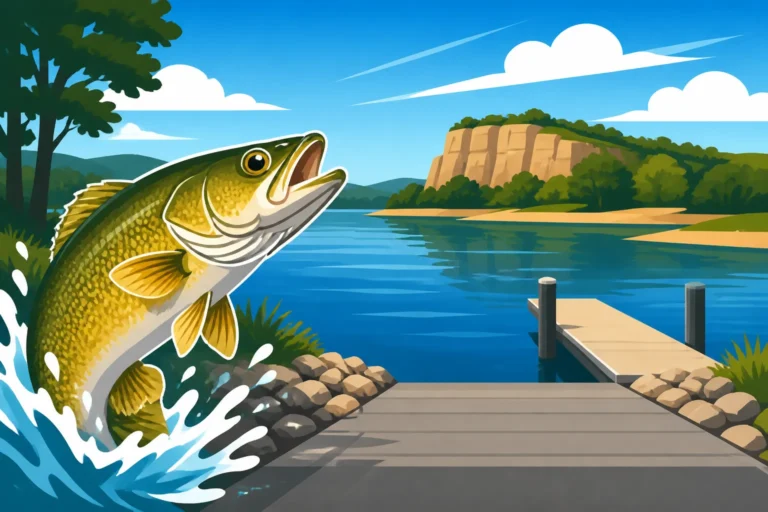
Trying to figure out where the walleye are biting on Lake Kampeska can feel like a guessing game sometimes, especially with the ever-changing weather and fish patterns. It’s frustrating to spend precious hours on the water without a solid plan. This comprehensive guide is here to cut through the confusion, offering a detailed and realistic walleye fishing report for Lake Kampeska, breaking down seasonal strategies, pinpointing key locations, and sharing effective techniques to help you put more fish in the boat or on the ice.
Understanding Lake Kampeska's Walleye Fishery
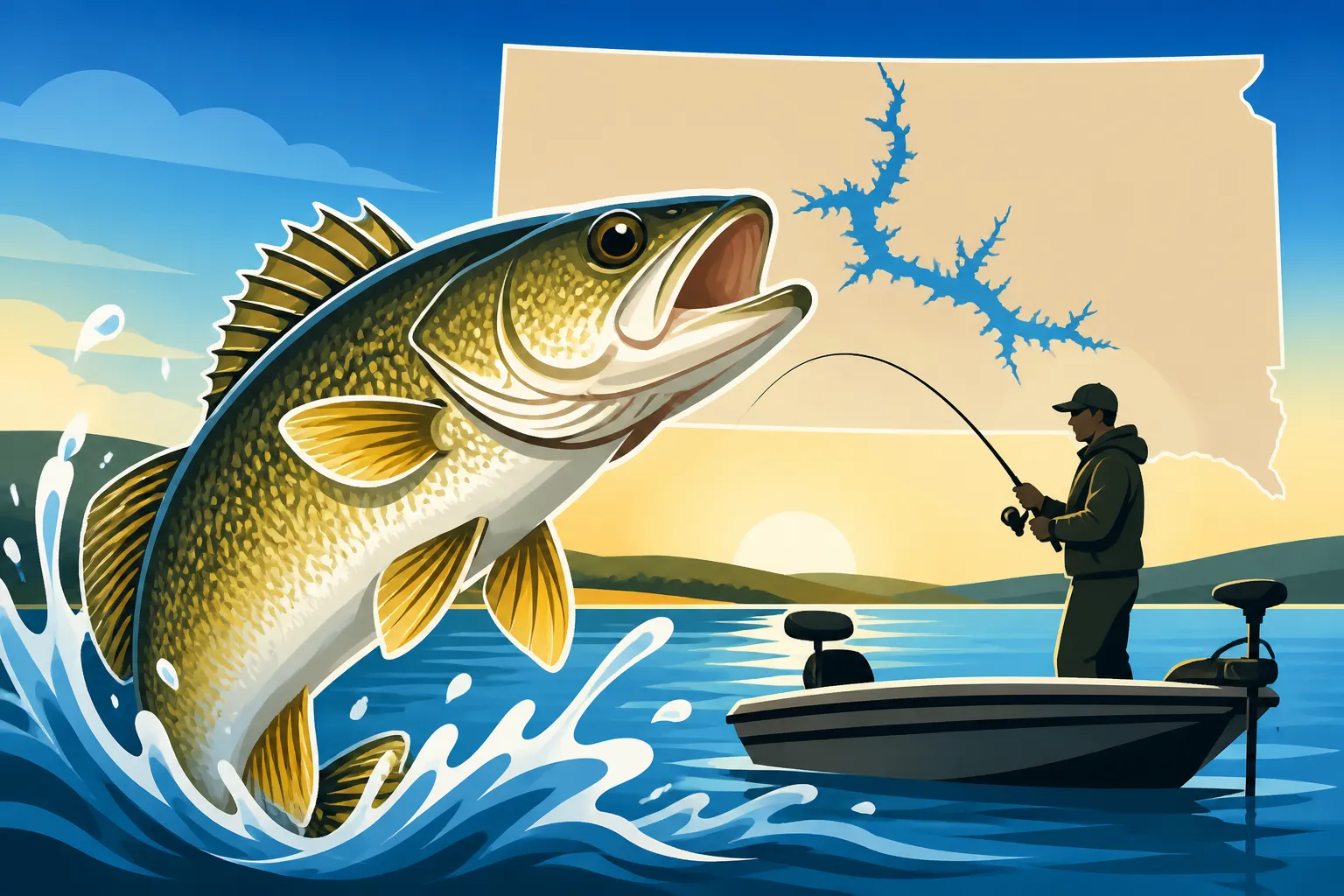
Lake Kampeska, nestled near Watertown in northeastern South Dakota, is one of the state's true gems for walleye enthusiasts. It’s a beautiful body of water, but like any productive lake, understanding its unique characteristics is key to consistent success. Anglers often flock here, drawn by the promise of healthy walleye populations, but it takes more than just showing up to truly tap into its potential.
Lake Characteristics and Walleye Habitat
Lake Kampeska is a relatively large, shallow lake, spanning over 13,000 acres, with an average depth of around 10-12 feet and a maximum depth hitting about 20 feet. These characteristics mean that walleye here behave differently than they might in deeper, clearer reservoirs. The lake bottom is a mix of sand, gravel, and some muddy areas, along with submerged vegetation in certain bays and shallower flats. This diverse bottom structure provides excellent habitat for walleye, offering both foraging grounds and protective cover. The lake’s connection to the Big Sioux River system also plays a role, influencing water levels and nutrient flow, which in turn impacts baitfish populations and walleye activity.
Walleye are masters of their environment, constantly seeking out optimal conditions for feeding and comfort. On Lake Kampeska, this often means relating to distinct features. During various seasons, you’ll find them congregating near rocky points, submerged humps, weed lines, and the transitions between different bottom compositions. Understanding these subtle shifts in habitat preference throughout the year is crucial. Without knowing where to even begin looking, you're essentially just drifting, hoping for a lucky strike, which isn't a strategy for consistent catches.
General Walleye Patterns Throughout the Year
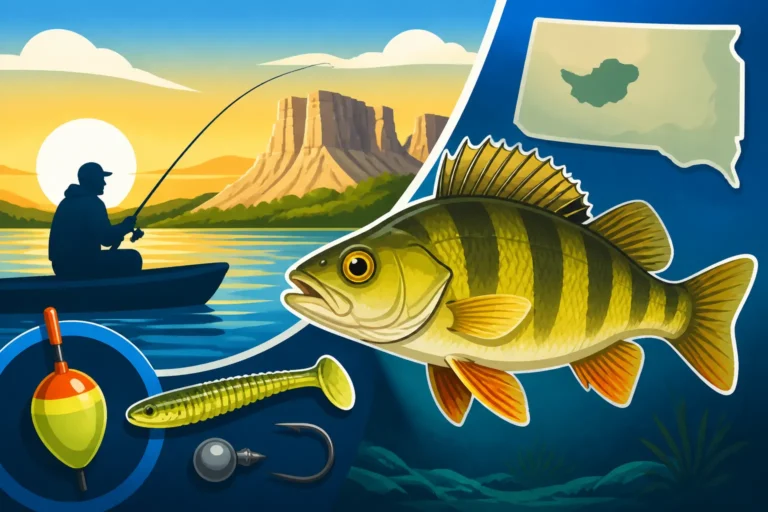
Walleye behavior on Lake Kampeska follows predictable seasonal patterns, though day-to-day conditions can always throw a curveball. The fish are highly responsive to water temperature, light levels, and the availability of their primary food sources, which largely consist of yellow perch, shiners, and various panfish. In general, walleye on Kampeska exhibit distinct movements:
- Early Season (Ice Out to Late Spring): Walleye are often shallower, focused on spawning and then recuperating. They'll relate to traditional spawning areas like rocky shores and shallow gravel flats before moving to nearby feeding grounds.
- Summer: As water temperatures rise, walleye tend to move deeper, seeking cooler, oxygen-rich water. They'll often suspend over open water or hold tight to deeper structure like humps and breaklines, especially during the brighter parts of the day. Dawn and dusk are prime times for them to move shallower to feed.
- Fall: This is often a favorite time for many anglers. Walleye go on a feeding frenzy, bulking up for winter. They can be found in a variety of depths, often chasing baitfish schools that are also becoming more active.
- Winter (Ice Fishing): Under the ice, walleye will often relate to similar structures as they do in open water, but their metabolism slows. They might be found shallower in low light or deeper on specific structure during the day.
Knowing these broad strokes helps you narrow down your search, but it’s the fine-tuning of your approach based on specific conditions that really makes a difference. For a broader overview of walleye behavior, consult a comprehensive South Dakota Walleye Fishing Guide.
Seasonal Walleye Fishing Reports for Lake Kampeska
Fishing Lake Kampeska for walleye is a dynamic experience, constantly evolving with the seasons. What works in April certainly won't cut it in August, and vice-versa. Let's dive into the specific reports and strategies that tend to yield the best results throughout the year.
Spring Walleye Hotspots and Techniques
Ah, spring! The ice has just melted, and anglers are itching to get back on the water. On Lake Kampeska, this means one thing: the walleye spawn. Typically, from late April into May, as water temperatures nudge into the upper 40s and low 50s Fahrenheit, walleye move into shallow, rocky areas to reproduce. These can be points, shorelines, or even areas near the mouths of incoming creeks. This is a critical time to understand the South Dakota Fishing Seasons Explained to ensure you're fishing legally and ethically.
Right after the spawn, the fish are often hungry but can be lethargic. Focus your efforts on the shallower bays and flats adjacent to known spawning grounds. Areas around Pelican Lake connection and the northern shores often hold post-spawn fish. Many anglers find success using slow-moving presentations. A jig and a minnow, or a soft plastic swimbait slowly retrieved, are excellent choices. Trolling shallow-running crankbaits in depths of 5-10 feet can also be incredibly effective, especially as the water warms slightly. Don't be afraid to fish in just 2-4 feet of water during low light conditions – many big walleyes will cruise these skinny waters looking for an easy meal. For more detailed tips on this period, check out Spring Fishing in South Dakota.
Summer Walleye Strategies and Deep Water Tactics
As summer truly settles in and water temperatures climb into the 60s and 70s, Lake Kampeska's walleye shift their patterns dramatically. They abandon the shallow spawning grounds and move to deeper, cooler waters, often suspending or relating tightly to structure. This can be one of the most challenging times for anglers if you don't know where to look, as fish can be spread out or schooling tightly in specific thermal refuges.
During the daytime, focus on the deeper sections of the lake, particularly around the main lake basin, deeper humps, and major breaklines that drop from 10 feet down to 15-20 feet. Target the subtle contours and transitions where baitfish are congregating. Trolling with crankbaits or spinner rigs is a highly effective strategy. Consider using lead core line or downriggers to present your baits at precise depths. Brands like Rapala and Berkley offer a wide range of crankbaits that perform well in these conditions. When fish are suspended, finding the schools of baitfish on your electronics is paramount.
As dusk approaches and into the night, walleye will often move shallower again to feed. This is a prime time for casting shallow-running crankbaits or even slip bobber fishing with leeches or live minnows near weed edges or rocky points. The evening bite can be phenomenal, as the walleye become more aggressive under the cover of darkness. Keep an eye on your fish finder; understanding What Water Temperature Walleye Prefer? is critical, as walleye are quite sensitive to it.
Fall Transition and Feeding Frenzy
Fall on Lake Kampeska brings a renewed sense of excitement for walleye anglers. As air and water temperatures begin to drop, walleye go into full "feed mode," trying to pack on as much weight as possible before winter. This is a fantastic time to target larger, more aggressive fish. The fall patterns can be more predictable and less pressured than the chaotic spring bite.
During the fall, walleye can be found almost anywhere, from shallow weed beds to deeper main lake points and drop-offs, often following schools of baitfish. Look for the last remnants of green weeds in shallower bays; these areas will hold baitfish, and consequently, walleye. Trolling crankbaits (both shallow and deep runners depending on the day) remains a staple. Jigging spoons or blade baits on sharp breaks can also trigger aggressive strikes, especially as the water cools into the 50s.
Another highly effective technique in fall is vertical jigging with a jig and minnow or plastic. Position your boat directly over schools of fish marked on your sonar, and precisely present your bait. The fish might be less active, requiring a slower, more methodical presentation. This "feeding frenzy" period makes it one of the most rewarding times to be on Lake Kampeska.
Ice Fishing for Walleye on Kampeska
When winter blankets Lake Kampeska in ice, a new type of walleye fishing emerges – ice fishing. The lake freezes over reliably, offering excellent opportunities for anglers willing to brave the cold. Safety is always paramount when ice fishing; always check ice thickness and conditions before venturing out.
Under the ice, walleye often relate to the same structural elements they do in open water, but their movements are more restricted. Early ice often finds walleye in shallower areas, similar to their fall patterns, often near weed edges or subtle breaklines. As winter progresses and ice thickens, they may move to deeper basins and humps. Good areas to target include points, humps, and the main lake basin, especially those with some remaining green vegetation.
Jigging with spoons, small lipless crankbaits, or various soft plastics tipped with a minnow head are popular choices. Don't forget deadsticking with a live minnow under a bobber in a separate hole – often, the most active rod will be the passive one! Having proper gear is essential for comfort and success; consider reviewing an Ice Fishing Gear Basics for Beginners guide. Many local anglers rely on a good ice fishing shelter from brands like Clam or Eskimo to stay warm and focused. When planning a trip, services like FishingBooker can sometimes connect you with local ice fishing guides who have intimate knowledge of current conditions and hot spots on Kampeska.
| Season | Primary Location | Typical Depth (Feet) | Recommended Techniques | Key Baits/Lures |
|---|---|---|---|---|
| Spring | Shallow rocky points, gravel flats, northern bays | 2-10 | Slow jigging, casting, shallow trolling | Jig & Minnow, Small Swimbaits, Shallow Crankbaits |
| Summer | Deep main lake basin, humps, sharp breaklines | 10-20 (Day), 5-15 (Night) | Trolling (crankbaits/spinners), Slip Bobber | Deep Diving Crankbaits, Crawler Harnesses, Leeches |
| Fall | Remaining green weed lines, main lake points, drop-offs | 8-18 | Trolling, vertical jigging, casting | Crankbaits, Jigging Spoons, Blade Baits, Minnows |
| Winter | Early ice: shallow weeds/breaks; Mid-winter: deep humps | 5-15 (Early), 10-20 (Mid) | Vertical jigging, deadsticking | Jigging Spoons, Small Lipless Cranks, Live Minnows |
Essential Gear and Tactics for Kampeska Walleye
Having the right tools for the job can make a world of difference when you're targeting walleye on Lake Kampeska. It's not just about having a rod and reel; it's about understanding what gear gives you an edge in specific situations and how to use it effectively.
Recommended Baits and Lures
Walleye are opportunistic feeders, but they can also be incredibly finicky. Having a diverse tackle box is crucial.
-
Live Bait: This is often the gold standard, especially when the bite is tough.
- Minnows: Fatheads, shiners, and large suckers are perennial favorites. Rig them on jigs, spinner rigs, or under a slip bobber. Live minnows are particularly effective in spring and fall.
- Leeches: Fantastic for summer walleye, especially under a slip bobber or on a spinner rig. They are incredibly resilient and enticing to walleye.
- Nightcrawlers: The backbone of many walleye anglers' arsenals. Fished on a crawler harness (spinner rig) behind a bottom bouncer, they are deadly in summer.
-
Artificial Lures:
- Crankbaits: Absolutely essential for trolling. You'll want a variety of diving depths and colors. Brands like Reef Runner, Bandit, and Salmo are popular choices. Natural baitfish patterns (perch, shiner) are always good, but don't shy away from bright colors like firetiger or chartreuse, especially in stained water.
- Jigs: From 1/8 oz to 3/8 oz, jigs are versatile. Tipped with minnows, plastics (paddle tails, curly tails), or even just a piece of crawler, they are excellent for vertical jigging or casting. Consider brightly colored jig heads in murkier water.
- Jigging Spoons/Blade Baits: These are incredible for vertical jigging over schools of walleye, especially in fall and winter. The erratic flash and vibration often trigger aggressive reaction strikes.
- Spinner Rigs/Crawler Harnesses: Paired with a bottom bouncer, these are deadly for covering water and presenting live bait or artificial worms. The flash and vibration of the blade are irresistible to walleye.
Building a good selection of Best Lures for South Dakota Walleye tailored to Kampeska's conditions will greatly increase your chances of success.
Electronics and Navigation on Lake Kampeska
In today's fishing world, electronics are no longer a luxury, but a necessity, especially on a lake like Kampeska where subtle depth changes can hold key fish.
- Sonar/Fish Finder: A quality unit with 2D sonar, Down Imaging, and Side Imaging (if possible) will help you identify structure, mark baitfish schools, and locate individual walleye. Being able to see a distinct breakline or a submerged hump that isn't on a map can be a game-changer. Brands like Humminbird and Garmin offer excellent options.
- GPS Mapping: Integrated GPS with detailed lake maps (like Lakemaster or Navionics) allows you to precisely navigate to known hotspots, mark waypoints, and stay on track while trolling. Given Lake Kampeska's relatively shallow nature, sometimes even a slight depth change of a foot or two can be the magic spot, and a good map will highlight these nuances.
- Electric Trolling Motor: A bow-mounted electric trolling motor with GPS Spot-Lock (like those from Minn Kota or MotorGuide) is invaluable. It allows you to hold your boat precisely on a contour line or over a marked school of fish without having to deploy an anchor, saving immense time and effort, and letting you focus on fishing.
Mastering your electronics will allow you to quickly identify promising areas and stay on fish once you find them. It's frustrating to know fish are there but not be able to stay on top of them, and modern electronics largely eliminate that problem.
Local Insights and Pro Tips for Success
Beyond the gear and general seasonal patterns, successful walleye fishing on Lake Kampeska often comes down to understanding the nuances of the local environment and tapping into the knowledge of those who fish it regularly.
Reading the Weather and Water Conditions
Walleye are incredibly sensitive to environmental changes. Paying close attention to the weather and water conditions can give you a significant advantage.
- Wind: Wind can be your friend or your foe. A moderate breeze (5-15 mph) creating a "walleye chop" can often turn on the bite, as it breaks up light penetration and concentrates baitfish. However, too much wind can make boat control difficult and fish uncomfortable. Fish the "wind-blown side" of structure, but also consider the "lee side" for fish seeking shelter.
- Barometric Pressure: A stable or rising barometer often correlates with a better bite, while a rapidly falling barometer (often signaling a storm) can shut fish down.
- Water Temperature: This is perhaps the most crucial factor. Walleye have preferred temperature ranges for spawning, feeding, and resting. Understanding how they react to warming or cooling trends will help you predict their movements and adjust your depth and presentation. For instance, in early spring, a few degrees difference in water temperature can dictate whether the walleye are still deep or moving into the shallows.
- Water Clarity: Lake Kampeska generally has moderate clarity, but heavy rains can sometimes muddy up sections of the lake. In murkier water, opt for louder lures with more vibration and brighter colors. In clearer water, more natural patterns and subtler presentations are usually better.
Always check a reliable weather forecast before you head out, and pay attention to how fish react to changing conditions throughout your day.
Connecting with Local Experts and Guides
There's no substitute for local knowledge, especially on a dynamic fishery like Lake Kampeska. While this report gives you a solid foundation, conditions can change rapidly.
- Local Bait Shops: These are goldmines of up-to-the-minute information. Shops like Runnings in Watertown or other local independent bait and tackle stores often have whiteboards with recent catches, preferred baits, and general reports. The staff are usually anglers themselves and are happy to share insights if you're a courteous customer.
- Online Fishing Forums and Social Media Groups: Search for Lake Kampeska or Watertown fishing groups on platforms like Facebook. Anglers often share their experiences, ask questions, and post photos of their catches, giving you a real-time pulse on the bite. Just remember that not all information online is accurate, so take it with a grain of salt and cross-reference.
- Professional Fishing Guides: If you're serious about learning the lake quickly or want to maximize your chances on a short trip, consider hiring a local guide. They have years of experience, updated electronics, and know exactly where the fish are holding and what they're biting on. Websites like FishingBooker are excellent resources for finding reputable, licensed guides operating on Lake Kampeska and throughout South Dakota. A guide can teach you specific techniques, show you key spots, and help you unlock the lake's secrets faster than you could on your own. Remember to always purchase your South Dakota Fishing License Guide before hitting the water, and be aware of South Dakota Walleye Limits.
By combining your own observations with insights from local experts, you'll greatly improve your chances of a successful and rewarding walleye fishing trip on Lake Kampeska.
Disclaimer
Fishing regulations and conditions can change. Always consult the official South Dakota Game, Fish and Parks (GFP) website or their most current fishing handbook for the latest rules, limits, and advisories before heading out on the water. This guide is for informational purposes only and does not constitute legal advice or guarantee fishing success.