Fort Randall Dam Walleye Fishing Report
For anyone who’s ever spent hours on the water around Fort Randall Dam, hoping to connect with those elusive walleye, you know the frustration when the bite just isn't there. The Missouri River can be a temperamental beast, and the conditions below a massive structure like the Fort Randall Dam change constantly, making it tough to know where the fish are and what they’re willing to strike. This guide aims to clear up some of that confusion, offering a comprehensive and realistic look at the walleye fishing report for the Fort Randall Dam area, arming you with the knowledge to make your next trip a success.
Understanding the Fort Randall Dam Fishery for Walleye
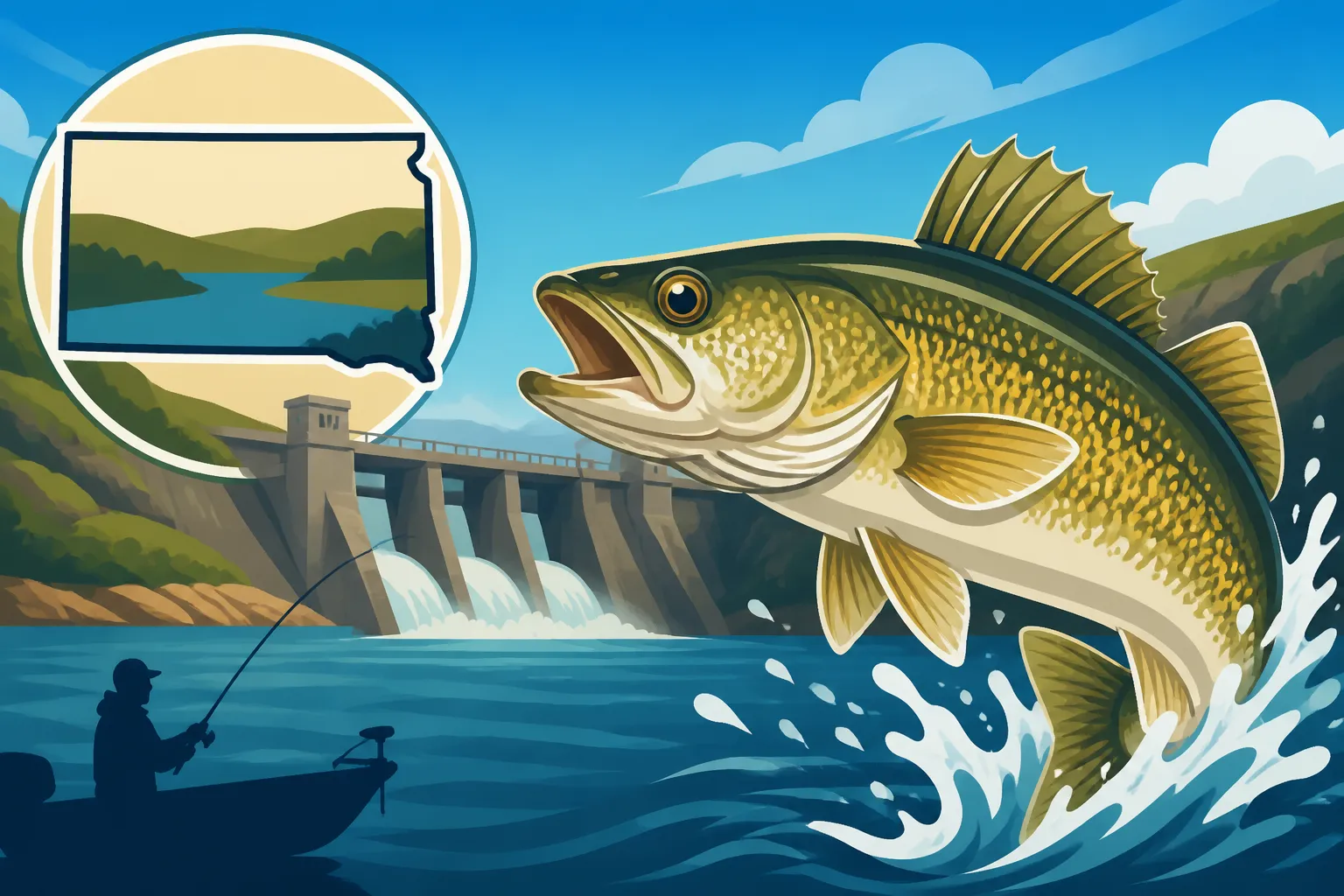
The Fort Randall Dam, straddling the mighty Missouri River near Pickstown, South Dakota, isn't just an impressive feat of engineering; it's a critical hub for walleye populations. This area acts as a natural magnet, drawing in vast numbers of walleye throughout the year due to a unique combination of current, oxygen, and abundant forage. However, what makes it a hotspot can also make it challenging. The dynamic environment means walleye are often on the move, responding to changes in water flow, temperature, and baitfish concentrations. Understanding these fundamental influences is key to unlocking the dam's potential.
The Dam's Influence on Walleye Behavior
The sheer volume of water moving through the Fort Randall Dam plays an enormous role in walleye behavior. When the gates are open and discharge is high, the current becomes a dominant factor. Walleye, being opportunistic predators, will seek out current breaks where they can ambush baitfish without expending too much energy. This might mean hugging the main river channel where a slight change in depth offers a slower lane, or tucking into eddies behind submerged rocks or structural elements. Conversely, when flow rates are lower, walleye might spread out more, becoming less concentrated and requiring different search patterns. The oxygenation from the churning water below the dam also creates a highly attractive environment, especially during warmer months when other parts of the river or Lake Francis Case Fishing Guide might experience lower oxygen levels.
Furthermore, the dam acts as a natural barrier for forage. Shad, emerald shiners, and other baitfish are often concentrated in the turbulent waters below the dam, or get flushed through the turbines, creating a veritable buffet for hungry walleye. These baitfish schools are the lifeblood of the walleye fishery here, and knowing where they are holding, or where they are likely to be swept, is paramount. Anglers often observe large schools of baitfish on their sonar, and these are almost always indicators of where the walleye will be nearby, waiting for an easy meal. This constant supply of food, combined with favorable oxygen and current, makes the tailwaters an irresistible draw for walleye year-round.
Seasonal Patterns and Walleye Migration
Walleye behavior around Fort Randall Dam is highly seasonal, driven by spawning cycles, water temperatures, and the availability of food. In spring, as water temperatures begin to rise, walleye embark on their annual spawning migration. Many fish move upstream from Lake Francis Case towards the dam, staging in deeper holes and current breaks before making their push. This can be one of the most productive times to catch large pre-spawn females. Post-spawn, the fish are often hungry and aggressive, recouping energy, and can be found transitioning between the immediate tailwaters and the expansive waters of Lake Francis Case. For a deeper dive into these yearly changes, our South Dakota Fishing Seasons Explained article offers more insights.
As summer progresses, walleye often hold in deeper, cooler water, frequently congregating in the deeper sections of the tailwaters or along the main channel. Night fishing can become highly effective during these warmer months, as walleye move into shallower feeding areas under the cover of darkness. Fall sees another surge in activity as walleye aggressively feed to build up fat reserves for winter. They'll often school up in large numbers, making this a prime time for both casting and trolling in both the tailwater and the upper lake sections. Even in winter, the waters below the dam can provide open water access for hardy anglers, offering a unique opportunity for cold-weather walleye. Many anglers rely on services like FishingBooker to connect with local guides who specialize in these seasonal shifts, ensuring they're on the right patterns no matter the time of year.
Current Conditions and What's Biting
It’s one thing to understand the theory, but what about the actual, real-world conditions? While I can't give you a live minute-by-minute report, I can tell you what factors are always at play and how they generally dictate the bite around Fort Randall Dam. Fishing here demands adaptability; what worked last week might not work today, and that's just part of the Missouri River charm – and challenge!
Water Levels, Flow, and Clarity
The U.S. Army Corps of Engineers manages the releases from Fort Randall Dam, and these water releases directly impact fishing conditions. High flows often mean stronger currents, pushing walleye into more predictable current breaks and making them less likely to move far to chase a lure. In these conditions, heavy jigs or deep-diving crankbaits that can hold their depth in the current are often necessary. Low flows, on the other hand, can make walleye more dispersed but also more susceptible to presentations that mimic natural baitfish meandering through slower current. It’s a constant dance, and keeping an eye on the Corps’ release schedules can give you a significant edge.
Water clarity is another huge factor. After heavy rains or significant runoff, the river can become quite stained or even muddy. In these conditions, walleye rely more on their lateral line and scent to locate prey. Bright, contrasting lure colors like chartreuse, orange, or firetiger, and baits with strong vibrations are often more effective. On the flip side, when the water is clear, walleye become more sight-oriented and can be spooked easily. This calls for more natural bait colors, subtle presentations, and longer fluorocarbon leaders. Knowing How to Read a Fish Finder for Walleye can also provide clues about water stratification and temperature, further informing your approach.
Effective Lures and Live Bait Strategies
When it comes to lures and baits, variety is truly the spice of life at Fort Randall, though some staples consistently produce. For jigging, a lead-head jig tipped with a live minnow, a plastic grub, or a soft plastic swimbait is a perennial favorite, especially in current seams and deeper holes. Colors like white, chartreuse, and pearl are often go-to choices, but always carry a selection to match varying water clarity. Slip bobber rigs, drifting with a minnow or a leech, can also be deadly when walleye are suspended or holding in specific ambush points. Our guide on Best Lures for South Dakota Walleye offers more specific recommendations.
Crankbaits are also incredibly effective, particularly when walleye are spread out or aggressively feeding. Trolling medium to deep-diving crankbaits like Rapala Shad Raps, Berkley Flicker Shads, or custom painted baits can cover a lot of water and entice bites from active fish. The key is matching the crankbait's dive curve to the depth where you're marking fish and ensuring it's running true in the current. Don't be afraid to experiment with retrieve speeds and pauses to trigger strikes. Many anglers find success by chartering a boat through services like FishingBooker to learn the nuances of specific lure presentations from experienced local captains.
Top Fishing Spots and Structural Hotbeds Around Fort Randall
Fishing the Fort Randall area successfully means understanding the topography, both above and below the surface. This isn't just a generic stretch of river; it's a series of distinct zones, each with its own characteristics that appeal to walleye at different times and under different conditions. The sheer size of the Missouri River can be intimidating, but breaking it down into these key areas will help you focus your efforts.
Tailwaters Below the Dam
The immediate tailwaters directly below Fort Randall Dam are a prime area for walleye, drawing fish from miles around. This section, often referred to as the “river section” before it truly opens up into Lake Francis Case, is characterized by powerful currents, deep holes, and turbulent water. Walleye here are often very robust, conditioned by fighting the current and feeding on abundant baitfish. Specific hotspots include the discharge gates themselves, where current breaks and eddies form. These areas provide excellent ambush points for walleye waiting for disoriented baitfish to come by. Deeper scour holes created by the dam's outflow are also crucial holding areas, especially when fish are seeking refuge from strong currents or looking for cooler water in summer.
Look for areas where the current creates distinct seams – lines where fast water meets slower water. These seams are classic walleye holding areas. Anglers often drift jigs and live bait through these seams, or vertically jig heavy spoons and blade baits to get down to the fish. Access can be tricky, and boating in the turbulent water requires caution and experience, but the rewards can be significant. This is a classic area for Missouri River Tailwater Fishing Below Fort Randall Dam. Always be mindful of the variable flow and boat traffic when operating in this immediate area.
Upstream Lake Francis Case Segments
As you move downstream from the immediate dam structure, the river begins to widen and slow, eventually transitioning into the expansive waters of Lake Francis Case. The upper segments of the lake, still under the strong influence of the dam's outflows, offer a different kind of walleye fishing. Here, large flats, submerged humps, and the original river channel become key structural elements. Walleye will use these areas to feed, especially during periods of lower current or when dispersing after spawning. Points extending into the main lake basin are also excellent, as they act as funnels for baitfish and offer staging areas for migrating walleye.
Focus on areas where the old river channel snakes through the lakebed, particularly where it meets shallower flats or submerged islands. These transitions create fantastic habitat. Trolling crankbaits or spinner rigs with bottom bouncers are highly effective techniques for covering these larger areas and locating active fish. The flexibility of exploring these broader areas makes this a popular choice, especially for those looking to experience the full breadth of the South Dakota Walleye Fishing Guide. Many anglers will employ a local guide found on platforms like FishingBooker to learn the specific contours and optimal trolling paths within these often-subtle lake structures.
Mastering Techniques for Fort Randall Walleye
Successful walleye fishing at Fort Randall Dam often comes down to mastering a few key techniques and knowing when to deploy them. The varied conditions, from strong currents to more open lake environments, demand a versatile approach. It's not just about what lure you use, but how you present it, and how you adapt that presentation to what the fish are telling you.
Jigging and Live Bait Rigging
Jigging is arguably the most iconic and effective technique for walleye in current. Whether it's vertical jigging directly below the boat in strong current or casting and retrieving in current breaks, jigs tipped with minnows, nightcrawlers, or soft plastics are deadly. For vertical jigging in the tailwaters, a heavier jig (1/2 oz to 1 oz or more, depending on current) is often needed to maintain bottom contact. The key is to lift and drop the jig, letting it fall naturally back to the bottom, mimicking an injured baitfish. Strikes often occur on the fall, so a sensitive rod and braided line with a fluorocarbon leader are essential to detect those subtle taps.
Live bait rigging, particularly with a slip sinker rig or a three-way swivel rig, is another staple. This involves a weight (often an egg sinker or walking sinker) allowing a live minnow, leech, or half a nightcrawler to drift naturally near the bottom. This is especially effective when walleye are less aggressive or when fishing more open areas just downstream from the dam, where the current is still present but not as extreme. Ensure your leader length is appropriate for the depth and current; a longer leader allows the bait to move more freely, appearing more natural to wary walleye. Always be aware of the South Dakota Walleye Limits when using live bait, as well as general South Dakota Fishing Regulations Explained.
Trolling Tactics for Dispersed Walleye
When walleye are scattered across larger flats or along the old river channel in the upper reaches of Lake Francis Case, trolling becomes an incredibly efficient search pattern. Trolling crankbaits at various depths and speeds is a fantastic way to cover water and find active fish. Pay close attention to your fish finder; once you locate a concentration of fish, you can focus your passes on that area. Using planer boards can help spread your lines out, allowing you to present multiple baits at once and cover a wider swath of water. This is particularly useful on the South Dakota Missouri River Fishing Guide where boat traffic can be a factor.
Another effective trolling method, especially when walleye are holding tight to the bottom, is using bottom bouncers with spinner rigs or slow death rigs. A bottom bouncer keeps your bait near the bottom while minimizing snags, and the spinner blade or unique slow death hook rotation adds attraction. Vary your blade colors and sizes, as well as the types of live bait or plastics you tip them with, until you find what the walleye prefer on a given day. For more in-depth instruction, check out our article on South Dakota Trolling Techniques for Walleye. Experimentation with speed and depth is key to figuring out the puzzle on any given outing.
Here's a quick look at common walleye presentations around Fort Randall, depending on conditions:
| Condition / Location | Primary Technique | Recommended Lures/Bait | Notes |
|---|---|---|---|
| Strong Tailwater Current | Vertical Jigging | Heavy Jigs (1/2-1oz+) w/ minnows/plastics, Blade Baits | Maintain bottom contact; use sensitive rods for strike detection. |
| Current Seams / Eddies | Casting & Retrieving Jigs | Lighter Jigs (1/4-3/8oz) w/ minnows/plastics | Focus on drift; let current do the work. |
| Open Flats / Channel Edges | Trolling Crankbaits | Deep-diving Shad Raps, Flicker Shads, Custom Cranks | Vary speeds and depths; use planer boards to cover more water. |
| Bottom-Hugging Fish (Lake Area) | Bottom Bouncers / Spinner Rigs | Nightcrawlers, Minnows, Plastics on Spinners | Keep bait close to bottom; experiment with blade colors. |
| Suspended Walleye (Lake Area) | Trolling Crankbaits (deeper) / Lead Core | Deeper-running crankbaits, spoons | Target specific depths where fish are marked. |
| Low Light / Night Fishing | Slip Bobbers, Shallow Cranks | Live Minnows, Shallow-running Rattling Cranks | Walleye move shallower; sound and vibration are key. |
Remember, the fish here can be finicky, and it often takes a combination of techniques and a willingness to adapt to current conditions to find success. Don't be afraid to try something different if your initial approach isn't working. And always make sure you're aware of the South Dakota Walleye Daily Limit before you head out! Consider using your Best Fishing Rods and Reels for Walleye for optimal performance here.
Disclaimer
The information provided in this article is for general guidance and informational purposes only. Fishing conditions in South Dakota, especially around dynamic environments like the Fort Randall Dam, are subject to rapid change due to weather, water levels, and fish behavior. Always consult the latest regulations from the South Dakota Game, Fish and Parks (GFP) before fishing, as rules and limits can change annually. Your safety on the water is paramount; always wear a life jacket and be aware of your surroundings, especially in areas with strong currents or heavy boat traffic.