Missouri River Tailwater Fishing Below Fort Randall Dam
There's nothing quite like the rush of a powerful South Dakota river, but fishing the dynamic tailwaters below a massive structure like Fort Randall Dam can often feel like trying to solve a complex puzzle. The ever-changing current, fluctuating water levels, and the sometimes-elusive fish can be incredibly intimidating for any angler. This comprehensive guide is designed to cut through that confusion, providing you with the detailed, insider knowledge needed to successfully navigate the rich, productive waters below Fort Randall Dam and land some truly incredible fish.
Understanding the Fort Randall Tailwater Ecosystem
The Missouri River below Fort Randall Dam isn't just another stretch of water; it's a unique ecosystem forged by the powerful forces of the dam's operation. This environment presents both challenges and incredible opportunities for anglers who take the time to understand its intricacies.
The Dam's Influence on Water Dynamics
The Fort Randall Dam plays a monumental role in shaping the fishing experience downstream. The dam's primary function includes hydropower generation, which means water releases can fluctuate dramatically throughout the day and across seasons. These releases directly impact the current speed, water depth, and even the temperature and oxygen levels of the tailwater.
When the generators are running at full tilt, the water surges out, creating strong currents and raising water levels downstream. This rapid movement can disorient baitfish and other forage, making them easier targets for predatory species like walleye and smallmouth bass. However, it also means anglers need to adapt, often requiring heavier weights, stronger tackle, and different presentation techniques to get their baits down to where the fish are holding. Conversely, periods of low generation lead to slower currents and lower water levels, which can concentrate fish in deeper holes or near specific structures, making them potentially easier to target with lighter gear. Keeping an eye on the dam's generation schedule, often available through the U.S. Army Corps of Engineers, is a critical piece of information for any angler planning a trip to this stretch of the Missouri River.
Key Fish Species and Their Habitat
The Fort Randall tailwater is a diverse fishery, home to a variety of species that thrive in its nutrient-rich, moving waters. Understanding where these fish prefer to hold is key to successful angling.
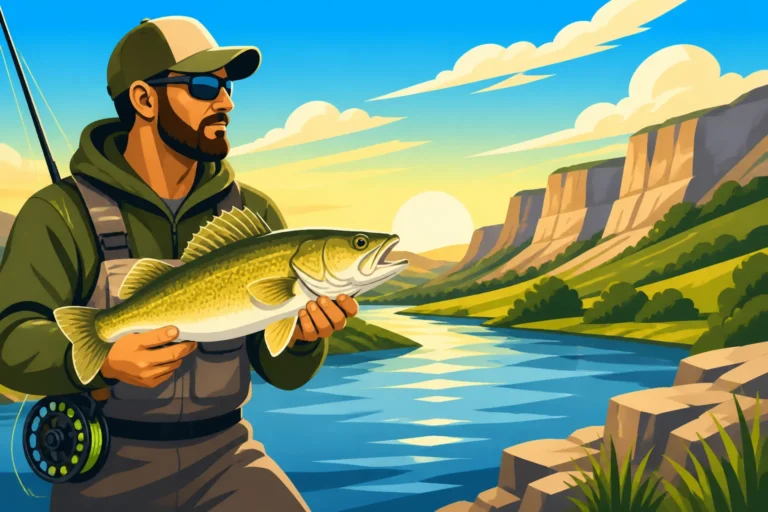
Walleye, undoubtedly the most sought-after species in South Dakota, are abundant here. They often relate to current breaks – areas where the main flow is disrupted, offering them a reprieve from the strong push while still allowing them to ambush passing bait. Look for them behind submerged rocks, along seams where fast and slow water meet, in deeper holes, and near the edges of channel drop-offs. Their keen eyesight means they often prefer lower light conditions or stained water, making early mornings, evenings, or overcast days prime fishing times. To understand the regulations specific to this prized fish, check out our guide on South Dakota Walleye Limits.
Smallmouth Bass are another popular target, especially for anglers who enjoy a spirited fight. These feisty fish love rocky areas, riprap banks, and submerged boulders where they can hide and dart out to strike. They often congregate in areas with moderate current, ambushing crayfish and baitfish. The rocky shoreline extending from the dam downstream provides excellent smallmouth habitat, and they are typically more active during warmer months. Understanding the nuances of Smallmouth Bass Daily Limits is essential for responsible fishing.
Catfish, including both Channel and Flathead species, are prolific in the Fort Randall tailwater. Channel catfish are often found in deeper, slower moving sections, especially where there's some cover or structure like log jams or undercut banks. They're opportunistic feeders and respond well to cut bait, stink baits, and even live bait. Flatheads, the true monsters of the river, prefer heavy cover such as submerged timber or rocky crevices in deeper, stronger currents. They are almost exclusively piscivorous, meaning they prefer live bait. These fish are known for their strong pulls, and knowing the Catfish Limits and Size Rules will help you plan your catch.
While less common than the big three, Northern Pike can also be found in the tailwater, often inhabiting the slower backwater areas, creek mouths, and weed lines that develop in calmer sections. They are aggressive predators that will strike a variety of lures. Crappie and various panfish also exist in the calmer eddies and protected coves, especially during certain times of the year, providing additional opportunities for lighter tackle.
Prime Fishing Locations Below Fort Randall Dam
The Fort Randall tailwater offers a range of fishing environments, from the turbulent waters immediately below the dam to the more structured downstream channels and backwaters. Each area presents unique opportunities and requires different approaches.
The Immediate Tailrace Area
The stretch of river directly below the Fort Randall Dam, often referred to as the "tailrace," is a high-energy zone. Here, the water is typically faster, deeper, and more turbulent due to the powerful discharges from the dam. This intense environment, however, is a magnet for fish, as the current often disorients baitfish and creates abundant oxygen.
Anglers targeting this area often find great success with walleye, especially during periods of heavy generation. The strong current funnels fish into predictable holding patterns, often behind structure or in current seams. Popular access points include areas near the Fort Randall Dam Visitor Center on the south side, offering views and some bank access, and the Pease Creek Recreation Area located a bit further downstream on the south side. Fishing from shore in the immediate tailrace can be challenging due to the steep, rocky banks and strong currents, so boat access is often preferred for navigating the prime spots. Safety is paramount here; always be aware of changing water levels and currents, and wear a life jacket. For those curious about the broader regulatory framework, our comprehensive South Dakota Fishing Regulations Explained article covers the essential rules for this area and beyond.
Downstream Channels and Backwaters
As you move further downstream from the immediate tailrace, the Missouri River begins to widen, and the current, while still present, typically becomes less intense. This allows for the development of more diverse underwater structure, including submerged islands, sandbars, rock piles, and the mouths of feeder creeks. These features create excellent habitat for a variety of fish species.
Walleye will still be found in these areas, often concentrating on the edges of main river channels, near deep bends, or where tributary creeks enter the main river, bringing in new food sources. Smallmouth bass will be abundant around rocky points, riprap banks, and any hard bottom structure. Catfish will gravitate towards deeper holes, log jams, and undercut banks, especially in slower-moving sections. Areas stretching towards the town of Pickstown, and further down towards the beginnings of Lake Francis Case, offer excellent opportunities. Look for points, embayments, and the distinct main river channel where the Fort Randall tailwater eventually merges into the larger reservoir. These transition zones are often highly productive.
Bank Fishing vs. Boat Access Opportunities
The choice between bank fishing and boat access below Fort Randall Dam significantly impacts your fishing strategy and success. Both have their merits and limitations.
Bank Fishing: For the shore-bound angler, opportunities are available, though they require careful scouting and a focus on specific techniques. The Pease Creek Recreation Area offers some decent bank access with scattered rock features that can hold smallmouth bass and walleye. Other informal access points might exist along public lands, but always ensure you're not trespassing. Bank anglers often rely on casting jigs, bottom rigs with live bait or cut bait, and sometimes casting crankbaits or spoons. The main challenge is reaching fish that might be holding in deeper water or further out in the current, and limited mobility can make it harder to follow schools of fish. Bank fishing is often best during periods of lower generation when currents are more manageable.
Boat Access: For serious anglers, a boat unlocks the full potential of the Fort Randall tailwater. It allows you to cover vast amounts of water, explore different depths, and precisely target structure that's inaccessible from shore. There are several excellent boat ramps in the vicinity. The Fort Randall Dam Campground and Pease Creek Recreation Area both offer convenient boat ramps on the south side of the river, providing quick access to the prime fishing grounds. Further downstream, access points around Pickstown and Springfield also exist. When boating in this area, always be vigilant for submerged hazards, respect changing currents, and maintain a safe distance from the dam itself. A properly equipped boat with a reliable motor and a good depth finder is invaluable here. If you're considering a boat for this vast waterway, our guide on Best Boats for South Dakota Reservoir Fishing offers some excellent advice.
Essential Techniques and Lures for Success
Fishing the Fort Randall tailwater demands adaptability and a solid understanding of different techniques. The diverse species and ever-changing water conditions mean you can't rely on a one-size-fits-all approach.
Jigging and Live Bait Rigs
Jigging is arguably one of the most effective techniques for targeting walleye and sometimes smallmouth bass in the Fort Randall tailwater, especially when they are holding close to the bottom in current. The key is to match your jig weight to the current speed to ensure your bait maintains contact with the bottom without getting swept away too quickly.
Walleye Jigging: Use lead-head jigs ranging from 1/4 oz in slack water up to 1 oz or more in heavy current. Tip your jigs with live minnows, nightcrawlers (often "threaded" onto the hook to prevent them from washing off), or soft plastic grubs and paddle tails. For live bait, a jig-and-minnow combo presented with a sharp "lift and drop" or "drag and pause" retrieve can be deadly. When the current is strong, a subtle drag or slow hop might be more effective than aggressive jigging, allowing the current to do some of the work. Blade baits, like those from Johnson or Reef Runner, are also fantastic for vertical jigging in current, as their vibration attracts fish from a distance. If you're really looking to refine your walleye game, our article on Jigging Techniques for Missouri River Walleye dives deep into this topic.
Catfish Rigs: For catfish, especially channel cats, a simple bottom rig with cut bait (like shad, goldeye, or even prepared stink baits) or a large live minnow is highly effective. A slip sinker rig, where the sinker slides freely above a swivel and leader, allows the fish to pick up the bait without feeling immediate resistance, which can be crucial for enticing wary cats. Flatheads, as mentioned, prefer fresh live bait like bluegills or suckers. Position these rigs in deeper holes, behind log jams, or along current seams. Heavy-duty tackle is a must for these powerful fish. If you're looking for more specific bait advice, check out our guide on the Best Bait for South Dakota Catfish.
Trolling and Casting Crankbaits
Crankbaits are versatile lures that can be incredibly effective in the tailwater, whether you're trolling from a boat or casting to specific structures from shore.
Trolling for Walleye: Trolling crankbaits allows you to cover large areas of water and present your lure at a consistent depth. This is particularly effective in the wider, more expansive sections downstream from the immediate tailrace, as the river transitions toward Lake Francis Case. Different crankbait styles dive to various depths, so choosing the right lure to reach the fish's strike zone is crucial. Colors can vary, but natural baitfish patterns (shad, perch) and brighter colors (firetiger, chartreuse) are often productive. Experiment with trolling speeds and consider using planer boards to spread your lines and cover more water, especially when walleyes are spread out. For a detailed breakdown of this technique, our Trolling for Walleye on Lake Oahe article offers transferable wisdom.
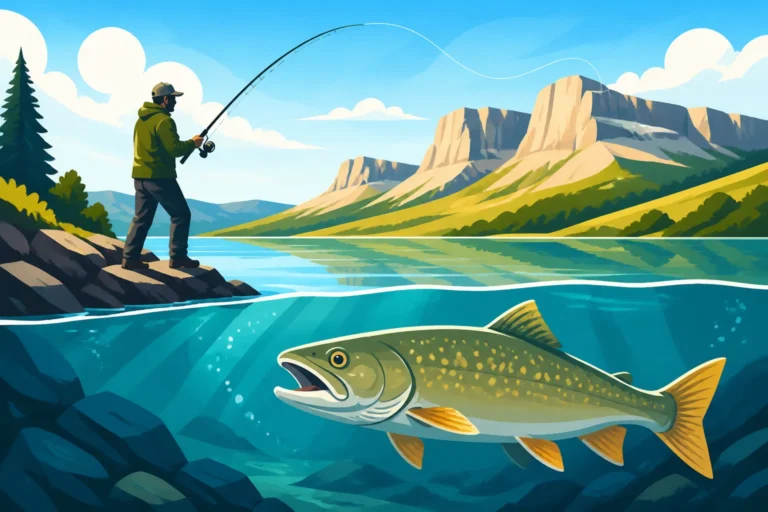
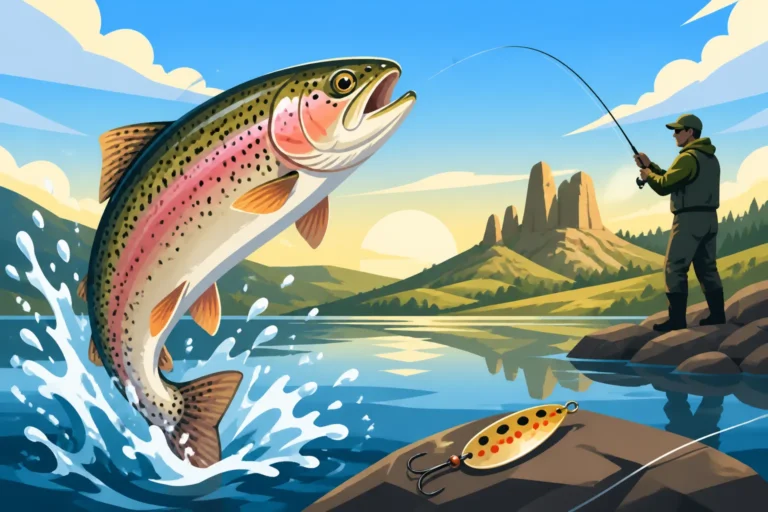
Casting Crankbaits for Smallmouth and Walleye: From a boat or accessible bank, casting crankbaits to rocky points, riprap, submerged timber, or current breaks can yield excellent results. Square bill crankbaits are great for deflecting off shallow cover, while deeper diving models can reach walleye holding in deeper pockets. Jerkbaits are also excellent for smallmouth, especially when fished with an erratic retrieve that mimics a wounded baitfish. Focus your casts on areas where the current creates a natural ambush point. For selecting the perfect lure, our Best Lures for South Dakota Walleye guide is a fantastic resource.
Adapting to Changing Water Flows and Conditions
The single most important aspect of fishing the Fort Randall tailwater is adapting to its dynamic nature. The dam's generation schedule dictates everything, and what worked yesterday might not work today.
Always check the U.S. Army Corps of Engineers website for current and projected water release schedules. High flow means heavier jigs, deeper diving crankbaits, and looking for fish holding tight to bottom structure or major current breaks. Low flow opens up more areas to fish, allows for lighter tackle, and often concentrates fish in deeper channel edges or holes that might have been scoured out by stronger currents.
Beyond dam operations, weather plays a role. Wind can make boat control challenging and affect your casting accuracy, but it can also create current breaks and oxygenate the water, sometimes triggering a bite. Cold fronts often make fish less active, requiring slower presentations, while warmer, stable weather can lead to aggressive feeding. Keep an eye on water temperature, too; it influences fish metabolism and preferred depths. Learning to "read the water"—identifying current seams, eddies, and subtle changes in depth—is an acquired skill that pays huge dividends here.
Seasonal Strategies for Fort Randall Tailwater Fishing
Just like the water flows, the fishing patterns in the Fort Randall tailwater change dramatically with the seasons. Understanding these shifts can help you plan your trip for optimal success.
Spring Fishing Patterns
Spring is a season of transition and often intense fishing action in the Fort Randall tailwater. As ice breaks up and water temperatures begin to climb, fish become increasingly active, driven by the urge to spawn and feed after a long winter.
Pre-Spawn and Post-Spawn: Walleye will begin their pre-spawn movements as water temperatures hit the low to mid-40s Fahrenheit. They move towards spawning grounds, which in the tailwater, often means shallower, rocky areas with current. This can be an incredible time to target large female walleye before they drop their eggs. After spawning, typically when water temperatures are in the high 40s to low 50s, walleye will often move to deeper areas to recover but then quickly transition into aggressive post-spawn feeding. Smallmouth bass follow a similar pattern, moving shallower to spawn when water temps reach the mid-50s to low 60s, often congregating around rocky shorelines.
Techniques: In early spring, slow presentations are key. Jigging with live minnows or plastic grubs is highly effective. As the water warms, crankbaits, especially those mimicking shad or minnows, become very productive, whether cast or trolled. The rising water levels from spring rains and increased dam releases can also push fish into new areas, so staying mobile and exploring different depths is crucial. Our guide on South Dakota Spring Walleye Fishing Techniques offers more depth on targeting this species.
Summer Fishing Tactics
Summer fishing on the Fort Randall tailwater is characterized by warmer water, longer days, and often stronger, more consistent dam generation during peak energy demand. Fish will seek out cooler, more oxygenated water, which often means deeper locations or areas with strong current.
Deep Water Techniques: Walleye, in particular, will often move to deeper main channel edges, submerged humps, or deep holes where the water is cooler and oxygen levels are more stable. Trolling deep-diving crankbaits or using bottom bouncer rigs with spinnerbaits or live bait (like nightcrawlers) are excellent strategies for covering these deeper areas. Jigging heavy jigs or blade baits vertically in deep current breaks can also be highly productive.
Night Fishing Opportunities: As water temperatures peak in mid-summer, night fishing can be a game-changer, especially for walleye and catfish. Walleye often move shallower under the cover of darkness to feed. Casting shallow-running crankbaits or using slip bobbers with live minnows in shallower current breaks can yield great results. Catfish are naturally nocturnal feeders and will be highly active, often moving into shallower flats or along channel edges to forage.
Focus on Oxygenated Areas: Any area where current creates turbulence or where feeder creeks bring in cooler, oxygenated water can be a hotspot. Pay attention to how the dam is operating; sustained heavy generation can create excellent feeding windows.
Fall and Winter Opportunities
Fall on the Fort Randall tailwater is a favorite time for many anglers, as fish begin an aggressive feeding binge in preparation for winter. Winter fishing, while challenging, can also be incredibly rewarding.
Fall Feeding Frenzy: As water temperatures cool down, baitfish schools begin to move, and predatory fish like walleye, smallmouth, and pike become extremely active, trying to pack on calories. Walleye will often be found in a variety of depths, from shallow flats on overcast days to deeper channels. Trolling crankbaits, casting jigs, and using live bait rigs are all highly effective. Smallmouth will congregate around rocky structures, feeding heavily on crayfish and minnows before moving to deeper wintering grounds. This is a prime time for catching trophy-sized fish. You can learn more about this season in our article on South Dakota Fall Walleye Fishing Techniques.
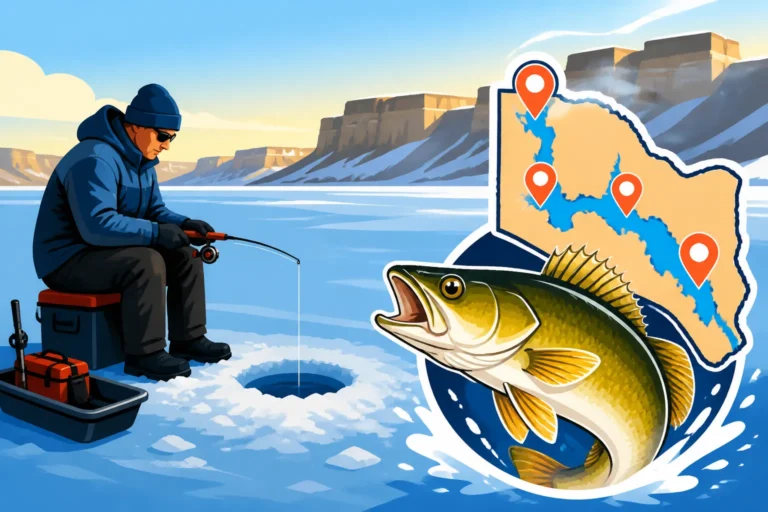
Winter Fishing: While much of South Dakota freezes over, the strong current of the Fort Randall tailwater often keeps large sections of the river open throughout winter. This means traditional open-water fishing can continue even when lakes are frozen. Walleye will often be concentrated in deeper holes and channel bends, seeking stable water temperatures. Vertical jigging with heavy jigs, blade baits, or spoons becomes the go-to technique. Slow, deliberate presentations are usually best, as fish metabolism slows in the cold water. Finding these wintering holes can lead to incredible numbers of fish once located. Ice fishing is generally not advised on the main channel due to unpredictable ice conditions caused by the dam's variable flows, but sheltered backwaters or oxbows might offer safe opportunities if conditions allow. Always exercise extreme caution when considering ice fishing on river systems.
Navigating Regulations and Best Practices
To ensure a productive and legal fishing trip, understanding South Dakota's fishing regulations is absolutely essential. Beyond the rules, adopting ethical angling practices helps preserve this incredible resource for future generations.
Understanding South Dakota Fishing Regulations
Before you even wet a line in the Fort Randall tailwater, it's critical to have a current South Dakota fishing license. Whether you're a resident or a nonresident, there are specific requirements and costs involved. Our comprehensive South Dakota Fishing License Guide is an excellent starting point for understanding how to obtain the correct license for your trip.
Beyond the general license, anglers must be aware of specific regulations governing bag limits, possession limits, and size restrictions for various species. For walleye, the daily limit and possession limit can sometimes change, and there may be specific length restrictions or slot limits in place to protect the fishery. For instance, the general statewide walleye limits may apply, but it's always wise to check the most current South Dakota Game, Fish and Parks (GFP) fishing handbook for any local exceptions or specific rules for the Missouri River. Similarly, regulations for smallmouth bass and catfish, including specific limits and whether certain species (like flathead catfish) have special rules, must be observed.
It's also important to be aware of regulations regarding the number of lines you can fish simultaneously, bait restrictions (e.g., live minnow rules), and any special equipment rules. Failing to adhere to these regulations can result in significant fines and the loss of fishing privileges. Remember, ignorance of the law is not an excuse. Checking the official GFP website or grabbing a physical copy of the annual fishing handbook should be part of every angler's pre-trip checklist. Our in-depth article, South Dakota Fishing Season Dates and Limits, provides more clarity on these crucial details.
Conservation and Ethical Angling
As stewards of our natural resources, responsible angling practices are just as important as knowing the regulations. The Fort Randall tailwater is a precious resource, and how we treat it impacts its health and the quality of fishing for everyone.
Catch and Release: While keeping fish for the dinner table is a cherished part of fishing, practicing selective harvest and catch-and-release for certain species or larger trophy fish is vital. If you plan to release a fish, handle it minimally, use barbless hooks when possible, and release it quickly and gently. For walleye, particularly, releasing larger females ensures they can continue to spawn and contribute to the population. Knowing the rules for specific fish species, like the South Dakota Walleye Limits and Smallmouth Bass Daily Limits, helps you make informed decisions about what to keep and what to release.
Minimizing Impact: Be mindful of your environmental footprint. Dispose of all trash properly, including fishing line, bait containers, and other refuse. Avoid disturbing sensitive bank areas or spawning beds. When boating, be aware of no-wake zones and avoid running aground in shallow areas that might disrupt aquatic vegetation or disturb fish. Preventing the spread of aquatic invasive species, such as zebra mussels, by cleaning, draining, and drying your boat and gear after each outing, is also a critical responsibility.
Boating Safety and Courtesy: The Fort Randall tailwater can be a busy place, especially on prime fishing days. Always follow South Dakota Boat Safety Requirements, including having all required safety equipment on board, wearing life jackets (especially in swift current), and operating your boat responsibly. Be courteous to other anglers, whether they are in boats or fishing from shore. Give them ample space, especially if they appear to be focused on a specific spot. Good sportsmanship and respect for fellow anglers create a more enjoyable experience for everyone.
Planning Your Trip and Maximizing Your Experience
A well-planned trip to the Fort Randall tailwater can make all the difference, turning a good day into a truly unforgettable fishing adventure. From the gear you bring to the resources you tap into, every detail counts.
Gear Checklist and Boat Considerations
Fishing the Fort Randall tailwater successfully means having the right tools for the job. The varied conditions and strong currents necessitate a robust and adaptable gear setup.
Rods, Reels, and Line: For walleye and smallmouth bass, medium-heavy to heavy power spinning or baitcasting rods, typically 6'6" to 7'6" in length, are ideal. These offer the backbone needed to fight fish in current and cast heavier lures. Pair them with reliable reels spooled with 10-20 lb braided line, often with a fluorocarbon leader (10-15 lb) for sensitivity and abrasion resistance. For catfish, especially flatheads, step up to heavy-action rods and reels spooled with 30-50 lb braided or monofilament line. Given the strong currents, a variety of sinker weights (from 1/4 oz up to 2 oz or more) will be essential to hold your bait in place.
Tackle: Your tackle box should be stocked for versatility. Jigs (lead-head, blade baits), a variety of soft plastics (grubs, paddle tails, minnow imitations), crankbaits (both shallow and deep diving), spinner rigs (for use with bottom bouncers), and some spoons should cover your bases for walleye and smallmouth. For catfish, ensure you have plenty of strong, sharp circle hooks (sizes 2/0 to 8/0) and appropriate weights. Don't forget swivels, snaps, and extra leader material.
Boat Type: If you're bringing a boat, a sturdy V-hull or deep-V aluminum or fiberglass boat is highly recommended. These provide stability and comfort in the potentially choppy waters of the Missouri River. A reliable outboard motor with enough horsepower to handle the current is critical, as is a good trolling motor for precise boat positioning when jigging or casting. A high-quality fish finder with GPS and mapping capabilities will be invaluable for locating structure, marking waypoints, and navigating safely. Remember that all boats need to follow proper registration protocols, as outlined in our South Dakota Boat Registration Guide.
Safety Equipment: Always prioritize safety. Beyond the required South Dakota Boat Safety Requirements, bring extra life jackets, a first-aid kit, sun protection (hat, sunglasses, sunscreen), plenty of water, and foul-weather gear. A marine radio or fully charged cell phone (in a waterproof case) for emergencies is also a smart addition.
Local Resources and Guided Trips
Even with all the right gear and knowledge, sometimes local insights can elevate your fishing trip from good to legendary. South Dakota offers various resources to help anglers maximize their time on the water.
Local Bait and Tackle Shops: These are goldmines of up-to-date information. Staff at local shops near Fort Randall or Pickstown can provide real-time fishing reports, suggest hot lures or bait, and point you towards productive areas. They often have knowledge of current water conditions that online reports might miss. Support these local businesses—they're a crucial part of the angling community.
South Dakota Game, Fish and Parks: The GFP website is a treasure trove of information, including regulations, stocking reports, fishing reports, and access maps. Their offices can also be a direct source of information.
Guided Fishing Trips: If you're new to the Fort Randall tailwater, or just want to maximize your chances of success, hiring a local fishing guide is an investment that often pays dividends. These experienced professionals know the nuances of the river, the current fish patterns, and the best techniques for specific conditions. They typically provide all the necessary gear and can teach you valuable skills. Websites like FishingBooker are excellent resources for finding and booking reputable local guides who specialize in the Fort Randall tailwaters. You can often read reviews and choose a guide based on their expertise with walleye, catfish, or other target species.
Accommodations and Amenities: Planning your overnight stays in nearby towns like Pickstown, Lake Andes, or even further afield in Wagner can make for a more comfortable trip. These towns offer a range of lodging options, from campgrounds to hotels, and provide access to restaurants and other amenities. Some anglers prefer to stay at campgrounds directly on the river, like those at Pease Creek or the Fort Randall Dam Campground, to maximize their time on the water. Researching these options in advance, perhaps even using a service like FishingBooker to bundle accommodations with a guide service, can streamline your trip planning.
The Fort Randall tailwater is a jewel in the crown of South Dakota fishing, offering incredible opportunities for anglers willing to learn its rhythms. With careful planning, the right techniques, and a healthy respect for its power, you're set for an unforgettable adventure.
Disclaimer
Please remember that fishing conditions, regulations, and access points can change frequently. Always consult the latest South Dakota Game, Fish and Parks regulations and local advisories before planning and embarking on your fishing trip. Ensure all safety precautions are taken, especially when boating or fishing near dam structures and in strong currents. The information provided in this guide is for informational purposes only and should not be considered a substitute for official regulations or professional guidance.