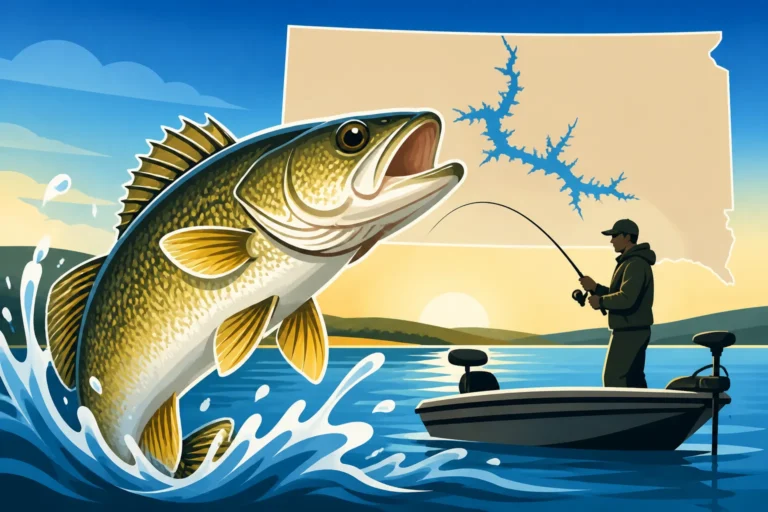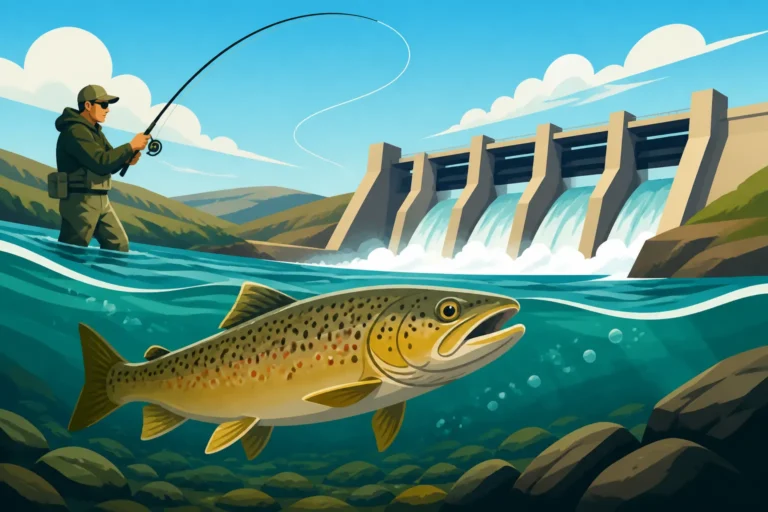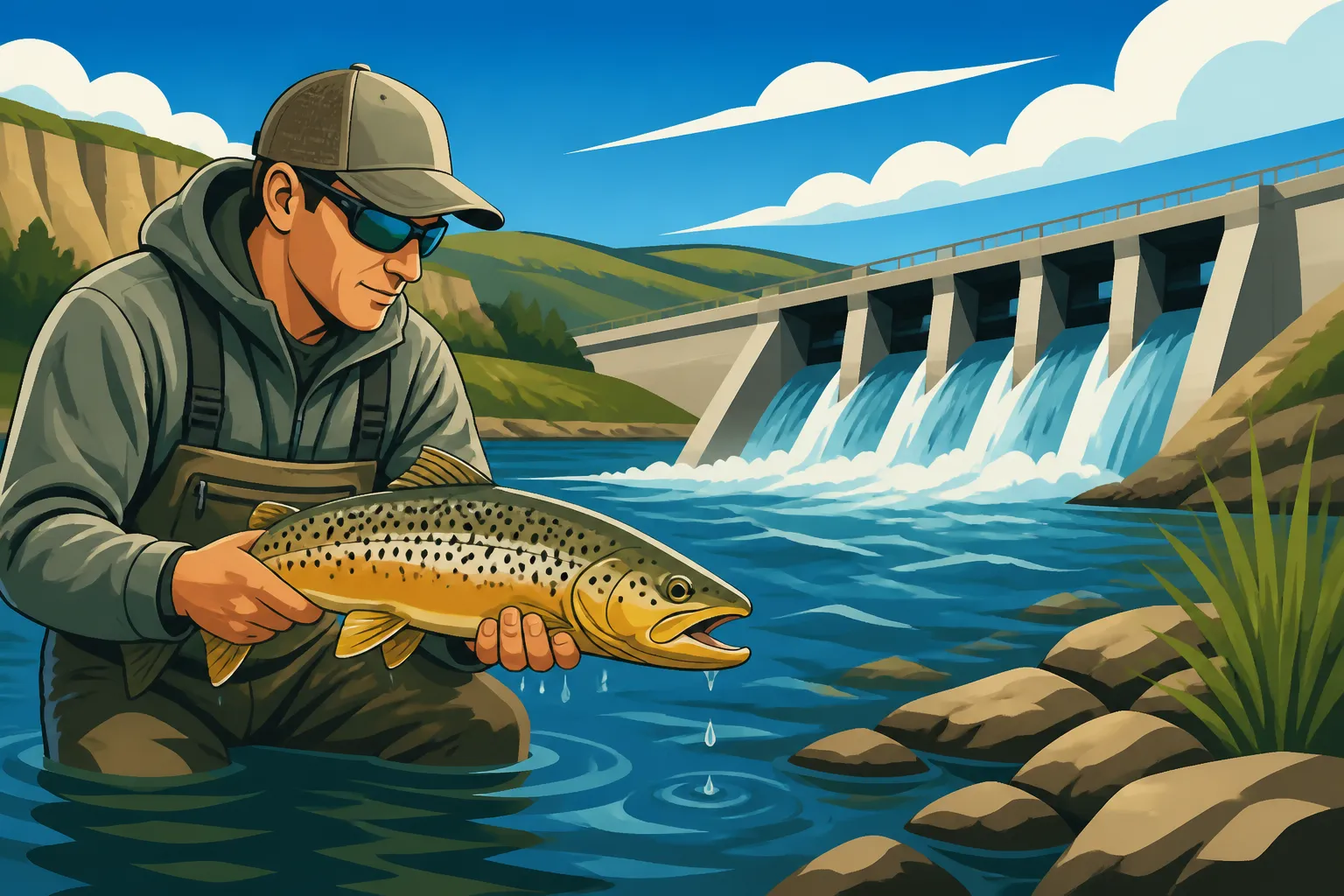
Missouri River Tailwater Fishing Below Gavins Point Dam
Fishing the mighty Missouri River can be an incredibly rewarding experience, but the strong currents and ever-changing conditions below Gavins Point Dam can feel a bit overwhelming, especially if you're not familiar with tailwater environments. It's a dynamic place where the fish hold tight to structure, chase bait in turbulent waters, and often require specific tactics to entice a bite. This guide aims to pull back the curtain on fishing the Gavins Point tailwater, helping you understand its unique challenges and unlock its incredible potential for catching some truly memorable fish.
Understanding the Gavins Point Tailwater Environment
The section of the Missouri River directly below Gavins Point Dam, extending downstream past Yankton, South Dakota, is what anglers refer to as a "tailwater." This unique environment is shaped by the dam's operation, offering distinct fishing conditions that differ significantly from upstream reservoirs or slower river sections. It's a powerful, oxygen-rich ecosystem that attracts and holds a diverse array of fish species.
The Unique Characteristics of Tailwater Sections
Tailwaters are characterized by several key features that dictate how fish behave and where they hold. First and foremost is the consistent, often powerful current generated by the dam's water releases. This current constantly churns the water, keeping it cool and highly oxygenated, which is beneficial for many game fish. The riverbed in these areas often consists of rocky stretches, gravel bars, and sudden drop-offs, carved out and exposed by the relentless flow. These features provide crucial ambush points and current breaks where fish can rest and wait for food.
Another defining characteristic is the cooler water temperatures, especially closer to the dam. Water released from the bottom of the reservoir (Lewis and Clark Lake) can be significantly colder than surface water, creating a more stable temperature environment for cold-water species or keeping warmer-water species active even during hot summer months. This constant flow also brings a steady supply of forage, disorienting baitfish and washing insects and crustaceans downstream, creating a continuous buffet for predatory fish.
Water Flow and Its Impact on Fishing
The water flow below Gavins Point Dam is largely controlled by the U.S. Army Corps of Engineers and their decisions on releasing water from Lewis and Clark Lake. These releases can vary significantly, from low flow periods when generation is minimal to high flow events during peak power demand or flood control operations. These changes in flow directly impact fish behavior and, consequently, your fishing success.
During periods of low flow, fish tend to concentrate in deeper holes, channels, and along the edges of the main current where the velocity is reduced. They might be less active, requiring a slower, more precise presentation of your bait or lure. Conversely, high flow periods scatter fish more widely, but also push them into more pronounced current breaks, eddies, and slack water areas closer to shore or behind large structures. These higher flows can also mean a more aggressive bite as fish take advantage of the increased forage being swept downstream. Anglers planning a trip should always check the water release schedules from the Army Corps of Engineers or the South Dakota Game, Fish and Parks (GFP) website, as understanding the current conditions is paramount to effective fishing in this dynamic environment. Knowing the Missouri River Tailwater Fishing Techniques that correspond to different flow rates can dramatically improve your chances.
Key Fish Species to Target
The Gavins Point tailwater is a multi-species angler's paradise, boasting a healthy population of several popular game fish. The undisputed king of the Missouri River in South Dakota is the walleye. These golden-sided predators thrive in the current, often holding behind structure or in current seams, ambushing baitfish. They can grow to impressive sizes here, with fish over 10 pounds not uncommon.
Another highly sought-after species is the channel catfish. The turbid, oxygenated water and abundant food sources make for an excellent catfish habitat. Both channel cats and the occasional flathead catfish can be found in the deeper holes and along cut banks, especially during warmer months. Smallmouth bass are also prevalent, particularly in rocky areas and around riprap. They are aggressive fighters and provide excellent sport on lighter tackle. Beyond these mainstays, anglers can also encounter sauger, northern pike, white bass, crappie, and even a variety of panfish, making every cast an exciting unknown. When thinking about South Dakota Fish Limits and Size Restrictions, make sure to be aware of the specific rules for each species you might encounter.
Prime Fishing Locations Below Gavins Point Dam
Knowing the general characteristics of a tailwater is one thing, but knowing where to wet a line is another. The Gavins Point tailwater offers a range of access points and hotspots, whether you prefer fishing from shore or have the luxury of a boat.
Shoreline Access and Public Areas
For those without a boat, fear not! There are excellent shoreline access opportunities below Gavins Point Dam. The immediate tailrace area directly below the dam on both the South Dakota and Nebraska sides offers fantastic bank fishing. Here, anglers can find powerful currents and deep water close to shore, making it prime real estate for targeting walleye and other species as they move through the system. However, exercise extreme caution due to fast currents and potentially slick surfaces.
Further downstream, areas around Yankton, South Dakota, provide more diverse shoreline options. Riverside Park in Yankton is a popular spot, offering boat ramps and ample bank access. Here, you can target catfish in the slower eddies or smallmouth bass near the rocky banks. Lewis and Clark Lake State Recreation Area also provides excellent access points along the river downstream from the dam, offering a mix of riprap, sandbars, and deeper channels accessible from shore. These spots can be great for a family outing, and you might even find yourself landing a walleye or a feisty smallmouth. Finding the best shore fishing spots on Lewis and Clark Lake can be a rewarding experience for any angler.
Boat-Accessible Hotspots
If you have a boat, the entire tailwater opens up, offering access to prime structures and current breaks that shore anglers simply can't reach. Launching from boat ramps near the dam or in Yankton provides quick access to the main river channel. Key areas for boaters include the immediate discharge area, where powerful current often concentrates baitfish and game fish. Be sure to use heavy anchors and pay close attention to safety when navigating these intense waters.
Moving downstream, look for pronounced current seams, areas where fast-moving water meets slower water. These seams are often formed by submerged humps, rock piles, or channel swings. Walleye will stack up along the slower side of these seams, darting out to ambush prey. Deeper holes, particularly those associated with outside bends in the river or below significant current breaks, are excellent for targeting larger walleye and catfish. Pay attention to your fish finder to identify these depth changes and any lurking structures. Submerged wing dams and riprap shorelines, even those not visible from the surface, also provide crucial cover and feeding zones. A good quality fish finder is almost essential for mapping out these underwater features and understanding How to Read a Fish Finder for Walleye.
Specific Structures and Current Breaks
Fish in a river environment, especially a tailwater with strong currents, are constantly looking for two things: food and a place to rest out of the main flow. This makes identifying current breaks and structure absolutely critical. Below Gavins Point, common structures include riprap banks, which provide rocky cover for smallmouth and walleye. Submerged rock piles, created either naturally or from historical construction, act as magnets for fish seeking shelter and ambush points.
The scour holes directly below the dam are constantly being reshaped by the powerful water discharge and often hold some of the deepest water and largest concentrations of fish. Further downstream, look for sandbars and gravel flats adjacent to the main channel. These areas can be excellent feeding grounds, especially during periods of reduced flow or during dawn and dusk. Eddies, those swirling pockets of water where the current reverses or slows significantly, are prime spots for walleye, sauger, and catfish to hold without expending too much energy. These can be found behind islands, points, or large man-made structures along the bank. The more you learn to "read the water" and identify these features, the more successful you'll be.
Essential Techniques for Gavins Point Tailwater Fishing
Fishing the Gavins Point tailwater demands specific techniques tailored to the strong currents and the species you're targeting. Relying on methods that work in calmer lakes simply won't cut it here. Mastering a few key approaches will greatly enhance your success.
Walleye Strategies: Jigging, Trolling, and Bottom Bouncing
Walleye are the main attraction in the Gavins Point tailwater, and there are a few tried-and-true methods that consistently put them in the boat. Vertical jigging is perhaps the most effective, especially in the immediate tailrace and other areas with strong current. Using heavy jigs (1/2 oz to 1 oz or more, depending on current strength and depth), tipped with a live minnow, plastic paddle tail, or soft plastic grub, allows you to maintain contact with the bottom in fast water. The key is to keep your jig as vertical as possible, dropping it down to the fish-holding structure and gently lifting and dropping to entice a strike. This technique is particularly effective for Jigging Techniques for Missouri River Walleye.
Bottom bouncing with spinner rigs or live bait rigs is another popular and highly effective method, especially for covering larger areas from a boat. A bottom bouncer, typically a lead weight with a wire arm, keeps your bait (usually a nightcrawler or minnow) suspended just off the bottom while drifting or slowly trolling downstream. This allows you to present your bait naturally to walleyes hugging the riverbed. For those who prefer to cover ground, trolling crankbaits can also be effective in sections with more consistent depth and less extreme current. Deep-diving crankbaits that mimic shad or other forage fish, like those from Rapala or Berkley, can be trolled upstream or downstream, bumping the bottom occasionally to trigger reaction strikes.
Catfish Tactics: Cut Bait and Bottom Rigs
The Missouri River is synonymous with robust catfish populations, and the Gavins Point tailwater is no exception. Channel catfish, in particular, are abundant and readily caught using a variety of baits. The most effective method is generally fishing on the bottom with cut bait or prepared stink baits. Shad, skipjack, or even pieces of smaller panfish make excellent cut bait, emitting strong scents that attract catfish from a distance.
A basic bottom rig consisting of a heavy pyramid sinker (1-3 oz, depending on current) above a swivel, leading to a short leader (12-18 inches) with a strong, sharp circle hook (sizes 2/0 to 5/0) is all you need. Cast these rigs into deeper holes, current seams, or along the edges of sandbars and let them soak. Fishing during evening hours and into the night can be particularly productive for catfish, as they are primarily nocturnal feeders. When it comes to Catfish Limits and Size Rules, pay attention to state regulations for both channel and flathead catfish.
Smallmouth Bass and Other Species Approaches
While walleye and catfish get a lot of attention, the Gavins Point tailwater also offers fantastic opportunities for smallmouth bass and other species. Smallmouth thrive in rocky areas, riprap shorelines, and around submerged boulders, often found closer to shore or in areas with slightly less intense current.
For smallmouth, techniques like casting tube jigs, grubs on jig heads, or small crankbaits that mimic crayfish or baitfish can be highly effective. Work these lures around any visible or submerged rocky structure. Smallmouth are aggressive and will often strike repeatedly. Spinners and even fly-fishing setups can also be very productive for these hard-fighting fish. Other species like white bass can often be found schooling in open water, chasing baitfish. Look for surface activity or use your electronics to spot schools, then cast small spoons, Kastmasters, or inline spinners into the fray. Crappie and other panfish will often relate to submerged timber or slower eddies, where small jigs or live minnows under a bobber can produce good results.
Best Times and Seasonal Considerations
Understanding the seasonal patterns and even daily flow schedules can dramatically improve your fishing success in the dynamic Gavins Point tailwater. Fish behavior is highly influenced by water temperature, spawning cycles, and the dam's operations.
Spring and Fall: Peak Opportunities
Many anglers consider spring and fall the absolute prime times for fishing the Gavins Point tailwater, especially for walleye. In spring, as water temperatures begin to rise and fish emerge from winter lethargy, walleye make their spawning runs. While the immediate tailrace might see some post-spawn staging, the entire river system becomes active. Fish are hungry and aggressive, making them susceptible to jigs and slowly presented live bait. This is a fantastic time for targeting trophy-sized walleyes. Look for slightly warmer water in shallower eddies or protected bays.
Fall offers another incredible window, as walleye and other predatory fish begin to feed heavily in preparation for winter. Water temperatures cool, and fish become very active, chasing baitfish that are also schooling up. This is an excellent time for aggressive jigging, trolling crankbaits, or using bottom bouncers with larger minnows. The crisp air and beautiful scenery of a South Dakota fall only add to the appeal. Both seasons offer consistent action, but always check local conditions and specific South Dakota Fishing Regulations Explained before heading out.
Summer Fishing Challenges and Rewards
Summer fishing in the Gavins Point tailwater can be a mixed bag, offering both challenges and unique rewards. The primary challenge is often the heat, which can make midday fishing less comfortable for anglers. However, the tailwater's cooler, oxygenated water, thanks to the dam releases, often keeps fish more active than in stagnant lake environments.
During summer, walleye might move to deeper, cooler sections of the main channel or seek out significant current breaks where they can ambush bait without expending too much energy. Early mornings and late evenings often provide the best bite, as fish become more active under lower light conditions. Catfish, on the other hand, thrive in the summer heat and can provide excellent action throughout the day, especially in deeper holes and along cut banks. Smallmouth bass will also be active, especially around rocky structures. Consider adjusting your fishing times to beat the heat and focus on dawn, dusk, or even night fishing for species like catfish and some walleye. Planning a summer trip? You can always check FishingBooker for local guides who know the nuanced summer patterns.
Understanding Daily Water Release Schedules
The single most critical factor influencing fishing success below Gavins Point Dam on a day-to-day basis is the water release schedule. The U.S. Army Corps of Engineers manages the dam's outflow, primarily for hydropower generation and flood control. These releases can change dramatically throughout the day, altering current speed, water depth, and fish holding patterns.
A sudden increase in flow can activate fish, pushing them into more predictable current breaks, but it can also make fishing challenging due to increased velocity. Conversely, a decrease in flow can concentrate fish in deeper areas or create new, accessible slack water. Experienced anglers constantly monitor these schedules, often available online from the Army Corps of Engineers website, to plan their trips. Understanding how to read the changes in flow and current speed is a skill developed over time, but it's a game-changer for tailwater fishing. When you're fishing a highly regulated tailwater, knowing how to interpret these daily changes will help you adapt your Missouri River Tailwater Fishing Techniques on the fly.
Gear and Tackle for Success
Having the right gear and tackle for the unique demands of the Gavins Point tailwater is crucial. The strong currents, potential for large fish, and diverse species require robust and adaptable equipment. Don't skimp on quality here; reliable gear will save you frustration and lost fish.
Rod, Reel, and Line Recommendations
For targeting walleye and larger species in the current, you'll want a medium-heavy to heavy power spinning or baitcasting rod, typically 6'6" to 7'6" in length. A fast or extra-fast action tip is ideal for detecting subtle bites and providing quick hook sets. Rods designed for salmon, steelhead, or heavy walleye jigging often work well here. Pairing this with a sturdy spinning reel (size 2500-4000) or a reliable baitcasting reel with a good drag system is essential.
When it comes to line, a good quality braided line (15-30 lb test) is often preferred for its sensitivity and lack of stretch, which helps detect those light walleye bites in heavy current. However, always use a fluorocarbon leader (10-20 lb test) for abrasion resistance against rocks and invisibility to wary fish. For catfish, heavier monofilament (20-40 lb test) or braid with a heavy mono leader is appropriate, as you'll be casting heavy weights and fighting powerful fish. Remember that the Number of Fishing Lines Allowed Per Angler in South Dakota is usually restricted, so plan your setup accordingly.
Essential Lures and Baits
Your tackle box for the Gavins Point tailwater should be well-stocked with a variety of lures and live baits to cover different conditions and species.
- Jigs: Heavy jigs (1/2 oz to 1.5 oz) in bright colors like chartreuse, orange, and white, as well as natural colors like green pumpkin or brown, are indispensable. Pair them with soft plastic grubs, paddle tails, or live minnows. Blade baits (1/2 oz to 1 oz) are also excellent for vertical jigging.
- Bottom Bouncers & Rigs: A selection of bottom bouncers (1-3 oz) and snelled hooks for live bait rigs (especially for nightcrawlers and minnows) are crucial for walleye.
- Crankbaits: Deep-diving crankbaits in shad patterns, clown, or firetiger colors are effective for trolling. Look for models like Rapala Deep Tail Dancers, Berkley Flicker Shads, or Salmo Hornets that can reach depths of 15-25 feet.
- Catfish Baits: Fresh cut bait (shad, suckers), chicken livers, and various prepared stink baits are necessary for catfish.
- Smallmouth Lures: Tube jigs, small crankbaits (Rapala Shad Raps, Bandit 200 series), grubs, and inline spinners (Mepps, Panther Martin) will all catch smallmouth.
It’s always a good idea to have a variety, as fish preferences can change throughout the day. Check out our guide on the Best Lures for South Dakota Walleye for more in-depth recommendations.
Boat and Safety Equipment
For boaters, safety on the fast-moving Missouri River is paramount. Beyond standard safety gear, ensure you have a robust anchoring system capable of holding your boat in strong currents. A heavy anchor (river anchor or mushroom anchor, 20 lbs or more) with plenty of line (at least 100 feet of robust anchor rope) is crucial. Always carry at least two anchors if you plan to anchor in strong current, to allow for a bow and stern anchor setup, or to have a backup in case one gets stuck.
A reliable marine radio or fully charged cell phone is also vital for communication. Personal Flotation Devices (PFDs) are legally required for everyone on board, and children under 13 must wear one at all times while the boat is underway. Consider wearing an automatic inflatable PFD yourself for maximum comfort and safety. A good quality fish finder/GPS unit is also highly recommended for navigating the river, identifying structure, and marking hot spots. Always review the South Dakota Boat Safety Requirements before heading out on the water.
Navigating Regulations and Best Practices
Fishing the Gavins Point tailwater isn't just about lures and techniques; it's also about understanding and respecting the local regulations and practicing responsible angling. This ensures the fishery remains healthy and enjoyable for everyone.
South Dakota Fishing Regulations and Limits
South Dakota Game, Fish and Parks (GFP) sets the fishing regulations for the Missouri River, including the Gavins Point tailwater. These regulations are designed to manage fish populations and ensure sustainable fishing. It's absolutely essential to have a valid South Dakota Fishing License Guide for the current year. This includes all anglers 16 years of age and older. Non-residents will need a specific South Dakota Nonresident Fishing License Rules.
Beyond the license, pay close attention to species-specific daily limits and possession limits, as well as any size restrictions (e.g., minimum length for walleye or specific slot limits). These can vary not only by species but sometimes by specific water bodies or sections of the river. For example, walleye limits on the Missouri River system are often different from some glacial lakes. Always consult the current South Dakota Fishing Handbook or the GFP website before your trip to ensure you are up-to-date on all rules, including specific regulations like South Dakota Walleye Limits and South Dakota Northern Pike Limits. Ignorance of the law is no excuse, and wardens regularly patrol these popular fishing areas.
Respecting the Environment and Other Anglers
The beauty of the Gavins Point tailwater is shared by many, from fellow anglers to boaters, kayakers, and wildlife enthusiasts. Practicing good etiquette and respecting the environment is part of being a responsible outdoor enthusiast. Always pack out what you pack in, and never leave trash or discarded fishing line on the banks or in the water. Properly dispose of fish carcasses.
When fishing from shore, be mindful of others' space and avoid crowding. If boating, maintain safe distances from other vessels and shore anglers, especially when trolling or running lines. Be courteous at boat ramps, launching and retrieving efficiently to avoid delays for others. Respect private property and only access the river from designated public areas. By upholding these simple courtesies, we ensure that everyone can enjoy the incredible fishing opportunities the Missouri River offers.
Hiring a Guide for Tailwater Expertise
If you're new to fishing the Gavins Point tailwater, or even if you're an experienced angler looking to learn some local nuances, hiring a professional fishing guide can be an invaluable investment. A local guide spends countless hours on the water, tracking fish movements, understanding the subtle changes in current, and knowing exactly what baits and techniques are working right now. They can provide the boat, tackle, and expertise, saving you time and frustration while dramatically increasing your chances of success.
Guides are also a fantastic resource for understanding the latest regulations, navigating safely, and finding those elusive hotspots. They can teach you specific techniques like vertical jigging in strong current or how to effectively use electronics to locate fish on structure. Platforms like FishingBooker make it easy to find and book experienced guides specializing in the Gavins Point tailwater. A good guide can often accelerate your learning curve and make your trip truly memorable, taking the guesswork out of an otherwise complex fishery.
Summary of Gavins Point Tailwater Fishing
The Gavins Point Dam tailwater section of the Missouri River is a truly special place for anglers in South Dakota. Its dynamic currents, diverse fish populations, and stunning scenery offer a fishing experience unlike any other. Whether you're chasing trophy walleye, battling powerful catfish, or enjoying the feisty fight of a smallmouth bass, understanding the specific characteristics of this tailwater is key to success.
Here's a quick look at the main species, their preferences, and key locations:
| Species | Preferred Habitat | Key Baits/Lures | Peak Season |
|---|---|---|---|
| Walleye | Current seams, deep holes, submerged structure | Jigs (live bait/plastics), bottom bouncers, crankbaits | Spring/Fall |
| Channel Catfish | Deep holes, cut banks, slower eddies | Cut bait (shad), stink baits, chicken livers | Summer |
| Smallmouth Bass | Rocky areas, riprap, submerged boulders | Tube jigs, small crankbaits, grubs, spinners | Spring/Summer/Fall |
| Sauger | Similar to walleye, often deeper current breaks | Jigs, small crankbaits, minnow imitations | Spring/Fall |
| White Bass | Open water schools, chasing baitfish | Small spoons, Kastmasters, inline spinners | Summer |
Remember to always prioritize safety, especially when boating in strong currents, and adhere to all South Dakota fishing regulations. With the right preparation, knowledge, and a little patience, your trip to the Gavins Point tailwater will undoubtedly be an adventure filled with exciting catches and lasting memories. If you're looking for an even deeper dive into specific tactics, consider exploring resources on How to Find Walleye on a New Lake or how to set up the Best Rod and Reel Setup for Walleye Trolling.
Disclaimer
Please note that fishing conditions, regulations, and fish behavior can change rapidly due to weather, water levels, and biological factors. Always consult the official South Dakota Game, Fish and Parks (GFP) website for the most current regulations, license requirements, and advisories before planning any fishing trip. Safety should always be your top priority on the water.