Sheridan Lake Fishing Near Rapid City
There’s nothing quite like the itch to get out on the water when you’re in the beautiful Black Hills, but sometimes figuring out where to go and what to expect can feel like a puzzle. You’re in Rapid City, the mountains are calling, and you want to drop a line, but which lake is the best bet for a rewarding day? If you’re like many anglers, you’re looking for convenience without sacrificing the quality of the fishing. This comprehensive guide is here to walk you through everything you need to know about Sheridan Lake fishing near Rapid City, ensuring your next outing is as productive as it is peaceful.
Getting to Know Sheridan Lake and Its Angling Appeal
Sheridan Lake isn't just another pretty spot on the map; it's a prime destination for anglers seeking a diverse and rewarding fishing experience right in the heart of the Black Hills. Its unique blend of accessibility and excellent fishing opportunities makes it a local favorite and a must-visit for anyone in the Rapid City area.
Lake Overview and Location for Anglers
Nestled within the stunning landscape of the Black Hills National Forest, Sheridan Lake is perfectly situated just a short drive southwest of Rapid City. This convenient location means you can easily wake up, grab your gear, and be on the water in less than an hour, making it ideal for both day trips and longer stays. The lake itself is a relatively smaller body of water compared to the sprawling Missouri River reservoirs, but don't let its size fool you. It's an approximately 375-acre reservoir formed by the damming of Spring Creek, offering a picturesque setting with towering pine trees, granite formations, and crystal-clear water.
What makes Sheridan Lake particularly special is its manageable size and diverse shoreline. You'll find a mix of rocky points, submerged timber, and shallower coves, all contributing to a rich habitat for various fish species. The surrounding national forest provides a sense of wild tranquility, even though you’re so close to a major city. For those who appreciate stunning natural beauty alongside their angling pursuits, Sheridan Lake truly delivers. Its ease of access, combined with its scenic grandeur, offers a perfect escape for anglers of all skill levels, whether you're bringing a boat or just looking for a peaceful spot to cast from shore.
The Primary Fish Species You'll Encounter
When you drop a line in Sheridan Lake, the main star of the show is undoubtedly the Rainbow Trout. The South Dakota Game, Fish and Parks (GFP) Department maintains a robust stocking program for rainbow trout in the Black Hills, and Sheridan Lake benefits significantly from these efforts, ensuring a healthy and eager population for anglers. These trout provide consistent action, especially in the cooler months and during spring and fall.
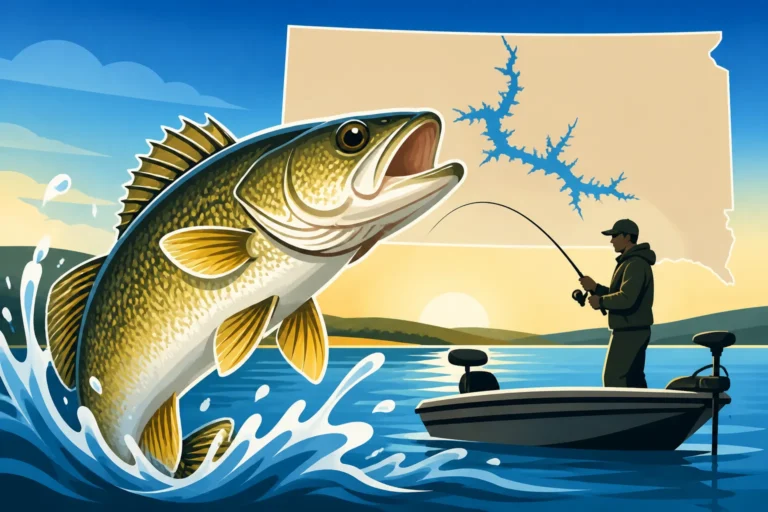
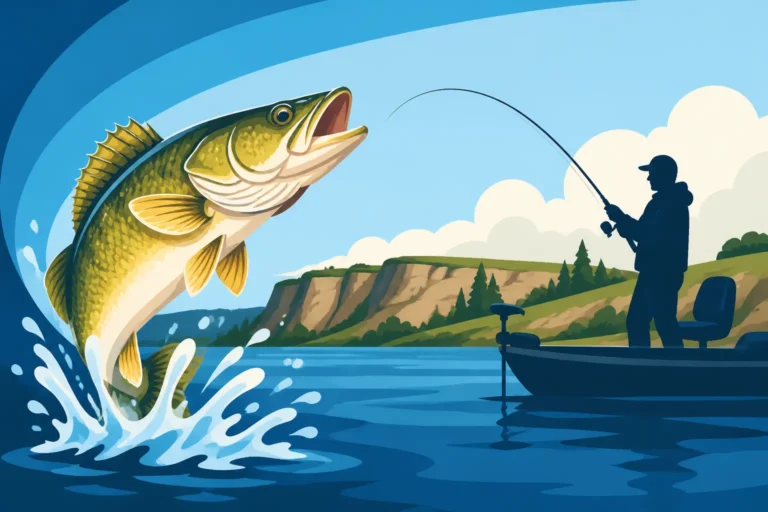
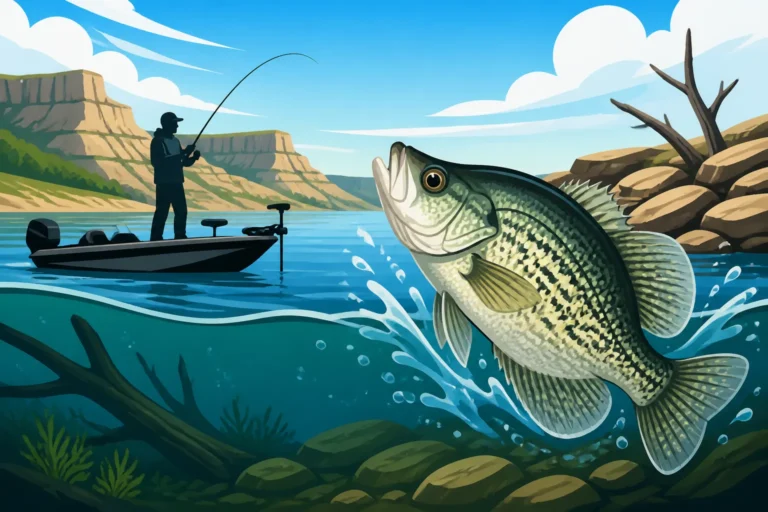
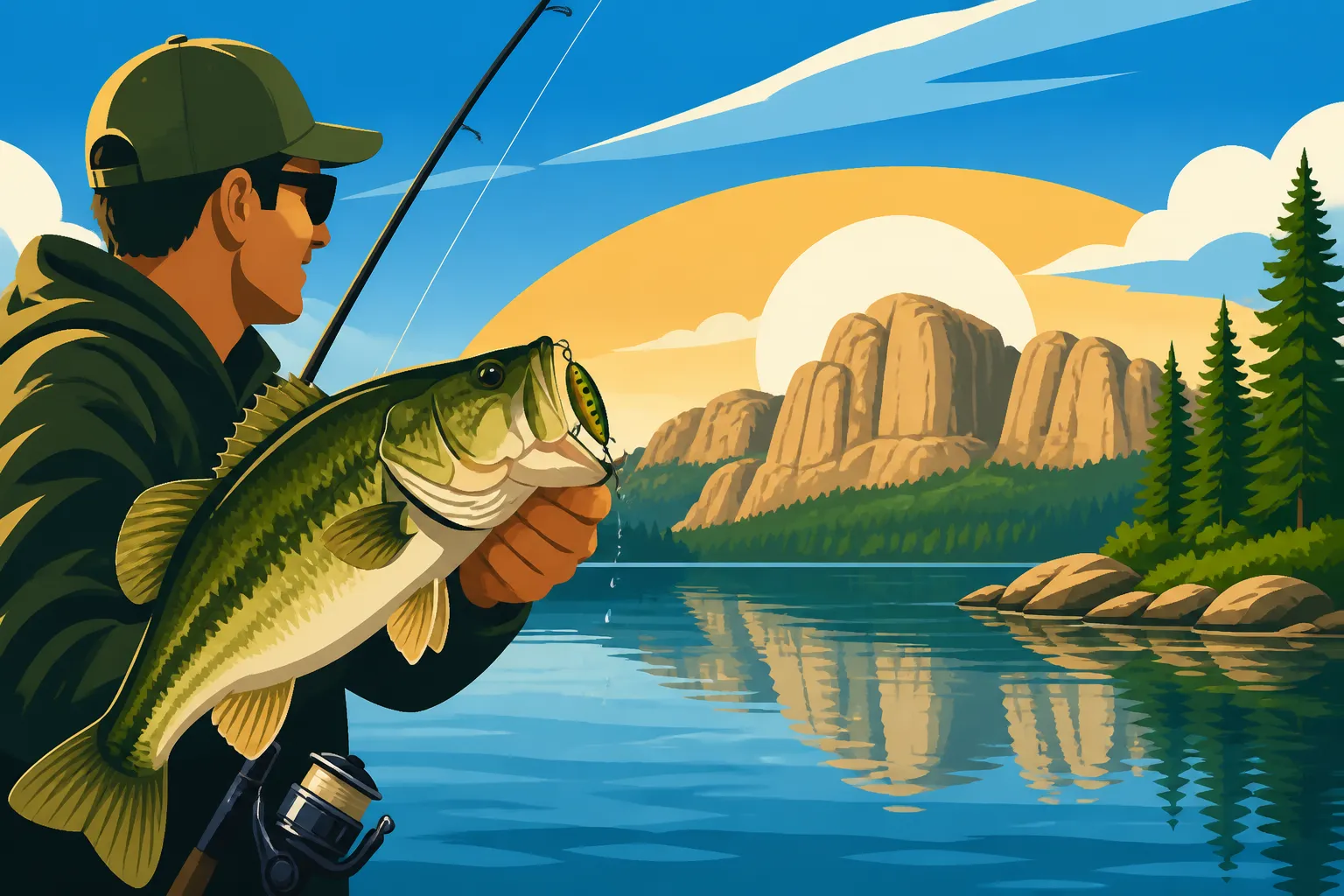
However, Sheridan Lake offers more than just trout. For those looking for a different fight, you'll also find a respectable population of Largemouth Bass. These feisty fish often hang around the submerged structure and weed lines, offering a thrilling challenge, particularly during the warmer months. Northern Pike are also present, often lurking in the weedier bays, ready to ambush unsuspecting baitfish—and your lure! And let’s not forget the abundant panfish, including Crappie and Bluegill, which are fantastic for younger anglers or anyone just looking for steady bites and a delicious meal. While it's not known for massive Walleye like the Missouri River system, the diversity of species here means there’s always something to target, keeping your fishing interesting and dynamic. Knowing the target species helps you better prepare your tackle, and for specific limits, it's always wise to consult the South Dakota Fish Limits and Size Restrictions regulations.
Essential Gear and Techniques for Sheridan Lake Success
Having the right tools for the job can make all the difference, and fishing Sheridan Lake is no exception. Depending on what you’re targeting and how you plan to fish, a few key pieces of gear and techniques will greatly increase your chances of success.
Recommended Rods, Reels, and Line for Sheridan Lake
For the abundant Rainbow Trout in Sheridan Lake, you'll want to lean towards lighter tackle. An ultralight or light action spinning rod, typically 5 to 6 feet in length, paired with a small spinning reel (size 1000 or 2000), is ideal. This setup allows for delicate presentations, sensitive bite detection, and makes even a modest trout feel like a trophy. Spool your reel with 4 to 6-pound monofilament or fluorocarbon line. Monofilament offers good knot strength and stretch, which can be forgiving with lighter hooks, while fluorocarbon provides less stretch, increased sensitivity, and near invisibility underwater, which can be crucial in the lake’s clear waters. If you're into fly fishing, a 3-weight to 5-weight fly rod is perfect for casting small nymphs, dry flies, or streamers for the trout.
If your sights are set on Largemouth Bass or Northern Pike, you’ll need to step up your gear a bit. A medium or medium-heavy action spinning or baitcasting rod, around 6.5 to 7 feet long, with a 2500-3000 size spinning reel or a standard baitcaster, will handle the heavier lures and stronger fight of these species. For these fish, 8 to 12-pound monofilament or fluorocarbon, or even 15 to 20-pound braided line with a fluorocarbon leader, works well. Braided line offers superior sensitivity and casting distance, especially important when punching through weeds for pike or detecting subtle bass bites near structure. Understanding the general principles of rod and reel selection, even if you typically focus on walleye, can be beneficial, so checking out guides like Best Fishing Rods and Reels for Walleye can give you broader insights into optimal setups.
Top Baits and Lures for Different Species and Seasons
The beauty of Sheridan Lake is the variety of baits and lures that can entice its residents. For Rainbow Trout, the classics often work best. PowerBait, in various colors and forms (dough, nuggets), is a perennial favorite, often fished off the bottom with a small hook and sinker. Live worms (nightcrawlers) are also highly effective, as are canned corn kernels. When trout are more active, small inline spinners like Mepps Aglias or Panther Martin spinners, in sizes #0 to #2, can trigger aggressive strikes. Small spoons, like Kastmasters or Little Cleos, are also excellent choices for casting and retrieving, mimicking small baitfish. Fly anglers will have success with common trout patterns such as Woolly Buggers, Prince Nymphs, or various dry flies during hatches.
For Largemouth Bass, a diverse tackle box will serve you well. Spinnerbaits, crankbaits (especially those that dive to 5-10 feet), and soft plastics like plastic worms, creature baits, or swimbaits rigged Texas or Carolina style are all proven producers. Jerkbaits can be deadly when bass are chasing baitfish near points or drop-offs. When targeting Northern Pike, larger spinnerbaits, spoons, or topwater lures can be exciting. Pike are often found ambushing prey from weed edges, so targeting these areas with weedless presentations is key. For panfish like crappie and bluegill, tiny jigs tipped with a piece of worm, small plastic grubs, or simple bobber and bait setups are usually all it takes. Just like with walleye, understanding bait and lure selection is critical, and resources like Best Lures for South Dakota Walleye can offer inspiration for other species too.
Effective Fishing Techniques for Shore and Boat Anglers
Sheridan Lake offers excellent opportunities for both shore-based and boat-based anglers, each requiring slightly different approaches.
For shore anglers, the most common and effective techniques involve still fishing with bait or casting and retrieving lures. Find a comfortable spot along the accessible shoreline, particularly near points, submerged rocks, or areas where the bank drops off slightly. For trout, rig your PowerBait or worm on a small hook with a sliding sinker, allowing the bait to float off the bottom. Cast it out, let it settle, and be patient. When casting lures for trout, bass, or pike, experiment with different retrieve speeds and depths. Work the lure near any visible structure, like fallen trees or rock piles. The dam face and areas near the campgrounds often provide good shore access.
Boat anglers have the advantage of covering more water and reaching less pressured areas. Trolling is a highly effective technique for trout, especially when they're scattered throughout the water column. Use small spoons, spinners, or even shallow-diving crankbaits behind a subtle weight or small planer board (if regulations allow). Experiment with different depths until you find where the fish are holding. When targeting bass and pike, use your boat to cast to specific structures like submerged timber, rock humps, or distinct weed lines. Drifting with live bait or casting jigs can also be productive. For those who want a deeper dive into boat-based strategies, exploring topics like South Dakota Trolling Techniques for Walleye can offer transferable skills. For navigating specific areas of the lake and identifying potential hotspots, having a good fish finder is invaluable. You might find insights on how to use them effectively in guides such as How to Read a Fish Finder for Walleye, even if your primary target is different.
Navigating Sheridan Lake: Access, Facilities, and Prime Fishing Spots
Knowing how to get onto and around Sheridan Lake is crucial for a smooth and productive fishing trip. From where to launch your boat to the best spots to cast a line, here's what you need to know.
Public Access Points and Boat Ramps
Sheridan Lake is well-equipped with public access points, making it relatively easy to get your boat in the water or find a spot along the bank. The primary boat launches are maintained by the U.S. Forest Service and are generally well-kept. You'll find a main boat ramp on the south side of the lake, often referred to as the Sheridan Lake South Boat Ramp, which offers ample parking and usually accommodates larger boats. There are also other, smaller access points, including some associated with the campgrounds that may have more limited facilities or be better suited for kayaks, canoes, or smaller jon boats.
It's important to note any specific regulations regarding motor size or type that might apply to Sheridan Lake, as some smaller Black Hills lakes have restrictions to maintain water quality and peace. Always check with the Forest Service or South Dakota GFP for the most current rules. While the water access is generally good, heavy usage during peak summer weekends can sometimes lead to crowded ramps, so planning for off-peak times or being patient is a good strategy. For information on general boating requirements, you might want to review the South Dakota Boat Safety Requirements to ensure you're fully prepared.
Best Shore Fishing Locations and Piers
For those who prefer to keep their feet on solid ground, Sheridan Lake offers several excellent shore fishing opportunities. The areas near the public campgrounds, such as Sheridan Lake South Campground and Calumet Campground, provide easily accessible shoreline for casting. These spots often have gradual slopes, making them comfortable for setting up chairs and gear.
There are also designated fishing piers at Sheridan Lake, which are fantastic for families and anglers seeking convenience and accessibility. These piers often extend into deeper water, allowing shore anglers to reach fish that might otherwise be out of casting range. They're also great places to try different bait presentations without the need for a boat. Look for areas with visible structure, like submerged logs or rock formations, close to shore. These provide cover for fish and are often productive hotspots. A quick drive around the lake can often reveal less-trafficked coves or points that offer secluded shore fishing opportunities, too.
Understanding Underwater Structure and Hotspots
To consistently catch fish on Sheridan Lake, especially the larger bass and pike, it's essential to understand the underwater topography. While the lake appears straightforward on the surface, beneath it lies a rich array of structures that attract fish.
Look for areas with submerged timber – old trees that fell into the lake before it was dammed, or more recent snags. These provide excellent cover and ambush points for largemouth bass and northern pike. Rocky points and ledges are also prime locations, particularly for bass and sometimes for trout that are seeking cooler, oxygenated water. Drop-offs, where the lake bed sharply descends into deeper water, are natural fish highways and holding areas, especially when fish move between shallow feeding grounds and deeper resting spots.
For boat anglers, a good fish finder is a game-changer for identifying these hidden structures. Pay attention to contour lines on a lake map or your electronics. Key areas to focus on include the creek channels that wind through the lake bed (the original Spring Creek channel), and the edges of any deeper basins. During different seasons, fish will relate to these structures differently; for instance, trout might be deeper in summer, while bass move shallower during their pre-spawn and post-spawn periods. Even for first-timers, understanding where fish might congregate can turn a slow day into a memorable one.
Planning Your Sheridan Lake Fishing Trip: Seasons, Regulations, and Tips
A successful fishing trip to Sheridan Lake involves more than just knowing where to cast. Understanding the best times to go, adhering to local regulations, and employing a few smart tips can significantly enhance your experience.
Best Times of Year to Fish Sheridan Lake
Sheridan Lake offers good fishing opportunities throughout the open water seasons, with each period having its own unique appeal.
- Spring (April – May): This is arguably one of the best times for trout fishing, especially right after the GFP stocking efforts. The water is cool, and trout are active and readily biting. Bass also start to become more active as water temperatures rise, moving into shallower areas to feed before their spawning period. It's a fantastic time for both shore and boat anglers.
- Summer (June – August): While still productive, summer fishing often requires adjusting your techniques. Trout tend to move to deeper, cooler water, making trolling or fishing deep with bait more effective. Early mornings and late evenings often provide the best bite for all species. Largemouth bass and Northern Pike are active but might be found deeper during the heat of the day or concentrated around oxygenated structures and shady areas. Panfish are usually reliable throughout the summer.
- Fall (September – October): Fall brings another surge of activity as fish feed aggressively in preparation for winter. Trout fishing can be excellent as water temperatures cool. Bass and pike also become more active, often chasing baitfish in shallower water as they fatten up. The changing leaves around the lake also add to the beauty of the fishing experience.
- Winter (December – March): Sheridan Lake typically freezes over, opening up opportunities for ice fishing. While it might not be as renowned for ice fishing as some of the larger glacial lakes in eastern South Dakota, anglers do find success targeting trout, perch, and crappie through the ice. Always exercise extreme caution and check ice thickness before venturing out.
For those interested in optimizing their trips, general seasonal patterns for other species, such as those covered in South Dakota Spring Walleye Fishing Techniques, can sometimes offer transferable insights into how fish behave in changing conditions.
Essential South Dakota Fishing Regulations for Sheridan Lake
Before you even think about casting a line, it is absolutely paramount to familiarize yourself with the current South Dakota fishing regulations. These rules are in place to ensure sustainable fishing for generations to come. Every angler aged 16 and older needs a valid South Dakota Fishing License Guide. This includes both residents and non-residents. The cost and options vary, and you might consider an annual license or a short-term license depending on your stay.
Sheridan Lake, being within the Black Hills National Forest, falls under general statewide regulations, but it's crucial to check for any specific exceptions or special limits that might apply to individual Black Hills lakes or streams. Pay close attention to:
- Daily and Possession Limits: How many fish of each species you can keep per day, and how many you can have in your possession at any given time. This is especially important for trout. For example, knowing the South Dakota Trout Limits in the Black Hills is essential.
- Size Restrictions: Minimum or maximum length limits for certain species.
- Bait Restrictions: While generally liberal, some specific waters in the Black Hills might have restrictions on live bait to prevent the spread of aquatic invasive species or protect native trout populations.
- Number of Lines: The number of fishing lines an individual angler can use simultaneously.
Always carry a copy of the current South Dakota GFP Fishing Handbook (available online or at license vendors) or have access to the most up-to-date regulations digitally. This guide often provides detailed information, and a quick look at the South Dakota GFP Fishing Handbook Guide can save you from potential violations and ensure a legal and enjoyable trip. Ignorance of the law is never an excuse, and penalties for violations can be steep.
Tips for a Successful and Enjoyable Outing
Beyond the gear and regulations, a few practical tips can make your Sheridan Lake fishing trip even better:
- Check the Weather: The Black Hills weather can change rapidly. Dress in layers, and be prepared for sun, wind, rain, or even cooler temperatures, especially in spring and fall. Don't forget sunscreen and a hat.
- Stay Hydrated and Fuelled: Bring plenty of water and snacks, particularly if you plan on spending several hours on the water or hiking to remote shore fishing spots.
- Practice Leave No Trace: Pack out everything you pack in, including fishing line, bait containers, and any other trash. Help keep Sheridan Lake beautiful for everyone.
- Mind Your Manners: Be courteous to other anglers, boaters, and lake users. Share the space, especially at boat ramps and popular shore fishing spots.
- Consider a Guide: If you're new to the area or want to maximize your chances of success, consider booking a guided fishing trip. Local guides have invaluable knowledge of the lake, current fish patterns, and effective techniques. Services like FishingBooker can help you find experienced local guides who can tailor a trip to your preferences and target species, ensuring you get the most out of your time on Sheridan Lake. A guided trip can fast-track your learning and often leads to more fish in the net.
- Learn Proper Fish Handling: If you plan on practicing catch and release, learn how to properly handle fish to minimize stress and injury, especially for trout. Wet your hands, support the fish, and use a de-hooking tool if needed.
Accommodation and Nearby Amenities for Anglers
Having comfortable lodging and easy access to supplies can make or break a fishing trip. Sheridan Lake, while nestled in nature, offers convenient options for both.
Campgrounds and Lodging Options Near the Lake
For those who love to immerse themselves fully in the outdoors, Sheridan Lake boasts several excellent camping options right on its shores or just a stone's throw away. The U.S. Forest Service manages popular campgrounds like Sheridan Lake North Campground and Sheridan Lake South Campground. These facilities typically offer individual campsites, often with picnic tables, fire rings, and access to vault toilets and potable water. Many sites are reservable in advance, which is highly recommended, especially during peak summer months or holiday weekends. Camping directly at the lake means you can wake up and be on the water in minutes, maximizing your fishing time.
Beyond the immediate lake area, several private campgrounds in the surrounding Black Hills offer additional amenities like full RV hookups, showers, and even cabins. If roughing it isn't your style, or if you simply prefer a bit more comfort after a long day of casting, Rapid City is just a short drive away. As the second-largest city in South Dakota, Rapid City offers a wide array of lodging options, from budget-friendly motels to comfortable hotels and vacation rentals. This allows anglers to enjoy the peacefulness of the lake during the day and return to modern conveniences in the evening, providing a perfect balance for many travelers.
Bait Shops, Supplies, and Boat Rentals
No matter how well you plan, sometimes you run out of bait, need a new lure, or realize you forgot an essential piece of gear. Thankfully, there are options nearby. While there isn't a dedicated, full-service bait shop directly on Sheridan Lake, you can find bait and tackle supplies at various locations in and around Rapid City. Larger retailers like Walmart and Runnings typically carry a decent selection of live bait (worms, minnows) and a wide array of lures, lines, and other fishing accessories. There are also smaller, independent sporting goods stores in Rapid City that often offer more specialized gear and local advice – always a valuable resource.
For those who don't have their own boat but wish to explore Sheridan Lake from the water, boat rentals are generally available during the warmer months. Look for rental operations near the main public access points or check with the Forest Service concessionaires operating the campgrounds. These rentals often include pontoon boats, fishing boats, kayaks, and paddleboards, providing options for different preferences and group sizes. It's always a good idea to call ahead and reserve your rental, especially on weekends, to ensure availability. Having access to these amenities nearby means you can travel light and still enjoy a fully equipped fishing experience.
Preserving the Fishery: Conservation and Responsible Angling
Sheridan Lake is a precious resource, and as anglers, we have a responsibility to help protect it for future generations. Practicing conservation and responsible angling ensures that the lake remains a vibrant fishery and a beautiful natural escape.
Practicing Catch and Release Effectively
Catch and release is a vital conservation tool, especially for species like trout that are frequently stocked or larger, older fish that are important for breeding. If you plan to release fish, proper handling is paramount to their survival.
- Minimize Stress: Land the fish quickly to reduce exhaustion.
- Wet Hands: Always wet your hands before touching a fish. Dry hands can remove the protective slime layer, leaving the fish susceptible to disease.
- Support the Fish: Cradle the fish horizontally, supporting its belly, especially if it’s a larger specimen. Avoid holding it vertically by the jaw or gill plates, which can damage its internal organs.
- Use Barbless Hooks: Consider using barbless hooks or crimping down the barbs on your hooks. This makes de-hooking much easier and less traumatic for the fish.
- Quick Release: Remove the hook as gently and quickly as possible while the fish is still in the water, if feasible. If the fish is deeply hooked, it may be better to cut the line as close to the hook as possible rather than trying to rip it out.
- Revive If Necessary: If the fish seems sluggish, hold it gently in the water, facing into the current, until it regains strength and can swim away on its own.
By following these practices, you give released fish the best possible chance of survival, contributing to a healthy and thriving fishery in Sheridan Lake.
Preventing the Spread of Aquatic Invasive Species
Aquatic Invasive Species (AIS) pose a serious threat to the ecological balance of Sheridan Lake and all other South Dakota waters. Species like zebra mussels, Eurasian watermilfoil, and rusty crayfish can outcompete native species, alter habitats, and disrupt the food web, impacting fishing quality for years to come. Preventing their spread is everyone's responsibility.
The mantra for AIS prevention is simple: Clean, Drain, Dry.
- Clean: Inspect your boat, trailer, waders, and all fishing gear thoroughly before leaving the lake. Remove any visible plants, mud, or foreign organisms.
- Drain: Drain all water from your boat, livewell, bilge, and bait buckets before transporting them from the launch ramp. Many species can survive in even small amounts of residual water.
- Dry: Allow your boat and gear to dry completely for at least 5-7 days before using them in another body of water. If you can’t dry it completely, consider washing it with high-pressure hot water (120°F / 50°C) or taking it to a professional decontamination station, if available.
Never transport live bait from one body of water to another, and dispose of unused bait in the trash, not in the lake. By diligently following these steps, every angler plays a critical role in safeguarding Sheridan Lake and protecting South Dakota's aquatic ecosystems from the devastating effects of invasive species.
| Fish Species | Best Season(s) | Typical Baits/Lures | Average Size (inches) | South Dakota Record (lbs) | Notes |
|---|---|---|---|---|---|
| Rainbow Trout | Spring, Fall, Winter (ice) | PowerBait, Worms, Spinners, Spoons, Flies | 10-16 | 11 lbs, 8 oz | Stocked regularly, good action |
| Largemouth Bass | Summer, Late Spring, Early Fall | Spinnerbaits, Soft Plastics, Crankbaits | 12-18 | 9 lbs, 5 oz | Found near structure, challenging fight |
| Northern Pike | Summer, Fall | Large Spinners, Spoons, Jerkbaits, Live Bait | 20-30 | 36 lbs, 2 oz | Lurk in weed beds, aggressive |
| Crappie | Spring, Early Summer, Winter (ice) | Small Jigs, Minnows, Worms | 8-12 | 3 lbs, 4 oz | Excellent for panfishing, schooling |
| Bluegill | Summer, Spring, Winter (ice) | Worms, Small Jigs, Crickets | 6-9 | 1 lb, 8 oz | Abundant, great for kids, steady action |
Disclaimer
The information provided in this guide is for general informational purposes only and is based on typical conditions and regulations. Fishing conditions, fish populations, and specific regulations can change frequently. Always consult the most current South Dakota Game, Fish and Parks regulations and local weather advisories before planning your fishing trip to Sheridan Lake. The author and publisher are not responsible for any incidents, accidents, or regulatory violations that may occur.