South Dakota Spring Walleye Fishing Techniques
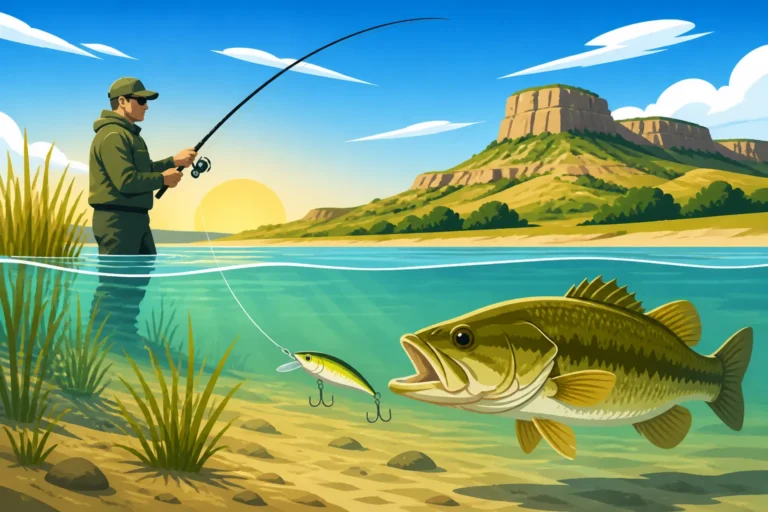
Ah, spring fishing in South Dakota! It’s a time of year that gets every angler's blood pumping with the promise of active walleyes, but let's be honest, it can also be incredibly frustrating. One day they're biting everything, the next they've vanished, leaving you wondering if you've lost your touch. The unpredictable weather, the post-spawn blues, and those seemingly impossible-to-find active fish can make even the most seasoned angler want to pull their hair out. But don't you worry, because this guide is here to unravel the mysteries of South Dakota spring walleye fishing, offering proven techniques to help you consistently find and catch these elusive beauties, turning those frustrations into triumphs.
Understanding Spring Walleye Behavior and Habitat
Spring is a season of profound change for walleyes, driven primarily by water temperature and their biological urge to spawn. If you can wrap your head around what they're doing and why, you're already light-years ahead. It's not just about tossing a line in; it's about understanding their motivations.
Pre-Spawn Aggression and Shallow Movement
Before the spawn, typically when water temperatures are still in the low to mid-40s (Fahrenheit), walleyes are surprisingly aggressive. They're staging, meaning they’re congregating near spawning grounds, often in shallower areas where they can feel the sun's warmth. These locations usually include rocky points, gravel flats, and even sandy shorelines adjacent to deeper water, providing them quick access to warmer water and potential food sources as they prepare for the big event.
During this period, male walleyes tend to move into these shallower staging areas first, waiting for the females. They're often quite hungry, feeding heavily to build up energy reserves for the strenuous spawning process. This is a fantastic window of opportunity for anglers because these fish are actively seeking meals. Look for areas with a good current break, as walleyes will use these spots to ambush baitfish without expending too much energy.
Don't be afraid to fish surprisingly shallow during this phase, sometimes in just a few feet of water, especially during warmer, sunny afternoons. However, remember that these fish are still sensitive to light, so low-light conditions like dawn, dusk, or overcast days often provide the best bite. Understanding these nuances is key to maximizing your chances before the actual spawn kicks off.
The Post-Spawn Lull and Recovery
Once the spawning ritual is over, usually when water temps climb into the mid-40s to low 50s, walleyes enter what many anglers affectionately (or not so affectionately) call the "post-spawn funk." This is when they're exhausted, often beat up from the spawning activity, and simply not interested in eating much. They disperse from the immediate spawning areas and seek out nearby cover to recover. This phase can be incredibly challenging, and many anglers get discouraged during this lull, thinking the fish have just disappeared.
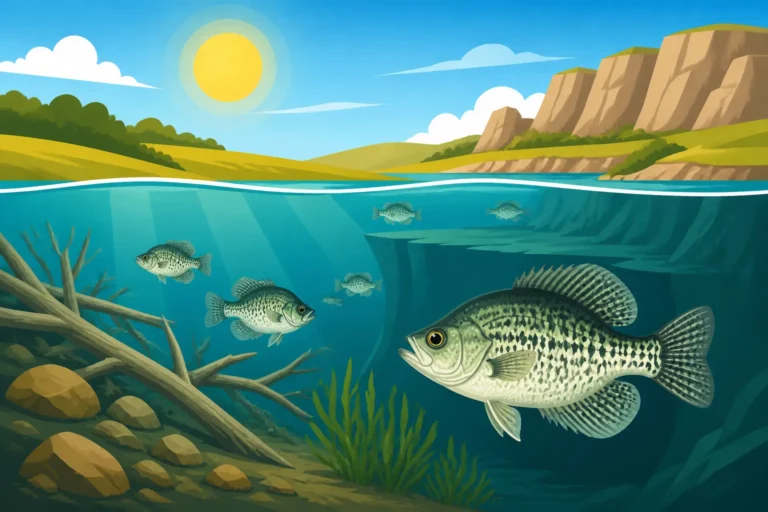
During this recovery period, both male and female walleyes will gravitate towards slightly deeper, more stable environments, but still often close to their spawning grounds. Think submerged timber, rock piles, weed lines that are just starting to emerge, or even deep-water humps and ledges. They're still somewhat lethargic, so your presentation needs to be slow and subtle. Fast, aggressive retrieves will often be ignored.
The key here is patience and precision. You're not looking for a feeding frenzy; you're looking for an opportunistic bite from a recovering fish. They’ll eat if an easy meal presents itself, but they won't chase it down. This post-spawn period usually lasts a week or two, depending on weather and water temperatures, before they start to transition back into their active summer feeding patterns.
Water Temperature and Walleye Location
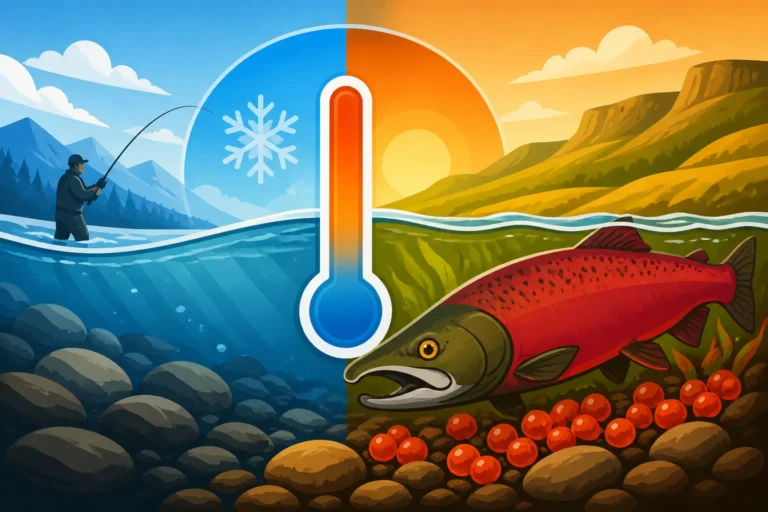
Water temperature is arguably the single most important factor dictating walleye behavior in the spring. It acts like a giant thermostat, telling the fish when to stage, when to spawn, and when to start actively feeding again. Anglers often keep a close eye on their fish finder's temperature gauge, as even a few degrees can make a world of difference.
In early spring, when water temperatures are below 40 degrees Fahrenheit, walleyes are typically in deeper holes or main lake basins, conserving energy. As the sun warms shallower bays and dark-bottomed areas, these spots become thermal highways, drawing walleyes in for feeding and staging. The ideal spawning range is generally between 42-50 degrees Fahrenheit. Once the water hits the mid-50s, most walleyes have spawned and are starting their post-spawn recovery before moving to summer haunts.
Knowing these temperature thresholds helps you predict where the fish should be. If the main lake is 40 degrees, but a shallow, wind-protected bay is 45 degrees, that bay is a prime target. Conversely, if a sudden cold front drops the temperature by 5-10 degrees, expect walleyes to retreat to deeper, more stable water until the temperatures rebound. A good understanding of South Dakota Fishing Depth Charts by Season can really help pinpoint these thermal advantages.
Essential Gear for Spring Walleye Anglers
Having the right tools for the job can make all the difference, especially when you're dealing with finicky spring walleyes. You wouldn't use a screwdriver for a nail, and the same principle applies to fishing gear.
Rods, Reels, and Line Choices
For spring walleye, sensitivity is paramount. You're often dealing with light bites from sluggish fish, or subtle "thumps" as a jig hits the bottom. A good quality, medium-light to medium power spinning rod, typically 6'6" to 7' in length, with a fast or extra-fast action tip, is ideal. This setup allows for precise jig presentations and the backbone to handle a good-sized walleye once hooked. Brands like St. Croix or Fenwick offer excellent options that are sensitive enough to detect those faint spring bites. You might even find some great deals on sensitive graphite rods for jigging on Amazon.
Pair your rod with a lightweight, smooth spinning reel in the 2000-2500 series. A good drag system is crucial, especially when a big walleye makes a last-minute run at the boat. As for line, many anglers prefer a low-stretch braided line, such as 8-10 pound test, for its incredible sensitivity and strength. However, because braid is highly visible, it's almost always paired with a 6-8 foot fluorocarbon leader (6-10 pound test) tied with a reliable knot like a double uni-knot. Fluorocarbon is nearly invisible underwater and offers good abrasion resistance. Some anglers still swear by monofilament, especially for trolling, preferring its stretch as a shock absorber. Ultimately, matching your line to your technique and water clarity will yield the best results.
Lures and Baits for Spring Conditions
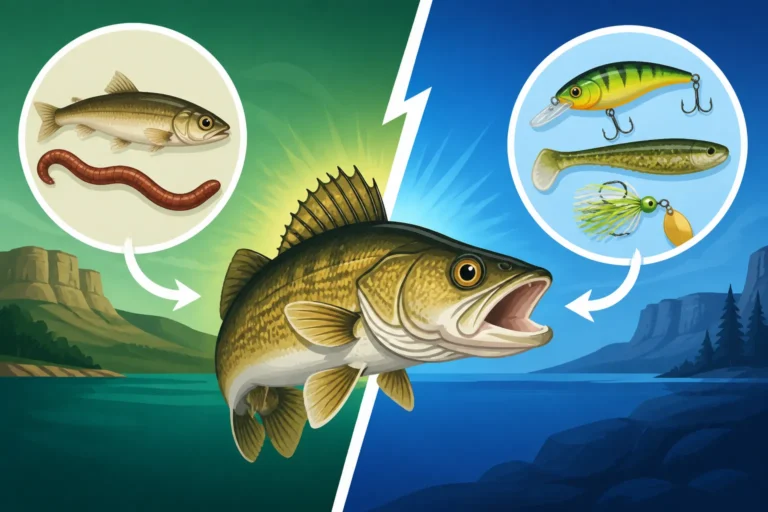
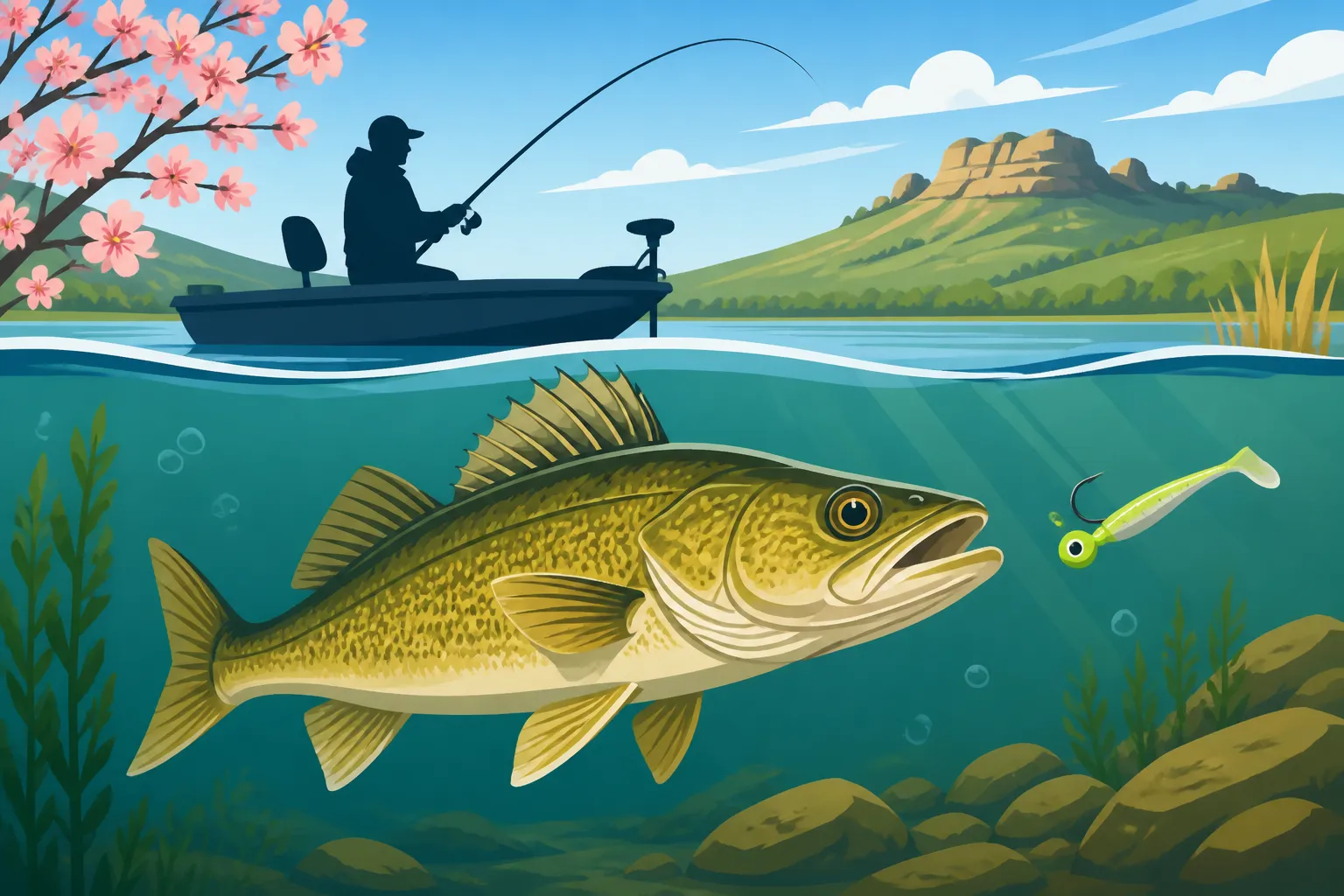
Spring walleyes can be particular, so having a diverse tackle box is key. Jigs are undoubtedly king for spring walleye, especially when fishing deeper structure or feeling for subtle bites. Lead head jigs in 1/8 to 3/8 ounce, tipped with live bait (minnows or shiners) or soft plastics (paddle tails, curly tails, or simple grub bodies), are deadly. Colors like chartreuse, white, orange, and natural baitfish patterns often excel.
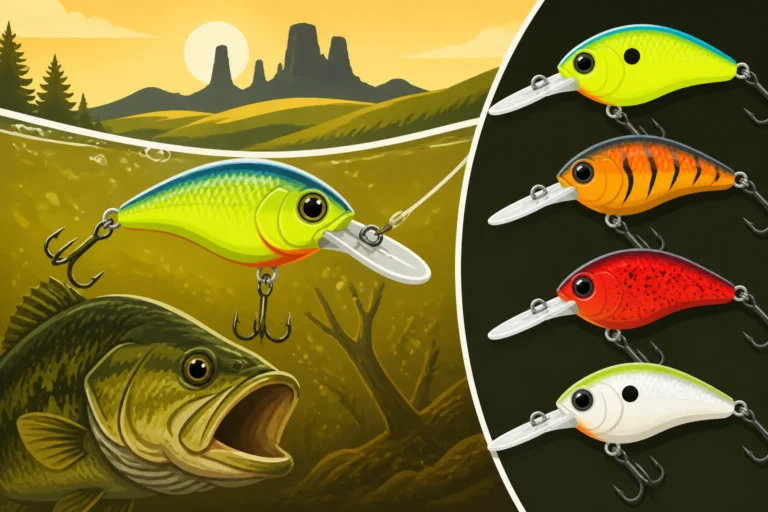
Crankbaits are also incredibly effective, particularly for trolling or casting over flats and along breaks where walleyes might be suspended. Shad-rap style baits or slender minnow imitations like Berkley Flicker Shads or Rapala Husky Jerks are spring staples. Sizes and diving depths will vary, but having a selection of shallow and medium-diving cranks is smart. Don't forget spinner rigs, often called "crawler harnesses," which are fantastic for slow-trolling or drifting, especially as water temperatures warm up slightly post-spawn. These incorporate a blade, beads, and usually two hooks for live bait like a nightcrawler. If you're looking to stock up on a variety of Best Lures for South Dakota Walleye, Amazon offers a huge selection to get you ready for spring.
Electronics and Navigation Aids
In today's fishing world, good electronics are almost as important as your rod and reel, especially in the vast waters of South Dakota. A quality fish finder with GPS and mapping capabilities is invaluable. Look for units with clear sonar (2D, Down Imaging, and Side Imaging if possible) to help you locate baitfish schools, identify submerged structure, and, most importantly, spot those elusive walleyes. Companies like Humminbird and Garmin offer excellent models for various budgets.
The GPS functionality allows you to mark waypoints for productive spots, follow contour lines, and safely navigate back to your launch point, even in low light or fog. Detailed lake maps, either pre-loaded on your unit or accessed through apps like Navionics, provide crucial topographical information that reveals hidden humps, channels, and breaklines where walleyes love to hold. For the serious angler, a good electric trolling motor with spot-lock technology can make boat control effortless, allowing you to stay precisely on a productive spot even in windy conditions, which are common in South Dakota springs. These tools are indispensable for breaking down large bodies of water and finding those subtle fish-holding areas.
Top Spring Walleye Fishing Techniques
Now that we've covered what walleyes are doing and what gear you'll need, let's dive into the "how." These techniques are proven winners for South Dakota spring walleyes.
Jigging the Depths and Structures
Jigging is perhaps the most iconic and effective technique for spring walleye, especially during the pre-spawn and early post-spawn periods when fish are often concentrated on structure or deeper breaks. The key is to present your bait vertically and slowly, mimicking a stunned or injured baitfish. Start by locating potential fish-holding structure like rock piles, humps, or distinct break lines using your electronics.
Once you're positioned, either with a trolling motor or by drifting, drop your jig to the bottom. The presentation involves a subtle lift-and-drop motion, often just inches off the bottom. Let the jig fall back on a semi-slack line, allowing it to "swim" or flutter naturally. Many times, the bite will come on the fall, feeling like a slight "thump" or simply extra weight when you lift the jig again. Don't be afraid to experiment with different jig weights to ensure you're maintaining bottom contact, especially in current. A heavier jig might be needed in a strong current, like in the Missouri River tailwaters, while lighter jigs excel in calmer waters. Mastering Jigging Techniques for Missouri River Walleye can significantly improve your success in these current-heavy areas.
Tipping your jig with a live minnow is a classic for a reason – the natural scent and action are often irresistible. However, soft plastics like a Berkley PowerBait Minnow or a simple paddle tail grub can be incredibly effective too, especially if fish are more aggressive. The beauty of jigging is that it's a very active fishing style that allows you to feel every nuance of the bottom and every subtle tap from a walleye.
Slow Trolling Crankbaits and Spinner Rigs
As the water warms slightly in late spring, or when walleyes are more dispersed across flats or along expansive breaks, slow trolling becomes a deadly tactic. This technique allows you to cover a lot of water efficiently, searching for active fish. Crankbaits are excellent for this, with their built-in action and diving capabilities. Select crankbaits that will run at the depth you believe the walleyes are holding, often just tickling the bottom or running a few feet above it if fish are suspended.
Match your trolling speed to the water temperature and the aggressiveness of the fish. In colder spring water, a slower speed (1.0-1.5 mph) is often best. As the water warms, you can sometimes pick up the pace slightly. Experiment with different colors and sizes until you find what the fish prefer on a given day. Using planer boards can help spread out your lines, covering a wider swath and preventing tangles, especially when you have multiple anglers in the boat. Learning Trolling for Walleye on Lake Oahe is a fantastic way to capitalize on that vast body of water.
Spinner rigs, often tipped with a juicy nightcrawler, are another trolling powerhouse in the spring. These rigs, sometimes called "crawler harnesses," present a tantalizing flash and vibration from the blade, combined with the natural scent and action of live bait. They're especially good when walleyes are transitioning out of their post-spawn funk and starting to feed more actively. Again, slow and steady is the name of the game, letting the rig do its work near the bottom or at the desired depth.
Slip Bobber Fishing for Finicky Biters
Sometimes, especially during that post-spawn lull or when a cold front moves in, walleyes can become incredibly finicky. They're still there, but they're not actively chasing or aggressively hitting jigs or trolled baits. This is when a slip bobber rig shines. It allows you to present a live minnow, leeches (when available), or a small jig (like a Lindy Jig or Northland Gum-Ball Jig) precisely at a specific depth, keeping it suspended right in the strike zone for an extended period.
The beauty of a slip bobber is its subtlety. The bait hangs naturally, suspended, with minimal resistance when a walleye decides to mouth it. This can be crucial for sluggish fish that might spit out a bait if they feel too much resistance from a fixed bobber or a jigging rod. Look for these finicky biters around submerged cover, the edges of newly emerging weed beds, or along subtle depth changes where they might be resting.
Setting up a slip bobber rig is straightforward: thread your main line through the bobber, then add a bobber stop above it. Tie on a small swivel, then a fluorocarbon leader (18-36 inches) to your hook or jig. The bobber stop allows you to adjust your depth easily. Cast out and let the bobber do its work. When it dips or moves, it's often a walleye! This patient approach can often outfish more aggressive presentations when the bite is tough.
Targeting Specific South Dakota Waters in Spring
South Dakota boasts a diverse array of walleye waters, each with its own quirks and best approaches in the spring. What works on Lake Oahe might not be the go-to tactic on Lake Poinsett, so let's break it down.
Missouri River System Strategies
The Missouri River system in South Dakota, comprising lakes Oahe, Sharpe, Francis Case, and Lewis and Clark Lake, offers incredible spring walleye opportunities. These large reservoirs are interconnected, and walleye movements are heavily influenced by current, depth, and spawning patterns unique to big river systems. Often, early spring walleyes will congregate in the tailraces below dams (like Oahe Dam or Big Bend Dam) due to warmer water and abundant forage. However, anglers must check specific regulations for these areas, as they can sometimes have special rules.
On vast bodies like Lake Oahe, the sheer size can be intimidating. In early spring, focus on the upstream ends of the reservoirs, where rivers feed in, bringing slightly warmer water and nutrients. Look for shallower bays, points, and flats in the main lake that warm up quickly, especially on the north-facing shores that receive more direct sunlight. As spring progresses, walleyes will move to primary spawning areas – often rocky shorelines, gravel bars, and riprap. After the spawn, they’ll disperse but typically remain within reasonable proximity to these areas, relating to the closest deep water or submerged structure for recovery. Trolling crankbaits or spinner rigs on the flats, or jigging main-lake points and submerged humps, are go-to strategies here. Considering a South Dakota Missouri River Fishing Guide would be incredibly helpful for understanding the intricacies of this system.
Glacial Lakes Tactics
Eastern South Dakota's Glacial Lakes region offers a completely different spring walleye experience. Lakes like Poinsett, Kampeska, and Bitter Lake are typically shallower, often more fertile, and warm up faster than the Missouri River reservoirs. This means the walleye spawn can happen earlier, and the post-spawn transition to active feeding can occur more rapidly. These lakes are often characterized by extensive weed beds (which may just be starting to sprout in spring), mud flats, and shallower structure.
In these lakes, early spring walleyes will often be found in the shallower, north-facing bays and dark-bottomed areas that absorb solar heat. Jigging shallow breaks or casting crankbaits along shorelines can be highly effective. As the water warms, walleyes will utilize the emerging weed lines and the edges of expansive mud flats, often feeding on perch or minnows. Trolling shallow-diving crankbaits or spinner rigs along these contours, or casting jigs into pockets within the weeds, can be very productive. For a deeper dive into these unique fisheries, check out a South Dakota Glacial Lakes Walleye Fishing guide.
Due to the often stained water in these lakes, bright or contrasting lure colors might perform better than natural patterns. And don't underestimate the power of live bait under a slip bobber around developing weed growth or subtle structural changes in these shallower systems.
Black Hills Lakes
While the Black Hills are primarily known for their trout streams, some reservoirs like Angostura Reservoir offer excellent walleye fishing opportunities. Angostura, located near Hot Springs, is a prime example of a Black Hills lake with a thriving walleye population. In spring, the dynamics here are a blend of big lake strategies with some unique twists due to the reservoir's specific structure and water sources.
Walleyes in Angostura will follow similar temperature-driven patterns. Early spring will see them staging on shallow rocky points and gravel flats, often near the dam or river inlets. As water temperatures rise, they'll spawn, and then disperse to deeper main lake structure like submerged humps, channels, and rocky reefs. Trolling crankbaits along contours, especially where rock transitions to mud, is a reliable technique. Jigging these rocky structures, particularly with a live minnow, is also very effective during both pre- and post-spawn periods.
Because Angostura can be very clear, line visibility becomes more of a factor, making fluorocarbon leaders even more critical. Fishing during low-light conditions is often essential, and using more natural baitfish patterns for your lures can be beneficial. Always pay attention to localized water temperatures, as spring runoff or strong winds can quickly alter conditions.
Adapting to South Dakota's Spring Weather
South Dakota in spring is a beautiful but temperamental beast. One day it's sunny and mild, the next it's snowing sideways with gale-force winds. Being prepared and knowing how to adjust your approach is crucial for safety and success.
Dealing with Cold Fronts and Wind
Cold fronts are the bane of many spring walleye anglers. A sudden drop in air temperature, often accompanied by strong winds, can shut down the bite instantly. Walleyes, being cold-blooded, react by becoming sluggish and retreating to deeper, more stable water. They'll often hug the bottom or tight to cover. Your approach needs to change dramatically.
When a cold front hits, abandon your aggressive presentations. Slow down everything. Instead of fast jigging, try slowly dragging jigs or Lindy Rigs along the bottom. Troll crankbaits at barely-there speeds, or opt for a patient slip bobber presentation. Fish deep points, channel edges, or rock piles where walleyes can find thermal refuge. Wind, while challenging, can sometimes be your friend. A steady wind creating a "walleye chop" on the surface can break up light penetration, encouraging fish to move shallower. It also pushes baitfish, concentrating them on wind-blown points and shorelines, which in turn attracts walleyes. However, heavy winds make boat control difficult, often necessitating heavier jigs or a trolling motor with robust spot-lock capabilities.
Remember to dress in layers! South Dakota winds can make 40 degrees feel like 20. Good rain gear is also a must, as spring showers are common. Check out gear on Amazon that offers windproof and waterproof protection to keep you comfortable through changing conditions.
Post-Rain Runoff and Water Clarity
Spring often brings rain, and with rain comes runoff. This can dramatically impact water clarity, especially in river systems and glacial lakes. Heavy runoff can introduce stained or muddy water, which generally reduces light penetration. While very dirty water can put fish off, moderately stained water can actually be beneficial for walleye fishing, as it makes them feel more secure and less wary of anglers.
In stained water, walleyes rely more on their lateral line (to detect vibrations) and scent. This is a great time to use brighter, more contrasting lure colors like chartreuse, orange, or firetiger. Lures with rattles or strong vibration can also help fish locate them. Live bait, with its natural scent, becomes even more effective. Target the edges where clearer water meets stained water, as walleyes will often patrol these transition zones. Avoid areas with extremely heavy runoff if the water is chocolate milk, as fish will generally move out of these areas.
Safe Boating in Unpredictable Spring Conditions
South Dakota's large reservoirs can get rough quickly in the spring, and cold water poses a significant hypothermia risk. Always check the marine forecast before heading out, paying close attention to wind speed and direction. If the forecast calls for strong winds, consider fishing a more protected bay or a smaller lake, or perhaps sticking to shore fishing. You don't want to find yourself in a dangerous situation on a big lake like Oahe or Francis Case when the wind picks up.
Ensure your boat is in top condition and all safety gear is aboard. This includes properly fitting life jackets for everyone (and wearing them, especially in cold water!), a throw cushion, fire extinguisher, horn/whistle, and navigation lights. Be particularly cautious of debris in the water after heavy rains or ice-out, as it can damage your boat or props. Always inform someone of your float plan – where you're going, who's with you, and when you expect to return. Being prepared for the worst allows you to enjoy the best. A comprehensive South Dakota Boat Safety Requirements guide can provide all the essential details for staying safe on the water.
Comparing Spring Walleye Techniques
To help visualize how different techniques fit into your spring walleye strategy, here's a helpful table:
| Technique | Optimal Spring Stage | Water Temperature Range (F) | Target Depth (Feet) | Key Features & Advantages | Common Lures/Bait | Best South Dakota Waters |
|---|---|---|---|---|---|---|
| Jigging | Pre-Spawn, Early Post-Spawn | 40-50 | 5-25 | Precise presentation, good for structure, detects light bites | Jig & Minnow, Jig & Soft Plastic, Hair Jigs | Missouri River, Angostura |
| Slow Trolling Cranks | Pre-Spawn, Post-Spawn | 45-55 | 5-20 (depending on lure) | Covers water, triggers reaction strikes, good for dispersed fish | Shad Raps, Flicker Shads, Husky Jerks, Wally Divers | Lake Oahe, Glacial Lakes, Francis Case |
| Spinner Rig Trolling | Late Post-Spawn | 50-60 | 5-20 | Scent and flash combo, great for active feeders | Crawler Harness & Nightcrawler | Glacial Lakes, Lake Sharpe |
| Slip Bobber | Post-Spawn, Finicky Bite | 45-55 | Varies (shallow-mid) | Subtle presentation, ideal for suspended fish or tough bites | Live Minnow, Leech (if allowed), Small Jig | Glacial Lakes, Protected Bays |
Disclaimer
Fishing conditions and regulations in South Dakota can change rapidly. Always consult the latest South Dakota Game, Fish and Parks (GFP) fishing regulations handbook or their website before heading out. This guide is for informational purposes only and does not replace official regulations. Enjoy your time on the water, and fish safely!