What Water Temperature Triggers the Salmon Spawn?
It's incredibly frustrating when you're out on the water, hoping to hook into some of those magnificent South Dakota Chinook salmon, and you just can't seem to find them or get them to bite. Often, it comes down to understanding the intricate dance of nature, especially a critical factor like water temperature, which acts as a key trigger for their spawning migration. This guide will dive deep into the specific water temperatures that signal the start of the salmon spawn in South Dakota, helping you understand their behavior and improve your chances on the water.
The Critical Role of Water Temperature in Chinook Salmon Spawning
For anglers targeting Chinook salmon in South Dakota, particularly in the vast waters of Lake Oahe, understanding the precise water temperature that triggers their spawning run isn't just a fun fact – it's crucial for success. These majestic fish, driven by an ancient biological clock, rely heavily on environmental cues, and temperature is arguably the most significant. When the water hits that sweet spot, it signals to them that it's time to begin their journey upstream to reproduce. Miss that window, and you might miss the peak of the action entirely.
Why Temperature is the Ultimate Signal
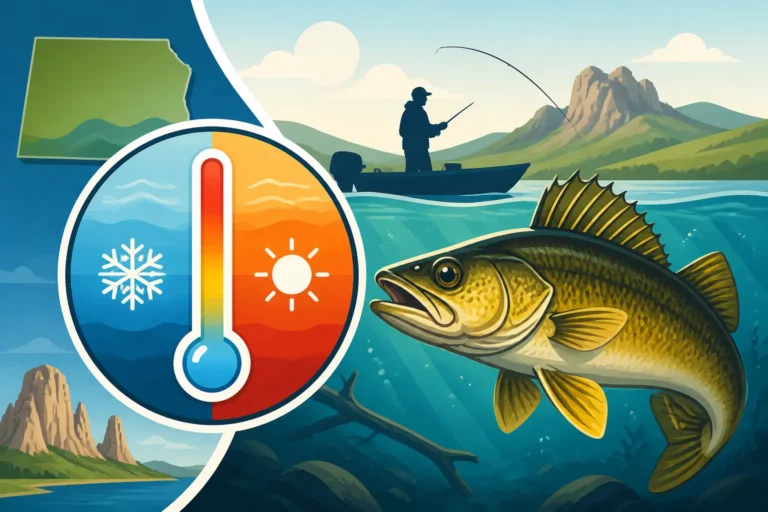
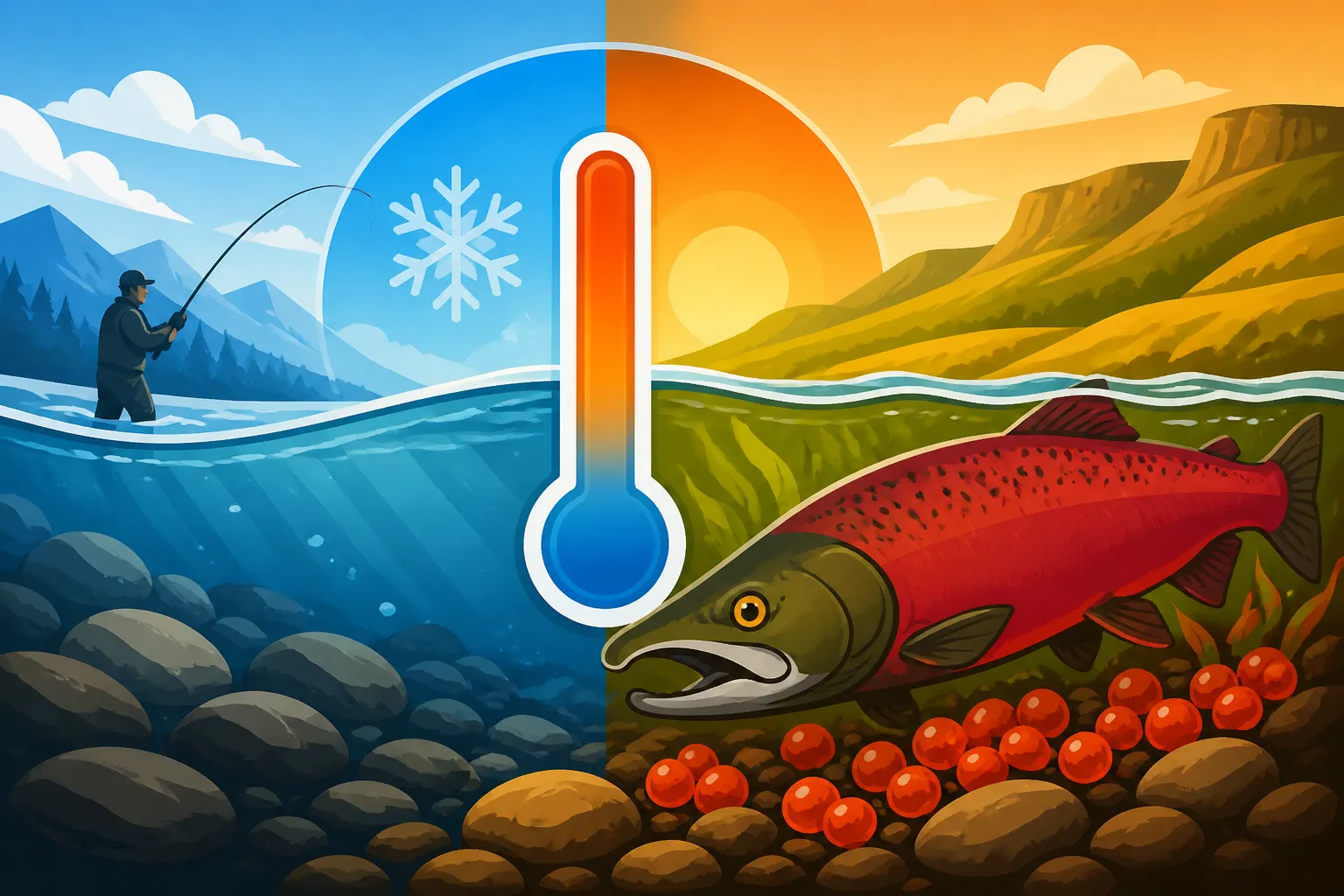
Chinook salmon, like many anadromous fish, are incredibly sensitive to their aquatic environment. As summer fades into fall, the shortening days and cooling air temperatures gradually bring down the water temperature in Lake Oahe. This consistent decline acts as a powerful, undeniable signal to the mature salmon that it's time to move. The optimal temperature range for Chinook salmon spawning is quite specific, generally falling between 42°F and 52°F, with the peak spawning activity often observed when water temperatures hover around 45°F to 48°F. Any deviation from this range can delay or even disrupt their natural urge to spawn. If the water stays too warm for too long, they might hold in deeper, cooler areas, conserving energy. If it drops too quickly due to an early cold snap, it can rush the process, making them less predictable.
Biological Mechanics of Temperature Triggering
It’s not just an arbitrary number; these temperatures directly influence the salmon's physiology. The cooler water temperatures cause changes in their hormones, signaling their bodies to prepare for the rigorous spawning process. Their eggs and milt (sperm) mature more rapidly in this ideal range. Cooler water also holds more oxygen, which is vital for the developing eggs once they are laid in the gravel nests, known as redds. If the water is too warm, oxygen levels can be lower, and there’s a higher risk of fungal infections or developmental issues for the eggs. Conversely, if it's too cold, the metabolic processes slow down, and egg development can be hindered, leading to a less successful spawn. It's a delicate balance that nature has perfected over millennia, and understanding it can give you a significant edge when you're out there trying to intercept these fish.
Understanding the South Dakota Chinook Salmon Run
South Dakota's Chinook salmon fishery is a unique and cherished experience, primarily centered around Lake Oahe. Unlike Pacific coast salmon that return to their natal streams, the landlocked Chinook in Lake Oahe stage their spawning run in the main lake, with a significant concentration near the Whitlock Bay area, a crucial location for their reproduction and the state's stocking efforts. The "spawn" here is less about a river ascent and more about congregation and maturation in specific lake areas.
The Whitlock Bay Phenomenon
When we talk about the Chinook salmon spawn in South Dakota, our minds immediately turn to Whitlock Bay. This isn't just a great fishing spot; it's the heart of the state's salmon management program. The South Dakota Game, Fish and Parks (GFP) has a salmon spawning station here, specifically designed to collect eggs and milt to sustain the fishery through stocking. As the water temperatures begin to drop into that 42-52°F range in late September and October, salmon from all over the lake start making their way towards this area. They are drawn by a combination of currents, shallower water, and likely the scent of their kin. This congregation is what anglers eagerly await each fall. You can learn more about the specific timing by looking into the Chinook Salmon Spawning Run Dates on Lake Oahe.
Other Factors Influencing the Spawn
While water temperature is paramount, it’s not the only factor at play. Other environmental cues also influence the salmon's behavior during the spawn.
- Photoperiod (Daylight Length): As days shorten in fall, this reduction in light duration also serves as a strong signal, working in conjunction with falling water temperatures to trigger hormonal changes in the salmon. It’s part of their internal clock telling them it's time.
- Water Levels and Flow: While not as critical as in river systems for actual redd creation, stable water levels in Lake Oahe can contribute to the overall comfort and predictability of the staging salmon. Significant fluctuations might scatter fish or make them hesitant to move into shallower areas.
- Forage Availability: The salmon will have spent the summer gorging on baitfish, primarily rainbow smelt, to build up the energy reserves needed for the spawn. If forage has been abundant, the salmon will be in excellent condition, ready for the arduous process ahead. You can dive deeper into What Chinook Salmon Eat in South Dakota to understand their diet better.
It's a complex interplay, but temperature is the primary driver that gets the ball rolling. Anglers often keep a close eye on weather forecasts and water temperature reports, as even a few degrees can make a huge difference in finding active, staging fish.
Fishing Tactics During the Salmon Spawn
Once you know the crucial water temperature range, the next step is to adapt your fishing strategies to intercept these spawning salmon. They are focused on reproduction, not feeding, but their aggressive, territorial nature during this time can still lead to exciting battles.
Targeting Staging Areas
During the spawn, Chinook salmon will stage in areas adjacent to their perceived spawning grounds. Near Whitlock Bay, this means looking for them in the deeper channels leading into the bay, around points, and along current breaks. They're often found suspended in the water column, rather than tight to the bottom, especially when they're actively moving. Using a good fish finder is invaluable here to locate schools of salmon. Consider investing in a quality portable fish finder you can find on Amazon to help pinpoint these fish.
When the water temperature hits that prime zone, these fish become more active and can be quite aggressive. This is often the best time to target them. Keeping an eye on the Best Time to Catch Salmon at Whitlock Bay can help align your trip with peak activity.
Effective Lures and Techniques
Salmon during the spawn are less interested in "feeding" and more in "striking" out of aggression or to ward off perceived threats to their territory. This means bright, flashy, and erratic lures can be highly effective.
- Trolling Spoons: Trolling with spoons like Northern King or Little Cleo in bright colors (chartreuse, orange, silver, or blue/silver combinations) can mimic baitfish or irritate the salmon into striking. Using downriggers or weighted lines to get your lures to the correct depth where fish are staging is key. The South Dakota Chinook Salmon Trolling Techniques guide offers more detailed advice.
- Casting from Shore: For those without a boat, casting heavy spoons or stickbaits from shore around Whitlock Bay can also be productive. Again, bright colors and a retrieve that mimics an injured baitfish can trigger a reaction strike. Understanding How to Catch Chinook Salmon From Shore on Lake Oahe can enhance your shore-fishing strategy.
- Jigs and Plastics: While less common during the main spawning run, sometimes a vertical jigging presentation with a brightly colored jig tipped with plastic or even a minnow can entice a strike, especially if the fish are holding tighter to structure.
Remember, the retrieve speed and depth are just as important as the lure choice. Experiment until you find what triggers those strikes. Many anglers find great deals on these specialized lures and tackle on Amazon, ensuring they have a good selection for different conditions.
Handling Spawning Salmon Responsibly
It's important to remember that these fish are undertaking an immense biological effort. While catching them can be exhilarating, handling them with care is crucial for the future of the fishery, especially if you plan to release them.
- Minimize Fight Time: Use appropriate tackle to bring fish in quickly.
- Wet Hands: Always wet your hands before touching the fish to protect their slime coat.
- Quick Release: If releasing, unhook them carefully and quickly, keeping them in the water as much as possible.
- Know the Regulations: Always be aware of the current South Dakota Chinook Salmon Regulations and South Dakota Fish Limits and Size Restrictions to ensure you're fishing legally and sustainably.
Practical Tips for Anglers
Being prepared for the South Dakota salmon run involves more than just knowing the right water temperature. It means having the right gear, staying safe, and being flexible with your approach.
Monitoring Water Temperatures
The easiest way to track water temperature is with a reliable thermometer. Many modern fish finders have built-in temperature sensors, which are incredibly helpful. If you’re trolling, you can get inline thermometers that attach to your downrigger cables, giving you readings at various depths. For shore anglers, a simple casting thermometer can give you surface readings. Keeping an eye on online resources or local bait shops for up-to-date water temperature reports for Lake Oahe can also provide valuable real-time data. A good, accurate thermometer is a small investment that can pay huge dividends in fishing success; you can find a variety of reliable options on Amazon.
Essential Gear for Fall Salmon Fishing
- Rods and Reels: Medium-heavy to heavy action rods with robust baitcasting or spinning reels capable of handling strong, fast-running fish. A good quality reel with a smooth drag system is non-negotiable.
- Line: Strong braided line (30-50 lb test) with a fluorocarbon leader (15-25 lb test) is a common setup, offering sensitivity and abrasion resistance.
- Net: A large, sturdy landing net is essential for safely boating these powerful fish.
- Warm Clothing: Fall weather in South Dakota can be unpredictable. Layers are key, including waterproof outerwear.
- Electronics: A reliable fish finder with GPS capabilities will help you locate fish and mark productive areas.
Having a checklist of all your essential items, from tackle to safety gear, before you head out can save you a lot of hassle.
Safety Considerations
Fishing during the fall spawn means contending with cooler temperatures, potentially windy conditions, and shorter daylight hours. Always prioritize safety.
- Tell Someone Your Plans: Let a friend or family member know where you're going and when you expect to return.
- Wear a Life Jacket: Conditions on Lake Oahe can change rapidly. Always wear a properly fitted life jacket, especially when boating.
- Check Weather Forecasts: Be aware of impending storms or strong winds.
- Boat Maintenance: Ensure your boat and motor are in excellent working order, and carry all required safety equipment as outlined in the South Dakota Boat Safety Requirements.
- Be Mindful of Ice: As temperatures continue to drop post-spawn, ice can begin to form, especially in protected bays. Always exercise extreme caution when near thin ice.
By paying attention to the water temperature, understanding salmon behavior, and employing the right tactics, your chances of a successful and memorable Chinook salmon fishing trip in South Dakota will dramatically increase. It's an incredible fishery, and with a bit of knowledge, you can truly make the most of it. Don't forget to review the comprehensive South Dakota Fishing Regulations Explained before your trip to ensure compliance.
Disclaimer
Please remember that fishing regulations, conditions, and fish behavior can change. Always consult the latest South Dakota Game, Fish and Parks regulations handbook before heading out on your fishing trip. This guide is for informational purposes only and should not be considered legal advice.