Best Time to Catch Salmon at Whitlock Bay
For many anglers, the dream of hooking into a powerful Chinook salmon in South Dakota feels almost too good to be true. But at Whitlock Bay, that dream becomes a reality, drawing folks from all over who are eager to experience the fight of a lifetime. The challenge, however, often lies in knowing when to cast your line for the best chances of success. It's not always as simple as just showing up; these magnificent fish operate on their own schedule, heavily influenced by natural cycles and environmental conditions. This guide is going to walk you through the prime windows, daily rhythms, and crucial factors that determine the best time to catch salmon at Whitlock Bay, helping you maximize your chances of a successful and memorable trip.
Understanding the Whitlock Bay Chinook Salmon Run
Before we dive into the "when," it's helpful to understand the "why" behind the salmon presence in Whitlock Bay. These aren't native South Dakota fish; Chinook salmon are stocked in Lake Oahe by the South Dakota Game, Fish and Parks (GFP) to create a unique and exciting fishery. Whitlock Bay, located on the Missouri River system and part of Lake Oahe, becomes a critical hotspot during a very specific time of year: their spawning run.
As the seasons change and the water cools, mature salmon, driven by an ancient instinct, begin their migration from the vast open waters of Lake Oahe toward the Whitlock Bay Salmon Spawning Station. This facility is designed to collect these salmon for their eggs and milt, ensuring the continuation of the stocking program. The fish gather in the bay, particularly in the deeper waters leading up to the station, making them accessible to shore anglers and boaters alike. It's an incredible natural phenomenon that provides a truly special angling opportunity in the heart of the Northern Plains. Understanding this migration is your first step to unlocking the best fishing times. For more on their journey, check out Chinook Salmon Spawning Run Dates on Lake Oahe.
The Lifecycle Driving the Migration
Chinook salmon typically spend several years growing to impressive sizes in the rich forage base of Lake Oahe. Their lives are a race against time, culminating in this final, dramatic spawning journey. Once they begin their run towards Whitlock Bay, their focus shifts entirely from feeding aggressively to reproducing. However, this doesn't mean they stop biting! They can still be enticed to strike out of aggression, territorial defense, or residual feeding instinct. The strength of this instinct is directly tied to the progression of their spawning cycle and the water conditions.
As they move from the main lake into the narrower confines of the bay, they become more concentrated. This concentration is precisely what makes Whitlock Bay such a renowned spot for salmon fishing. Knowing the general timeframe of this crucial life event is paramount for planning your trip. It's not just about catching fish; it's about being part of this remarkable annual event.
Why Whitlock Bay is the Premier Location
Whitlock Bay isn't just a spot; it's the spot for shore-based Chinook salmon fishing on Lake Oahe. The combination of its geography, the presence of the spawning station, and the fish's natural migratory patterns creates a funnel effect. The bay offers relatively protected waters, and the fish, once they enter, tend to mill around, waiting for the cues to move further into the spawning station. This provides sustained opportunities for anglers who position themselves correctly. Unlike vast stretches of the main lake where salmon can be anywhere, Whitlock Bay concentrates them, making them a more predictable target. This unique setup is why generations of anglers pilgrimage here each year, hoping to land a trophy fish.
Pinpointing Peak Salmon Activity at Whitlock Bay
Alright, let's get down to brass tacks: when exactly should you be at Whitlock Bay? While salmon can sometimes be found earlier or later, the prime window for consistent action typically spans from late summer through the heart of fall. This period offers the best combination of fish numbers, size, and activity before the deepest cold sets in.
Late Summer: August's Early Signs
You might start to hear whispers of salmon showing up in Whitlock Bay as early as mid-August, especially towards the latter half of the month. These are usually the vanguard, the early birds scouting the area, or perhaps fish that are just maturing earlier than the main run. During this time, the salmon are often still a bit spread out, and they might be holding in deeper water, making them a bit harder to target from shore.
However, if you're keen to beat the crowds, late August can offer opportunities for truly aggressive fish. They haven't been pressured as much, and their feeding instincts might still be more active than later in the run. You'll need to pay close attention to local reports and water temperatures, as a cooler spell can kickstart their movement into the bay. Think of this as the warm-up act before the main event. It's a chance to scout the area and refine your techniques.
Fall Frenzy: September and October's Prime Window
Without a doubt, September and October are the absolute sweet spot for Chinook salmon fishing at Whitlock Bay. This is when the vast majority of the mature salmon make their pilgrimage, and the bay becomes teeming with these magnificent fish.
- September: As September progresses, especially from mid-month onwards, the salmon numbers really begin to swell. The water temperatures are dropping consistently, signaling to the fish that it's time to move. You'll find fish actively staging throughout the bay, often in distinct pods. They're still relatively fresh from the main lake, full of fight, and often willing to chase a lure. This month offers some of the most exciting and consistent fishing, both from shore and from a boat. The action can be fast and furious, with multiple hookups possible in a single outing. Many consider this the best month to catch Chinook salmon.
- October: October often marks the peak of the spawning run itself, with salmon pushing closer and closer to the actual spawning station. The fish can become incredibly concentrated in certain areas of the bay. While some fish may start to show signs of their spawning journey (darkening skin, hooked jaws in males), they remain powerful and challenging to land. Shore anglers often have incredible success during this period, as the fish are very accessible. However, as the month wears on, the fish's condition might start to decline as they expend all their energy on spawning. They might also become more selective, requiring different lure presentations or a more aggressive approach. For specific strategies, explore Best Lures for Lake Oahe Salmon in October.
Late Fall: November's Last Opportunities
As November rolls in, the salmon run typically begins to wind down. The numbers of fresh fish entering the bay will decrease, and the fish that remain will often be those fully committed to the spawning process. While the sheer volume might not be what it was in September and October, November can still offer opportunities for dedicated anglers.
The fish you catch in November are often the largest and most determined, making for incredible battles. However, they can also be less active in terms of striking, requiring more patience and persistence. Weather becomes a significant factor, with colder temperatures and potential for ice affecting access and fishing comfort. If you're looking for that last big fish of the year and don't mind braving the chill, November can still produce. It's a testament to the resilience of these fish, and to the anglers who pursue them.
Here's a quick summary table of the key characteristics by month:
| Month | Salmon Activity at Whitlock Bay | General Behavior | Angling Tip |
|---|---|---|---|
| August | Early staging, scattered fish | Deeper holds, less aggressive | Look for cooler water, fish deeper runs. |
| September | Main run begins, increasing numbers, strong fighters | Actively staging, good fighters, still some feeding instinct | Focus on early mornings/evenings, varied lure presentations. |
| October | Peak numbers, heavy concentration near spawning station | Aggressive strikes, can be less picky. Quality may decline late month. | Target current seams, structure, and around the spawning station. |
| November | Tail end of the run, fewer fish, but potentially large ones | Fully committed to spawning, less active strikiers | Persistence is key, target slower water, use larger presentations. |
Daily Rhythms and Environmental Cues for Whitlock Bay Salmon
Beyond the seasonal window, the time of day and prevailing environmental conditions play a massive role in your success at Whitlock Bay. Even during the peak season, knowing when to fish during the day, and what conditions to look for, can make all the difference between a memorable trip and a quiet one.
Morning and Evening: The Golden Hours
Just like with many other fish species, low-light conditions often provide the best fishing for Chinook salmon.
- Early Morning: As the sun begins to peek over the horizon, the water often comes alive. The cooler temperatures and reduced light penetration make salmon feel more comfortable moving into shallower areas or actively cruising. Many anglers consider the first two to three hours after sunrise to be prime time. The fish are often more active and less wary during this period, making them more susceptible to your offerings. Plus, there's a certain magic to being out on the water as the day awakens.
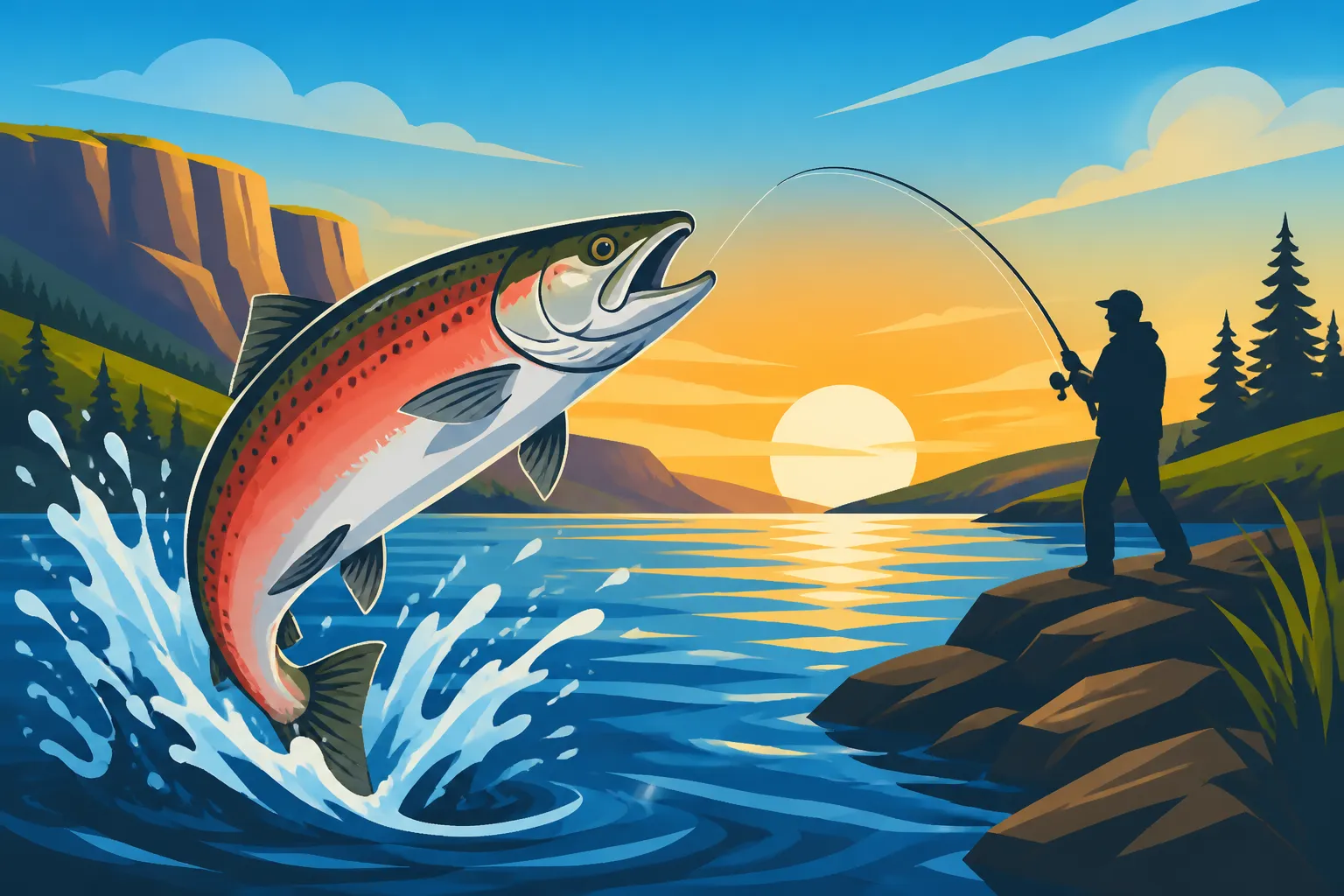
- Late Evening: Similarly, the two to three hours before sunset, leading into dusk, can also be incredibly productive. As the sun dips, water temperatures can cool slightly, and the fading light again encourages salmon to be more active. If you missed the morning bite, the evening offers a fantastic second chance. It's often a bit more relaxed, with the day's heat subsiding, and can provide some spectacular sunset views to go along with your fishing.
Mid-day fishing can be tough, especially on bright, sunny days, as salmon tend to retreat to deeper, cooler, and darker water. However, on overcast days, or during the cooler parts of October and November, mid-day can still produce. Always adapt to the conditions at hand.
Water Temperature and Flow: Key Indicators
Salmon are highly sensitive to their environment, and water temperature is a huge driver of their behavior and migratory patterns.
- Temperature Sweet Spot: Chinook salmon typically prefer cooler water. As Lake Oahe's vast waters begin to cool in late summer and fall, it signals to the fish that it's time to begin their spawning migration. Ideal temperatures that trigger the main run are generally in the 50s Fahrenheit, but they will stage in warmer water as they wait for the perfect conditions. A sudden cold front or a sustained period of cooler weather can really kickstart the bite. Conversely, a warm spell can slow things down, causing fish to hold in deeper, cooler pockets. Keeping an eye on local water temperature reports can give you a significant advantage. For more on this, check out What Water Temperature Triggers the Salmon Spawn?.
- Current and Flow: Whitlock Bay is part of the Missouri River system, so current and flow can play a role, although the bay itself is more protected than the main river channel. Salmon often relate to current seams, eddies, and areas where currents create natural ambush points or concentrate baitfish. While actively spawning, they might seek out areas with less current for resting. Pay attention to how the water is moving – even subtle changes in flow can position fish differently.
Weather and Clarity: What to Look For
Don't underestimate the impact of weather and water clarity on your salmon success.
- Overcast Days: Often, an overcast, cloudy day is preferable to bright sunshine. The diffused light makes salmon feel more secure and encourages them to stay active throughout the day, rather than retreating to deep cover. These conditions can extend the "golden hours" of morning and evening into a full day of opportunity.
- Wind: A moderate chop on the water from a gentle breeze can actually be a good thing. It breaks up the surface, making it harder for fish to see you and your line, and can stir up the baitfish. However, extremely windy conditions can make casting difficult and fishing uncomfortable, particularly for shore anglers.
- Water Clarity: Salmon generally prefer clear to slightly stained water. Very muddy or turbid water, often caused by heavy rains or strong winds stirring up the bottom, can negatively impact their vision and their willingness to strike. However, even in stained water, perseverance can pay off. Sometimes a more brightly colored lure or one that creates more vibration can help fish find your offering. Always adjust your lure choices to match the water clarity you're encountering.
Gearing Up for Whitlock Bay Salmon
Having the right gear isn't just about comfort; it's about being prepared for the powerful fight these salmon deliver. You wouldn't bring a knife to a gunfight, and you shouldn't bring a panfish rod to a salmon run!
Rods, Reels, and Line: Heavy Duty is Key
When you're chasing Chinook salmon, you need gear that can handle a serious battle. These fish are renowned for their strength, long runs, and acrobatic jumps.
- Rods: Opt for a medium-heavy to heavy-action spinning or casting rod, typically in the 8- to 10-foot range for shore fishing. A longer rod helps with casting distance, which is crucial for reaching staging fish, and provides better leverage when fighting a strong fish. For boat fishing, shorter, beefier trolling rods are common.
- Reels: A sturdy spinning reel in the 4000-6000 size range, or a baitcasting reel with a good drag system and line capacity, is essential. Ensure your reel has a smooth, reliable drag that won't seize up under the pressure of a hard-running salmon.
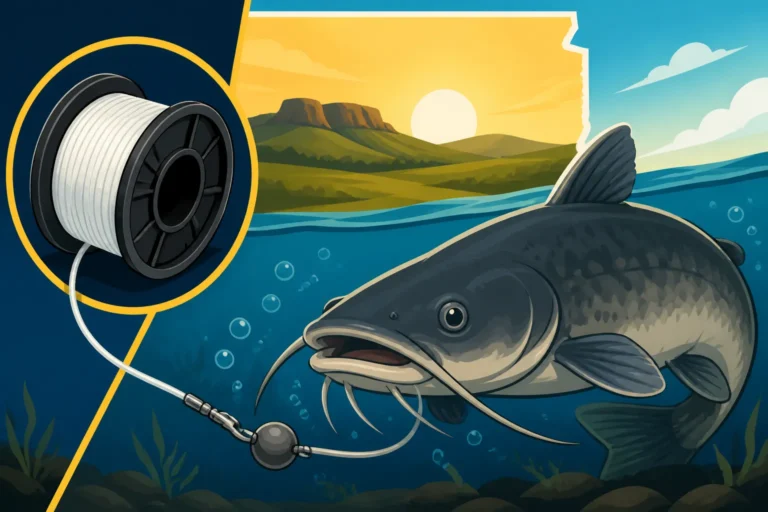
- Line: Spool up with 15-25 pound test monofilament or fluorocarbon main line, or consider 30-50 pound braided line with a 15-20 pound fluorocarbon leader. Braid offers superior sensitivity and casting distance, while fluorocarbon is nearly invisible underwater. You'll want to check out the fishing line selection on Amazon for some good, heavy-duty options.
A heavier line is vital to prevent break-offs when a large salmon makes a sudden surge.
Lures and Bait: What Gets Their Attention
While spawning, salmon may not be actively feeding, but they will strike out of aggression or instinct.
- Spoons: Casting spoons are incredibly popular and effective. Bright, flashy colors like chrome, chartreuse, orange, and firetiger are excellent choices. Sizes from 3/4 to 1.5 ounces are standard. The erratic wobble and flash of a spoon can trigger aggressive strikes.
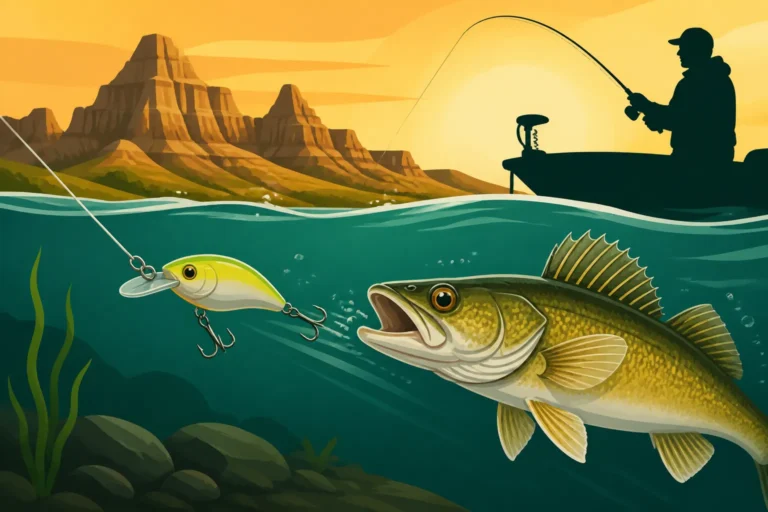
- Plugs/Crankbaits: Larger, diving crankbaits or plugs that imitate baitfish can also be very productive, especially when fish are staging a bit deeper. Jointed models can offer an even more enticing action.
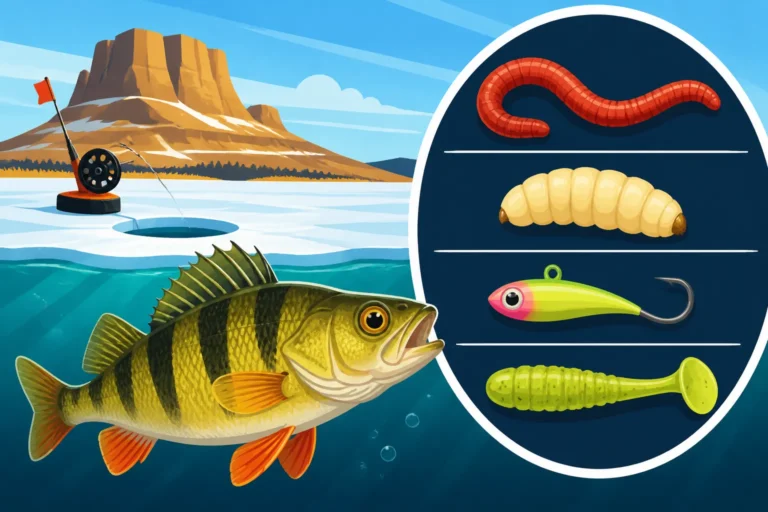
- Jigs: Heavy jigs tipped with soft plastics (like Berkley Gulp! grubs or scented worms) or even a piece of cut bait can work, especially when fish are holding in deeper pockets.
- Soft Plastics: Brightly colored soft plastics, often fished on a jig head or under a bobber, can mimic dying baitfish or even smaller salmon, triggering a strike.
Experiment with different colors and retrieve speeds until you find what the fish are reacting to. For more on what these fish might be eating, see What Chinook Salmon Eat in South Dakota.
Essential Accessories for the Shore Angler
Don't forget the supporting cast of gear to make your Whitlock Bay adventure more comfortable and successful.
- Waders: If you plan on wading into the bay, which many shore anglers do to gain better casting access or retrieve fish, a good pair of waders is indispensable, especially as the water gets colder in the fall.
- Landing Net: A large, long-handled landing net with a sturdy hoop is absolutely crucial for landing a thrashing salmon. Trying to beach a big Chinook without one is a recipe for a lost fish and a lot of frustration.
- Cooler: You'll want a reliable cooler to keep your catch fresh, especially if you're planning to keep fish for the dinner table. You can find excellent, durable coolers of various sizes on Amazon that will stand up to the rigors of fishing.
- Pliers/Forceps: For quickly and safely removing hooks.
- Appropriate Clothing: Dress in layers, as fall weather in South Dakota can be highly unpredictable. Be prepared for cold, wind, and potentially rain.
- South Dakota Fishing License: Of course, you absolutely need a valid South Dakota Fishing License Guide and any required stamps (like the habitat stamp) before you even think about casting a line. Always consult the current South Dakota Fishing Regulations Explained and specific South Dakota Chinook Salmon Regulations to ensure you're compliant.
- Camera: Trust me, you'll want to capture the memory of that trophy salmon!
By being prepared with the right seasonal timing, daily strategies, and appropriate gear, you'll significantly increase your odds of enjoying the exhilarating experience of catching a Chinook salmon at Whitlock Bay. Remember to respect the resource, practice safe fishing, and have fun out there! For further reading on shore-based tactics, check out Casting for Salmon From Shore and How to Catch Chinook Salmon From Shore on Lake Oahe. And if you want to know more about the entire experience, including finding the perfect vantage point, Where to Watch the Salmon Run at Whitlock Bay is a great resource.
Disclaimer
This article is for general informational purposes only and does not constitute professional advice. Laws, prices and regulations vary by location and change over time. Consult a qualified professional for guidance on your specific situation.