Casting for Salmon From Shore
The dream of hooking into a powerful Chinook salmon often feels reserved for those with expensive boats and downriggers, leaving many shore anglers feeling left out of the action. But here in South Dakota, particularly on the expansive waters of Lake Oahe, that couldn't be further from the truth! You absolutely can experience the heart-pounding thrill of battling a hard-fighting salmon right from the bank. This comprehensive guide will equip you with the knowledge, strategies, and confidence to make your shore-based salmon fishing dreams a reality.
Understanding South Dakota's Chinook Salmon Fishery
South Dakota might not be the first place that comes to mind when you think of salmon, but Lake Oahe boasts a thriving, robust Chinook salmon population, providing a truly unique angling opportunity in the heartland. These aren't native fish; they are carefully managed and stocked by the South Dakota Game, Fish and Parks (GFP) to create an exciting sport fishery.
The Lake Oahe Salmon Story
The story of Chinook salmon in Lake Oahe is one of successful introduction and ongoing management. These powerful, ocean-going fish thrive in the deep, cold waters of this massive Missouri River reservoir, which spans over 230 miles from Pierre, South Dakota, north into North Dakota. The GFP began stocking Chinook in the 1970s, realizing the potential for a trophy fishery given the lake's abundant forage base, primarily rainbow smelt. These smelt provide the rich, oily diet that allows salmon to grow to impressive sizes, often exceeding 20 pounds, though the average angler might encounter fish in the 5-15 pound range. The presence of these cold-water species, like smelt, is crucial for salmon survival and growth, mimicking the conditions they'd find in their native Pacific Northwest habitats. This stocking program requires continuous effort and is one of the pillars of the diverse fishing opportunities found in the state, as detailed in our comprehensive Lake Oahe Fishing Guide.
During most of the year, these salmon reside in the deeper, cooler sections of the lake, often necessitating boats to reach them. However, as their spawning urge kicks in, typically in the fall, they begin to migrate towards specific areas, congregating near shorelines and the mouths of tributaries or spawning facilities, making them accessible to bank anglers. Understanding this lifecycle and migration pattern is key to successful shore fishing.
When and Where Salmon are Accessible from Shore
The crucial window for shore-based salmon fishing in South Dakota is typically in the late summer and fall, primarily from late August through October. This is when Chinook salmon undertake their spawning run, moving into shallower waters and congregating in predictable areas before making their final push towards suitable spawning grounds or the Whitlock Bay Spawning Station near Gettysburg. This phenomenon is a spectacle in itself, drawing anglers from all over.
The absolute prime location for shore-bound salmon anglers is Whitlock Bay, a large bay on the east side of Lake Oahe, roughly 10 miles west of Gettysburg. This bay is home to the South Dakota Game, Fish and Parks salmon spawning and egg-take facility, which acts as a powerful magnet, drawing in thousands of salmon seeking to complete their life cycle. As these fish stage outside the facility's nets, they become highly concentrated and, crucially, within casting range from various points along the shore. This is the time when the largest numbers of fish are available and actively biting near the banks. Outside of Whitlock Bay, other areas where salmon might be caught from shore include points and deeper access areas further north on Lake Oahe, particularly where there are natural deep-water access points or channels that lead to shallower bays. However, Whitlock Bay remains the undisputed king for sheer numbers and accessibility during the run. Knowing when these runs occur, and where to intercept them, can make all the difference, which is thoroughly covered in our guide on Chinook Salmon Spawning Time on Lake Oahe.
Essential Gear for Shore-Based Salmon Anglers
You don't need a boat to catch salmon, but you do need the right gear for successful shore fishing. These fish are powerful, and the casting distances can be significant, so your equipment needs to be up to the task. Skimping on tackle will lead to heartbreak.
Rod and Reel Setup for Casting Distance and Power
When you're casting for salmon from the bank, you're often trying to reach fish that are holding a good distance out, sometimes in deeper channels or along submerged structure. This demands a rod that can launch heavy lures a long way, combined with a reel that can handle strong runs and retrieve heavy line efficiently.
For rods, think long and powerful. A salmon rod in the 9-to-10.5-foot range with a medium-heavy to heavy power rating and a moderate-fast action is ideal. The longer length aids in casting distance, helps manage line when fighting a fish in current, and provides excellent leverage. The powerful backbone is necessary to set hooks into a salmon's tough mouth and to turn their hard, head-shaking runs. A moderate-fast action will give you enough tip flexibility for good casting, while still transitioning quickly into the backbone for fighting power. Brands like Ugly Stik, Shimano, or Daiwa offer excellent value and durability. You'll find a wide array of options for salmon rods on Amazon, often with helpful customer reviews to guide your choice. Many anglers also find that a dedicated surf rod, while perhaps a bit stiffer, can also serve as an excellent option due to its extreme casting capabilities.
Matching your rod with a robust spinning reel is crucial. Look for a reel in the 4000 to 6000 size range, known for its smooth drag system and strong gearing. A high-quality drag is paramount for preventing break-offs when a salmon makes a blistering run. You'll want a reel with a good line capacity, capable of holding at least 200-250 yards of your chosen line. A fast retrieve ratio isn't strictly necessary but can be helpful for quickly covering water with spoons or spinners. Ensure the reel is constructed with durable materials, as it will take a beating from heavy lures and powerful fish. Shimano's Sedona or Penn's Battle series are popular choices that offer excellent performance for their price point.
Line Selection and Leader Considerations
Your fishing line is the direct connection to the fish, so choosing the right type and strength is non-negotiable for shore-based salmon fishing. Most experienced anglers opt for braided line as their main line.
Braided line, with a breaking strength of 20 to 30 pounds, is the top choice for several reasons. Its thin diameter relative to its strength means you can spool more line onto your reel, which is great for those long casts and even longer runs. More importantly, braid has virtually no stretch, providing incredible sensitivity to detect subtle bites and delivering powerful hook sets even at a distance. The lack of stretch also gives you a more direct fight, allowing you to feel every head shake and tail kick. Popular brands like PowerPro, Sufix, or Berkley offer reliable braided lines.
However, braided line is highly visible underwater and can be abrasive, so it's essential to use a fluorocarbon leader. A leader of 15 to 25-pound test fluorocarbon, typically 3 to 6 feet long, is recommended. Fluorocarbon is nearly invisible in the water, has good abrasion resistance, and provides a bit of shock absorption that braid lacks. It also allows you to replace just the leader if it gets nicked or frayed, saving your main line. Connect your braid to your fluorocarbon leader using a strong knot like an FG knot or an Albright knot. The strength of this knot is critical, as it will bear the brunt of the salmon's fight.
Must-Have Lures and Baits
When salmon move into shallow, accessible areas for their spawning run, they become aggressive and are often triggered by flashy, erratic lures that mimic injured baitfish. Live bait isn't typically necessary or as effective during this specific phase, though sometimes a dead smelt or chunk bait can entice a sluggish fish. The focus for shore anglers should be on artificial lures designed for casting distance and attracting attention.
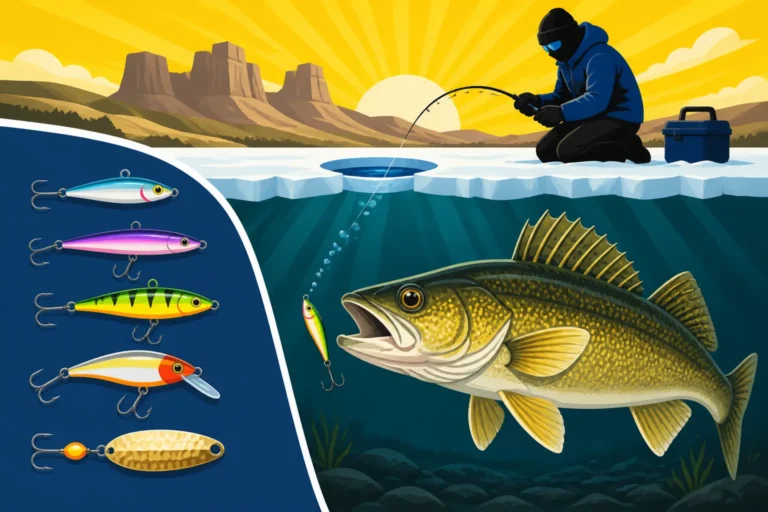
Spoons are arguably the most iconic and effective lures for shore-based salmon fishing. Their erratic wobbling action, especially on the retrieve, is irresistible to salmon. Colors like chartreuse, silver, blue, green, and combinations thereof (e.g., "firetiger" or "herringbone") are consistently productive. Sizes from 1/2 ounce to 1.5 ounces are ideal for casting distance and matching the larger baitfish salmon feed on. Popular spoon brands include Little Cleo, Krocodile, and Daredevle. Many anglers find it convenient to stock up on their favorite salmon spoons and spinners via Amazon, especially when looking for specific colors or sizes that might be hard to find locally.
Spinners are another highly effective option, particularly those with a heavy body for casting and a large blade for maximum flash and vibration. Mepps Aglia or Blue Fox Vibrax spinners in larger sizes (numbers 4-6) are excellent choices. Again, bright, flashy colors often work best. The key with spinners is to ensure they are spinning correctly the moment they hit the water, as salmon often strike on the initial fall or first few cranks.
Crankbaits can also be productive, especially shallow-diving or suspending models that can be worked over submerged structure or along drop-offs. Look for lures that mimic baitfish like smelt, with a tight wiggle and in colors similar to your spoons and spinners. A Rapala Shad Rap or a LiveTarget Smelt Swimbait are good examples. Jigs, particularly heavier bucktail jigs or plastic-tailed jigs tipped with a small piece of bait (like a Gulp! minnow or a dead smelt), can also be deadly when bounced along the bottom in deeper pockets where salmon might be holding. The goal with all these lures is to create enough flash, vibration, and erratic movement to trigger a predatory strike from aggressive salmon. For more in-depth lure discussions, check out our guide on Best Lures for Lake Oahe Salmon in October.
Mastering Shore Casting Techniques for Salmon
Casting for salmon from the shore isn't just about throwing a lure as far as you can. It's about precision, understanding the fish's behavior, and knowing how to work your lure effectively to trigger a strike. It requires patience and observation.
Reading the Water and Identifying Prime Spots
Successful shore angling for salmon starts long before you even make your first cast. You need to become a keen observer of the water. On Lake Oahe, particularly around Whitlock Bay during the run, you're looking for several key indicators.
First, observe other anglers. Where are they congregating? Are they catching fish? This can give you a strong indication of where the salmon are staging. Beyond that, look for physical features. Points that extend into deeper water, sudden drop-offs, current breaks (even subtle ones created by structure), and the mouths of channels are all prime locations where salmon might hold. These areas often funnel fish as they migrate, creating natural ambush points.
Perhaps the most exciting sign is visible salmon activity. Look for jumping fish, rolling on the surface, or even boils of baitfish being chased. These are unmistakable indicators that salmon are in the area and actively feeding or moving. Pay attention to water color and clarity; sometimes, a slight stain can give anglers an advantage by making lures seem more natural, or a clearer patch might indicate where baitfish are holding. Even the wind direction can play a role, sometimes pushing baitfish (and therefore salmon) closer to shore or into specific bays. If the wind is blowing directly into a point, it can stack baitfish there, making it an excellent casting spot.
Effective Casting and Retrieval Strategies
Once you've identified a promising spot, your casting and retrieval techniques become paramount. The goal is to present your lure in a way that maximizes its attractiveness to a salmon.
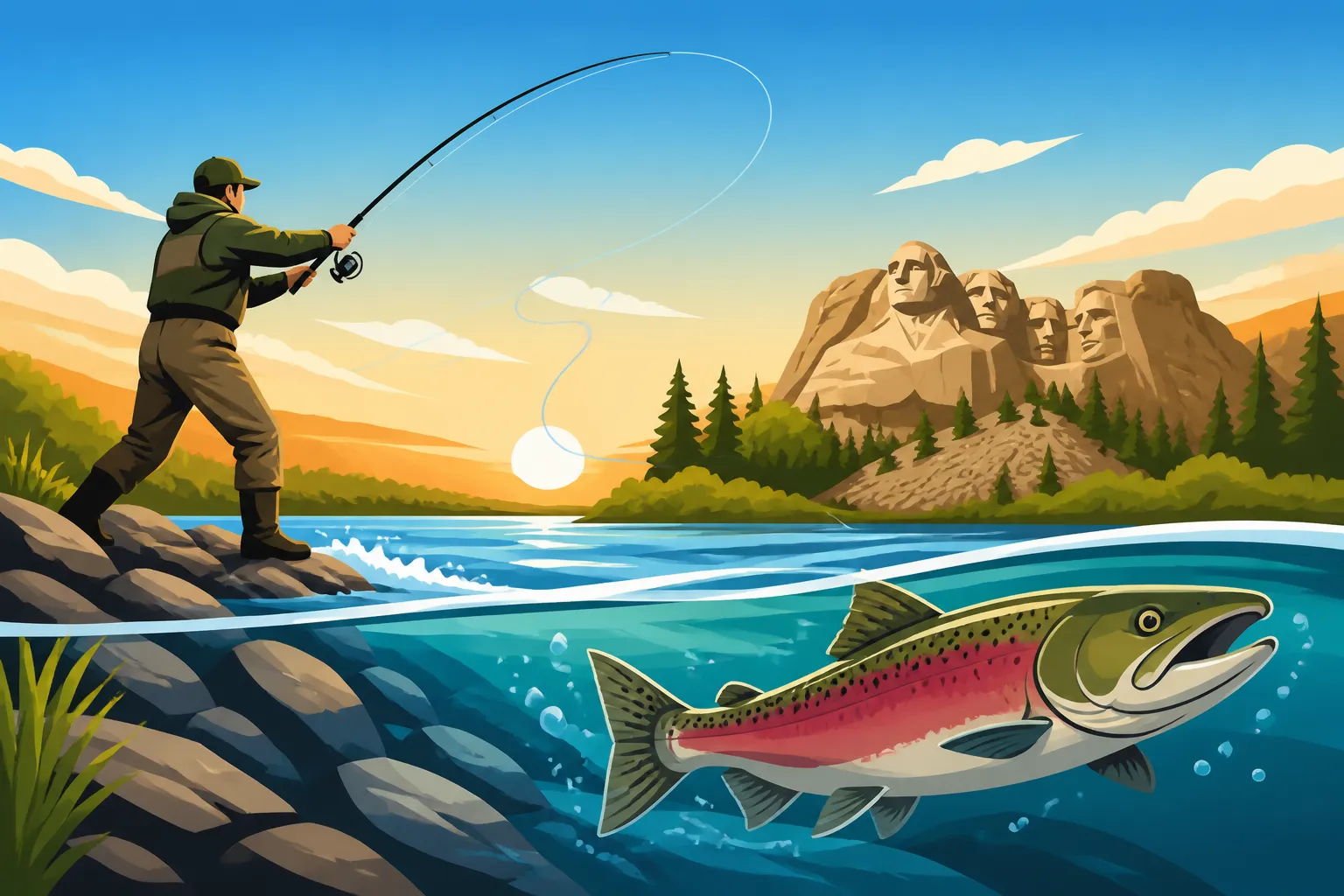
Casting distance is often a factor, especially when targeting staging fish in Whitlock Bay. Practice your long-distance casting to reach those deeper channels or areas where salmon might be holding away from the immediate bank. Use a powerful overhead cast, utilizing the full length of your rod to propel your lure. Once your lure hits the water, let it sink for a few seconds. The exact depth will depend on where you believe the fish are holding, which can vary day to day. Sometimes they are near the surface, other times they are hugging the bottom in 20-30 feet of water.
For spoons and spinners, a steady, medium-speed retrieve is often effective. This allows the lure to wobble or spin enticingly. However, don't be afraid to experiment with variations. Try incorporating pauses, quick jerks, or changes in retrieve speed. These erratic movements can often trigger a strike from a hesitant salmon. Some anglers find success with a "lift and drop" technique, allowing the spoon to flutter down like an injured baitfish before lifting it again. For crankbaits, a simple retrieve that allows the lure to dive and wiggle naturally is usually best, occasionally pausing it to let it suspend in the water column. Always be ready for a strike, as salmon can hit with incredible force, especially when the lure is falling or pausing. Setting the hook aggressively and quickly is vital.
Fighting and Landing a Powerful Salmon
Hooking into a South Dakota Chinook salmon from shore is an experience you won't soon forget. These fish are renowned for their powerful, sustained runs and acrobatic jumps, making them a true test of your angling skills and gear.
When a salmon strikes, it's often a jarring, immediate hit. Your first instinct should be to set the hook firmly. Lean back into the rod and reel down to ensure a solid connection. Once hooked, the salmon will almost certainly make a powerful run. Let your drag do its job! This is why a smooth, properly set drag is so important. Resist the urge to clamp down on the spool or try to horse the fish in; you'll likely snap your line or pull the hook. Let the fish run, keeping steady pressure on it. As it tires, slowly pump the rod, gaining line with the reel as you lower the rod tip.
Salmon often make sudden changes in direction or attempt head shakes at the surface to throw the hook. Keep your rod tip high to maintain tension and absorb these shockwaves. If the fish jumps, try to dip your rod tip slightly towards the water to prevent it from landing on a slack line, which can easily throw the hook. When the salmon finally gets close to shore, have a large landing net ready. A long-handled net is invaluable for shore anglers, allowing you to reach out and safely scoop the fish without having to beach it, which can damage the fish or lead to a lost catch. If you plan to release the fish, minimize its time out of water and handle it carefully.
Prime Shore Fishing Locations for Chinook Salmon on Lake Oahe
While Lake Oahe is vast, a few key areas stand out as exceptional for shore-based Chinook salmon angling, with one location rising above the rest, especially during the peak fall migration.
Whitlock Bay: The Salmon Mecca
Without a doubt, Whitlock Bay, located near Gettysburg, is the premier destination for shore-based Chinook salmon fishing in South Dakota. This reputation stems directly from its proximity to the South Dakota Game, Fish and Parks Whitlock Bay Spawning Station. As the spawning season approaches, instinct drives thousands of mature salmon to congregate in the bay, staging before entering the facility for egg collection.
The beauty of Whitlock Bay for shore anglers is the sheer accessibility and concentration of fish. There are numerous public access points along the bay's shoreline where anglers can set up. The area immediately outside the spawning station nets is particularly productive, as fish stack up waiting to move in. Anglers can walk the banks, cast from rocky points, or find a comfortable spot along the accessible shorelines. The deep water necessary for salmon is often surprisingly close to the bank here, especially near the main channel leading into the bay. During the peak of the run, you'll often see dozens, if not hundreds, of anglers lining the shore, all casting for the same prized fish. This community atmosphere adds to the excitement. It's a truly unique opportunity to catch these impressive fish without needing a boat. For specific insights into this legendary location, our guide on Whitlock Bay Salmon Spawning Station Fishing provides even more detail.
Other Productive Shore Access Points
While Whitlock Bay is the hotspot, it's not the only place you might find shore-accessible salmon on Lake Oahe, though other spots typically yield fewer fish and require more exploratory effort.
Other areas to consider are points and deeper cuts along the eastern and western shores of Lake Oahe, particularly in the northern reaches of the South Dakota section of the lake. Areas around Mobridge, such as the shores near the Indian Creek Recreation Area, sometimes offer limited opportunities, especially early in the run before fish have pushed all the way south to Whitlock Bay. Anglers might also find success casting from the banks of the mainstem Missouri River below Oahe Dam, particularly in the tailwaters or accessible areas with deep channels. However, the concentration of salmon here is far less predictable than at Whitlock Bay.
The key to finding these secondary spots is often scouting. Look for areas with quick access to deep water, submerged structure (like old roadbeds or rock piles), and any signs of baitfish schools. These areas might produce a solitary salmon for the persistent angler, but they won't offer the same consistent action as Whitlock Bay during the peak run. Always consult a good map of Lake Oahe, or a reliable fish finder if you're scouting from a kayak, to identify these deeper shorelines. Remember, access rules and regulations apply everywhere, so always check the South Dakota Boat and Water Access Rules before heading out.
Timing Your Shore Salmon Expedition
Timing is everything when it comes to shore fishing for Chinook salmon in South Dakota. You could have the perfect gear and technique, but if the fish aren't there, you won't catch anything. Understanding the salmon's seasonal movements is paramount.
The Peak of the Salmon Run
The prime time for shore-based salmon fishing on Lake Oahe is undeniably during the fall spawning run. This typically kicks off in late August, gains momentum through September, and peaks in October. The exact timing can fluctuate slightly year to year based on water temperatures and other environmental factors, but October is usually the sweet spot for maximum fish numbers and activity, especially at Whitlock Bay.
During this period, mature salmon, driven by their powerful reproductive instincts, begin their migration towards the Whitlock Bay Spawning Station. As they stage in the bay, waiting for ideal conditions or simply for the facility to begin processing, they become highly concentrated and accessible from the shoreline. This is when anglers can experience truly phenomenal action, sometimes hooking multiple fish in a single outing. The run usually lasts several weeks, but the peak window, where the most consistent shore action occurs, might only be a couple of weeks within that larger period. It's crucial to pay attention to local fishing reports from the GFP or tackle shops in nearby towns like Gettysburg or Mobridge to stay on top of the current conditions and the intensity of the run. Knowing How Long the Chinook Salmon Run Lasts on Lake Oahe can help you plan your trips effectively.
Weather and Water Conditions for Success
Beyond the calendar, specific weather and water conditions can significantly impact your shore salmon fishing success. Salmon are sensitive to changes in their environment, and understanding these nuances can give you an edge.
Water temperature is a primary driver. Chinook salmon prefer cooler water, typically in the 50s Fahrenheit, which is why their fall migration coincides with dropping lake temperatures. When the water in Whitlock Bay cools down, it triggers more aggressive feeding and staging behavior. Conversely, unusually warm fall weather can delay the run or make fish more lethargic.
Overcast days are often favored by salmon anglers. Low light conditions tend to make salmon more active and less wary, increasing their willingness to strike lures. Similarly, days with a light chop or ripple on the water's surface can break up the light, making your lure appear more natural and obscuring your presence from the fish. Extremely calm, clear days can make salmon skittish, requiring more subtle presentations. Strong winds, while sometimes pushing baitfish closer to shore, can also make casting difficult and uncomfortable for anglers, and create strong currents that make lure presentation challenging. However, a steady, moderate wind can be ideal, especially if it's blowing into a productive point, creating a natural current seam that concentrates both bait and salmon. Pay attention to sudden cold fronts or significant rain events, as these can temporarily put fish off the bite or stir up the water, changing conditions dramatically.
Beyond the Catch: Regulations and Conservation
As with any fishery, understanding and adhering to the rules and regulations is not just about avoiding fines; it's about contributing to the health and sustainability of this incredible resource for future generations.
South Dakota Chinook Salmon Regulations
Fishing for Chinook salmon in South Dakota is governed by specific regulations set by the Game, Fish and Parks department. These rules are designed to manage the population, ensure a healthy spawning stock, and provide fair fishing opportunities.
Before you even wet a line, you absolutely must have a valid South Dakota Fishing License Guide. If you're a non-resident, the rules and costs will differ, so be sure to check those specifics. Beyond the license, pay close attention to the daily and possession limits for Chinook salmon. These can vary and are often species-specific, so don't assume the walleye or bass limits apply. Currently, the South Dakota Chinook Salmon Daily Limit is quite generous, but it's always best to verify with the most current GFP regulations booklet, which can usually be found online or at local bait shops. There might also be specific length restrictions or slot limits for salmon, though this is less common for Chinook, which are primarily managed as a put-and-take trophy fishery.
It's also important to be aware of any special rules that apply to areas like Whitlock Bay during the spawning run. Sometimes there are restrictions on fishing near the spawning station nets, or specific hours of operation. Ignoring these rules can lead to significant penalties, including fines and the loss of fishing privileges. Always be informed by reviewing the South Dakota Fishing Regulations Explained before your trip.
Practicing Responsible Angling
Beyond the letter of the law, practicing responsible angling is a critical component of enjoying the South Dakota salmon fishery. This involves ethical behavior, conservation-minded practices, and respecting fellow anglers and the environment.
If you plan to release salmon, do so with the utmost care. Minimize their time out of the water, handle them gently with wet hands, and use proper de-hooking tools. Avoid dragging fish onto dry ground. If a fish is exhausted from the fight, take time to revive it in the water, supporting it until it can swim away strongly on its own. For fish you intend to keep, dispatch them quickly and humanely, and store them properly on ice to preserve the quality of the meat.
Respect other anglers. Shore fishing during the salmon run can get crowded, especially at popular spots like Whitlock Bay. Be mindful of casting lanes, avoid crowding others, and keep noise levels down. Pack out everything you pack in, including all your trash, discarded fishing line, and bait containers. Leave no trace of your presence. The beauty of South Dakota's natural resources is a privilege to enjoy, and it's every angler's responsibility to protect it.
Conclusion
Casting for Chinook salmon from the shore of Lake Oahe in South Dakota is a truly exhilarating experience that proves you don't need a fancy boat to target these magnificent fish. With the right gear, a solid understanding of salmon behavior, and a commitment to responsible angling, you can immerse yourself in the heart-pounding action of the fall salmon run. From the crucial timing around Whitlock Bay to the nuances of lure selection and fighting these powerful fish, every detail contributes to a successful outing. So grab your long rod, spool up some braid, and prepare for a memorable adventure on the shores of Lake Oahe – the thrill of that first solid strike is waiting!
Disclaimer
Please note that fishing regulations, seasons, and limits are subject to change. Always consult the latest South Dakota Game, Fish and Parks (GFP) official regulations guide before heading out on any fishing trip. This article is intended for informational purposes only and does not constitute legal advice.