How to Adjust Techniques for Muddy Spring Runoff
Ah, spring! There's nothing quite like the promise of warmer weather and active fish after a long South Dakota winter. But let's be real, often what spring actually delivers is a whole lot of melting snow and heavy rains, turning our beloved fishing waters into a murky, fast-moving mess. It's enough to make even the most seasoned angler sigh in frustration, wondering how on earth you're supposed to catch anything when you can barely see your hand in the water. This guide is all about cutting through that confusion, helping you understand how muddy spring runoff impacts fishing, and, more importantly, equipping you with the techniques and mindset to still find success when the water looks like chocolate milk.
Understanding the Dynamics of Spring Runoff
When the ice finally recedes and the spring thaw really kicks in, or after a prolonged period of heavy rains, our lakes and rivers in South Dakota often experience what's known as "runoff." This isn't just a slight discoloration; we're talking about significantly increased water levels, stronger currents, and a heavy influx of sediment, nutrients, and debris. It drastically changes the underwater environment, and understanding these changes is the first step to adapting your approach.
How Muddy Water Affects Fish Behavior
Muddy water isn't just annoying for us anglers; it throws a huge wrench into a fish's normal routine. Think about it: visibility goes way down. Fish that rely heavily on sight to hunt, like walleye, suddenly have their primary sense hampered. This doesn't mean they stop eating, but it does mean they'll need to rely more on their other senses—lateral line, scent, and hearing—to locate prey. They might also move to areas where the water is slightly clearer, or to shallower areas where sunlight can penetrate more effectively, even if the water is still turbid.
Furthermore, the increased current can dislodge baitfish and insects, pushing them into new areas. Fish might position themselves out of the main current, perhaps behind structures or in calmer eddies, conserving energy while waiting for an easy meal to drift by. Oxygen levels can fluctuate, and water temperatures might change more rapidly in these conditions, all influencing where the fish decide to hang out. It’s a whole new world under there, and the fish are doing their best to adapt, just like we need to.
Identifying Productive Areas in Murky Conditions
So, with all this commotion, where do you even start looking? The key is to think like a fish trying to escape the chaos and find food. Look for areas where the water might be slightly clearer or where the current isn't as brutal. Tributary mouths, for example, can be interesting. If a smaller stream or creek is running clear while the main lake or river is muddy, that's a prime spot. The fish will often gravitate to that seam where the clear water meets the muddy, as it offers better visibility and potentially more food.
Shallow flats and shorelines, especially those with some kind of cover like submerged timber or weed edges (if they've started growing), can also be excellent. The sun's warmth penetrates shallower water more quickly, and baitfish will often seek refuge there. The muddy water itself can offer a sense of security, allowing fish to move into these shallower areas without feeling as exposed to predators from above. Don't be afraid to try fishing spots you might normally reserve for sunny, clear days – the muddy conditions often flip the script on traditional wisdom.
Adjusting Your Location and Presentation
When the waters are churned up, simply casting your usual lure in your usual spot often won't cut it. You need to recalibrate your approach, focusing on attracting fish that are relying on different senses and are likely holding in different locations.
Targeting Transition Zones and Structure
Fish often seek refuge and feeding opportunities in transition zones during runoff. These are areas where one type of water or habitat meets another. We already talked about the clear-to-muddy water seams, which are gold. But also consider depth transitions, like where a shallow flat suddenly drops into deeper water. Fish will often stage along these drop-offs, moving up into the shallows to feed when conditions are favorable and retreating to deeper water when they feel pressured or need to escape current.
Structure becomes even more critical in muddy water. Anything that breaks the current or provides cover is a magnet for fish. Think about fallen trees, rock piles, bridge pilings, or even subtle changes in the bottom contour. These provide current breaks and ambush points. When you're fishing these areas, make sure your presentation is slow and precise. The fish aren't going to chase a fast-moving lure they can't see; they're looking for an easy meal right in front of their nose. Using your electronics, if you have them, to identify these underwater features can be incredibly helpful. You might be surprised to find fish stacked up in places you'd usually overlook in clearer water.
Slowing Down and Using Vibrations
Muddy water demands a change in retrieve speed. Zipping a crankbait through the water is less effective when fish can't see it coming. Instead, focus on slowing down your presentation significantly. This gives fish more time to locate your bait using their lateral line (which detects vibrations) and their sense of smell. Jigging vertically or slowly dragging a bottom-bouncing rig can be highly effective. The key is to keep the bait in the strike zone for as long as possible.
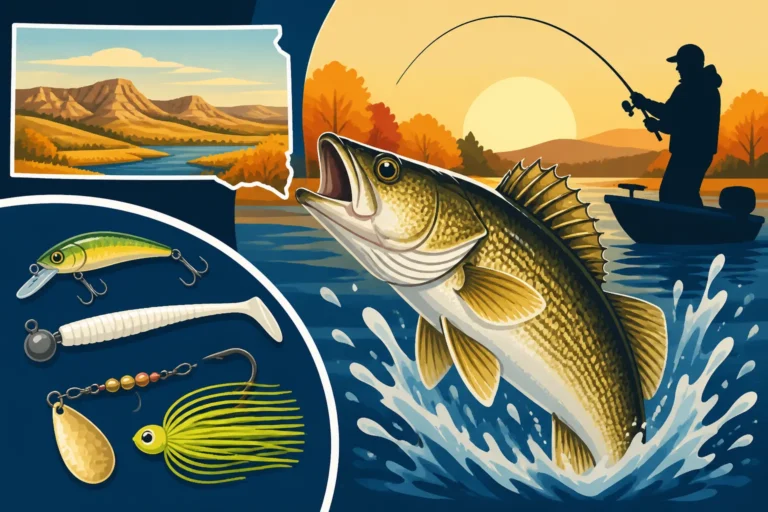
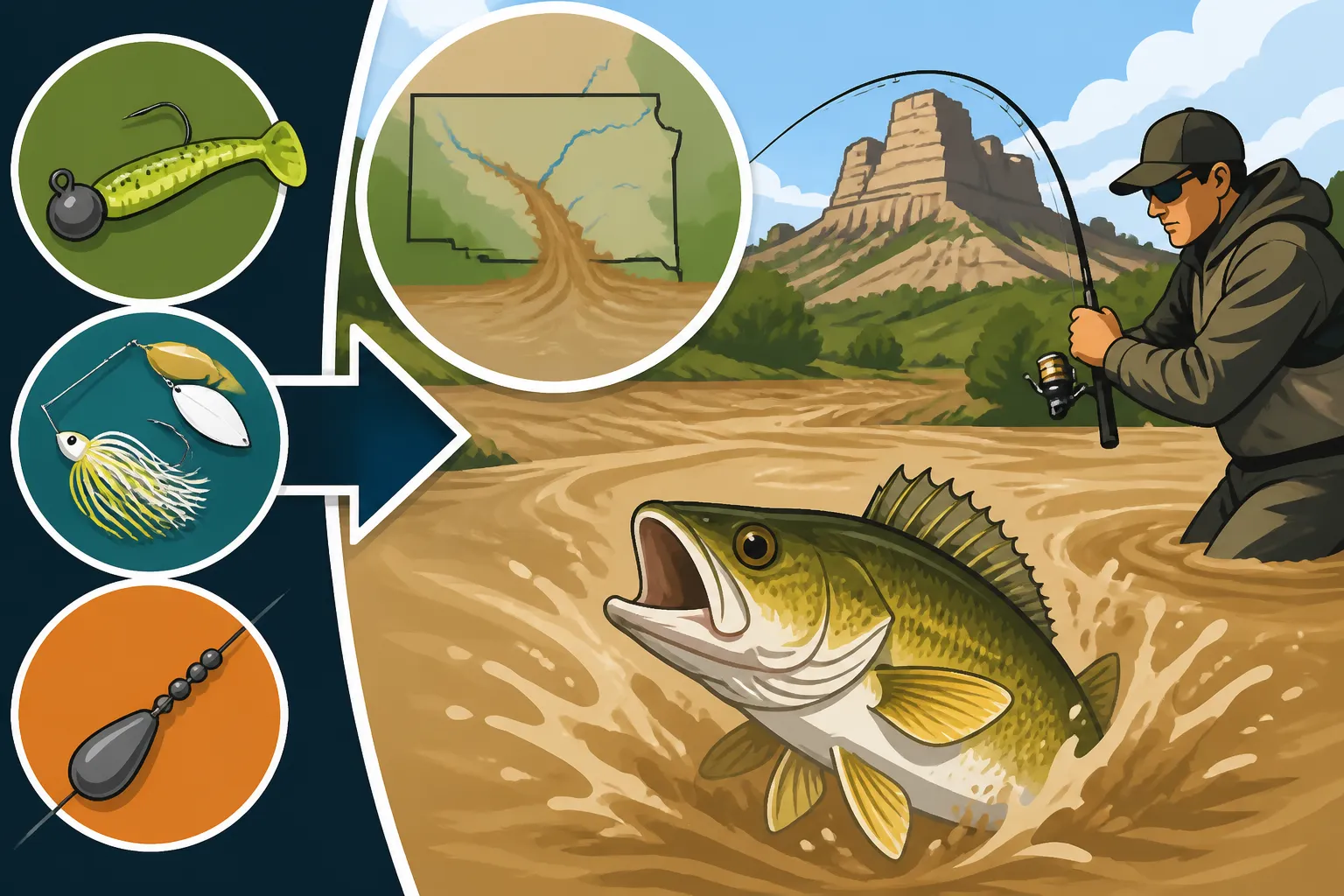
Lures that produce strong vibrations are your best friend here. Consider using baits with a wide wobble, a noisy rattle, or a thumping tail. These vibrations travel through the murky water, acting as a beacon for hungry fish. Spinnerbaits with large thumping blades, lipless crankbaits, or even heavy jigs with soft plastic trailers that have a lot of tail action can all be excellent choices. Don't underestimate the power of a bait that literally calls out to the fish from the murk. You can find a good selection of these vibration-heavy lures on Amazon if you're looking to stock up before your next trip.
Essential Gear and Bait for Muddy Water
Having the right tools in your tackle box can make all the difference between a frustrating day and a successful one when facing muddy spring runoff. It’s not just about what you throw, but how it stands out (or smells!) in the low visibility.
Lure Color and Profile Choices
When visibility is minimal, you need lures that create a strong contrast or are highly visible even in low light. Bright, fluorescent colors are often the go-to. Chartreuse, bright orange, hot pink, and firetiger patterns can really pop in muddy water. Think about how these colors might appear as a silhouette or a flash in the gloom. Sometimes, a completely black or dark purple lure can also be effective, creating a strong, distinct silhouette against the lighter sky or water surface.
Another factor is the lure's profile. You want something that displaces a good amount of water and has a noticeable presence. Large-profile crankbaits, spinnerbaits with big blades, or substantial soft plastics can be more easily detected by a fish's lateral line. Don't shy away from experimenting with different combinations until you find what the fish are responding to on a given day. Here's a quick comparison to help you choose:
| Water Clarity | Preferred Lure Colors | Best Lure Features | Example Lures |
|---|---|---|---|
| Clear Water | Natural, subtle, transparent, chrome, pearl | Realistic patterns, subtle action, small profile | Finesse jigs, clear crankbaits, natural soft plastics |
| Muddy Water | Bright, fluorescent (chartreuse, orange, pink), dark (black, purple) | Strong vibrations, noisy rattles, large profile | Spinnerbaits (chartreuse/white), lipless crankbaits (firetiger), dark jigs with scent |
| Stained Water | Contrasting, white, bright greens, some natural | Moderate vibration, distinct pattern | White spinnerbaits, perch-pattern crankbaits, jigs with glow features |
Incorporating Scent and Live Bait
If fish can't see well, what's the next best thing to help them find your bait? Smell! Scent is a game-changer in muddy water. There are many commercially available scents that you can apply to your artificial lures. These come in various fish-attracting formulas, often mimicking baitfish, crawfish, or garlic. Simply squirt or rub them onto your soft plastics, jigs, or even hard baits. Many anglers swear by scent, especially for finicky fish in tough conditions.
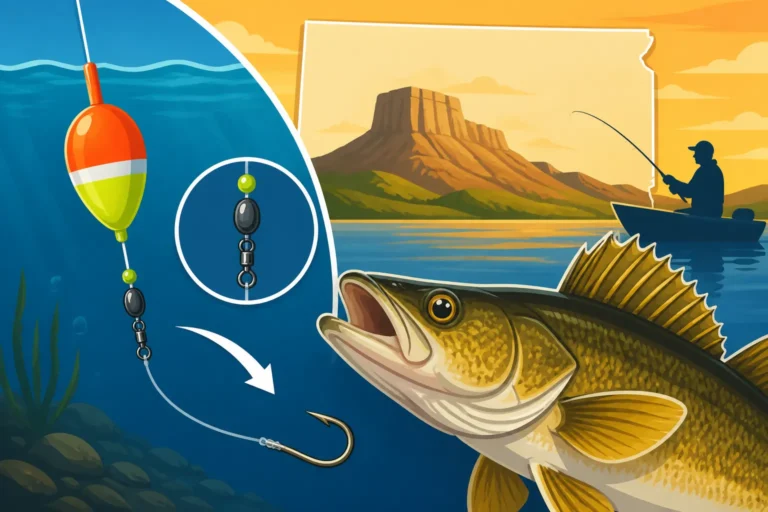
Of course, nothing beats the real thing when it comes to scent. Live bait is incredibly effective in muddy spring runoff because it offers natural scent, subtle movement, and a life-like profile. Minnows, nightcrawlers, and leeches are classic choices for a reason. Present them slowly, perhaps under a slip bobber in calmer pockets or on a bottom rig. The natural appeal of live bait can entice strikes when artificials are being ignored. When considering live bait, make sure you're up to date on South Dakota Fishing Regulations Explained regarding what's permitted in specific waters.
Line and Rod Considerations
When fishing in muddy water, your tackle choices can also play a role. Because visibility is low, fish are less likely to be "line shy," meaning you can often get away with slightly heavier line. This can be an advantage if you're fishing around snags or dealing with strong currents. Braided line, with its lack of stretch and excellent sensitivity, can be fantastic for detecting subtle bites in murky water, especially if you're jigging. If you prefer monofilament or fluorocarbon, consider a slightly brighter color if you struggle to see your line movement above water, or stick with clear if you’re concerned about any residual visibility.
For rods, a medium-heavy action rod with a sensitive tip is generally a good all-around choice. The sensitivity helps you feel those light bites that might otherwise go unnoticed in the current or when fish are mouthing the bait softly. The power in the rod helps you set the hook and control fish, especially if you're using heavier baits or fishing in areas with cover. Getting your hands on a good quality rod and reel setup, which you can easily browse on Amazon, can make a significant difference in feeling those subtle bites that are common in muddy water.
Tactics for Specific Fish Species in Runoff
While the general principles of slowing down, using scent, and focusing on vibration apply across the board, certain species react differently to muddy water and require slightly tailored approaches.
Walleye in Turbulent Conditions
Walleye are perhaps the most popular target in South Dakota, and they can be challenging in muddy spring runoff. They are sight feeders, so the low visibility is a real disadvantage for them. However, they're also opportunistic predators. During runoff, walleye often move to areas where the current is broken or where warmer, shallower water exists. Look for them on the edges of main current seams, behind points, in bays, or along wind-blown shorelines where baitfish might be pushed.
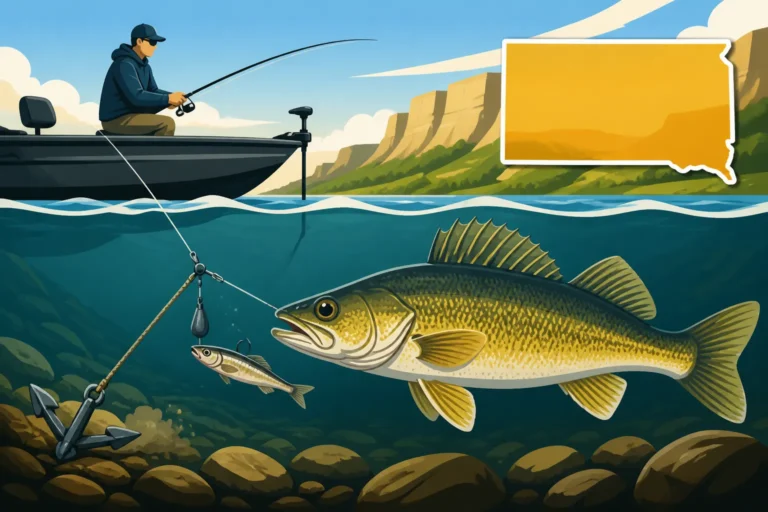
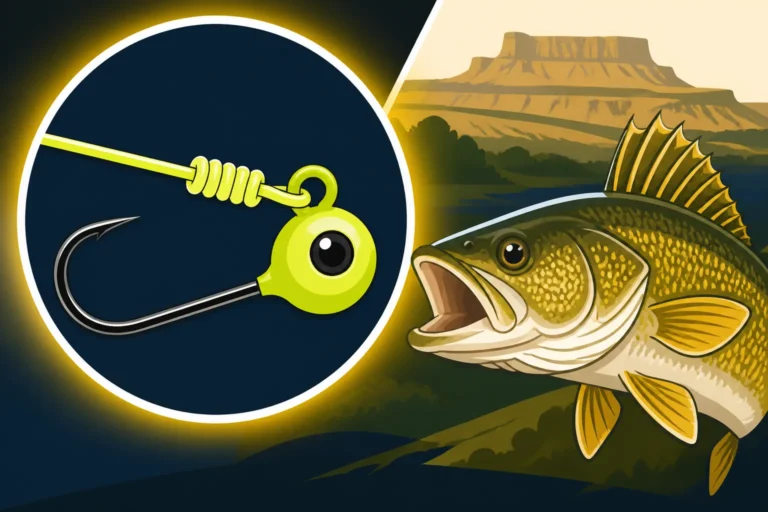
When fishing for walleye, presentation is key. Slowly dragging jigs tipped with minnows or nightcrawlers along the bottom is a classic muddy water technique. Bottom bouncers with spinner rigs (using bright blades like chartreuse or orange) and a full nightcrawler can also be deadly. Don't be afraid to try ripping-style lipless crankbaits, allowing them to hit the bottom and stir up sediment, which can attract attention. Remember, South Dakota Walleye Limits still apply, so always check the current regulations for the body of water you're on.
Bass (Smallmouth and Largemouth) in Murky Waters
Both smallmouth and largemouth bass can adapt well to muddy conditions, but they might shift their locations. Largemouth bass, which often prefer shallower, weedy cover, can become even more active in murky water as they feel safer moving into extremely shallow areas. They will ambush prey from dense cover. Smallmouth bass, typically preferring rocky clear water, might move closer to shorelines or into calmer sections of rivers and lakes where the current isn't as strong, and they can still relate to rocky structure.
For bass, consider spinnerbaits with tandem thumping blades, often in chartreuse and white or dark colors. Bladed jigs (ChatterBaits) are fantastic for their vibration and flash, making them easy for bass to locate. Pitching jigs with large, bulky soft plastic trailers into heavy cover can also draw strikes. Again, scent can be a great addition to any bass lure. Focus on working your baits slowly through areas with submerged timber, rock piles, or dense aquatic vegetation. Remember that Smallmouth Bass Daily Limits are in place to ensure healthy populations.
Catfish and Northern Pike Adjustments
Catfish, with their incredible sense of smell and preference for murky environments, often thrive in runoff conditions. They’re built for it! The increased current can push natural food sources towards them, and the low visibility makes them feel right at home. You'll find them in deeper holes, current breaks, and near the mouths of tributaries.
For catfish, strong-smelling baits are paramount. Cut bait (like shad, suckers, or other oily fish), chicken livers, or commercial stink baits are highly effective. Use heavy sinkers to keep your bait on the bottom in the current, and be patient. Fishing for Catfish Limits and Size Rules in South Dakota is often a rewarding experience during runoff.
Northern pike are aggressive predators and while they might be slightly affected by visibility, their sheer predatory instinct often overrides it. They’ll still be looking for an easy meal. They tend to position themselves in ambush points, especially along weed lines, submerged logs, or other cover where they can dart out to grab passing prey. Big, brightly colored spinnerbaits or large jerkbaits that create a lot of flash and vibration are excellent choices. Large spoons can also be effective when retrieved slowly. Keep in mind the South Dakota Northern Pike Limits when targeting these toothy critters.
Safety and Environmental Stewardship in Runoff
Fishing during spring runoff can be incredibly rewarding, but it also comes with increased risks and responsibilities. The powerful forces of nature at play demand extra caution and a commitment to preserving our natural resources.
Navigating Strong Currents and Debris
When water levels are high and currents are strong, boating can become significantly more hazardous. Debris like logs, branches, and even entire trees can be swept downstream, posing serious threats to boaters. Always wear a life jacket, ensure all your South Dakota Boat Safety Equipment Requirements are met, and be extra vigilant. If you’re in a kayak or canoe, consider if the conditions are truly safe before heading out; swollen rivers can be incredibly powerful. Even from shore, unstable banks and slippery footing near fast-moving water present dangers. Always inform someone of your fishing plans and expected return time.
Water levels can also fluctuate rapidly. What might be a safe path one moment could become a submerged obstacle the next. Exercise extreme caution, and if in doubt, it’s always better to err on the side of safety. There's always another day to fish.
Minimizing Environmental Impact
Increased runoff can bring pollutants and sediment into our waterways, and as anglers, we need to do our part to minimize any further impact. Be mindful of your footprint. Avoid disturbing fragile shorelines or eroding banks, especially during periods of high water. Dispose of all trash, including old fishing line, properly. Pack out everything you pack in.
If you're using live bait, be aware of rules regarding invasive species. Never release unused baitfish into a different body of water than where they were caught, as this can introduce harmful non-native species. Always clean your boats, trailers, and gear thoroughly between fishing trips to prevent the spread of aquatic invasive species. Being a responsible angler means being a steward of the environment, ensuring that South Dakota's fantastic fishing opportunities remain healthy for generations to come. This includes understanding practices like those discussed in South Dakota Fish Consumption Advisories Explained to protect both yourself and the fishery.
Understanding Seasonal Closures and Regulations
Spring runoff often coincides with critical spawning periods for many fish species. It is absolutely crucial to be aware of and respect any South Dakota Fishing Season Dates and Limits or special regulations that might be in effect during this time. Some areas might have temporary closures to protect spawning fish, or specific limits might change. The South Dakota Game, Fish and Parks website is your best resource for the most current information. Fishing ethically and legally protects the resource and ensures good fishing for everyone. Always have your South Dakota Fishing License Guide handy, and make sure it's current.
Disclaimer
This article is for general informational purposes only and does not constitute professional advice. Laws, prices and regulations vary by location and change over time. Consult a qualified professional for guidance on your specific situation.