Best Time to Fish After a Rainstorm
Oh, the joy (and sometimes frustration!) of a good rainstorm in South Dakota when you're itching to hit the water. It can feel like Mother Nature is playing tricks on us, washing away our best-laid fishing plans. But here's the secret: a rainstorm isn't always a reason to pack away your gear. In fact, knowing the best time to fish after a rainstorm can often lead to some of the most productive and exciting fishing experiences you'll have all season. This guide will walk you through understanding how rain impacts our beloved South Dakota waters and, more importantly, when and how to maximize your chances of reeling in a good catch once the clouds clear.
Understanding How Rain Affects South Dakota Waters and Fish
When a rainstorm rolls through South Dakota, it's not just "water falling from the sky." It's a complex event that can drastically alter the underwater environment, and understanding these changes is key to knowing when and where to cast your line.
Water Temperature and Oxygen Levels
Rain, especially summer thunderstorms, can bring cooler water to the surface, which is often a welcome change for fish in warm, stagnant areas. Think about those sweltering August days when the surface water is baking. A sudden downpour can create a thermal inversion, bringing cooler, more oxygenated water from deeper zones up to the shallows. This influx of oxygen is like a breath of fresh air for fish that might have been feeling lethargic in warmer, less oxygenated water. They become more active, more willing to chase prey, and generally more aggressive. However, a prolonged, cold rain in spring or fall can have the opposite effect, cooling shallow waters too quickly and sending fish deeper in search of stable temperatures. It's a delicate balance, and understanding the starting temperature of the water before the rain is crucial.
Heavy rain can also stir up bottom sediments, and while this might sound negative, it can release nutrients that kickstart the aquatic food chain, further invigorating fish activity. Consider how a strong rain on Lake Oahe might churn up the bottom near a creek mouth, introducing a fresh pulse of life and cooler water. This is exactly why some anglers swear by fishing during or immediately after a summer shower.
Turbidity and Current Changes
Perhaps the most obvious effect of a rainstorm is the increase in water turbidity – how cloudy or muddy the water becomes. Rain, especially heavy downpours, washes sediment, dirt, and debris from the land into lakes, rivers, and streams. This muddies the water, reducing visibility for both fish and anglers. While it might seem counterintuitive, this reduced visibility can actually work in your favor. Predator fish, like walleye or northern pike, often use periods of low visibility to their advantage, ambushing prey that can't see them coming. The prey fish, in turn, feel safer foraging in these murky conditions.
For river systems like the Missouri River, rain also means increased current. Tributaries swell, dumping more water into the main channel. This stronger current can dislodge baitfish, insects, and other forage from their hiding spots, creating a buffet for larger game fish. The trick is knowing where these new current breaks and eddies form, as fish will often congregate in these calmer pockets, waiting for food to drift by. For more detailed information on regulations that apply to these areas, be sure to check out our guide on South Dakota Fishing Regulations Explained.
Baitfish Movement and Forage Wash-In
Rainstorms are natural aggregators of food for fish. Think about all the worms, insects, and terrestrial critters that get washed into the water from flooded banks and runoff. This sudden influx of easy meals sends fish into a feeding frenzy. Smaller baitfish will often move into the newly flooded shallows or near creek mouths to feast on this fresh bounty, and where the baitfish go, the bigger predatory fish follow.
Consider a small creek feeding into Lake Sharpe after a particularly heavy rain. That creek, normally just a trickle, can become a torrent, carrying bugs, larvae, and even small rodents right into the lake. This creates a prime ambush point for hungry fish like smallmouth bass or catfish. The key is to identify these wash-in points – culverts, ditches, flooded fields, and swollen creek mouths – as they become temporary feeding hotspots. Even subtle rain can push bait closer to shore, making them vulnerable.
The Immediate Aftermath: Fishing During and Right After the Rain
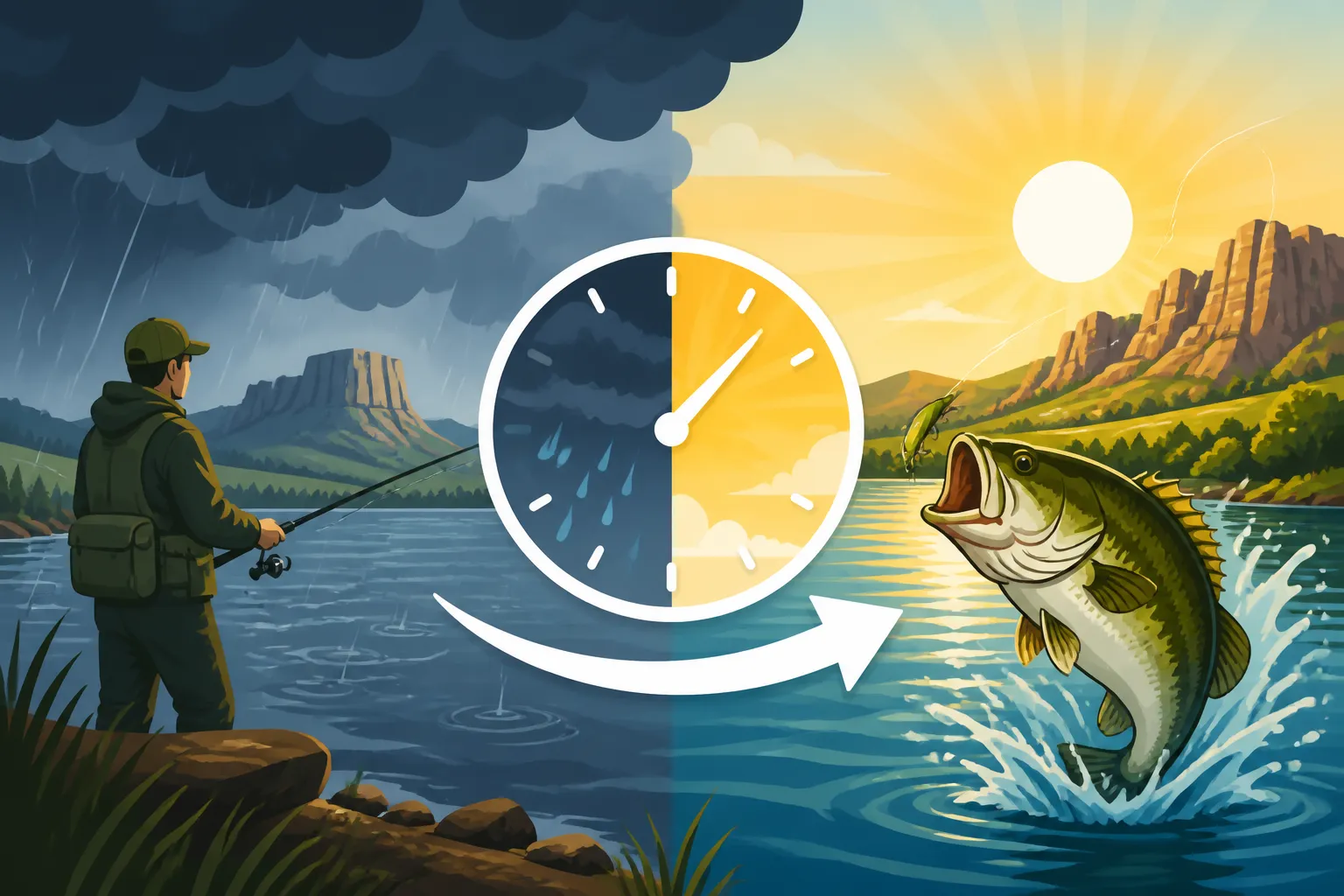
Okay, the skies have opened, or they just did. Now what? This immediate period, from the tail end of the storm to the first few hours after the rain stops, is often where the magic happens, especially in warmer weather.
The "Sweet Spot" – First Hours After a Summer Shower
When a warm summer rain or thunderstorm passes through, the very first few hours afterward are often what anglers refer to as the "sweet spot." The air feels cooler, the humidity drops, and the landscape breathes a sigh of relief. Underwater, the fish are feeling it too. The sudden jolt of cooler, oxygenated water and the promise of washed-in food can kick-start an incredible bite. This is when sluggish walleye, for example, might move out of deeper, warmer zones and become extremely active in shallower feeding flats or near structure.
In these conditions, fish are less wary. The reduced light penetration due to cloud cover and increased turbidity makes them feel more secure. They're not just looking for a meal; they're actively hunting. This can be a fantastic time to try aggressive presentations with larger baits or lures that create a lot of vibration, helping fish find them in the murkier water. You'll often find that fish will strike with more enthusiasm, a stark contrast to the finicky bites you might experience on a bright, calm day.
Navigating Runoff and Debris
While runoff brings food, it also brings challenges. Increased current and debris can make fishing difficult and even dangerous. In rivers like the Big Sioux, heavy rain can turn placid stretches into fast-moving, debris-laden torrents. Fishing directly in the main flow might be unproductive, as fish will move to seek refuge from the strong current. Focus on areas where the current breaks: behind large rocks, fallen trees, inside eddies, or along seams where fast-moving water meets slower water. These are natural holding points for fish escaping the main current, and they're also prime ambush points where they can pick off dislodged prey.
On lakes and reservoirs, runoff from culverts and creeks will create visible "mud lines" or plumes of stained water. These mud lines are gold! Fish will often position themselves right on the edge of this stained water, using the reduced visibility as cover while still having access to the clearer water to spot prey. Be mindful of floating debris like branches and leaves, especially if you're trolling or using delicate lures. It can be a real pain, but the rewards often outweigh the hassle. You might consider specific South Dakota Fishing Gear Checklist items designed for these conditions, such as heavier weights or snag-resistant lures.
Targeting Opportunistic Feeders
After a rain, many fish species become opportunistic feeders, meaning they're less picky and more willing to strike at whatever looks like an easy meal. This is particularly true for species like catfish, northern pike, and even walleye. Catfish, with their excellent sense of smell, thrive in murky, rain-swollen waters. The increased flow spreads scents further, helping them home in on bait. For these whiskered warriors, cut bait or stink baits become incredibly effective.
Northern pike, being aggressive ambush predators, will often move into newly flooded areas, like grassy banks or submerged brush, to hunt for disoriented baitfish or small mammals washed in by the rain. Don't be afraid to throw larger, brighter, or more vibration-heavy lures. The goal is to get their attention in the clouded water. Even walleye, usually known for their preference for clear water, will adapt. In stained water, they often feed more aggressively during the day, making them easier to target. Our comprehensive South Dakota Walleye Fishing Guide offers more insights into their habits.
Longer-Term Effects: When the Water Clears and the Bite Heats Up
The immediate post-rain period is great, but don't discount the days following the storm, especially after prolonged or heavy rainfall. The environment continues to change, and so should your strategy.
Stabilizing Conditions and Predator Activity
As the days pass and the runoff subsides, the water in lakes and slower sections of rivers will begin to clear. This stabilization of conditions often marks another excellent fishing window. The initial flush of nutrients and cooler water will have dissipated somewhat, but the overall health of the ecosystem might have improved. Fish that were temporarily dispersed by strong currents or extreme turbidity will start to settle back into their more typical patterns, albeit often with a renewed vigor from the recent feeding opportunities.
For instance, after a major rain event on Lake Francis Case, you might find that smallmouth bass, which initially retreated from muddy inflows, will return to rocky points and drop-offs with increased energy. The water might still have a slight stain, which many predator fish prefer over crystal-clear conditions, offering them a sense of security while they hunt. This is the time when you might transition from highly aggressive, scent-based baits to more subtle presentations as visibility improves.
Locating Fish in Recovering Waters
Finding fish as the water clears requires a slightly different approach. Initially, during the muddier phase, fish might have been concentrated around the immediate inflows or current breaks. As the turbidity diminishes, they'll start to spread out again, but often along structures that were impacted by the runoff. For example, if a feeder creek brought a lot of food into a particular bay, fish might linger in that bay for days, feasting on the remaining bounty or the newly aggregated baitfish.
Look for areas where two different water conditions meet – the lingering stained water meeting clearer main lake water. These transition zones are often prime feeding grounds. Also, areas that received a lot of washed-in debris, like fallen trees or brush piles, will continue to attract baitfish seeking shelter and larger fish seeking prey. These are the kinds of spots where a careful approach can pay off, often with larger, well-fed fish. Using a good fish finder or even a pair of polarized sunglasses (which you can find on Amazon) can really help you identify these subtle changes in structure and water clarity.
Adapting Your Approach for Clearing Water
As the water begins to clear, your presentation should evolve. You might move away from noisy, high-vibration lures and toward more realistic, natural-looking baits. Lure colors can become more important too; while bright, contrasting colors work well in muddy water, more natural patterns and subtler hues tend to shine in clearer conditions. If you're fishing for walleye, this might mean switching from a chartreuse crankbait to a perch-patterned one. For trout in the Black Hills streams, this could involve moving from larger, gaudy nymphs to smaller, more imitative patterns.
The depth at which you fish might also change. With better visibility, fish might drop down a bit more, especially if the sun comes out. Adjust your retrieve speeds and jigging actions to match the fish's activity level, which tends to be more regular and less frantic than during the immediate post-storm chaos. Our guide on How to Fish Muddy Water After Rain offers even more specific tactics for these evolving conditions.
Gear and Strategies for Post-Rain Fishing
Having the right gear and a smart strategy can make all the difference when fishing after a rainstorm. It's not just about what lures to use, but also about safety and comfort.
Essential Gear for Rainy Conditions
First and foremost, rain gear! A good quality waterproof jacket and pants are non-negotiable. There's nothing that zaps your enthusiasm faster than being soaking wet and cold. Look for breathable options that will keep you comfortable even if you're exerting yourself. Waterproof boots are also essential, especially when traversing muddy banks or launching a boat.
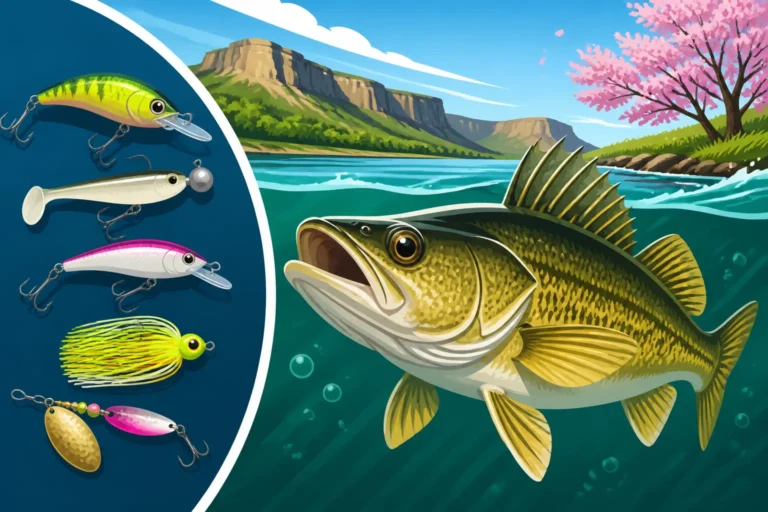
Beyond personal comfort, consider your tackle. You'll want a good selection of high-visibility lures (chartreuse, orange, bright greens) for stained water, as well as some lures with rattles or blades that create vibration to help fish locate them. For river fishing, a variety of weights will be crucial to contend with increased current. A strong, reliable fishing line is always a good idea, as debris can cause unexpected snags. Many anglers stock up on these essentials on platforms like Amazon before their trips. For a full list of what to bring, check out our South Dakota Fishing Gear Checklist.
Here's a quick reference for post-rain conditions:
| Condition | Water Clarity | Fish Behavior | Best Lure/Bait Types | Recommended Tactics |
|---|---|---|---|---|
| Immediate Post-Storm | High Turbidity | Aggressive, opportunistic | Bright colors, high vibration, scented | Target inflows, current breaks, shallow structure |
| Clearing Water (1-2 days after) | Moderate Turbidity | Still active, less aggressive | Natural patterns, moderate vibration | Focus on mud lines, transition zones, lingering forage |
| Stabilized Water (3+ days after) | Clear to Slightly Stained | Returning to normal patterns | Natural colors, subtle presentations, live bait | Work typical structures, observe baitfish, adjust depth |
Lure and Bait Selection Post-Rain
Your lure and bait choices should directly reflect the water clarity and the activity level of the fish.
- High Turbidity/Muddy Water: This is the time for loud, proud, and smelly. Crankbaits with internal rattles, spinnerbaits with large thumping blades, and ChatterBaits are excellent choices for covering water and grabbing attention. Colors like chartreuse, hot orange, and firetiger really stand out. For bait fishermen, anything with a strong scent—cut bait for catfish, a juicy nightcrawler for walleye, or even artificial baits with added scent—will be highly effective. The key is to appeal to the fish's lateral line (vibration) and sense of smell, as their vision is limited. Check out our guide on Best Lures for South Dakota Walleye for specific options.
- Slightly Stained/Clearing Water: As the water clears, you can transition to more natural patterns, but still maintain some "pop." Lures with more realistic baitfish patterns in slightly brighter shades (like a silver crankbait with a chartreuse belly) can work well. Jigging with soft plastics in subtle colors but with added scent can be very effective. Live bait, like minnows or leeches, becomes increasingly potent as fish can spot them more easily. This is also a great time to experiment with the retrieve speed; sometimes a slow, deliberate presentation is what it takes, especially if fish are still somewhat disoriented. If you're targeting specific species, our South Dakota Catfish Fishing Guide provides excellent bait suggestions.
- Clearer Water: Once the water is mostly clear, you'll want to revert to your typical clear-water tactics. Natural colors, smaller profiles, and more subtle presentations are usually best. Think finesse plastics, small jigs, and realistic crankbaits. The fish's vision is fully restored, so your presentation needs to be impeccable. However, the initial boost of food and oxygen from the storm might still keep them more active than usual, so don't be afraid to maintain a slightly faster retrieve if they're still aggressive. Don't forget, you can find a huge variety of tackle on Amazon, often with detailed reviews to help you choose.
Safety Considerations After a Storm
Fishing after a rainstorm isn't just about catching fish; it's also about staying safe. Increased water levels and strong currents can create hazardous conditions, especially on river systems. Always be aware of your surroundings. If you're bank fishing, be cautious of slippery, muddy banks that can give way. The water might also be colder than usual, so watch out for hypothermia, especially in cooler months.
If you're boating, the risks increase. Strong currents can be dangerous, and floating debris can be a serious hazard to your prop and hull. Always wear a life jacket, especially when navigating unfamiliar or turbulent waters. Double-check your boat's safety equipment, and make sure your lights are working if there's still low visibility from lingering clouds or fog. Always inform someone of your fishing plans, including where you'll be and when you expect to return. A little common sense and preparation go a long way in ensuring a safe and enjoyable post-rain fishing trip. Our detailed article on South Dakota Boat Safety Requirements has more essential information.
The next time a rainstorm rolls through South Dakota, don't despair. Instead, grab your gear, understand the conditions, and get ready for some potentially fantastic fishing. Happy angling!
Disclaimer
This article is for general informational purposes only and does not constitute professional advice. Laws, prices and regulations vary by location and change over time. Consult a qualified professional for guidance on your specific situation.