Does Barometric Pressure Affect Fish Bite?
Have you ever had those days on the water where everything just feels off? You’re in a prime spot, using your go-to lure, but the fish just aren't biting, and it's utterly frustrating. It's easy to blame bad luck, but often, unseen forces like barometric pressure play a huge role in fish behavior. This guide is here to unravel the mystery of how atmospheric pressure influences the bite in South Dakota's waters, helping you adjust your strategy for more successful outings.
Understanding Barometric Pressure and Its Influence on Fish
Before we dive into how fish react, let's get a basic understanding of what barometric pressure actually is. It’s simply the weight of the air pressing down on the Earth’s surface, and it’s constantly changing. We, as humans, often don't notice these subtle shifts much, maybe a slight ear pop on an airplane or a weather headache. But for fish, living underwater, these changes are far more profound and directly impact their comfort and behavior.
The Science Behind Atmospheric Pressure
Think of the atmosphere as a giant blanket of air. When that blanket is heavy, we call it high pressure; when it’s lighter, it's low pressure. Weather fronts moving through South Dakota – be it a gentle high-pressure system bringing clear skies or a powerful low-pressure system heralding a storm – are the primary drivers of these shifts. These changes in pressure don't just affect the air; they transfer directly to the water column. Fish, being cold-blooded creatures, are incredibly sensitive to their environment, and this includes the pressure pushing down on them. A sudden drop or rise can be as disorienting for them as a sudden dive or ascent is for us.
How Fish Sense Pressure Changes
So, how do fish know the pressure is changing? They aren't checking weather apps, obviously! Fish have a highly specialized organ called a swim bladder, which is an air-filled sac that helps them maintain buoyancy in the water. It’s like their internal barometer. When atmospheric pressure changes, the pressure exerted on the water, and consequently on their swim bladder, changes too.
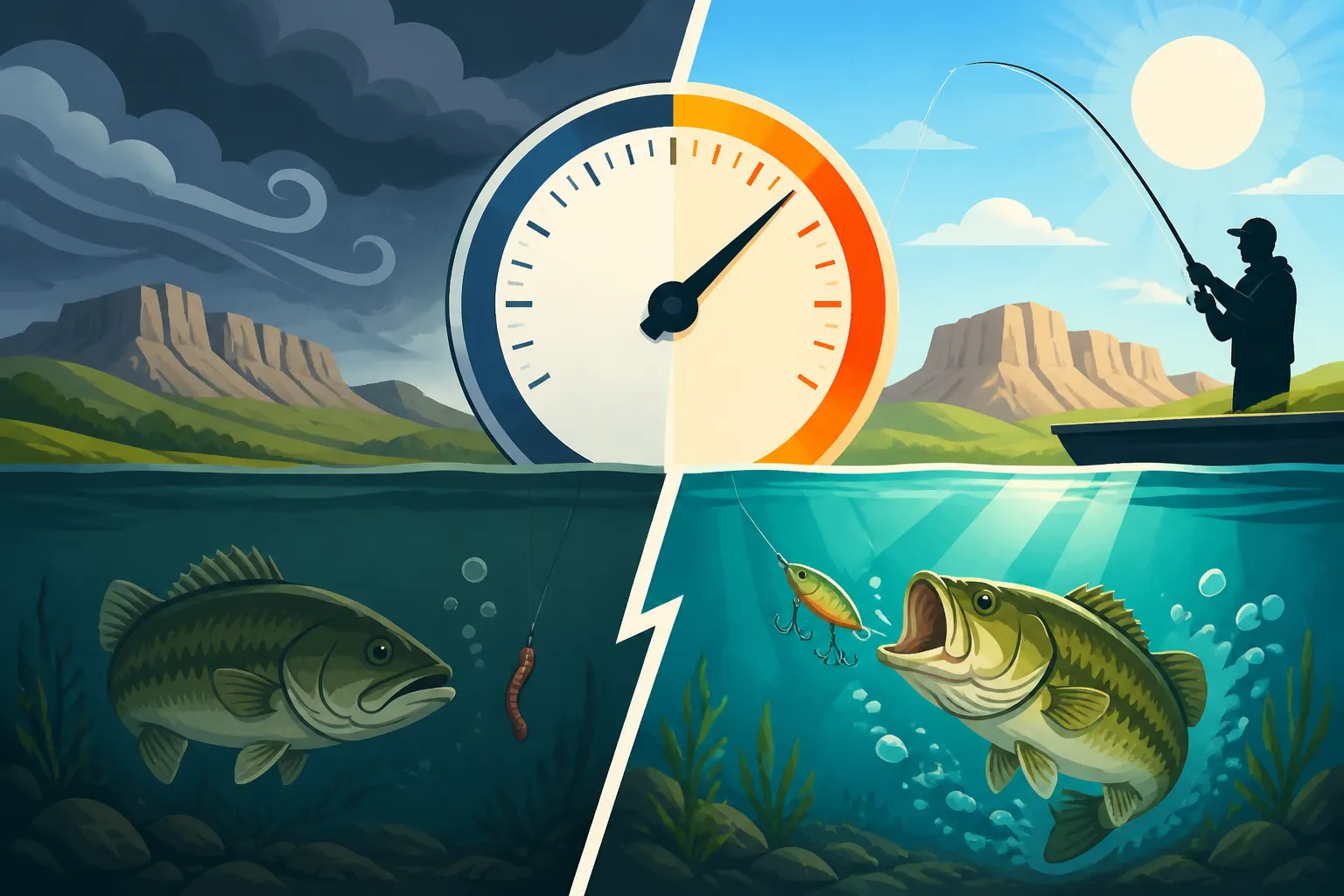
In high pressure, the water pushes harder on their bodies and swim bladders, compressing them. This might cause them to seek deeper water for relief, or it could simply make them feel uncomfortable and less inclined to feed actively. Conversely, during low pressure, the external pressure lessens, allowing their swim bladders to expand slightly. This expansion can cause discomfort or even affect their ability to maintain depth. Because fish are constantly trying to equalize this pressure, their feeding patterns, depth, and overall activity can be dramatically altered. This is why knowing about barometric pressure can be as crucial as understanding the South Dakota Fishing Seasons Explained.
High Pressure, Low Pressure, and Everything In Between
Now that we know what barometric pressure is and how fish sense it, let's explore the typical fishing scenarios associated with different pressure patterns. It’s not just about "high" or "low"; it's about the change and stability that truly matters.
Stable High Pressure: The Ideal Scenario
When South Dakota experiences a period of stable high pressure, characterized by clear skies, light winds, and consistent weather for a few days, fishing often improves. The fish have had time to adjust to the consistent pressure. Their swim bladders are settled, and they generally feel more comfortable.
During these periods, fish tend to be more active and willing to chase bait. You'll often find them feeding in their typical haunts, and they might be more aggressive. This is when those classic patterns you've scouted really pay off. Think about those beautiful, calm days on Lake Oahe or Lake Sharpe; if the pressure has been high and steady for a bit, those are often fantastic times to be out there. You might even want to try some South Dakota Spring Walleye Fishing Techniques during these stable conditions.
Falling Pressure: The Pre-Front Bite
This is often considered the "golden hour" for many anglers. As a low-pressure system approaches, often bringing clouds, wind, and eventually rain or storms, the barometric pressure begins to fall. This falling pressure signals an impending change in weather, and fish seem to instinctively sense this.
During a period of falling pressure, especially before a significant storm rolls in, fish often go on a feeding frenzy. It’s as if they know bad weather is coming and they need to stock up. They become more active, moving into shallower water, and are much more inclined to strike. This is the time to really capitalize, employing aggressive tactics. If you're keeping an eye on the forecast, a falling barometer can give you a heads-up to hit the water, whether you're targeting walleye or smallmouth bass. This is when understanding Wind and Weather Fishing Tips becomes even more critical.
Low Pressure: The Post-Front Lull
Once a low-pressure system has moved in and passed, often leaving behind a cold front, the fishing can become incredibly tough. The pressure is low and often unstable, and the abrupt change can make fish feel disoriented and lethargic.
After a major weather front has blown through, especially a cold one, fish usually shut down. They often move to deeper water, become inactive, and are very reluctant to bite. Their swim bladders might be causing them discomfort, and their metabolism can slow down in cooler post-front water. Those bluebird, calm, sunny days immediately following a storm can be the hardest fishing days. They look beautiful, but the fish are just not having it. You'll often need to slow down your presentation considerably, using smaller baits or soft plastics fished painstakingly slow. Don't be surprised if the bite is virtually non-existent; it’s not you, it’s the barometer. This lull is common even in prime areas described in our Best Fishing Spots in South Dakota guide.
Rising Pressure: The Recovery
Following a low-pressure system, as the weather begins to stabilize and a high-pressure system starts to move back in, the barometric pressure will begin to rise. This is a period of recovery for the fish.
Initially, during the immediate rise, fish might still be somewhat sluggish as they adjust. However, as the pressure continues to rise and stabilize, they will gradually become more active again. It's a slow build-up to the stable high-pressure scenario. During this phase, you might find success by targeting transitional areas—depth changes, weed lines, or structure where fish might be staging as they move from deep-water hiding spots back to their feeding grounds. Patience is key during this period, and it might take a few days of steadily rising pressure before the bite really picks up.
Here’s a quick overview of how different pressure systems typically affect the bite:
| Barometric Pressure Trend | Associated Weather | Fish Activity | Recommended Tactics |
|---|---|---|---|
| Stable High Pressure | Clear, calm, sunny | High | Aggressive, usual spots, fast retrieves. |
| Falling Pressure | Approaching front, clouds, wind | Very High (Pre-Front Bite) | Aggressive, shallow, fast retrieves; capitalize quickly. |
| Low Pressure | Stormy, post-front cold front | Low | Slow down, deep water, subtle presentations. |
| Rising Pressure | Clearing after front, improving | Moderate | Patient, transitional areas, slowly picking up. |
Practical Angling Strategies for Barometric Pressure
Understanding barometric pressure isn't just academic; it's a powerful tool that can dramatically improve your success on the water. By knowing what to expect, you can adjust your techniques and gear to match the mood of the fish.
Gear and Tactics Adjustments
When the pressure is stable and high, and fish are active, you can confidently use your favorite power fishing techniques. Think fast-moving crankbaits, spinnerbaits, or even topwater lures. If you're after walleye on one of South Dakota's massive reservoirs like Lake Sharpe, don't be afraid to troll crankbaits at higher speeds or aggressively jig. However, when the pressure is low or falling after a front, you need to slow way down. This means smaller baits, lighter lines, and a much more subtle presentation.
Consider switching to finesse techniques: drop-shot rigs, Ned rigs, or a simple jig-and-minnow combo fished incredibly slowly on the bottom. Fish will often hug structure or lie close to the bottom, so getting your bait right in front of their face, without being too aggressive, is key. On a tough post-front day, even subtle changes can make a difference. Maybe try a fluorocarbon leader for less visibility, which you can easily find on Amazon. If you're struggling, check out our guide on Best Lures for South Dakota Walleye for versatile options that can work in various pressure conditions.
Monitoring the Forecast
The easiest way to incorporate barometric pressure into your fishing strategy is to simply pay attention to the weather forecast. Most good weather apps will include barometric pressure readings or at least indicators of rising or falling pressure. Look for trends. Is a big storm moving in? Plan to hit the water before it arrives. Is a cold front just passing? Prepare for a slower, more methodical day. You can even find portable weather stations on Amazon that give you real-time barometric pressure readings, which can be invaluable when you’re out on the water.
Beyond just the barometer, remember that pressure is often linked to other factors. A rapidly falling barometer usually means increasing winds, which can create current and chop, impacting fishing. Conversely, stable high pressure usually means calm, clear conditions. So, while barometric pressure is a huge piece of the puzzle, don't forget to factor in other elements like wind, cloud cover, and water temperature. For more insights, you might find our article on South Dakota Fishing Depth Charts by Season helpful for combining these environmental factors.
Other Factors to Consider Beyond Barometric Pressure
While barometric pressure is undeniably a significant influencer of fish behavior, it's never the only factor at play. Fishing success is a complex equation involving many variables. Overlooking these other elements, even with a perfect understanding of the barometer, can leave you scratching your head.
Water Temperature and Seasonality
Perhaps the most critical factor alongside barometric pressure is water temperature. Fish are cold-blooded, and their metabolism is directly tied to the water temperature. Optimal feeding windows often coincide with their preferred temperature ranges. In spring, as waters warm, fish move shallow to spawn, and they're often aggressive. In summer, they might retreat to deeper, cooler waters, even during favorable pressure.
Understanding seasonal patterns is paramount. A rising barometer might typically signal good fishing, but if it's the dead of winter and the water is frigid, even active fish will be sluggish. Conversely, a falling barometer in late spring during the pre-spawn can lead to explosive action. Our guide on Reading Water Temperature for Walleye provides excellent insights into this crucial aspect, helping you understand how temperature interacts with pressure. Remember, fishing in South Dakota is drastically different in July versus December, no matter what the barometer says! If you're gearing up for cold weather, a resource like our South Dakota Ice Fishing Guide will be essential reading.
Wind, Moon, and Time of Day
Think of the total environment. Wind can create current, push baitfish, and oxygenate the water, often stimulating a bite even when the pressure isn't ideal. Overcast days, often associated with lower pressure, can provide cover for fish, making them bolder and more likely to feed throughout the day, rather than just at dawn and dusk. The moon phase, while often debated, is another element many anglers swear by, with full and new moons sometimes triggering feeding sprees. You can delve deeper into this topic with our piece on Fishing Moon Phase Tips for Walleye.
Even the time of day plays a role. Early morning and late evening are universally known as prime feeding times for many species, regardless of pressure, as light levels are lower. All these factors interlace. A perfect barometric pressure might be negated by extremely bright sun and no wind, while a less-than-ideal pressure might be overcome by a strong chop and a pre-dawn bite window. The best anglers in South Dakota, from the glacial lakes to the Black Hills, learn to observe all these cues and adjust their approach accordingly. Grabbing a good fishing logbook from Amazon can help you track these variables and spot patterns over time.
Disclaimer
This article is for general informational purposes only and does not constitute professional advice. Laws, prices and regulations vary by location and change over time. Consult a qualified professional for guidance on your specific situation.