Reading Water Temperature for Walleye
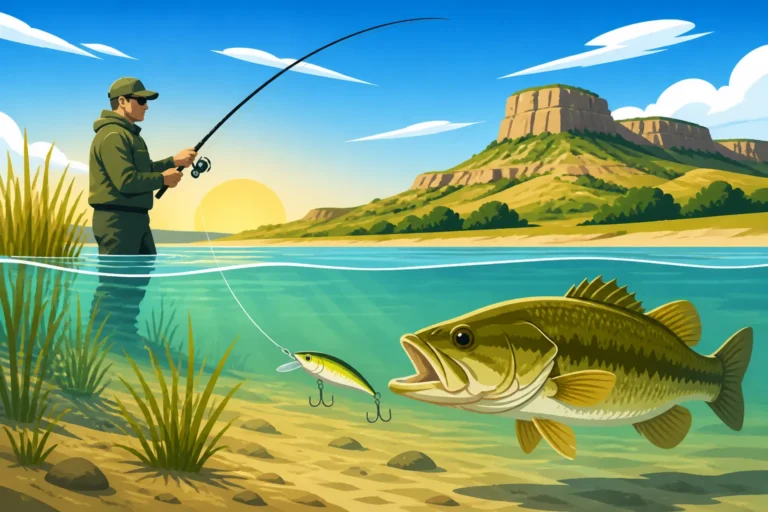
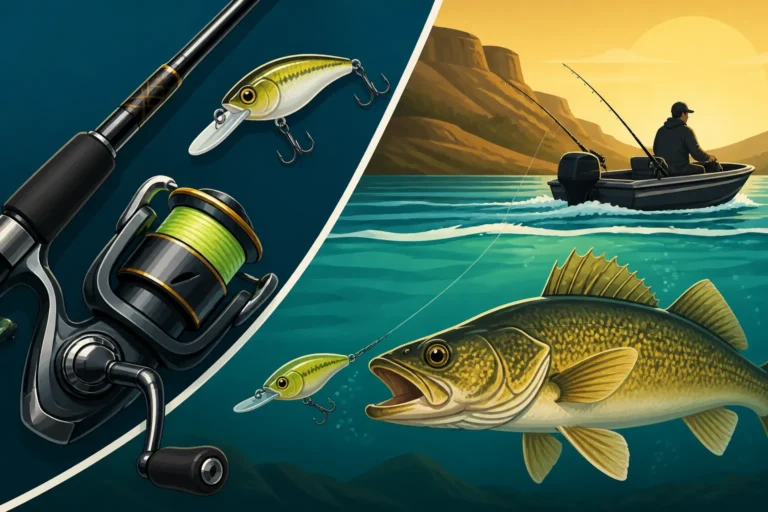
There's nothing quite as frustrating as heading out to your favorite South Dakota walleye spot, full of hope, only to come back empty-handed. We've all been there, scratching our heads, wondering what we missed. Often, the silent culprit behind a tough bite isn't your lure choice or casting technique, but something far more fundamental: the water temperature. This guide is dedicated to pulling back the curtain on how water temperature dramatically influences walleye behavior, equipping you with the knowledge to consistently find and catch these sought-after fish across our diverse waters.
The Undeniable Link Between Water Temperature and Walleye Behavior
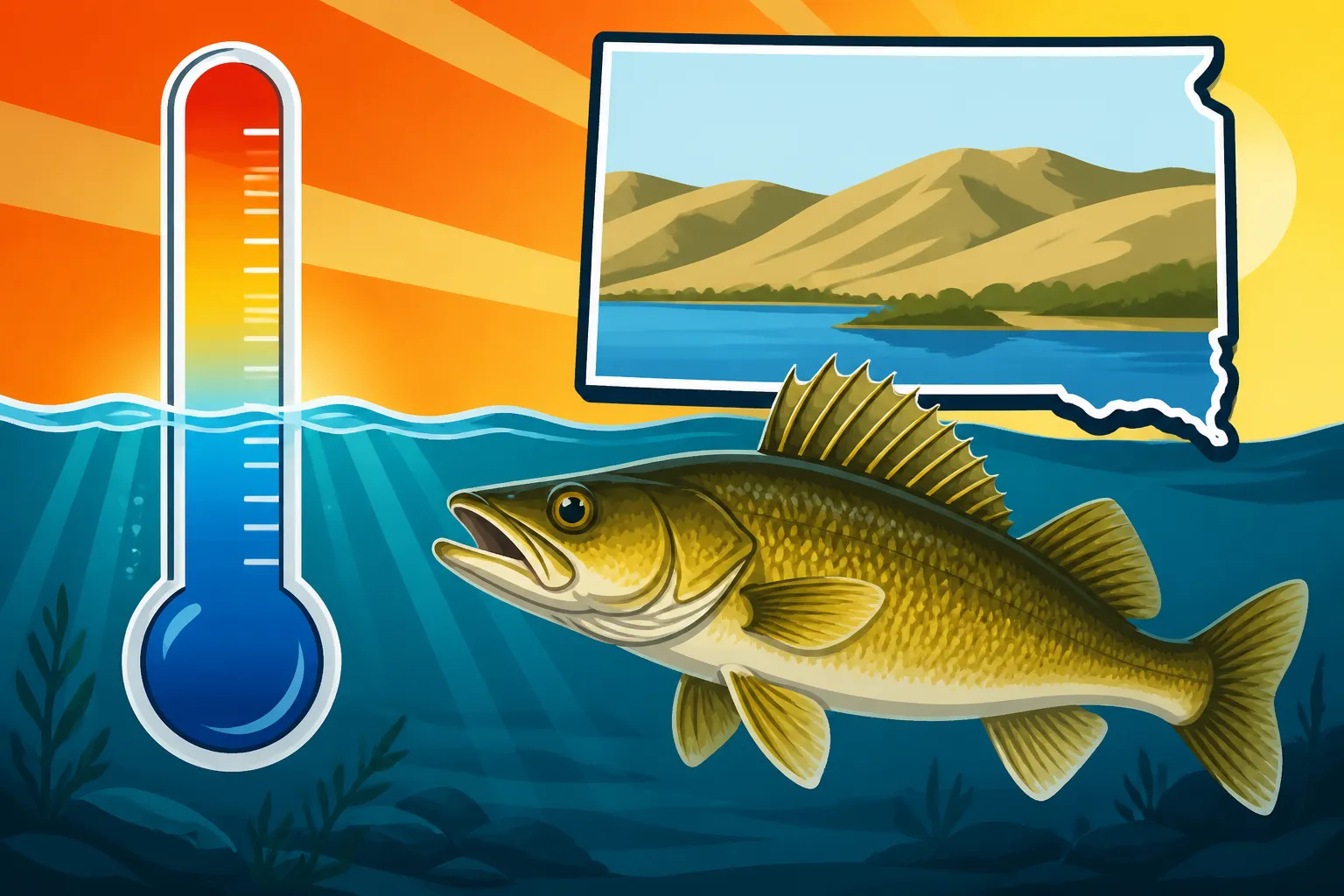
Walleye are cold-blooded creatures, which means their body temperature is directly tied to the temperature of the water around them. This fundamental biological truth dictates nearly every aspect of their lives, from how fast they digest food to their willingness to chase a lure. Ignoring water temperature is like trying to navigate the Missouri River without a map – you might get lucky, but you're probably going to get lost.
Walleye Metabolism and Activity Levels
Think of it like this: a walleye's metabolism is its internal engine. In colder water, that engine idles slowly. Their digestion slows down significantly, their energy levels drop, and they become less active. They'll often hold tight to structure, conserving energy, and won't exert much effort to chase down a meal. This is why a slow, subtle presentation is often key in colder conditions. Conversely, as water temperatures rise into their preferred range, their metabolism speeds up. They need to eat more frequently to sustain their energy, becoming much more active, aggressive, and willing to pursue prey. Understanding this metabolic shift is the first step to unlocking their seasonal patterns.
However, there's a limit. Too warm, and it becomes stressful. Walleye will seek out cooler, deeper water, or areas with springs and current to find respite. Stress reduces their appetite and can make them lethargic, despite high metabolic rates. It's a delicate balance, and finding that "Goldilocks zone" is what separates good anglers from great ones. Knowing What Water Temperature Walleye Prefer? is absolutely critical.
How Temperature Influences Baitfish Movement
Walleyes are apex predators in many South Dakota ecosystems, and where their food goes, they follow. Baitfish, like shiners, smelt, and shad, are also cold-blooded, and their preferred temperature ranges can differ from walleyes. As water temperatures change with the seasons, these forage species migrate. In spring, warming shallow waters draw in baitfish, creating feeding opportunities for walleyes. In summer, schools of baitfish might suspend in the thermocline, or hug cool, oxygenated deep structures.
For example, on large bodies of water like Lake Oahe or Lake Sharpe, the vast schools of Cisco and Rainbow Smelt that walleyes feast on will move vertically and horizontally throughout the water column based on temperature and oxygen levels. If you're marking huge schools of baitfish on your fish finder, but no walleye, it might be because the water temperature in that specific depth is slightly off for the walleyes, even if it's perfect for the bait. Observing how and where baitfish are congregating is a massive clue to finding the walleye.
Seasonal Temperature Dynamics and Walleye Hotspots
South Dakota experiences dramatic seasonal changes, and with them, significant fluctuations in water temperature. Each season presents a unique challenge and opportunity for walleye anglers, and tailoring your approach to these thermal shifts is paramount.
Spring Spawning and Post-Spawn Recovery
Ah, spring! The air warms, ice melts (usually), and walleye instincts turn to one thing: procreation. The magical temperature range for walleye spawning typically falls between 42-50°F (5.5-10°C). During the pre-spawn, as water temperatures slowly climb into the upper 30s and low 40s, walleyes will stage in deeper areas adjacent to spawning grounds, bulking up on protein before the big event. They'll be relatively sluggish but hungry.
Once the water hits that prime spawning window, walleyes will move onto shallow, rocky reefs, gravel beds, or even rip-rap shorelines, typically at night. The actual spawn is a busy, stressful time, and while they might strike a lure out of aggression, feeding isn't their primary focus. After the spawn, as temperatures push into the low to mid-50s, walleyes enter a post-spawn recovery phase. They're often exhausted and move to slightly deeper, protected areas to recuperate. This can be a tricky bite, requiring finesse and patience, but knowing where they likely move for recovery is a huge advantage for South Dakota Spring Walleye Fishing Techniques.
Summer Stratification and Deep Water Haunts
As the sun beats down and summer progresses, many South Dakota lakes and reservoirs, especially deeper ones like those on the Missouri River system, experience thermal stratification. This means the water column divides into distinct temperature layers:
- Epilimnion: The warm upper layer, rich in oxygen.
- Thermocline: The middle layer where temperature rapidly changes with depth. This is often where baitfish and walleyes will congregate, seeking that optimal temperature and oxygen balance.
- Hypolimnion: The cold, deep bottom layer. In some lakes, this layer can become low in oxygen (anoxic) and fish will avoid it.
Walleyes, especially larger ones, will often seek refuge in or near the thermocline, typically where temperatures are in the mid-60s to low 70s. This provides them with cooler, more comfortable water and often coincides with abundant baitfish. Understanding How to Read a Fish Finder for Walleye to locate this invisible barrier is critical for summer success. They might move shallower during low light conditions to feed, but during the bright sun of day, expect them to be deeper. This pattern is key for South Dakota Summer Walleye Fishing Techniques.
Fall Turnover and the Feeding Frenzy
Autumn brings cooling air temperatures, which in turn cools the surface water. Eventually, this cooler, denser surface water sinks, mixing with the deeper, warmer water. This event, known as "turnover," can temporarily disrupt fishing as the entire water column homogenizes in temperature and oxygen. It usually happens when surface temperatures drop into the low to mid-50s.
After turnover, as the water continues to cool and settle, walleyes often enter a fantastic feeding frenzy, trying to pack on calories for the long winter ahead. Temperatures in the low 50s to mid-40s often trigger this aggressive bite. Walleyes will be found shallower than in summer, chasing schools of baitfish that are also moving into shallower bays and flats. This is a prime time for trophy walleye, and mastering South Dakota Fall Walleye Fishing Techniques can yield incredible results.
Winter's Chill and Ice Fishing Locales
When South Dakota truly embraces winter, and the lakes freeze over, the water column once again stratifies, but in reverse. The coldest water (around 32°F / 0°C) is at the surface (under the ice), and the warmest (around 39°F / 4°C) is at the bottom. Walleyes, while still active, become much more lethargic. Their metabolism slows dramatically.
During ice fishing season, walleyes will often relate to deep structure, points, and humps, but their movements are much more localized. They might suspend just above the bottom or hold tight to cover. Finding that slightly warmer, more stable water, even if it's only a degree or two difference, can be key to success. This usually means fishing deeper breaks or areas with subtle current. Patience and a slow, vertical presentation are paramount for Winter Walleye Fishing Techniques. For those venturing out, our South Dakota Ice Fishing Guide offers comprehensive advice.
Essential Tools for Measuring Water Temperature
You can't effectively use water temperature to your advantage if you don't know what it is! Fortunately, there are several reliable ways to get accurate readings.
Using Handheld Digital Thermometers
The simplest and often most accurate way to get surface water temperatures is with a handheld digital thermometer. Many fishing-specific models are available on platforms like Amazon, and they're relatively inexpensive. These are fantastic for checking conditions in different areas of a lake, especially in shallower waters or bays where you suspect temperature differences. You simply dip the probe into the water for a few seconds, and you get an instant reading.
For bank anglers or those wading, a simple, clip-on thermometer can provide valuable surface readings. While they won't tell you what's happening at 20 feet, they're excellent for identifying warm pockets in shallow bays or tracking general trends in your fishing area. It's a fundamental piece of gear that every serious walleye angler should have in their tackle box.
Harnessing Your Fish Finder's Temperature Readings
Most modern fish finders and chartplotters, especially those from brands like Lowrance, Humminbird, or Garmin, come equipped with a temperature sensor built into the transducer. This is an invaluable tool, as it provides real-time surface water temperature readings right on your screen. More advanced units can even display a graph of temperature changes with depth, helping you pinpoint the thermocline in deeper water.
While a fish finder's surface temperature reading is accurate for the water around your transducer, remember that it's surface temperature. To get readings at various depths, you'll need to pay attention to your unit's display as you move and change depths, or rely on its graphing capabilities if available. This data, combined with bottom contours and baitfish readings, paints a comprehensive picture of what's happening beneath your boat, allowing you to fine-tune your approach for Trolling for Walleye on Lake Oahe or Jigging Techniques for Missouri River Walleye.
Decoding Temperature Zones and Habitat Selection
Once you have the ability to measure water temperature, the next step is learning how to interpret those readings and apply them to where walleyes are likely holding. It's all about understanding thermal comfort zones and how they interact with structure and cover.
Identifying Thermal Breaks and Transitional Zones
A "thermal break" is simply an area where there's a noticeable, often abrupt, change in water temperature. These can be gold mines for walleye. They occur in several scenarios:
- Inflows: Rivers or streams feeding into a lake can introduce warmer or colder water, creating distinct thermal plumes.
- Shallow vs. Deep: The transition from a warm, shallow flat to a cooler, deep breakline creates a thermal break that walleyes will patrol.
- Springs: Underwater springs can pump colder water into an otherwise warm area, creating localized cool zones that attract fish during hot weather.
- Current: Moving water, like in the Missouri River system, can create temperature differentials as warmer, slower water meets cooler, faster currents.
Walleyes are often found near these breaks, not necessarily in the extreme temperature itself, but in the comfortable "transition zone" where they can easily move into different temperatures to feed or rest. For example, during a hot summer day, walleyes might hold just on the edge of a cool spring's plume, darting out into warmer water to ambush baitfish. Keep an eye on your fish finder for these subtle changes, as they can be subtle clues to active fish.
Temperature's Role in Vertical and Horizontal Movement
Walleyes aren't just moving to different depths because of light or pressure; temperature plays an enormous role in their vertical and horizontal migrations. In summer, if surface temps climb into the high 70s or 80s, walleyes will migrate vertically, suspending in the cooler, oxygen-rich thermocline, often over deep water. This is why targeting suspended fish with crankbaits or snap-jigging can be so effective in summer.
Conversely, during cooler periods like early spring or late fall, walleyes will move horizontally, often into shallower bays, flats, or rocky points that absorb and radiate more heat. These areas warm up faster in the spring sun, drawing in baitfish and hungry walleyes. Knowing that walleyes will seek out these thermally advantageous areas helps you narrow down vast amounts of water and focus your efforts on high-percentage locations. A good knowledge of South Dakota Fishing Season Dates and Limits will also factor into these movements.
Adapting Your Fishing Strategy to Water Temperature
Understanding water temperature is only half the battle; the real magic happens when you adapt your fishing techniques to what those temperatures tell you. This involves everything from how you present your lure to where you drop your anchor.
Adjusting Lure Selection and Presentation Speed
The rule of thumb is simple: colder water means slower presentations, warmer water allows for faster, more aggressive tactics.
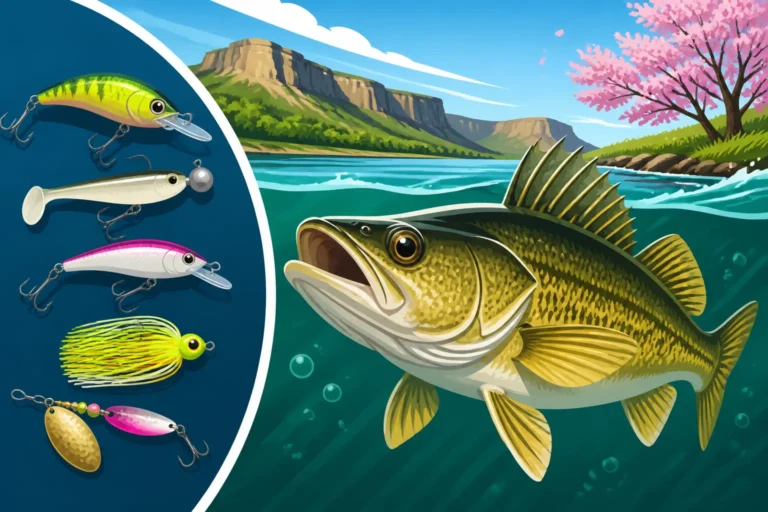
- Cold Water (Below 50°F / 10°C): Walleye metabolism is slow. Think subtle. Jigs tipped with live minnows or soft plastics, fished extremely slowly, often with long pauses, are very effective. Small crankbaits with a tight wobble, trolled at crawling speeds, can also work. The fish aren't going to chase much, so you need to put the bait right in front of them and give them time to react. Consider smaller profile baits.
- Moderate Water (50-65°F / 10-18°C): This is often a prime feeding window. Walleyes are active but not overly stressed. You can experiment with a wider range of lures: crankbaits, spinner rigs, jigging raps, and larger plastics. Vary your retrieve speed. Trolling faster, or jigging with more aggressive snaps, becomes more effective. This is often the best time for a variety of Best Lures for South Dakota Walleye.
- Warm Water (Above 65°F / 18°C): Walleyes are active, but can also be stressed if temperatures get too high. They might be in deeper, cooler water. Faster presentations with deep-diving crankbaits or vertical jigging with heavier jigs to get down quickly can be key. During low light, they might move shallower to chase faster-moving topwater or shallow-running baits. Remember that overly stressed fish might require a more neutral presentation, even in warm water, as they conserve energy.
A great way to approach this is to start with a slower presentation and gradually increase your speed until you find what the fish prefer on that particular day, in that specific temperature. For instance, if you're How to Catch Walleye at Night in Summer, a faster retrieve might be just the ticket in low light, even if they're sluggish during the day.
Pinpointing Prime Locations Based on Thermal Preferences
Knowing the optimal temperature range for active walleye allows you to logically deduce where they should be.
- Early Spring: Look for the warmest water you can find. Shallow, dark-bottomed bays, the north side of lakes (which get more sun exposure), and areas with warm inflows will heat up first. These are often the first places you'll find active fish before the general lake temperature rises.
- Late Spring/Early Summer: As the lake warms, walleyes transition to main lake points, reefs, and structure adjacent to spawning areas. They'll also follow baitfish into main lake basins, often suspended above deeper water if the surface heats up quickly.
- Mid-Summer: Deeper is generally better. Focus on the thermocline (if present), deep humps, points that extend into deep water, and areas with current or cool springs. Walleyes will be looking for thermal refuge. Your fish finder is essential here for identifying the Water Depth Where Walleye Feed on Lake Oahe in July.
- Fall: After turnover, walleyes will be more spread out but will often follow baitfish back into shallower main lake areas, large flats, and extensive points. They are actively feeding, so broad searches with trolling or casting can be very effective.
- Winter (Ice Fishing): Walleyes congregate on deeper structure like main lake points, sunken islands, and basin edges. Look for subtle depth changes where they can ambush prey without expending too much energy. A precise approach is key when you're targeting Where Walleye Go in Winter.
By systematically using your thermometer or fish finder to find those preferred temperature bands, and then layering that information with knowledge of structure and baitfish, you'll dramatically increase your chances of finding active walleye. Always remember that the best fishing gear, even from Amazon, is only as good as the angler operating it, and understanding water temperature gives you a massive tactical advantage.
| Season | Optimal Walleye Temp Range (F) | Typical Depth & Behavior | Recommended Presentation Speed | Key Locations |
|---|---|---|---|---|
| Early Spring | 42-50°F (Pre-spawn/Spawn) | Staging in deeper areas near spawning grounds; then onto shallow rock/gravel. | Very Slow to Slow | Shallow bays, rocky points, river mouths, darker bottom areas |
| Late Spring | 50-60°F (Post-spawn) | Moving to main lake structure, breaks, and recovering from spawn. | Slow to Moderate | Main lake points, reefs, breaklines, weed edges |
| Summer | 60-72°F | Deeper water, often in or near the thermocline; suspended or tight to deep structure. | Moderate to Fast | Deep humps, main lake basins, river channels, cool springs |
| Fall | 45-55°F (Post-turnover) | Following baitfish into shallower flats, points, and structural elements. | Moderate to Fast | Large flats, extensive points, main lake reefs, channels |
| Winter | 32-40°F | Deeper basin edges, humps, points; often hugging bottom or suspending just above. | Very Slow | Deep structure, current seams (if applicable), basin edges |
Ultimately, becoming proficient at reading water temperature for walleye is about adding another powerful layer to your angling intuition. It's not just about finding any fish, but about finding active fish. The more you pay attention to the thermometer, the more you'll understand why some days are hot and others are not, and how to turn those "not" days into "got" days.
Disclaimer
Fishing conditions and regulations in South Dakota can change. Always consult the latest South Dakota Game, Fish and Parks (GFP) regulations before heading out. This guide provides general information and recommendations based on common angling practices and biological understanding.