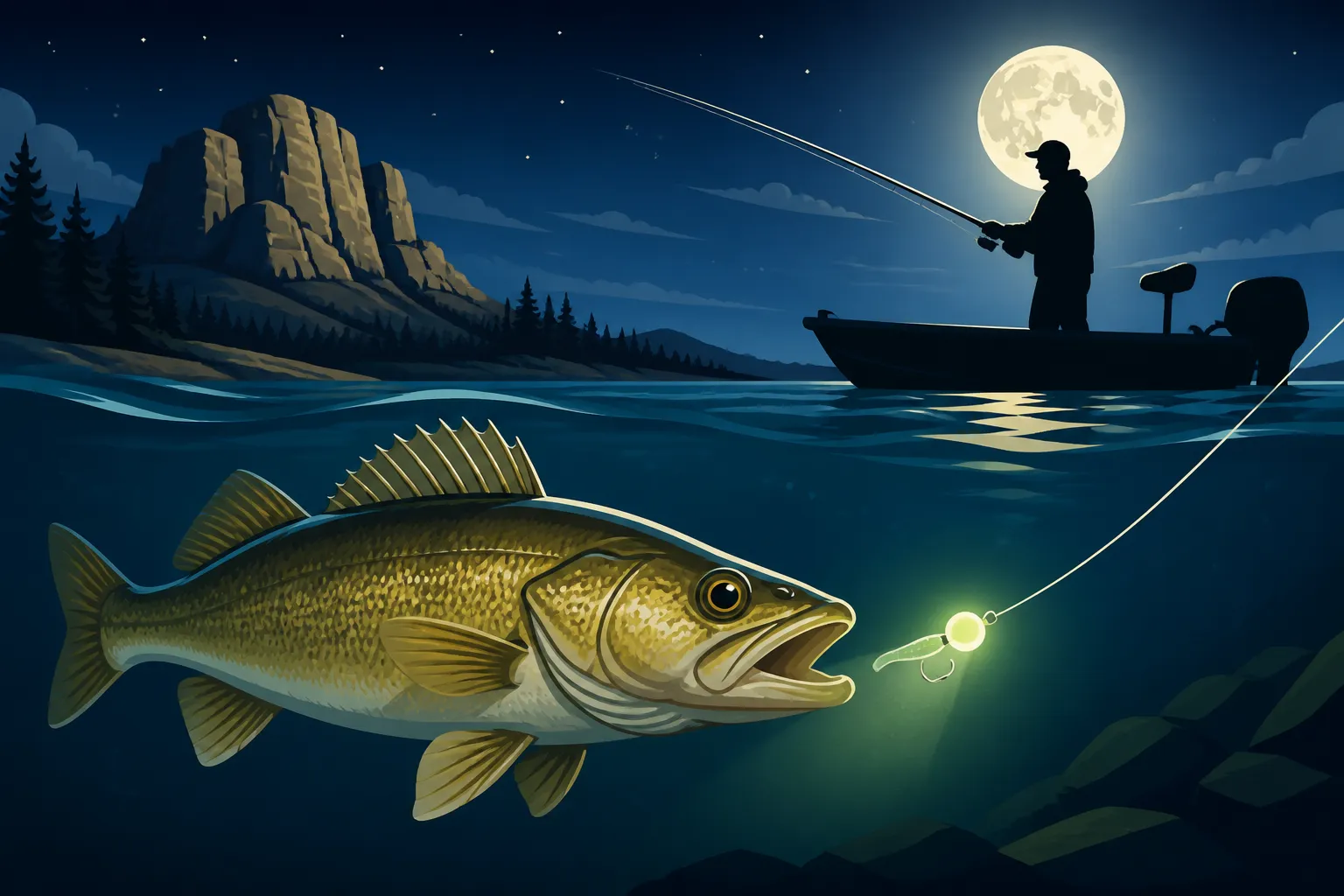
How to Catch Walleye at Night in Summer
Oh, the summer walleye bite! It can be an absolute dream or a total head-scratcher, especially during the bright, scorching days when those elusive fish seem to vanish into thin air. Many anglers, myself included, have spent countless hours baking under the South Dakota sun, wondering where all the walleye went, only to find them completely shut down. If you've ever felt that frustration, know you're not alone. But what if I told you the solution might be to simply wait for the sun to set? This comprehensive guide is all about demystifying summer night fishing for walleye in South Dakota, helping you turn those daytime struggles into epic nighttime catches.
Understanding Walleye Behavior at Night in Summer
When the sun dips below the horizon and the world quiets down, a whole new fishing game begins, especially for walleye. It's like flipping a switch for them, and understanding why this happens is your first step to consistent success.
Why Walleye Become More Active After Dark
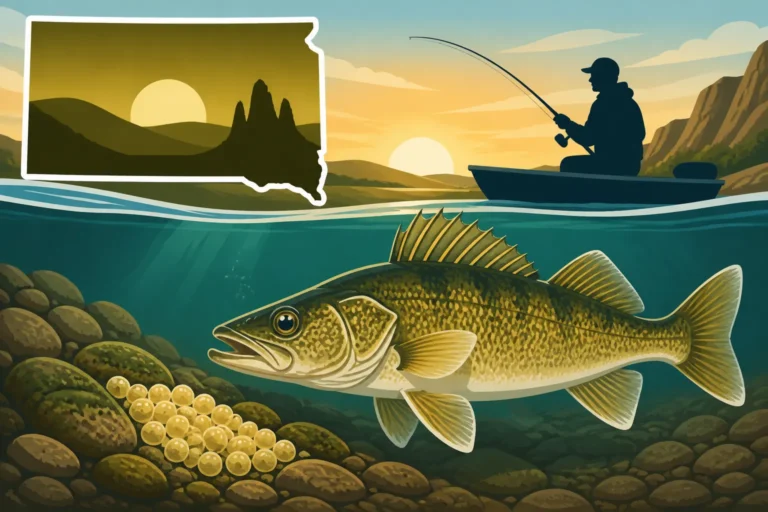
Walleye are incredibly light-sensitive fish. Their large eyes have a tapetum lucidum, a reflective layer behind the retina that enhances their vision in low light conditions. Think of it like built-in night vision goggles! During the bright light of a summer day, especially in the clear waters of our Missouri River reservoirs like Lake Oahe or Lake Sharpe, walleye often retreat to deeper, cooler, and darker waters to protect their sensitive eyes. They become less active, conserving energy, making them notoriously hard to tempt with a lure.
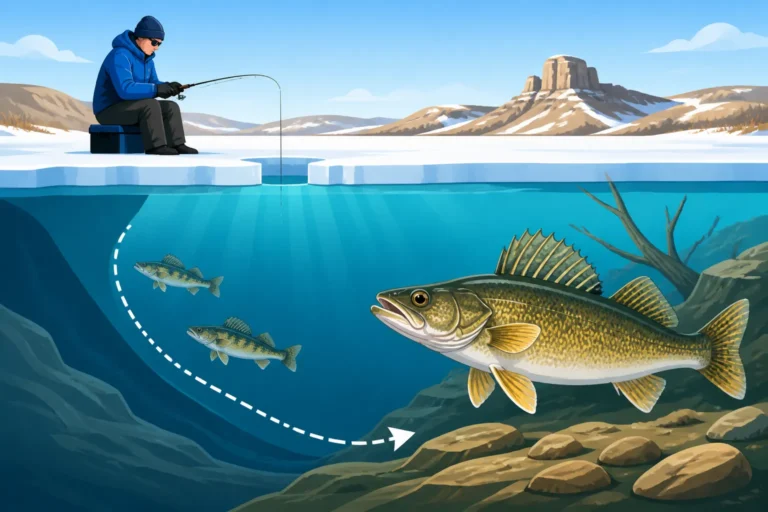
However, as dusk settles and darkness takes over, this advantage flips. The walleye's superior low-light vision allows them to hunt effectively while many of their prey species, like various baitfish, become disoriented or less hidden in the gloom. The water also cools slightly, and oxygen levels can become more favorable in shallower areas, prompting a mass migration of baitfish from deeper sanctuaries towards the shallows to feed on plankton. This movement of forage, combined with the walleye's nocturnal visual advantage, means they'll follow the food into those shallower, often overlooked areas, becoming aggressive and much easier to catch.
Key Locations to Target After Sunset
Knowing when walleye are active is only half the battle; knowing where to find them is the other. At night, your focus should shift dramatically from deep-water haunts to shallower structure, often just 5 to 15 feet deep, sometimes even less.
Shallow Flats: These are prime nighttime feeding grounds, especially if they have some sort of transition – a slight depth change, a scattering of rocks, or the edge of a weed bed. Walleye will cruise these flats, herding baitfish against the bottom or edges. On Lake Francis Case, for example, long, tapering points that extend into shallow flats can be absolute gold mines after dark. Look for areas with a consistent depth that baitfish might school over.
Points and Humps: These structures act as natural highways and ambush points for walleye moving from deeper water to shallow feeding grounds. A point that drops off into deeper water during the day will often have walleye sitting on its crest or along its sides at night, waiting for an easy meal. Submerged humps, especially those topping out around 10-15 feet, are also excellent targets. They concentrate baitfish and provide perfect ambush cover. Pay attention to any rock piles or broken bottom found on these structures, as they offer additional hiding spots.
Weed Lines and Rocky Shorelines: While the Missouri River reservoirs might not have extensive weed beds, natural lakes in Eastern South Dakota like Lake Kampeska or Lake Poinsett certainly do. Walleye love to patrol the outer edges of these weed lines at night, picking off baitfish that are foraging within the weeds. Similarly, rocky shorelines or riprap banks, common along many South Dakota waters, absorb heat during the day and release it at night, attracting baitfish and, consequently, walleye. These areas also offer abundant crayfish, a favorite walleye snack.
Essential Gear and Bait for Summer Night Walleye Fishing
Just as you wouldn't head out during the day without the right setup, night fishing requires some specialized gear and bait choices to maximize your success and ensure safety. A little preparation goes a long way when the sun isn't guiding your way.
Rods, Reels, and Line Considerations
For night walleye fishing, sensitivity is paramount. You often won't see the subtle strikes in the dark, so you need to feel everything. A medium-light to medium power spinning rod, typically 6'6" to 7'6" in length, with a fast or extra-fast action tip is ideal. This combination gives you the backbone to set the hook and fight a good fish, while the sensitive tip telegraphs those soft bites that might otherwise go unnoticed. Brands like St. Croix, Fenwick, or even some of the Abu Garcia Veritas series offer excellent sensitivity.
Pair your rod with a reliable spinning reel in the 2000-3000 size range, spooled with a good quality line. Braided line, like PowerPro or Berkley X9, in the 8-15 pound test range, is an excellent choice for its zero-stretch and incredible sensitivity. Since braid is highly visible, always add a 6-10 foot leader of 8-10 pound fluorocarbon. Fluorocarbon is nearly invisible underwater and offers excellent abrasion resistance against rocks or walleye teeth. If you prefer monofilament, a clear or low-vis green 8-10 pound test monofilament can also work well, offering a bit more stretch which can sometimes be forgiving with aggressive night strikes. You can find a wide array of these fishing essentials on Amazon, making it easy to gear up for your next outing.
Top Lures and Baits for Nighttime Success
When it comes to lures and bait after dark, remember that walleye are relying heavily on their lateral line to detect vibrations and their superior low-light vision to pick out silhouettes.
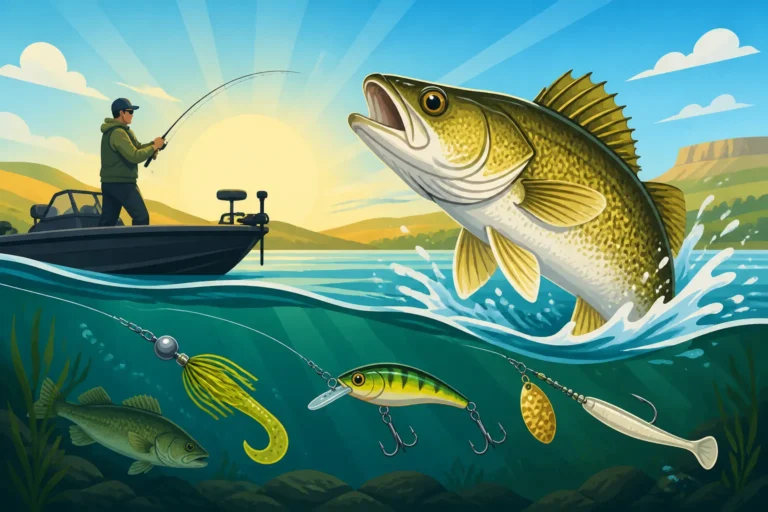
Crankbaits and Stickbaits: These are often the kings of night fishing. Shallow-running crankbaits and stickbaits that dive 5-15 feet are perfect for targeting those shallow flats and points. Look for models with rattles (like a Rapala Shad Rap or a Berkley Flicker Shad) to create additional vibration that walleye can home in on. Color choice can be tricky: while many anglers swear by dark colors (black, purple, blue) to create a strong silhouette against the moonlit sky, some success can be had with glow-in-the-dark or UV-enhanced lures that charge with a flashlight. Experiment with retrieve speeds; a slow, steady retrieve often works best, mimicking a cruising baitfish.
Jigs with Plastics or Live Bait: Jigs remain a timeless walleye catcher. For night fishing, a 1/8 to 1/4 ounce jig head, tipped with a paddle-tail swimbait, grub, or a scent-infused plastic like a Berkley Gulp! minnow, can be incredibly effective. White, black, and chartreuse are popular nighttime plastic colors. However, nothing beats live bait in many situations. A jig tipped with a lively shiner minnow, a plump nightcrawler, or a wriggling leech can be irresistible. The natural scent and movement are powerful attractants in the dark.
Spinner Rigs and Bottom Bouncers: When trolling slowly, a spinner rig adorned with a nightcrawler or leech is a classic choice. The blade creates flash and vibration, while the live bait adds scent and natural action. For deeper breaks or when walleye are hugging the bottom on a hump, a bottom bouncer with a crawler harness can be highly effective. The weight keeps your bait in the strike zone, and the crawler's scent trail is a strong draw.
Crucial Night Fishing Accessories
Beyond your rod and reel, a few critical accessories are absolute must-haves for a safe and successful night fishing trip.
Headlamps with Red Light Option: A good headlamp is non-negotiable for tying knots, rigging bait, and navigating in the dark. Crucially, choose one with a red light setting. Red light preserves your night vision and is far less disruptive to the fish than a bright white beam. Shining a white light directly onto the water can spook walleye. Many reliable options are available on Amazon that offer both white and red light modes.
Bug Repellent: Summer nights in South Dakota can bring out the mosquitoes and other biting insects in full force. Don't let them ruin your trip! Pack plenty of effective bug spray.
Navigation Lights and PFDs: If you're fishing from a boat, ensure all your navigation lights are fully functional and properly displayed. Visibility is severely reduced at night, making safety paramount. Always have enough U.S. Coast Guard-approved personal flotation devices (PFDs) for everyone on board, and consider wearing yours at all times. Even if you're a strong swimmer, a sudden fall overboard in the dark can be disorienting and dangerous. This ties directly into understanding the critical South Dakota Boat Safety Requirements.
Other Essentials: A dependable anchor, a quality landing net, a first-aid kit, and a fully charged cell phone are also vital. Don't forget snacks and plenty of water!
Proven Techniques for Catching Night Walleye
Now that you're geared up and understand walleye behavior, let's dive into the most effective ways to present your baits and lures to those hungry nocturnal feeders.
Shallow Water Trolling Strategies
Trolling is a highly effective way to cover water and find active walleye at night, especially over expansive shallow flats or along contours of points. The key is to run your lures in the 5 to 15-foot depth range, often much shallower than you would during the day.
Speed and Depth: Maintain a very slow trolling speed, typically between 0.8 to 1.5 mph. This slow pace gives walleye ample time to react to your lure's vibration and allows them to track it in low light. For depth control, use shallow-diving crankbaits or stickbaits, often without additional weight. If your lures aren't getting deep enough, consider using a small trolling sinker or even a very light bottom bouncer ahead of your lure. Understanding How to Troll Crankbaits for Walleye can significantly improve your success here.
Utilizing Planer Boards: In South Dakota's larger waters, like the expansive bays of Lake Oahe, planer boards can be invaluable for spreading out your lines and presenting lures away from the boat's disturbance. This is particularly effective when walleye are spooky in clear, shallow water. The boards carry your lines out to the side, allowing you to cover a wider swath of water with multiple lures at varying depths. This is a common tactic when targeting Lake Oahe Walleye Hotspots Near Mobridge after dark.
Casting and Jigging Near Structure
For more precise presentations or when fishing smaller, defined areas, casting and jigging are excellent choices. This method shines when you've identified specific points, humps, or weed edges where walleye are actively feeding.
Casting Stickbaits and Shallow Crankbaits: Position your boat slightly off the structure you intend to fish. Cast parallel to a weed line or riprap bank, or fan-cast across a point. Let your stickbait or shallow crankbait pause briefly after splashdown, then begin a slow, steady retrieve. The retrieve can be straight, or you can add occasional twitches or pauses to mimic a struggling baitfish. The strikes often come on the pause. Remember, these lures are designed to create a strong profile and vibration, making them easy targets for a walleye in the dark.
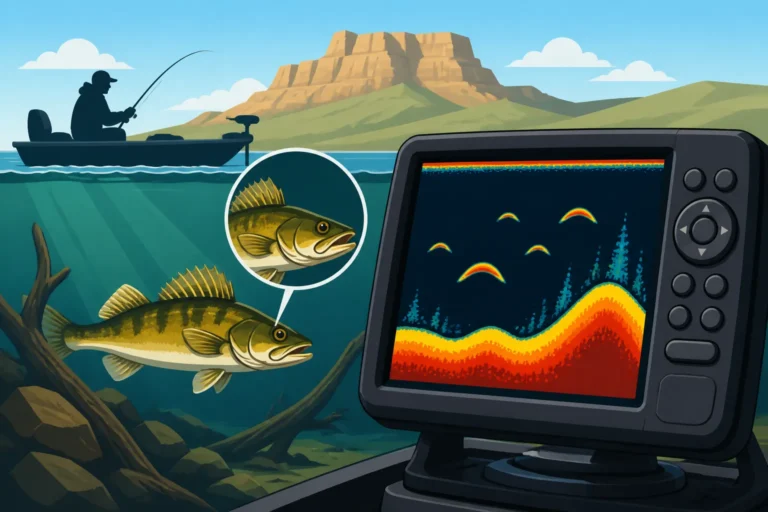
Jigging Live Bait or Plastics: When walleye are holding tight to a specific piece of structure, or if they're less aggressive, jigging can be deadly. Use a 1/8 to 1/4 ounce jig head tipped with a minnow, leech, or nightcrawler. Cast your jig out and allow it to sink to the bottom. Once there, use a subtle lift-and-drop retrieve, barely lifting the jig off the bottom and letting it fall back down. Most strikes will feel like a slight "tick" or simply added weight as you lift. For plastic baits, a slightly more aggressive snap-jigging motion can sometimes trigger strikes, especially with active fish. A good fish finder can help you pinpoint these structures and fish. Knowing How to Read a Fish Finder for Walleye is crucial even at night to confirm depth and structure.
Live Bait Rigging for Suspended Fish
Sometimes walleye aren't hugging the bottom but are suspended in the water column, often following schools of baitfish. In these scenarios, live bait presented naturally can be the ticket.
Slip Bobber Rigs: This is an incredibly effective technique for presenting live bait at a precise depth over specific structure or where you've marked suspended fish. Set your slip bobber stop to position your minnow, leech, or nightcrawler just above the depth where you're marking fish or anticipate them feeding. Cast it out, and let the live bait do the work. The bobber will "slip" down the line until it hits the bobber stop, suspending your bait perfectly. This method is quiet and non-intrusive, perfect for spooky walleye in calm night conditions. It's also fantastic for fishing from shore or anchored boats in areas like the tailwaters of the Missouri River below Oahe Dam, which are known for active walleye.
Bottom Bouncers and Lindy Rigs: While often thought of as daytime tactics, a slow-trolled bottom bouncer with a crawler harness can still entice night walleye, especially if they are slightly deeper on a break or hump. The key is slow speed and maintaining bottom contact. A Lindy Rig, which consists of a walking sinker, a swivel, a leader, and a hook, allows for an even more natural presentation of live bait. The weight keeps your bait down, but the long leader lets your minnow or crawler swim freely, making it irresistible to a walleye slowly cruising by. This technique is particularly strong in currents found in areas like the South Dakota Missouri River Fishing Techniques might involve.
Safety and Best Practices for Night Fishing
Fishing after dark carries unique challenges and risks that you need to be aware of. Your safety, and the safety of those with you, should always be the top priority.
Navigating in the Dark
Boating at night can be incredibly disorienting. What looks familiar in daylight can become a maze of shadows and indistinct shapes after dark.
Know Your Waters: Never venture onto unfamiliar waters at night. Stick to areas you've thoroughly explored during the day, where you know the location of all submerged hazards, sandbars, rock piles, and navigational markers. Even then, proceed with extreme caution.
Utilize GPS and Charts: Your boat's GPS unit is your best friend at night. Mark all your critical waypoints during daylight hours: boat ramps, channels, hazards, and fishing spots. Use your chart plotter to navigate slowly and deliberately. Update your charts regularly to ensure you have the most accurate information.
Slow Speeds and Vigilance: Reduce your speed significantly. It's much harder to spot debris, other boats, or potential dangers when visibility is low. Keep a constant lookout for lights from other vessels, buoys, or shorelines. Sound travels differently over water at night, so be extra attentive to any unfamiliar noises. Remember to always be aware of South Dakota Fishing Regulations Explained regarding boat operation after dark.
Essential Safety Gear and Protocols
Beyond navigation, a few other safety measures are non-negotiable for night fishing.
Wear Your PFD: I can't stress this enough. Even experienced anglers can lose their balance or accidentally fall overboard. Wearing a PFD (personal flotation device) at night can be the difference between a scary story and a tragic one. There are comfortable, inflatable PFDs available that you'll barely notice you're wearing.
Communication is Key: Always tell someone where you're going and when you expect to return. Have a fully charged cell phone (or even a satellite communication device if you're in a remote area) readily accessible. Consider having a VHF marine radio for emergency communications on larger bodies of water like Lake Oahe.
Weather Awareness: Check the weather forecast meticulously before heading out for a night trip. Summer storms can pop up quickly, bringing lightning, strong winds, and heavy rain, which are exponentially more dangerous in the dark. If the forecast looks iffy, postpone your trip. No fish is worth risking your life over.
First Aid and Preparedness: A well-stocked first-aid kit is essential for any fishing trip, but especially at night when professional help might be further away. Be prepared for minor cuts, hook punctures, insect bites, or other mishaps. Also, keep a sharp knife, pliers, and a hook remover easily accessible.
Table: Night Walleye Fishing Techniques Comparison
Here's a quick comparison of the primary techniques for catching walleye at night in South Dakota during the summer months:
| Technique | Primary Target Depths | Ideal Conditions | Recommended Lures/Baits | Pros | Cons |
|---|---|---|---|---|---|
| Shallow Water Trolling | 5-15 feet | Open flats, subtle contours, windy nights | Rattling crankbaits, stickbaits | Covers large areas, consistent presentations | Can be noisy, requires boat, specific lure choice |
| Casting & Retrieving | 5-20 feet | Defined structure (points, weed lines) | Stickbaits, shallow crankbaits, swimbaits | Precise presentation, good for active fish | Requires accurate casting, less water covered |
| Jigging Live Bait | 5-20 feet | Small structures, slower bite, current | Jigs w/ minnows, nightcrawlers, leeches | Natural presentation, effective for picky fish | Slower coverage, bait management |
| Slip Bobber Fishing | 5-25 feet | Anchored over structure, suspended fish | Live minnows, leeches, nightcrawlers | Ultra-natural presentation, quiet, precise depth | Stationary, slower action, best in calmer water |
| Bottom Bouncing/Lindy | 10-30 feet | Deeper breaks, humps, subtle transitions | Crawler harnesses, live minnows, leeches | Maintains bottom contact, natural drift, scent | Can snag easily, requires slower boat movement |
When considering your catch, always be mindful of the South Dakota Walleye Limits to ensure you're fishing legally and sustainably. The state's fisheries are a precious resource, and responsible angling helps keep them thriving for future generations. Don't forget to review your annual South Dakota Fishing Season Dates and Limits before you head out, as rules can vary by water body and time of year.
Disclaimer
Fishing regulations, license requirements, and safety guidelines can change. Always consult the official South Dakota Game, Fish and Parks (GFP) website or their most current fishing handbook before heading out on the water. This guide is for informational purposes only and should not be considered a substitute for official regulations or professional safety advice.