Best Time of Year for Ice Out Fishing
That long, cold winter spent dreaming of open water fishing in South Dakota can feel endless, can't it? Many of us eagerly watch weather forecasts, scour webcams, and make countless calls to bait shops, all in anticipation of that glorious moment when the ice finally relinquishes its grip on our favorite fishing holes. This guide is here to unravel the mystery of "ice out" fishing in South Dakota, helping you understand when and where to find success and what to do once the waters are finally free.
Understanding South Dakota's "Ice Out" Phenomenon
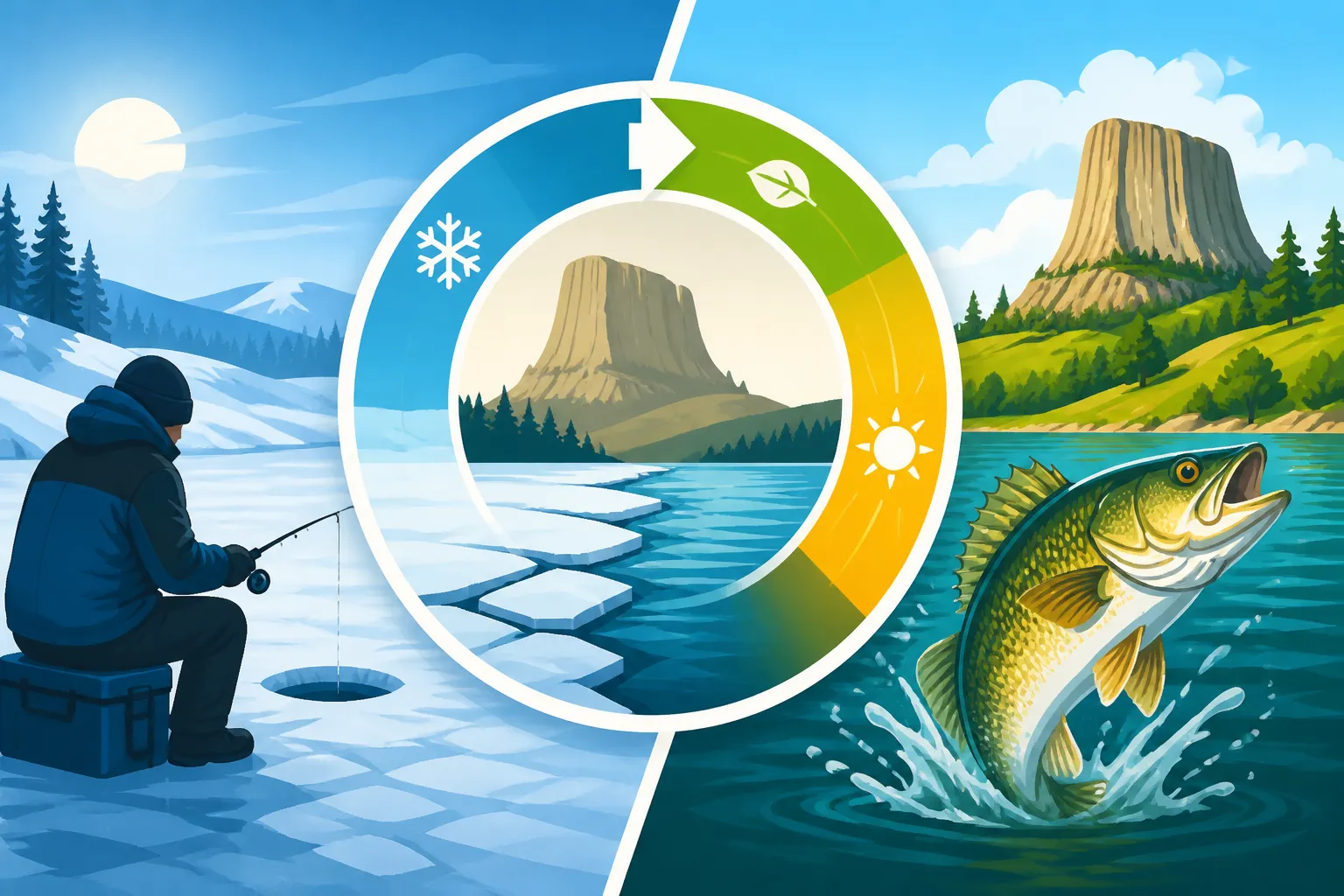
"Ice out" is that magical, yet often unpredictable, period when the thick blanket of winter ice finally melts and disappears from our lakes and reservoirs, signaling the true beginning of the open water fishing season. It's not a single event that happens statewide on one specific day, but rather a gradual transition that unfolds across South Dakota's diverse waterways. The timing is heavily dependent on winter severity and, more significantly, the intensity and duration of spring warming trends.
The Gradual Thaw: How Ice Recedes
Think of ice out as a slow reveal, not a sudden unveiling. It usually starts with the edges of the ice sheet, particularly around shorelines, shallow bays, and areas where rivers or streams flow in. These areas warm up faster, causing the ice to thin, crack, and eventually pull away from the land. Sunlight penetrates the increasingly thinner ice, warming the water underneath, and wind action further breaks up and pushes ice sheets around. You might notice open water appearing near dams or on the leeward sides of points first, where currents and sun exposure are strongest. This process can take weeks, with larger, deeper lakes holding onto their ice longer than shallower ones or those with significant current.
This gradual recession creates dynamic conditions, offering a unique opportunity for anglers. The melting process often concentrates baitfish in specific areas, which, in turn, draws in larger predatory fish eager for an easy meal after a long, lean winter. Understanding this progression is key to predicting where the fish will be.
Regional Differences in Ice Out Timing
South Dakota is a big state, and what's happening on Lake Oahe in the central part can be vastly different from the conditions on a glacial lake in the northeast or a small pond in the Black Hills.
- Missouri River Reservoirs: Lakes like Oahe, Sharpe, Francis Case, and Lewis and Clark Lake, being large and often having significant current, can have a more varied ice out. While some areas might remain iced over, others, especially near dams or in areas with strong flow, can open up sooner. It's not uncommon for ice to recede from upstream areas or main channels first. If you're wondering when ice out usually happens on Lake Oahe, it's typically later than smaller eastern lakes, given its immense size and depth.
- Glacial Lakes (Eastern South Dakota): The myriad of shallower, smaller lakes in eastern South Dakota, such as Lake Kampeska or Lake Poinsett, tend to shed their ice earlier. These lakes warm up quicker due to their shallower depths and often less dramatic currents. Anglers often flock to these lakes first as they offer some of the earliest open water opportunities.
- Black Hills Lakes and Streams: The Black Hills region, with its higher elevations and unique topography, has a different ice-out dynamic. While some larger lakes like Pactola Reservoir or Sheridan Lake will follow a similar warming pattern, many of the smaller streams and rivers will be ice-free much earlier, sometimes even in late winter if temperatures are mild. However, snowmelt from the surrounding hills can keep water temperatures very low well into spring.
The best time of year for ice out fishing can range from late March through April, and even into early May for the largest reservoirs, depending entirely on the specific body of water and the spring weather patterns. It's always a good idea to check local conditions, often through local bait shops or online resources provided by the South Dakota Game, Fish and Parks.
Why Ice Out is a Prime Fishing Opportunity
The period immediately following ice out is often considered one of the best times to catch trophy-sized fish and experience incredible action. There's a biological reason for this, rooted in how fish behave after a long winter under the ice.
Fish Behavior During the Thaw
During the winter, fish metabolism slows dramatically. They become less active and feed less frequently, conserving energy in the cold, dark water. As the ice begins to melt and spring sunlight penetrates the water, several crucial changes occur:
- Rising Water Temperatures: Even a few degrees of temperature increase can signal to fish that it's time to become more active. They're cold-blooded, so their activity directly corresponds to water temperature.
- Increased Oxygen Levels: Melting ice and wind mixing introduce fresh oxygen into the water. While oxygen levels aren't usually a major issue under South Dakota ice, the fresh influx invigorates fish.
- Pre-Spawn Hunger: For many species, especially walleye and northern pike, ice out coincides with their pre-spawn period. They need to pack on calories for the arduous spawning process ahead. This means they are incredibly hungry and often willing to strike at a variety of baits. For those interested in South Dakota walleye seasons, the pre-spawn bite is a highlight.
- Shallow Water Movement: As shorelines and shallow bays warm first, baitfish are drawn into these areas. Predator fish follow, creating fantastic opportunities for anglers targeting these newly accessible, warmer zones.
This combination of increased activity, pre-spawn hunger, and concentrated baitfish makes the ice out period a critical window for anglers seeking to fill their livewells or land a personal best.
Where to Find Fish During Ice Out
Understanding where fish congregate during ice out is just as important as knowing why they bite.
- Northern Bays and Shallower Areas: These are typically the first areas to warm up and become ice-free. Look for northern-facing bays because they receive more direct sunlight throughout the day. These areas will attract baitfish, and in turn, hungry predators like walleye and northern pike.
- Inflow Areas: Where creeks, rivers, or drainages flow into a lake, the incoming water is often slightly warmer and carries nutrients, attracting both baitfish and game fish. This can be a hotspot for activity.
- Rocky Points and Structure: Rocky areas absorb and retain heat better than muddy bottoms. Points extending into the lake, especially those on the sunny side, can draw walleye and smallmouth bass looking for warmer water and ambush points.
- Weed Edges and Old Growth: Even if new weeds haven't sprouted, old weed beds or decaying vegetation can provide cover and attract bait. Northern pike, in particular, will cruise these areas for an easy meal.
- Dam Tailwaters: On the Missouri River system, the tailwaters below dams are typically ice-free year-round due to current. These areas concentrate fish as they migrate and feed in the turbulent, oxygen-rich water. This is an excellent spot for Missouri River Tailwater Fishing Below Oahe Dam.
By focusing your efforts on these transitional areas, you dramatically increase your chances of success during this dynamic time of year.
Key Species to Target During Ice Out
While many fish species become more active after ice out, a few particular ones are known to offer exceptional fishing during this window in South Dakota.
Walleye: The Early Spring Gem
Walleye are undoubtedly the most sought-after species in South Dakota, and the ice out period can offer some of the best action of the year. They are in a crucial pre-spawn feeding phase, making them aggressive and relatively predictable.
- Pre-Spawn Behavior: Walleye move towards shallower spawning areas as water temperatures creep into the upper 30s and low 40s (Fahrenheit). They'll stage near these areas, often points, shallow flats, and rip-rap shorelines, looking to feed heavily before spawning. This is prime time for South Dakota Spring Walleye Fishing Techniques.
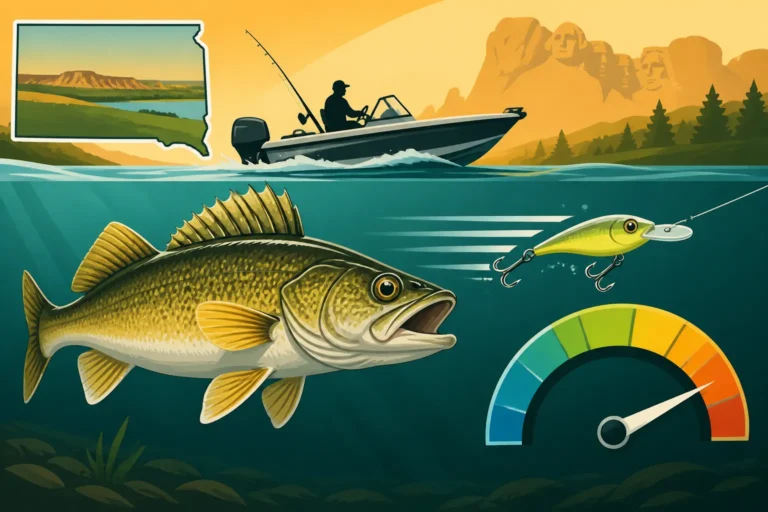
- Effective Tactics: Slow is the name of the game. Jigging with live minnows, especially larger shiners or rainbows, is incredibly effective. Tipping jigs with soft plastics can also work. Slowly trolling crankbaits or pulling spinner rigs with nightcrawlers (often called a "slow death" rig) at very low speeds along contours or over shallow flats can also entice bites. Look for them in 5-15 feet of water, often shallower early in the day or during overcast conditions.
- Bait and Lure Choices: Minnows, either live or salted, are hard to beat. Soft plastics that imitate minnows or small worms on a jig head can also be productive. Small crankbaits with a tight wobble that dive to relevant depths are excellent for covering water.
Northern Pike: Aggressive Predators
Northern pike are another fantastic target during ice out. These toothy predators are notoriously aggressive and, like walleye, are packing on weight for their upcoming spawn.
- Shallow Water Ambush: Pike are typically found in very shallow water during ice out, often in bays, along weed lines (even dead ones from last year), and near brush or fallen trees. They use this cover for ambushing unsuspecting baitfish.
- Big Baits for Big Fish: Unlike walleye, pike aren't shy about hitting larger presentations. Large spoons, spinnerbaits, and swimbaits are excellent choices. Trolling large crankbaits that mimic perch or shad can also be highly effective. If you're using live bait, a large suckers or shiner under a bobber can be irresistible.
- Focus on Cover: Cast your lures right up to submerged wood, old weed beds, or rocky transitions. Pike will be waiting in ambush in these areas. For a full breakdown, check out the South Dakota Northern Pike Fishing Guide.
Yellow Perch: Panfish Powerhouses
While not always the primary target, jumbo yellow perch can provide incredible action during ice out, especially on South Dakota's glacial lakes. They too are feeding heavily and often move into shallower areas.
- Schooling Behavior: Perch are highly schooling fish, so when you find one, you've often found many. They'll be feeding on insect larvae, small minnows, and crustaceans.
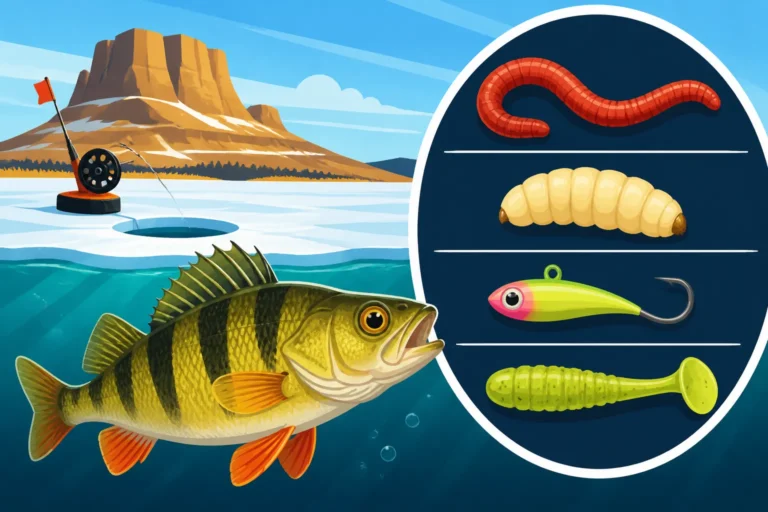
- Light Tackle Fun: Use light action rods and small jigs tipped with wax worms, minnow pieces, or small soft plastics. Deadsticking a minnow under a small bobber is also very effective.
- Where to Find Them: Look for perch in similar areas to walleye, but often shallower — 3 to 10 feet of water. Bays with muddy or silty bottoms where invertebrates gather are prime locations. For more details on these tasty fish, see the South Dakota Yellow Perch Fishing Facts.
Essential Tactics for Successful Ice Out Fishing
Fishing during ice out requires a nuanced approach. The conditions are unique, and fish behavior is dictated by cold water and pre-spawn urges.
Slow and Low: Mastering the Presentation
The most critical aspect of ice out fishing is slowing down. Fish are active, but they're still in cold water, meaning their movements are less explosive than in summer.
- Retrieve Speed: Whether you're jigging, trolling, or casting, a slow, deliberate retrieve is key. Let your bait or lure spend more time in the strike zone. Think about "dragging" jigs rather than snapping them, or trolling crankbaits at barely boat-speed.
- Vertical Presentations: For walleye in particular, vertical jigging can be deadly. Position your boat directly over fish you've marked on your electronics and gently lift and drop your jig, often letting it sit on the bottom for several seconds between movements.
- Suspended Fish: Sometimes, especially in deeper reservoirs, fish might be suspended. Pay close attention to your fish finder and adjust your depth accordingly. Using a slip bobber rig can be excellent for presenting live bait at a precise depth.
Bait and Lure Choices for Cold Water
Cold water means specific bait and lure characteristics tend to shine.
- Live Bait Dominance: Live bait, particularly minnows, is often king during ice out. The natural scent and subtle movements are hard for lethargic, cold-water fish to resist. Shiners, fatheads, and chubs are popular choices.
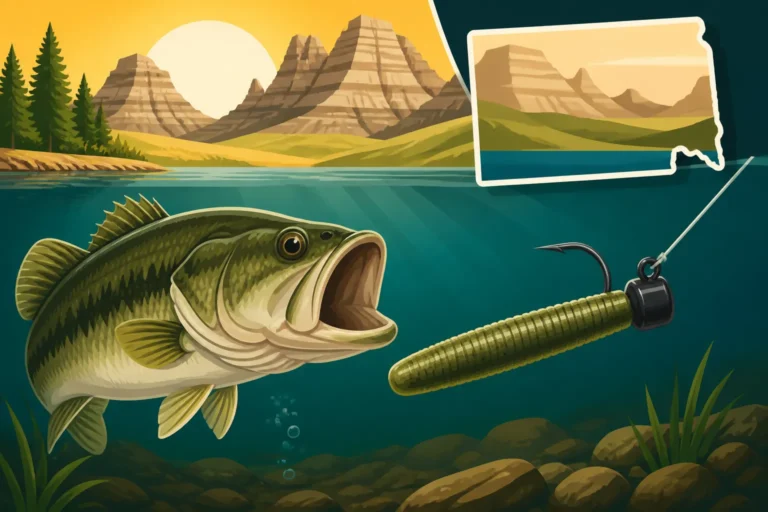
- Scent is Key: Even with artificial lures, adding scent can make a big difference. Many soft plastics come pre-scented, or you can add scent gels or sprays.
- Color Choices: While bright colors can work in stained water, natural colors that mimic baitfish (silver, gold, perch patterns) are often effective in clearer water. If the water is murky from spring runoff, then chartreuse, orange, or firetiger patterns can stand out.
- Lure Action: Lures with a tight, subtle wobble or those that can be worked very slowly are preferred. Think about slender stickbaits, jigging raps, and small to medium-sized crankbaits.
| Species | Preferred Water Depth (Ice Out) | Primary Bait/Lure Types | Key Presentation Tips |
|---|---|---|---|
| Walleye | 5-15 feet (shallower at times) | Live Minnows (jigged), Small Crankbaits, Soft Plastics | Slow jigging, dragging, slow trolling |
| Northern Pike | 2-10 feet (very shallow) | Large Spoons, Spinnerbaits, Swimbaits, Large Live Bait | Cast to cover, slow retrieves, retrieve with pauses |
| Yellow Perch | 3-10 feet | Small Jigs (tipped w/ bait), Small Minnows, Worms | Vertical jigging, deadsticking a bobber rig |
Navigating Ice Out Conditions Safely
While the fishing can be incredible, ice out conditions demand extra caution. Cold water and unpredictable ice remnants pose significant risks.
Cold Water Safety
The water temperature immediately after ice out is dangerously cold, often only a few degrees above freezing. Hypothermia is a very real threat.
- Wear a Life Jacket: This isn't just a suggestion; it's a non-negotiable requirement. Should you accidentally fall into the water, a life jacket will keep your head above water, conserving crucial energy and giving you more time to react. Review South Dakota Life Jacket Requirements before heading out. Even if you're a strong swimmer, the shock of cold water can quickly incapacitate you.
- Dress in Layers: Wear non-cotton layers, including thermal underwear, fleece, and waterproof outer layers. Wool and synthetics retain warmth even when wet, unlike cotton.
- Bring Extra Clothes: Have a dry set of clothes in a waterproof bag, preferably in your vehicle or on the boat, ready for immediate change if needed.
- Never Go Alone: Always fish with a buddy during cold water conditions. If an emergency arises, having someone there can be life-saving.
- Know Your Limits: Don't push it. If the conditions feel too risky, or the weather turns, it's always better to err on the side of caution.
Many anglers might consider investing in a float suit for this time of year, as they offer incredible warmth and buoyancy. You can often find a good selection of high-quality cold-weather fishing gear, including float suits and waterproof gloves, on platforms like Amazon.
Dealing with Lingering Ice and Obstacles
Even after the main ice sheet has gone, you might encounter lingering ice floes, especially in larger bodies of water or shaded bays.
- Watch for Floating Ice: Ice chunks, even small ones, can damage your boat's hull or propeller. Be vigilant, especially in early morning or shaded areas where ice might still be breaking up.
- Beware of Ice on Shorelines: Some access points or boat ramps might still have lingering ice, making launching and landing tricky. Always scout the area before attempting to put your boat in the water.
- Boat Safety Equipment: Ensure your boat is properly equipped with all required safety gear, including paddles, a whistle, and a throw cushion. A marine radio or fully charged cell phone in a waterproof case is also essential. For more comprehensive information, refer to the South Dakota Boat Safety Requirements and the South Dakota Boat Registration Guide.
Ice out fishing is an exhilarating experience that ushers in the true start of the open water season in South Dakota. By understanding the unique conditions, focusing on key species, employing the right tactics, and prioritizing safety, you can make the most of this fantastic, albeit brief, window of opportunity. So, get ready to shed those winter blues and enjoy some incredible early spring fishing!
Disclaimer
This article is for general informational purposes only and does not constitute professional advice. Laws, prices and regulations vary by location and change over time. Consult a qualified professional for guidance on your specific situation.