Best Way to Fish a Ned Rig for Bass
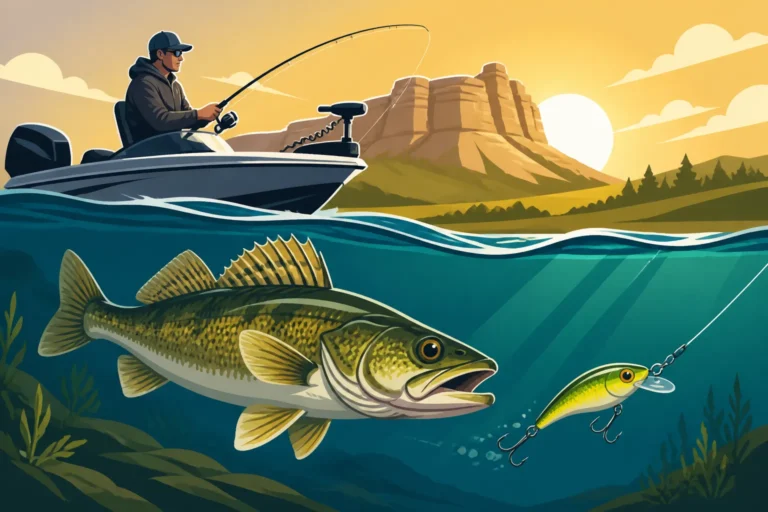
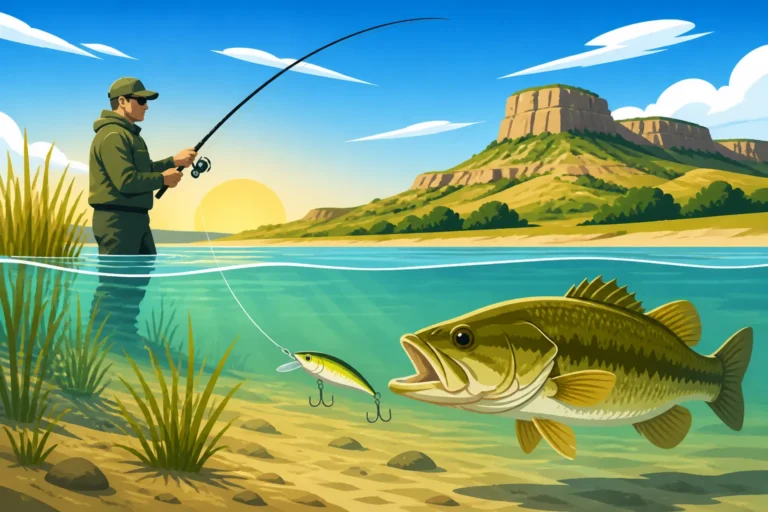
Ever felt like the bass in South Dakota waters are giving you the cold shoulder, especially on those high-pressure days or when the weather just isn't cooperating? It's a common frustration, believe me. You throw everything in your tackle box at them, and they just… stare. But what if there was a simple, subtle presentation that could unlock those finicky fish? This guide is all about mastering the Ned Rig, a true secret weapon, to help you catch more bass across South Dakota's diverse lakes and rivers.
What Exactly Is a Ned Rig and Why Does it Work So Well?
Let's cut right to it. The Ned Rig might look unassuming, almost too simple to be effective, but don't let its humble appearance fool you. It's a finesse technique that has absolutely revolutionized bass fishing, particularly when the bite gets tough. Think of it as the stealth bomber of your tackle box – small, agile, and incredibly effective at getting past the defenses of wary fish. It capitalizes on a bass's instinct to grab an easy meal, especially when bigger, flashier baits are being ignored.
The Anatomy of a Ned Rig
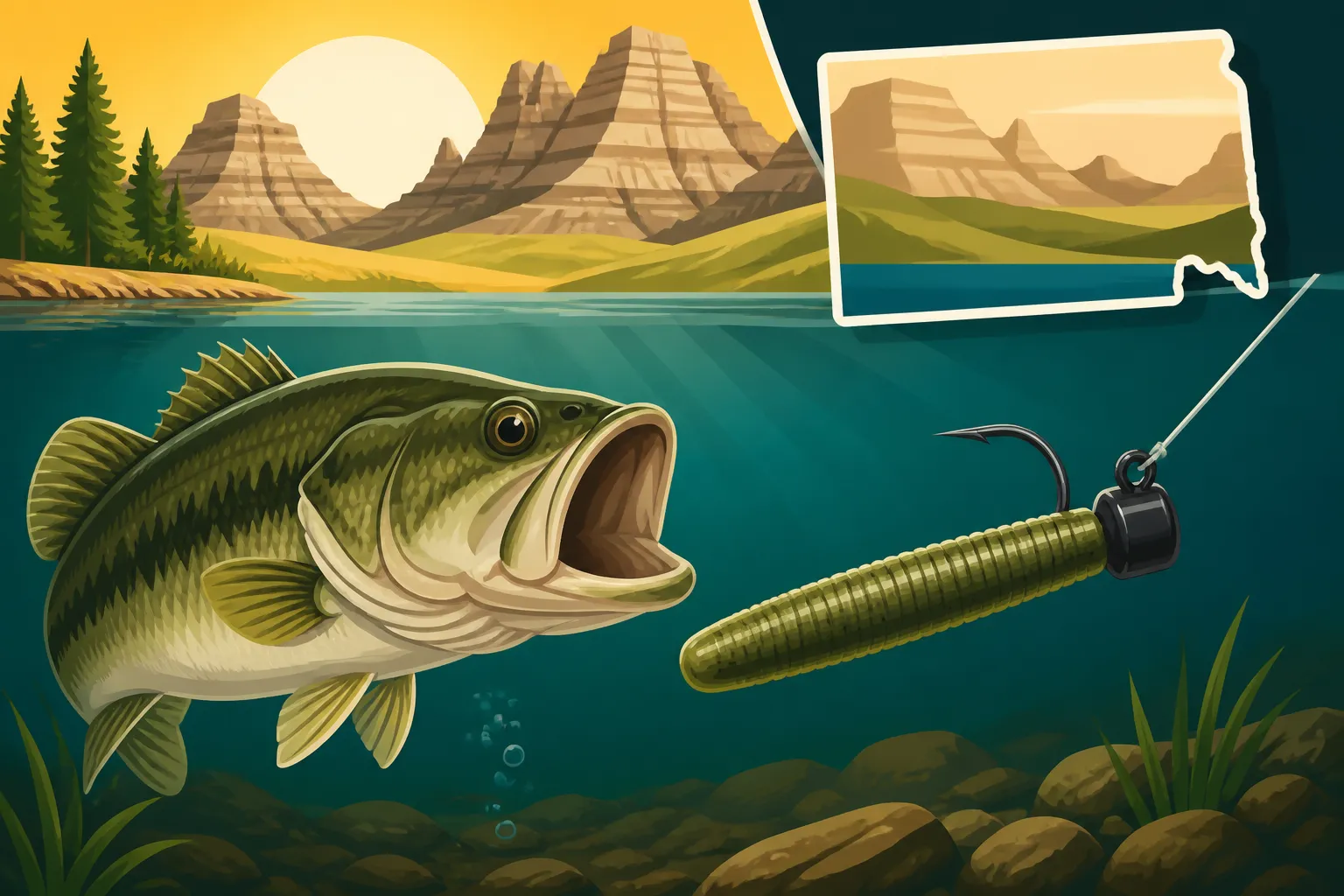
At its core, a Ned Rig is a combination of a small, mushroom-shaped jig head and a short, buoyant soft plastic bait. The key is in the design, especially when it comes to the plastic. Many anglers swear by the original Z-Man Finesse TRD baits, often referred to simply as "TRD" (which stands for "The Real Deal" and they truly live up to the name). These baits, made from Z-Man's proprietary ElaZtech material, are incredibly durable and, crucially, they float. This buoyancy is what gives the Ned Rig its signature stand-up action on the bottom, mimicking a foraging baitfish or a crayfish in a defensive posture.
The jig head typically ranges from 1/16 ounce to 1/8 ounce, though you might go lighter in very shallow, calm water or slightly heavier in deeper, current-laden areas like parts of the Missouri River. The mushroom head design helps the bait stand upright and provides a stable base. The hook is usually a light-wire, sharp jig hook that matches the size of the bait, ensuring good hook-sets even with light bites. The beauty of this setup is how naturally it presents in the water. It doesn't scream "predator!" but rather whispers "easy snack."
Why Small Can Be Mighty for Bass
You know how sometimes bass just get lockjaw? Maybe it's a cold front, clear water, or heavy fishing pressure that's made them shy. That's precisely when the Ned Rig shines. Its small, non-threatening profile appeals to bass that are reluctant to chase larger, more aggressive presentations. Instead of triggering an attack instinct, it often triggers a feeding response, a subtle "I might as well eat that" kind of bite.
The slow fall of the lightweight jig, combined with the buoyant plastic, keeps the bait in the strike zone longer. As it settles, the tail of the soft plastic stands straight up, quivering with the slightest current or rod movement. This upright posture mimics a small bottom-dwelling creature feeding or a dying baitfish struggling, both of which are irresistible to opportunistic bass. It's a presentation that screams "easy meal" without making a big fuss, which is often exactly what you need for those highly pressured or lethargic bass on places like Lake Francis Case or even smaller glacial lakes in eastern South Dakota.
Setting Up Your Gear for Ned Rig Success in South Dakota
To truly unlock the potential of the Ned Rig, you can't just slap it on any old rod and reel. This finesse technique demands a finesse setup. If your gear is too heavy, you'll lose the sensitivity needed to detect those subtle "thumps" and "ticks" that often signal a bass has picked up your bait. It’s all about feeling the connection to your lure and the fish.
Rod, Reel, and Line Choices
For a Ned Rig, a spinning rod is absolutely essential. You'll want something in the light to medium-light power range, typically 6'6" to 7'2" in length, with a fast or extra-fast action tip. This tip will give you the sensitivity to feel the lightest bites and the quick backbone needed for a solid hook-set. A good example would be a 6'10" medium-light fast action spinning rod. The fast action helps detect bites and allows for quick, precise jig movements without overtiring your wrist.
Pair this with a small, lightweight spinning reel, something in the 1000 to 2500 size range. The smooth drag is important, as you'll often be fighting surprisingly large bass on relatively light line. For line, I highly recommend a braided main line with a fluorocarbon leader. A 6 to 10-pound braided line (like a high-visibility yellow or green that helps with line watching) will give you incredible sensitivity and casting distance with those lightweight baits. Tie on a 6 to 8-pound test fluorocarbon leader, about 6 to 8 feet long, using a strong knot like an FG knot or an Alberto knot. Fluorocarbon is nearly invisible underwater and provides good abrasion resistance, which is crucial around the rocky structures often found in South Dakota's reservoirs. This setup allows you to feel everything, from the lightest tap to the texture of the bottom, giving you a huge advantage when the bite is tentative.
Essential Ned Rig Baits and Jig Heads
When it comes to the baits themselves, you'll quickly find favorites. The Z-Man Finesse TRD is a staple, but other brands offer excellent options too. Standard colors like green pumpkin, black and blue, or natural shad patterns are always a good starting point. Consider carrying a few brighter options like white or chartreuse for stained or muddy water conditions, which you might encounter on the Missouri River system after heavy rains. The shorter, stubbier baits (around 2.75 to 3 inches) are generally preferred as they match the small, compact profile of the mushroom jig head perfectly.
Jig heads are just as important. Mushroom-style heads are the most common and effective because they allow the buoyant plastic to stand upright. As for weight, a variety is key. I typically carry 1/16 oz, 1/8 oz, and 3/16 oz heads.
- The 1/16 oz is fantastic for super shallow water, extremely calm conditions, or when you want the slowest possible fall.
- The 1/8 oz is your workhorse—versatile for most depths and light wind conditions.
- The 3/16 oz comes in handy for deeper water, moderate current, or when you need to cast a bit further or fish in slightly windier conditions.
Having a selection means you can adapt to various depths and current conditions, from the calm, clear waters of Sheridan Lake to the moving current below the dams on Lake Sharpe. Brands like Z-Man, Picasso, and VMC all make excellent Ned Rig jig heads. You can often find a good selection on platforms like Amazon, making it easy to stock up before your next trip. Best Lure Colors to Carry for Clear Water will give you some great ideas for selecting the right bait hues.
Mastering the Retrieve: Techniques for South Dakota Bass
The beauty of the Ned Rig lies in its simplicity, but that doesn't mean there's no skill involved. In fact, its effectiveness often comes down to mastering subtle retrieves. It's not about aggressive jerks or fast cranks; it's about delicate movements that make the bait look alive and vulnerable. Patience is a virtue here, and often, the less you do, the more bites you'll get.
The Basic Drag and Pause
This is the bread and butter of Ned Rig fishing, and it's where most of your success will come from.
- Cast it Out: Make a precise cast to your target, whether it's a rock pile, a dock pillar, or a sparse weed line. Let the bait sink on a semi-slack line. Watch your line closely; sometimes bass will hit it on the fall!
- Let it Settle: Once it hits bottom, let it sit for a few seconds. This is crucial. The buoyant plastic will stand up, presenting itself enticingly. Often, bass will pick it up right then.
- The Drag: Slowly, almost imperceptibly, drag your rod tip horizontally, moving the bait a foot or two along the bottom. You're not reeling; you're just using the rod to move the bait.
- The Pause: After the drag, pause again for 5-10 seconds, letting the bait resettle and stand up.
- Repeat: Slowly reel in any slack you've created with the drag, then repeat the drag-and-pause sequence all the way back to the boat or bank.
The key here is minimal movement and long pauses. Many anglers make the mistake of overworking the bait. Remember, you're trying to mimic something small and easy. Keep your rod tip slightly elevated, usually between 9 and 11 o'clock, to maintain tension and feel for bites. When you feel a bite – which might be a subtle tick, a heavy feeling, or your line just moving sideways – don't set the hook like you're trying to pull a stump out of the ground. Instead, sweep the rod to the side with a firm, steady motion. The small, sharp hooks usually find their mark easily. This technique works wonders on reluctant smallmouth bass in the clear waters of Lake Sharpe or even largemouth hiding in the submerged timber of Lake Oahe.
Slight Variations for Different Conditions
While the drag and pause is your primary weapon, knowing a few variations can make a big difference when facing different water conditions or fish moods.
- The "Shake and Bake": Instead of a long drag, try short, subtle shakes of the rod tip while the bait is paused. This makes the bait quiver in place, imitating a struggling baitfish or insect. It's particularly effective in colder water or when fish are really sluggish. Think about using this near drop-offs or deeper structure when you’re fishing Deep Water Summer Fishing Techniques.
- Short Hops: Instead of dragging, give the rod a very slight twitch, just enough to lift the bait an inch or two off the bottom, then let it fall back down. This mimics a fleeing crayfish or a hopping insect. This retrieve can be good when bass are a little more active but still prefer a bottom presentation.
- Dead Sticking: Sometimes, the best retrieve is no retrieve at all. Cast the Ned Rig out, let it sink, and then simply let it sit. The buoyant bait will stand up, and the current or even microscopic movements of the water will give it action. This is devastating for extremely finicky fish or in very cold water where bass are unwilling to chase. Just leave it there for a minute or two, watching your line for any sign of a bite. You'd be surprised how often a bass will just pick it up when you're not doing anything! This is especially true after a cold front has moved through, making fish incredibly lethargic. You might be fishing for Smallmouth Bass Fishing Techniques for Rocky Shorelines and find that dead sticking right on a rock pile is the only thing that gets a bite.
| Retrieve Style | Action | Ideal Conditions | Target Fish Behavior |
|---|---|---|---|
| Drag and Pause | Slow, horizontal drag, long pauses | General, moderate conditions, wary fish | Neutral, bottom-feeding, opportunistic |
| Shake and Bake | Subtle rod tip quiver while stationary | Cold water, sluggish fish, high pressure | Lethargic, holding tight to cover |
| Short Hops | Slight rod twitch to lift, then fall | Slightly active fish, mimicking fleeing prey | Active, but still preferring bottom |
| Dead Sticking | Cast, let sit, minimal to no movement | Extremely finicky, very cold water, post-front | Highly inactive, unwilling to chase |
Where and When to Throw a Ned Rig in South Dakota
The Ned Rig isn't just for tough conditions; it's a versatile tool that can catch bass year-round. However, there are certain times and places in South Dakota where it truly excels, allowing you to consistently put fish in the boat or on the bank. Understanding these scenarios will help you know exactly when to tie one on.
Ideal Habitats and Structures
The beauty of the Ned Rig is its ability to shine in a wide array of bass habitats. It's most effective when fished on or near the bottom, so look for structures that provide cover or ambush points for bass.
- Rock Piles and Riprap: This is classic Ned Rig territory. The bait's ability to stand up and mimic a crayfish or gobies (if present) around rocks is incredibly effective. Think about the riprap banks along the Missouri River reservoirs like Lake Francis Case or the rocky points and humps in Lake Oahe. Smallmouth Bass Fishing Techniques for Rocky Shorelines will give you even more insights into these areas.
- Docks and Boat Ramps: Anywhere there's man-made structure, there are often bass. Skip the Ned Rig under docks, around pilings, or near boat ramps. The subtle entry won't spook fish, and the slow fall allows you to thoroughly work the cover.
- Sparse Weed Lines and Grass Flats: While not ideal for thick, heavy vegetation (where it can snag), a Ned Rig is fantastic on the edges of weed lines or in areas with patchy grass. It can be lightly dragged through sparse cover without fouling. This is great for targeting largemouth bass that might be cruising these edges.
- Transition Areas: Look for spots where one type of bottom transitions to another – gravel to mud, rock to sand, or hard bottom to soft bottom. Bass often patrol these highways looking for food, and a Ned Rig presented subtly can be irresistible.
- Clear Water Lakes: In places like some of the Black Hills lakes or clearer glacial lakes, bass can be very wary. The Ned Rig's small size and natural presentation make it a go-to choice when stealth is required. It doesn't throw a big profile or make a lot of noise, which is perfect for fish that have seen every lure in the book.
Seasonal Considerations for Bass
The Ned Rig is remarkably effective throughout the entire open water season in South Dakota, but it particularly shines during certain periods and conditions:
- Early Spring and Late Fall (Cold Water): When water temperatures are chilly, bass are often lethargic and less willing to chase fast-moving baits. The slow, subtle presentation of a Ned Rig is exactly what they want. It stays in the strike zone longer and requires minimal effort from the fish. This makes it a great choice for Spring Fishing in South Dakota for both pre-spawn and early post-spawn bass.
- Post-Front Conditions: You know those beautiful, blue-bird days after a cold front rolls through? They're terrible for fishing. The clear skies and high pressure often shut down the bite. This is when the Ned Rig becomes your MVP. Its finesse presentation can still coax bites from bass that are otherwise hunkered down and inactive.
- Summer Doldrums: When the summer heat makes bass suspend or move to deeper, cooler water, a Ned Rig can still be effective when fished slowly along main lake points, humps, or deep rock piles. Even when fish are pressured and finicky in the warmer months, this subtle offering can turn their heads. For more specific seasonal advice, check out Best Time of Year to Fish in South Dakota.
- Pressured Waters: Any body of water that sees a lot of fishing pressure will have wary bass. The Missouri River reservoirs, for example, get a lot of attention. On these lakes, a Ned Rig can outperform many other baits simply because it offers something different, something less aggressive and more natural.
In essence, if you're fishing for bass in South Dakota and the bite is tough, or you just want a reliable, versatile technique, the Ned Rig should be one of the first things you tie on. Keep a good selection of jig heads and baits, use the right finesse gear, and practice those subtle retrieves, and you'll be amazed at how many bass you can catch! You can even search on Amazon for "Ned Rig Starter Kit" to get a good collection of different weights and colors to begin experimenting.
Disclaimer
This article is for general informational purposes only and does not constitute professional advice. Laws, prices and regulations vary by location and change over time. Consult a qualified professional for guidance on your specific situation.