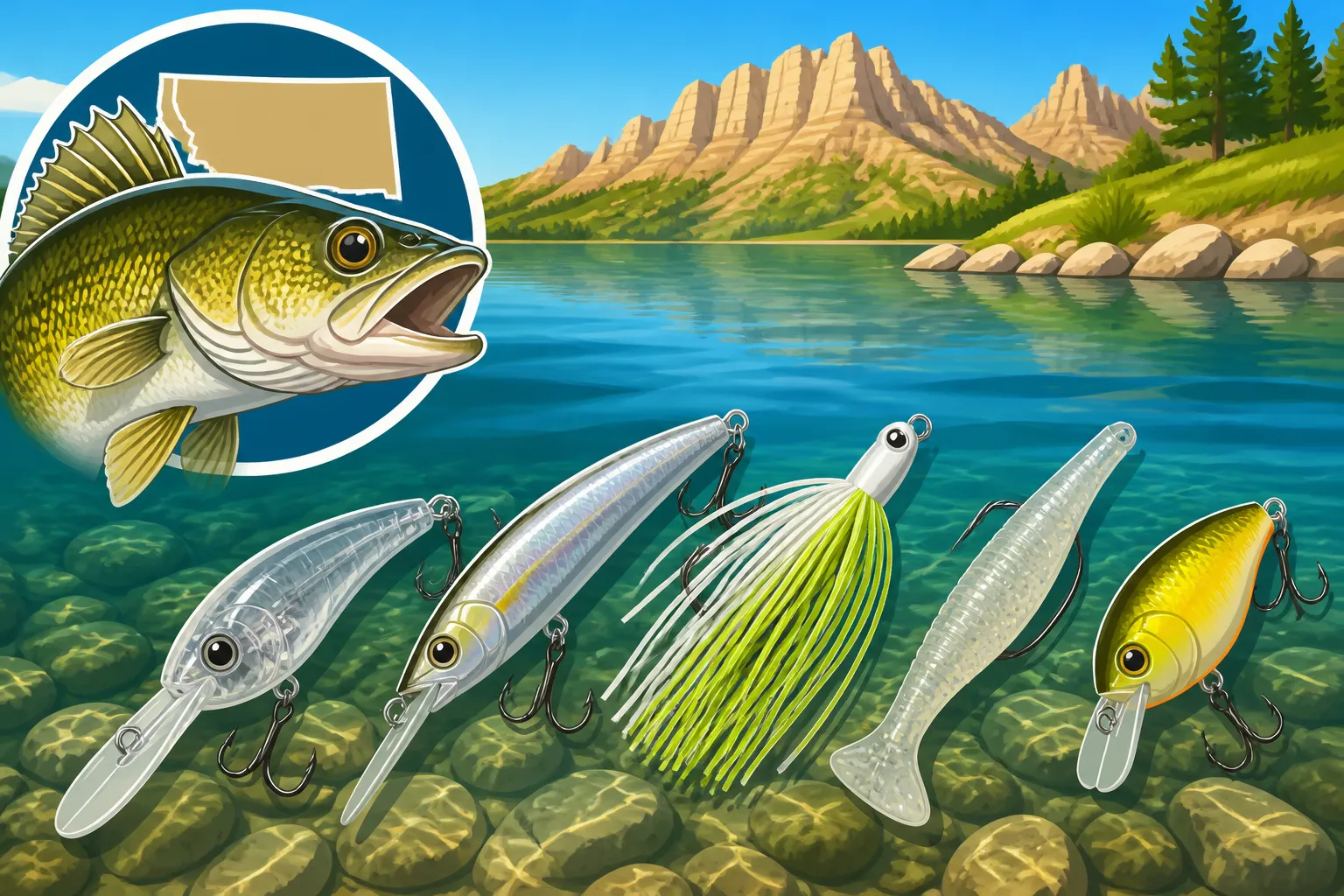
Best Lure Colors to Carry for Clear Water
There's nothing quite as frustrating as pulling up to your favorite South Dakota fishing spot, seeing crystal-clear water, and then watching every fish dart away from your lure like it's a neon sign screaming "danger!" It’s a common scenario, and it leaves many anglers wondering if their lure colors are actually helping or hindering their chances. This comprehensive guide will dive deep into the world of lure colors specifically designed for clear water, helping you understand why some shades outperform others when the fish can see everything.
The Clear Water Challenge: Why Fish Get Finicky
Fishing clear water in South Dakota, whether it's the gin-clear depths of Lake Pactola in the Black Hills or a calm, sunny day on Lake Sharpe, presents a unique set of challenges. When the water clarity is high, fish have an incredible advantage – they can see your lure, your line, and sometimes even your boat, from a greater distance. This enhanced visibility often translates to increased wariness, making them much harder to convince.
Think about it from a fish's perspective: in murky water, they rely heavily on vibration and scent to locate prey. But in clear water, their eyesight becomes their primary hunting tool. If something looks unnatural, too bright, or out of place, they're far more likely to spook and ignore it. This isn't just a hunch; it's a learned behavior. Fish in heavily pressured, clear waters become conditioned to avoid anything that doesn't scream "natural prey." Understanding this fundamental principle is the first step to choosing the right lure colors.
The "Spooky" Factor in Clear Water
Fish aren't dumb, especially the bigger, more experienced ones. In transparent water conditions, they have ample time to scrutinize your offering. A brightly colored lure that might excel in stained or muddy water can become an immediate red flag in clear conditions. It screams "artificial" or "threat" rather than "easy meal." This is often referred to as the "spooky" factor. For instance, chasing a trophy walleye in the clear waters of Lake Oahe, if your lure stands out too much against the natural backdrop, that fish will likely just turn its nose up and cruise away.
This "spooky" factor is amplified during high-pressure systems or on bright, sunny days when light penetrates deeply, making everything even more visible. Anglers often find that on such days, going subtler with everything – lighter lines, smaller baits, and most importantly, natural lure colors – yields far better results. It's about blending in, not standing out, and giving the fish a sense of security that what they're seeing is a legitimate food source.
How Light and Depth Affect Lure Color Perception
It's not just about what we see above water; it's about what the fish see under the surface. Water acts as a natural filter for light, absorbing different colors at varying rates. Red, for example, is the first color to disappear, typically becoming indistinguishable from black or gray at relatively shallow depths. Orange and yellow follow, while blue and green penetrate much deeper.
This means a red crankbait might look vibrant to you right at the surface, but at 15-20 feet down, it could appear dull and lifeless to a fish. Conversely, blues and greens will retain their color signature much deeper. Additionally, the amount of available light (bright sun vs. overcast, dawn vs. dusk) significantly impacts how colors are perceived. On a cloudy day, even blues and greens might appear muted. The key takeaway here is that fish aren't seeing the same vibrant colors you see when you hold the lure in your hand; their perception is filtered by the water column. Considering the depth you're fishing and the ambient light conditions is crucial for choosing a color that will actually "pop" – or, more accurately, look natural – at the desired depth.
Go-To Lure Colors for Clear Water Conditions
When the water is clear, your primary goal is to present something that either perfectly mimics natural forage or provides just enough subtle appeal to trigger a strike without alarming the fish. This usually means leaning heavily into the natural color palette.
Natural and Subtle Hues
In clear water, fish have excellent vision, so colors that blend in with their environment or replicate their natural prey are often the most effective. This means prioritizing greens, browns, grays, whites, and silvers.
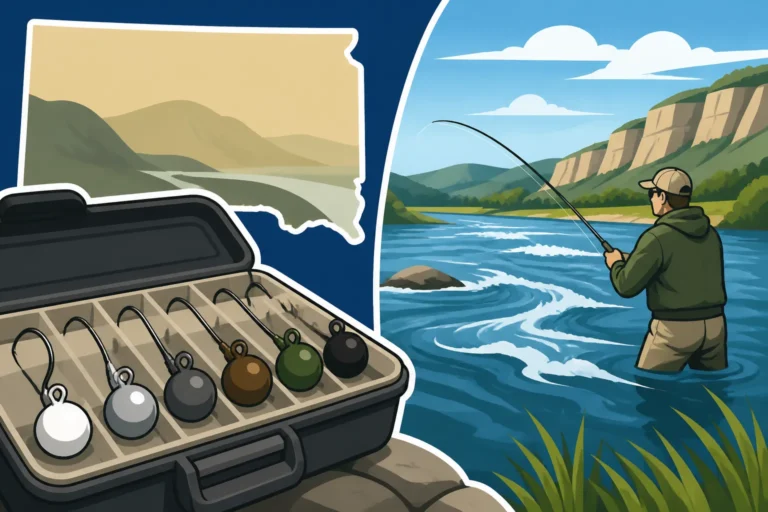
- Greens (especially olive, moss, watermelon): These shades mimic a variety of aquatic insects, crayfish, and some baitfish species. A soft plastic worm in "watermelon seed" or an olive-colored jig can be incredibly deadly for smallmouth bass on the rocky shorelines of Lake Francis Case Smallmouth Bass Fishing. These colors absorb some light but still present a natural profile. Many anglers swear by these colors when fishing around vegetation or rocky structures where crayfish or smaller panfish might hide. You can find a vast selection of soft plastics and jigs in these natural green tones at a Bass Pro Shops near you or by browsing online on Amazon.
- Browns (especially pumpkin, rootbeer, dirt): Similar to greens, browns are excellent for mimicking bottom-dwelling creatures like crayfish, leeches, or certain small baitfish that blend with muddy or sandy substrates. Imagine a crawfish scuttling across a rocky bottom – a brown-patterned crankbait or jig does a fantastic job of imitating that. This is particularly effective for species like smallmouth bass and walleye that frequently feed on crayfish.
- Grays (shad, smoke, ghost): Gray hues are fantastic for replicating common baitfish like shad or shiners, especially when they are transitioning through the water column. A translucent gray soft plastic or a subtle gray crankbait can be incredibly effective when fish are chasing schools of baitfish in open water. On a clear day, a bait that looks like a ghost image of a shad can be irresistible.
- Whites and Silvers: These colors excel at imitating dying or injured baitfish, especially when there's a bit of flash involved. A white jig or a silver spoon can be incredibly effective, particularly during periods when baitfish are distressed or schooled up. They reflect available light, creating a glimmer that can draw attention without being overly aggressive. Think about how a dying minnow flashes as it struggles – a white or silver lure can perfectly replicate that. For How to Fish for Walleye in South Dakota in clear lakes, a white jig tipped with a minnow is a classic presentation for a reason.
When using these natural colors, remember that subtlety is key. The goal isn't necessarily to scream "eat me!" but rather to whisper "I'm an easy meal, just like everything else around here."
Translucent and Matte Finishes
Beyond the specific hue, the finish of your lure plays a huge role in clear water. Translucent and matte finishes are often far more effective than opaque, super-bright options.
- Translucent Colors: Lures that allow some light to pass through them create a more natural, ghost-like appearance in the water. Clear, clear-with-flake, and milky white options often fall into this category. These baits don't block light entirely; instead, they refract it, making them look less solid and more like living prey. A clear crankbait with a bit of silver flake, or a translucent plastic worm, can be exceptionally good in clear conditions because it mimics the natural transparency of many baitfish and insects. This is especially true for finicky trout in the Black Hills streams or wary walleye during bright daylight hours. When the fish are particularly hesitant, a lure that looks "invisible" until it's right in front of them can be the ticket.
- Matte Finishes: Lures with a non-glossy, matte finish absorb more light rather than reflecting it. This creates a more subdued, natural profile that doesn't "flare" or create unnatural reflections, which can spook fish in clear water. Many topwater baits and some crankbaits now come with matte finishes for this very reason. Instead of a bright, shiny gleam, they offer a subtle silhouette that looks more organic. This can be particularly important for South Dakota Smallmouth Bass Fishing Guide on sunny days when reflections off shiny lures can be too intense. When you're trying to fool a smart fish, reducing unnatural glare can make a significant difference in getting them to commit to a strike.
When to Break the Rules: A Touch of Flash and Contrast
While subtlety is usually the mantra for clear water, there are times when a little bit of flash or a subtle pop of contrast can actually be beneficial. The trick is understanding when and how to apply it, without going overboard and triggering that "spooky" factor.
Understanding Subtle Flash
Not all flash is created equal. In clear water, you're rarely looking for an obnoxious, blinding flash. Instead, you're after a subtle, intermittent glimmer that mimics the scales of a fleeing baitfish or the natural glint of a struggling minnow.
- Silver and Gold Accents: Instead of a whole lure being chrome, look for baits with silver or gold accents. This could be a silver blade on a spinnerbait, a gold hook on a jig, or subtle silver scales painted into the side of a crankbait. These metallic flashes provide just enough "look at me" without being overly aggressive. When fishing for South Dakota Chinook Salmon Regulations on Lake Oahe, for instance, a dodger or flasher with a subtle silver or chrome finish can mimic the flash of schooling smelt, which are a primary food source for salmon. This controlled flash can draw attention from a distance, then the natural body color of the lure seals the deal.
- Small Holographic Flakes: Many soft plastics and hard baits incorporate tiny holographic flakes. These aren't meant to create a huge flash, but rather to imitate the subtle shimmer of real fish scales. When the lure moves, these flakes catch the light in a very natural, almost imperceptible way, adding to the realism. This can be particularly effective when fish are feeding on small, shiny baitfish. Instead of a solid, flat color, the subtle shimmer gives the lure more life and dimension, making it appear more like a living organism rather than a static piece of plastic. You can find many brands offering these subtle holographic finishes on platforms like Amazon.
The Role of Contrast in Clear, Yet Stained Waters
Sometimes, "clear water" isn't perfectly gin-clear. It might have a slight tea stain from tannins, or a faint greenish tint from algae. In these scenarios, a touch of contrast can help your lure stand out just enough to be noticed without being alarming.
- Chartreuse or Orange Accents: While you wouldn't typically throw a bright chartreuse lure in truly clear water, a bait with a small chartreuse tail on a dark jig, or a crankbait with an orange belly and a natural back, can be surprisingly effective in subtly stained clear water or deeper clear water where some light absorption has occurred. The contrast helps fish locate the lure from a slightly greater distance. For example, when targeting South Dakota Trout Limits in the Black Hills in streams that might have a slight tannin stain, a small jig with a fluorescent green or orange bead might just be the little extra something that triggers a bite.
- Darker Baits for Silhouette: In clear water, particularly during low light conditions (dawn, dusk, or heavily overcast days), a darker lure can create a strong, clear silhouette against the brighter sky above. A solid black, dark blue, or dark brown lure can be very effective in these situations. The contrast of the dark lure against the lighter background makes it easy for fish to see, even if the colors themselves aren't vibrant. This is a common tactic for night fishing for walleye in clear lakes, where a black crankbait or spinnerbait stands out perfectly. The fish can clearly define the shape of the bait, making it an easy target.
| Species Targeted | Water Clarity Description | Recommended Primary Colors | Accent/Secondary Colors | Lure Type Examples |
|---|---|---|---|---|
| Walleye | Gin Clear, Sunny Day | White, Silver, Light Green, Grey | Subtle Pearl, Clear-Flake | Jigs, Small Crankbaits, Soft Plastics |
| Smallmouth Bass | Clear, Rocky Bottom | Watermelon, Pumpkin, Green Pumpkin | Brown, Smoke, Silver Flake | Jigs, Soft Plastics, Small Jerkbaits |
| Trout (Black Hills) | Crystal Clear Stream, Moderate Flow | Olive, Tan, White, Light Brown | Black, Gold, Subtle Green | Small Jigs, Flies, Tiny Spoons |
| Northern Pike | Clear, Weedy Edges | Silver, White, Natural Green/Blue | Perch Pattern, Gold Flash | Spoons, Jerkbaits, Spinnerbaits |
| Crappie / Panfish | Clear Lake, Light Cover | White, Pearl, Light Pink, Chartreuse | Silver Flake, Glimmer | Micro Jigs, Small Spoons, Soft Plastics |
Matching the Hatch and Local Conditions
Choosing the best lure color for clear water isn't a one-size-fits-all endeavor. The most successful anglers are those who can quickly adapt to the specific conditions they face, constantly asking themselves: "What are these fish eating right now?" and "What does the water actually look like?" This dynamic approach to color selection is often the key to unlocking consistent success.
Forage Base Matching: The Golden Rule
The concept of "matching the hatch" is paramount in clear water. If fish can clearly see your lure, they're going to compare it to what they naturally eat. If your lure doesn't resemble anything in their diet, it's far less likely to get eaten.
- Observe Local Baitfish: Take time to observe what baitfish are present in the water you're fishing. Are they emerald shiners, fathead minnows, smelt, or something else? Pay attention to their size, shape, and especially their coloration. Many lures are designed to mimic specific baitfish species. For example, if you're fishing Lake Oahe Chinook Salmon Fishing at Whitlock Bay during the fall spawn, and you know salmon are feeding heavily on rainbow smelt, using a lure that mimics the silver, blue, and green hues of a smelt is a smart move.
- Consider Crayfish and Insects: Don't just think about baitfish. Smallmouth bass, in particular, are huge fans of crayfish. If you're fishing rocky areas, a brown or green pumpkin colored jig or soft plastic that resembles a crawdad will often outproduce anything else. Similarly, for trout in the Black Hills Trout Stream Fishing Guide, understanding the dominant insect hatches (mayflies, caddisflies) will guide your fly or micro-lure color choice. Carrying a selection of natural green, brown, and grey soft plastics is a good strategy to cover your bases. You can stock up on these versatile options from vendors like Bass Pro Shops.
Water Clarity Nuances: Beyond Just "Clear"
"Clear water" can still have variations. There's "gin clear," "slightly stained clear," or "clear with a green tint." These nuances can influence your color choice.
- Gin Clear (like a swimming pool): This is where maximum subtlety is required. Think translucent, light grays, whites, and natural greens with minimal flash. The goal is nearly invisible. Pactola Reservoir Fishing Guide often demands this level of finesse due to its exceptional clarity.
- Slightly Stained Clear (e.g., light tea stain): In these conditions, a bit more contrast can be beneficial. You might introduce a lure with a natural base color but a subtle orange or chartreuse belly or accent. This gives the fish a slightly easier time locating the lure without it looking overtly fake. Sometimes, after a light rain, water might clear but retain a slight tint; this is where those subtle pops of color shine.
- Clear with a Green Tint (algae bloom): Water with a green tint often means a healthy ecosystem with plankton. In these conditions, lures with a greenish tint themselves, or even a subtle blue, can blend in well. Think shad patterns with a touch more green, or pearl white with a green back. This tint can make bright colors appear less jarring, allowing for slightly more vibrant options within the natural spectrum. It’s all about adapting to the specific hue of the water.
Seasonal and Depth Considerations
The time of year and the depth you're targeting also play a role in lure color.
- Seasonal Shifts: In spring, when water is often clearer due to less vegetation and runoff, fish might be more sensitive to bright colors. As summer progresses and water can become warmer and sometimes develop more algae (leading to that greenish tint), your color choices might shift slightly. Fall often sees a return to very clear water, especially after vegetation dies off, bringing back the need for natural, subtle presentations. For instance, South Dakota Spring Walleye Fishing Techniques often lean towards subtle, minnow-imitating colors.
- Depth Filtering: As discussed earlier, red disappears quickly, while blue and green penetrate deeper. If you're targeting deep walleye on Lake Sharpe Fishing Guide, a blue or green lure might be more visible than a red one. Conversely, if you're working shallow weed lines for South Dakota Northern Pike Fishing Guide, where all colors are still vibrant, a natural perch or shad pattern will likely be more effective than something that looks "washed out" in deeper water. Water Depth Where Walleye Feed on Lake Oahe in July will heavily influence the actual color a fish perceives. It's a continuous mental calculation of light, depth, and what the fish are likely seeing.
Ultimately, carrying a diverse selection of natural and subtle lure colors, with a few options that incorporate subtle flash or contrast, will prepare you for almost any clear water scenario in South Dakota. Don't be afraid to experiment, and always pay attention to what the fish are telling you through their bites – or lack thereof!
Disclaimer
This article is for general informational purposes only and does not constitute professional advice. Laws, prices and regulations vary by location and change over time. Consult a qualified professional for guidance on your specific situation.