Lake Francis Case Smallmouth Bass Fishing
Many anglers visiting South Dakota feel overwhelmed by the sheer size and diverse fishing opportunities, especially when trying to pinpoint the best spots for specific species. Targeting smallmouth bass on a massive reservoir like Lake Francis Case can feel like searching for a needle in a haystack, leaving many frustrated and unsure where to start. This comprehensive guide will peel back the layers of Lake Francis Case, revealing the secrets to consistently catching smallmouth bass and ensuring your next trip is productive and enjoyable.
Understanding Lake Francis Case's Unique Appeal for Smallmouth
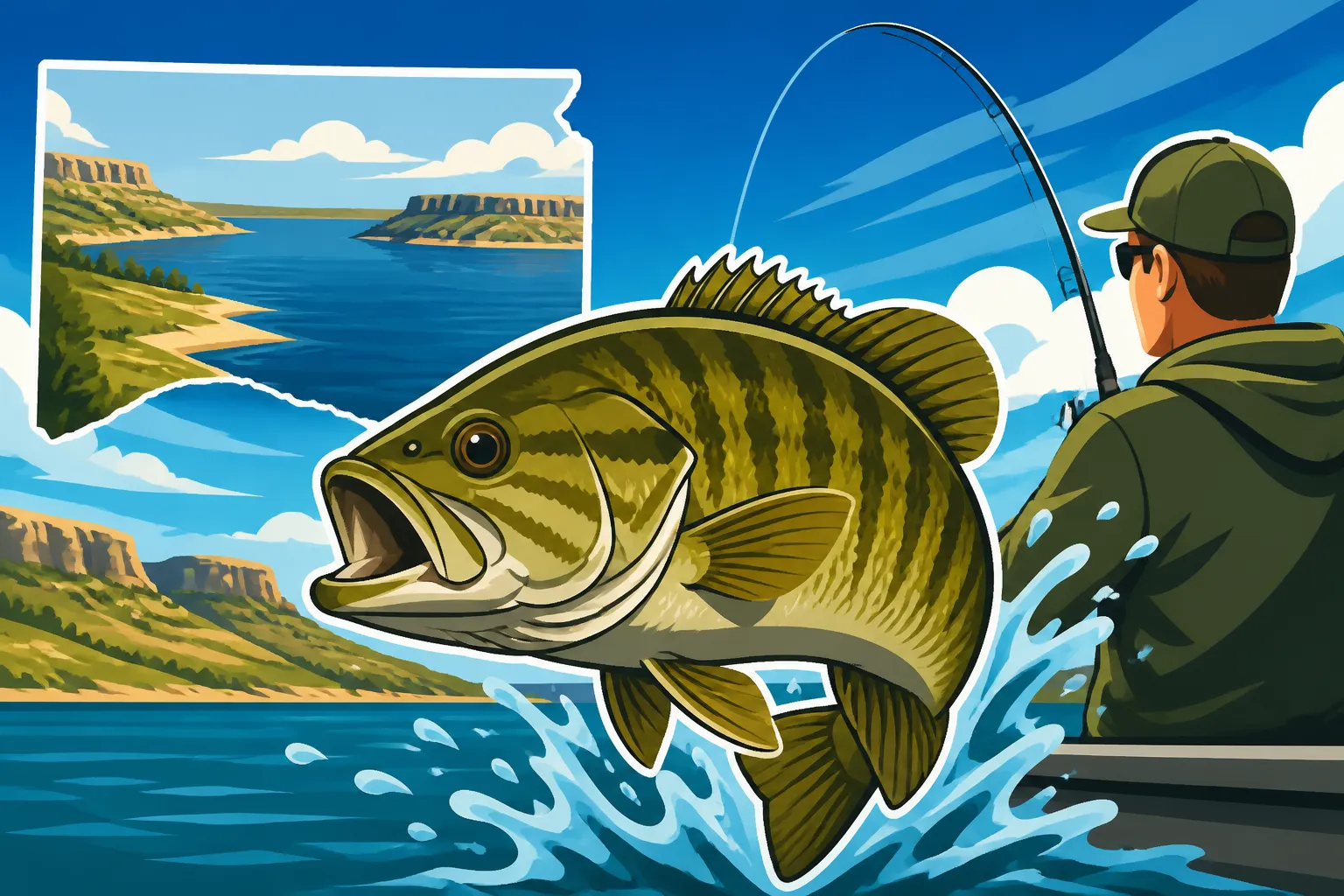
Lake Francis Case, one of the four mainstem Missouri River reservoirs, is a truly special fishery. Unlike some of its northern counterparts that are known almost exclusively for walleye, Francis Case offers a fantastic multi-species experience, with smallmouth bass standing out as a true gem. Its vast stretches of rocky shoreline, deep channels, and diverse structures create an ideal environment for these bronzebacks to thrive, making it a prime destination for dedicated bass anglers.
The Lake's Formation and Geography
Lake Francis Case was formed by the construction of Fort Randall Dam, creating a long, narrow reservoir that stretches for over 100 miles, from Fort Randall Dam near Pickstown all the way up to Big Bend Dam near Fort Thompson. This immense waterway is characterized by its fluctuating water levels, dictated by dam operations, which in turn influences fish behavior and access. The lake's geography is a blend of steep, rocky bluffs, eroded points, and shallower, sometimes stump-filled, back bays and feeder creeks. This variety means that smallmouth bass can be found in a multitude of settings, from current-swept main lake points to calm, protected coves. Understanding the impact of dam-controlled water flow and how it influences current and water levels is crucial for anyone looking to maximize their fishing success here. You'll often find that even subtle changes in flow can position fish differently.
Why Smallmouth Thrive Here
Smallmouth bass are intrinsically drawn to rocky environments, and Lake Francis Case delivers this in spades. The sheer abundance of riprap, natural rock outcroppings, and gravel beds along the shoreline provides not only excellent ambush points but also prime spawning habitat. The clear to moderately stained water throughout much of the lake further enhances the smallmouth's predatory advantage, allowing them to spot prey from a distance. Beyond the rocks, the deep, cool water available in the main channel during the summer months offers thermal refuge, ensuring these fish remain healthy and active even when temperatures soar. Furthermore, a robust forage base, including shad, perch, and various minnows, keeps the smallmouth population well-fed and growing to impressive sizes. It’s a complete package that allows smallmouth bass to not just survive, but truly flourish, offering anglers a legitimate chance at catching trophy-sized bronzebacks. For a deeper dive into the lake's overall potential, check out our full Lake Francis Case Fishing Guide.
Key Habitat and Structure for Smallmouth Bass
Finding smallmouth bass on Lake Francis Case boils down to understanding their preferred haunts. These fish are masters of ambush, always seeking cover and structure that provides both protection and a strategic advantage for feeding. The diverse underwater landscape of Francis Case offers numerous types of structure, and knowing how to identify and fish them is paramount.
Rocky Banks and Riprap
If you're looking for smallmouth, your eyes should immediately be drawn to anything rocky. Lake Francis Case is lined with miles of rock, from natural bluffs to man-made riprap around bridges, causeways, and dam structures. This rocky habitat is absolutely vital to smallmouth bass. They use the crevices and boulders for cover, especially during spawning periods, and they feed on the various crustaceans and baitfish that also call these rocks home. Focus on areas where rocks transition to sand or mud, or where there's a mix of different rock sizes. Points that extend out into the main lake, especially those with current breaks, are often smallmouth magnets. When fishing riprap, pay attention to depth changes; a sudden drop-off near the rocks can hold a significant number of fish. These areas are particularly productive during the spring and fall, but even in summer, smallmouth will stage near deeper rock piles.
Submerged Wood and Drop-offs
While rocks are king, don't overlook submerged wood, especially in the upper reaches of the lake or in tributary arms where old trees and brush may have been flooded. These areas offer excellent cover for smallmouth, particularly if they are adjacent to deeper water or current. Fallen trees, stump fields, and brush piles can hold surprising numbers of fish, offering both shade and ambush opportunities. However, be cautious when fishing these areas, as snags are common. Beyond visible cover, understanding drop-offs and underwater ledges is crucial. Smallmouth bass are notorious for holding on the edges of sharp depth changes, using these contours to ambush prey moving from shallow to deep water, or vice-versa. Look for areas where a shallow flat quickly plunges into deeper water, especially if these drop-offs are lined with rocks or isolated pieces of wood. These deep-water structures are especially important during the summer months when fish move to cooler, more stable temperatures. You might even consider hiring a local guide through platforms like FishingBooker to help you pinpoint these elusive spots and maximize your time on the water.
Seasonal Strategies for Smallmouth Success
Fishing Lake Francis Case for smallmouth bass is a year-round affair for dedicated anglers, but your tactics absolutely need to change with the seasons. What works in April will likely flounder in August, and vice versa. Understanding the seasonal movements and behaviors of these fish is key to consistent success.
Spring Pre-Spawn and Spawn Tactics
Spring is arguably the most exciting time for smallmouth bass fishing on Lake Francis Case, as these fish become incredibly active, feeding aggressively in preparation for the spawn. As water temperatures begin to climb into the upper 40s and 50s Fahrenheit, smallmouth will start moving from their deeper wintering grounds into shallower bays, points, and coves. Look for northern shorelines and shallower, rock-strewn flats that warm up faster. During the pre-spawn, crankbaits, jerkbaits, and finesse jigs are incredibly effective. Target those staging areas where bass are congregating before moving onto their beds. As water temperatures reach the mid-50s to low 60s, the spawn will kick into full gear. Smallmouth will typically build nests on gravel or rocky bottoms in relatively shallow water, often between 3 to 10 feet deep. During this period, tube jigs, creature baits, and small swimbaits fished slowly around visible beds can be deadly. Remember to practice catch and release, especially for spawning fish, to ensure a healthy population for future generations. If you're planning a trip specifically for this action, our guide to Lake Francis Case Smallmouth Bass Fishing in May offers even more detailed insights.
Summer Deep Water and Current Fishing
When the brutal South Dakota summer heats up and surface water temperatures soar into the 70s and 80s, smallmouth bass will often retreat to deeper, cooler waters. This doesn't mean the fishing stops; it just means your approach needs to shift. Focus on main lake points, offshore humps, and submerged ledges that offer access to deep water. Structure near the main river channel, where current might provide cooler, oxygenated water, can also be highly productive. Vertical jigging with tubes, grubs, or drop shots becomes a go-to technique, as does dragging Carolina rigs or deep-diving crankbaits along contours. On windy days, the wave action can push baitfish to certain points or banks, and smallmouth will follow, offering opportunities for casting jigs or spinnerbaits. Understanding the thermocline, if one develops, can also be a game-changer, as smallmouth will often suspend just above it. Don't be afraid to experiment with different depths until you locate the sweet spot where these fish are holding. Consider checking our post on Lake Francis Case Smallmouth Bass Fishing in June for more specific tactics during the early summer transition.
Fall Feeding Frenzy Approaches
As the days shorten and water temperatures begin to drop in the fall, Lake Francis Case's smallmouth bass enter another intense feeding period, packing on weight before winter. This is often an overlooked but incredibly productive time to fish. Smallmouth will move back to shallower rocky points, humps, and flats, often in close proximity to main lake access. They'll actively chase down baitfish, making reaction baits incredibly effective. Lipless crankbaits, spinnerbaits, jerkbaits, and topwater lures can all produce explosive strikes. Focus on areas where baitfish are schooling, as the smallmouth won't be far behind. The cooler water also means these fish are often more willing to chase a bait, leading to some truly exciting fishing. As fall progresses and temperatures continue to drop, the fish will eventually begin their migration back to deeper wintering areas, often similar to their summer haunts, but they'll remain catchable right up until ice-up for those willing to brave the colder weather.
Top Techniques and Baits for Lake Francis Case Smallmouth
Successfully targeting smallmouth bass on Lake Francis Case requires a versatile tackle box and a willingness to adapt your techniques. These fish can be finicky one day and aggressive the next, so having a range of presentations at your disposal is key.
Jigging and Tubes
When it comes to smallmouth bass, especially those relating to rocky structure or deep water, jigs and tubes are often unbeatable. A tube jig, resembling a crayfish or a small baitfish, is incredibly versatile. You can cast it and drag it along the bottom, simulating a crawfish, or skip it under docks and overhanging cover. Texas-rigged tubes or those with an internal jig head are popular choices. Colors like green pumpkin, watermelon, or shades of brown are always reliable on Francis Case. For vertical jigging, especially in deeper summer or fall scenarios, a traditional lead head jig paired with a plastic grub or minnow imitation can be deadly. Slowly lifting and dropping the bait, or even shaking it in place, can entice strikes from lethargic fish. Pair these jigs with a medium-light spinning rod for maximum sensitivity.
Crankbaits and Jerkbaits
For covering water and eliciting reaction strikes, especially during the spring and fall feeding windows, crankbaits and jerkbaits are essential. Shallow-diving crankbaits are perfect for rocky shorelines and points in 5-10 feet of water, while medium to deep-diving models can probe those submerged ledges and offshore hums. Look for colors that mimic shad or crawfish, such as chrome with blue backs, or various shades of orange and brown. Jerkbaits, with their erratic darting action, are incredibly effective for mimicking injured baitfish and can draw strikes from reluctant smallmouth, especially in cooler water. Suspending jerkbaits are particularly useful, allowing you to pause the bait in the strike zone for extended periods. Experiment with different retrieve speeds and pause durations to find what the fish prefer on any given day. Popular brands like Rapala and Lucky Craft offer excellent options that shine on Lake Francis Case.
Topwater and Spinnerbaits
There's nothing quite like a smallmouth exploding on a topwater lure, and Lake Francis Case offers plenty of opportunities for this exciting technique, particularly during low light conditions in summer or on calm days in spring and fall. Poppers, walk-the-dog baits, and even prop baits can be incredibly effective when smallmouth are feeding near the surface. Target calm pockets, shallow points, and areas with submerged grass or wood cover. Spinnerbaits are another excellent choice, especially when fishing around submerged cover, wind-blown points, or in slightly stained water. The flash and vibration of a spinnerbait can draw fish out of cover and trigger aggressive strikes. White, chartreuse, and perch patterns are great starting points. Combine these with tandem Colorado or willow leaf blades for maximum appeal. When considering your bait and lure choices, don't forget to review the South Dakota Fishing Regulations Explained to ensure compliance with any specific bait restrictions or gear limitations on public waters.
Essential Gear for Targeting Smallmouth Bass
Having the right gear makes all the difference when chasing Lake Francis Case smallmouth. It's not just about what you use, but how well it suits the specific demands of these powerful, hard-fighting fish and the varied conditions of the reservoir.
Rods, Reels, and Line Selection
For smallmouth bass, versatility is key in your rod and reel setup. A good starting point is a 6'6" to 7' medium-light to medium power spinning rod with a fast action tip. This setup provides the sensitivity needed for finesse techniques like drop-shotting and jigging, while still offering enough backbone to handle a feisty bronzeback. Pair it with a 2500 or 3000 series spinning reel, spooled with 8-10 lb braided line for superior sensitivity and casting distance, adding a 6-8 lb fluorocarbon leader for stealth. Fluorocarbon is less visible underwater and has good abrasion resistance, which is a huge plus when fishing around rocks. For heavier techniques like throwing spinnerbaits or larger crankbaits, a 6'8" to 7' medium-heavy casting rod with a baitcasting reel spooled with 12-15 lb fluorocarbon or monofilament will give you the power and control you need. If you're looking for recommendations for other species, our guide on Best Fishing Rods and Reels for Walleye might offer some transferable insights.
Electronics and Navigation Tools
On a large body of water like Lake Francis Case, marine electronics are not just a luxury; they're almost a necessity. A quality fish finder with GPS capabilities will be your best friend. Look for units with down imaging and side imaging, which can help you locate submerged rock piles, humps, and drop-offs that hold smallmouth bass. Brands like Humminbird and Lowrance offer excellent models that provide detailed underwater views, helping you distinguish between different types of structure and even spot individual fish. The GPS feature allows you to mark waypoints of productive spots, easily navigate the lake, and return to specific areas later. Furthermore, a good marine map (digital or paper) highlighting contours and depths is invaluable for understanding the lake's topography. If you're planning a trip and need a quick overview of boat ramps, checking the Lake Francis Case Boat Ramps and Access Points guide can help you plan your entry and exit points effectively.
Navigating Lake Francis Case: Access and Boat Ramps
Lake Francis Case is immense, stretching for many miles along the Missouri River. Knowing where to launch your boat and where the best public access points are located can save you precious fishing time and make your trip much more enjoyable.
Public Access Points
Throughout its long expanse, Lake Francis Case offers numerous public access points, ranging from full-service marinas to simpler boat ramps and shore fishing areas. Many of these are managed by the South Dakota Game, Fish and Parks (GFP) or the U.S. Army Corps of Engineers. Key areas like Pickstown, Fort Randall Dam, Platte Creek Recreation Area, Pease Creek Recreation Area, and North Point Recreation Area are popular hubs offering excellent access, often with camping and lodging nearby. These areas typically have developed shorelines, making them viable for anglers without a boat to cast from the bank, though a boat will always offer greater flexibility on such a large reservoir. Before heading out, it's always a good idea to check the South Dakota GFP website for current conditions, ramp closures, or any specific regulations that might be in place for certain access points.
Boat Ramps and Marina Services
For most smallmouth anglers, a boat is highly recommended to effectively explore the vastness of Lake Francis Case. There are plenty of well-maintained boat ramps available, often with courtesy docks and ample parking. Some of the most popular and reliable ramps include those at Fort Randall Dam, Platte Creek, Pease Creek, and North Point. These ramps provide access to diverse sections of the lake, allowing you to target different types of smallmouth habitat. Many of these areas also have marina services, offering fuel, bait, tackle, and sometimes even boat rentals. If you're traveling from out of state or simply prefer a guided experience, you might even consider booking a charter through a service like FishingBooker, which can connect you with experienced local guides who know the lake inside and out, including the best access points and smallmouth hotspots. Always remember to check South Dakota Boat Safety Requirements before launching to ensure you have all necessary safety equipment on board.
Smallmouth Bass Conservation and Regulations
As with any prized fishery, it's vital to be aware of and abide by the regulations in place to protect and conserve Lake Francis Case's smallmouth bass population. The South Dakota Game, Fish and Parks Department sets these rules to ensure sustainable fishing for generations to come.
Daily Limits and Size Restrictions
For smallmouth bass, South Dakota generally has a daily limit and a possession limit. It's crucial to check the most current South Dakota Fishing Handbook or the GFP website before each trip, as regulations can change annually or for specific bodies of water. For example, the current statewide daily limit for black bass (which includes smallmouth) is typically 5, with a possession limit of 10. However, there might be specific size restrictions, such as a minimum length or even a slot limit, for certain areas or lakes. These limits are designed to protect the breeding stock and allow fish to reach mature sizes, contributing to a healthier population. Always carry a measuring tape and be prepared to release any fish that don't meet the legal requirements. Understanding these regulations is key to responsible angling, and our Smallmouth Bass Daily Limits article provides even more depth on this specific topic.
Catch and Release Best Practices
Smallmouth bass are incredible fighters, and their health and vitality are paramount to the continued success of the Lake Francis Case fishery. Practicing proper catch and release techniques is essential, especially for larger, older fish that are significant contributors to the gene pool. When releasing fish, minimize handling time, use wet hands or gloves to protect their slime coat, and avoid squeezing them. If possible, use a net with a rubberized mesh to prevent scale damage. Carefully remove hooks with pliers or a de-hooking tool. For deep-hooked fish, it's often better to cut the line rather than try to extract the hook, as this can cause more damage. Revive the fish gently in the water, facing it into the current if available, until it swims away under its own power. These simple practices go a long way in ensuring these feisty bronze beauties continue to thrive for future anglers. Remember, Lake Francis Case is a special place, and it's up to all of us to protect it.
Disclaimer
Please note that fishing regulations, conditions, and access points can change. Always consult the official South Dakota Game, Fish and Parks (GFP) website or their most current fishing handbook before heading out on any fishing trip to ensure you have the most up-to-date information and comply with all applicable laws. This guide is for informational purposes only and does not constitute legal advice.