Can You Fish From the Bank Below Oahe Dam?
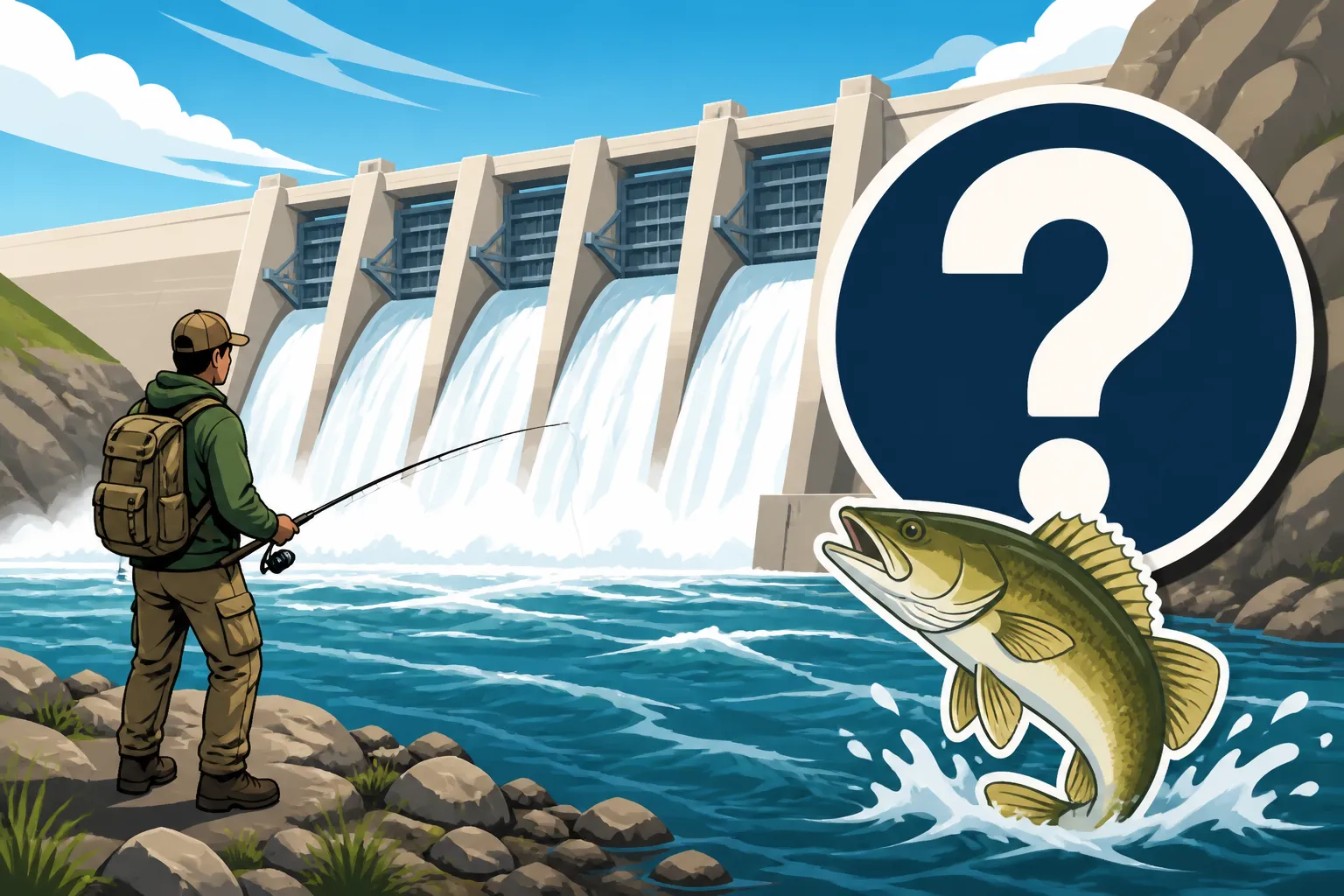
Let's be honest, standing on the bank, looking down at the mighty Missouri River churn and boil below the colossal Oahe Dam near Pierre, you might wonder, "Can I actually fish here from shore?" It's a question that weighs on many anglers, intimidated by the sheer power of the water and the sheer size of the dam. The good news is, yes, absolutely, you can fish from the bank below Oahe Dam, and it can be incredibly rewarding. This guide will walk you through the ins and outs, giving you the practical advice you need to tackle this unique and productive stretch of water.
Understanding the Oahe Dam Tailwaters for Bank Fishing
The Oahe Dam tailwaters are a truly special place for anglers. The dam itself holds back Lake Oahe, creating a massive reservoir, but below it, the water released from the dam creates a turbulent, oxygen-rich environment that concentrates baitfish and, consequently, large predatory game fish. It’s a dynamic, powerful fishery unlike many others in South Dakota.
The Allure and Challenges of Tailwater Fishing
What makes the Oahe tailwaters so alluring for bank anglers? For starters, the current. It's strong, relentless, and it brings a constant buffet of food right to the fish. This means the fish here are often robust, healthy, and aggressively feeding. You're not just casting into still water; you're engaging with a living, breathing river that demands your respect and attention. Many anglers have pulled out their personal best walleye or a hard-fighting Chinook salmon right from these banks. The sheer diversity of species that congregate here, from enormous catfish to trophy northern pike, adds to the excitement.
However, with great opportunity comes great challenge. The strong currents can be a double-edged sword. They can make it incredibly difficult to get your bait down to the fish, keeping it in the strike zone, and preventing it from being swept away. Snags are another common frustration. The riverbed below the dam is littered with rocks, debris, and lost tackle from countless anglers, so be prepared to lose some gear. Access, while available, isn't always easy, and navigating the often rocky or muddy banks requires sure footing and careful attention. Safety is paramount, as the powerful flows can be dangerous if you're not careful.
Specific Access Points for Shore Anglers
Thankfully, the South Dakota Game, Fish and Parks (GFP) has developed excellent public access points that make bank fishing below Oahe Dam not just possible, but genuinely enjoyable. The primary area you'll want to focus on is the Oahe Downstream Recreation Area, located directly below the dam.
This area offers several designated spots where anglers can safely access the water from shore. You'll find paved access roads, ample parking, and often well-worn paths leading down to the water's edge. One of the most popular spots is right below the powerhouse discharge, where water flows out after generating electricity. This area is a magnet for fish, especially walleye and salmon, due to the concentrated current and oxygen. Further downstream, but still within the recreation area, you'll find more spread-out bank access where the river widens a bit. Keep an eye out for rocky points or eddies where fish might be holding out of the main current. It's always a good idea to scout the area first, especially if you've never been there, to identify the safest and most productive spots before you even make your first cast.
Navigating Regulations and Safety Around Oahe Dam
Fishing here isn't just about technique; it's also about being informed and staying safe. The Missouri River system has its own set of rules, and the powerful environment below the dam demands extra caution.
Key Fishing Regulations for the Tailwater Area
Before you even think about casting a line, make sure your South Dakota Fishing License Guide is up to date. While the general South Dakota Fishing Regulations Explained apply, there might be specific rules for the tailwater area that you need to be aware of. For instance, pay close attention to species-specific limits. The South Dakota Walleye Limits are always a hot topic, especially in such a productive walleye fishery, and you’ll want to know the current daily and possession limits to avoid any issues. Similarly, if you're targeting northern pike, be sure to check the South Dakota Northern Pike Limits.
Another critical piece of information is the number of lines you're allowed to use. Typically, anglers are limited to two lines unless otherwise specified. Always consult the most current South Dakota GFP Fishing Handbook Guide, which you can usually pick up wherever licenses are sold or find online. It’s your Bible for understanding all the nuances, including potential bait restrictions or special regulations that might apply to this specific stretch of river. Ignorance of the law is never an excuse, and game wardens are frequently patrolling these popular areas.
Essential Safety Precautions for Bank Fishing
This isn't your average serene pond fishing trip; the Oahe Dam tailwaters demand respect. The currents are incredibly strong and can sweep a person off their feet in an instant. This isn't an exaggeration – every year, there are incidents of people underestimating the river's power. Always, always wear a life jacket, even when bank fishing. This might seem excessive for shore angling, but a slip on a wet rock or a stumble could land you in truly dangerous waters.
Beyond the current, the banks themselves can be challenging. They might be muddy, slippery, or covered in loose rocks. Sturdy, slip-resistant footwear is non-negotiable. Watch your step, especially when moving between spots or when the ground is wet. Be mindful of sudden water releases from the dam, which can rapidly change water levels and increase current strength. While typically announced, always stay vigilant.
Another safety aspect to consider is boat traffic. Below the dam is a popular area for boat anglers as well, and even if you're on shore, you need to be aware of boats navigating the currents. They'll likely be giving the banks a wide berth, but it's good practice to be visible and avoid casting directly into boat lanes.
Techniques and Gear for Successful Bank Fishing Below Oahe Dam
Successfully fishing from the bank below Oahe Dam requires a bit of specific know-how. You can't just toss out a worm and expect magic, though sometimes, that works too! Understanding the right techniques and having the proper gear will significantly increase your chances.
Best Lures and Baits for Tailwater Species
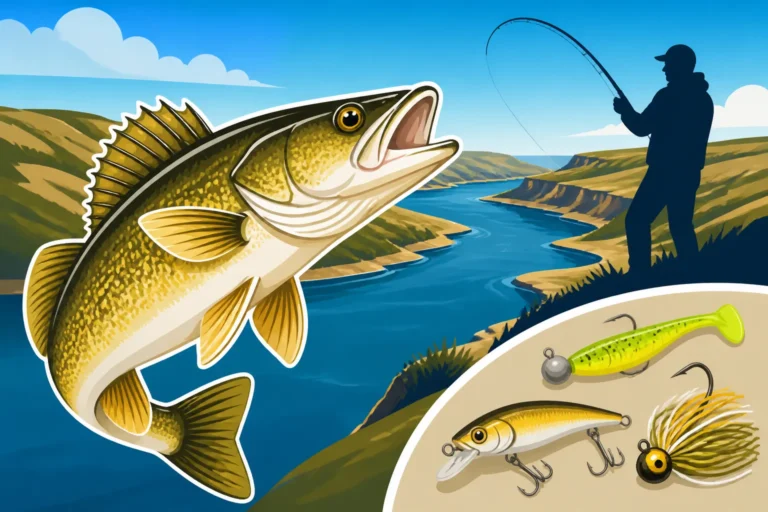
When it comes to lures and baits, you need offerings that can handle the current and appeal to the diverse appetites of the fish here. For walleye, jigs are king. Heavy jigs, from 1/2 ounce up to 1 ounce or even more, depending on the current, tipped with a plastic minnow or a live minnow, are incredibly effective. You're trying to bounce them along the bottom, mimicking a struggling baitfish. Popular colors include chartreuse, white, and darker shades for stained water. Crankbaits can also work, especially those designed for deeper diving and strong currents. You can cast them upstream and let the current work them down, or slowly retrieve them to keep them in the strike zone. If you're wondering Best Lures for South Dakota Walleye, many of those principles apply here, just with heavier weights.
For Chinook salmon, which make a strong run up the Missouri River and congregate below Oahe Dam, spoons and larger crankbaits are often the ticket. Many anglers specifically target these powerful fish, and learning How to Catch Chinook Salmon From Shore on Lake Oahe involves understanding their migratory patterns and preferred presentations. Live bait, like large shiners or suckers, can also entice larger northern pike or channel catfish. When targeting catfish, especially on the calmer stretches or in eddies, cut bait like shad or chunks of oily fish on a bottom rig can be incredibly effective. Check out Best Bait for South Dakota Catfish for more specific recommendations.
Rod, Reel, and Line Considerations for Strong Currents
Your standard panfish setup probably won't cut it here. You need robust gear to stand up to the strong currents and the powerful fish that inhabit them. A medium-heavy to heavy action spinning rod, typically 7 to 9 feet long, will give you the casting distance and backbone needed. Pair this with a sturdy spinning reel capable of holding a good amount of line. Brands like Daiwa or Shimano offer reliable options that can handle the stress.
Line choice is critical. Braided line, in the 20-30 pound test range, is highly recommended. Its minimal stretch allows for excellent sensitivity to detect subtle bites in the current, and its strength is invaluable for fighting larger fish and retrieving snags (though some will still be lost). A fluorocarbon leader of 10-20 pound test is often tied to the end of the braid for abrasion resistance and invisibility to the fish. You'll also need a variety of weights – pencil sinkers, pyramid sinkers, or heavy jigs – to get your bait down and keep it there. Having a selection from 1/2 ounce up to 2 ounces is a good starting point.
Reading the Water and Finding Fish from Shore
Learning to "read the water" is an invaluable skill anywhere, but especially in a river environment like the Oahe tailwaters. Fish, particularly walleye and salmon, will often hold in areas where they can expend less energy while still being close to a food source. Look for current seams, which are the visible lines where fast-moving water meets slower-moving water. Fish often sit just on the slower side of these seams, waiting for food to drift by.
Eddies, which are pockets of calm water behind obstacles like large rocks or points, are also prime holding areas. Don't overlook submerged structure, either. If you see a particularly turbulent patch of water, it might indicate rocks or other features below the surface that are breaking the current and providing cover for fish. Pay attention to how the current moves your line; if it's constantly sweeping your bait away, you might need to move to a calmer spot, increase your weight, or adjust your cast. Trial and error, combined with careful observation, will be your best teachers here. For a deeper dive into general tactics, you can also explore Best Tailwater Fishing Spots Below Oahe Dam for more insights.
Common Fish Species You'll Encounter
The Oahe Dam tailwaters are a veritable smorgasbord of fish species, each offering a different challenge and reward to the bank angler. The ecosystem here supports a healthy population of several highly sought-after game fish.
Target Species and What Makes Them Thrive Here
Undoubtedly, Walleye are the superstars of the Oahe tailwaters. The constant current delivers abundant forage, and the oxygen-rich water creates an ideal environment for them to thrive. These are often strong, hard-fighting walleye, accustomed to battling the current. You'll find them actively feeding, especially during low light conditions or when the water releases from the dam change. For a comprehensive understanding of these prized fish, delve into our South Dakota Walleye Fishing Guide.
Another exciting species is the Chinook Salmon. These landlocked salmon, stocked in Lake Oahe, will make their spawning runs up the Missouri River, congregating below the dam. They are incredibly powerful, making for an unforgettable fight on appropriate gear. Their presence adds a unique, big-game dimension to the tailwater fishery. Our South Dakota Chinook Salmon Fishing Guide offers detailed information on targeting these magnificent fish.
You'll also find a healthy population of Northern Pike. These toothy predators ambush baitfish from cover, often lurking in slightly slower currents or around any available structure. They can grow to impressive sizes here, adding an element of surprise to your catch. Channel Catfish are another common catch, especially in the deeper, slower sections. They're opportunistic feeders and can grow quite large, providing a powerful fight. Less common, but still present, are species like sauger, smallmouth bass, and even some panfish in calmer eddies.
Seasonal Considerations for Different Catches
The best time to fish below Oahe Dam can vary significantly depending on what you're targeting.
- Spring: As the ice melts and water temperatures rise, walleye become very active, moving into the tailwaters for feeding. This is a prime time for jigging and slowly working presentations along the bottom. Northern pike also become more active.
- Summer: Walleye fishing remains strong, especially during cooler mornings, evenings, and overcast days. Catfish become more active in the warmer water. This is also when the occasional smallmouth bass might be found.
- Fall: This is arguably the most exciting time for many anglers, as the Chinook Salmon Spawning Run Dates on Lake Oahe arrive. These powerful fish congregate below the dam before attempting to move upstream. Walleye fishing also picks up again as they feed heavily before winter. This combination makes fall an incredible time to visit.
- Winter: Even during the colder months, if the banks are accessible and not dangerously icy, you can find walleye in the deeper pools, though their activity levels will be lower.
No matter the season, the Oahe Dam tailwaters offer a challenging yet incredibly rewarding bank fishing experience for those willing to brave the currents and understand the unique dynamics of this incredible fishery. If you're planning a trip, consider using a platform like FishingBooker to explore local guides who specialize in these waters, as their insights can be invaluable.
Enhancing Your Experience: Tips for a Better Bank Fishing Trip
A successful day of bank fishing below Oahe Dam isn't just about catching fish; it's also about being prepared, staying comfortable, and respecting the environment. A little extra planning goes a long way.
Planning Your Trip and What to Bring
Don't just show up with your rod and reel. This is a demanding environment, and being prepared for varying conditions is key.
- Footwear: As mentioned, sturdy, waterproof, slip-resistant boots are essential. The banks can be muddy, rocky, and wet.
- Layered Clothing: South Dakota weather, especially near large bodies of water, can change rapidly. Dress in layers so you can add or remove clothing as temperatures fluctuate. A good rain jacket is always a smart idea.
- Hydration and Snacks: You'll be exerting yourself against the elements. Bring plenty of water and some high-energy snacks.
- Sun Protection: Sunscreen, a wide-brimmed hat, and polarized sunglasses are vital, even on cloudy days, to protect you from the sun's glare reflecting off the water.
- Basic Tackle: Bring extra jigs, weights, and leaders. Expect to lose some to snags. A small tackle bag or vest that keeps essentials easily accessible is very helpful.
- Pliers/Forceps: For hook removal, especially with toothy pike or deeply hooked fish.
- Small Net: A sturdy landing net with a long handle can be incredibly useful for safely landing larger fish from the bank, especially in current.
- First-Aid Kit: A basic kit for minor cuts, scrapes, or blisters is always a good idea.
- Trash Bag: Always pack out everything you pack in. Leaving no trace is critical for preserving these beautiful fishing spots.
- Communication: Cell service can be spotty in some areas, but always have your phone charged in case of an emergency. Consider telling someone where you're going and when you expect to return.
- FishingBooker Research: While not gear, using resources like FishingBooker to scout guide services can give you an idea of what local professionals use and recommend for gear and tackle if you're looking to upgrade or refine your setup.
Respecting the Environment and Other Anglers
The Oahe Dam tailwaters are a natural treasure and a popular fishing destination. It's up to all of us to keep it that way.
- Pack it In, Pack it Out: This is paramount. Don't leave any trash behind—no lost lines, no bait containers, no food wrappers. Let's keep South Dakota beautiful.
- Mind Your Neighbors: These spots can get crowded, especially during peak season or a hot bite. Be courteous, respect other anglers' space, and avoid casting over their lines. A friendly "hello" goes a long way.
- Practice Catch and Release: While you can certainly keep fish within legal limits, consider practicing selective harvest, especially for larger breeding fish. Release fish gently and quickly.
- Know the Rules: Reiterate the importance of knowing and following all regulations, including limits and any special area rules.
By approaching bank fishing below Oahe Dam with preparation, knowledge, and a respectful attitude, you're set for an amazing experience. It's a place where trophy fish are a real possibility and where the raw power of the Missouri River creates an unforgettable angling adventure.
Disclaimer
Please remember that fishing conditions, regulations, and access points can change. Always consult the latest South Dakota Game, Fish and Parks regulations and local advisories before planning your trip. Safety should always be your top priority when fishing in strong currents.