Best Tailwater Fishing Spots Below Oahe Dam
The sheer power and scale of the Missouri River below Oahe Dam can be intimidating for even seasoned anglers, making it tough to pinpoint where to even start fishing for those legendary walleye, powerful Chinook salmon, and feisty smallmouth bass. You're not alone if you've felt overwhelmed by the strong currents and vastness of the water, wondering if you're in the right spot or using the right technique. This guide is designed to cut through that guesswork, revealing the best tailwater fishing spots below Oahe Dam and the most effective ways to fish them, ensuring you spend less time searching and more time reeling in those trophy catches.
The Unique Appeal of the Oahe Dam Tailwater Fishery
The tailwater below Oahe Dam is a truly special place for anglers in South Dakota. It's where the deep, cold waters of Lake Oahe are released, creating a dynamic, nutrient-rich environment that acts like a giant feeding funnel for a multitude of fish species. This constant flow and unique ecosystem make it one of the most productive fishing destinations in the state, offering unparalleled opportunities for both quantity and quality catches.
Why the Tailwater is a Fish Magnet
Imagine a river section that benefits from a consistent, oxygen-rich flow and cooler, stable water temperatures year-round, even when the rest of the river heats up. That's precisely what the Oahe Dam tailwater offers. The dam itself acts as a massive filtration system and a barrier, concentrating forage species like smelt, gizzard shad, and various minnows that are flushed through the turbines from the reservoir. This abundant and readily available food source draws in predatory fish from miles around, making the tailwater an ideal hunting ground.
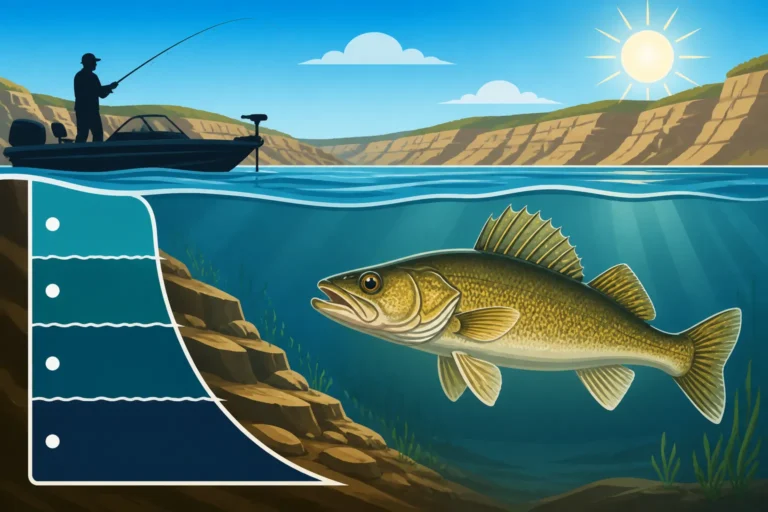
Furthermore, the dam's structure and the subsequent river bottom create an intricate network of current breaks, deep pockets, scour holes, and rocky ledges. These features provide perfect ambush points and resting areas for fish trying to escape the strong current. Whether it's a calm eddy behind a submerged rock pile or a deep trough where the current slows, these micro-environments are prime real estate for fish, leading to a higher density of targets for anglers. The constant movement of water also keeps fish active and feeding, often leading to more aggressive bites than in stagnant waters.
Key Species That Thrive Below the Dam
When you drop a line in the Oahe tailwater, you're entering a diverse aquatic world. While some species are undoubtedly the stars, others offer exciting bycatch opportunities.
The undisputed champion of the Oahe tailwater is the Walleye. These toothy predators are drawn to the abundant baitfish and the structure created by the powerful current. You'll find them holding in seams, behind current breaks, and along the edges of deep channels, constantly on the lookout for an easy meal. Many anglers come here specifically to pursue these highly sought-after fish, hoping to land a true South Dakota trophy. For more details on targeting these fish, check out our comprehensive South Dakota Walleye Fishing Guide.
Another major draw, especially in the cooler months, is the Chinook Salmon. Lake Oahe is famous for its Chinook fishery, and when these powerful fish begin their annual spawning run in the fall, they concentrate in the tailwater area below the dam. They offer a unique, hard-fighting challenge for anglers, often requiring specialized techniques. If you're looking for a thrilling fight, these chrome beauties won't disappoint. Our South Dakota Chinook Salmon Fishing Guide has even more information.
Beyond these two titans, you'll also find a healthy population of Smallmouth Bass. These aggressive fighters love the rocky structure and current. They’re often found in areas with riprap, scattered boulders, and gravel beds, especially when the water warms slightly. Channel Catfish are also plentiful, particularly in deeper, slower sections, and are often caught incidentally by walleye anglers or specifically targeted by those looking for a strong pull. Don't be surprised to encounter Northern Pike, White Bass, and various panfish as well, adding to the exciting diversity of your catch. If you’re serious about catching some big whiskered fish, you might want to explore dedicated Missouri River Catfish Fishing Spots.
Prime Real Estate: Specific Fishing Spots to Target
Knowing which species are in the tailwater is one thing, but knowing where to find them within this vast stretch of river is the real key to success. The Oahe Dam tailwater isn't one uniform fishing spot; it's a series of distinct zones, each offering unique opportunities.
The Immediate Tailrace: Where the Action Begins
The water directly below the Oahe Dam is often referred to as the immediate tailrace, and this is where the action can be absolutely furious. The intense turbulence and strong currents right out of the dam's gates make it an incredibly rich feeding zone. Fish are constantly funneling through, and the sheer volume of baitfish makes it a prime area for large predatory species. However, it's also a place that demands respect and caution due to the powerful water movement.
Anglers with boats often anchor in specific spots just out of the main current or drift through seams, precisely presenting jigs or live bait. The depth changes rapidly, and the bottom can be incredibly rugged, so being aware of your surroundings and using a good depth finder is crucial. Shore access directly at the dam face can be limited and challenging due to safety regulations and the sheer force of the water. Always heed signage and safety barriers. For those considering navigating these powerful waters in a boat, make sure you're up to date on all South Dakota Boat and Water Access Rules. If you're new to the area or feel a bit daunted by the immediate tailrace, using a service like FishingBooker can connect you with experienced local guides who know these waters intimately and can ensure a safe and productive trip.
The Spillway and Turbine Discharge Areas
The dam’s operations, specifically the spillway gates and turbine discharges, create transient but incredibly productive fishing scenarios. When the spillway gates are open or the turbines are generating power, massive amounts of water are released, often carrying disoriented baitfish into the river below. These surges create temporary current breaks, eddies, and new feeding lanes that can light up with fish activity.
Walleye and salmon, in particular, will stage themselves just outside these discharge areas, waiting to ambush anything that comes through. The fishing can be phenomenal during these periods, but it requires close attention to the dam's generation schedules, which are often available from the Army Corps of Engineers or local bait shops. The water levels and currents can change dramatically and quickly, so constant vigilance is necessary. Fishing these areas effectively often means adapting your jig weight or trolling speed to match the current, constantly searching for that perfect seam where fish are holding.
Downstream Structure: Points, Flats, and Seams
As you move further downstream from the immediate tailrace, particularly towards the city of Pierre, the Missouri River widens, and its character shifts. While the current remains a dominant factor, the bottom structure becomes more varied, offering a different set of challenges and opportunities. Here, you'll find vast flats, submerged points, gravel bars, and deep river channels that are all prime holding areas for fish.
The key here is to understand how fish relate to the current and the available structure. Walleye, for instance, will often stack up on the downstream side of submerged points or along the edges of deep channels where the current is slightly reduced but still brings food. Shallow flats adjacent to deeper water can become feeding grounds during low light conditions or when baitfish move onto them. Finding these subtle changes in the bottom contour or current speed is paramount. Utilize your electronics to map out the river bottom and identify potential fish-holding structure. Think about it like solving a puzzle; fish are always looking for the easiest place to feed with the least amount of effort. If you're struggling to locate fish on a new body of water, learning How to Find Walleye on a New Lake can apply even to large river systems.
Public Access and Boat Ramps Near Pierre
For anglers looking to launch a boat and explore the expansive waters below Oahe Dam, the Pierre area offers excellent public access points. The Oahe Downstream Recreation Area is a fantastic spot, located very close to the dam, offering multiple well-maintained boat ramps, ample parking, and often fish cleaning stations. It's a popular hub for anglers targeting both walleye and salmon.
Further downstream, closer to Pierre itself, you'll find additional municipal boat ramps and access points that provide access to different stretches of the river. These ramps are generally easy to use and well-suited for a variety of boat sizes. Many of these areas also feature shore fishing opportunities, allowing you to cast from the bank into calmer eddies or accessible points. When planning your trip, consider using FishingBooker to explore local guide services. A professional guide can not only navigate you to the best boat ramps but also provide invaluable local knowledge about the hottest spots and current conditions, making your trip much more efficient and enjoyable.
Proven Techniques for Tailwater Success
Fishing the Oahe Dam tailwater requires a versatile approach. The strong currents and diverse species mean that no single technique will always work. Anglers who master a variety of presentations are often the most successful.
Jigging in Current: A Staple for Walleye
Jigging is arguably one of the most effective and widely used techniques in the Oahe tailwater, especially for walleye. The key is to get your jig down to the fish in the heavy current and maintain bottom contact. This often means using heavier jigs than you might typically use in calmer waters, ranging from 3/8 oz to 1 oz or even more, depending on the current speed and depth.
Vertical jigging directly beneath the boat is a classic approach, allowing you to stay precisely over fish marks on your sonar. You can tip your jig with a live minnow, a gulp minnow, or various plastic paddle tails or grubs. The "snap jigging" technique, where you aggressively lift and drop the jig, can often trigger reaction bites from lethargic fish. Pitching jigs into current breaks or eddies from an anchored position or while drifting is another potent strategy. Let the jig fall naturally, maintaining a tight line to feel those subtle "thunks" or weightless bites that signal a walleye has picked it up. Mastering these Jigging Techniques for Missouri River Walleye will significantly boost your success rate.
Trolling for Depth and Coverage
When fish are scattered across larger flats or suspended in the water column, trolling becomes an indispensable tool. It allows you to cover vast amounts of water and present lures at precise depths, which can be crucial when targeting walleye or salmon.
For walleye, common trolling setups include bottom bouncers paired with spinner rigs (like a Slow Death rig with a crawler) or crankbaits. The weight of your bottom bouncer or the diving depth of your crankbait needs to match the depth and current you're fishing. Using planer boards can help spread out your lines, allowing you to cover an even wider swath of water and present baits away from the boat's prop wash. When trolling crankbaits, pay close attention to lure color; often, natural hues like shad or perch patterns work well, but don't shy away from bright, aggressive colors on overcast days or in stained water. Always be mindful of the South Dakota Walleye Limits to ensure you're fishing responsibly.
Shore Fishing Strategies for the Tailwater
Not every angler has a boat, but that doesn't mean you can't have a fantastic fishing experience in the Oahe tailwater. Shore anglers can find success by targeting accessible eddies, points, and calmer areas just outside the main current.
Casting heavy spoons, jigs, or even bottom rigs with bait can be effective. During the fall salmon run, casting large spoons or flashy crankbaits from accessible banks near the dam can yield exciting results. For walleye, a slip bobber rig drifted into an eddy or a sheltered cove with a live minnow can be deadly. The key for shore anglers is often patience and observation – watching for baitfish activity or subtle signs of current breaks. Always prioritize safety and be aware of steep banks or sudden drop-offs. Before heading out, make sure you're familiar with all South Dakota Fishing Regulations Explained to avoid any mishaps.
Targeting Chinook Salmon in the Fall
The fall Chinook Salmon run on Lake Oahe is a truly spectacular event, and the tailwater below Oahe Dam becomes a focal point for anglers. These powerful fish gather near the dam as they attempt to complete their spawning migration, offering a unique opportunity for an unforgettable battle.
The primary technique for these salmon in the tailwater is often trolling with heavy spoons or plugs. Downriggers are frequently employed to get lures down to the precise depth where salmon are holding, often in the upper water column or near thermoclines. Popular spoon colors tend to be bright and flashy, mimicking baitfish. From shore, during peak runs, casting heavy, silver or gold spoons and retrieving them quickly can also entice a strike. However, these fish are incredibly strong, so ensure your tackle is up to the task. To maximize your chances, familiarize yourself with specific South Dakota Chinook Salmon Trolling Techniques.
Navigating Regulations, Safety, and Ethical Angling
Fishing the Oahe Dam tailwater is a privilege, and it comes with responsibilities. Understanding the rules, prioritizing safety, and practicing ethical angling are crucial for both your enjoyment and the long-term health of this incredible fishery.
Essential South Dakota Regulations for the Missouri River
South Dakota has specific regulations in place to manage its fisheries, and the Missouri River system, including the Oahe tailwater, often has nuanced rules. Before you even cast a line, ensure you have a valid South Dakota Fishing License Guide. Beyond the license, pay close attention to daily limits and length restrictions for specific species. Walleye, for instance, often have slot limits or specific daily take limits that can vary by water body. Chinook salmon also have their own regulations regarding daily and possession limits.
The best source for the most current information is always the official South Dakota Game, Fish and Parks (GFP) fishing handbook. You can pick one up at any license vendor or download it online. Ignorance of the law is never an excuse, and game wardens actively patrol these popular waters. Always consult the South Dakota GFP Fishing Handbook Guide to stay informed, and pay special attention to sections on South Dakota Fishing Season Dates and Limits.
Prioritizing Safety in Strong Currents
The Missouri River below Oahe Dam is a powerful body of water, and safety should always be your number one concern. The currents can be incredibly strong, especially immediately below the dam or when power generation increases. If you're fishing from a boat, ensure all occupants are wearing properly fitted life jackets, and that your vessel is equipped with all required safety gear, including a throwable device, horn, and fire extinguisher. Understand how to operate your boat in strong currents and be aware of potential hazards like submerged debris or rapidly changing depths.
For those fishing from shore, be cautious of slippery banks, steep drop-offs, and swift eddies that can pull you off balance. Never turn your back on the water, and always let someone know where you're going and when you expect to return. Being aware of the weather forecast is also critical, as sudden storms can create dangerous conditions on the water. For a full rundown on what you need, check out the South Dakota Boat Safety Requirements.
Respecting the Resource and Fellow Anglers
Ethical angling goes beyond just following the rules; it's about being a good steward of the resource and a respectful member of the angling community. This means practicing catch and release for fish you don't intend to keep, especially smaller fish or those within slot limits, to help maintain healthy populations. Handle fish gently, minimize their time out of water, and use proper release techniques.
Always pack out what you pack in, ensuring no trash is left behind. Be mindful of noise levels, especially when fishing near other boats or shore anglers, and maintain a respectful distance from others. The Oahe tailwater is a popular spot, and sharing the water courteously ensures everyone has a positive experience. If you're new to the area or want to learn more about sustainable fishing practices, connecting with a reputable guide through FishingBooker is a great way to gain local insights while ensuring you contribute positively to the environment and the angling community. A good guide not only puts you on fish but also instills a strong sense of conservation and ethical angling.
Tailwater Fishing Characteristics Below Oahe Dam
| Characteristic | Immediate Tailrace (Right Below Dam) | Mid-Section (Towards Pierre) | Downstream (Pierre Area & Below) |
|---|---|---|---|
| Current Strength | Very Strong / Turbulent | Strong to Moderate | Moderate / More Varied |
| Primary Species | Walleye, Chinook Salmon, Smallmouth Bass | Walleye, Smallmouth Bass, Catfish, White Bass | Walleye, Catfish, Smallmouth Bass, Panfish |
| Key Features | Dam discharges, scour holes, strong eddies | Channel edges, submerged points, current seams | Large flats, gravel bars, bridges, calmer bays |
| Recommended Techniques | Heavy Jigging, Trolling (deep), Shore Casting | Jigging, Bottom Bouncing, Trolling (crankbaits) | Jigging, Bottom Bouncing, Slip Bobbers, Trolling |
| Access | Limited shore, Boat (experienced) | Boat, Some shore access at recreation areas | Boat, Extensive shore access, city parks |
| Bait/Lures | Live minnows, heavy plastics, large spoons | Live minnows/crawlers, plastics, crankbaits | Live bait (minnows/crawlers), plastics, spinnerbaits |
| Safety Considerations | Extreme currents, rapid depth changes, debris | Strong currents, boat traffic, changing bottom | Boat traffic, variable depths, occasional debris |
This table provides a quick overview, but remember that fish behavior and river conditions are dynamic. Adapting your approach based on real-time observations and current reports will always be your best bet.
Disclaimer
Please be aware that fishing regulations, conditions, and recommended techniques can change. Always consult the most current South Dakota Game, Fish and Parks regulations before heading out. Safety on the water is paramount; understand local conditions and wear appropriate safety gear. This guide is for informational purposes only and should not replace official sources or professional advice.