Missouri River Catfish Fishing Below Fort Randall Dam
Trying to figure out the best spots for catfish below a massive structure like Fort Randall Dam on the Missouri River can feel like looking for a needle in a haystack, especially with that powerful current. It’s a challenge to know where those big whiskered monsters are holding and what they're biting, leaving many anglers frustrated and empty-handed. This guide is dedicated to breaking down exactly how to approach catfish fishing in this unique and productive stretch of water, giving you the insights and strategies you need to fill your cooler or land that trophy of a lifetime.
Why Fort Randall Dam is a Catfish Hotspot
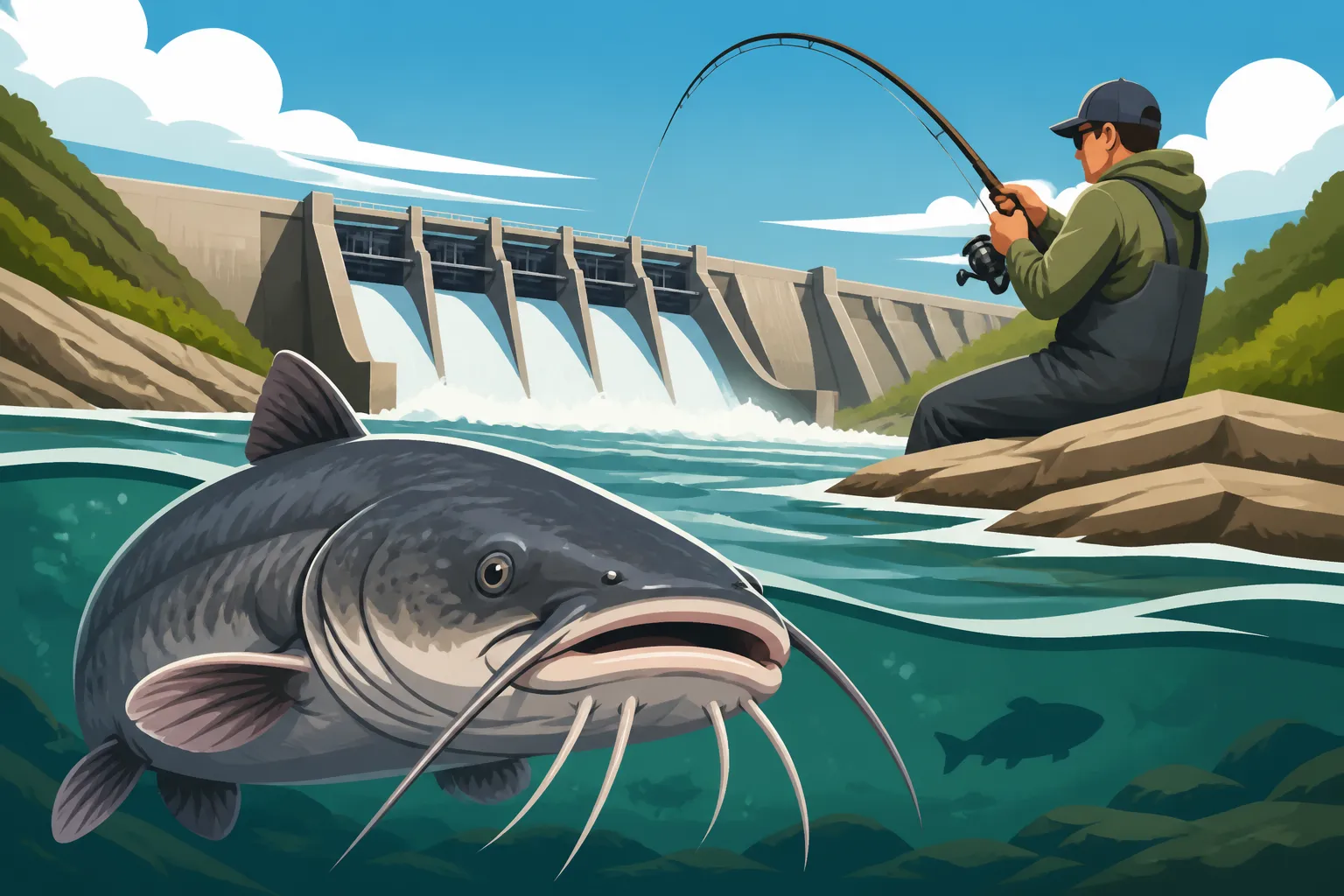
The stretch of the Missouri River immediately below Fort Randall Dam is not just another piece of water; it’s a dynamic, nutrient-rich environment that’s a veritable buffet for catfish. The constant flow from the dam creates an ecosystem teeming with food and diverse habitats, making it a prime location for both channel catfish and flathead catfish to thrive and grow to impressive sizes.
The Unique Draw of the Tailwaters
The Fort Randall tailwaters are constantly fed by the cold, oxygen-rich water released from the bottom of Lake Francis Case. This steady current scours the riverbed, creating deep holes, gravel bars, and current breaks that are perfect ambush points and resting areas for catfish. The turbulence from the dam also disorients baitfish and washes down an abundance of food, concentrating it in the immediate downstream areas. Think of it as a natural conveyor belt of sustenance for hungry catfish. These conditions mean that fish are often more active and predictable in their feeding patterns compared to slower-moving sections of the river. You’ll often find large schools of baitfish, like shad and gizzard shad, congregating in these areas, which in turn attracts the larger predatory catfish. The sheer volume of available forage is a major reason why the catfish here reach such impressive sizes.
Identifying the Catfish Species You'll Encounter
While South Dakota waters host various fish, below Fort Randall Dam, your primary targets will be two heavyweights: the channel catfish and the flathead catfish. Understanding their differences is key to successful angling.
-
Channel Catfish: These are the most common and widespread catfish species in South Dakota. They have a sleek, elongated body, deeply forked tail, and scattered dark spots on their sides, though these spots may fade in older, larger fish. Channel cats are opportunistic feeders, eating almost anything from cut bait and prepared stink baits to worms, insects, and small fish. They thrive in a variety of habitats, but in the tailwaters, they'll often be found in moderate currents, especially around current seams, eddies, and channel edges where food accumulates. They are known for their strong fight and excellent table fare. You can learn more about how to identify them in our guide to South Dakota Catfish Species Identification.
-
Flathead Catfish: These are the true giants of the river. Flatheads have a distinctive flattened head (hence the name), a protruding lower jaw, and a square or slightly notched tail, unlike the deeply forked tail of a channel cat. Their coloring is mottled brown and yellow, offering camouflage against the riverbed. Unlike channels, flatheads are almost exclusively piscivorous, meaning they prefer live bait – live sunfish, bluegills, or small suckers are their preferred meal. They are ambush predators that love to hide in heavy cover like submerged timber, rock piles, and deep scour holes, waiting for an unsuspecting meal to swim by. Landing a large flathead from the strong currents below Fort Randall is a true test of skill and tackle, and a significant achievement for any angler. Understanding the Channel Catfish vs Flathead Catfish differences is crucial for targeting your preferred species.
Mastering Catfish Techniques in the Tailwaters
Fishing the powerful tailwaters below Fort Randall Dam requires specific strategies and robust gear. Simply throwing out a line might get you a bite, but to consistently catch catfish, especially the bigger ones, you need to understand how to rig effectively, read the water, and select the right bait for the conditions.
Rigging for Success in Strong Currents
The strong currents below Fort Randall Dam demand heavier tackle and specific rigs to keep your bait in the strike zone. Light tackle simply won't cut it here; your bait will be swept away before it even has a chance.
- The Slip Sinker Rig (Carolina Rig): This is arguably the most versatile and popular rig for river catfishing. It consists of a heavy egg sinker or no-roll sinker (often 2-6 ounces, sometimes more depending on current speed) threaded onto your main line, followed by a bead (to protect your knot), a strong swivel, and a leader (12-24 inches) tied to a sturdy hook. The beauty of this rig is that the line can slide freely through the sinker, allowing a biting fish to pick up the bait without feeling the weight of the sinker. This gives them time to mouth the bait and increases your hook-up ratio. It’s perfect for both casting and setting lines from a boat or shore in areas with moderate current.
- The Three-Way Swivel Rig: When the current is exceptionally strong, or you want to present your bait slightly off the bottom, a three-way swivel rig shines. You tie your main line to one eye of the three-way swivel, a dropper line with a heavy sinker (usually shorter, 6-12 inches) to a second eye, and your leader with the hook to the third eye (often 18-36 inches). This rig allows your bait to flutter enticingly in the current just above the bottom, keeping it visible and away from snags that might swallow your sinker. This is particularly effective when targeting fish that might be suspended slightly or in areas with very irregular bottom structure.
- Hooks and Line: For hooks, use stout, sharp circle hooks or Kahle hooks in sizes appropriate for your bait and target species (e.g., 5/0 to 10/0). Circle hooks are excellent as they typically hook the fish in the corner of the mouth, making for easier release and reducing gut-hooking. For line, opt for 20-50 lb test monofilament or braided line for your main line, with a fluorocarbon or heavy mono leader of similar strength. Braided line offers superior sensitivity and strength for fighting big fish in current.
Reading the Current and Structure for Prime Spots
Catfish are structure-oriented fish, and in a river system, "structure" often means changes in depth, current, or bottom composition. Understanding how to read the water can make all the difference in finding where the fish are holding.
- Current Seams and Eddies: These are absolute gold mines. A current seam is where fast-moving water meets slower-moving water, creating a distinct line on the surface. Catfish will often sit just out of the main current in the slower water, waiting for food to wash past them in the faster flow. Eddies are areas of reverse current, often found behind large rocks, points, or bridge pilings. They create a calm spot where food settles, offering catfish a low-effort feeding station. Target the edges of these seams and eddies.
- Deep Holes and Scour Areas: The dam’s powerful discharge creates deep scour holes directly below it. These depressions offer sanctuary from the strong current and are prime holding areas for large flatheads and channel cats. Look for sudden depth changes on your fish finder or consult a detailed river map. Further downstream, natural bends in the river and underwater obstructions like old bridge abutments or submerged timber will also create similar deep holes.
- Snags and Submerged Cover: Fallen trees, rock piles, and other debris provide crucial cover for flatheads, who love to hide and ambush prey. While fishing snags can be risky for losing tackle, the reward can be enormous. Approach these areas carefully, and be prepared for a strong fight when a big flathead takes your bait. Remember, fishing too far away from the snags means you’re probably not reaching the flatheads.
Best Baits and When to Use Them
Matching your bait to the species you’re targeting and the conditions is crucial. What works for a channel cat might not entice a flathead. For a comprehensive overview, you might also want to check our guide on the Best Bait for South Dakota Catfish.
- Cut Bait: For channel catfish, cut bait is king. Freshly cut pieces of oily fish like shad, gizzard shad, carp, or even perch are highly effective. The scent trail they emit in the current is irresistible to channel cats. The fresher, the better. You can also "age" cut bait slightly for an even stronger scent, but avoid anything truly rotten. Use pieces roughly 1-2 inches long, ensuring there’s enough meat to stay on the hook in the current.
- Prepared "Stink" Baits: Commercial stink baits, dough balls, and punch baits are also excellent for channel catfish, especially in warmer water. Brands like Catfish Charlie, Sonny's Super Sticky Bait, or Sure Shot often have formulas designed for strong current. These baits are designed to disperse a powerful scent cloud, attracting catfish from a distance. However, they are generally less effective for flatheads, who prefer live prey.
- Live Bait: If you’re serious about catching trophy flathead catfish, live bait is your best bet. Live sunfish, bluegills, or small suckers (legal baitfish per South Dakota Fishing Regulations Explained) are irresistible to flatheads. Hook them through the back (above the lateral line) or through both lips to keep them lively. Flatheads are ambush predators, so present your live bait near heavy cover like submerged logs or rock piles. The struggle of the live bait is what triggers their predatory instinct.
- Seasonal Considerations: In spring, as water temperatures rise, catfish become more active and move into shallower areas to feed after winter. Cut bait and worms are excellent choices. During summer, especially at night, catfish are incredibly active. This is prime time for both live bait for flatheads and cut/stink baits for channels. In fall, as waters cool, catfish feed heavily to prepare for winter, making cut bait a great option as they often concentrate in deeper holes.
Essential Gear and Boat Handling for River Catfish
Fishing the Missouri River below Fort Randall Dam isn't just about bait and rigs; it also requires appropriate gear and a keen understanding of boat handling in strong currents. Safety is paramount, and having the right equipment can make your trip much more enjoyable and productive.
Public Access Points and Boat Ramps
Knowing where to launch your boat or access the shoreline is your first step. The tailwaters offer several options, but keep in mind that strong currents are present everywhere.
- Fort Randall Dam Tailwater Recreation Area: This is the most direct access point, located immediately below the dam. It features excellent boat ramps, ample parking, and picnic areas. This is often where anglers targeting the immediate scour holes and current breaks directly below the dam will launch. It’s also one of the best spots for shore fishing, with designated areas and riprap banks.
- Pease Creek Recreation Area: Located a few miles downstream from the dam, Pease Creek offers additional boat ramps and camping facilities. While still influenced by the dam's discharge, the current might be slightly less intense here compared to the immediate tailwaters, offering a slightly different fishing experience. It's an excellent option for those looking to explore a bit further downstream or for a more relaxed setting.
- Other Informal Access: While these are the primary developed areas, various smaller public easements or road-end accesses can be found further downstream along the river. Always check local maps and signage to ensure you’re on public land and adhering to any specific use regulations.
Navigating the Tailwaters: Safety First
The Missouri River below Fort Randall Dam is a powerful body of water. Safety should always be your top priority.
- Strong Currents: The water released from the dam creates significant currents, which can be challenging, especially for smaller boats. Always wear a life jacket, ensure your boat is properly maintained, and be aware of your surroundings. If you're new to fishing strong currents, consider going with an experienced angler or even hiring a local guide through platforms like FishingBooker for your first trip. They can teach you the ropes safely.
- Underwater Hazards: The riverbed below a dam can be dynamic, with shifting sandbars, submerged rocks, and hidden debris. Exercise caution, especially when navigating unfamiliar areas. Using a reliable fish finder with good mapping capabilities can help you identify these hazards and deeper channels.
- Boat Traffic: During peak seasons, these tailwaters can see considerable boat traffic from other anglers, sightseers, and commercial vessels. Maintain situational awareness, know the rules of navigation, and give other boats ample space, particularly when they are actively fishing.
Regulations and Best Practices
Fishing in South Dakota, especially in the Missouri River system, comes with specific regulations to protect fish populations and ensure sustainable angling. It's your responsibility to know and follow them.
- Licensing: Before you even cast a line, ensure you have a valid South Dakota fishing license. Whether you're a resident or a nonresident, there are various options, including an annual fishing license or specific South Dakota Nonresident Fishing License Rules.
- South Dakota Fishing Regulations Explained: Always consult the current South Dakota Game, Fish and Parks (GFP) fishing handbook. This document outlines specific regulations for different water bodies and species, including daily limits, possession limits, and size restrictions. For instance, there are specific South Dakota Catfish Limits and Size Rules that you must adhere to. The regulations can change annually, so having the most up-to-date information is essential.
- Ethical Angling: Practice catch and release, especially for larger breeding fish, if you're not planning to eat them. Handle fish gently, minimize their time out of water, and use proper release tools. Properly dispose of all trash, including discarded fishing line, to protect the environment and wildlife. Remember, leaving the area cleaner than you found it ensures everyone can enjoy these beautiful fishing spots for years to come.
Seasonal Strategies for Trophy Catfish
Catfish behavior changes with the seasons, influenced by water temperature, spawning cycles, and forage availability. Tailoring your approach to the time of year can significantly increase your chances of success for landing those impressive channel and flathead catfish below Fort Randall Dam. Understanding South Dakota Fishing Seasons Explained can give you a broader context for these changes.
Spring into Action: Pre-Spawn Prowess
As winter's ice retreats and water temperatures begin to climb in early spring (typically April and May), catfish shake off their winter lethargy and start to feed aggressively. This pre-spawn period is an excellent time to target them.
- Location: Catfish will begin moving from their deep wintering holes into shallower areas that warm up faster, often near current breaks and shallower flats adjacent to the main channel. They'll also follow baitfish migrations. Look for areas where the sun hits the water directly for longer periods, as these spots tend to warm up first.
- Technique: Focus on presenting cut bait or large nightcrawlers on a slip-sinker rig. Catfish are actively looking to pack on calories before the spawn, so a strong scent trail is key. Consider using a fan-casting approach, spreading multiple lines out to cover different depths and current speeds until you find where the fish are holding.
- Flatheads: While not yet in full spawn mode, flatheads will also be active. Target them with live baits, like a lively sunfish, positioned near submerged logs or rock piles that offer good cover from the current. Their metabolism is rising, and they’ll be more willing to move for a meal.
Summer Catfish Frenzy: Heat and Night Bites
Summer, particularly June through August, sees catfish at their most active. The warm water boosts their metabolism, and they feed voraciously. This is also prime time for targeting big flatheads.
- Daytime Strategy: During the heat of the day, catfish will often retreat to deeper, cooler water, seeking out the protection of structure like deep scour holes, timber, and the edges of the main river channel. Look for ledges and drop-offs where they can ambush prey. Heavy cut bait and robust prepared baits are effective for channel cats.
- Night Fishing: As the sun sets and temperatures cool, catfish often move into shallower areas to feed under the cover of darkness. Night fishing can be incredibly productive, especially for larger flatheads. Use headlamps, glow sticks on your rod tips, and be extra cautious navigating the river in the dark. This is often when you'll find flatheads cruising the edges of sandbars and shallower flats for prey. If you're planning a trip and need a guide for night fishing, a quick search on FishingBooker can help you find local experts.
- Technique: For channel cats, cast cut bait or stink bait into current seams and eddies. For flatheads, position large live baits near submerged cover. Ensure your tackle is heavy enough to withstand a powerful run from a big fish in the strong current.
Fall Feast: Preparing for Winter
As water temperatures begin to drop in late summer and early fall (September and October), catfish enter a "fall feed" mode, gorging themselves to build up fat reserves for winter. This can lead to some of the best fishing of the year.
- Location: Catfish will often congregate in deeper holes, channel bends, and areas with slower current, though they will still make forays into shallower feeding flats during warmer parts of the day. They're looking for concentrated food sources.
- Technique: Similar to spring, cut bait is highly effective. Catfish are looking for high-protein meals. Focus on presenting your bait on the bottom in the deeper parts of the river. As the water cools further, their metabolism slows, so be patient and let your bait sit for longer periods. Sometimes, a subtle vibration from the current is all it takes to attract attention.
- Flatheads: Fall is a fantastic time for trophy flatheads. They’ll be feeding aggressively on large live baits, often in slightly deeper ambush points before they fully retreat to their wintering grounds. Target large submerged wood structures or deep rock piles.
Remember, every day on the river is different. Pay attention to water levels, clarity, and temperature. These factors, combined with your understanding of seasonal patterns, will greatly increase your success in catching catfish below Fort Randall Dam.
Channel Catfish vs. Flathead Catfish Comparison
To help you distinguish and target your preferred species, here’s a quick comparison of the two main catfish species you'll encounter below Fort Randall Dam:
| Feature | Channel Catfish | Flathead Catfish |
|---|---|---|
| Appearance | Sleek body, deeply forked tail, dark spots | Flat, broad head, protruding lower jaw, square/notched tail, mottled brown/yellow |
| Diet | Omnivorous (cut bait, prepared baits, worms, insects, small fish) | Piscivorous (almost exclusively live bait: sunfish, bluegills, suckers) |
| Habitat | Moderate current, current seams, eddies, channel edges, diverse bottom types | Heavy cover: submerged timber, rock piles, deep scour holes, slack water adjacent to current |
| Size Potential | Commonly 2-15 lbs, but can reach 30+ lbs | Often 10-40 lbs, capable of exceeding 80 lbs |
| Fight | Strong, spirited fight | Powerful, stubborn fight, often diving into cover |
| Best Baits | Cut bait (shad, carp), prepared stink baits, nightcrawlers | Live bait (sunfish, bluegill, suckers) |
| Identification | Distinctive spots (often fade with age) | Unique head shape, no spots, different tail shape |
Disclaimer
The information provided in this guide is for general informational purposes only and is not intended as legal advice. Fishing regulations, license requirements, and safety guidelines can change. Always consult the official South Dakota Game, Fish and Parks (GFP) website or their current fishing handbook for the most accurate and up-to-date information before you go fishing.