Sheridan Lake Rainbow Trout Fishing Tips
It’s no secret that fishing for rainbow trout can be incredibly rewarding, but finding those elusive, vibrant beauties, especially in a popular spot like Sheridan Lake, can sometimes feel like trying to catch a ghost. The crystal-clear waters of the Black Hills are stunning, yet they present their own set of challenges, from spooking fish to navigating specific regulations. This guide is dedicated to helping you unlock the secrets of Sheridan Lake, providing you with detailed tips and techniques to improve your chances of landing some spectacular rainbow trout.
Understanding Sheridan Lake as a Trout Habitat
Sheridan Lake, nestled in the heart of the Black Hills National Forest, isn't just a picturesque spot for recreation; it's a prime habitat for rainbow trout. This lake offers a unique environment compared to the faster-moving Black Hills streams, requiring a slightly different approach for anglers targeting trout. Its depths, submerged structures, and varied shorelines all play a role in where trout hold and feed throughout the year.
Lake Characteristics and Trout Behavior
Sheridan Lake is a relatively deep lake with cold, clear water, which is precisely what rainbow trout prefer. Unlike species that thrive in warmer, murkier conditions, rainbows are sensitive to water temperature and oxygen levels. The lake's depth allows them to retreat to cooler, more oxygenated waters during the warmer summer months. In spring and fall, as surface temperatures become more agreeable, these fish spread out, cruising shallower areas and actively feeding. Submerged rock piles, old timber, and ledges provide crucial cover for trout, acting as ambush points for baitfish and invertebrates, and offering protection from predators. Understanding these preferences is key to predicting where the trout will be. The South Dakota Game, Fish and Parks (GFP) actively manages Sheridan Lake's trout population, primarily through stocking programs, ensuring a healthy and vibrant fishery for anglers to enjoy. You can often find details about the stocking schedule by checking out the relevant information on the South Dakota Rainbow Trout Stocking Program.
Forage Base and Feeding Patterns
The diet of Sheridan Lake's rainbow trout primarily consists of aquatic insects, small baitfish, and crustaceans. Nymphs and larval forms of insects like midges, mayflies, and caddisflies are staples, especially in the cooler parts of the year. During warmer months, terrestrial insects that fall into the water, such as grasshoppers and beetles, also become part of their menu. Small minnows, often stocked alongside trout, provide another significant food source. This diverse diet means that trout can be enticed by a wide variety of baits and lures, but matching the hatch, or at least presenting something that mimics their natural forage, can dramatically increase your success rate. Pay attention to any insect activity on the water's surface; a rise in the evening often indicates trout feeding on emerging insects.
Effective Techniques and Baits for Sheridan Lake Rainbow Trout
Successfully catching rainbow trout in Sheridan Lake often comes down to choosing the right technique and bait for the conditions. It's not a one-size-fits-all situation; what works in spring might not be effective in mid-summer. Having a versatile tackle box and being willing to adapt can make all the difference.
Spin Fishing Techniques and Lure Choices
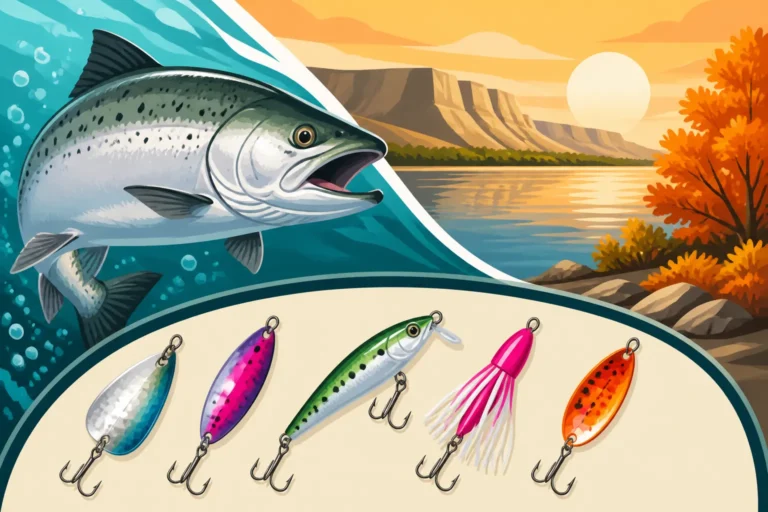
Spin fishing is incredibly popular and effective on Sheridan Lake, largely due to its versatility. Small inline spinners, like those from Mepps or Panther Martin, are perennial favorites. Their flashing blades and vibrations mimic small baitfish and attract trout from a distance. Colors like silver, gold, and brass, sometimes with a touch of red or orange, are generally productive. Small spoons, such as Kastmasters or Daredevils, also work wonders, especially when cast and retrieved with an erratic flutter that imitates injured prey.
When trout are holding deeper, particularly in summer, small jigs tipped with a piece of worm, powerbait, or a Gulp! Alive minnow can be deadly. Fish these vertically from a boat or slowly bounce them along the bottom from shore. Remember to use light line – 4 to 6-pound test monofilament or fluorocarbon is usually sufficient. Trout have excellent eyesight, especially in clear waters, so a lighter line can prevent them from seeing your presentation. When considering your gear setup, some of the advice in the Best Fishing Rods and Reels for Walleye might even translate for heavier trout, though generally, lighter tackle is preferred for rainbows.
Fly Fishing Strategies for Sheridan Lake
For the dedicated fly angler, Sheridan Lake offers a rewarding challenge. While many associate fly fishing with streams, stillwater fly fishing can be incredibly productive for trout. Focus on imitating the lake's abundant insect life.
- Nymphing: This is often the most consistent method. Patterns like Prince Nymphs, Hare's Ears, Pheasant Tails, and Scud patterns, in sizes #12-18, fished under an indicator or with a slow retrieve, can be very effective. Concentrate on drop-offs, weed lines, and areas with submerged structure where trout are likely to be foraging.
- Streamers: When trout are aggressive and feeding on baitfish, small streamer patterns like Woolly Buggers (black, olive, or white) or minnow imitations can trigger strikes. Strip these with varying speeds to mimic an injured fish.
- Dry Flies: During insect hatches, particularly in the evenings, dry fly fishing can be exhilarating. Look for rising fish and match your fly to the size and color of the natural insects. Griffith's Gnats, Parachute Adams, and Elk Hair Caddis are good starting points. For more specific Black Hills fly fishing insights, you might want to check out the South Dakota Fly Fishing for Black Hills Trout guide.
If you're looking for guidance, local experts often offer trips specifically for stillwater fly fishing on lakes like Sheridan. You can often find highly-rated guides on platforms like FishingBooker who specialize in these techniques and know the lake inside and out.
Live Bait and Scented Baits
Sometimes, nothing beats the natural appeal of live bait. A simple nightcrawler or piece of worm, fished under a bobber or on the bottom with a small weight, is a classic trout killer. The natural scent and movement are hard for a trout to resist. PowerBait, especially the floating varieties in bright colors like chartreuse, orange, or rainbow, is another incredibly effective option, particularly when fished off the bottom with a small split shot to allow it to float up a few inches. Tipping a small jig or spinner with a kernel of corn or a small piece of worm can also enhance its appeal. Scented artificial baits, such as Berkley Gulp! products, are also excellent alternatives that combine the attraction of scent with the durability of artificial lures.
Here's a quick comparison of popular bait and lure types:
| Bait/Lure Type | Best Season(s) | Technique | Notes |
|---|---|---|---|
| Inline Spinners | Spring, Summer, Fall | Cast & Retrieve | Mimics baitfish, effective when actively searching. Brands like Mepps and Panther Martin excel. |
| Small Spoons | Spring, Summer, Fall | Cast & Retrieve | Erratic flutter when retrieved, great for imitating injured minnows. |
| Jigs (tipped) | Year-round | Vertical Jigging, Slow Retrieve | Tip with PowerBait, worm, or Gulp! for added attraction. Effective in deeper water. |
| PowerBait (Floating) | Year-round | Bottom Rig, Stationary | Allow to float off the bottom. Wide range of colors; scent is key. |
| Nightcrawlers/Worms | Year-round | Bottom Rig, Bobber | Natural scent and movement. Classic and highly effective. |
| Nymph Flies | Year-round | Indicator, Slow Strip | Imitates aquatic insects. Essential for consistent fly fishing success. |
| Streamer Flies | Spring, Fall | Strip & Pause | Mimics baitfish. Good for aggressive trout or in murkier conditions. |
| Dry Flies | Summer, Fall | Surface Presentation | During active insect hatches. Requires careful observation of feeding trout. |
Seasonal Strategies for Sheridan Lake Trout Success
The Black Hills experiences distinct seasons, and your trout fishing approach needs to adapt accordingly on Sheridan Lake. What works best in the warmth of summer will likely be completely different from a cold winter day.
Spring and Early Summer Fishing
As the ice recedes and water temperatures begin to rise in spring, trout become more active and move into shallower areas to feed after a long, cold winter. This is often the best time for shore fishing, as trout are accessible closer to the banks. Focus on areas where warmer water might be entering the lake, like small inlets, or sunny points that warm up quickly. Small spinners, spoons, and PowerBait are highly effective during this period. The trout are hungry and relatively easy to locate. Early summer sees the fish spread out more, still accessible from shore or boat, but starting to hold near structure as the sun gets higher. This is a fantastic time for nymphing or stripping streamers if you're fly fishing. For comprehensive details on local regulations that change with seasons, refer to the South Dakota Fishing Season Dates and Limits.
Mid-Summer Tactics
Summer can be a bit more challenging for trout fishing on Sheridan Lake, especially during the heat of the day. As surface waters warm, rainbow trout retreat to cooler, deeper sections of the lake where oxygen levels are higher. This means you'll likely need a boat or kayak to reach them. Trolling small crankbaits or spoons at various depths is a productive method. Using a fish finder to locate schools of baitfish or prominent underwater structures will be incredibly beneficial. Early mornings and late evenings, when temperatures are cooler, can still offer good shore fishing opportunities as trout briefly move shallower to feed. If you're planning a trip around this time, consider reaching out to a local guide through FishingBooker to leverage their knowledge of current conditions and hot spots. They often have the right equipment, like downriggers, to get your lures to the exact depth where trout are holding.
Fall and Winter Opportunities
Fall on Sheridan Lake can be spectacular. As water temperatures drop, trout once again become very active and move back into shallower areas. They are aggressively feeding, preparing for winter. This is an excellent time for both spin fishing with a variety of lures and fly fishing with streamers or nymphs. The fish are often fat and feisty, making for exciting battles.
Winter brings ice fishing, which is a beloved tradition in South Dakota. Sheridan Lake freezes solid, offering unique opportunities. Jigging small spoons or specialized ice fishing jigs tipped with wax worms, minnow heads, or PowerBait is the go-to technique. You'll need a good ice auger and an understanding of ice safety. Look for areas with a combination of depth and proximity to structure. The Black Hills offers many ice fishing destinations; for more specific gear advice, a guide on South Dakota Ice Fishing Guide would be helpful. Always prioritize safety on the ice and be aware of conditions.
Accessing Sheridan Lake and Key Fishing Areas
Sheridan Lake is well-equipped for anglers, offering multiple access points, boat ramps, and amenities. Knowing where to go can save you time and put you on fish faster.
Boat and Shore Access
Sheridan Lake features several public access points. The main developed areas, typically on the north and east sides of the lake, offer paved boat ramps suitable for various sizes of watercraft. These areas also often include parking, restrooms, and picnic spots, making them convenient for a day trip or longer. For those without a boat, ample shoreline access is available around much of the lake. Popular spots for shore fishing include areas near the dam and along the campgrounds. Walking trails often skirt the lake, providing additional opportunities to find secluded coves or points that might hold fish. Remember that while the lake is open year-round, some facilities might have seasonal closures or limited services, so it's wise to check the National Forest Service or GFP websites before heading out. Anglers can explore the South Dakota Boat and Water Access Rules for more details on boat launches and related regulations.
Prime Fishing Locations on the Lake
While trout can be found throughout Sheridan Lake, certain areas tend to be more productive due to their structure and depth.
- The Dam Area: The deeper water near the dam often holds larger trout, especially during warmer months. Fishing from the bank here with PowerBait or a bottom rig can be very effective. From a boat, trolling at varying depths along the face of the dam can yield good results.
- Inlet Areas: Where streams or runoff enter the lake, particularly in spring and fall, these areas bring in nutrients and cooler water, attracting baitfish and subsequently trout.
- Submerged Structures and Drop-offs: Using a fish finder, locate underwater humps, rock piles, or sudden changes in depth. These are natural congregation points for trout. Jigging or slowly trolling over these structures is often productive.
- Weed Lines: Early in the season or in shallower bays, weed beds provide excellent cover and food for trout. Fishing the edges of these weed lines with small spinners or weedless jigs can be very effective.
Consider checking a current lake map or even engaging with local bait shops; they are invaluable resources for up-to-date information on where the fish are biting. Many of these insights can lead to successful days on the water. For more information on fishing in the broader region, the Black Hills Trout Stream Fishing Guide offers excellent context, even for lake fishing. Always be sure to check the specific South Dakota Fish Limits and Size Restrictions for Sheridan Lake to ensure you're compliant with regulations.
Final Considerations for a Successful Trip
Preparing for your trip to Sheridan Lake involves more than just knowing where and how to fish. Being mindful of environmental factors, adhering to regulations, and ensuring you have the right gear can greatly enhance your experience.
Weather, Water Conditions, and Preparation
The weather in the Black Hills can change rapidly, so always check the forecast before you go. Wind can make boating challenging and affect casting accuracy, while sudden temperature drops can influence trout behavior. Clear, calm days are often ideal, but overcast conditions can sometimes trigger a good bite as well. Pay attention to water clarity; in very clear water, trout can be spooky, requiring longer casts and lighter lines. Always pack layers of clothing, rain gear, and plenty of water and snacks. Sunscreen and a hat are also essential, even on cloudy days. Having a well-stocked tackle box, perhaps with a focus on items suggested in a general guide like Best Tackle for South Dakota Walleye Fishing (though adapted for trout), is crucial.
Regulations and Responsible Angling
Before casting a line, ensure you have a valid South Dakota Fishing License Guide. Be aware of any special regulations for Sheridan Lake, such as bait restrictions or specific size and creel limits. These are put in place to protect the fishery and ensure its sustainability for future generations. Practice catch-and-release, especially for larger breeding trout, if you're not planning to keep your catch. Handle fish gently, minimizing their time out of water, and use appropriate tools like needle-nose pliers for hook removal. Always pack out everything you pack in, leaving no trace behind. Responsible angling helps preserve the pristine beauty and excellent fishing opportunities that Sheridan Lake offers.
Disclaimer
Please note that fishing conditions and regulations can change. Always consult the latest South Dakota Game, Fish and Parks regulations handbook or their official website before any fishing trip. This guide is for informational purposes only and should not be considered legal advice.