Average Trout Size in Sheridan Lake
There’s nothing quite like the anticipation of a tug on your line, especially when you’re chasing trout in the gorgeous Black Hills of South Dakota. But let’s be honest, one of the first questions on every angler’s mind, especially if you’re heading to a new spot like Sheridan Lake, is "What size fish can I actually expect to catch?" It can be frustrating to plan a trip, only to find out the fish are smaller than you hoped, or worse, not even the species you were targeting. This guide is here to cut through the guesswork and give you a realistic picture of the average trout size in Sheridan Lake, along with tips to help you land those bigger beauties.
Understanding Trout Size Dynamics in Sheridan Lake
Sheridan Lake, nestled in the heart of the Black Hills National Forest, is a prime destination for trout fishing. It’s a beautiful, well-managed fishery, but like any body of water, the size of its fish can vary. When people ask about the "average trout size," they often picture a uniform length, but the reality is a little more nuanced, influenced by stocking efforts, natural reproduction, and the lake's overall ecosystem.
What Anglers Can Generally Expect to Catch
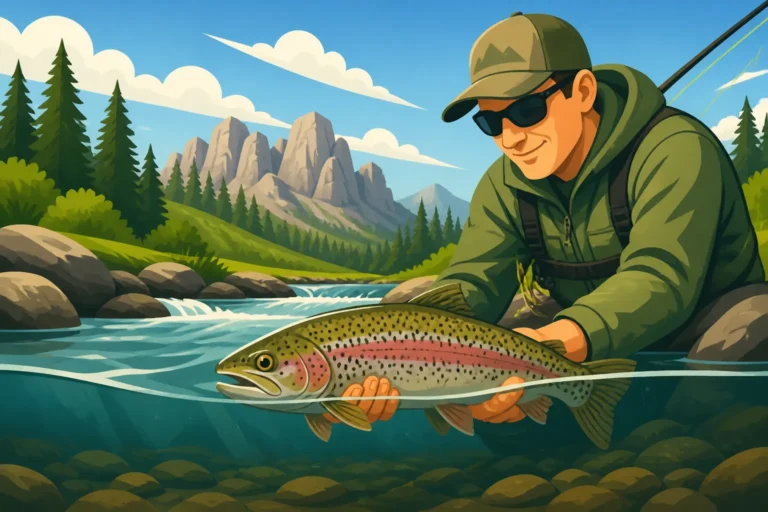
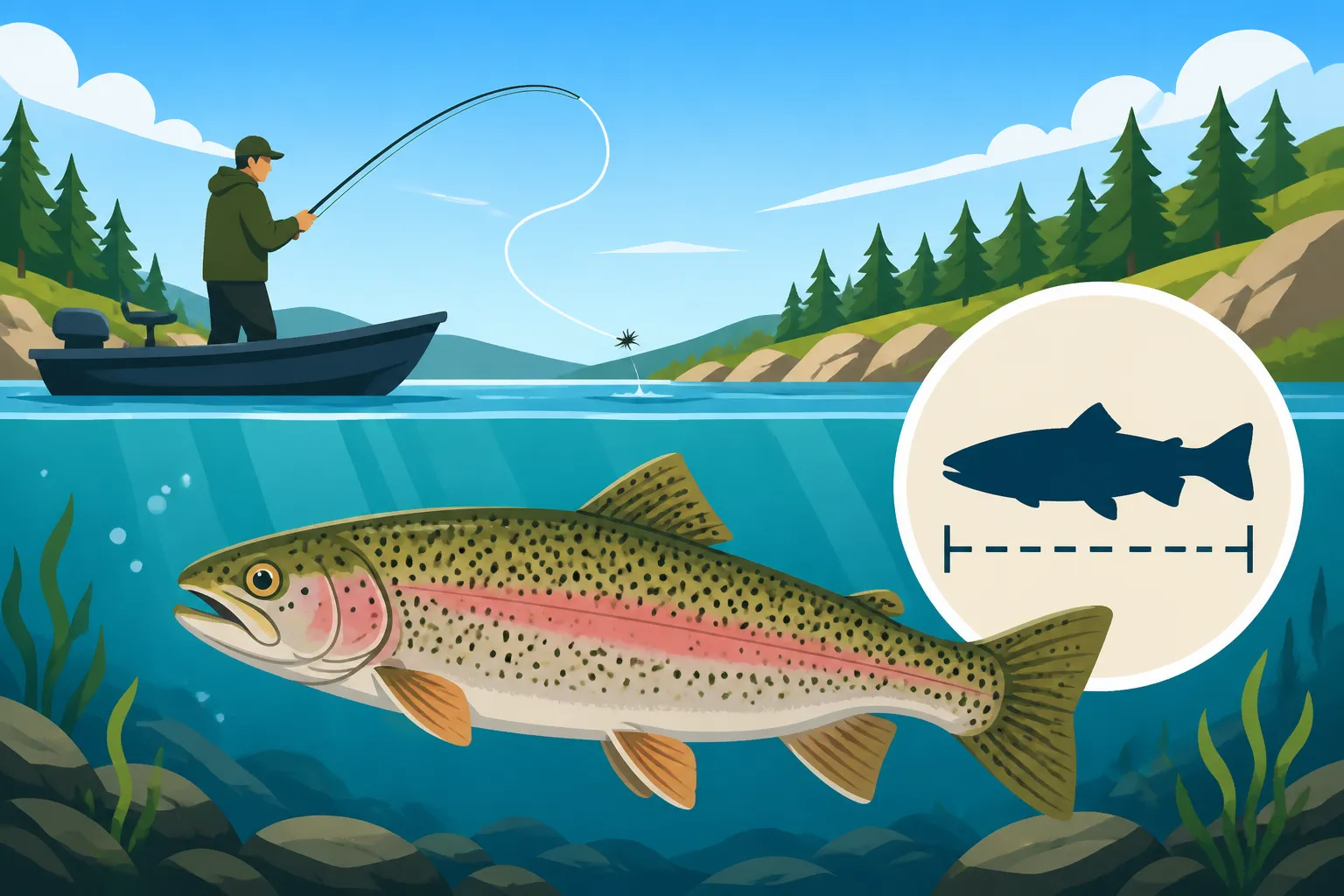
If you're heading out to Sheridan Lake with your trusty rod and reel, you'll primarily be targeting Rainbow Trout, though Brown Trout are also a significant part of the fishery. For Rainbows, it’s very common to hook into fish ranging from 10 to 14 inches. These are your bread-and-butter fish, often spirited fighters that make for an exciting day on the water. Many anglers consistently catch rainbows in this size range.
However, don't let that "average" fool you into thinking bigger fish aren't present. Sheridan Lake has a strong reputation for producing larger trout as well. It's quite frequent for anglers to land Rainbow Trout in the 15- to 18-inch class, and fish pushing 20 inches or more are caught annually. These larger specimens are often older, "holdover" fish that have had time to grow fat on the lake's abundant forage. Brown Trout, while perhaps less numerous than their rainbow cousins due to differing stocking strategies, also grow to impressive sizes, with 16 to 20+ inch browns certainly within the realm of possibility. Some exceptional individuals even exceed these dimensions, making every cast a potential trophy opportunity.
Factors Influencing Trout Growth and Size
Several key elements contribute to why trout in Sheridan Lake grow to the sizes they do. Understanding these can help you appreciate the fishery and even improve your chances of targeting larger fish.
Stocking Programs by South Dakota Game, Fish and Parks
The South Dakota Game, Fish and Parks (GFP) plays a crucial role in maintaining Sheridan Lake's robust trout population. Each year, thousands of Rainbow Trout are stocked into the lake. These stocked fish are typically of a catchable size, often around 8-10 inches, to ensure immediate angling opportunities. However, many of these fish survive past their initial stocking, finding ample food and favorable conditions to grow significantly larger. This consistent stocking ensures a steady supply of trout, contributing to the overall average size and providing new recruits for future growth. You can find detailed information on these programs in the comprehensive South Dakota GFP Fishing Handbook Guide.
Abundant Forage Base
A healthy and diverse food source is paramount for fish to grow large. Sheridan Lake boasts an excellent forage base for its trout. This includes a variety of aquatic insects like mayflies, caddisflies, and midges, which are staple foods for smaller trout. As trout grow, they also prey on larger food items, including terrestrial insects that fall into the water, and crucially, baitfish. A good population of minnows and other smaller fish in the lake provides the high-protein diet necessary for trout to pack on weight and reach trophy sizes. The availability of consistent, rich food sources is a major reason why some stocked trout not only survive but thrive and grow to impressive dimensions.
Water Quality and Habitat
The pristine environment of the Black Hills is a huge advantage for fisheries like Sheridan Lake. The lake's cold, clear waters are ideal for trout, which are sensitive to water temperature and oxygen levels. Good water quality means less stress on the fish, allowing them to allocate more energy to growth rather than simply surviving. Furthermore, Sheridan Lake offers diverse habitats, including submerged timber, rocky points, and varying depths. These structures provide essential cover from predators, ambush points for feeding, and cooler retreats during warmer months, all of which contribute to a healthy population of well-fed, fast-growing trout.
Angler Pressure and Harvest Rates
While stocking programs help replenish the lake, angler pressure and harvest rates also influence the average size of fish present. Sheridan Lake is a popular spot, meaning a good number of fish are caught and kept each year. This is part of the management strategy, as it allows new, smaller fish to grow into the available resources. However, responsible angling, including catch-and-release practices, particularly for larger, reproductively valuable fish, can help maintain a healthy population of older, bigger trout. It's a balance between providing catchable fish for everyone and ensuring a sustainable future for the trophy potential of the lake.
Specific Trout Species and Their Sizes in Sheridan Lake
When you drop a line into Sheridan Lake, you’re primarily going after two fantastic trout species, each with its own growth characteristics and preferred habits. Knowing a bit about them can really help tailor your approach.
Rainbow Trout in Sheridan Lake
Rainbow Trout are undoubtedly the stars of Sheridan Lake. Thanks to consistent stocking efforts by the South Dakota GFP, they are the most numerous trout species you’ll encounter. When newly stocked, they are typically around 8-10 inches, but these fish quickly adapt to the lake's rich environment.
Anglers can realistically expect to catch Rainbow Trout in the 10- to 14-inch range on a regular basis. These are healthy, vibrant fish that put up a good fight on light tackle. Many of these "average" sized rainbows will weigh between 0.5 to 1.5 pounds. What truly excites anglers, however, is the strong presence of "holdover" Rainbows that have spent multiple seasons in the lake. These fish can reach impressive sizes, often tipping the scales at 2 to 4 pounds and stretching 16 to 20 inches or more. Catching a rainbow over 20 inches is a memorable event and a testament to the lake's productivity. These larger rainbows often patrol deeper areas or cruise along submerged structures, feasting on baitfish to fuel their growth.
Brown Trout Presence and Size
While Rainbows might get most of the spotlight, Sheridan Lake also holds a respectable population of Brown Trout. Unlike the rainbows, the brown trout population in Sheridan Lake largely relies on natural reproduction, supplemented by occasional stocking. This means they can sometimes be a bit more elusive, but when you hook into one, you're often in for a treat.
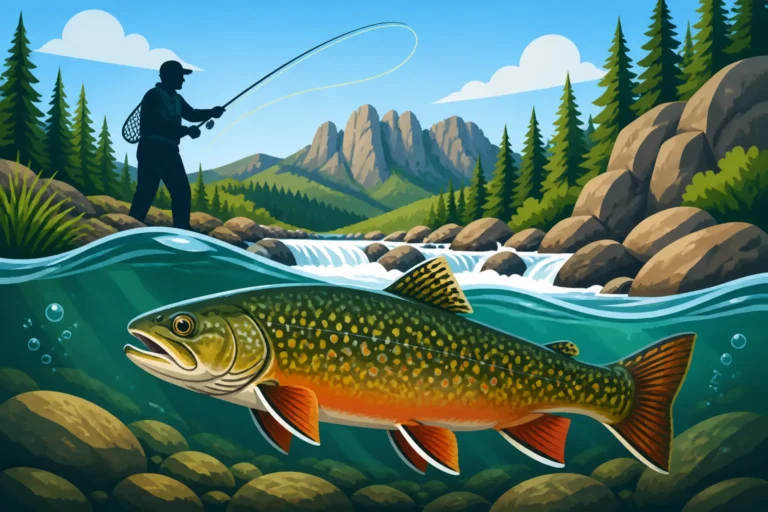
Brown Trout are known for their predatory nature and ability to grow to substantial sizes, and Sheridan Lake is no exception. While smaller browns are present, many anglers target these fish specifically for their trophy potential. You can certainly expect to catch Brown Trout in the 12- to 16-inch range, weighing 1 to 2.5 pounds. However, it's the larger ones that truly get the heart pumping. Sheridan Lake boasts Brown Trout that regularly reach 18 to 22 inches, often weighing 3 to 5 pounds. These are truly impressive fish, often caught by anglers employing techniques that mimic larger baitfish. They are notorious for being a bit more wary than rainbows, preferring cover and often feeding during low-light conditions, making them a prized catch for those who pursue them. Remember to check the specific South Dakota Brown Trout in the Black Hills regulations, as there's often a 14-inch minimum length for brown trout.
Other Potential Trout Species
While Rainbow and Brown Trout dominate the fishery, Sheridan Lake has a history of producing other exciting species. Historically, Sheridan Lake was known for its Splake, a sterile hybrid of Brook Trout and Lake Trout. In fact, the South Dakota state record Splake, weighing over 15 pounds, was caught right here! While Splake stocking has been less frequent in recent years, there's always a slim chance of encountering one of these unique fish, especially if you're targeting deeper, colder waters. These fish grow rapidly and can reach very large sizes. For those interested in a wider variety of trout fishing experiences across the state, you might want to look into the South Dakota Trout Fishing Guide which details various species and locations.
Maximizing Your Chances for Larger Trout in Sheridan Lake
Landing a trophy trout in Sheridan Lake isn't just about luck; it's about understanding the fish, their habits, and the best ways to present your offerings. If you're serious about bumping up your average catch size, a strategic approach makes all the difference.
Best Seasons and Times for Bigger Fish
Trout activity, especially for larger specimens, is heavily influenced by water temperature and light conditions.
- Spring (Ice-Out to Early June): This is arguably one of the best times for larger trout. As the ice melts, the water remains cold and oxygenated throughout the lake, meaning trout are more active and less confined to deeper areas. They're also often eager to feed after a long winter. Early spring after ice-out can be phenomenal. You can learn more about how to Fish Post Ice Out for Walleye and apply similar principles to trout when they're hungry and cruising.
- Fall (September to November): As water temperatures begin to cool again, trout become much more active, especially brown trout, which start to think about spawning. Larger fish will move into shallower areas to feed aggressively before winter sets in. This is a prime time for targeting big browns.
- Summer (Late June to August): Summer can be tougher for trophy trout, as the surface waters warm up. During this period, larger trout retreat to deeper, cooler sections of the lake. Focus your efforts early in the morning or late in the evening when temperatures are cooler, or fish during overcast days. Targeting deep water structure becomes crucial.
- Time of Day: For trophy trout, low-light conditions are often your best friend. Early morning (dawn) and late evening (dusk) are prime feeding times, especially for more cautious brown trout. Overcast days can extend these feeding windows throughout the day.
Effective Techniques and Baits
To tempt those larger, warier trout, you often need to go beyond the basics.
- Trolling: This is one of the most effective methods for covering water and finding active fish, especially larger ones that might be suspended or cruising deeper sections. Small spoons (like Daredevils or Kastmasters), Rapalas, or other crankbaits in silver, gold, or natural baitfish patterns are excellent choices. Use a steady, slow retrieve, varying depths until you find where the fish are holding. For deeper water, you might need lead core line or downriggers.
- Jigging: While often associated with ice fishing, vertical jigging can be highly effective from a boat, particularly over submerged structure or ledges. Small Kastmasters, tube jigs, or jigging spoons tipped with a minnow or piece of worm can entice strikes from deeper-holding trout. This technique is also a staple for winter fishing; exploring Best Ice Fishing Techniques for Lake Oahe might give you some ideas.
- Still Fishing/Bait Fishing: Don't underestimate the power of natural bait. A nightcrawler or powerbait (marshmallow or dough bait) fished off the bottom with a simple egg sinker rig can be incredibly effective, especially if you know fish are holding in a particular area. A slip bobber can also present live bait naturally near submerged structure or weeds.
- Fly Fishing: For the purist, fly fishing on Sheridan Lake can be rewarding, especially during insect hatches. Streamers that imitate minnows can be deadly for larger brown trout, while nymphs and dry flies work well during hatches for all trout species. If you're new to this, a South Dakota Fly Fishing Guide can offer foundational knowledge.
Navigating Access and Hotspots
Sheridan Lake offers good access, both from shore and by boat, but certain areas tend to be more productive for larger fish.
- Boat Access: Sheridan Lake has several boat ramps, making it easy to launch your craft. Having a boat gives you the flexibility to explore deeper waters, troll effectively, and target offshore structures where larger trout often reside. Areas with sharp drop-offs, submerged timber, or rocky reefs are prime targets.
- Shore Fishing: While more limited, shore anglers can still find success, particularly in spring and fall when trout are shallower. Focus on points, areas near inlets (like the spring-fed creeks), and sections with good underwater structure close to shore. Using longer casts and heavier baits might be necessary to reach deeper water.
- Targeting Structure: Trout, especially bigger ones, are structure-oriented. Look for areas on your fish finder that show submerged humps, old creek channels, or any changes in bottom contour. These are natural ambush points or resting areas.
- Finding a Guide: If you're serious about cutting down the learning curve and landing a trophy, consider hiring a local fishing guide. They have intimate knowledge of the lake, current fish patterns, and what tackle is working. Services like FishingBooker can help you find reputable local guides who specialize in trout fishing on Sheridan Lake or other Black Hills fisheries. A good guide can provide invaluable insight into the specific techniques and hotspots that will put you on the biggest trout.
Regulations and Conservation for Sheridan Lake Trout
Fishing in South Dakota is a privilege, and respecting the rules and practicing responsible angling ensures that future generations can enjoy the same opportunities we do. When targeting trout in Sheridan Lake, understanding the specific regulations is key.
Understanding South Dakota Trout Limits
The South Dakota Game, Fish and Parks sets regulations to manage fish populations sustainably. For Sheridan Lake, as part of the Black Hills trout fisheries, specific rules apply to trout. It's vital to consult the current South Dakota Fishing Regulations Explained or the official GFP Fishing Handbook, as rules can change.
Generally, for trout in Sheridan Lake (including Rainbow, Brown, Brook, and Splake):
- Daily Limit: The combined daily limit for trout is typically 5 fish. This means you can keep a total of five trout of any of the regulated species per day.
- Possession Limit: The possession limit is usually twice the daily limit, meaning you can have up to 10 trout in your possession after multiple days of fishing, provided none exceed the daily limit on any given day.
- Brown Trout Specifics: There's an important caveat for Brown Trout. Often, only one Brown Trout over 14 inches is allowed within your daily five-fish limit. This regulation is designed to protect the larger, naturally reproducing brown trout and allow them to contribute to the population. This makes catching a big brown even more special, knowing you might only get one of that size per trip.
- Habitat Stamp: Don't forget that most anglers aged 18 and older will also need a South Dakota Habitat Stamp, even with a valid fishing license. This stamp helps fund crucial habitat conservation efforts. For specific details on where to get your license and stamp, refer to the South Dakota Fishing License Guide.
Failing to adhere to these limits can result in penalties, so always double-check before you head out.
Catch and Release Practices
While keeping a few fish for a delicious meal is part of the angling experience, practicing responsible catch and release, especially for larger trout, plays a critical role in conservation.
- Protecting Large Fish: Older, larger trout are often the most prolific spawners, contributing significantly to the lake's natural reproduction. Releasing these fish, particularly the larger brown trout, ensures they can continue to pass on their genes and help sustain the population.
- Proper Handling: If you intend to release a fish, minimize its time out of water. Handle it gently with wet hands, supporting its body. Use needle-nose pliers or a hook remover to quickly extract the hook. If the fish is deeply hooked, it may be better to cut the line as close to the hook as possible. Revive the fish by holding it gently in the water, facing into the current, until it swims away under its own power.
- Barbless Hooks: Using barbless hooks, or crimping down the barbs on your hooks, makes release much easier and less damaging to the fish. This is a simple change that can make a big difference.
By understanding the average sizes, employing effective techniques, and adhering to conservation practices, you can have incredibly rewarding fishing experiences on Sheridan Lake, whether you're targeting those common 12-inch rainbows or hunting for a true trophy brown. For those looking to plan a comprehensive trip, checking South Dakota Fishing Season Dates and Limits will give you the full picture.
Average Trout Size in Sheridan Lake: Quick Reference
| Species | Typical Size Range (Inches) | Common Weight (Pounds) | Trophy Potential (Inches) | Primary Forage | Common Location in Lake |
|---|---|---|---|---|---|
| Rainbow Trout | 10 – 14 | 0.5 – 1.5 | 18 – 22+ | Insects, Minnows, Worms | All depths, near structure, open water |
| Brown Trout | 12 – 16 | 1 – 2.5 | 18 – 24+ | Minnows, Large Insects, Crayfish | Deeper structure, low light, cover |
| Splake (Rare) | 16 – 20+ | 2 – 5+ | 25+ | Minnows, Larger Baitfish | Deeper, colder sections |
Disclaimer
The information provided in this guide is for general informational purposes only and is subject to change. Fishing regulations, season dates, and limits are determined by the South Dakota Game, Fish and Parks (GFP) and can be updated annually or as needed. Always consult the official South Dakota GFP website or their current Fishing Handbook before planning your fishing trip to ensure you have the most up-to-date and accurate information. Adherence to all local, state, and federal regulations is the responsibility of the angler.