Best Time of Day to Fish Lake Oahe in Summer
Oh, the glory of summer on Lake Oahe! There's nothing quite like it, is there? But if you've ever found yourself out on the water under the blazing South Dakota sun, wondering where all the walleye disappeared to, you're not alone. Summer fishing on large reservoirs like Oahe can be incredibly rewarding, but it definitely presents its own set of challenges, especially when it comes to timing. This guide is all about helping you crack the code, revealing the best times of day to hit the water for a successful catch and offering strategies to make the most of those prime windows.
The Magical Morning Bite on Lake Oahe
When the sun hasn't quite crested the horizon and the air still holds that cool, refreshing chill, that's often when Lake Oahe truly comes alive. Many seasoned anglers will tell you that the early morning hours are absolutely crucial for targeting active fish, especially walleye, which are typically light-sensitive.
Why Early Mornings are a Walleye Goldmine
As night transitions to day, a few critical things happen that make fish, particularly walleye, more aggressive. First, water temperatures are at their coolest point after the overnight hours. Walleye, being cool-water species, appreciate this comfort. Second, the low light conditions give them a distinct advantage over their prey. Their large, light-gathering eyes are perfectly adapted for dim environments, making them effective predators during this window. They often move shallower to feed, chasing baitfish that might also be migrating from deeper water into areas with more cover or food sources near the shore. You'll find these fish often cruising along breaklines, points, and even flats that might seem barren later in the day.
Think about it: the entire aquatic food chain is gearing up. Minnows, shiners, and other forage fish are beginning to stir, creating opportunities for hungry walleye that have been resting in deeper, darker water. This means they are more likely to strike at your offerings, whether it's a jig-and-minnow combo or a slowly trolled crankbait. If you're looking for where to catch walleye on Lake Oahe in summer, this low-light period is key, particularly in the upper reaches of the reservoir near Mobridge or the expansive bays around Pierre. Don't be afraid to target depths that might seem too shallow once the sun is high.
Essential Tactics for the Dawn Patrol
To maximize your morning success, a good game plan is essential. Getting on the water even before sunrise gives you time to get your lines in the water right as the action starts. Look for areas with structure: submerged points, humps, ledges, and transition zones where shallow water quickly drops into deeper channels. These are natural ambush points for walleye. Using a good fish finder is invaluable here to locate schools of baitfish and the predators lurking nearby.
Popular early morning techniques include casting jigs tipped with live minnows or soft plastics, slowly trolling crankbaits along contours, or drifting spinner rigs with a nightcrawler or leech. For crankbaits, choose colors that imitate natural forage, like silver, perch, or shad patterns. When it comes to jigs, brighter colors can sometimes grab attention in low light, but natural browns, greens, and whites are often consistent producers. Remember, walleye can be spooky in clear, shallow water, so a quiet approach with your boat and long casts can make a big difference. Many anglers find detailed guidance on specific techniques, like South Dakota Summer Walleye Fishing Techniques, incredibly helpful for fine-tuning their approach during these productive hours.
Navigating the Midday Lull and Finding Alternatives
Once the sun climbs high into the South Dakota sky, Lake Oahe transforms, and so does the fishing. That once-vibrant morning bite can slow to a crawl, leaving many anglers scratching their heads. The midday period, roughly from late morning until late afternoon, is often the most challenging time to fish.
Why Midday is Tough for Walleye
The primary culprits behind the midday lull are rising water temperatures and increased light penetration. Walleye are highly sensitive to both. As the surface water heats up, these fish seek refuge in deeper, cooler, and often darker water. This means they'll move off those shallower feeding flats and points they frequented at dawn. Furthermore, intense sunlight can hurt their sensitive eyes, making them less willing to venture into brightly lit areas or chase fast-moving baits. They become lethargic, conserving energy and often "hunkering down" on deep structure.
The challenge isn't just about heat; it's also about oxygen. In some shallower bays or areas with heavy algae growth, dissolved oxygen levels can drop in the warmest parts of the day, further pushing fish into deeper, more oxygenated zones. This is why you might mark plenty of fish on your electronics but struggle to get them to bite—they're simply not in a feeding mood. Understanding the water depth where walleye feed on Lake Oahe in July can be crucial for locating these deep-water havens. It requires a shift in mindset and tactics from the early morning rush.
Strategies for Sunny Afternoons
While the general rule is that midday fishing is tough, it's not impossible, especially if you adapt. Your focus needs to shift from active feeding fish to inactive, resting fish. This typically means targeting deeper water and employing slower, more subtle presentations.
Deep trolling is a highly effective midday strategy on Lake Oahe. Using bottom bouncers with spinner rigs, live bait (like a large nightcrawler or leech), or deep-diving crankbaits can entice reluctant walleye. Aim for depths of 25-45 feet, or even deeper, depending on the specific section of the lake and the prevailing temperatures. Look for deep structure, such as submerged humps, channel edges, or rocky ledges, where walleye might be congregating. Pay close attention to your fish finder to identify these holding areas and schools of baitfish. Brands like FishingBooker can sometimes connect you with local guides who specialize in these deep-water tactics, offering invaluable local knowledge for those tricky midday hours.
Another option is vertical jigging over specific deep structures once you've located fish on your electronics. This involves dropping a jig or spoon directly onto the fish you're marking and subtly working it to trigger a reaction strike. While not as consistently productive as morning or evening, these methods can still produce quality fish for persistent anglers. Always check the local South Dakota fishing regulations explained for any specific rules regarding fishing methods or depths, as they can vary.
The Evening Comeback: Second Prime Time
Just as the morning bite tapers off, the evening offers a spectacular second chance, often rivaling the morning for productivity. As the sun begins its descent, Lake Oahe undergoes another transformation, making fish active once more.
Why Evenings are as Good as Mornings
The evening hours bring a welcome decrease in light intensity and, eventually, water temperatures. This creates a similar scenario to the early morning, encouraging walleye to move shallower and become more aggressive. The declining light gives them that visual advantage again, and the cooling water makes them more comfortable and willing to expend energy chasing food. Baitfish, too, become more active and might move into shallower feeding grounds, triggering a feeding frenzy among the walleye.
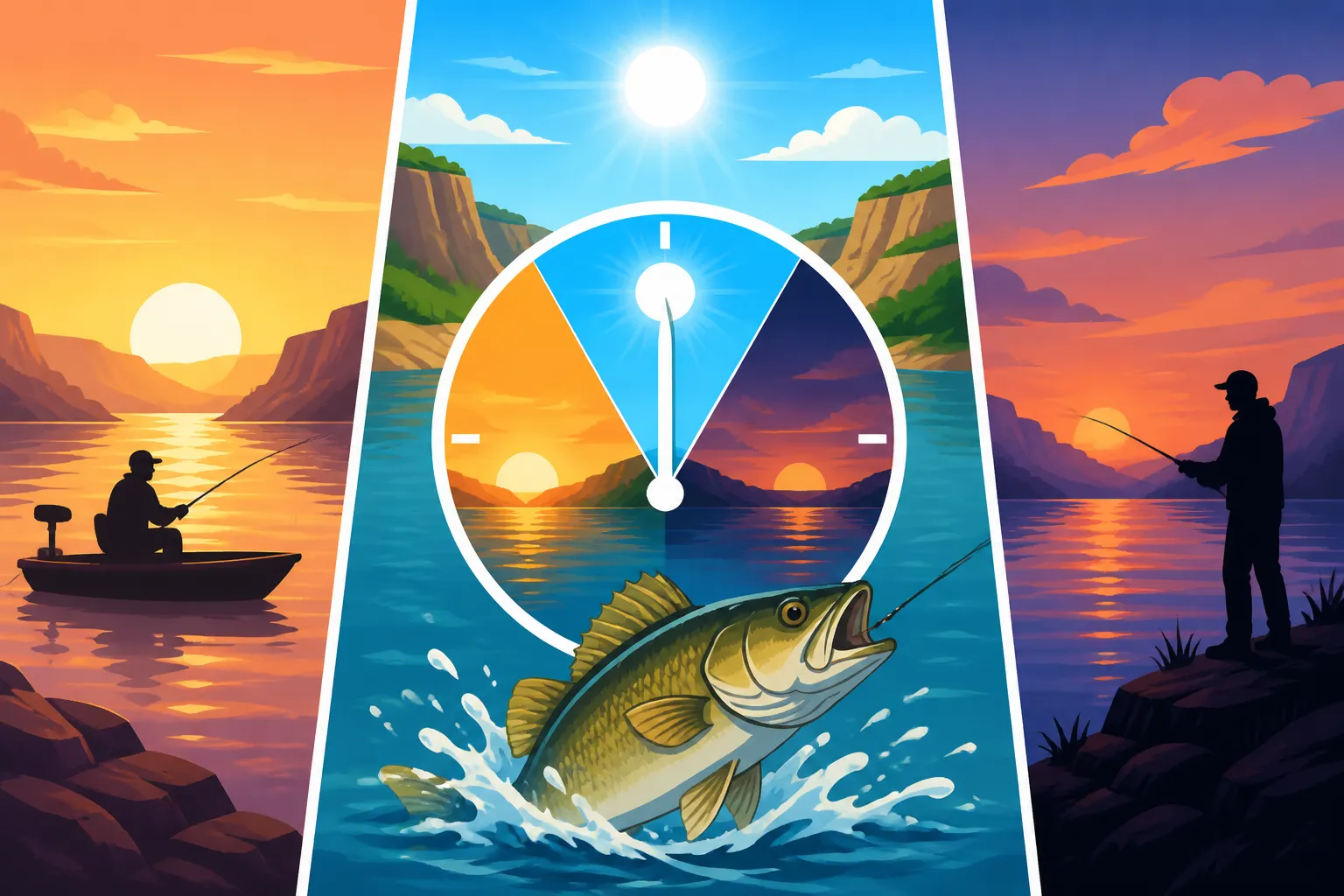
This period, from late afternoon through sunset and even into twilight, is often considered the best time of day to fish Lake Oahe in summer. It’s when you can often catch the biggest fish of the day, as larger walleye tend to be more nocturnal or crepuscular (active during dawn and dusk). Don't be surprised if the action really picks up right as the last rays of sun disappear. This is a crucial window for anglers looking to fill their livewells.
Evening Strategies for Sustained Success
Much like the morning, versatility is key for evening success. Start by revisiting those same points, flats, and breaklines you fished in the morning. Fish that retreated to deeper water during the midday heat will often begin to migrate back to these shallower ambush points to feed.
Trolling with crankbaits is highly effective as the light fades. Consider using baits with rattles or those that create significant vibration, as these can attract attention in low visibility. Experiment with different colors; while natural patterns are usually good, sometimes brighter, more aggressive colors can trigger strikes as visibility decreases. Casting stickbaits or large jerkbaits parallel to shorelines or over submerged weed beds can also be incredibly productive for larger, more aggressive walleye and even smallmouth bass. When the sun is really setting, some anglers switch to casting jigs with larger plastic tails or even topwater lures if baitfish are active near the surface, though topwater for walleye is less common, it can happen in specific scenarios.
If you're interested in really dialing in your evening game, explore resources on South Dakota Fishing Seasons Explained or How to Fish for Walleye in South Dakota, as they often contain nuanced advice for specific times of day. Remember, patience and persistence will pay off during these golden hours. If you're planning a trip and need a guide for these specific times, using platforms like FishingBooker to find experienced local captains can significantly increase your chances of success during the evening bite.
Factors Influencing the Summer Bite on Lake Oahe
Beyond just the time of day, several environmental factors play a huge role in how and when walleye decide to bite on Lake Oahe during the summer months. Being aware of these elements and how they interact can help you predict fish behavior and adjust your tactics for better results.
Water Temperature and Oxygen Levels
We've already touched on this, but it bears repeating: water temperature is paramount. Walleye thrive in cooler water, ideally between 60-75°F (15-24°C). In the height of summer, surface temperatures on Lake Oahe can easily exceed this, pushing fish deeper. Your boat's sonar with a temperature gauge is a vital tool here. Look for thermoclines – distinct layers in the water column where temperature changes rapidly. Fish often congregate just above or within the thermocline where the water is cooler and oxygen levels are still good. Below the thermocline, oxygen can be depleted, making it an undesirable zone for fish. Knowing what water temperature walleye prefer can give you a significant advantage.
High water temperatures also mean lower dissolved oxygen. While Lake Oahe is a massive, deep reservoir with good water flow from the Missouri River, certain shallow, stagnant bays or areas with heavy organic decomposition can experience oxygen depletion, especially during hot spells. This further drives fish to deeper, more open water areas or into main river channels where current helps maintain oxygen levels.
Baitfish Movements
Walleye go where the food is, and in Lake Oahe, that often means tracking baitfish like ciscoes, shiners, smelt, and even juvenile perch. These baitfish also react to light and temperature. They often disperse at night or move shallower to feed under low light, then retreat to deeper, safer water during the bright midday. By understanding the typical movements of baitfish, you can better predict where the walleye will be positioned.
Using your fish finder to locate dense schools of baitfish is a critical step. If you find the bait, the walleye are usually not far behind. Sometimes, you'll see large schools of baitfish suspended in the middle of the water column, and the walleye will be lurking directly below them or on the edges, waiting for an easy meal. This is where methods like deep-water jigging or precise trolling can really pay off. Observing surface activity, like baitfish flickering or jumping, especially in the early morning or late evening, is a strong indicator of an active feeding zone.
Wind and Cloud Cover
Don't underestimate the power of wind and cloud cover. A good chop on the water, caused by wind, breaks up light penetration, effectively creating "low light" conditions even during the day. This allows walleye to feel more comfortable moving shallower to feed. Wind also concentrates baitfish against specific structures like points or shorelines, creating feeding opportunities. Fishing the "wind-blown side" of a point or bay is a classic walleye tactic for a reason.
Cloud cover acts similarly, diffusing sunlight and making walleye more active throughout the day. Overcast conditions, especially when combined with a light chop, can turn an otherwise slow midday into a productive fishing period. On the flip side, calm, clear, sunny days are often the most challenging, reinforcing the need to fish during the low-light bookends of the day.
Here's a quick comparison of fishing during the prime morning and evening hours:
| Factor | Early Morning (Pre-dawn to mid-morning) | Late Evening (Late afternoon to post-sunset) |
|---|---|---|
| Light | Low, increasing | Decreasing, low |
| Water Temp | Coolest of the day, rising | Cooling down, still warm but comfortable |
| Fish Activity | High, actively feeding, shallow migration | High, actively feeding, shallow migration |
| Baitfish | Active, moving to shallow feeding grounds | Active, moving to shallow feeding grounds |
| Preferred Depths | Shallow to mid-depths (10-25 ft), structure | Shallow to mid-depths (10-25 ft), structure |
| Key Techniques | Jigs, spinner rigs, shallow/mid crankbaits | Crankbaits (rattling/vibrating), stickbaits, jigs |
| Patience Level | Often rewarded quickly | Rewarded with sustained effort, often yields big fish |
| Visibility | Low, increasing | Decreasing, very low |
Understanding these factors and adjusting your approach accordingly—whether it's changing depths, lure colors, or even moving to a different spot on the lake—is what separates a consistently successful angler from someone who relies purely on luck. Make sure to keep your South Dakota Fishing Gear Checklist updated with various lure types to adapt to these changing conditions.
Planning Your Lake Oahe Summer Fishing Trip
A successful summer fishing trip to Lake Oahe isn't just about showing up; it's about smart planning. By understanding the best times of day and the various factors that influence fish behavior, you can significantly increase your chances of landing that trophy walleye or a cooler full of delicious fillets.
Monitoring Conditions and Local Reports
Before you even launch your boat, take a few minutes to check current conditions. This includes weather forecasts (wind, clouds, temperature), as well as local fishing reports. Many bait shops around Lake Oahe, like those in Pierre, Mobridge, or Gettysburg, offer up-to-date information on where fish are biting, what depths they're holding at, and what lures are working. Online forums and social media groups dedicated to Lake Oahe Fishing Guide can also be goldmines of information.
Pay particular attention to recent temperature changes, especially after a cold front or a prolonged heatwave. These can significantly impact fish behavior. If you're coming from out of state, consider using a service like FishingBooker to find a local guide for your first day. A seasoned guide can save you hours of searching by putting you directly on fish and teaching you the nuances of Lake Oahe's summer patterns. This is particularly helpful if you're exploring vast areas like the Lake Oahe Walleye Hotspots Near Mobridge for the first time.
Gear Up for Success
Having the right gear is also paramount. For summer walleye fishing on Lake Oahe, a medium-light to medium-action rod paired with a spinning or baitcasting reel spooled with 8-10 lb test monofilament or braided line with a fluorocarbon leader is a good all-around setup. You'll want a selection of jigs (1/4 to 3/4 oz), spinner blades, bottom bouncers, and an array of crankbaits that dive to various depths. Don't forget live bait—nightcrawlers, leeches, and minnows are often irresistible to walleye.
For those long days on the water, ensure you have plenty of water, sunscreen, a wide-brimmed hat, and polarized sunglasses to protect yourself from the intense summer sun. A good cooler to keep your catch fresh is also essential. Remember that navigating such a large body of water safely requires appropriate boat safety equipment requirements and a well-maintained vessel. Knowing how to read a fish finder for walleye is another crucial skill that will pay dividends.
Ultimately, summer fishing on Lake Oahe is an incredible experience, offering abundant opportunities for anglers willing to adapt and fish smart. By focusing on the prime morning and evening bites, understanding the reasons behind fish behavior, and being prepared for the midday challenges, you're well on your way to a memorable and successful trip.
Disclaimer
Please remember that fishing conditions and regulations can change. Always consult the latest South Dakota Game, Fish and Parks (GFP) fishing handbook or website before your trip to ensure you are aware of all current rules, limits, and any special advisories for Lake Oahe or other specific fishing locations.