Where to Catch Walleye on Lake Oahe in Fall
There's nothing quite like the crisp autumn air on Lake Oahe, but let's be honest, finding those elusive walleye once the summer patterns break can feel like searching for a needle in a haystack on such a vast body of water. Anglers often struggle with where to even begin, as the fish transition from predictable summer haunts to often scattered fall feeding grounds. This comprehensive guide is dedicated to cutting through that confusion, offering clear, actionable advice on where to pinpoint walleye on Lake Oahe during the challenging yet rewarding fall season, helping you fill your livewell or simply enjoy some fantastic late-season action.
Understanding Fall Walleye Behavior on Lake Oahe
As the calendar flips from summer to fall, the entire ecosystem of Lake Oahe undergoes a significant shift, and with it, the behavior of its prized walleye. What worked like a charm in August might leave you scratching your head in October. It’s all about understanding these transitions and predicting where the fish will go next.
The Transition from Summer Patterns
During the summer months, walleye on Lake Oahe often inhabit deeper, cooler waters, relating to main lake points, humps, and the expansive flats where they can ambush baitfish. However, as September rolls in and the days shorten, water temperatures begin their slow, steady decline. This cooling trend is the primary driver of fall walleye movement. Initially, the fish might still be found in some of their late-summer spots, but with less predictability. They become more transient, often moving shallower during low-light conditions to feed aggressively before retreating to deeper cover as the sun rises. This period, sometimes referred to as the "turnover," can be tough as fish are scattered, but once stable fall patterns emerge, the fishing can be phenomenal. They're trying to pack on weight for the upcoming winter, making them incredibly active and willing to chase down a meal. Understanding this shift is critical for effective South Dakota Walleye Fishing Guide.
Key Forage and Their Influence
Walleye are opportunistic predators, and their movements are inextricably linked to their food source. On Lake Oahe, the primary forage species influencing fall walleye patterns include ciscos (also known as lake herring or tullibee), smelt, gizzard shad, and yellow perch. As water temperatures cool, these baitfish often move from deep, open water into more defined structures, sometimes congregating in massive schools. Walleye follow them relentlessly. For example, if you can locate large schools of ciscos suspended over a deep basin or hugging a submerged point, you can bet walleye won't be far behind. Knowing What Walleye Eat in Summer provides a good baseline, but fall sees a shift towards larger, fattier prey as fish bulk up. Pay close attention to your electronics for signs of baitfish, as this is often your best clue to finding hungry walleye. The key to successful fall walleye fishing on Lake Oahe is to find the bait, and you'll likely find the walleye.
Top Lake Oahe Walleye Hotspots in Fall
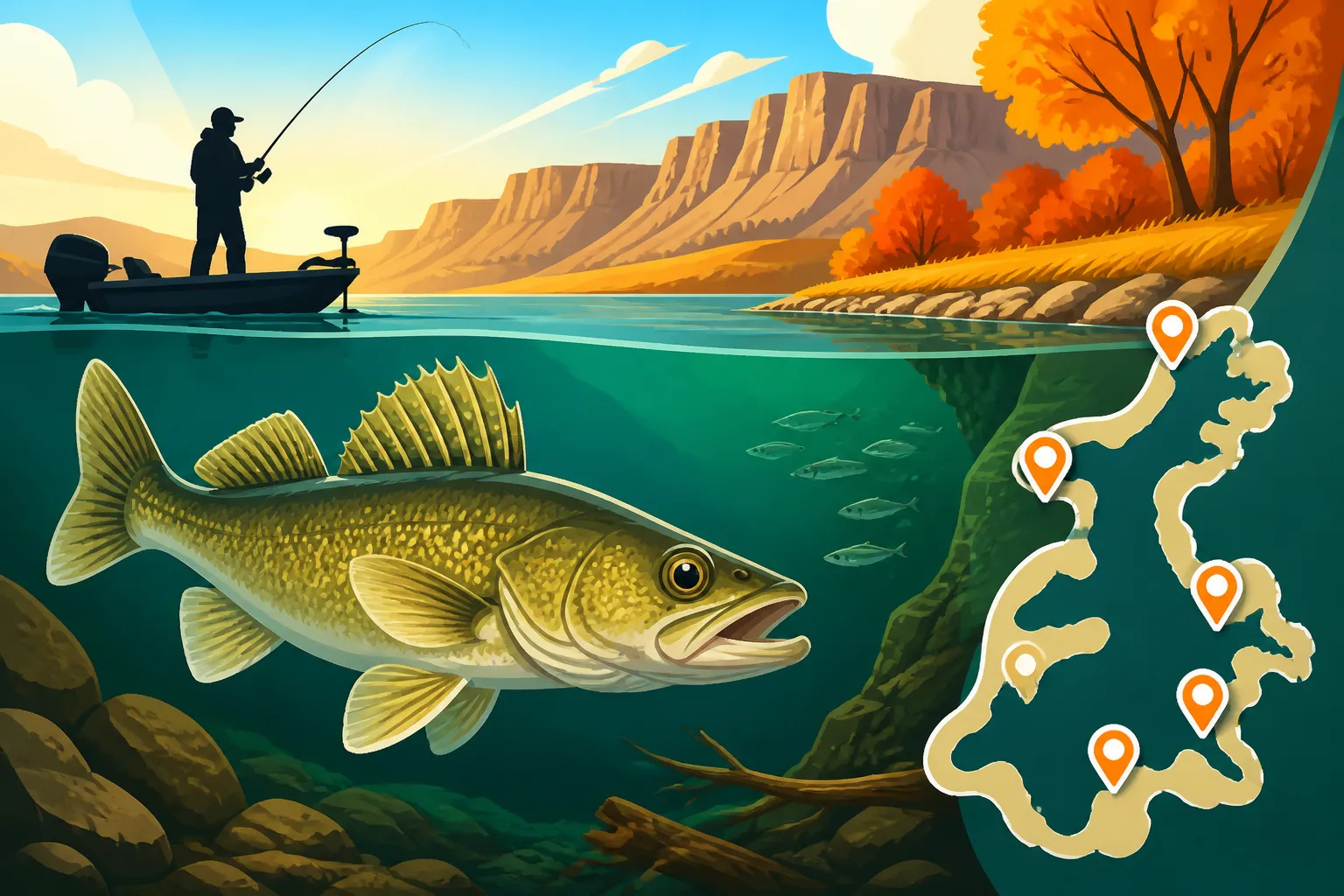
Lake Oahe is a massive reservoir, stretching over 200 miles through the heart of South Dakota, which can make locating fish feel overwhelming. However, understanding the typical fall migration patterns allows us to narrow down the most productive areas.
The Main Lake Basin and Deep Structure
Once the water cools significantly, often into the low 50s and 40s Fahrenheit, many walleye will gravitate towards the main lake basin. This isn't just open water; it's characterized by extensive deep structure. Think submerged points that drop into deep channels, humps rising from the abyss, and long, tapering ledges along the old river channel. These areas provide vertical relief that walleye can use to stage and ambush prey. As baitfish like ciscoes suspend in the deeper water, walleye will often relate to the edges of these structures, moving up to feed and then settling back into the deeper water. The sheer size of Lake Oahe means there are countless such spots, particularly in the lower two-thirds of the reservoir towards Pierre and further south. Don't be afraid to explore new areas, but historical hotspots like the deep structure around Little Bend and the Oahe Dam tailwaters are always worth investigating. These are prime locations covered extensively in our Lake Oahe Fishing Guide.
River Arms and Tributary Mouths
While the main lake basin holds many fish, the numerous river arms and tributary mouths are also critical fall walleye magnets. The most prominent example is the Cheyenne River arm, but smaller creeks and rivers feeding into Oahe can also be excellent. These areas often retain slightly warmer water longer into the fall, or conversely, offer a fresh influx of nutrients and baitfish after autumn rains. Walleye will push into these arms, especially up into the channels and deeper bends, following schools of shad or other baitfish that are seeking warmer, shallower water or are simply congregating before winter. The transition zones where the river channels meet the main lake are particularly productive. Look for deep holes, pronounced current seams, and submerged timber or rock piles that offer cover. For specific spots, checking out Lake Oahe Fishing Near the Cheyenne River can give you a head start. These arms also provide a bit more shelter from the notorious fall winds, making for a more comfortable day of fishing.
Bays and Flats with Remaining Weeds
As fall progresses, most shallow vegetation begins to die off, but some bays and protected flats with lingering green weeds can hold surprisingly good numbers of walleye, particularly earlier in the fall season or during warmer spells. These areas act as thermal refuges for baitfish, especially yellow perch and smaller panfish, which walleye will readily feed on. Look for bays that have a gradual slope into deeper water, allowing walleye to move in and out easily. The remaining weeds offer camouflage for both predator and prey. This pattern is often a good bet during cloudy days or early morning/late evening, when walleye are more likely to push shallow to feed. Don't overlook these spots, especially in the northern reaches of the lake near Lake Oahe Walleye Hotspots Near Mobridge, as they can provide some explosive action before the full winter patterns set in. A good depth finder can help you locate the last patches of healthy vegetation.
Essential Fall Walleye Techniques for Lake Oahe
Once you've narrowed down where to find the walleye, the next step is to present your bait in a way that triggers a strike. Fall walleye can be aggressive, but their preferences can change daily with conditions.
Trolling Deep-Diving Crankbaits and Spinner Rigs
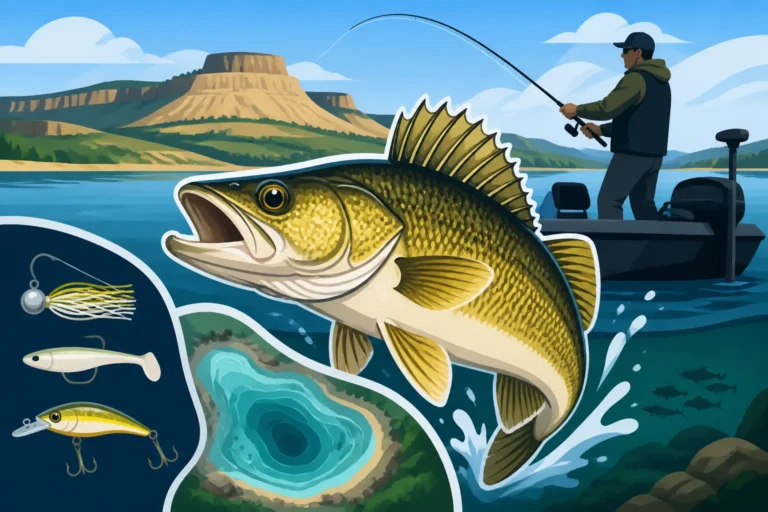
Trolling is undeniably one of the most effective methods for covering large expanses of water on Lake Oahe, especially when searching for scattered fall walleye or working deep structure. For deep-water trolling, crankbaits that dive to 20-30 feet or more are essential. Brands like Berkley Flicker Shad, Rapala Deep Husky Jerk, and Salmo Hornets in natural baitfish colors (perch, cisco, shad) or more aggressive patterns (firetiger, clown) are perennial favorites. Match your lure size to the prevalent baitfish size. Troll along contours, across humps, and over points, paying close attention to your electronics to detect bait schools and suspended walleye. Vary your speed between 1.5 to 2.5 mph until you find what the fish prefer. Using planer boards can help you spread your lines and cover more water, especially when walleye are spread out laterally. Many experienced anglers find that Trolling for Walleye on Lake Oahe is their go-to technique in autumn.
Spinner rigs, often tipped with live nightcrawlers, leeches, or minnows, are another deadly trolling presentation, particularly in slightly shallower fall haunts or when fish are less aggressive. Use heavier bottom bouncers (1-3 oz depending on depth and current) to keep your bait near the bottom. The flash and vibration of the spinner, combined with the natural scent and action of live bait, can be irresistible. Adjust your leader length to keep the bait just off the bottom, typically 2-6 feet behind the bouncer. This technique is especially potent when working subtle breaks or the edges of channels.
Jigging and Live Bait Presentations
While trolling covers ground, sometimes a more vertical, precise approach is needed, especially when walleye are tightly schooled on deep structure or concentrated in river channels. Jigging with heavier jigs (3/8 oz to 1 oz or more, depending on depth and current) tipped with a lively minnow (shiners, fatheads, rainbows) or a scented soft plastic can be incredibly effective. Vertical jigging directly over fish you mark on your sonar is key. Let your jig hit bottom, then lift it 6-12 inches with a subtle snap, letting it fall back on a semi-slack line. Most bites occur on the fall. For those interested in this more hands-on approach, delving into Jigging Techniques for Missouri River Walleye can offer valuable insights, as Oahe presents similar challenges.
Another classic fall presentation is the simple slip bobber rig with a minnow or leech. This excels when walleye are suspended at a specific depth over structure or when you're fishing along weed lines in bays. The slip bobber allows you to present your bait precisely at the fish's level without spooking them with heavy tackle. This is often a slower, more patient approach, perfect for targeting concentrated schools or when the bite is finicky.
Reading Your Electronics for Fall Structure
Modern marine electronics are your absolute best friend when fall walleye fishing on Lake Oahe. This is not the time to guess where the fish are. Your sonar and GPS are indispensable for locating both baitfish and walleye, as well as navigating the complex underwater topography. Learning How to Read a Fish Finder for Walleye effectively is paramount.
Look for:
- Bait Balls: Dense clouds or schools of baitfish, often suspended over deep water or hugging structure. Walleye will typically be below or on the edges of these schools.
- Arches or Marks: Clear, strong arches or lines on your sonar screen indicating individual walleye or groups of them. Pay attention to their depth relative to the bait.
- Structure: Use your mapping and 2D sonar to identify contours, humps, points, and old river channels. Side imaging can be invaluable for scanning wider areas and finding subtle breaks that hold fish.
- Water Temperature: Keep an eye on your water temperature gauge. Walleye often prefer specific temperature ranges in fall, and slight differences can mean big changes in fish location.
Mark productive waypoints on your GPS. The fall bite can be transient, but once you find a pattern or a school of fish, being able to return to that exact spot is crucial. Don't be afraid to dedicate time to simply idling and scanning new areas to uncover hidden gems. Many anglers even use services like FishingBooker to find experienced guides who know the lake's fall nuances and can put them on fish more quickly, especially when time is limited.
Navigating Lake Oahe's Challenges in Autumn
Fishing in the fall on Lake Oahe isn't just about finding the fish; it's also about preparing for the elements. The "shoulder season" can bring rapid changes and unique considerations.
Dealing with Wind and Weather Changes
Fall in South Dakota can be beautiful, but it can also be brutally unpredictable. One day you might have calm, sunny conditions, and the next, a fierce cold front rolls through, bringing strong winds, rain, or even early snow. These weather changes significantly impact walleye behavior and angler comfort. High winds can make boat control difficult, particularly when trying to hold on a specific structure or troll at precise speeds. Choppy water also makes it harder to read your electronics effectively. Always check the forecast before heading out on Lake Oahe; its vastness means that even moderate winds can generate dangerous waves. Pack layers of warm, waterproof clothing, gloves, and a hat – conditions can change rapidly. Don't let a sudden drop in temperature catch you off guard. Having a robust South Dakota Fishing Gear Checklist will ensure you’re prepared for whatever Mother Nature throws your way.
Access Points and Launching Considerations
As the temperatures drop, many smaller boat ramps on Lake Oahe might become less accessible or even close for the season, particularly those in shallow bays that freeze earlier. This limits your options and concentrates traffic on the larger, more robust ramps. For anglers planning a trip to the central part of the lake, checking Lake Oahe Fishing Access Near Pierre for updated conditions and accessibility is a smart move. Always inspect ramps for ice or slick conditions before backing your trailer down. Be mindful of shorter daylight hours; plan your trips to allow ample time for safe launching and retrieval before dark. A strong headlamp and a reliable vehicle are your friends during the fall. Additionally, ensure your boat and trailer are in top condition to handle the potentially rougher roads and conditions, as a breakdown in colder weather is no fun.
Fall Walleye Fishing on Lake Oahe: A Rewarding Experience
Fall walleye fishing on Lake Oahe is a truly special experience, offering the chance at some of the biggest and fattest walleye of the year. While the cooling water and changing patterns can present challenges, a methodical approach to understanding walleye behavior, targeting key fall hotspots, and utilizing effective techniques will significantly increase your success. Remember to respect the vastness of Oahe, prioritize safety with proper gear for unpredictable weather, and always keep an eye on those baitfish movements. Whether you're trolling deep crankbaits, jigging minnows over structure, or exploring river arms, Lake Oahe in autumn offers an unforgettable angling adventure.
Disclaimer
The information provided in this guide is for general informational purposes only and is subject to change. Always consult the official South Dakota Game, Fish and Parks regulations handbook for the most current rules, limits, and licensing requirements before engaging in any fishing activities. Fishing conditions, fish behavior, and access can vary greatly depending on weather, season, and specific locations.