Lake Oahe Fishing Near the Cheyenne River
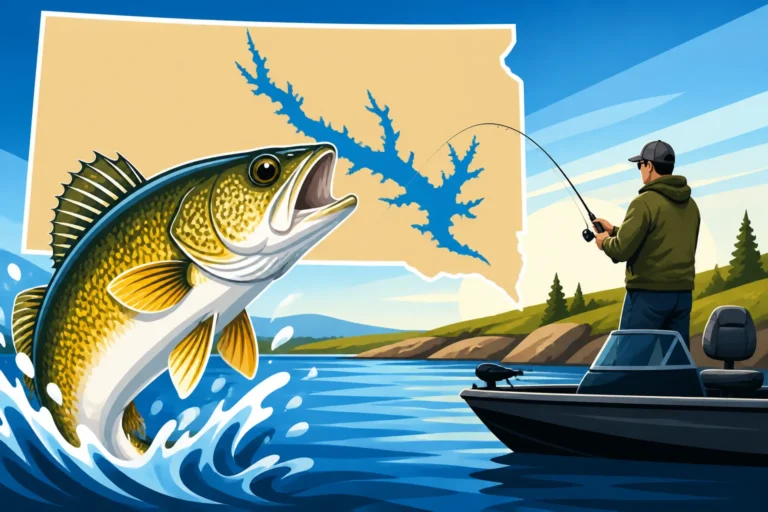
Navigating the vast expanse of Lake Oahe to find those elusive fishing hotspots can feel like searching for a needle in a haystack, especially when you're targeting specific areas like the dynamic Cheyenne River Arm. Many anglers, even seasoned ones, struggle with where to start on such a massive body of water, leading to wasted time and frustration. This comprehensive guide is designed to cut through that confusion, offering you an in-depth look at fishing near the Cheyenne River Arm, pinpointing prime locations, effective techniques, and crucial local insights to make your next trip a resounding success.
Understanding the Cheyenne River Arm's Unique Appeal
The Cheyenne River Arm of Lake Oahe is not just another bay; it's a unique ecosystem within the larger reservoir, offering distinct advantages for anglers. This significant arm extends for miles, fed by the Cheyenne River, and its characteristics set it apart from other sections of Oahe.
Geographic Features and Water Dynamics
The Cheyenne River Arm is a sprawling, often winding section of Lake Oahe, characterized by its sheer size and depth variations. Unlike some of the main lake areas that are wide open, the arm features numerous coves, points, and structural elements created by the original river channel and submerged terrain. The river itself brings in a continuous flow of water, often carrying nutrients and baitfish, which creates a vibrant feeding ground. Water clarity in the arm can fluctuate, ranging from clear near the main lake to more stained as you move further up into the river system, especially after heavy rains. This dynamic environment means fish constantly move, adapting to changes in current, temperature, and forage availability. Understanding these nuances is crucial for success. The river flow also influences water temperature, often making certain areas warmer or cooler than the main lake, which is a key factor in fish location, particularly for species like walleye.
The shoreline along the Cheyenne River Arm is a mix of steep bluffs, rocky outcroppings, and more gradual, brushy banks. Underneath the surface, you'll find submerged timber, old creek channels, and significant contour changes, all of which provide excellent cover and ambush points for predatory fish. The deep main channel of the Cheyenne River itself serves as a highway for fish moving throughout the system, making its edges and adjacent structures prime targets. The constant influx of freshwater also influences oxygen levels, which can be critical during summer months when warmer surface temperatures might push fish deeper or into areas with better flow. This complex underwater topography requires anglers to pay close attention to their electronics and map out potential holding areas.
Why This Area is a Walleye Magnet
The Cheyenne River Arm holds a legendary reputation among anglers as a premier destination for walleye, and for good reason. The combination of abundant forage, varied structure, and the continuous flow of the Cheyenne River creates an ideal habitat for these sought-after fish. Walleye, known for their preference for low light and structure, find everything they need here. The nutrient-rich waters support vast populations of baitfish, primarily smelt and various shad species, which are the main food source for growing walleye. The river channel itself, along with its numerous humps, points, and submerged timber, provides perfect ambush points where walleye can lie in wait for an easy meal.
During different seasons, the walleye utilize these features in unique ways. In spring, as waters warm, walleye move into shallower bays and along points for spawning, making them accessible to a variety of techniques. As summer progresses, they often retreat to deeper, cooler water near the main river channel, congregating on humps and along breaks. The fall sees them actively feeding, often moving shallower again as they prepare for winter. The sheer volume of baitfish migrating through the arm, combined with the diverse structural elements, means that walleye are consistently present and actively feeding throughout much of the year. This consistent presence and the potential for trophy-sized fish are why many anglers consider this a top tier location for a South Dakota Walleye Fishing Guide experience.
Key Fishing Techniques for the Cheyenne River Arm
Fishing the Cheyenne River Arm requires a versatile approach, as conditions and fish behavior change throughout the year. Adapting your techniques to the season and the specific characteristics of the arm is paramount for consistent success.
Spring and Early Summer Strategies
Spring and early summer are prime times to target walleye in the Cheyenne River Arm as they transition from spawning to active feeding. As the ice recedes and water temperatures begin to climb into the 40s and 50s Fahrenheit, walleye move into shallower areas.
One of the most effective methods during this period is jigging. Pitching jigs tipped with minnows or soft plastics (like Berkley Gulp! minnows) to shallow points, rocky shorelines, and along the edges of new weed growth can be incredibly productive. Focus on depths of 5 to 15 feet early in the season, gradually moving deeper as the water warms. A slow, methodical retrieve is often best, mimicking a wounded baitfish. Boat control is key, so consider using a trolling motor to quietly work along contours. For those looking to refine their skills, a specialized guide found on platforms like FishingBooker can provide invaluable hands-on instruction.
Another highly successful technique is shallow trolling with crankbaits. When walleye are scattered across flats or along extensive submerged points, covering water with crankbaits that dive 5-12 feet can elicit aggressive strikes. Choose natural baitfish patterns in clear water and brighter, more contrasting colors in stained conditions. Vary your trolling speed between 1.5 to 2.5 mph until you find what triggers bites. The key is to keep your bait in the strike zone, just above the fish or brushing against the bottom. Remember to pay attention to your South Dakota Walleye Limits and adjust your fishing accordingly.
Mid-Summer and Fall Approaches
As summer peaks and water temperatures rise into the 70s, walleye often move deeper to find cooler, more oxygenated water. This is when deep trolling becomes a dominant strategy on the Cheyenne River Arm. Using lead core line, snap weights, or planer boards to present larger crankbaits at depths of 20 to 40 feet can be very effective. Target the main river channel edges, submerged humps, and deep points. Look for schools of baitfish on your fish finder – where the bait is, the walleye won't be far behind. Varying lure action and color remains important, but depth control and presentation speed (often 1.8-2.5 mph) are critical. Learning How to Read a Fish Finder for Walleye will drastically improve your efficiency in locating these deeper schools.
Bottom bouncing with spinner rigs is another deadly tactic for mid-summer and fall walleye, especially when fish are relating tightly to the bottom structure. This involves a weighted bottom bouncer, a snelled spinner with a colorful blade, and a live nightcrawler or plastic imitation. Drifting or slow trolling at speeds of 0.8 to 1.5 mph, keeping the bouncer occasionally ticking the bottom, is the classic approach. Focus on contour lines, ledges, and transition zones where different bottom compositions meet. This technique is also excellent for covering large areas while actively presenting bait to fish holding tight to the lakebed. These methods can also be adapted for South Dakota Summer Walleye Fishing Techniques and South Dakota Fall Walleye Fishing Techniques.
Ice Fishing Opportunities
While Lake Oahe is known for its open-water fishing, the upper reaches of the Cheyenne River Arm can offer fantastic ice fishing opportunities, particularly in sheltered bays and shallower sections where ice forms reliably. Always exercise extreme caution when venturing onto the ice, ensuring adequate thickness and checking local conditions with the South Dakota Game, Fish and Parks (GFP).
For walleye, vertical jigging with spoons (like Northland Buck-Shot Rattle Spoons or Rapala Jigging Raps) tipped with a minnow head or a small plastic tail is very effective. Concentrate on main lake points, breaks, and submerged humps in 15-30 feet of water. Electronics, such as a flasher or an underwater camera, are invaluable for locating fish and understanding their response to your presentation. Don't be afraid to experiment with jigging cadence – sometimes aggressive lifts get their attention, other times a subtle quiver is all it takes. For targeting crappie and perch, smaller jigs and spoons tipped with wax worms or plastics in depths of 10-25 feet can yield excellent results. Always have a variety of bait and lure sizes on hand to adjust to the fish's mood.
Top Fishing Spots and Access Points
Finding the best fishing spots on a body of water as expansive as the Cheyenne River Arm can be a challenge. Knowing where to launch your boat and which areas historically hold fish can save you a lot of time and boost your chances of success.
Public Boat Ramps and Shoreline Access
Accessing the Cheyenne River Arm requires knowing the available boat ramps and public shoreline points. Given its remote nature in some sections, reliable access is crucial.
One of the primary access points for the lower Cheyenne River Arm is near the confluence with the main Lake Oahe body, often accessed from areas north of Pierre. Specific ramps can be found at recreation areas like Indian Creek Recreation Area. This area offers good concrete ramps and ample parking, making it a popular choice for anglers heading towards the arm's entrance. From here, you can quickly navigate to the vast waters that transition into the Cheyenne River. Keep in mind that during periods of low water, some ramps might be less accessible, so always check conditions with the South Dakota GFP before heading out. For non-residents, ensure you have your South Dakota Nonresident Fishing License Rules in order.
Further up the Cheyenne River Arm, as you move away from the main lake, access points become fewer but can still be found. These often involve county or primitive ramps that might not be paved or have extensive amenities. For those targeting the more secluded, river-like sections, seeking out these smaller access points can be rewarding, but they may require a four-wheel-drive vehicle and greater caution when launching. Additionally, certain areas might offer limited shoreline access for bank fishing, particularly around designated public land. These spots are often characterized by rocky banks or small coves, perfect for casting jigs or slip bobbers. Remember to consult the South Dakota Boat and Water Access Rules for any specific regulations pertaining to launching and navigating.
Notable Structure and Hotspots
The Cheyenne River Arm is riddled with productive structure, but knowing where to focus your efforts is key. Walleye, in particular, relate strongly to specific underwater features.
One of the most consistent hotspots is the main river channel itself and its associated breaks and humps. As the Cheyenne River carved its path centuries ago, it left behind a distinct channel with sharp drop-offs and varying depths. Walleye often patrol these channel edges, especially where smaller creeks or draws enter the main river. Look for areas where the channel narrows or makes a bend, as these constrictions can funnel baitfish and concentrate predators. Submerged humps rising from the channel floor are also goldmines, acting as magnets for bait and walleye alike. Using your electronics to identify these contours and locate schools of baitfish holding nearby is essential for success.
Another highly productive area involves the numerous points and rocky outcroppings that extend into the arm. These points offer excellent current breaks and ambush positions. During spring and fall, walleye will often move shallower onto the tips and sides of these points to feed. In summer, they might position themselves on the deeper slopes or at the base of the point where it drops into the channel. Pay attention to wind direction, as a good walleye chop often pushes baitfish against these points, making them even more productive. Additionally, sections of the arm with submerged timber or brush piles can hold significant numbers of fish, not just walleye, but also crappie and smallmouth bass. These areas provide excellent cover and structure for various species, but they can be snag-prone, so adjust your tackle accordingly. For deeper dives into fishing spots, checking out guides like Cheyenne River Arm Walleye Fishing Tips can provide even more localized intelligence.
Target Species Beyond Walleye in the Cheyenne River Arm
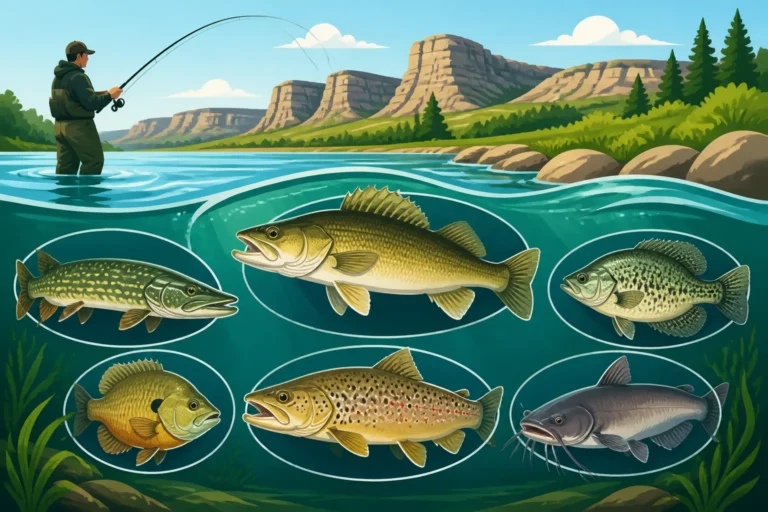
While walleye often steal the spotlight in the Cheyenne River Arm, this rich fishery supports a diverse array of other popular game fish that offer exciting angling opportunities. Expanding your targets can lead to a more varied and action-packed day on the water.
Northern Pike and Smallmouth Bass
The Cheyenne River Arm is also home to a healthy population of Northern Pike. These aggressive predators thrive in areas with submerged vegetation, woody cover, and slightly stained water. You'll often find them lurking in shallower bays, around points with weed lines, or near large areas of submerged timber. Pike are not particularly fussy eaters and will readily strike a variety of lures, including large spoons, spinnerbaits, and crankbaits. For those who enjoy the thrill of a hard fight and toothy critter, targeting pike can be an exciting alternative. They provide a different kind of challenge, often requiring heavier tackle and a steel leader to prevent bite-offs. Be sure to check South Dakota Northern Pike Limits before heading out.
Smallmouth Bass are another fantastic sport fish that are gaining popularity in the Cheyenne River Arm. These hard-fighting bass prefer rocky habitats, riprap, and areas with clean gravel bottoms. You'll often find them along the main lake points, rocky shorelines, and transition zones where rock meets sand or mud. Smallmouth are incredibly fun to catch on light tackle and are known for their acrobatic jumps. Effective techniques include casting tube jigs, soft plastic creature baits, crankbaits, and topwater lures around rocky structures. During the warmer months, they can be incredibly active and provide non-stop action. Knowing the South Dakota Smallmouth Bass Daily Limits is important to ensure you're fishing responsibly.
Crappie and Other Panfish
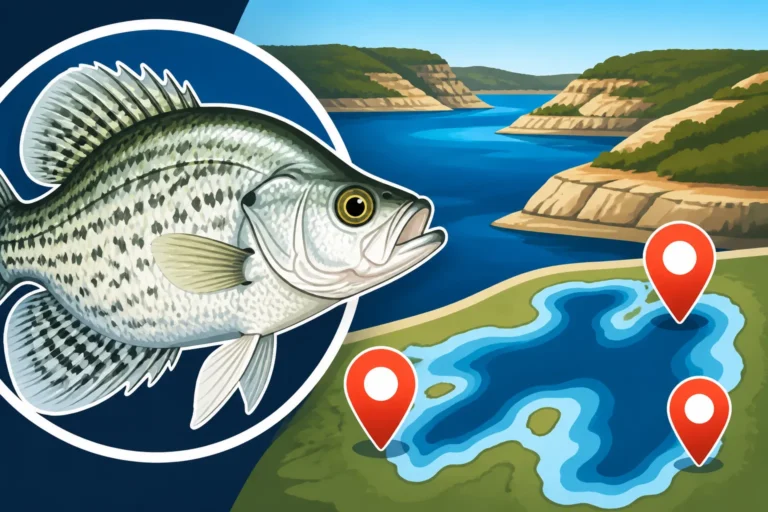
For those looking for a delicious meal or a fun day of steady action, the Crappie fishery in the Cheyenne River Arm is exceptional. Both black and white crappie inhabit these waters, often congregating in schools around submerged brush piles, timber, and the deeper edges of weed beds. In spring, they move into shallow bays and coves to spawn, making them highly accessible. Throughout the rest of the year, they can be found suspended over structure or relating to deeper cover. Tiny jigs, often tipped with small minnows or soft plastic crappie tubes, are the go-to baits. A sensitive rod and reel setup are crucial for detecting their subtle bites.
Beyond crappie, anglers can also find various panfish, including Yellow Perch and Bluegill, especially in the shallower, more sheltered bays of the Cheyenne River Arm. Perch are often found near weed edges and humps, particularly in cooler water, and can be caught on small jigs, ice fishing lures (even in open water), or worms. Bluegill prefer shallower, warmer waters with plenty of aquatic vegetation and respond well to small worms, crickets, or tiny artificial baits fished under a bobber. These species offer great opportunities for family fishing trips or for younger anglers to hone their skills. Always review the South Dakota Crappie and Panfish Possession Limits before you keep your catch.
Essential Gear and Bait Recommendations
Having the right gear and bait can make all the difference between a frustrating day and a successful fishing trip on the Cheyenne River Arm. The diverse conditions and species require a thoughtful selection.
Rods, Reels, and Line for Lake Oahe
For walleye fishing, a versatile spinning setup is often preferred. A 6'6" to 7' medium-light to medium power rod with a fast action tip is ideal for jigging, slip bobber fishing, and lighter trolling applications. Pair this with a reliable spinning reel in the 2500-3000 size range, spooled with 8-10 lb braided line, and a 6-8 lb fluorocarbon leader. The braid offers excellent sensitivity and hook-setting power, while the fluorocarbon leader provides stealth in clear water. For heavier trolling with crankbaits or bottom bouncers, especially for larger walleye or pike, a 7' to 8' medium-heavy action casting rod paired with a baitcasting reel spooled with 10-15 lb fluorocarbon or monofilament is often more suitable. The casting setup provides better line control and power for handling heavier weights and larger fish. If you're serious about your walleye game, consider exploring dedicated Best Fishing Rods and Reels for Walleye options.
When targeting Northern Pike or Smallmouth Bass, you'll want a slightly different setup. For pike, a medium-heavy to heavy power spinning or casting rod (7'-7'6") with a fast action, spooled with 15-30 lb braided line and a bite-proof leader (steel or heavy fluorocarbon) is recommended due to their sharp teeth and powerful fights. Smallmouth bass, while feisty, can be effectively targeted with a medium power, fast action spinning rod (6'6"-7') spooled with 6-10 lb braided line and a fluorocarbon leader, allowing for sensitivity with lighter baits. For crappie and panfish, ultra-light to light action spinning rods, often in the 5'-6' range, paired with small 1000-2000 size reels and 4-6 lb monofilament or light braid are perfect for feeling those subtle bites.
Productive Lures and Live Bait Choices
The Cheyenne River Arm's variety of fish species means a broad spectrum of lures and baits can be effective. For walleye, the staples are jigs (1/8 oz to 3/8 oz), crankbaits (both shallow-diving and deep-diving models like Rapala Shad Raps, Berkley Flicker Shads, or Salmo Hornets), and spinner rigs. Live bait, especially minnows (like shiners or fatheads) and nightcrawlers, are incredibly effective when fished on jigs, spinner rigs, or under a slip bobber. Leeches can also be highly productive, particularly in spring and early summer.
For Northern Pike, larger spoons (like Daredevils or Eppinger Dardevles), spinnerbaits with large blades, and lipless crankbaits are excellent choices. Large plastic swimbaits also get their attention. When it comes to Smallmouth Bass, tube jigs, grub tails, small swimbaits, jerkbaits, and topwater lures (like poppers or walk-the-dog baits) are perennial favorites. Natural colors often work best in clear water, while brighter or more contrasting colors can be effective in stained conditions.
Crappie and panfish require smaller presentations. Tiny jigs (1/32 oz to 1/8 oz) in various colors (chartreuse, white, black/chartreuse) tipped with a small minnow, wax worm, or micro-plastic are generally the most productive. Small spinnerbaits and Beetle Spins can also tempt panfish. Always carry a selection of colors and sizes, as fish preferences can change throughout the day. Regardless of the species you're targeting, having a well-stocked tackle box with a variety of options for different conditions and depths will significantly increase your success rate.
Navigating Regulations and Local Wisdom
Fishing in South Dakota, particularly on a massive body of water like Lake Oahe, comes with a specific set of regulations designed to protect the resource and ensure sustainable fishing for generations to come. Beyond the rules, local knowledge can provide an invaluable edge.
South Dakota Specific Fishing Regulations
Before you even wet a line in the Cheyenne River Arm, it is absolutely crucial to be familiar with the current South Dakota Fishing Regulations Explained. These regulations are set by the South Dakota Game, Fish and Parks (GFP) and cover everything from licensing requirements to specific limits and seasons. The first step is always to ensure you have a valid South Dakota Fishing License Guide, whether you're a resident or a nonresident. Licenses can typically be purchased online, at GFP offices, or from authorized vendors across the state.
Beyond the general license, pay close attention to the fish limits and size restrictions for the species you intend to target. For instance, walleye often have daily creel limits and sometimes slot limits, meaning fish within a certain size range must be immediately released. These limits can vary by water body and even by specific sections of a lake, so it's vital to check the latest regulations for Lake Oahe and the Cheyenne River Arm specifically. For example, South Dakota Walleye Limits might have unique provisions that differ from other lakes. Northern Pike, Smallmouth Bass, Crappie, and other panfish also have their own daily and possession limits. Failing to adhere to these rules can result in significant fines and the loss of fishing privileges, so always carry a copy of the current regulations or have them accessible on your phone.
Furthermore, regulations cover details such as the number of fishing lines allowed per angler (typically two in South Dakota), bait restrictions (e.g., live minnow rules), and specific rules regarding spearfishing, bowfishing, and snagging. Certain areas might also have specific closures or catch-and-release only zones. It's also important to be aware of boating safety regulations, including required safety equipment and life jacket rules, particularly if you're exploring the vast waters of Oahe. Taking a few minutes to review the official GFP handbook each year is a small investment that can prevent big headaches.
Hiring a Local Guide for the Best Experience
For many anglers, especially those new to Lake Oahe or the Cheyenne River Arm, hiring a local fishing guide can be one of the best investments you make. A seasoned guide possesses an intimate knowledge of the area, understanding the subtle nuances of the Cheyenne River Arm that take years to acquire. They know where the fish are holding based on current conditions, water temperatures, and recent patterns.
A good guide doesn't just put you on fish; they teach you how to fish these waters. They can demonstrate effective techniques, explain the best lure presentations, and help you interpret your electronics. This hands-on learning experience can dramatically shorten your learning curve and significantly improve your angling skills for future trips. Many guides operate fully equipped boats, meaning you won't need to worry about bringing your own gear, bait, or navigating the sprawling lake. They'll also ensure you're compliant with all South Dakota Fishing Regulations Explained and can help you identify fish species correctly.
Platforms like FishingBooker make it easy to find and book experienced local guides for Lake Oahe and the Cheyenne River Arm. You can read reviews, compare prices, and find guides specializing in walleye, pike, or mixed-bag trips. A guide can also take you to less-pressured spots that might be difficult to find on your own, giving you access to potentially better fishing. This is particularly valuable when targeting specific areas like Lake Oahe Walleye Hotspots Near Mobridge which might require specialized knowledge to access and fish effectively. Ultimately, a guided trip is not just about catching fish; it's about gaining a deeper understanding of the fishery and maximizing your enjoyment on the water.
Disclaimer
The information provided in this guide is for informational purposes only and is subject to change. Fishing regulations, conditions, and best practices can vary. Always consult the official South Dakota Game, Fish and Parks (GFP) website or publications for the most current and accurate regulations before planning your fishing trip. Safety is paramount; be aware of weather conditions, practice safe boating, and always inform others of your travel plans.