Fish Species Found in the Bad River
When you hear a river named "Bad River," it's easy to dismiss it as a place not worth wetting a line. Many anglers assume such a name means poor fishing, or perhaps even dangerous conditions. But that's a common misconception, especially in South Dakota. While it might not boast the crystal-clear waters of a Black Hills trout stream, the Bad River, particularly where it joins the mighty Missouri, holds a surprising variety of fish species, and understanding its unique character is key to unlocking its potential. This guide will walk you through what you can expect to find swimming in these waters, how they thrive, and how you can best approach fishing them.
Understanding the Bad River's Unique Environment
The Bad River, winding its way through central South Dakota and joining the Missouri River near Fort Pierre, is a river of contrasts and specific characteristics that heavily influence its fish populations. It's not your typical pristine trout stream, nor a vast glacial lake. Instead, it offers a distinct environment that favors certain hardy species.
The Dynamics of a Muddy, Slow-Moving River
Unlike some of South Dakota's larger, more managed waterways, the Bad River is generally a slow-moving, often muddy, and somewhat shallow tributary. Its flow can fluctuate significantly depending on rainfall and snowmelt, leading to periods of very turbid water. This muddiness isn't a bad thing for all fish; in fact, it creates a rich ecosystem that benefits many species. The suspended sediments provide cover from predators and can hold abundant invertebrates, which form the base of the food chain.
The slower currents also mean less oxygenation in some areas, making it less hospitable for species that demand highly oxygenated, cold water. Instead, fish that are tolerant of warmer temperatures and lower oxygen levels, and that can navigate turbid conditions, tend to thrive here. Think of it as a natural filter, selecting for the tough and adaptable. This environment also lends itself well to species that use scent more than sight to hunt, an important consideration for your bait choices!
Confluence with the Missouri River
The most significant factor shaping the Bad River's fish diversity is its confluence with the Missouri River. This meeting point acts as a highway, allowing species from the vast Missouri River system to venture into the Bad River. While the Bad River itself might be challenging, the influence of the Missouri means that some of its more popular game fish, like walleye and smallmouth bass, will occasionally make their way upstream, especially during certain times of the year or when forage is abundant in the tributary.
This interaction makes the lower stretches of the Bad River, particularly near its mouth, more dynamic and potentially more rewarding for anglers targeting a wider range of species. It also means that anglers should be familiar with the broader South Dakota Fishing Regulations Explained, as well as specific rules for the Missouri River system, which the Bad River essentially becomes a part of at its mouth. This area can be a hidden gem for those willing to explore beyond the obvious main channel.
Key Fish Species You'll Encounter
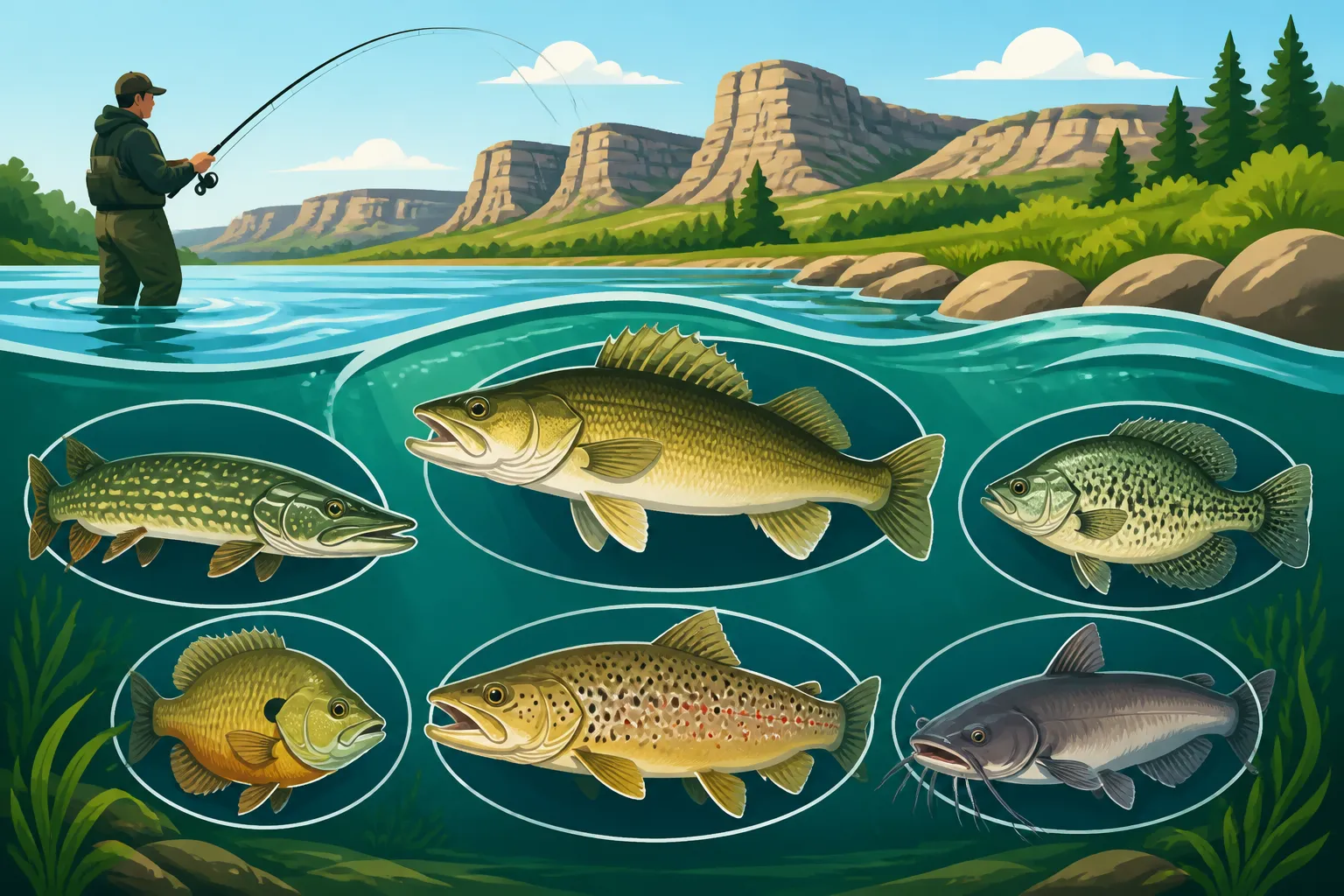
When you drop a line in the Bad River, you're primarily going to be targeting species that are perfectly adapted to its unique, often turbid and slower-moving conditions. While some might consider them "rough fish," they offer fantastic fishing opportunities and can be incredibly fun to catch.
Channel Catfish: The River's True Star
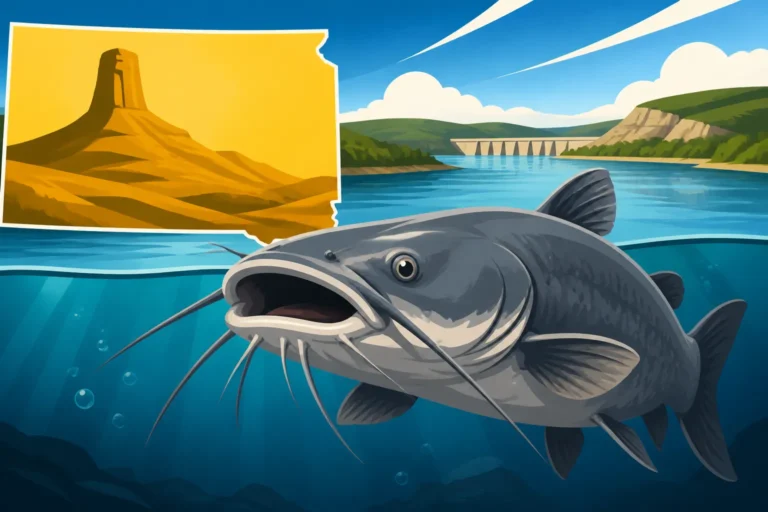
Without a doubt, the channel catfish is the undisputed king of the Bad River. These whiskered warriors absolutely thrive in the river's warm, often muddy waters, and their keen sense of smell makes them perfectly suited to hunting in low visibility. You can find them throughout the river, but they tend to congregate in deeper holes, around fallen timber, and along current seams, especially closer to the Missouri River confluence. The Bad River offers an excellent environment for channel cats to grow to impressive sizes, providing a serious fight for any angler.
To successfully target them, you'll want to use strong tackle and baits that pack a powerful scent punch. Think stink baits, cut bait, or even a good old-fashioned nightcrawler. Many anglers find the Best Bait for South Dakota Catfish includes a variety of options, so don't be afraid to experiment. When you're fishing for these guys, remember that patience is key. Let that bait soak, and be ready for a solid thump when they hit. Knowing the Catfish Limits and Size Rules is also crucial, especially if you plan to keep some for a delicious meal.
Common Carp: Abundant and Powerful Fighters
Another highly prevalent species in the Bad River is the common carp. Often overlooked by anglers in pursuit of more "glamorous" game fish, carp are incredibly strong fighters that can put a serious bend in your rod. They are perfectly suited to the Bad River's conditions, feeding on aquatic vegetation, insects, and detritus along the bottom. You'll find them almost everywhere, especially in slow-moving eddies and shallow flats where they can root around in the mud for food.
While not typically eaten by many American anglers, carp fishing is a popular sport in itself, requiring finesse and often specialized tactics. Corn, dough balls, and bread are classic carp baits, and setting up with multiple rods can lead to non-stop action. Don't underestimate the power of a large carp; they are notorious for long, drag-screaming runs. If you're looking for a challenging fight and consistent action, the Bad River's carp population won't disappoint.
Other Panfish and Rough Fish
Beyond catfish and carp, the Bad River also supports populations of various panfish and other rough fish. You might encounter bullheads, which are essentially smaller, hardier versions of catfish, often found in the muddier, shallower sections. They're excellent for beginners and kids, readily biting on worms.
Drum, also known as freshwater drum or sheepshead, are another common inhabitant. These fish are strong fighters and can be caught on a variety of baits, often alongside catfish. They have large scales and a distinctive grunting sound. Various sunfish species might also be present in smaller numbers, especially in areas with more vegetation or structure, though they typically prefer slightly clearer water than the main Bad River current.
Remember, every species contributes to the river's ecosystem. While some might not be traditionally sought after, they all play a role and offer unique angling experiences.
| Fish Species | Primary Habitat | Preferred Baits | Typical Size Range | Fishing Notes |
|---|---|---|---|---|
| Channel Catfish | Deeper holes, fallen timber, current seams | Stink bait, cut bait, nightcrawlers, shrimp | 1-10 lbs (up to 20+ lbs) | Excellent fighters, strong scent highly effective |
| Common Carp | Shallow flats, slow eddies, vegetated areas | Corn, dough balls, bread, boilies | 5-20 lbs (up to 40+ lbs) | Powerful runs, often underestimated, good sport fish |
| Bullheads | Muddy, shallow sections, soft bottoms | Worms, small pieces of cut bait | 0.5-2 lbs | Easy to catch, great for kids, good eating |
| Freshwater Drum | Deeper pools, current breaks, near structure | Worms, minnows, crayfish, artificial lures | 2-15 lbs | Strong fighters, often confused with panfish |
| Smallmouth Bass | Rocky areas, current breaks (near Missouri) | Crankbaits, jigs, soft plastics, live minnows | 1-4 lbs (near Missouri) | Occasional catch, more prevalent closer to confluence |
| Walleye | Deeper channels, structure (near Missouri) | Jigs, crankbaits, spinner rigs, live minnows | 1-5 lbs (near Missouri) | Rare but possible, especially in lower river mouth |
Surprising Catches and Seasonal Variations
While the Bad River is primarily a channel cat and carp haven, its connection to the Missouri River means that you might occasionally hook into some unexpected, more sought-after species. These encounters are often tied to specific seasons or conditions, making them all the more exciting when they happen.
Missouri River Vagabonds: Walleye and Smallmouth Bass
Because the Bad River flows directly into the Missouri River, it acts as a migratory route and occasional feeding ground for fish from the larger system. This means that, especially in the lower reaches closer to the confluence, you might surprise yourself with a walleye or a smallmouth bass. These aren't common catches in the upper Bad River, but near the mouth, where the water dynamics and forage availability change, they become a distinct possibility.
Walleye, known for their preference for cleaner, deeper water, might venture into the Bad River during periods of lower flow or when schools of baitfish push upstream from the Missouri. Similarly, smallmouth bass, which love rocky structures and current breaks, can be found where the Bad River offers such habitat, particularly close to the main river channel. Anglers serious about targeting these species might consider booking a trip through a service like FishingBooker to find a local guide who specializes in the Missouri River system, as they'll have invaluable insight into these transitional areas and how to approach them. The techniques for these fish would mirror those used on the Missouri itself, like jigging or trolling with crankbaits.
The Impact of Seasons on Fish Distribution
The time of year significantly influences what you'll find and where in the Bad River.
- Spring: As water temperatures rise, fish become more active. Catfish will start to move out of their deeper wintering holes, becoming more aggressive feeders. This is also a time when some Missouri River species might explore the Bad River as waters warm and new food sources emerge. The runoff can also make the river extremely muddy, favoring scent-driven fish.
- Summer: Peak season for channel catfish and carp. The warmer water means consistent feeding activity, and fish can be found throughout the river system. Night fishing for catfish can be particularly productive during the hot summer months.
- Fall: As temperatures begin to drop, fish will have a feeding frenzy to prepare for winter. Catfish remain active, and there's an increased chance of those Missouri River migrants moving back through the lower Bad River as they seek deeper water for winter.
- Winter: Fishing on the Bad River in winter can be challenging. Ice fishing might be possible in some of the slower, shallower backwaters, but the main channel might not freeze reliably due to current and depth variability. Most fish will be in deeper, less active states.
Understanding these seasonal patterns can greatly improve your success rate. For instance, knowing the South Dakota Fishing Season Dates and Limits will help you plan your trips effectively.
Best Practices for Fishing the Bad River
Fishing the Bad River, or any lesser-known tributary, requires a slightly different approach than hitting the big reservoirs. It's about adapting to the environment and leveraging its unique characteristics to your advantage.
Tackle and Bait Choices for Success
Given the Bad River's primary residents, your tackle and bait choices are crucial.
- Rods and Reels: For channel catfish and carp, you'll want medium-heavy to heavy action spinning or baitcasting rods, paired with reels spooled with 10-20 lb monofilament or braided line. You need enough backbone to handle powerful fish and enough line capacity for their strong runs. Consider a sturdy setup, perhaps similar to what you'd use for the Best Fishing Rods and Reels for Walleye, but geared for larger, stronger freshwater species.
- Hooks and Sinkers: Circle hooks (sizes 2/0 to 5/0) are excellent for catfish, as they promote lip-hooking and are generally safer for the fish if you plan on releasing them. For carp, smaller, stronger hooks (sizes 4 to 1/0) are appropriate. You'll need an assortment of sinkers, including slip sinkers (1/2 to 2 ounces, depending on current) to keep your bait on the bottom without hindering the bite.
- Bait: As discussed, scent is king. For catfish, bring plenty of cut bait (shad, suckers, chicken livers), stink baits, or even large nightcrawlers. For carp, sweet corn (canned or frozen), dough balls, and bread are highly effective. If you're hoping for a stray smallmouth or walleye near the confluence, pack some jigs, crankbaits, or live minnows. When looking for a local guide to learn the ropes, a platform like FishingBooker can help you find experienced anglers who can offer precise bait recommendations for specific conditions.
Navigating Access and Finding Fish
Accessing the Bad River can sometimes be a bit trickier than the more developed mainstem Missouri River. While there are a few public access points, much of the river flows through private land, so always be mindful of trespassing laws and seek permission if necessary.
- Public Access: Near its confluence with the Missouri River, you'll find more accessible points, including boat ramps and shore fishing opportunities, often managed by the South Dakota Game, Fish and Parks (GFP). These are prime spots for encountering a mix of species. The Bad River enters the Missouri just upstream from Fort Pierre, offering some good public areas.
- Boat vs. Shore Fishing: The relatively narrow and sometimes shallow nature of the Bad River makes it suitable for both shore fishing and small boat or kayak fishing. If you're in a boat, a smaller jon boat or even a kayak can navigate areas that larger craft cannot, allowing you to reach prime catfish and carp holes. Always be aware of the South Dakota Boat and Water Access Rules.
- Reading the River: Look for visual cues. Deep bends, fallen trees, logjams, and areas where the current slows down (eddies) are classic fish hideouts. Where small creeks flow into the Bad River, these confluences can also create oxygenated and food-rich areas that attract fish. Even subtle changes in water depth or bottom composition can hold fish.
Being a thoughtful and prepared angler, and maybe even checking out a local guide on FishingBooker, will significantly increase your chances of success on this unique South Dakota waterway. Remember, a South Dakota Fishing License Guide will always be your first step before heading out!
Disclaimer
Fishing regulations and conditions can change. Always consult the latest South Dakota Game, Fish and Parks (GFP) regulations handbook or their official website before any fishing trip. This guide is for informational purposes only and should not be considered a substitute for official rules and safety guidelines. Tight lines, and stay safe out there!