Lake Poinsett Walleye Fishing Report
Trying to nail down the current walleye bite on a specific lake like Lake Poinsett can feel like chasing a phantom. Conditions change daily with the weather, water temperature, and even fishing pressure, leaving anglers constantly wondering what's truly working. This guide is here to cut through the guesswork, offering a deep dive into Lake Poinsett's walleye fishery, what you can typically expect throughout the seasons, and time-tested strategies to help you fill your livewell.
Getting to Know Lake Poinsett and Its Walleye Fishery
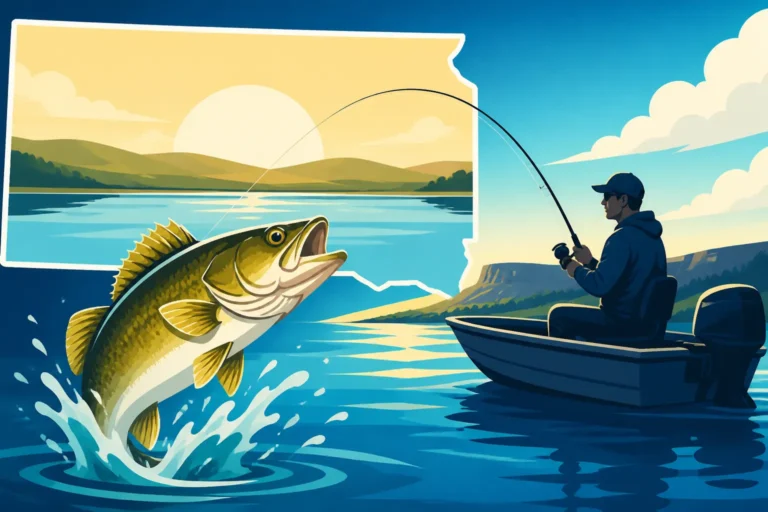
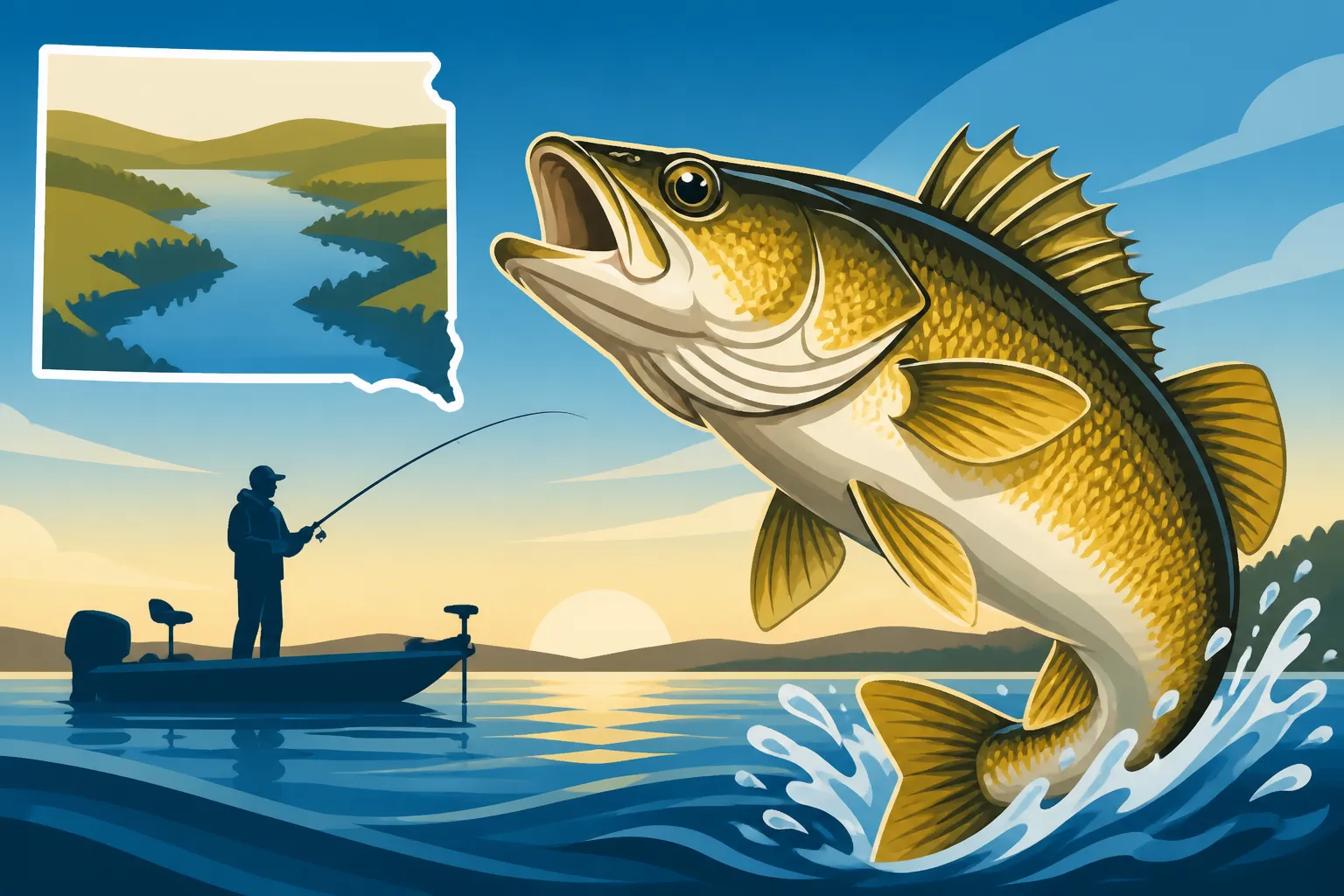
Lake Poinsett, nestled in the heart of South Dakota's Glacial Lakes region, isn't just a pretty face; it's a prime destination for walleye anglers. Understanding the lake's unique characteristics and the health of its walleye population is the first step toward a successful outing.
The Lay of the Land: Lake Characteristics
Lake Poinsett is one of the larger natural lakes in South Dakota, boasting a sprawling surface area that can be a bit daunting at first glance. Unlike the deep, clear reservoirs of the Missouri River, Poinsett is relatively shallow, with an average depth hovering around 8-10 feet and a maximum depth reaching about 20 feet in certain areas. This shallower nature means water temperatures can fluctuate more quickly, and wind plays an enormous role in oxygenating the water and concentrating baitfish.
The lake bottom is a mix of soft mud, sand, and some scattered rock piles, especially around points and structural features. Extensive weed beds, primarily sago pondweed and curly-leaf pondweed, develop throughout the spring and summer, creating crucial habitat for baitfish like shiners, perch, and young walleye, as well as offering ambush points for larger predators. The lake is also connected to Lake Norden via a channel, which can create some subtle current flows that walleye often utilize, particularly during spawning periods or when seeking cooler, oxygenated water. Understanding these features is vital, as walleye will orient themselves differently based on the available structure and forage.
Walleye Population Health and History
The South Dakota Game, Fish and Parks (GFP) actively manages Lake Poinsett's fishery, conducting regular surveys and stocking efforts to maintain a robust walleye population. Historically, Lake Poinsett has been one of the most productive walleye lakes in the eastern part of the state, famous for both its numbers and the potential for catching some true trophies. While populations naturally fluctuate year to year due to factors like winterkill, successful spawns, and angling pressure, Poinsett generally holds a strong year class of walleye.
The walleye here thrive on the abundant forage base, which includes yellow perch, fathead minnows, and various shiners. This rich diet contributes to healthy growth rates, meaning you're not just likely to catch a lot of fish, but you also stand a good chance of hooking into some respectable eaters and even the occasional "wall-hanger" pushing 20 inches or more. Maintaining this balance requires careful management, and anglers play a crucial role by adhering to regulations like the South Dakota Walleye Daily Limit and South Dakota Walleye Possession Limit. The lake's connection to other bodies of water in the Glacial Lakes chain also allows for natural fish migration, further enhancing its overall fishery health.
Deciphering the Current Lake Poinsett Walleye Fishing Report
A "fishing report" for Lake Poinsett isn't just about what someone caught yesterday; it's about understanding the seasonal patterns and environmental factors that drive the walleye bite. Real-time conditions are always changing, but knowing the typical behavior for each season will give you a significant edge.
Seasonal Breakdown: What to Expect When
Walleye behavior on Lake Poinsett changes dramatically throughout the year, dictated by water temperature, spawning cycles, and forage availability. Knowing these patterns is key to predicting where they'll be and what they'll eat. If you're looking for a broader overview of the year, check out our guide on South Dakota Fishing Seasons Explained.
Spring: Ice-Out and Pre-Spawn Frenzy
Once the ice leaves Lake Poinsett, typically in late March or early April, the walleye immediately become active, moving into shallower areas to feed heavily before the spawn. This "ice-out" period can be incredibly productive. As the water temperatures creep into the 40s (Fahrenheit), walleye will be found near the north shore, shallow bays, and the channel connecting to Lake Norden, staging for the spawn. They are often concentrated and very aggressive.
The actual spawn usually occurs when water temperatures reach the high 40s to low 50s. After the spawn, typically in late April through May, post-spawn walleye will be hungry but might be spread out as they recover. They'll start relating to developing weed lines and shallow points, often moving into areas with new weed growth to ambush baitfish. This is a fantastic time for both numbers and size, often considered by many as the Best Time of Year to Fish in South Dakota.
Summer: Deep Water and Weed Line Dominance
As summer progresses and water temperatures climb into the 60s and 70s, Lake Poinsett's walleye will shift their patterns. During the heat of the day, especially in clear conditions, they'll often retreat to the deeper basins (what little there is) or the cooler, oxygen-rich depths of developing weed beds. Early morning and late evening often see them pushing into shallower weed edges and flats to feed.
The expansive weed lines become primary targets, as they hold vast amounts of baitfish and provide excellent cover. Finding subtle breaks in these weeds, isolated clumps, or points that extend into deeper water can be incredibly productive. Boat traffic and sunny conditions can push them deeper into the weeds, requiring more precise presentations. Look for fish suspended just off the bottom or hugging the inside or outside edges of the densest vegetation.
Fall: The Migration and Feeding Frenzy
Fall on Lake Poinsett is a magical time for walleye anglers. As water temperatures begin to drop in September and October, walleye become incredibly active, putting on the feedbag in preparation for winter. They often move out of the dense summer weeds and begin to congregate on main lake points, rock piles, and structural elements.
The cooling water signals a migration of baitfish, and walleye will follow suit, often found in large schools. This is a fantastic time for trolling crankbaits or casting jigs along contours. The fish are less spooky than in summer's clear, warm water and are often willing to chase baits. Pay close attention to wind-blown shorelines, as these areas often concentrate baitfish and, consequently, walleye. This period can offer some of the best trophy opportunities of the year.
Winter: Ice Fishing Specifics
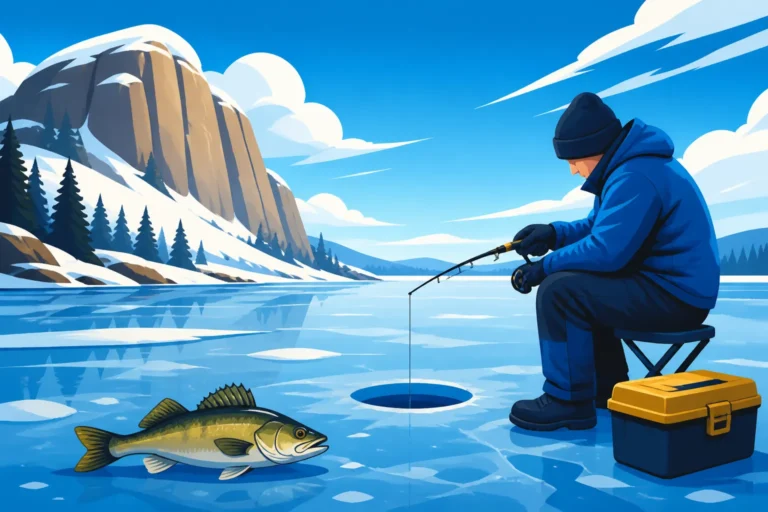
When Lake Poinsett freezes over, usually by December, a vibrant ice fishing community emerges. Walleye continue to be a primary target, though their metabolism slows down. They'll often be found near the remnants of summer's weed lines, on subtle breaks, or exploring the deeper basins. Key areas often include points, humps, and the channel connecting to Lake Norden.
Early ice can be very productive as walleye are still relatively active. As winter deepens, finding schools becomes more crucial. Utilizing electronics like flashers or graphs is almost essential to locate fish suspended off the bottom or relating to specific depths. Jigging spoons, small rattle baits, and live minnows are go-to presentations. Remember that conditions for South Dakota Ice Fishing Guide, including ice thickness, can vary greatly, so always prioritize safety.
Key Factors Influencing the Bite
Beyond the seasonal trends, several dynamic factors influence the walleye bite on any given day on Lake Poinsett. Paying attention to these can make or break your trip.
Weather and Fronts: Walleye are notoriously sensitive to changes in barometric pressure. Stable weather with consistent pressure often leads to better fishing. Approaching cold fronts can sometimes trigger a feeding frenzy right before the front hits, but fishing often slows down significantly right after a harsh front passes. Overcast days with a light chop are often ideal, as they break up light penetration and make walleye feel more comfortable feeding in shallower water.
Water Temperature: This is perhaps the most critical factor. Walleye have preferred temperature ranges for feeding, spawning, and general activity. In spring, rising temps bring them shallow; in summer, high temps push them deeper or into thick cover; in fall, dropping temps spur their feeding migrations. A good fish finder with a temperature gauge is invaluable for identifying these optimal zones.
Water Clarity: Lake Poinsett's water clarity can vary from stained to moderately clear, influenced by wind, runoff, and algal blooms. In clearer water, walleye tend to be more light-sensitive, often preferring deeper water, lower light conditions (dawn, dusk, cloudy days), or heavier cover. In stained or murkier water, they might be more active throughout the day and closer to the surface. Adjust your lure colors and retrieve speeds accordingly – brighter colors and noisier baits in stained water, more natural hues and subtle presentations in clear water.
Proven Techniques and Gear for Lake Poinsett Walleye
Armed with knowledge about the lake and its seasonal patterns, it's time to talk about how to actually catch those walleye. Success on Lake Poinsett often comes down to adapting your presentation to the conditions. If you're new to the area, consider connecting with a local expert through platforms like FishingBooker to get real-time insights and tailored advice.
Top Lures and Baits
Choosing the right bait or lure is paramount. Walleye can be finicky, but a few staples consistently produce on Lake Poinsett. Our comprehensive guide on the Best Lures for South Dakota Walleye.
- Live Bait Rigs: A classic for a reason. Walleye absolutely love live bait. A simple slip bobber rig with a leeches, nightcrawlers (especially on spinner rigs), or fathead minnows can be deadly, particularly in spring and fall. These rigs allow you to present bait naturally at specific depths, which is crucial when fish are holding tight to structure or suspended.
- Jigs: From traditional lead-head jigs tipped with plastics (like paddle tails or grubs) to hair jigs or even jigging spoons for ice fishing, jigs are incredibly versatile. They are excellent for vertical jigging over schools of fish or pitching to weed edges and drop-offs. Colors vary, but chartreuse, white, orange, and natural shad patterns are often reliable.
- Crankbaits: Trolling crankbaits is a highly effective way to cover water and locate active walleye, especially during the summer and fall migrations. Deep-diving crankbaits can reach those fish suspended in deeper water, while shallow-running models are perfect for skimming over weed tops or running along shallow breaks. Brands like Rapala, Berkley, and Salmo offer a wide range of effective options.
- Spinner Rigs (e.g., Lindy Rigs, Bottom Bouncers): These rigs, often adorned with a blade and beads, are designed to be trolled or drifted slowly near the bottom, presenting a live nightcrawler or minnow. They are phenomenal for covering expansive flats and humps, particularly when walleye are spread out and feeding on the bottom.
Essential Tactics for Success
Knowing what to use is only half the battle; knowing how to use it effectively is the other. The tactics you employ should align with the season and the fish's behavior. For a deeper dive, check out our How to Fish for Walleye in South Dakota article.
- Trolling: This is a go-to tactic for covering water and finding active fish, especially in a large lake like Poinsett. Whether you're pulling crankbaits, spinner rigs, or even jigging raps, maintain consistent boat speed and pay attention to your electronics. Watch for schools of baitfish, changes in bottom contour, or individual fish marks. Side imaging and down imaging on your fish finder can be invaluable for identifying productive trolling passes.
- Jigging: Vertical jigging directly over fish, especially during ice fishing or when fish are tightly schooled, can be incredibly effective. A sharp, rhythmic jigging motion combined with pauses often entices strikes. Pitching jigs to weed edges, points, or visible structure is also a great way to target individual fish or smaller pods.
- Slip Bobber Fishing: When walleye are holding in specific depth zones, especially around emergent weed lines or subtle bottom structure, a slip bobber rig allows for precise depth control and a natural presentation of live bait. This method is particularly popular in spring and early summer when fish are often shallower.
- Drifting: Letting the wind do the work, drifting with live bait rigs or even jigs, can be a fantastic way to fish large flats or follow contours. Use a drift sock to control your speed, ensuring your bait stays in the strike zone. This is especially effective on windy days when waves churn up the water, making walleye more aggressive.
Navigation and Access
Accessing Lake Poinsett is relatively easy, with several public boat ramps available. The primary access points are usually well-maintained, but always check conditions, especially during periods of low water or early spring. Good boat ramps can be found at Lake Poinsett Recreation Area on the west side and also near the channel leading to Lake Norden.
For shore anglers, opportunities exist at some of the public recreation areas, particularly around points and shallower bays. However, given the size of the lake and the way walleye often relate to offshore structure, a boat or kayak significantly increases your chances of success. If you're looking for more general guidance on the region, our South Dakota Glacial Lakes Walleye Fishing guide has more information.
Planning Your Successful Walleye Trip to Lake Poinsett
A great fishing trip isn't just about what you do on the water; it's about preparation. Making sure you've got your ducks in a row before you even cast a line will save you headaches and maximize your enjoyment.
Licensing and Regulations
Before you head out, make sure your South Dakota Fishing License Guide is up to date! Everyone aged 16 and older needs a fishing license in South Dakota, and there are different options available, from annual licenses to short-term nonresident licenses. You'll want to review the current South Dakota Fishing Regulations Explained for Lake Poinsett, as limits and special rules can change annually. Pay close attention to walleye length limits and daily creel limits. The South Dakota Game, Fish and Parks (GFP) website is your best resource for the most current information. You can often purchase your South Dakota Annual Fishing License right online. Remember, understanding these rules is not just about avoiding fines; it's about contributing to the sustainable management of this incredible fishery.
Hiring a Local Guide or Charter
For many, especially those new to Lake Poinsett or chasing a specific bite, hiring a local fishing guide can be an absolute game-changer. These professionals spend countless hours on the water, have intimate knowledge of current conditions, walleye movements, and the most productive spots and techniques. They often have specialized gear and boats perfectly suited for the lake.
Working with a guide can drastically cut down on your learning curve, turning a potentially frustrating trip into a memorable one. They can teach you the nuances of jigging, how to read a fish finder for walleye on Lake Poinsett's unique structure, or the precise trolling speeds for current conditions. Websites like FishingBooker are excellent resources for finding reputable, experienced guides who specialize in Lake Poinsett walleye fishing. You can browse different guides, read reviews, compare pricing, and book your trip with confidence, ensuring you get a truly localized, up-to-the-minute fishing report and expert guidance. Even if you're an experienced angler, a half-day with a local pro can unlock secrets that would take years to discover on your own.
Essential Gear Beyond Rods and Reels
Beyond your standard rod and reel setup, there are a few other items that will make your Lake Poinsett walleye trip more enjoyable and successful.
- Quality Electronics: A good fish finder with GPS, side imaging, and down imaging is almost mandatory on a large, shallow lake like Poinsett. It helps you identify subtle structure, locate schools of baitfish, mark productive weed lines, and, of course, spot those elusive walleye.
- Drift Socks or Shallow Water Anchors: Given how windy the Glacial Lakes region can be, a drift sock is essential for controlling your boat speed while drifting. Alternatively, shallow water anchors (like a Power-Pole or Talon) are incredibly useful for holding your boat precisely on a shallow spot or weed edge without disturbing the fish.
- Map and Navigational Tools: A detailed lake map (physical or on your electronics) is critical for identifying points, breaks, and changes in depth. Familiarize yourself with the main contours and potential hazards before you launch.
- Appropriate Clothing: The weather in South Dakota can change on a dime. Always pack layers, good rain gear, and sun protection. Even on overcast days, glare off the water can be intense.
- Cooler and Ice: If you plan on keeping your catch (and who doesn't love walleye for dinner?), a good cooler with plenty of ice is a must to keep your fish fresh.
Lake Poinsett Walleye Fishing Quick Reference
| Season | Typical Water Temp | Walleye Location Focus | Primary Tactics | Recommended Baits/Lures | Notes |
|---|---|---|---|---|---|
| Spring | 40s-50s F | Shallow bays, channel, north shore | Jigging, Slip Bobbers, Slow Trolling | Live Minnows, Nightcrawlers, Paddle Tail Jigs, Small Crankbaits | Pre-spawn bite is aggressive, post-spawn can be scattered. |
| Summer | 60s-70s F | Weed lines, deeper basins (if any), points | Trolling, Jigging Weed Edges | Crankbaits, Spinner Rigs (Nightcrawlers), Plastics | Early morning/late evening best for shallow weeds, deeper during midday. |
| Fall | 50s-40s F | Main lake points, humps, structural elements | Trolling, Casting Jigs, Drifting | Crankbaits, Live Bait Rigs, Jigging Raps, Blade Baits | Fish are feeding heavily for winter, often schooling. |
| Winter | Under Ice | Weeds, breaks, main lake basins, channel | Vertical Jigging, Deadsticking | Jigging Spoons, Rattle Baits, Live Minnows | Electronics are key, prioritize safety on ice. |
Disclaimer
Fishing conditions and regulations are subject to change without notice. Always consult the latest South Dakota Game, Fish and Parks (GFP) regulations handbook or website before planning your fishing trip to Lake Poinsett. This guide is for informational purposes only and should not replace official sources.