Best Time of Year to Fish in South Dakota
Oh, the age-old question that keeps us anglers up at night: "When is the absolute best time to wet a line in South Dakota?" It’s a puzzle many of us wrestle with, wondering if we're missing out on a hot bite or planning a trip during a slow spell. The truth is, South Dakota's diverse waters offer incredible fishing opportunities year-round, but knowing what to target and where to go can make all the difference. This comprehensive guide is here to unravel the seasonal mysteries and help you pinpoint the prime times for reeling in your dream catch, no matter the species.
Understanding South Dakota's Diverse Fishing Seasons
South Dakota truly is an angler's paradise, but it's not a one-size-fits-all fishing destination. The state experiences four distinct seasons, each bringing its own unique challenges and incredible opportunities for those willing to adapt their techniques and target species. From the thawing waters of spring to the hard-water adventures of winter, understanding this rhythm is the first step to consistent success on the water.
The Rhythmic Cycle of Angling in the Sunshine State
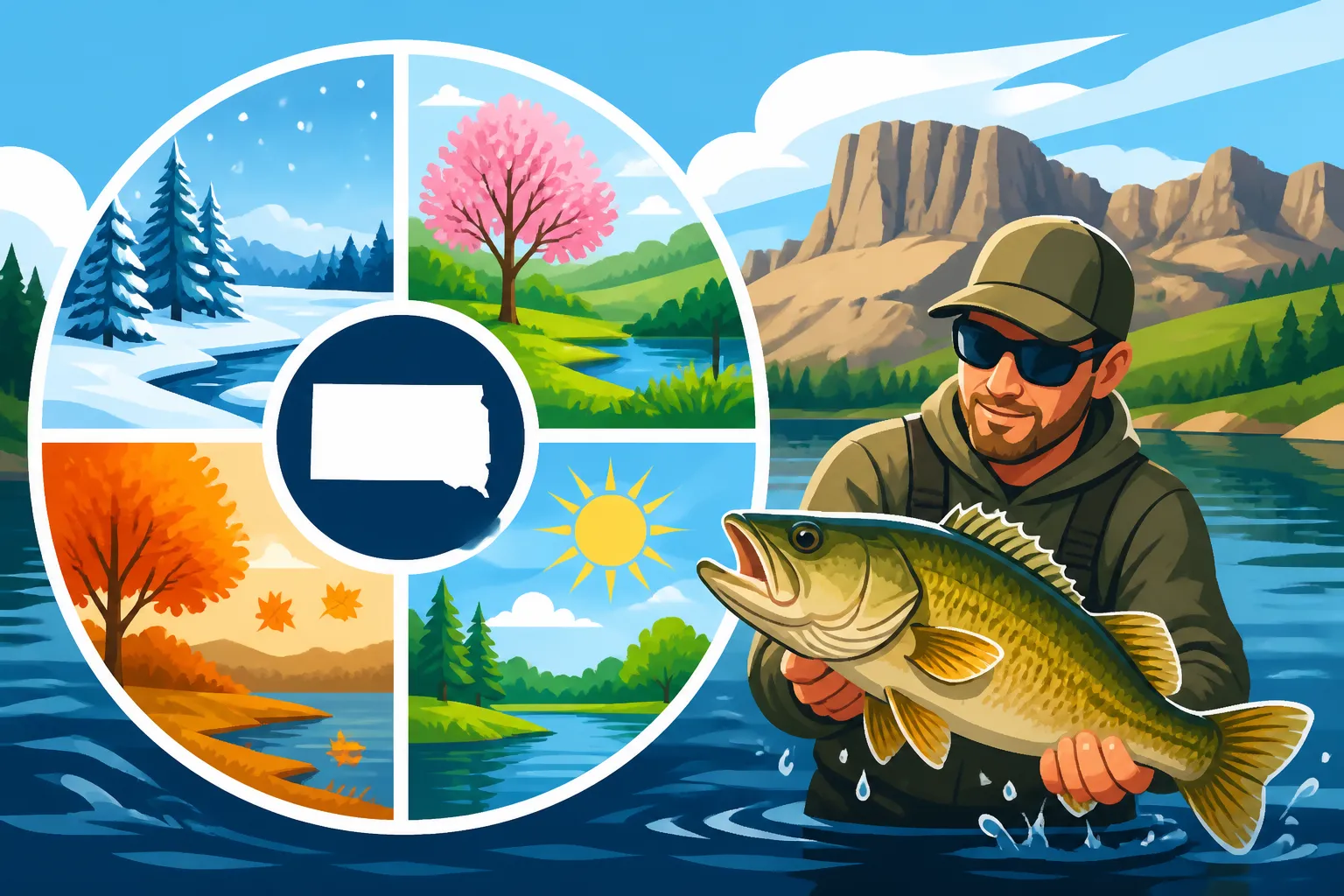
Imagine a giant, natural clock, where each hand represents a different species and technique, moving in sync with the changing seasons. That's essentially what fishing in South Dakota is like. Unlike some regions where a specific "season" might mean a brief window, here, the angling calendar is a continuous loop of diverse experiences. Spring brings the surge of pre-spawn activity, particularly for walleye and northern pike, as they move into shallower waters. Summer means chasing fish that have settled into deeper, more stable patterns on the Missouri River reservoirs or enjoying the vibrant panfish bites in the glacial lakes. Fall is a final, aggressive feeding frenzy as fish fatten up for winter, offering some of the year's best chances at trophy catches. And then, when the ice clamps down, a whole new world of angling opens up, transforming lakes into bustling villages of ice shanties. Each turn of this natural clock demands a slightly different approach, but it always delivers rewarding moments.
Key Factors Influencing Seasonal Success
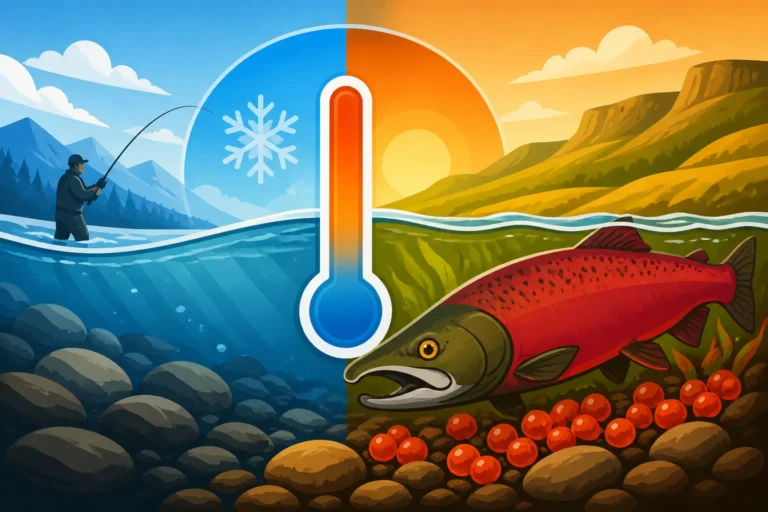
Successful angling throughout the year hinges on several critical environmental factors that dictate fish behavior. Water temperature is arguably the most significant; it influences metabolism, spawning cycles, and where fish choose to reside. As the water warms in spring, fish become more active, and their feeding windows expand. Conversely, colder winter water slows them down, requiring more subtle presentations. Water levels, especially on the Missouri River system, play a huge role too, influencing current, baitfish location, and access to traditional fishing spots. Clarity is another factor; murky post-rain runoff might push fish to different areas or require different lure colors than clear, calm summer waters. Finally, baitfish movements are crucial. Whether it's the annual smelt run on Lake Oahe in spring or schools of shiners moving into weed beds in summer, understanding where the forage is will help you locate the predators. Keeping an eye on these elements, often through local fishing reports or even a good fish finder, can dramatically improve your chances any time of year.
Dispelling the "Off-Season" Myth
Let's be real, the idea of an "off-season" in South Dakota fishing is a myth perpetuated by those who haven't fully embraced the state's year-round potential. Sure, you might not be casting crankbaits for walleye in January, but that doesn't mean the fishing stops. It merely changes. The passionate angler in South Dakota knows that when one bite slows down, another one is just heating up. The chill of late fall, which might deter some fair-weather fishermen, ushers in some of the most spectacular trophy walleye action. And the arrival of ice doesn't shut down the lakes; it just creates new avenues for access and a unique social fishing experience. In fact, for species like perch and crappie, winter often represents some of the best fishing of the entire year. It’s all about adjusting your mindset, your gear, and your target species to match the conditions. Don't let the calendar tell you when to put your rods away; there's always an adventure waiting.
Spring: The Awakening Bite (March – May)
Spring in South Dakota is a time of renewal, not just for nature, but for the fishing scene as well. As the ice recedes and the days grow longer, a palpable excitement builds among anglers. This is when the waters truly come alive, offering some of the most anticipated and often most productive fishing of the entire year.
Early Spring Walleye Frenzy (Pre-Spawn and Spawn)
When the ice finally gives way, typically in late March or early April, the first thing on most South Dakota anglers' minds is walleye. This is the fabled pre-spawn period, a time when walleye move out of their deep wintering holes and stage in shallower areas, often near spawning grounds like rocky points, riprap shorelines, and tributary mouths. They are hungry and aggressive, gorging themselves before the rigors of spawning. Jigging with a minnow or a soft plastic, or slowly trolling crankbaits, can be incredibly effective. As water temperatures creep into the low to mid-40s, the spawn itself begins. During this period, fish can be a bit more finicky, but knowing their precise locations can still yield excellent results, especially around the mouths of rivers entering the main reservoirs like those along the Missouri River. Remember to check specific regulations for areas like Belle Fourche Reservoir Special Walleye Rules, as some waters have unique protective measures during the spawn. This is a thrilling time when you might just catch the biggest walleye of your year, as the females are at their heaviest.
Black Hills Trout Stream Openers and Panfish Prowess
While the reservoirs are focused on walleye, the Black Hills come alive with trout fishing opportunities as soon as the ice melts from higher elevation streams. Typically, the spring runoff makes stream fishing a bit challenging initially, but as waters clear and flows stabilize, the trout become very active. This is a fantastic time for fly fishing, especially with nymph patterns, as insects begin to hatch. Streams like Rapid Creek, Spearfish Creek, and Castle Creek offer fantastic opportunities for brown, rainbow, and brook trout. Many anglers look forward to the "opener," though trout seasons in many areas are continuous. You can find detailed information in a good Black Hills Trout Stream Fishing Guide. Beyond trout, spring is also prime time for panfish – particularly crappie and perch – in the state's smaller lakes and glacial lake region. As water temperatures rise into the 50s, these species move into shallow bays and weed lines for their own spawning rituals. A simple bobber and a small jig tipped with a waxworm or a tiny minnow can lead to incredible action for anglers of all skill levels, making it a perfect family outing.
Post-Spawn Bass Action and Northern Pike Awakening
As spring progresses and moves into late April and May, the focus shifts slightly to other species emerging from their own spawning periods. Smallmouth bass, especially prevalent in the rocky Missouri River reservoirs like Lake Sharpe and Lake Francis Case, become highly aggressive post-spawn. They are recovering from the energy expenditure of spawning and are eager to feed. Look for them around rocky points, submerged timber, and along riprap shorelines, where they'll readily strike spinnerbaits, crankbaits, and soft plastics. This is often when you can catch some of the biggest smallmouth of the year. Simultaneously, northern pike, which are early spawners, become incredibly active. They'll move into shallow, vegetated bays and marshy areas, especially in the glacial lakes and some of the Missouri River backwaters. Casting large spoons, spinnerbaits, or even dead bait under a bobber can lead to explosive strikes. They are often less pressured than walleye at this time, offering a unique and exciting spring fishing challenge.
Summer: Long Days, Deep Waters (June – August)
Summer in South Dakota means long, sunny days and warmer waters, prompting a shift in fish behavior. While the shallow bites of spring might slow, the deep-water game truly heats up, offering consistent action for those who know where to look.
Peak Walleye Action on the Missouri River Reservoirs
By June, the massive Missouri River reservoirs – Lake Oahe, Lake Sharpe, Lake Francis Case, and Lewis and Clark Lake – become the undisputed kings of walleye fishing. The fish have completed their spawn and are now actively feeding, often schooling in deeper water along main lake points, submerged humps, and structural elements. Trolling is a hugely popular and effective technique during the summer months. Anglers use everything from crankbaits to spinner rigs tipped with crawlers or leeches, often employing planer boards to cover wide swaths of water. Knowing the right depths and speeds is crucial, and a good fish finder is an invaluable tool for locating these nomadic schools. Early mornings and evenings often provide the best bites, but with the right tactics, you can find active walleye throughout the day. If you're looking for a serious walleye adventure, a good place to start is our comprehensive Lake Oahe Fishing Guide, which details hotspots and techniques for this prime summer fishery.
Chasing Chinook Salmon on Lake Oahe
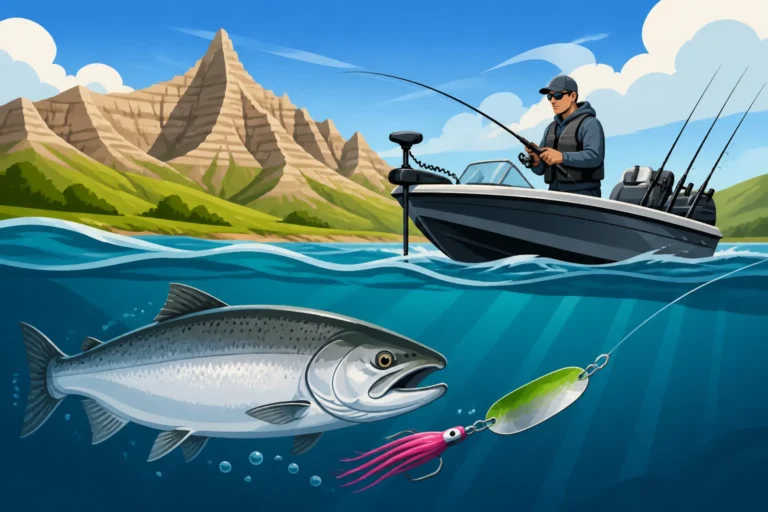
For a truly unique South Dakota fishing experience, summer is the time to target Chinook salmon on Lake Oahe. This massive reservoir, particularly the northern reaches near Whitlock Bay, is home to a fantastic salmon fishery that really takes off as the water warms. These powerful, ocean-going fish (now landlocked) are typically found in the deeper, cooler thermocline layers, often suspended over open water. Trolling is the name of the game here, usually with downriggers to get spoons and flashers down to the precise depth where the salmon are feeding. Understanding water temperature and the habits of their primary forage, rainbow smelt, is key. Many anglers consider July and August to be peak months for consistent salmon action before they begin their spawning run in the fall. It's a challenging but incredibly rewarding fishery, offering hard-fighting fish and stunning scenery. You can learn more about specific tactics in our South Dakota Chinook Salmon Fishing Guide.
Glacial Lakes Panfish and Catfish Bonanza
While the big reservoirs get a lot of attention, don't overlook the eastern South Dakota Glacial Lakes region during the summer. These numerous, often shallower, natural lakes are teeming with panfish and offer fantastic catfish opportunities. Bluegill, crappie, and yellow perch are abundant, especially around weed lines, docks, and submerged structures. A small jig or bobber with live bait can produce endless action, making these lakes ideal for family fishing trips or for introducing kids to the sport. Lakes like Lake Kampeska, Lake Poinsett, and Bitter Lake are well-known for their summer panfish action. As the sun sets, the focus often shifts to catfish. The James River and the Big Sioux River, as well as many of the glacial lakes, hold impressive populations of channel catfish. They become extremely active on warm summer nights, feeding aggressively on cut bait, stink bait, or even chicken livers. Bank fishing is highly effective for catfish, offering a relaxed and productive way to enjoy a summer evening on the water.
Fall: The Feeding Frenzy Before Winter (September – November)
As the leaves turn and the air gets crisp, South Dakota's waters undergo another transformation, triggering one of the most anticipated fishing seasons of the year. Fall fishing is often characterized by aggressive bites as fish instinctively feed heavily in preparation for winter.
Trophy Walleye Opportunities as Water Cools
For many walleye enthusiasts, fall is the holy grail. As water temperatures begin to drop from their summer highs, walleye become incredibly active and often move shallower to feed. They are putting on the "winter fat" and are less finicky than at other times of the year. This is arguably the best time to target truly large, trophy-sized walleye. On the Missouri River reservoirs, fish will migrate from deep summer haunts to structure-rich areas like humps, reefs, and rocky points, often concentrating in predictable patterns. Trolling large crankbaits, especially in vibrant fall colors, can be exceptionally effective, as can jigging spoons or blade baits. The pre-winter feeding binge means bigger fish, heavier bites, and often more consistent action than other times of the year. Don't be afraid of the chill in the air; layer up, grab a hot thermos, and get out there – you might just land that wall-hanger you've been dreaming of.
Aggressive Northern Pike and Smallmouth Bass Bites
Just like walleye, northern pike and smallmouth bass ramp up their feeding activity in the fall. Pike, already aggressive hunters, become even more voracious. They'll patrol the edges of dying weed beds, moving into slightly deeper water as the shallower vegetation starts to decay. Large spinnerbaits, spoons, and jerkbaits are excellent choices for covering water and triggering strikes from these toothy predators. The cooler water also means they fight even harder. For smallmouth bass, fall offers another prime window, often rivaling or even surpassing the spring bite. These hard-fighting fish will congregate around rocky structures, main lake points, and submerged timber on the Missouri River system and other clear-water lakes. They are intensely focused on eating, and presentations like jigs, tubes, and crankbaits can produce incredible numbers and sizes of fish. It’s a fantastic time to explore new structure, as the fish tend to be less scattered than in summer.
Late Season Black Hills Trout and Salmon Runs
While the Black Hills trout streams can be fished year-round, late fall offers a unique and often peaceful experience for the dedicated fly angler. As the crowds thin, the browns and brookies become more aggressive, actively feeding on what few insects remain, or preying on smaller baitfish and sculpins. Streamers and larger nymph patterns can be very effective as the water cools. This is also the time for the spectacular Chinook salmon run on Lake Oahe. Typically starting in late September and extending into October, mature salmon migrate into the Cheyenne River Arm and other tributaries to spawn. While snagging is regulated and only allowed in specific areas during designated seasons, the sheer spectacle of the salmon run is incredible. Anglers targeting salmon during this period often use heavy gear and brightly colored spoons or flies from shore in the approved areas, hoping to intercept a powerful, chrome-bright fish on its final journey. These regulations are detailed in the South Dakota Fishing Regulations Explained guide.
Winter: The Ice Angler's Paradise (December – February)
When the cold truly sets in and the lakes freeze solid, South Dakota doesn't shut down its fishing. Instead, it transforms into an ice angler's paradise, offering unique challenges, camaraderie, and some of the most consistent panfish and walleye bites of the year.
First Ice Thrills for Walleye and Perch
"First ice" is a term whispered with reverence among South Dakota ice anglers, and for good reason. As soon as the ice is safe enough to walk on (typically 4 inches for foot travel), often in early December, the fishing can be absolutely phenomenal. Fish haven't been pressured by ice anglers yet and are often still shallow, active, and hungry. Walleye, in particular, will still be found near many of the same shallow structures they used in late fall, making them accessible. Small jigs tipped with minnows or artificial soft plastics are deadly. Perch also provide incredible action on first ice, often schooling in large numbers over soft bottoms or along weed lines. The excitement of drilling a hole and dropping a line onto untouched water is truly exhilarating. However, safety is paramount during this time. Always check ice thickness and local reports, and never go out alone. For those just starting, our South Dakota Ice Fishing Guide offers essential tips for a safe and successful trip.
Mid-Winter Strategies for Challenging Bites
As winter progresses and the ice thickens, often reaching depths of two feet or more by January and February, the fishing can become more challenging. Mid-winter usually means fish move to deeper, more stable environments, and their metabolism slows down significantly. This requires a more finessed approach. For walleye, this might mean targeting deep structure like submerged humps, points, and transition areas between hard and soft bottoms. Smaller jigs, often tipped with a single minnow eye or a very small piece of plastic, can be incredibly effective. Perch and crappie will often suspend in the water column over basins or relate to deep weed edges. Utilizing a fish finder with a flasher is almost essential for locating these deeper, sometimes finicky fish. Patience, subtle jigging motions, and understanding bait presentation are key to success during the cold mid-winter months. Consider specialized ice fishing gear, which you can often find a good selection of on Amazon, to help you detect those light bites.
Late Ice Opportunities Before Spring Thaw
Just as "first ice" generates excitement, "late ice" – typically in late February and early March – offers a final surge of fantastic fishing before the spring thaw. As the sun gets higher and the days get longer, the ice begins to show signs of weakening, but the fish often become incredibly active again. This is due to increasing light penetration and warming water under the ice, which stimulates fish metabolism and triggers pre-spawn movements for many species. Walleye will once again push shallower, often to the same areas they'll spawn in a few weeks. Perch and crappie can stack up in shallow bays or around dying weed beds. It's a fantastic time for aggressive jigging and covering a lot of ground, but just like first ice, safety is critical. Late ice can be notoriously unpredictable, with rapid changes in ice conditions. Always prioritize safety and know when to call it a day, but don't miss out on this last hurrah of the hard-water season.
Tailoring Your Trip: Species-Specific Seasonal Hotspots
To truly maximize your fishing success in South Dakota, it's not enough to know when the seasons change; you need to understand how each species reacts to those changes and where they'll likely be found.
Walleye: From Shallow Spawning Flats to Deep Structure
Walleye are the undisputed kings of South Dakota fishing, and understanding their seasonal movements is crucial. In early spring, as discussed, they're in shallow spawning areas (rocky points, river mouths) where jigging and slow trolling are effective. As the water warms into late spring/early summer, they transition to main lake structure – points, humps, and breaklines – often still relatively shallow but starting to disperse. Mid-summer sees them move deeper, often schooling in the thermocline (15-30+ feet) on the Missouri River reservoirs, where trolling crankbaits or spinner rigs with live bait becomes dominant. By fall, they reverse course, moving back shallower to feed aggressively on structure and baitfish before winter sets in. This is prime time for bigger crankbaits and jigging spoons. Finally, in winter, under the ice, they'll either be found on first and last ice in shallower haunts or holding tighter to deep structure and breaks during mid-winter, requiring subtle jigging presentations. Adapting your South Dakota Walleye Fishing Guide tactics to these patterns is essential.
Trout: Year-Round Opportunities in the Black Hills
The Black Hills offer a unique trout fishing experience that, for the most part, transcends the typical seasonal "openers" of other states. While spring runoff can make some streams high and turbid, the cold, clear waters generally hold active trout year-round. Spring offers a strong nymph bite as insects emerge and fishing pressure is low. Summer is excellent, particularly in the mornings and evenings, with consistent dry fly action on many streams like Rapid Creek or Spearfish Creek. Targeting shaded areas, oxygenated runs, and deep pools becomes key as water temperatures rise. Fall sees brown trout become more aggressive, often in preparation for their spawn, and streamer patterns can be highly effective. The lower fishing pressure and vibrant scenery make it a favorite for many. Even in winter, many Black Hills streams remain open and fishable, providing a peaceful, often solitary experience for the determined angler. Small nymphs and midge patterns fished slowly can still entice bites from wary trout in the slower pools. The state's management ensures consistent stocking and habitat, ensuring that trout are always a viable target.
Other Popular Species and Their Seasonal Peculiarities
South Dakota’s waters are home to a rich variety of other popular species, each with its own seasonal sweet spot:
- Northern Pike: These toothy predators are most aggressive in spring (post-spawn, shallow weeds) and fall (pre-winter feeding frenzy). They can be found in summer, but often in deeper weed edges or cooler sections. Ice fishing for pike is also popular.
- Smallmouth Bass: Similar to pike, smallmouth shine in spring (post-spawn aggression) and fall (pre-winter feeding). They are present in summer, but often relate to deeper rock and structure.
- Chinook Salmon: Exclusively found in Lake Oahe, their prime season for trolling is summer (July-August) when they are suspended in the thermocline. The famous salmon run for shore anglers occurs in fall (September-October).
- Catfish: Summer is prime catfish season, especially for channel cats on the Missouri River system and glacial lakes. They become incredibly active in warm water, feeding day and night. Night fishing is often most productive.
- Crappie and Perch: These panfish offer excellent action in spring (shallow spawning) and especially through the ice fishing season. They can be caught in summer, but often require finding their deeper schools.
- Largemouth Bass: While less prevalent than smallmouth in many key areas, largemouth are fantastic targets in spring (shallow spawning cover) and fall in the warmer, weedier glacial lakes and farm ponds. They become harder to catch in the heat of summer.
Essential Gear and Planning for Each Season
Successfully navigating South Dakota's varied fishing seasons isn't just about knowing where the fish are; it's also about being properly equipped and prepared for whatever Mother Nature throws your way.
Adapting Your Tackle Box for Seasonal Success
One of the biggest mistakes an angler can make is using the same tackle box setup year-round. Each season demands a nuanced approach to lures, line, and presentation. For spring walleye, you'll want a good selection of jigs (1/8 to 3/8 oz) in bright colors, soft plastics, and shallow-running crankbaits. As you move into summer, your focus shifts to trolling baits: an array of deep-diving crankbaits in various colors and sizes, as well as spinner rigs. If targeting Lake Oahe salmon, specific trolling spoons and flashers are crucial, often available in specialized kits you can find on Amazon. Fall sees a return to jigs and larger crankbaits, but often in more natural baitfish colors, along with jigging spoons for deeper applications. And for winter ice fishing, your tackle box transforms entirely, featuring tiny jigs, tungsten jigs, spoons, and soft plastics for panfish and walleye, along with small live bait like minnows or waxworms. Regularly updating and tailoring your tackle is a small effort that yields big returns.
Weather Preparedness: Beyond the Forecast
South Dakota weather is legendary for its unpredictability, and nowhere is this more true than on the water. A beautiful spring morning can turn into a blustery, chilly afternoon, and even summer days can surprise with sudden thunderstorms. Don't rely solely on the morning forecast; assume conditions can change rapidly. Always pack layers – a waterproof and windproof outer shell is non-negotiable, even in summer. Good quality rain gear is essential for extending your fishing day when unexpected showers roll in. In spring and fall, bring warm hats, gloves, and perhaps even hand warmers. For winter ice fishing, extreme cold requires specialized insulated clothing, boots, and shelter. Beyond personal comfort, also consider boat safety equipment, as detailed in our South Dakota Boat Safety Requirements guide. Being comfortable and safe on the water directly impacts your ability to focus on fishing and enjoy your time, rather than battling the elements.
Navigating Regulations and License Requirements
Fishing in South Dakota, while incredibly rewarding, comes with a set of rules designed to protect the resource and ensure fair chase. These regulations can vary by season, by water body, and by species, so staying informed is paramount. For instance, walleye limits and size restrictions can change for specific lakes, and certain areas might have special rules during spawning periods. Ice fishing also has specific regulations regarding shelter use and unattended lines. Always carry your current South Dakota Fishing License Guide, which you can purchase easily online, at a county treasurer's office, or through authorized vendors like Walmart. For non-residents, understanding South Dakota Nonresident Fishing License Rules is critical before planning your trip. Additionally, don't forget the South Dakota Habitat Stamp Requirements, which support vital conservation efforts. Before heading out, always double-check the latest South Dakota Fish Limits and Size Restrictions published by the South Dakota Game, Fish and Parks (GFP) or refer to our detailed guide on South Dakota Fishing Regulations Explained. Ignorance of the law is never an excuse, and a quick check can save you a lot of hassle and potential fines.
Making the Most of South Dakota's Fishing Calendar
With so much diversity, planning your South Dakota fishing adventure can feel a little overwhelming. But with a bit of insight and strategic planning, you can ensure your trip aligns perfectly with your angling goals.
Local Knowledge and Fishing Reports
While general seasonal advice is a great starting point, nothing beats hyper-local, up-to-the-minute information. Fishing reports from local bait shops, marinas, and online forums are invaluable. These resources can tell you exactly what's biting, what depths fish are holding at, and what lures are currently hot. For example, a report might tell you that walleye are hitting jig-and-minnow combinations on a specific rocky hump on Lake Sharpe, or that crappie have moved into a particular shallow bay on Lake Poinsett. Local guides, who spend hundreds of days a year on the water, are another incredible source of information. Don't be shy about asking questions when you pick up your bait or grab a fishing map – most local experts are happy to share general tips to help you succeed. This ground-level intelligence can save you countless hours of searching and ensure you're fishing the most productive spots at the right time.
Booking Guided Trips for Specific Seasons
For those who want to maximize their chances of success, especially when targeting a specific species during its prime season, booking a guided fishing trip is an excellent investment. A seasoned guide brings years of experience, specialized equipment, and current knowledge of fish movements and patterns. If you're coming to South Dakota specifically for trophy fall walleye, a guide will know the prime locations and techniques. If you've dreamed of catching a Chinook salmon on Lake Oahe, a salmon guide with downriggers and the right tackle can put you on fish. For a truly unique experience, consider booking a guided ice fishing trip to learn the ropes of hard-water angling from an expert. Guides are particularly valuable if you're unfamiliar with a large body of water or a particular technique. They can provide not just a successful day of fishing but also an educational experience, teaching you skills and insights you can carry over to future trips.
Respecting the Resource Year-Round
No matter what time of year you choose to fish, a core principle for any angler in South Dakota is respecting the resource. This means understanding and adhering to all South Dakota Fishing Regulations Explained, practicing ethical catch-and-release when appropriate, and properly handling fish you intend to keep. It also means being mindful of aquatic invasive species – always clean, drain, and dry your boat and gear to prevent their spread. Take only what you need, adhere to South Dakota Walleye Limits and other species-specific possession limits, and leave the fishing spot cleaner than you found it. The incredible fishing opportunities in South Dakota are a gift, and it's up to all of us to ensure they remain vibrant for generations to come. By doing our part, we contribute to the long-term health of these fisheries, ensuring that the best time of year to fish in South Dakota is always right now, or whenever you choose to visit.
Here’s a quick overview to help you plan your angling adventures:
| Season | Primary Fish Target(s) | Typical Water Body | Best Techniques | Key Considerations |
|---|---|---|---|---|
| Spring | Walleye, Pike, Panfish, Trout | Missouri River, Glacial Lakes, Black Hills Streams | Jigging, Slow Trolling, Nymphing, Bobber Fishing | Pre-spawn/Spawn activity, Ice-out conditions, Runoff |
| Summer | Walleye, Salmon, Catfish, Panfish | Missouri River, Lake Oahe, Glacial Lakes | Deep Trolling (Crankbaits, Spoons), Bottom Fishing | Warm water, Deeper fish, Early morning/evening bites |
| Fall | Trophy Walleye, Pike, Smallmouth, Salmon | Missouri River, Glacial Lakes, Black Hills Streams | Large Crankbaits, Jigging Spoons, Streamers, Trolling | Pre-winter feeding frenzy, Fall salmon run, Cooler temps |
| Winter | Walleye, Perch, Crappie | All Frozen Lakes | Ice Jigging (Small Jigs, Spoons), Deadsticking | Ice Safety, Specialized Gear, Mid-winter finesse |
Disclaimer
Please note that fishing conditions and regulations are subject to change. Always consult the latest South Dakota Game, Fish and Parks (GFP) regulations handbook or website before heading out on your fishing trip. This guide provides general information and recommendations, but specific conditions on any given day can vary.