Fall Fishing in South Dakota
It's easy to feel a little blue when summer winds down, the kids go back to school, and thoughts turn to colder weather. Many anglers reluctantly put their rods away, thinking the best fishing of the year is behind them. But if you’re one of them, you're missing out on some of the most exciting, productive, and downright beautiful fishing South Dakota has to offer. This comprehensive guide will show you why fall fishing here isn't just good, it's often phenomenal, and how you can make the most of it.
Why Fall Fishing in South Dakota is a Game Changer
Let's be honest, those scorching summer days can be tough on anglers and fish alike. The sun beats down, recreational boaters are everywhere, and the fish can get sluggish and deep. Fall, however, brings a welcome relief and a complete shift in the fishing landscape. It’s a season of transformation, not just for the foliage, but for the fish and the fishing experience.
The Autumn Advantage: Less Pressure, More Fish
One of the most immediate and noticeable benefits of fishing in the fall is the significant drop in angling pressure. As soon as Labor Day passes, many fair-weather fishermen pack up their boats and gear, leaving vast stretches of water virtually unmolested. This means you’ll often have your favorite spots, or even entire sections of lakes and rivers, all to yourself. Imagine fewer boats at the ramp, more elbow room on the water, and fish that haven't seen a hundred lures since spring. It’s a genuine opportunity to experience a more tranquil and often more productive fishing trip.
The decrease in pressure isn't just about solitude; it directly impacts fish behavior. Fish that might have been skittish or highly pressured during the summer months become more active and less wary. They're still wild creatures, of course, but the constant parade of boats and noise subsides, allowing them to settle into more natural feeding patterns. This can translate into more consistent bites and a greater chance of landing that trophy you’ve been dreaming about all year. It’s a chance to connect with the water and the wildlife in a way that’s simply not possible during the peak summer rush.
Cooler Temperatures, Happier Anglers
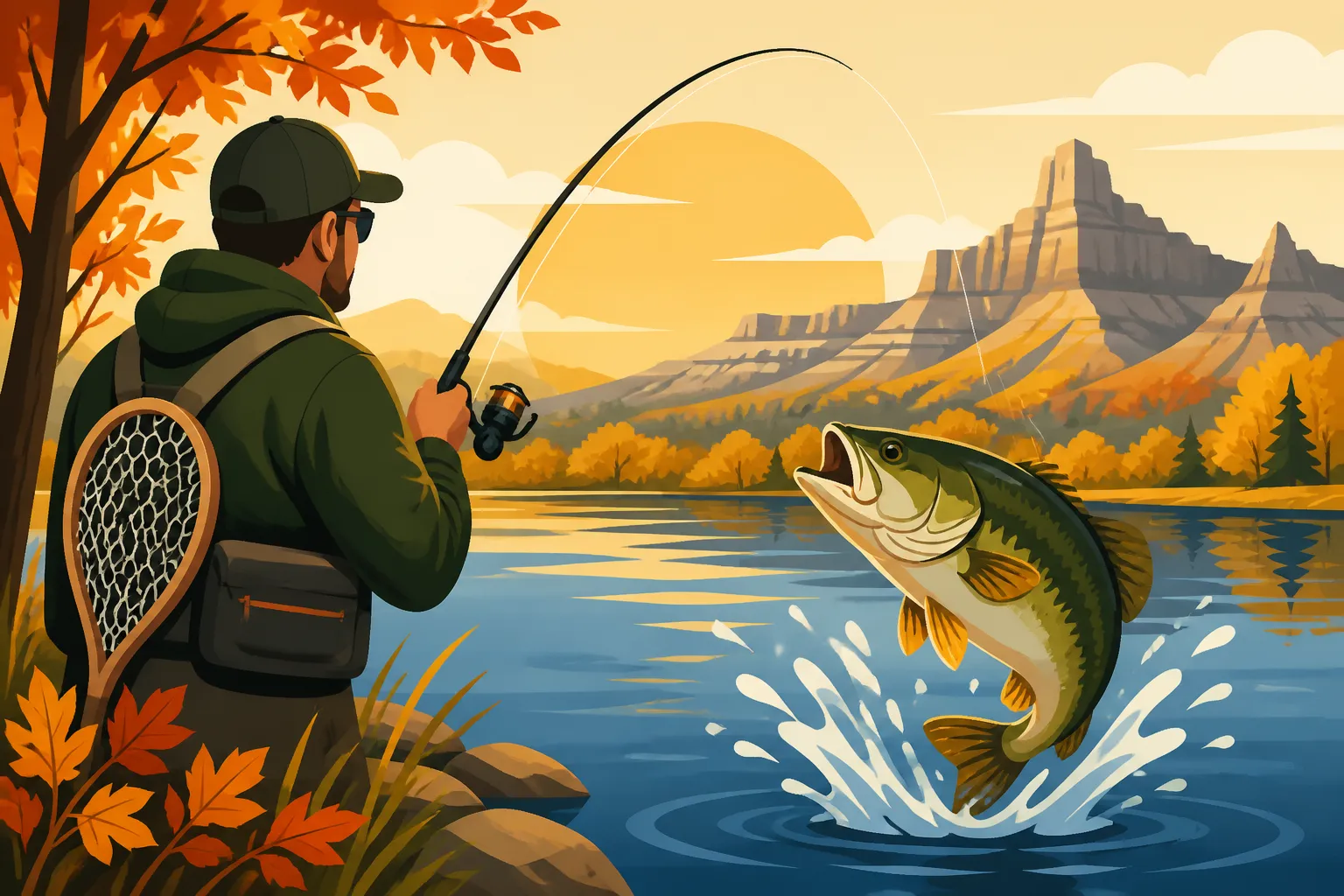
For many, the thought of bundling up to fish might seem less appealing than basking in summer sun. However, the cooler temperatures of fall are a huge advantage, not just for the fish, but for us anglers too! Gone are the days of sweating through your shirt, battling mosquitoes, and getting sunburned to a crisp. Fall brings crisp air, comfortable fishing conditions, and often breathtaking scenery as the cottonwoods along the Missouri River or the aspens in the Black Hills turn vibrant shades of gold, orange, and red.
These milder conditions make a full day on the water much more enjoyable and less fatiguing. You can concentrate on your technique, enjoy the peace and quiet, and truly immerse yourself in the experience. Plus, with fewer bugs flying around, you can focus on the fishing rather than swatting. For those who enjoy bank fishing or wading, the cool air can be invigorating, and navigating shorelines or streams is far more pleasant without the summer heat radiating off the land. Just remember to dress in layers – South Dakota fall weather can change quickly!
The Pre-Winter Feeding Frenzy
This is perhaps the biggest reason why fall fishing is legendary in South Dakota. As water temperatures begin to drop, fish sense the approaching winter. Their metabolism, which slowed down in the summer heat, kicks into high gear, and they enter a critical period of intense feeding. They need to pack on fat reserves to survive the long, lean months under the ice. This biological imperative drives them to feed aggressively and often, making them much more willing to strike a lure or bait.
Think of it as a last-chance buffet before the restaurant closes for the season. Walleye, northern pike, bass, and panfish all participate in this feeding frenzy, often moving into shallower waters or concentrating in predictable areas as they chase baitfish. This heightened activity makes them easier to locate and catch, leading to some of the most memorable fishing trips of the year. Understanding this fundamental behavioral shift is key to unlocking incredible action across various South Dakota waters, from the massive Missouri River reservoirs to the smaller glacial lakes.
Understanding Fall Fish Behavior
To truly excel at fall fishing in South Dakota, you need to understand how different species react to the changing conditions. It's not just about cooler water; it's about shifting food sources, spawning migrations, and the urgent need to bulk up. Each species has its own unique fall playbook, and knowing these patterns can put you directly on the fish.
Walleye: Shallow Ambush vs. Deep Structure
Walleye are undoubtedly the kings of South Dakota fishing, and fall offers some of the best opportunities for trophy catches. As water temperatures drop into the 50s and 40s Fahrenheit, walleye become incredibly active. They'll often follow schools of baitfish, which are also grouping up in preparation for winter. Initially, in early fall, walleye might still be found on deeper structures, moving between main lake points, humps, and submerged islands. They're relating to classic summer haunts but feeding more aggressively.
However, as fall progresses, especially into late October and November, many walleye will move shallower, particularly during low light conditions or on overcast days. They'll ambush baitfish around rocky points, weed lines (especially dying ones that still hold bait), and even along shallow flats adjacent to deeper water. They might even move up onto shorelines at night. This shallow movement makes them accessible to both boat and shore anglers. Yet, some larger walleye will also remain in deeper water, particularly on the Missouri River system, using current breaks and deep ledges to conserve energy while waiting for bait to pass. It’s a dynamic period where understanding the local forage base and available structure is paramount. You'll find excellent insights into this in our comprehensive guide on how to Fish for Walleye in South Dakota.
Northern Pike: Aggressive Hunters Before Freeze-Up
Northern Pike are another species that absolutely thrive in the cooler waters of fall. If you've ever wanted to tangle with a toothy, aggressive predator, autumn is your time. As the water cools, pike shed their sluggish summer behavior and become true eating machines. They are very active and will often move into shallower bays, along dying weed edges, and near rocky structures where they can ambush baitfish. These areas, which might have been too warm for pike in summer, become prime feeding grounds.
Pike are driven by the same pre-winter feeding urge as walleye, but their hunting style is often more explosive. They'll readily strike larger baits and lures, making for exciting fights. Look for them in areas where baitfish are abundant, often relating to the last remaining healthy green weeds or around submerged timber. They're less concerned with subtle presentations and more focused on getting a meal. This aggressive behavior makes them a fantastic target for anglers looking for action, especially in the glacial lakes region where pike populations are strong. For more detailed information on targeting these predators, check out our South Dakota Northern Pike Fishing Guide.
Smallmouth Bass: Schooling Up for the Feast
Smallmouth bass, those feisty bronzebacks, are another species that really turns on in the fall. Unlike their largemouth cousins, smallmouth often prefer cooler water throughout the year, making them perfectly suited for autumn action. As fall progresses, smallmouth will begin to school up, sometimes in surprisingly large numbers. They'll often congregate on deep points, rocky humps, and along riprap shorelines, chasing schools of shad or other baitfish.
The fall bite for smallmouth can be incredibly strong, with multiple fish being caught from a single spot. They're actively feeding and will strike a variety of lures, from crankbaits and jerkbaits to tubes and grub jigs. The key is often finding those schooling fish, which can be done using your electronics. Once you locate a school, you can often stay on them for a while, enjoying consistent action. Look for these schooling patterns on the large Missouri River reservoirs like Lake Sharpe and Lake Francis Case, where smallmouth populations are thriving.
Chinook Salmon: The Lake Oahe Spawning Run
For a truly unique South Dakota fall fishing experience, look no further than the Chinook salmon run on Lake Oahe. These majestic fish, primarily stocked in Lake Oahe, embark on their annual spawning migration in the fall, typically peaking in September and October. This is a bucket-list opportunity for many anglers to catch these powerful, ocean-going salmon in a freshwater environment.
As they move towards the spawning areas, particularly around Whitlock Bay near Gettysburg, the salmon become concentrated. While they aren't actively feeding in the same way as walleye or pike (as their biological clock is set on reproduction), they can still be caught by trolling spoons or plugs, or by casting from shore. The fight of a Chinook salmon is legendary, characterized by powerful runs and acrobatic jumps. This special fall fishery draws anglers from all over the region and is a true highlight of the South Dakota fishing calendar. If you’re looking to experience this unique opportunity, our South Dakota Chinook Salmon Fishing Guide offers invaluable tips.
Essential Gear for South Dakota Fall Fishing
As the temperatures dip, your gear choices become even more critical for both success and comfort. Forget your summer shorts and sandals; fall fishing demands a different approach to rods, reels, lures, and especially your personal attire. Being prepared ensures you can focus on the fishing, not on shivering or fumbling with the wrong tackle.
Rods, Reels, and Line Choices
Fall fishing means dealing with potentially larger, more aggressive fish and often, changing conditions. For walleye, a medium-light to medium power spinning rod, 6'6" to 7' long, is a versatile choice for jigging, live bait rigging, and even light trolling. Pair it with a reliable spinning reel in the 2500-3000 size range. For heavier presentations or when targeting bigger northern pike, a medium-heavy baitcasting or spinning setup, 7' to 7'6" long, will give you the backbone needed to handle powerful fish and cast larger lures.
Line choice is also important. Braided line in 10-20 lb test is excellent for its sensitivity and strength, especially when combined with a fluorocarbon leader (6-12 lb test for walleye, 15-30 lb for pike) for invisibility and abrasion resistance. Monofilament or fluorocarbon main lines can also be effective, particularly for trolling or certain jigging techniques where less stretch is desired. Always make sure your line is fresh and knot integrity is top-notch, as those fall giants can put serious strain on your setup. You can find a vast array of quality fishing lines and reels on Amazon, ensuring you have the right gear for the conditions.
Lure Selection: Adapting to Cooler Water
As water temperatures drop, fish metabolism slows, meaning they might be less willing to chase a fast-moving bait for long distances. However, the pre-winter feeding frenzy means they'll often attack when the opportunity arises. This duality requires a varied approach to lure selection.
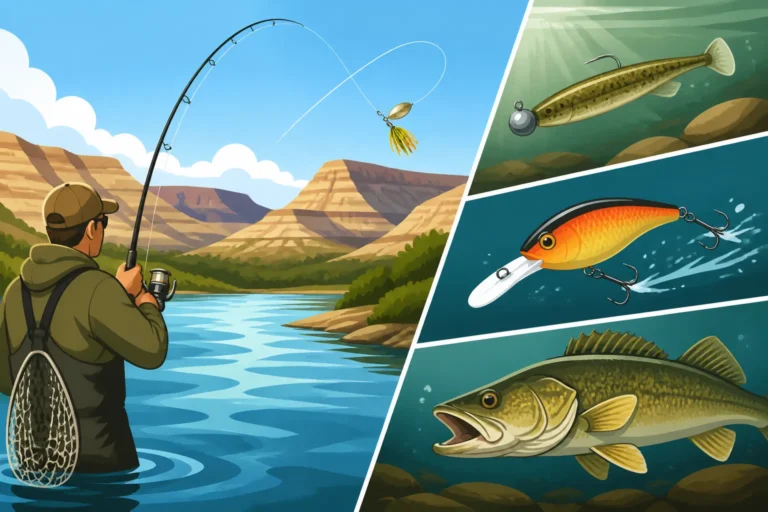
- Crankbaits and Jerkbaits: For walleye and smallmouth bass, trolling or casting crankbaits that dive to the depth where fish are holding can be incredibly effective. Consider both shallower-running models for those active, shallower fish and deep-diving cranks for suspended schools. Jerkbaits, with their erratic darting action, can trigger bites from pike and bass when paused, mimicking a wounded baitfish. Look for natural baitfish patterns like shad, perch, or cisco.
- Jigs and Plastics: Jigs remain a perennial favorite. Tipping a jig with a minnow, nightcrawler, or soft plastic paddle tail can be deadly for walleye, especially when probing deeper structure or current breaks. For smallmouth, tube jigs, grub tails, and soft plastic swimbaits rigged on jig heads can mimic crayfish or baitfish perfectly.
- Spoons: For northern pike, larger casting spoons are fantastic. Their flash and wobble can draw strikes from a distance. For the Chinook salmon on Lake Oahe, trolling spoons in bright colors (often with some chartreuse, orange, or silver) are a go-to choice.
- Live Bait: Don't underestimate the power of live bait in the fall. Minnows, shiners, chubs, and nightcrawlers (depending on regulations and target species) can be irresistible to walleye and panfish when presented on a slip bobber, Lindy rig, or plain jig. Sometimes, a slow, natural presentation is exactly what's needed to seal the deal on a hesitant bite.
Fall Fishing Clothing and Safety Gear
This is where fall fishing can make or break your trip. South Dakota weather is famously unpredictable, and autumn can bring anything from mild, sunny days to freezing rain, snow, and strong winds. Layering is absolutely crucial.
- Base Layers: Start with moisture-wicking base layers to keep sweat off your skin.
- Mid-Layers: Fleece jackets, sweaters, or down vests provide insulation.
- Outer Layer: A waterproof and windproof jacket and pants are non-negotiable. Look for Gore-Tex or similar materials. Staying dry is key to staying warm.
- Headwear: A warm hat (beanie or insulated cap) is essential, as you lose a lot of heat through your head.
- Gloves: Neoprene or insulated waterproof gloves are a lifesaver, especially when handling fish or cold, wet line. You can find some excellent options for these on Amazon.
- Footwear: Insulated, waterproof boots are a must. Keep those feet warm and dry!
- Personal Flotation Device (PFD): Even if it's not strictly required for adults in certain situations, wearing a PFD is always a smart move, especially when water temperatures are cold. If you fall in, hypothermia sets in rapidly.
- Emergency Kit: Always carry a charged phone, a first-aid kit, a whistle, a knife, and extra dry clothes in a waterproof bag. Consider a portable jump starter for your boat battery, as cold can affect battery performance.
- Lighting: With shorter days, a good headlamp or flashlight is indispensable for early morning launches or late evening returns.
Being properly dressed and equipped for safety allows you to fish longer, more comfortably, and more confidently, regardless of what the South Dakota fall weather throws at you.
Top South Dakota Spots for Autumn Action
South Dakota boasts an incredible variety of fishing waters, and many of them truly shine in the fall. Knowing where to focus your efforts can dramatically increase your chances of success. From vast reservoirs to intimate trout streams, there's a fall fishing adventure waiting for every angler.
Missouri River Reservoirs: Oahe, Sharpe, Francis Case
The sprawling reservoirs of the Missouri River are legendary for their walleye, smallmouth bass, and northern pike, and fall is prime time. These huge bodies of water offer diverse habitats, from vast open expanses to intricate bay systems and rocky main lake points.
- Lake Oahe: This massive reservoir is a fall walleye powerhouse. As water temperatures cool, walleye will often move from deep summer haunts to structure closer to shore, particularly in the upper reaches near Mobridge and further south near Pierre. Trolling crankbaits along main lake points, over submerged humps, and along channel edges can be incredibly effective. Don't forget the world-class Chinook salmon run near Whitlock Bay, a unique experience found only here. Understanding Lake Oahe Fishing Guide strategies is crucial for this vast water.
- Lake Sharpe: Downstream from Oahe, Lake Sharpe offers excellent fall fishing for walleye, smallmouth bass, and even crappie. The current creates predictable feeding lanes, and fish often congregate on current breaks, submerged timber, and along riprap shorelines near Big Bend Dam. Smallmouth bass often school up on rocky points and humps, providing fast action. Look for walleye to concentrate in the tailwaters below Oahe Dam, offering fantastic jigging opportunities.
- Lake Francis Case: Further south, Lake Francis Case continues the trend of superb fall fishing. Walleye will be active, often found on deeper humps and main lake points, but also moving shallower to chase baitfish. Smallmouth bass fishing can be exceptional, with fish schooling on rocky structures. Catfish also remain active in the deeper holes and bends of the river channel, feasting on the abundant forage. The calmer bays and arms can also hold good numbers of crappie and perch as they begin to school up for winter.
Glacial Lakes: Northeastern Gems for Walleye and Perch
The northeastern part of South Dakota is dotted with numerous natural glacial lakes, offering a different, but equally rewarding, fall fishing experience. These lakes, often shallower and more fertile than the Missouri River reservoirs, are fantastic for walleye, jumbo perch, and northern pike.
Lakes like Kampeska, Poinsett, Bitter, Waubay, and Thompson are renowned for their fall walleye and perch bites. As the water cools, walleye will often move into shallower areas, congregating near weed edges (especially dying ones), rocky points, and mudflats where baitfish are abundant. Perch, famously active in the fall, will school up in massive numbers over soft bottom areas or near submerged vegetation. This makes them a prime target for jigging with small spoons or soft plastics, often resulting in incredible limits. Northern pike will also be highly active in these lakes, patrolling weed lines and shallow bays, ready to ambush prey. The fall colors around these lakes add to the serene beauty of the fishing experience. You can find more specific information on these vibrant waters in our Best Fishing Spots in South Dakota guide.
Black Hills Streams: Trout Fishing Amidst Fall Colors
For those who prefer the tranquility of moving water and the challenge of trout fishing, the Black Hills streams offer a stunning fall backdrop. As the leaves turn brilliant golds and reds, the brown trout and brook trout become more active, often preparing for their own spawning rituals later in the fall.
Streams like Rapid Creek, Castle Creek, Spearfish Creek, and Spring Creek provide excellent fly fishing and spin fishing opportunities. While some areas might have special regulations (like artificial lures only or catch-and-release), the cooler water temperatures often mean aggressive fish. Brown trout, in particular, will become more territorial and aggressive as their spawn approaches, often hitting larger streamers or spinnerbaits. The crisp air and vibrant scenery make for an unforgettable outing, combining the joy of fishing with breathtaking natural beauty. Just be mindful of local regulations, as some areas may have specific rules regarding bait or tackle. Our South Dakota Fly Fishing Guide has more details for these scenic waters.
Effective Fall Fishing Techniques
The change in seasons calls for a shift in tactics. What worked in the heat of summer might not be as effective when the water cools and fish priorities change. Here are some proven techniques to help you capitalize on the fall bite.
Trolling for Hungry Walleye
Trolling is a highly effective method for covering water and finding active walleye in the fall, particularly on the larger Missouri River reservoirs. As walleye spread out over vast areas or relate to subtle structures, trolling allows you to present lures to a wide range of fish.
- Crankbaits: Medium- to deep-diving crankbaits are a go-to. Match the hatch by selecting colors that mimic local baitfish like shad, perch, or cisco. Experiment with different speeds (often slower in colder water, around 1.5-2.5 mph) and depths. Use your electronics to identify the depth where baitfish or fish are concentrated, then select crankbaits that run at or slightly above that depth.
- Planer Boards: These are invaluable for spreading out your lines and covering a wider swath of water, especially in clear water where fish might shy away from the boat. They allow you to present lures in undisturbed water.
- Lead Core and Downriggers: For targeting deeper suspended walleye or Chinook salmon, lead core line or downriggers allow you to precisely control the depth of your lure. This is crucial when fish are holding in a specific temperature or depth zone. You can learn more about this in our South Dakota Trolling Techniques for Walleye guide.
Jigging and Live Bait Rigs
When fish are concentrated on specific structures, or when you need a more precise presentation, jigging and live bait rigs shine. These techniques are often most effective when the fish are less active or when targeting them in current.
- Vertical Jigging: This is a classic for a reason. Whether using a jig tipped with a minnow or a soft plastic, vertical jigging directly over fish seen on your electronics can be deadly. Vary your jigging motion, from sharp snaps to subtle lifts, to see what triggers a bite. This is especially effective in tailwater areas below dams like Oahe Dam or Big Bend Dam where walleye congregate in current.
- Pitching Jigs: Casting jigs to rocky points, weed edges, or submerged timber, and slowly retrieving them with a lift-drop motion, can entice strikes from walleye, smallmouth, and even pike.
- Live Bait Rigs (Lindy Rigs, Slip Bobbers): For a more natural presentation, particularly for walleye, a Lindy rig with a minnow or nightcrawler can be irresistible. Allow the bait to drift or slowly drag along the bottom. Slip bobbers are excellent for suspending live bait at a precise depth over structure or around current breaks, allowing the bait to move naturally without getting hung up.
Casting and Covering Water for Pike and Bass
For the aggressive northern pike and schooling smallmouth bass, casting a variety of lures is often the most exciting and productive method. These fish are often looking for a reaction strike.
- Spinnerbaits and Buzzbaits: In early fall, especially around dying weed beds, spinnerbaits can be incredibly effective for pike and bass. Their flash and vibration can draw strikes from aggressive fish. Buzzbaits, when fish are shallow and active, can provide explosive topwater action.
- Spoons and Jerkbaits: Larger casting spoons are fantastic for pike, particularly in open water or along weed edges. Their erratic flutter on the fall can be too much for a hungry pike to resist. Jerkbaits, worked with a twitch-twitch-pause retrieve, can be devastating for both pike and smallmouth bass, especially on rocky points and flats.
- Soft Plastics: Rigged weedless, creature baits or soft plastic stick baits can be cast into heavy cover for largemouth bass, which can still be found in some of the warmer, shallower bays in early fall. For smallmouth, tubes and grubs are hard to beat when fished on rocky structures.
Specific Tactics for Chinook Salmon
The Chinook salmon fishery on Lake Oahe is a beast of its own, demanding specialized tactics to hook these powerful fish. While they are primarily focused on spawning, their aggressive instinct to strike during their migration means you still have a great chance.
- Trolling Spoons and Plugs: This is the most common and effective method for salmon. Use downriggers or lead core to get your spoons and plugs down to the thermocline or where the salmon are suspended. Popular spoon colors include silver, chartreuse, orange, and various combinations. Speed is often key, so experiment with your trolling speed, usually between 2-3 mph.
- Casting from Shore: Around Whitlock Bay, particularly during the peak of the run, anglers can successfully cast from shore using heavy spoons or casting plugs. The salmon will stage near the mouth of the bay as they prepare to move into the spawning facilities. This is a thrilling, often shoulder-to-shoulder, experience, but it offers a unique chance to catch a large salmon without a boat. Our article on Casting for Salmon From Shore will give you more details on this exciting method.
Navigating South Dakota's Fall Weather and Water Conditions
South Dakota's fall weather is a mixed bag, to say the least. One day it's Indian summer, the next a blizzard. Understanding how these conditions, especially water temperature, wind, and fronts, impact fish behavior is critical for planning a successful trip and staying safe.
Reading Water Temperature and Clarity
Water temperature is arguably the most influential factor in fall fishing. As it drops from summer highs, fish metabolism speeds up, driving the feeding frenzy. However, as it approaches freezing, activity will eventually slow again.
- Optimum Ranges: Walleye often become very active when water temperatures are in the 50s and 40s (Fahrenheit). Smallmouth bass also thrive in these cooler ranges. Northern pike are cold-water creatures, and they'll remain active even as temps dip into the low 40s. Monitoring surface temperature with a thermometer or your electronics will help you narrow down productive depths and areas.
- Thermal Stratification: In early fall, larger lakes might still have some thermal stratification, but as the air cools, the lake will eventually "turn over," mixing the water column. This can temporarily disrupt fishing as fish disperse. After turnover, fish often relate more to available food and structure rather than specific temperature bands.
- Water Clarity: Fall often brings clearer water conditions as summer algae blooms subside. Clearer water means fish can be more visually oriented, making fluorocarbon leaders and natural lure colors more important. However, heavy rains can muddy shallow bays and river sections, which can sometimes turn on a catfish bite or push walleye to dirtier edges where they have a feeding advantage.
Wind, Fronts, and Barometric Pressure
South Dakota is known for its wind, and fall is no exception. Wind can be a blessing or a curse, but understanding its effects is key.
- Wind and Walleye: A moderate chop on the water can be beneficial for walleye fishing. The wave action breaks up light penetration, makes baitfish disoriented, and creates current, all of which can increase walleye activity. Wind-blown points and shorelines can stack up baitfish, drawing in predators. However, strong winds can make boat control difficult and create dangerous conditions, especially on large reservoirs.
- Cold Fronts: The arrival of a cold front, characterized by clear skies, high pressure, and a sudden drop in temperature, can often shut down the bite for a day or two. Fish tend to become lethargic and less willing to chase. During a cold front, slow down your presentation, downsize your baits, and focus on deeper cover or current breaks.
- Warm Fronts: Conversely, the approach of a warm front, bringing falling pressure and often cloudy skies, can spark a fantastic bite. Fish often become more active and feed aggressively.
- Barometric Pressure: Fish feel changes in barometric pressure through their swim bladders. Stable or falling pressure often signals increased activity, while rapidly rising pressure (after a cold front) can put them off. Pay attention to weather forecasts and adjust your fishing plans accordingly.
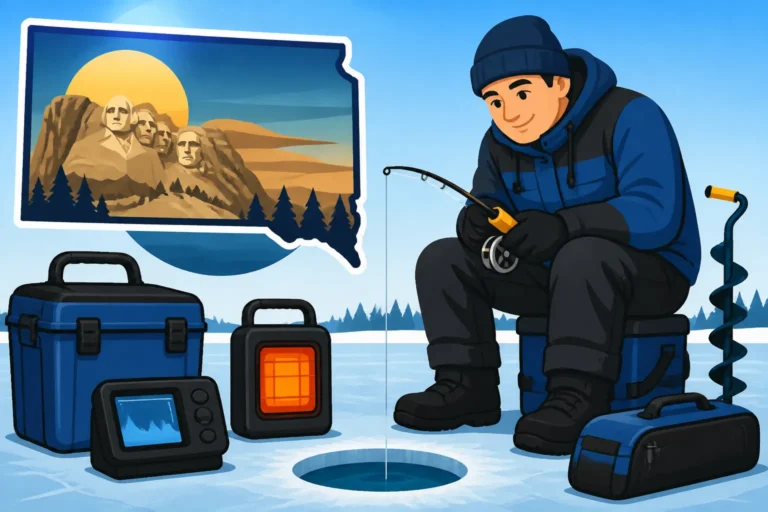
Ice Formation and Early Ice Fishing Considerations
As fall transitions into late autumn, the coldest temperatures will bring the first formation of ice, often on shallow, sheltered bays or smaller glacial lakes. This isn't the end of fall fishing; it's the beginning of a new phase: early ice fishing.
- Early Ice Safety: This cannot be stressed enough: never venture onto unsafe ice. Always check ice thickness rigorously, especially early in the season. A minimum of 4 inches of clear, solid ice is generally recommended for walking, and more for ATVs or vehicles. Early ice is often the most dangerous due to variable thickness.
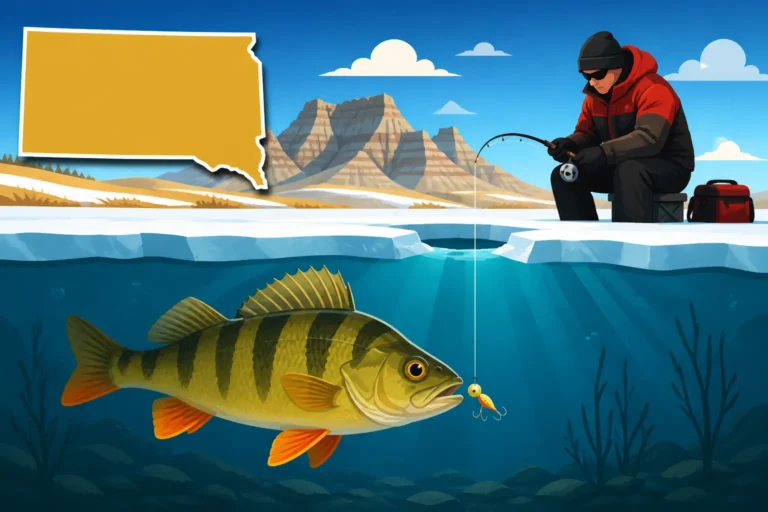
- Fish Activity: Early ice can offer some of the best fishing of the entire winter season. Fish are still in that pre-winter feeding mode, congregating in predictable areas and often aggressively biting. Walleye, perch, and northern pike can be caught in good numbers.
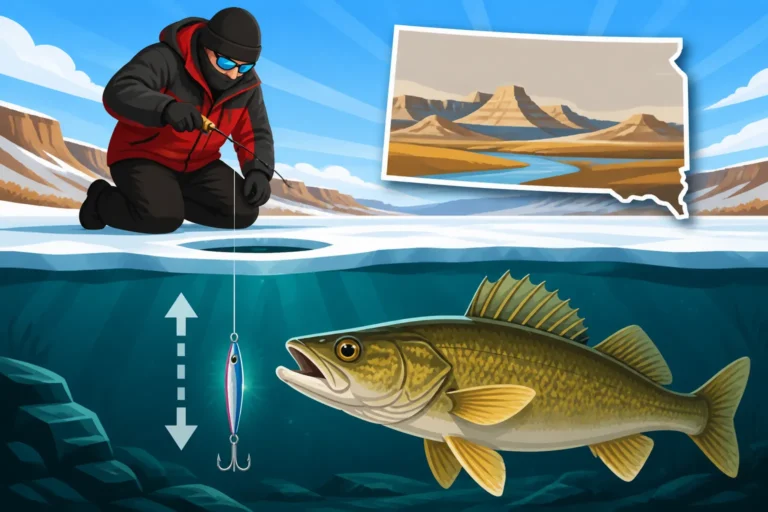
- Transition Period: While this guide focuses on open water fall fishing, understanding this transition is important. If you plan to extend your season into late fall, keep an eye on weather forecasts for potential early freeze-ups. Some of the techniques you used for open water fall fishing (like jigging with spoons or live bait) will seamlessly transition to ice fishing. Our South Dakota Ice Fishing Guide offers a comprehensive look at this popular winter pursuit.
Important Regulations and Seasonal Considerations
Before you head out, it's absolutely crucial to be aware of South Dakota's fishing regulations. These rules are in place to protect fish populations and ensure sustainable fishing for everyone. Fall often brings specific considerations, so a quick refresh is always a good idea.
Fall Fishing License and Habitat Stamp Reminders
First and foremost, you need a valid South Dakota fishing license. Whether you're a resident or a nonresident, adult anglers typically need a license. This isn't just a formality; it's how the state funds its conservation efforts and maintains the incredible fisheries we enjoy.
- Purchase Options: You can easily purchase your South Dakota Fishing License Guide online through the South Dakota Game, Fish and Parks (GFP) website, or in person at various vendors across the state.
- Habitat Stamp: Most resident and nonresident anglers are also required to purchase a South Dakota Habitat Stamp Requirements in addition to their fishing license. This stamp supports vital habitat conservation projects across the state, ensuring healthy environments for fish and wildlife. Always double-check the current regulations, as exemptions can apply to certain age groups or situations (like during Free Fishing Days, which typically occur in summer but it’s good to know).
- Nonresident Considerations: If you're visiting from out of state, be aware of specific South Dakota Nonresident Fishing License Rules, which might include different license durations and costs compared to residents.
Species-Specific Limits and Special Regulations
South Dakota has specific daily and possession limits for various fish species, and these can sometimes vary by water body. Fall fishing, with its potential for hot action, means it's even more important to keep track of your catch.
- Walleye Limits: Pay close attention to South Dakota Walleye Limits. While a general statewide limit exists, certain lakes or sections of the Missouri River might have special length restrictions (slot limits) or reduced daily limits to protect specific age classes of fish. Belle Fourche Reservoir, for instance, often has unique walleye rules.
- Northern Pike and Bass: Be aware of South Dakota Northern Pike Limits and Smallmouth Bass Daily Limits. While generally more liberal than walleye, it's always best to check the current GFP Fishing Handbook Guide to ensure you're in compliance.
- Chinook Salmon: Given their unique status in Lake Oahe, Chinook Salmon regulations are often specific to that fishery. Check for daily limits and any special rules concerning their harvest during the spawning run.
- Trout: In the Black Hills, trout streams often have very specific Black Hills Stream Trout Regulations, including catch-and-release sections, artificial-lure-only restrictions, or reduced limits for certain species like brook trout. Always know the rules for the specific stream you plan to fish.
Boat Launch Access and Winterization Prep
As fall progresses, particularly into late October and November, access to boat ramps can become an issue, especially in the northern parts of the state or in areas prone to early ice.
- Ramp Conditions: Some smaller or less-maintained ramps might be pulled out of the water, or the water level could drop significantly, making launching difficult or impossible. Always check local conditions or contact local GFP offices if you're unsure about ramp accessibility.
- Winterization: If you're trailering a boat to different locations, remember that fall is also the time when many anglers begin thinking about South Dakota Boat Registration Guide. If you plan to put your boat away for the winter, ensure you've properly winterized your engine and other systems to prevent damage from freezing temperatures. Don't let a great fall fishing trip end with a costly repair bill in the spring. Ensuring your boat and trailer are in top shape will allow you to access those prime fall fishing spots efficiently and safely.
Tips for Maximizing Your Fall Fishing Success
Alright, you've got the gear, you understand the fish, and you know the spots. Now, let's talk about those little extra things that can truly turn a good fall fishing trip into an epic one.
Importance of Electronics and Mapping
In the vast waters of South Dakota, especially on the Missouri River reservoirs, your marine electronics are your best friends in the fall. They are no longer just a luxury; they're essential tools for success.
- Finding Structure: Use your GPS and mapping features to identify main lake points, submerged humps, channel swings, and rock piles. These are prime areas where fish will congregate in the fall. Modern fish finders from brands like Humminbird or Lowrance offer incredibly detailed lake maps that show contour lines, depth changes, and even areas of submerged timber or rock. Spend time studying these maps before you even launch your boat.
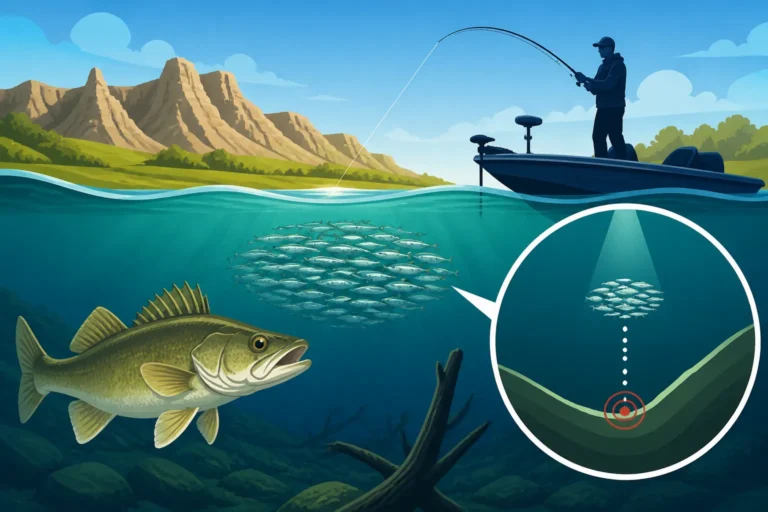
- Locating Fish and Bait: Down imaging and side imaging technologies are incredibly powerful for not just seeing fish, but understanding their position relative to structure and, critically, locating schools of baitfish. Where there's bait, there are usually predators. Watching your sonar for bait balls or arches indicating fish is key to finding active schools.
- Water Temperature Readings: As discussed, water temperature is critical. Most modern fish finders provide real-time surface temperature readings, which can help you identify subtle differences that might be holding fish. You can find a good selection of fish finders suitable for South Dakota lakes on Amazon.
- Marking Waypoints: Don't just find fish, mark them! When you locate a productive spot, drop a waypoint on your GPS. This allows you to return to the precise location, whether it's a specific rock pile, a contour break, or a school of suspended fish. Over time, you'll build up a library of productive fall fishing spots.
Staying Mobile and Adapting to Conditions
Fish in the fall can be here today, gone tomorrow. Their patterns are constantly shifting as weather changes, baitfish move, and water temperatures fluctuate. The most successful fall anglers are those who are willing to adapt and stay mobile.
- Don't Be Afraid to Move: If a spot isn't producing, don't waste hours grinding it out. Make a game plan with several potential spots, and if the first one is slow, move on to the next. The "milk run" approach, where you hit several high-percentage spots throughout the day, often yields better results than sitting in one unproductive area.
- Observe and Adjust: Pay attention to what the fish are telling you. Are they hitting fast-moving lures or slow, subtle presentations? Are they shallow or deep? Are they relating to weeds, rock, or open water? If you're catching fish, try to replicate those conditions. If not, change your depth, retrieve speed, lure color, or even the type of lure entirely. Fall fish can be aggressive, but they can also be finicky depending on the day.
- Weather Watch: Keep a close eye on the weather forecast throughout the day. A sudden change in wind direction or the approach of a cold front can completely alter fish behavior. Being prepared for these changes, both in terms of your fishing tactics and your personal comfort, is vital. Don't be caught off guard by a sudden drop in temperature or an unexpected squall.
Documenting Your Trips and Learning from Experience
This might sound like homework, but keeping a simple fishing log can be incredibly valuable for improving your fall fishing success year after year.
- Record Key Details: Jot down the date, time, weather conditions (temperature, wind, sky), water temperature, specific location (using your GPS waypoints), the lures/baits that worked, the depth you were fishing, and of course, what you caught.
- Identify Patterns: Over time, you'll start to see patterns emerge. You might notice that walleye bite best on crankbaits in the evenings when the water temperature is in the mid-50s, or that northern pike are always found on dying weed edges after a cold front. This historical data is gold for planning future trips.
- Learn from Failures: Don't just record successes. Note what didn't work. This helps you avoid repeating unproductive tactics or locations. Every trip, successful or not, is a learning opportunity. The more information you gather, the more informed and effective your future fishing decisions will be. This continuous learning cycle is what separates consistent anglers from those who only occasionally "get lucky."
Disclaimer
The information provided in this guide is for general informational purposes only and is not intended as legal advice. Fishing regulations, license requirements, and safety guidelines can change. It is the responsibility of the angler to always consult the most current South Dakota Game, Fish and Parks (GFP) regulations handbook and local advisories before engaging in any fishing activities. Adherence to all applicable laws and safe boating practices is paramount.