How to Catch Perch Through the Ice
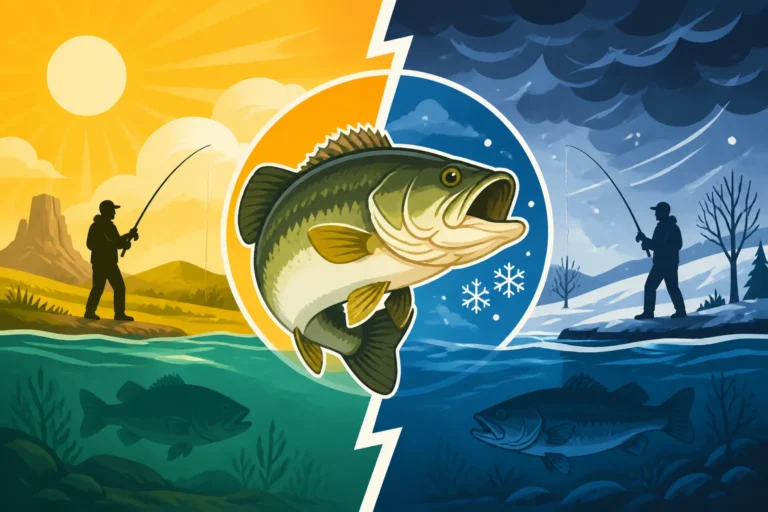
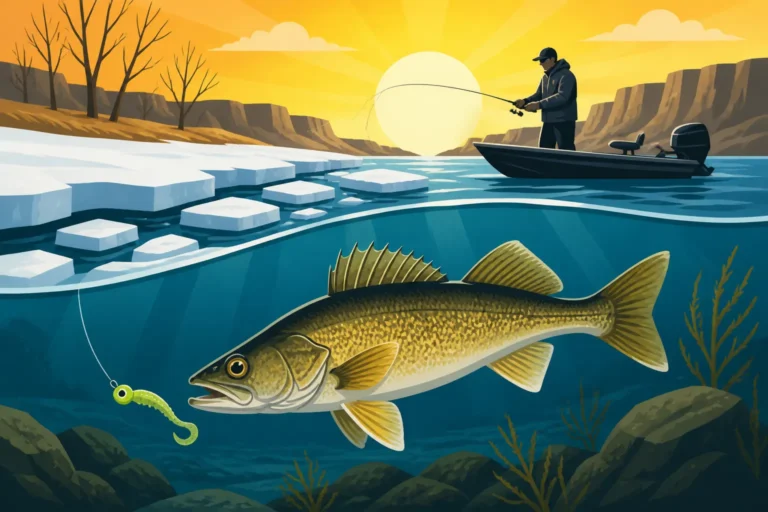
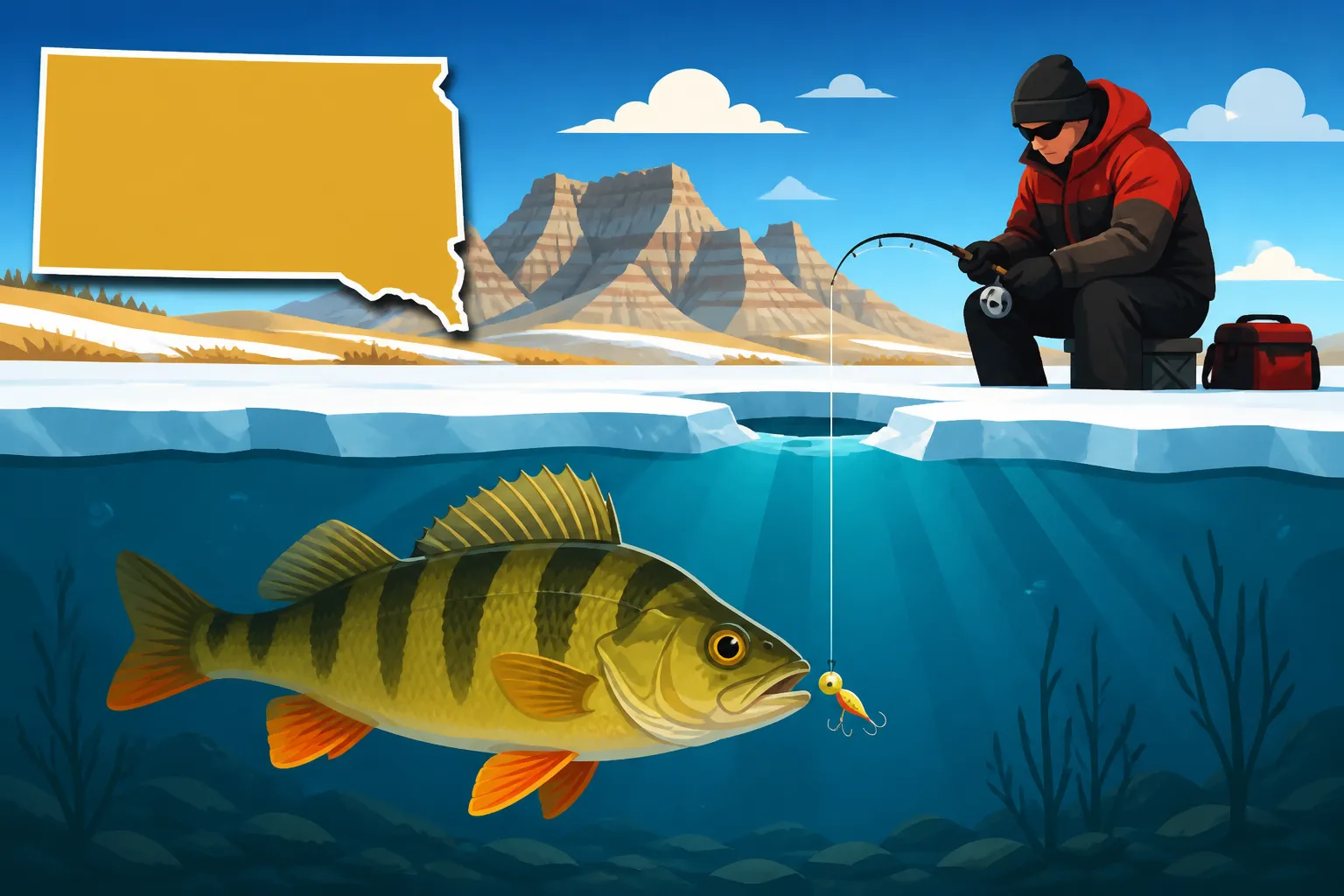
Oh, the crisp air, the vast expanse of snow, and the anticipation of a tug on the line! There’s nothing quite like dropping a line through a freshly drilled hole in the ice in South Dakota, especially when you’re chasing those feisty yellow perch. If you've ever found yourself shivering, wondering why those little guys aren't biting, or just looking to improve your success rate on the hard water, you're in the right place. This guide is all about giving you the insights and practical tips you need to confidently target and catch perch through the ice, turning those cold days into memorable catches.
Understanding Perch Behavior Under the Ice
Catching perch through the ice isn't just about having the right gear; it's about understanding what makes these fish tick when the lakes are locked up. They don't just disappear; they adapt, and so must we! Knowing their habits, preferred environments, and how they react to the changing conditions of winter is your first step to filling a bucket with these delicious panfish.
Perch Habitat in Winter
When the ice forms, perch don't simply scatter randomly. They're typically schooling fish, and in winter, these schools tend to congregate in certain areas where food is accessible and oxygen levels are stable. Often, you'll find them relating to structure, but not always the obvious stuff you'd fish in open water. Think about those gradual drop-offs, the edges of weed beds (especially green weeds that are still producing oxygen), and sometimes even deeper flats where baitfish might be holding. They're looking for comfort and calories, much like us on a cold day!
You might find a school cruising along a mud flat adjacent to a drop-off during mid-day, then moving shallower towards twilight. This subtle movement is key. For example, on a sprawling lake like Lake Oahe, they might hug the contours near known submerged structures, while in a smaller glacial lake, they might be more concentrated around the remaining green weeds in shallower bays. It’s all about finding that sweet spot where food meets suitable living conditions. A good fish finder can be an absolute game-changer here, helping you pinpoint these subtle changes in depth and bottom composition where perch tend to hold. For beginners, getting a sense of the lake's topography, perhaps by studying bathymetric maps, before you even step on the ice can make a huge difference.
What Perch Eat and When They're Active
Under the ice, perch are still opportunistic feeders. Their diet primarily consists of insect larvae, small crustaceans like scuds and amphipods, and even tiny baitfish. What's crucial to remember is that their metabolism slows down significantly in cold water. This means they might not be as aggressive as they are in the warmer months, and their feeding windows can be shorter and more defined. You won't always see them chasing down baits with reckless abandon.
They often have peak feeding times, which can be influenced by light levels. Early morning and late afternoon, when the light penetration through the ice is lower, tend to be prime times. Overcast days can also extend these feeding windows. However, sometimes you'll hit a "hot bite" in the middle of a sunny day, especially if you've stumbled upon a really active school. This is where patience and persistence come into play. Experiment with different depths and presentations throughout the day. Don't be afraid to switch up your bait if the bites slow down. Keep an eye on what other anglers are doing if they’re having success, but remember that what works for one person might not work for another in a slightly different spot. Staying mobile and drilling a few holes to "find" the fish is often more effective than waiting in one spot all day.
Essential Gear for Ice Fishing Perch
Hitting the ice for perch without the right gear is like trying to bake a cake without flour – it’s just not going to work out! Having the proper tools not only makes your day more comfortable but also dramatically increases your chances of success. From how you get through the ice to what you tie on your line, every piece of equipment plays a role.
Rods, Reels, and Line Choices
When it comes to ice fishing for perch, you don't need heavy-duty tackle. In fact, lighter gear is often more effective because it allows for greater sensitivity to detect those subtle perch bites. Many experienced anglers prefer a rod in the 24-30 inch range with a light or ultralight action. This flexibility helps absorb the fight of a perch and prevents hook pulls, while the sensitive tip allows you to see even the faintest nibbles. A fast action tip will help with quick hook sets.
Pair this with a small, lightweight spinning reel, typically a 500 or 1000 size. The key here is smooth drag, as you might occasionally hook into a larger walleye or northern pike that's cruising the same areas as the perch. For line, 2-4 pound test monofilament or fluorocarbon is the standard. Monofilament offers a bit more stretch, which can be forgiving, while fluorocarbon is nearly invisible in the water and has less stretch for better sensitivity. Some anglers opt for a thin braided line with a fluorocarbon leader for maximum sensitivity, especially when fishing deeper water. Best Ice Fishing Rods and Reels will give you more specific recommendations for setting up your perch rig. Remember, you want to feel every little bump and twitch, so balance and sensitivity are paramount. You can find a fantastic selection of sensitive ice fishing combos on retailers like Amazon, often at competitive prices.
Augers, Shelters, and Electronics
Getting through the ice is the first hurdle, and having a reliable ice auger is non-negotiable. For perch fishing, you typically don't need a huge hole; a 6-inch auger is usually sufficient and easier to drill manually. However, if you plan on targeting larger fish or want the flexibility, an 8-inch auger is a good all-around choice. Power augers (gas, propane, or electric) are fantastic for drilling many holes quickly, especially when you need to stay mobile and find those elusive perch schools. Best Ice Augers for South Dakota Ice Fishing details various options available.
South Dakota winters can be brutal, so an ice fishing shelter is a lifesaver. Whether it's a flip-over style or a hub-style pop-up, a shelter provides warmth and protection from the wind, making your day much more enjoyable. Being comfortable means you'll fish longer and more effectively. Best Ice Fishing Shelters for South Dakota Winters offers a comparison of different types.
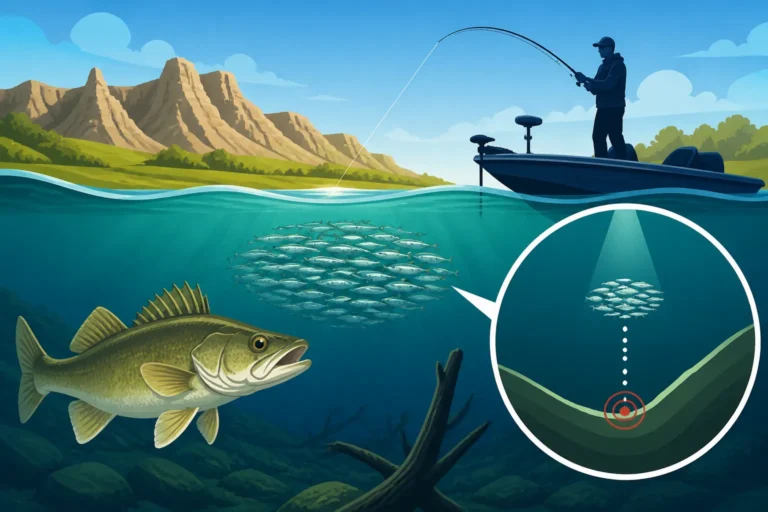
Finally, electronics. A good fish finder, especially a flasher unit, is invaluable for locating perch and understanding their behavior. It shows you your bait, the fish, and how they react in real-time. This helps you adjust your presentation instantly. An underwater camera can also be a lot of fun, letting you actually see the perch and how they interact with your lure. While not strictly essential for beginners, advanced electronics can drastically improve your catch rate. Best Fish Finders for Ice Fishing provides a deep dive into these helpful tools. Don't forget, you can often find great deals on portable fish finders, even entry-level models, through online stores like Amazon.
Baits and Lures for Perch
Perch aren't overly picky, but they do have preferences, and presentation often matters more than the exact lure. When it comes to what you're tying on your line, having a variety is key. Small jigs are incredibly popular, often tipped with live bait or plastics.
- Jigs: Small tungsten jigs or lead jigs in sizes ranging from 1/32 to 1/16 ounce are perfect. Colors like glow-in-the-dark, chartreuse, orange, and naturalistic patterns like black or brown can all be effective. The tungsten jigs are great because they're denser and get down to the fish faster.
- Spoons: Tiny jigging spoons, like Northland Forage Minnows or Lindy Rattl'n Flyers, are also deadly for perch. These create flash and vibration that can call fish in. Tip them with a small piece of live bait for added appeal.
- Soft Plastics: Micro soft plastics, such as small grub tails, maggots, or minnow imitations, can be very effective, especially when paired with a small jig. They offer a lifelike action and come in a myriad of colors.
- Live Bait: This is often the ultimate perch attractant. Small minnows (shiners or fatheads), wax worms, and eurolarvae (spikes) are prime choices. Best Bait for Ice Fishing Perch elaborates on the best live bait options and how to rig them.
Here's a quick comparison of common perch baits:
| Bait Type | Pros | Cons | Best Use Case |
|---|---|---|---|
| Wax Worms | Easy to keep, universally effective | Can be quickly nibbled off | Tipped on small jigs, passive jigging |
| Spikes (Eurolarvae) | Durable, active movement, long-lasting | Can be hard to find in some bait shops | Tipped on small jigs, slower jigging presentations |
| Small Minnows | Great attractant, good for larger perch | Require aerated container, can die easily | Rigged on small hooks or spoons, more aggressive jigging |
| Tungsten Jigs | Sinks fast, very sensitive, compact | Can be pricier than lead jigs | Active jigging, subtle bites, deep water |
| Jigging Spoons | Creates flash/vibration, covers water | Less subtle for finicky fish | Attracting fish from a distance, aggressive schools |
Always keep a variety of these in your tackle box. Sometimes perch will prefer one over another, and being able to switch it up can make all the difference. You can easily stock up on a diverse range of jigs and small spoons on Amazon, ensuring you're ready for any situation on the ice.
Effective Techniques for Catching Perch Through the Ice
Once you have your gear sorted, it's time to put it to work! Catching perch through the ice isn't just about dropping a line down a hole; it involves strategic techniques to locate them, entice them, and eventually get them into your bucket. Patience and adaptability are your best friends here.
Locating Perch Schools
The single most important factor in catching perch through the ice is finding the fish. Perch are schooling fish, so when you find one, you're likely to find many. The "run and gun" approach is often the most effective: drill a series of holes over a suspected area (like a drop-off, flat near a weed bed, or submerged point) and fish each hole for 5-10 minutes. If you don't get a bite or see fish on your flasher, move to the next hole. Don't be afraid to drill many holes; that's what your auger is for!
Pay close attention to depth. Perch can be found anywhere from 5 feet to 50 feet, depending on the lake and time of year. Early ice often finds them shallower, while mid-winter can push them deeper. Structure, as mentioned earlier, is key. Look for transitions in depth, areas where hard bottom meets soft bottom, or the edges of remaining green vegetation. Using your Best Fish Finders for Ice Fishing is absolutely critical here. It will not only tell you the depth but also whether there are fish below you and how they're reacting to your lure. Don't just drill random holes; use maps, your electronics, and even word-of-mouth from local bait shops to start in promising areas.
Mastering the Jigging Presentation
Once you've found a promising hole, your presentation is what convinces a perch to bite. Perch bites can be incredibly subtle in cold water – sometimes it's just a slight "heft" to your line, a tiny tap, or even just your line going slack. This is why light, sensitive tackle is so important.
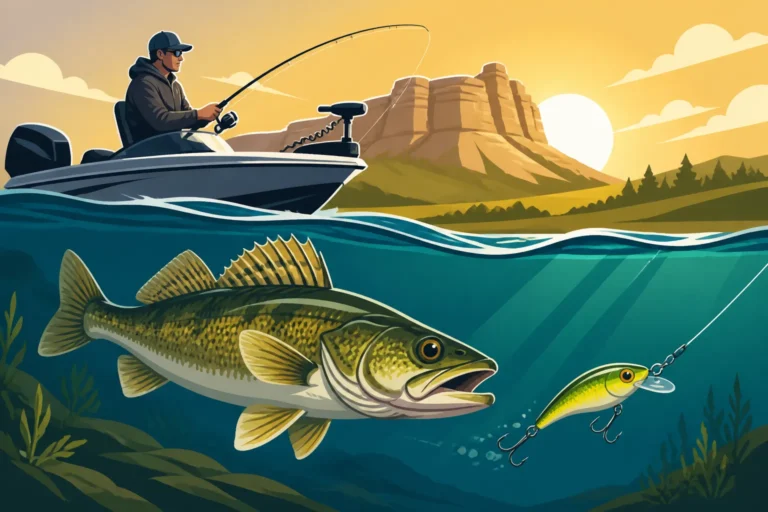
The most common and effective technique is jigging. Drop your lure down to the desired depth (often just above where you see fish on your flasher, or near the bottom). Then, impart a gentle jigging motion. This could be a small lift-and-drop, a series of tiny twitches, or a short, sharp snap followed by a pause. The pause is often where the bite comes. Experiment with different cadences and aggressiveness. If the fish are active, they might respond to a more aggressive jig. If they're finicky, a slow, subtle twitch might be what it takes. Always watch your line for any movement that isn't your own jigging. Any little tic could be a bite.
Two-Rod System and Deadsticking
South Dakota regulations often allow anglers to fish with two lines, and this can be a huge advantage for perch fishing. Many anglers will actively jig with one rod while "deadsticking" a second rod. A deadstick is simply a rod left relatively still, often propped up on a bucket or in a rod holder, with a baited hook or small jig sitting at a specific depth.
For your deadstick, a plain hook (size 8 or 10) tipped with a lively minnow or a few wax worms is often deadly. The natural movement of the live bait is sometimes all it takes to entice a wary perch that might ignore your actively jigged lure. This allows you to present two different baits or techniques simultaneously, doubling your chances. For example, you might actively jig a spoon on one rod and have a small tungsten jig tipped with a wax worm on your deadstick. Remember to always keep an eye on both rods! Often, the deadstick gets more bites when fish are less active, proving that subtlety can sometimes outperform aggressive presentations.
Finding the Best Perch Spots on South Dakota Ice
South Dakota is blessed with an abundance of fantastic ice fishing opportunities, and many of these lakes hold incredible populations of yellow perch. Knowing where to start your search can save you a lot of time and help you get on the fish faster. While specific conditions change annually, certain lakes and types of areas consistently produce.
Top Lakes and Reservoirs for Perch
When it comes to prime perch ice fishing, South Dakota offers a wealth of options. The Missouri River reservoirs – Lake Oahe, Lake Sharpe, Lake Francis Case, and Lewis and Clark Lake – are legendary for their walleye, but they also hold respectable perch populations, especially in certain bays and shallower arms. For example, on Lake Oahe, areas with gradual contours and submerged timber, or even some of the shallower bays that develop good weed growth in summer, can hold perch through the ice. Best Ice Fishing Spots on Lake Oahe will give you more detailed locations to explore.
Beyond the big reservoirs, the Glacial Lakes region in northeastern South Dakota is often considered a panfish paradise, including excellent perch fishing. Lakes like Lake Thompson, Lake Poinsett, Lake Kampeska, and Bitter Lake are well-known for producing good numbers of yellow perch, sometimes including those coveted "jumbo" perch that everyone dreams of catching. These lakes typically feature a mix of shallower bays, weed lines, and mud flats that perch will frequent. Researching recent fishing reports (often available from local bait shops or online forums) for these specific lakes can give you a crucial edge, as perch schools can move and concentrate in different areas from year to year. Remember, these can be big bodies of water, so staying mobile is often key.
Identifying Productive Structures and Depths
Successful perch anglers know that fish don't just hang out anywhere; they concentrate around specific structures and at certain depths. During early ice, perch often linger in shallower areas (8-15 feet) near remaining green weed beds, which offer oxygen and food. As winter progresses and oxygen levels decline in dense weeds, they'll typically move to deeper water, often congregating along drop-offs, humps, or main lake flats in depths ranging from 20 to 40 feet or even deeper, depending on the lake.
Look for areas where contour lines on a map are close together (indicating a breakline or drop-off) or where there's a significant change in bottom composition. Submerged points, rock piles, or even old creek channels can hold perch. Using your Best Fish Finders for Ice Fishing becomes indispensable here, allowing you to quickly scan for these features and mark fish. Don't overlook the simple technique of drilling holes in a grid pattern across a suspected area until you hit a school. It’s hard work, but the reward is often worth it. Understanding How Thick Ice Should Be Before Fishing in South Dakota is also paramount before venturing out, especially to reach these potentially productive, but sometimes less-traveled, areas.
Seasonal Perch Patterns on Ice
Perch behavior isn't static throughout the entire ice fishing season; it evolves as winter progresses. Understanding these general patterns can help you predict where to find them and how to approach your fishing.
- Early Ice (December-January): This is often a fantastic time for perch. Fish are still relatively active and haven't experienced heavy fishing pressure. They tend to be in shallower water, often near the deeper edges of green weed beds, points, or sunken timber in 10-25 feet of water. Their metabolism is still relatively high, so they might be more aggressive.
- Mid-Winter (January-February): As the ice thickens and snow cover reduces light penetration, perch can become a bit more sluggish and move deeper. They might retreat to main lake basins, deeper flats, or sharp drop-offs in 25-50 feet. Bites can be very subtle, requiring finesse techniques and smaller baits. This is when your fish finder really shines, helping you pick out those deeper suspended schools. Being aware of How Cold It Gets Ice Fishing in South Dakota during this period will help you prepare for the elements and stay comfortable while waiting for those subtle bites.
- Late Ice (March): This can be another fantastic period, as melting snow and increasing daylight create an "ice out" feel under the ice. Perch often move shallower again, similar to early ice, as oxygen levels improve and they anticipate spring spawning. They can be incredibly aggressive, and large schools might be found in 10-25 feet of water near shallow spawning grounds or renewed weed growth. However, late ice also brings dangers, so always prioritize safety and check ice conditions meticulously.
Being prepared for these shifts in behavior and location throughout the winter will significantly increase your success rate. A well-stocked tackle box, including a range of jig types and live baits readily available from online retailers like Amazon, will ensure you're ready for any pattern the perch throw at you. Don't forget to review your Essential Gear Checklist for a South Dakota Ice Fishing Trip before heading out for each phase of the season.
Disclaimer
This article is for general informational purposes only and does not constitute professional advice. Laws, prices and regulations vary by location and change over time. Consult a qualified professional for guidance on your specific situation.