Best Ice Fishing Shelters for South Dakota Winters
Braving South Dakota's winter for a fishing adventure can be absolutely exhilarating, but let's be real: the elements here don't mess around. The bitter cold, relentless winds, and swirling snow can quickly turn a hopeful morning into a miserable, numb-fingered retreat if you're not properly equipped. This guide is all about helping you choose the absolute best ice fishing shelter, ensuring your time on the hardwater is as comfortable, productive, and safe as possible, even when the prairie wind howls its fiercest tune across a frozen lake.
Understanding South Dakota's Ice Fishing Conditions
Before we even start talking about specific shelters, it’s critical to understand the environment you’ll be facing. South Dakota winters are not for the faint of heart, and our lakes, from the vast Missouri River reservoirs like Lake Oahe and Lake Sharpe to the numerous Glacial Lakes, all present unique challenges. A shelter that might work fine in milder climates could leave you shivering uncontrollably here.
The Relentless Cold and Wind
Anyone who’s spent a winter in South Dakota knows that the thermometer often dips well below zero, and that’s just the ambient temperature. Factor in the wind chill, and it can feel downright Arctic. Imagine fishing on Lake Thompson or Bitter Lake when a 20 mph wind whips across the open ice, driving the effective temperature down to -30 degrees Fahrenheit or worse. Your hands go numb just looking at them, your line freezes in the guides, and every gust feels like a personal assault.
This isn't just about personal discomfort; it affects your gear and your ability to fish effectively. Line becomes brittle, bait freezes solid, and even simple tasks like tying a knot become Herculean efforts. A well-designed ice shelter acts as your personal refuge, providing a crucial barrier against these brutal conditions. It’s not just about getting out of the wind; it’s about creating a microclimate where you can actually feel your fingers, tend to your lines, and enjoy the pursuit of South Dakota Walleye Fishing Guide or a mess of jumbo perch. Without that protection, even the most seasoned angler will find their enthusiasm quickly fading. It's truly astonishing How Cold It Gets Ice Fishing in South Dakota, and preparation is key.
Varying Ice Conditions
South Dakota's ice isn't a monolithic sheet. You'll encounter varying thicknesses and qualities throughout the season and across different bodies of water. Early season ice might be crystal clear, allowing light to penetrate but offering less insulation. Mid-season, you could be dealing with several feet of solid blue ice, perhaps topped with a few inches of slush and then a blanket of snow. Later in the season, after thaws and refreezes, the ice can become layered and less stable.
Snow cover plays a huge role here. A deep blanket of snow acts as an insulator, often keeping the ice thinner beneath it, but it also creates drag for sleds and makes travel more difficult. Conversely, clear, wind-swept ice might be thicker but offers no natural protection from the wind. Your shelter needs to be able to handle being anchored into different types of ice, from slushy surfaces to rock-hard frozen expanses. Some shelters are easier to secure than others, and the anchor system becomes paramount when the ice isn't perfectly uniform. You'll also need to consider How Thick Ice Should Be Before Fishing in South Dakota before venturing out, regardless of your shelter choice.
Popular Ice Fishing Lakes and Their Demands
From the colossal Missouri River reservoirs to the smaller, more intimate glacial lakes of eastern South Dakota, each offers a unique ice fishing experience and, consequently, unique demands on your gear, including your shelter.
-
Missouri River Reservoirs (Lake Oahe, Lake Sharpe, Lake Francis Case, Lewis and Clark Lake): These vast, open expanses are notorious for strong winds and whiteouts. Shelters here need exceptional stability and durability. Anglers often cover significant distances to find fish, making portability and quick setup/takedown highly valued. You might be targeting big walleye or even South Dakota Chinook Salmon Regulations if you're up on Lake Oahe near Whitlock Bay. The sheer scale of these lakes means you're exposed, and a reliable shelter is non-negotiable. If you're wondering Can You Ice Fish on Lake Oahe?, the answer is a resounding yes, but come prepared!
-
Glacial Lakes (Lake Kampeska, Lake Poinsett, Bitter Lake, Lake Traverse): While often smaller than the Missouri River lakes, these bodies of water are also prone to strong winds, especially on wide-open days. They can be incredibly productive for perch, walleye, and northern pike. Access might be easier, and you might not need to move as much, but the need for warmth and wind protection remains just as high. The varying depths and structures often call for diverse South Dakota ice fishing techniques.
-
Black Hills Lakes (Pactola, Sheridan): These mountain lakes offer a different vibe, often with more sheltered coves and tree lines that break the wind. However, temperatures can still plummet, and snow accumulation can be significant. The terrain might be a bit more rugged for hauling gear, so lighter, more compact shelters could be advantageous here, especially if you're hiking a bit to get to your spot for trout.
Considering these diverse conditions, your choice of ice shelter isn't just about personal preference; it's about practical survival and maximizing your angling success in the face of South Dakota's formidable winter.
Types of Ice Fishing Shelters: Matching Your Style
Choosing the right ice fishing shelter is like picking the right fishing rod – it depends entirely on your style of fishing. Are you a run-and-gun angler always on the move, or do you prefer to set up a comfortable base camp for the day? South Dakota’s diverse ice fishing opportunities call for different approaches, and thankfully, there’s a shelter designed for almost every scenario.
Portable Pop-Up Shelters
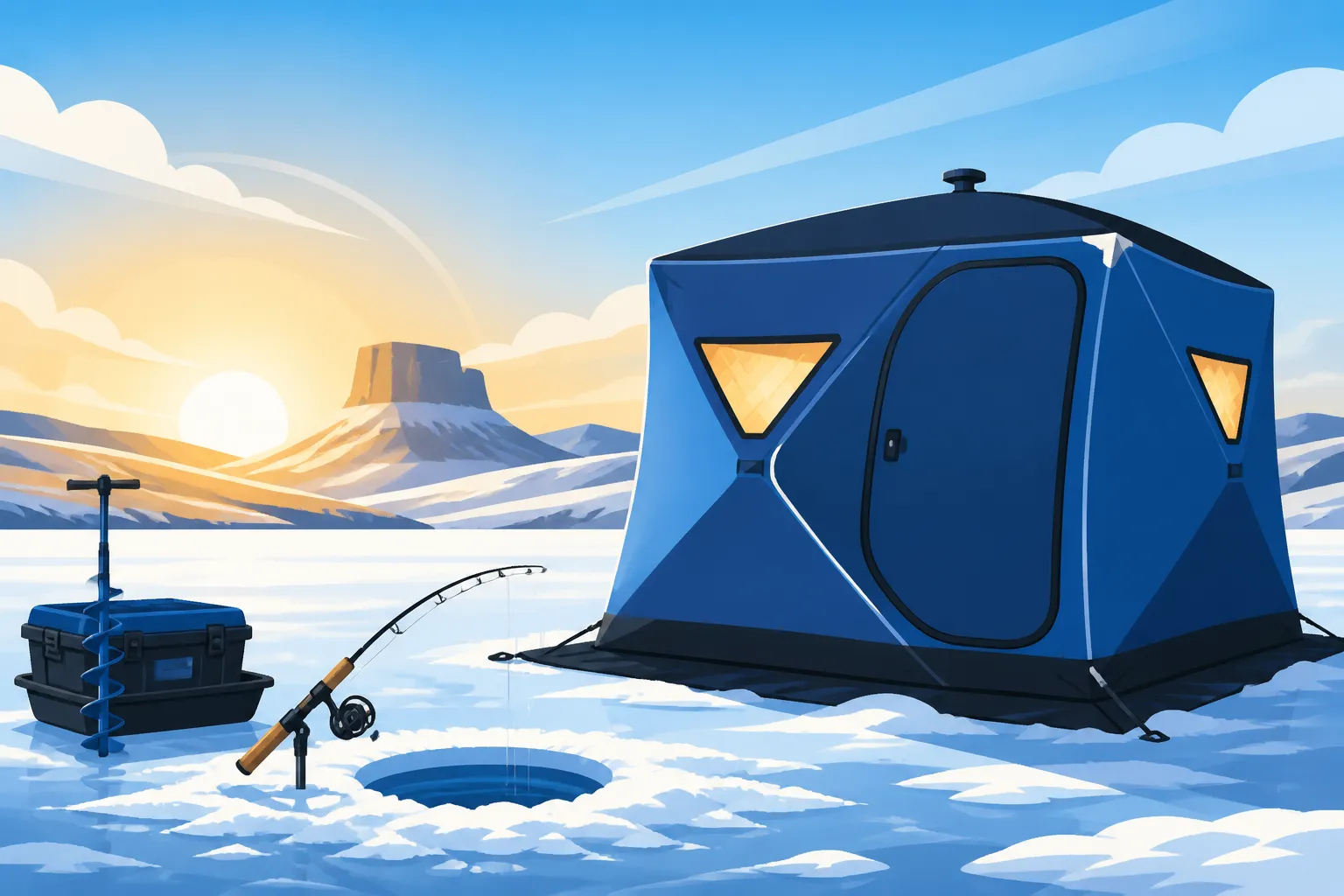
Think of these as your instant ice fishing living room. Pop-up shelters are incredibly popular due to their spacious interiors and ease of transport. They typically consist of a lightweight frame with fabric walls that "pop" out to create a large, cube-like space.
Pros:
- Spacious: These shelters often offer the most interior room for their footprint, allowing multiple anglers to fish comfortably with plenty of gear. You can often stand upright, which is a huge bonus, especially on a long day.
- Lightweight for Their Size: While a 6-person pop-up will still be hefty, it's often lighter than a comparably sized flip-over. Many come with backpack-style carrying cases, making them relatively easy to haul, especially across snow where a sled might struggle.
- Quick Setup (Once You Get the Hang of It): With practice, you can deploy a pop-up in just a few minutes, extending the hubs and anchoring it down. This is crucial when the wind is whipping and you just want to get out of the elements.
- Versatility: Great for family trips, group outings, or when you want ample space to spread out your electronics, tackle, and even a small table.
Cons:
- Wind Susceptibility: This is their biggest drawback in South Dakota. Without proper anchoring, a pop-up can become a giant sail, easily picked up and tumbled across the ice in a strong gust. They absolutely require solid ice anchors, and often many of them, to stay put.
- Less Insulation (Generally): While many come with thermal fabric options (which are a must for South Dakota), the sheer volume of air inside means they can be harder to heat and retain warmth compared to a smaller, more enclosed flip-over.
- Harder to Move Once Set: If the bite dies and you need to relocate, packing up a pop-up, moving it, and setting it up again can be a chore, especially if you've really dug in with anchors. They are designed more for stationary fishing.
When are they ideal? Pop-up shelters are perfect for anglers who plan to spend a full day (or even multiple days) in one spot, especially when fishing with friends or family. They provide a comfortable, communal space. For example, if you're setting up on a consistent walleye bite on Lake Kampeska for a long afternoon, a roomy pop-up will keep everyone happy. Look for models from brands like Clam, Eskimo, or Frabill on sites like Amazon or Bass Pro Shops, making sure they specify "thermal" or "insulated" fabric.
Flip-Over Shelters
Flip-over shelters are the mobile angler's best friend. These shelters are designed around a sturdy sled base, into which the shelter fabric and frame are collapsed. When you reach your spot, you simply "flip" the top over to deploy the shelter.
Pros:
- Exceptional Mobility: The integrated sled allows you to easily pull your shelter, auger, and other gear across the ice. When you need to move, just flip the top back, collapse the poles, and you’re off to the next spot in minutes. This is invaluable when chasing active fish across large areas, like the vast flats of Lake Sharpe for South Dakota Walleye Limits.
- Quick Setup/Takedown: Seriously fast. In decent conditions, you can go from moving to fishing in under a minute. This efficiency means more time fishing and less time fussing with gear, especially crucial during prime bite windows.
- Excellent Protection: The low profile and robust frame of flip-overs make them incredibly stable in the wind. Many come with highly insulated fabrics, and the smaller interior volume heats up quickly with a portable heater.
- Integrated Seating and Storage: Most flip-overs come with built-in seats (often bench or bucket style) and some internal storage, keeping your critical gear close at hand.
Cons:
- Heavier and Bulkier: While mobile, the integrated sled and robust frame make flip-overs heavier than pop-ups for their size. This can be a factor if you have to carry it any distance without snow or if you don't have a motorized vehicle for transport.
- Less Interior Height/Space: While comfortable, you typically can't stand upright in most flip-over models (though some larger, two-person models offer more headroom). This might be a trade-off for anglers who prefer to stretch their legs.
- Cost: Quality flip-overs, especially those with thermal fabric and comfortable seating, can be a significant investment, but one that pays dividends in comfort and durability.
When are they ideal? Flip-over shelters are the go-to for "run-and-gun" anglers who like to stay on top of active fish, drilling multiple holes and moving frequently. They're also fantastic for solo anglers or pairs who value speed and efficiency. Whether you're chasing perch on Lake Poinsett or exploring new walleye contours on Lake Oahe, a flip-over offers unmatched agility. You can find a wide selection of flip-over shelters from brands like Clam, Eskimo, and Shappell at Bass Pro Shops or online at Amazon, with options ranging from compact single-person units to larger two-person models like the Clam Nanook or Eskimo QuickFlip.
Permanent or Hub-Style Shelters (Less Common for Portability)
While "permanent" might sound a bit extreme for ice fishing, these refer to larger, more robust shelters that are typically set up for an extended period, often on private land or in designated areas, and aren't designed for daily mobility. Some larger pop-ups also fit this category when they are kept stationary for days or weeks.
Pros:
- Maximum Comfort and Stability: These are true ice houses, offering the most interior space, head height, and protection from the elements. They can be heavily insulated and outfitted with all the creature comforts.
- Customization: Anglers often customize these with permanent heating, built-in bunks, tables, and elaborate lighting setups.
- Ideal for Extended Stays: If you have a favorite spot and plan to camp out on the ice for a weekend or longer, a larger, more stationary shelter is a fantastic option.
Cons:
- Not Portable: As the name suggests, these are not for the mobile angler. Moving them requires significant effort and potentially specialized equipment.
- Permit Requirements: In some areas, setting up a "permanent" ice structure might require specific permits or adherence to local regulations regarding placement and removal dates.
- Cost: Generally, these are the most expensive options, especially when you factor in customization.
When are they ideal? For the dedicated ice angler with a long-term spot on a consistent bite, or for those who want a truly luxurious ice fishing experience, these larger, more stationary shelters are a dream. They’re less common for the casual day trip but offer unparalleled comfort for the serious ice camp. If you're looking for something that borders on a tiny house on ice, this is your category, though most South Dakota anglers opt for the portability of pop-ups or flip-overs for day trips.
| Shelter Type | Portability | Setup Time | Wind Resistance | Interior Space | Ideal Use Case |
|---|---|---|---|---|---|
| Pop-Up | High | Moderate/Fast | Moderate (needs anchors) | Very High | Group fishing, stationary comfort, family outings |
| Flip-Over | Very High | Very Fast | High | Moderate/Low | Mobile (run-and-gun), solo/duo fishing, quick moves |
| Permanent/Hub | Low | Slow | Very High | Extremely High | Long-term camps, maximum comfort, dedicated spots |
Key Features to Look For in a South Dakota Ice Shelter
Choosing the right type of shelter is the first step, but the details truly matter when you're facing South Dakota's fierce winter conditions. Overlooking crucial features can turn your day on the ice from an enjoyable pursuit into a battle against the elements. Let’s dive into what makes an ice fishing shelter truly effective here.
Insulation and Fabric Durability
When the wind is screaming and the thermometer hovers around zero, insulation isn't a luxury; it's a necessity. Look for shelters made with thermal fabric, usually identifiable by a quilted or multi-layer appearance. These fabrics trap heat and drastically reduce condensation, making your experience much more comfortable. Denier ratings, which indicate the thickness and density of the fabric weave, are also important. Higher denier fabrics (e.g., 600D, 900D, or even 1200D) are more resistant to rips, tears, and abrasions, which is vital when you're dragging your shelter across rough ice or packing it into a vehicle with other gear.
A good thermal shelter can make a huge difference in fuel consumption for your heater, too. Instead of constantly running your heater on high, a well-insulated shelter helps retain the warmth, meaning less propane used and more consistent temperatures inside. This also means you can often get by with a smaller heater, reducing weight and bulk. Durability also extends to the stitching and zippers – imagine a zipper failing on a frigid day when you need to seal yourself inside! Reinforced stress points and heavy-duty zippers are hallmarks of a quality shelter designed to withstand repeated use in harsh environments.
Portability and Ease of Setup/Takedown
For most South Dakota anglers, especially those on larger lakes where fish can roam, being able to move quickly and efficiently is paramount. A cumbersome shelter will quickly become a deterrent to moving, even if the bite has died.
- Weight and Packed Size: Consider the total weight, especially if you plan to pull it by hand or need to lift it into a truck bed. A lighter shelter might sacrifice some features but gains mobility. The packed size is also critical for transport and storage, particularly if you have a smaller vehicle.
- Deployment Mechanism: Flip-over shelters excel here with their rapid, almost instant setup. Pop-ups, while requiring more anchoring, are also designed for quick deployment. Practice setting up your shelter a few times at home before hitting the ice for the first time in freezing conditions. Fumbling with poles and fabric in a blizzard is no fun for anyone.
- Carrying Options: Most portable shelters come with a carrying bag. For pop-ups, look for backpack straps that allow you to carry it like a large backpack, freeing your hands for an auger or rods. Flip-overs are typically pulled by hand or hitched to an ATV/snowmobile. Check the quality of the bag and straps – flimsy ones will tear under the weight of a wet, frozen shelter. This aspect is key to following a South Dakota Ice Fishing Guide that often involves moving to find the hot bite.
Space, Height, and Ventilation
Your comfort inside the shelter is directly tied to its dimensions and air circulation.
- Interior Space: How many people will typically be fishing with you? A 2-person shelter is usually sufficient for one person and gear, while a 3-4 person model is better for two anglers with gear. Remember to account for heaters, electronics, and your fishing holes. Cramped quarters can quickly lead to frustration, especially if you’re trying to land a big walleye or northern pike.
- Head Height: The ability to stand up and stretch can be a game-changer on a long day, especially for taller anglers. Most pop-ups offer standing height, while many flip-overs are designed for seated fishing. Consider your preference.
- Ventilation: Even in cold weather, proper ventilation is crucial, especially if you're using a propane heater. Vents at the top allow warm, moist air (and potentially carbon monoxide) to escape, reducing condensation and ensuring safety. High-quality shelters will have adjustable vents. Never underestimate the importance of airflow – Is Carbon Monoxide a Risk in Ice Shelters? Yes, it absolutely is, and adequate ventilation is your primary defense.
Anchorage and Stability in Wind
South Dakota winds are legendary. A shelter that isn't properly anchored is a liability, not an asset.
- Ice Anchors: These screw directly into the ice and are essential for securing any portable shelter. Look for shelters that come with sturdy, easy-to-grip anchors. Consider investing in an anchor drill adapter for your power auger – it makes securing anchors incredibly fast and easy, saving your hands in brutal cold.
- Tie-Down Straps: Shelters should have multiple tie-down points. Ensure the straps are robust and the attachment points on the shelter are reinforced. Some shelters feature integrated straps that stay attached, simplifying setup.
- Skirt Length: A long fabric skirt around the base of the shelter allows you to pile snow or ice chips on it, creating a seal against drafts and further anchoring the shelter against high winds. This simple feature can drastically improve warmth and stability.
- Frame Construction: For flip-overs, a sturdy aluminum or steel frame is vital. For pop-ups, the hub design and pole strength dictate its ability to withstand flexing in heavy winds. Durability here means longevity and safety. If you're using an older shelter, routinely inspect the frame for cracks or bending, especially after a particularly windy day.
By carefully considering these features, you'll be well on your way to choosing an ice fishing shelter that provides the comfort, protection, and functionality needed to tackle the best (and sometimes toughest) ice fishing days South Dakota has to offer.
Integrating Essential Gear for Ultimate Comfort
An ice fishing shelter is your primary defense against the elements, but it's really just the canvas. To turn it into a truly comfortable and functional ice fishing station, you need to thoughtfully integrate some essential gear. This is where you transform a basic tent into a cozy sanctuary, making those long waits for a bite enjoyable rather than agonizing. After all, the goal is to make your time on the ice so comfortable you’ll want to extend your South Dakota Fishing Season Dates and Limits into every possible winter weekend.
Portable Heaters: Staying Warm and Safe
A reliable portable heater is, without exaggeration, the single most important piece of companion gear for your ice shelter in South Dakota. It transforms the interior from a freezing box into a genuinely warm space.
- Types of Heaters:
- Propane Heaters: These are the most common, fueled by 1 lb or 20 lb propane tanks. Brands like Mr. Heater are ubiquitous and highly effective. They come in various BTU outputs, so match the heater size to your shelter's volume. For smaller flip-overs, a compact Buddy heater might suffice. For larger pop-ups, you'll want a bigger unit.
- Catalytic Heaters: These flameless heaters burn propane at a lower temperature, offering efficient heat without an open flame. They are often safer in terms of carbon monoxide production but still require ventilation.
- Safety Precautions: This cannot be stressed enough: always ensure adequate ventilation when using any propane heater. Even heaters designed for indoor use produce carbon monoxide (CO), which is odorless and deadly. Crack a window or vent in your shelter.
- Carbon Monoxide Detectors: Invest in a battery-powered CO detector and place it in your shelter. This is non-negotiable for safety. You can find reliable ones at general hardware stores or online at Amazon.
- Clearance: Keep heaters away from flammable materials like shelter walls, clothing, or fishing line. Ensure stable placement to prevent tip-overs.
- Fuel Management: Always carry more propane than you think you'll need. Nothing ruins a comfortable day faster than running out of heat. Factor in the bitter cold, which can cause propane to run less efficiently, and longer trips will definitely require a 20lb tank.
Lighting Solutions: Illuminating Your Experience
Even during the day, a closed-up shelter can be dim, and if you're fishing into the evening or starting before dawn, good lighting is essential.
- Headlamps: A must-have for hands-free illumination, especially for walking to and from your spot in the dark, tying knots, or rigging bait.
- Battery-Powered Lanterns: LED lanterns provide ambient light for the entire shelter. Choose models with adjustable brightness and long battery life. They are great for general visibility and social fishing.
- LED Strip Lighting: Some shelters come with integrated LED strip lighting, or you can add battery-powered strips yourself. These provide excellent, evenly distributed light without glare, ideal for seeing your holes and tackle. Many anglers power these with small portable power stations that can also charge phones and fish finders.
Adequate lighting not only helps you see your tackle and fish but also contributes to a sense of comfort and reduces eye strain over a long day. It’s part of a complete Essential Gear Checklist for a South Dakota Ice Fishing Trip.
Seating and Storage Options
Comfortable seating and organized storage might seem secondary, but they significantly enhance your overall experience.
- Seating:
- Built-in Seats: Many flip-over shelters come with integrated bench or bucket seats. These are usually comfortable for a day's outing.
- Folding Chairs: For pop-up shelters, compact, sturdy folding chairs are popular. Some anglers prefer a five-gallon bucket with a padded swivel lid, which doubles as storage and a comfortable seat while allowing easy access to tackle inside.
- Insulated Seats: Sitting directly on the cold ice will quickly drain your body heat. Ensure your seating is insulated or use a foam pad.
- Storage:
- Overhead Nets/Pockets: Many shelters have mesh nets or pockets sewn into the ceiling or walls. These are perfect for storing gloves, hats, snacks, or small tackle boxes, keeping them off the floor and within easy reach.
- Rod Holders: Simple rod holders that clamp onto the shelter frame or screw into the ice keep your rods secure and upright, preventing them from falling into holes or getting stepped on.
- Tackle Management: Utilize small tackle boxes, soft-sided tackle bags, or even a bucket organizer to keep your jigs, bait, and tools neatly arranged. A cluttered shelter becomes frustrating very quickly. Consider a small collapsible table for your fish finder or to hold your hot coffee.
By carefully selecting and integrating these essential pieces of gear, your ice fishing shelter will become a truly functional and enjoyable base for your South Dakota adventures, no matter what the weather throws at you.
Top Shelter Recommendations and Where to Find Them
Alright, let's talk about some of the real workhorses out there – the shelters that stand up to South Dakota's challenges and make your ice fishing trips much more pleasant. While specific models change and evolve, certain brands consistently deliver quality and innovation.
Best for the Mobile Angler (Flip-Over Focus)
For those who embrace the "run-and-gun" philosophy, constantly drilling new holes and chasing the bite, a flip-over shelter is your ultimate companion. These prioritize speed, mobility, and robust wind protection.
Brands like Clam Outdoors and Eskimo dominate this space, offering a range of models from compact single-person units to more spacious two-person setups.
-
What to Look For:
- Thermal Fabric: Absolutely essential for South Dakota. Look for 900-denier (D) or higher insulated fabrics that will hold heat and reduce condensation.
- Sturdy Sled Base: A durable, wide sled base allows for easy pulling over snow and ice, and it needs to hold all your gear – auger, rods, tackle, heater.
- Integrated Seating: Comfortable, insulated seating is a must for long hours. Many come with comfortable padded swivel seats.
- Easy Flip Mechanism: The frame should be smooth and easy to deploy and collapse, even with cold hands.
- Internal Storage: Pockets or gear hammocks are a bonus for keeping small items organized.
-
Example Features: A good option might be something like the Clam Nanook or Eskimo QuickFlip models. These are fantastic for one or two anglers. They often feature an integrated sled, comfortable seating, and durable thermal fabric. Imagine being able to pull your entire setup with a Best Ice Augers for South Dakota Ice Fishing and Best Ice Fishing Rods and Reels tucked inside, stop on a promising break line on Lake Francis Case, flip your shelter open in seconds, drop a line, and be warm and fishing while others are still setting up. That's the beauty of a flip-over. You can often find a great selection of these specialized shelters at Bass Pro Shops, or browse customer reviews and competitive pricing on Amazon.
Best for the Group or Stationary Angler (Pop-Up Focus)
When comfort, space, and a communal fishing experience are your priorities, especially when you're likely to stay in one general area, a pop-up hub-style shelter shines. These are perfect for families, groups of friends, or anyone who wants room to spread out.
Again, Clam, Eskimo, and Frabill offer excellent multi-person pop-ups.
-
What to Look For:
- Spacious Interior: Ample room for 3-6 people, depending on the model, plus all your gear, a heater, and multiple fishing holes. Look at the square footage and center height.
- Full Thermal Shell: Crucial for heating this larger volume of air. It will significantly cut down on the wind chill and condensation.
- Strong Hub Design: The hubs are the backbone of a pop-up. Look for reinforced hubs and strong fiberglass poles that can withstand South Dakota's notorious winds.
- Numerous Tie-Down Points and a Long Skirt: These are critical for anchoring and sealing out drafts.
- Good Ventilation: Multiple windows and vents are important for air circulation and managing condensation, especially with more people and a heater inside.
-
Example Features: A Clam FatFish or an Eskimo Outfitter might be a solid choice. These shelters typically feature large interior spaces where you can stand upright, often with insulated roofs and walls. They have multiple windows, durable zippers, and plenty of room for tackle boxes, electronics, and a powerful propane heater. Picture a weekend morning on a hot perch bite on Lake Poinsett: you, a couple of buddies, your kids, all warm and comfortable inside a spacious pop-up, sipping coffee, telling stories, and pulling in fish. That's the experience these shelters deliver. Bass Pro Shops often has floor models where you can physically step inside and get a feel for the space, which is incredibly helpful. For a wider array of brands and user reviews, check out Amazon's offerings.
Budget-Friendly Options and What to Prioritize
Let's be honest, quality ice fishing gear can be an investment. But you don't necessarily need to break the bank to get a functional and safe shelter, especially if you know what compromises you can make and what features are non-negotiable for South Dakota.
-
Prioritize Insulation (Always!): Even on a budget, do not skimp on thermal insulation. A non-insulated shelter in South Dakota winter is a recipe for misery. You'll spend more on propane trying to heat it, and still be cold. Look for entry-level thermal pop-ups or smaller, more basic thermal flip-overs.
-
Opt for Smaller Sizes: A smaller shelter means less material, less weight, and less to heat. If you mostly fish solo or with just one other person, a 1-2 person flip-over or a compact 2-3 person pop-up will be significantly more affordable than a larger model.
-
Basic Seating: Instead of padded swivel seats, a basic bench seat in a flip-over, or a 5-gallon bucket with a padded lid in a pop-up, can save you money while still providing functional comfort.
-
Check Sales and Off-Season Deals: Keep an eye out for sales at the end of the ice fishing season or during big holiday sales. Retailers like Bass Pro Shops often clear out inventory to make way for new models.
-
What to be wary of: Be cautious of extremely cheap, non-thermal shelters. While they might be fine for backyard camping in summer, they simply won't cut it for the extreme cold and wind of a South Dakota winter. You'll end up replacing it quickly, costing you more in the long run. Sometimes, buying a slightly used, higher-quality thermal shelter can be a better budget option than a brand new, non-insulated one.
Regardless of your budget, the key is to prioritize safety (ventilation, CO detection) and warmth. A slightly less fancy but well-insulated and secure shelter will always beat a spacious, feature-rich but uninsulated one when facing a typical South Dakota ice fishing day.
Maintenance and Longevity of Your Ice Shelter
You've invested in a great ice fishing shelter to keep you warm and comfortable during those brutal South Dakota winters. To ensure it serves you well for many seasons to come, proper care and maintenance are absolutely crucial. Neglecting your shelter after a long day on the ice can lead to mold, mildew, fabric degradation, and broken components, turning your prized possession into a soggy, useless mess.
Proper Drying and Storage
This is arguably the most important step for preserving your ice shelter. After every trip, especially if the shelter got wet from snow, slush, or condensation, it needs to be thoroughly dried before long-term storage.
- Immediate Drying is Key: As soon as you get home, if possible, set up your shelter (or at least partially unfold it) in a garage, basement, or even a warm room. Allow all moisture to evaporate. This might take several hours or even a day, depending on how wet it got and the ambient humidity. If you can, use a fan to aid air circulation.
- Never Store Wet: Storing a wet or even damp shelter will almost certainly lead to mold and mildew growth. Not only does this smell terrible, but it degrades the fabric, weakening it and making it more prone to tears. Mold can also be a health hazard.
- Clean Before Storing: Before packing it away for the off-season, give your shelter a quick wipe-down. Remove any dirt, fish slime, bait residue, or spilled coffee. A mild soap and water solution can be used, but ensure it's rinsed thoroughly and completely dry afterward.
- Optimal Storage Location: Store your dry, clean shelter in a cool, dry place away from direct sunlight. UV rays can degrade fabric over time. Attics that get extremely hot or damp basements are generally not ideal. A garage corner, a dedicated storage shed, or even a large closet works perfectly. Ensure it's packed loosely enough to allow some airflow, rather than crammed into a super tight bag.
Repair and Care Tips
Even with the best care, things happen. Zippers get sticky, small holes appear, and wear and tear are inevitable. Being proactive with small repairs can prevent bigger problems down the line.
- Zippers: Zippers are often the first point of failure. Keep them clean and free of ice and dirt. Lubricate them periodically with a silicone-based spray or a zipper wax. If a zipper becomes stiff, clean it thoroughly and re-lubricate. Don't force a frozen zipper; gently warm it if necessary.
- Fabric Tears and Holes: Small punctures or tears should be repaired promptly. Many outdoor gear stores, or online at Amazon, sell fabric repair kits specifically designed for tent or shelter material. These often include adhesive patches or iron-on patches that provide a durable, waterproof seal. For larger tears, specialized seam sealants can also be effective. Don't let a small hole become a large rip that compromises the integrity and warmth of your shelter.
- Frame Inspection: Periodically check the poles and hubs for any signs of stress, bending, or cracks. If you notice any issues, especially on a flip-over shelter's frame, address them. Replacement parts are often available directly from the manufacturer.
- Anchor Points: Inspect the tie-down loops and anchor points on the shelter fabric. Ensure they are securely stitched and not fraying. If they show significant wear, reinforce them or have them professionally repaired.
- Windows: Clear vinyl windows can become brittle in extreme cold. Avoid folding them sharply when the shelter is frozen. If they become cloudy or cracked, some specialized repair kits can help, or you might need to consult the manufacturer for replacement panels.
Winterizing Your Ice Fishing Gear
Beyond just the shelter, the end of the ice fishing season is the perfect time to give all your gear a once-over before putting it away for warmer weather pursuits. Proper winterization ensures everything is ready for next season and prolongs the life of your equipment.
- Augers: For gas augers, drain the fuel or add a fuel stabilizer, and change the spark plug. For electric augers, fully charge the battery and store it in a cool, dry place. Sharpen or replace dull blades.
- Rods and Reels: Clean your rods and reels. Wipe down rods, check guides for damage, and store them unstrung or with loose line. Clean and lightly lubricate reels, paying attention to the drag system. This will prevent corrosion and ensure smooth operation next season. You can find more detailed instructions in articles like How to Store Fishing Gear Over Winter.
- Electronics: Remove batteries from fish finders, GPS units, and lanterns to prevent corrosion. Store units in their cases in a dry, room-temperature environment.
- Clothing: Wash and properly dry all your ice fishing apparel. Store insulated suits, gloves, and hats in a pest-free area.
- Tackle: Organize your tackle boxes. Replace rusted hooks, clean out old bait, and ensure all lures are dry before storing them.
- Sleds and Buckets: Clean out your sled and buckets. Make sure no moisture is trapped that could freeze or cause mildew.
By being diligent with these maintenance steps, your ice fishing shelter and all your accompanying gear will be reliable partners for many memorable seasons on South Dakota's frozen waters. It's all part of ensuring you're always ready for the next adventure, no matter when the South Dakota Ice Fishing Season Start Date rolls around!
Disclaimer
This article is for general informational purposes only and does not constitute professional advice. Laws, prices and regulations vary by location and change over time. Consult a qualified professional for guidance on your specific situation.