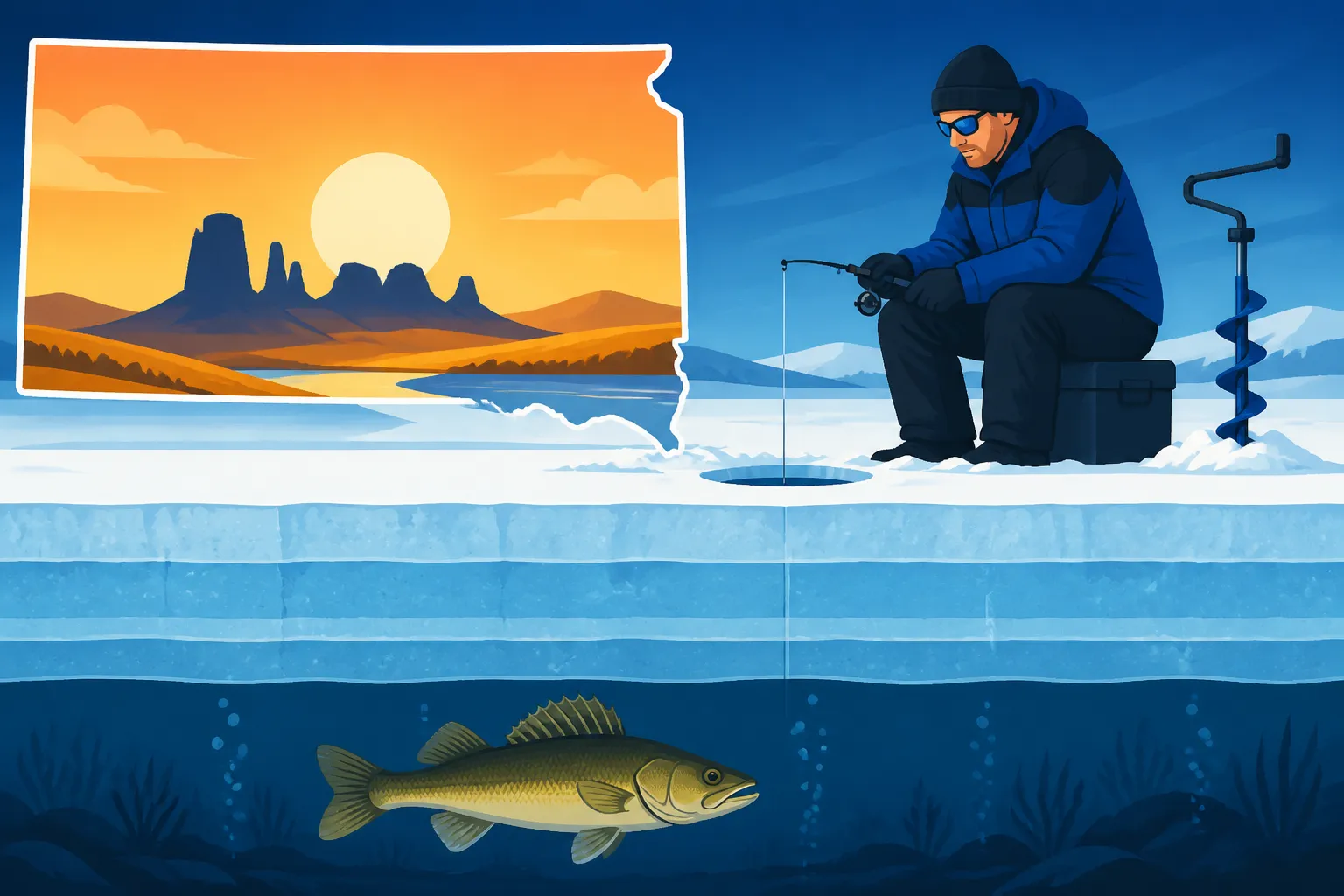
How Thick Ice Should Be Before Fishing in South Dakota
That invigorating chill in the air and the sight of our beautiful South Dakota lakes starting to skim over with ice can get any angler’s heart pounding. But that excitement, as real as it is, often comes with a nagging question: how do you know if it’s truly safe to venture out? That anxiety about ice thickness is totally valid, and it’s a question every responsible ice angler grapples with. This comprehensive guide is here to cut through the guesswork, providing clear, actionable steps and real-world advice on exactly how thick the ice should be before you commit to your next South Dakota ice fishing adventure, ensuring it's both rewarding and, most importantly, safe.
Understanding the Risks of Thin Ice
There’s an undeniable pull to early ice—the promise of aggressive fish, fewer crowds, and that pristine, untouched winter landscape. But that allure can be incredibly deceptive. Thin ice isn't just a minor inconvenience that might get your boots wet; it’s a genuine, life-threatening hazard that demands profound respect and a meticulously cautious approach. Many seasoned anglers in South Dakota have vivid stories (thankfully, usually with a safe ending) of close calls that serve as powerful, chilling reminders of how rapidly things can go from a peaceful fishing trip to a terrifying emergency. The dangers are far more complex than just "falling through."
The Hidden Dangers Beneath the Surface
The immediate shock of plunging into icy water is a brutal experience. It can trigger involuntary hyperventilation, muscle spasms, and a rapid incapacitation that can affect even the strongest swimmers. Hypothermia sets in with surprising speed, draining your body heat and severely impairing your ability to think clearly or perform a self-rescue. Beyond the immediate physical threat, consider the significant financial loss of expensive gear—your cutting-edge ice auger, your fish finder, perhaps even your ATV or a beloved fishing truck. Imagine the scene: you're miles out on a popular spot like Lake Sharpe, diligently drilling holes, only to suddenly realize too late that an underground spring or a strong current fed into the area, creating an insidious pocket of dangerously thin, unstable ice.
The seemingly serene winter landscape, particularly on large bodies of water, often conceals numerous unseen traps. These can include jagged pressure ridges formed by ice expansion, hidden cracks radiating under snow cover, areas where strong currents (common on the Missouri River system) prevent solid freezing, or even localized spots where geothermal activity or decaying vegetation release heat, constantly weakening the ice from below. These hazards aren't always visible, making a deeply informed and extremely cautious approach absolutely paramount.
Factors Affecting Ice Strength Beyond Thickness
When we casually discuss ice thickness, it’s all too easy to fall into the trap of assuming that a specific measurement, say four or five inches, automatically guarantees safety. But this is a dangerously simplistic view. The true strength and integrity of ice is a remarkably complex phenomenon, influenced by a myriad of factors far beyond a simple caliper measurement. For instance, new, clear "black ice"—formed under consistently cold temperatures without significant snow cover—is dramatically stronger, pound for pound, than cloudy, "white ice." This white ice often forms after periods of thawing and refreezing, or when it's compromised by layers of slush and snow that have become incorporated into the ice structure.
A common and perilous misconception is that all ice of the same thickness is equally safe; however, ice that forms over flowing water, such as in various sections of the Missouri River or near river inlets on large reservoirs, will always be weaker, more unpredictable, and much less stable than ice over a relatively stagnant slough or a smaller, shallower body of water like Lake Thompson. Even seemingly solid, thick ice can be honeycombed from below by persistent currents or significantly weakened by the insulating effect of heavy snow, which prevents further freezing from the top down. Furthermore, prolonged exposure to sunlight, especially during warmer spells in late winter or early spring, can cause the ice crystals to degrade, leading to a loss of structural integrity. You might measure a reassuring six inches of clear, solid ice in one spot, but just fifty yards away, a hidden pressure ridge, a geothermal vent, or an underlying spring could have reduced it to a perilous two inches. Always remember this critical safety principle: the strength of the ice is only as good as its weakest point.
Recommended Ice Thickness Guidelines for South Dakota
Successfully and safely navigating the frozen landscapes of South Dakota requires more than just luck; it demands a clear, thorough understanding of what genuinely constitutes safe ice. While it's a sobering truth that no ice is ever 100% safe, rigidly adhering to established thickness guidelines dramatically reduces your personal risk. These aren't merely polite suggestions; they are critical benchmarks and safety thresholds developed through extensive experience and rigorous safety studies, all designed to protect dedicated anglers like you. Crucially, remember that these are general guidelines, and specific local conditions—particularly on immense bodies of water like the Missouri River reservoirs or the numerous glacial lakes across the state—can fluctuate wildly and rapidly. Always consider the unique characteristics of the water body you intend to fish.
General Safety Guidelines for Foot Traffic and Gear
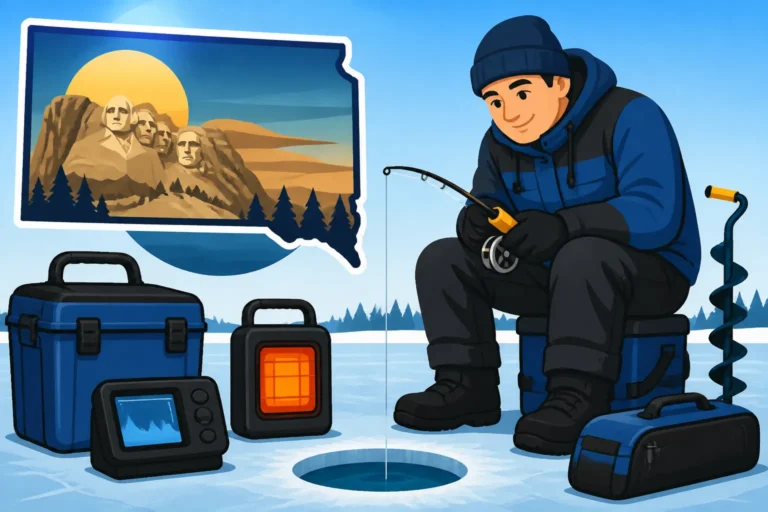
For anyone who plans to enjoy a simple walk out onto the ice, perhaps to drill a few holes and drop a line, the widely accepted rule of thumb is to wait until you have a minimum of 4 inches of clear, solid new ice. This thickness is generally considered the absolute minimum safe for a single angler on foot, carrying light gear.
However, if your plans involve bringing along a full complement of equipment—a heavy-duty spud bar, a powerful ice auger, a large bucket overflowing with tackle and bait, and perhaps even a portable ice fishing shelter—you are significantly increasing your overall weight and distributing it over a larger footprint. For this very practical reason, many truly experienced South Dakota ice anglers will not even consider venturing onto the ice until it's a much more reassuring 5 to 7 inches of solid, clear ice, especially if they’re heading out with a buddy or planning to drag a loaded sled full of gear. It is always, unequivocally, best to err on the side of extreme caution. If your visual inspection reveals ice that appears dark, honeycombed, slushy, or if you observe standing water on top of the ice, these are immediate, undeniable red flags, regardless of what your initial auger measurements indicate. If you're just starting your ice fishing journey, make sure to consult our Ice Fishing Gear Basics for Beginners for a comprehensive list of what essential items you'll need to stay both safe and comfortably warm on the ice.
Specific Thicknesses for Snowmobiles and Vehicles
Now, if your ice fishing ambitions extend to bringing out heavier equipment and vehicles, the stakes—and the required ice thickness—escalate dramatically. This is an area where you absolutely cannot afford to cut corners or make assumptions.
- Snowmobiles or ATVs: For these faster, heavier machines, you're looking at a critical minimum of 5-7 inches of clear, new ice. Even at this thickness, it's absolutely crucial to understand that traveling in a group can significantly compound the total weight on the ice, and you should always maintain ample, safe distances between machines. Actively avoid slushy areas, as they can quickly bog down your machine, create dangerous soft spots, and rapidly degrade the surrounding ice. Many local bait shops around popular spots like Webster or Pickerel Lake are invaluable resources, often posting up-to-date, hyper-local ice reports; it's always incredibly wise to consult them before heading out.
- Small Cars or Light Trucks: For those truly ambitious (and somewhat daring) enough to drive a standard passenger vehicle onto the ice, the recommended thickness jumps dramatically to 8-12 inches of consistently solid, clear ice. This represents a very significant commitment and comes with a considerably higher degree of risk. You should never, under any circumstances, attempt this without absolute, verified certainty of the ice integrity across the entire path you intend to take. Many experienced, safety-conscious ice anglers in South Dakota will tell you that even at a verified 12 inches, they would still much prefer to leave their truck safely on shore.
- Medium Trucks/Permanent Fish Houses: If you're planning to bring out a medium-sized pickup truck or one of the robust, permanent, hard-sided fish houses (which can be surprisingly heavy when fully equipped!), you're going to need a formidable 12-15 inches of clear, new ice. This is a serious undertaking that should only be considered after repeated, comprehensive ice checks performed by multiple, experienced anglers. Always ensure your permanent structure meets South Dakota Fishing Regulations Explained regarding placement and removal.
It's critically important to reiterate that these are absolute minimums. In the realm of ice safety, more ice is always, unequivocally, better. And never, under any circumstances, drive your vehicle onto an unknown body of ice without first drilling numerous test holes and meticulously verifying the thickness, especially when exploring new spots like those outlined in our comprehensive guide on Best Ice Fishing Spots on Lake Oahe.
Factors Specific to South Dakota's Waters
South Dakota's wonderfully diverse waterways present a unique array of challenges for ice anglers. The vast Missouri River reservoirs—Lake Oahe, Lake Sharpe, Lake Francis Case, and Lewis and Clark Lake—are justly renowned for their incredible fishing opportunities, but they also possess complex hydrodynamics that significantly impact ice formation and stability. Persistent, strong currents, particularly below major dams like Oahe Dam or Big Bend Dam, can keep large areas of water open or create dangerously thin, unpredictable ice patches, even in the bitter grip of mid-winter. Areas characterized by steep drop-offs or the presence of underwater springs can also lead to alarmingly inconsistent ice thickness, making localized scouting absolutely essential.
Conversely, the shallower, smaller glacial lakes that dot eastern South Dakota, such as Lake Poinsett or Lake Kampeska, tend to freeze more uniformly and often develop thicker, more stable ice earlier in the season. However, even these seemingly safer bodies of water can harbor problem spots, particularly near active inlets or outlets where water movement persists. Always, always prioritize local knowledge. Make it a habit to talk to local bait shop owners, engage with other experienced anglers, or regularly check the South Dakota Game, Fish and Parks (GFP) website for the most current conditions or any urgent advisories. These sources frequently provide vital updates or specific warnings pertaining to certain lakes, information that can literally be a lifesaver. Furthermore, understanding general trends like When Ice Fishing Season Starts in South Dakota can help you plan, but never override on-the-ice verification.
Essential Safety Gear and Practices for Ice Anglers
Even when you're confident you've got adequate ice thickness beneath your feet, safety should remain your absolute top priority. Ice fishing, particularly in a state like South Dakota where weather and ice conditions can change with startling speed, unequivocally demands meticulous preparedness. Do not, under any circumstances, allow the exhilarating anticipation of a trophy walleye bite to overshadow the paramount importance of being thoroughly ready for the unexpected. When you’re out there, whether on a bustling, popular lake or a secluded, quiet spot, being properly equipped and rigorously adhering to smart, safety-first practices can make the critical difference between a memorable fishing trip and a dire emergency.
Must-Have Safety Equipment
Before you even contemplate stepping foot onto the ice, take the time to ensure your personal safety toolkit is completely comprehensive and ready. These items are not merely suggestions; they are absolutely non-negotiable for a truly safe outing. Many of these essential safety items are readily available online through retailers like Amazon, making it easier than ever to gear up properly and effectively.
- Ice Picks: These are paramount. Designed to be worn conveniently around your neck, ice picks provide the crucial grip and leverage needed to pull yourself out of the water if you ever break through the ice. They are simple, remarkably inexpensive, and incredibly effective tools. No serious, responsible ice angler should ever be without them.
- Spud Bar or Ice Chisel: This is your indispensable primary tool for continuously testing ice thickness as you cautiously walk. Before each and every step, strike the ice forcefully. If the ice breaks through in one or two solid hits, you are unequivocally on dangerously unsafe ice. If it takes three or more powerful hits, it’s generally safer, though constant vigilance is still required. Use it particularly when venturing into unknown or questionable areas, or when approaching any visible pressure ridges or cracks.
- Throw Rope or Rescue Bag: A brightly colored, floating rope, ideally 50-75 feet long, is absolutely crucial for safely helping someone else who has fallen into the water without putting your own life at risk. These typically come neatly packed in a small, easily throwable bag.
- Whistle: Attached securely to your life vest or jacket, a loud whistle can effectively signal for help if you're in distress, especially if your voice is hoarse from cold or shock, or if you're a significant distance from others.
- Personal Flotation Device (PFD) / Flotation Suit: While not always the most comfortable garment, wearing a specialized float suit or at least a lightweight PFD can keep you afloat and significantly extend your survival time if you happen to go through the ice. Many modern ice fishing suits thoughtfully incorporate built-in flotation.
- Warm, Layered Clothing: Hypothermia is a very real, life-threatening danger. Always dress in multiple layers, and critically, avoid cotton clothing, which completely loses its insulating properties when it becomes wet. Wool and modern synthetic materials are far superior choices for warmth and moisture-wicking. Ensure your outermost layers are completely waterproof, just in case. When planning your trip, consider our detailed guide on How Cold It Gets Ice Fishing in South Dakota to help you prepare effectively for the severe elements.
- First-Aid Kit: A well-stocked, basic first-aid kit containing bandages, antiseptic wipes, pain relievers, and any necessary personal medications is always a prudent item to have on hand, not just for ice emergencies but for any minor scrapes or cuts.
- Charged Cell Phone (in waterproof bag): For critical emergencies, always keep your cell phone fully charged and safely protected in a robust, waterproof bag to shield it from moisture and the extreme cold.
- GPS or Compass: If you're venturing a significant distance onto a large, expansive lake, rapidly changing weather conditions can quickly lead to whiteout conditions. A reliable GPS unit or a traditional compass can be invaluable for navigating safely back to shore.
Best Practices for Assessing Ice and Staying Safe
Possessing the correct safety gear is only one part of the equation; knowing how to effectively use that equipment and, equally important, adopting smart, safety-conscious habits completes the full picture of ice safety.
- Never Go Alone: Always make it a strict rule to fish with a buddy, or preferably, a small group. There's undeniable safety in numbers, and an extra set of hands (and attentive eyes) can be utterly invaluable in an emergency situation.
- Tell Someone Your Plan: Before you leave, meticulously inform a trusted person on shore about exactly where you’re going, your estimated time of return, and who you’re with. This provides an absolutely crucial safety net if you fail to check in as planned.
- Check the Ice Regularly and Continuously: Do not simply rely on a single initial measurement near the shoreline. Drill frequent test holes every 10-20 yards as you venture further out, especially when moving into unfamiliar territory. This is precisely where a high-quality, reliable auger, like those discussed when researching Best Ice Augers for South Dakota Ice Fishing, truly proves its worth.
- Heed All Warning Signs: Be acutely observant for any slushy areas, visible cracks, or pronounced pressure ridges—these are all undeniable indicators of dangerously weak ice. If you see any open water, maintain a very wide berth. Discolored ice (darker often indicates thinner ice, while white or cloudy ice signifies weaker, less stable ice) should immediately raise an alarm.
- Avoid River Inlets/Outlets: Areas where rivers or streams flow into or out of a lake almost invariably have thinner, significantly less stable ice due to the continuous movement of water and varying temperatures.
- Be Acutely Aware of Changing Weather: A sudden warm spell, unexpected rain, or even heavy snowfall can rapidly and dramatically deteriorate ice conditions. Always stay rigorously informed about the latest weather forecasts for your specific fishing location.
- Spread Out: If you're fishing in a group, conscientiously maintain a safe distance from other anglers, particularly if you are on a vehicle. This practice effectively distributes weight more evenly across the ice and significantly reduces the risk of multiple individuals (or vehicles) breaking through simultaneously.
- Know Your Lake: Some lakes, due to their inherent depth, persistent currents, or active underground springs, are notoriously unpredictable regarding ice formation and stability. Lakes like Pactola Reservoir in the Black Hills, for example, have specific areas that rarely freeze thick enough for safe travel due to significant depth and water flow. Local knowledge, often diligently gleaned from resources like our South Dakota Ice Fishing Guide or reputable local bait shops, is absolutely invaluable.
By diligently combining the right safety equipment with consistently smart, cautious practices, you can confidently enjoy the fantastic South Dakota Walleye Fishing Guide opportunities that the winter season graciously offers, all while effectively minimizing your personal risk.
What to Do in an Ice Emergency
Falling through the ice is, without question, every angler's worst nightmare. However, succumbing to panic in such a terrifying situation is absolutely the worst possible response. Crucially, knowing the correct, pre-rehearsed steps for both self-rescue and safely assisting others can be the determining factor between a terrifying incident with a positive outcome and a tragic fatality. While every angler hopes never to need this critical information, being mentally prepared and knowing what to do in advance is an indispensable component of comprehensive ice safety.
Self-Rescue Techniques
If, despite your best and most diligent precautions, you tragically find yourself plunged into the icy depths, it is paramount to remember and apply the "1-10-1" rule (a widely recognized and life-saving guideline developed by cold water safety experts):
- 1 Minute: You will have approximately 1 minute to regain control of your breathing. The overwhelming cold shock will trigger an involuntary, desperate gasp. Focus intensely on slowing your breathing and consciously avoiding hyperventilation, which can quickly lead to disorientation.
- 10 Minutes: You possess roughly 10 minutes of meaningful movement and functional strength before your muscles begin to lose coordination and become incapacitated due to the profound cold. This critical window is your absolute prime time for attempting a self-rescue.
- 1 Hour: You generally have about 1 hour of survival time, provided you can keep your head above the water, before severe hypothermia becomes irreversible and fatal.
Here’s a step-by-step guide on how to execute a self-rescue:
- Don't Panic, Turn Towards Your Entry Point: Resist the overwhelming urge to panic. Immediately turn back towards the section of unbroken ice from which you just broke through. This ice, paradoxically, was strong enough to hold you mere seconds before, and it is likely the strongest, most stable ice in your immediate vicinity.
- Use Ice Picks (or Forearms): Extend your arms as far as possible onto the unbroken ice. Forcefully drive your ice picks into the ice and kick your legs vigorously in a horizontal motion to propel your body onto the surface. If you don't have ice picks (a critical oversight!), use your forearms to gain as much leverage as possible.
- Wriggle and Roll: Once you have managed to get yourself out of the water, do not attempt to stand up immediately. The ice around your entry point might still be compromised and dangerously weak. Instead, immediately wriggle and roll away from the hole, distributing your body weight as widely as possible over a larger ice surface.
- Crawl to Safety: Continue to crawl or slide back to genuinely safer, thicker ice, ideally retracing the path you originally took. Once you reach solid, verified ground or significantly thicker ice, seek immediate shelter and warmth. Remove all wet clothing and quickly get into dry, warm layers. If you're fortunate enough to be close to one, a Best Portable Heater for an Ice Shanty can become an absolutely critical life-saving device in this scenario.
Rescuing Others Safely
Your natural, human instinct might be to rush headlong towards a struggling friend or fellow angler, but this reaction, while noble, is incredibly dangerous and can very easily result in multiple victims. Instead, remember and meticulously apply the powerful, mnemonic phrase: "Reach, Throw, Go, Row."
- Reach: If the victim is close enough to shore or genuinely stable ice, and you can safely extend a branch, a fishing rod (often a surprisingly strong option), or a long stick without venturing onto compromised ice yourself, then do so. Lie flat on the stable ice to maximally distribute your weight.
- Throw: If reaching the victim is not a safe option, throw them a rescue rope, a buoyant life preserver, or even something as simple as a spare tire. Again, maintain a prone position on stable ice or solid ground. If you have a dedicated rescue bag on hand (an Amazon purchase you won't regret!), this is the perfect, intended moment to use it.
- Go (with extreme caution): This should be considered only as an absolute, last resort, and only if you have multiple rescuers present, a ladder, a very long board, or a small boat that can effectively distribute weight over a wider area. Never attempt to walk upright to a victim on thin ice. Instead, crawl or use the weight-distributing aid. Crucially, ensure that you are securely tethered to solid ground or to other rescuers to prevent becoming a second victim.
- Row (if a boat is available): If there is a boat (even a small fishing boat) readily available on shore, and it can be safely and quickly launched, this provides arguably the best and safest method for reaching a victim without putting yourself at immediate risk of falling through the ice.
Always, without delay, call for emergency services (911) immediately. They possess specialized training, equipment, and personnel specifically for ice rescues. Even if you manage a successful self-rescue or assist someone else, seeking prompt medical attention is absolutely crucial due to the severe risks associated with hypothermia and cold water immersion. South Dakota's GFP wardens are frequently among the first responders in these perilous situations, and they are expertly equipped to handle them. For information on general South Dakota fishing safety, including boat access and rules, check out South Dakota Boat and Water Access Rules.
Table: South Dakota Ice Thickness Safety Guidelines
Here’s a concise, quick-reference table designed to help you easily remember the minimum recommended ice thicknesses for various activities. Always internalize this crucial caveat: clear, new ice is by far the strongest. If you are dealing with white, cloudy, or slushy ice, you should ideally double these minimum thickness recommendations for a similar margin of safety.
| Activity / Load | Minimum Safe Ice Thickness (Clear, New Ice) | Key Considerations |
|---|---|---|
| Single Angler on Foot (light gear) | 4 inches | Always carry ice picks and a spud bar. Continuously test the ice with your spud bar as you move. Be aware of your surroundings. |
| Small Group on Foot (with gear, portable shanty) | 5-7 inches | Maintain safe distances between individuals to distribute weight. Continue to test ice frequently, especially in new areas. Seriously consider wearing a PFD or flotation suit. Equip yourself with the Best Ice Fishing Rods and Reels for your target species, but keep safety paramount. |
| Snowmobile or ATV | 5-7 inches | Travel at moderate, controlled speeds. Absolutely avoid slushy areas, which can be indicators of weaker ice. Maintain generous distances from other machines. Constantly check for and avoid pressure ridges and any visible cracks. |
| Small Car or Light Truck | 8-12 inches | Exercise extreme caution. Meticulously verify thickness across the entire intended path. Never drive over visible cracks or pressure ridges. Always have a clear escape plan and know your vehicle's exact location. |
| Medium Truck or Permanent Fish House | 12-15 inches | This level of commitment is exclusively for very experienced ice anglers after extensive and repeated verification of ice conditions. Ensure weight is optimally distributed. Be intimately familiar with and adhere to all local regulations concerning vehicle weight limits and designated access points. Consider the specific challenges of Best Ice Fishing Spots on Lake Sharpe which can have varied ice conditions. |
Disclaimer
Please be advised that this guide is intended to provide general information and safety recommendations regarding ice fishing. Ice conditions are inherently highly variable, dynamic, and can be notoriously unpredictable. Under no circumstances should any ice be considered 100% safe. Always exercise extreme caution, meticulously assess the specific local conditions at your chosen fishing spot, and prioritize your personal safety above all other considerations. It is imperative that local regulations and any advisories issued by the South Dakota Game, Fish and Parks (GFP) are consistently consulted and strictly adhered to before venturing onto any frozen body of water. Fishing on tribal lands may also necessitate specific permits and adherence to unique rules, as detailed in our guide on South Dakota Tribal Land Fishing Permits. The author and publisher of this content are not responsible for any incidents, accidents, or injuries that may occur as a result of relying on the advice provided in this article.