Best Ice Fishing Spots on Lake Sharpe
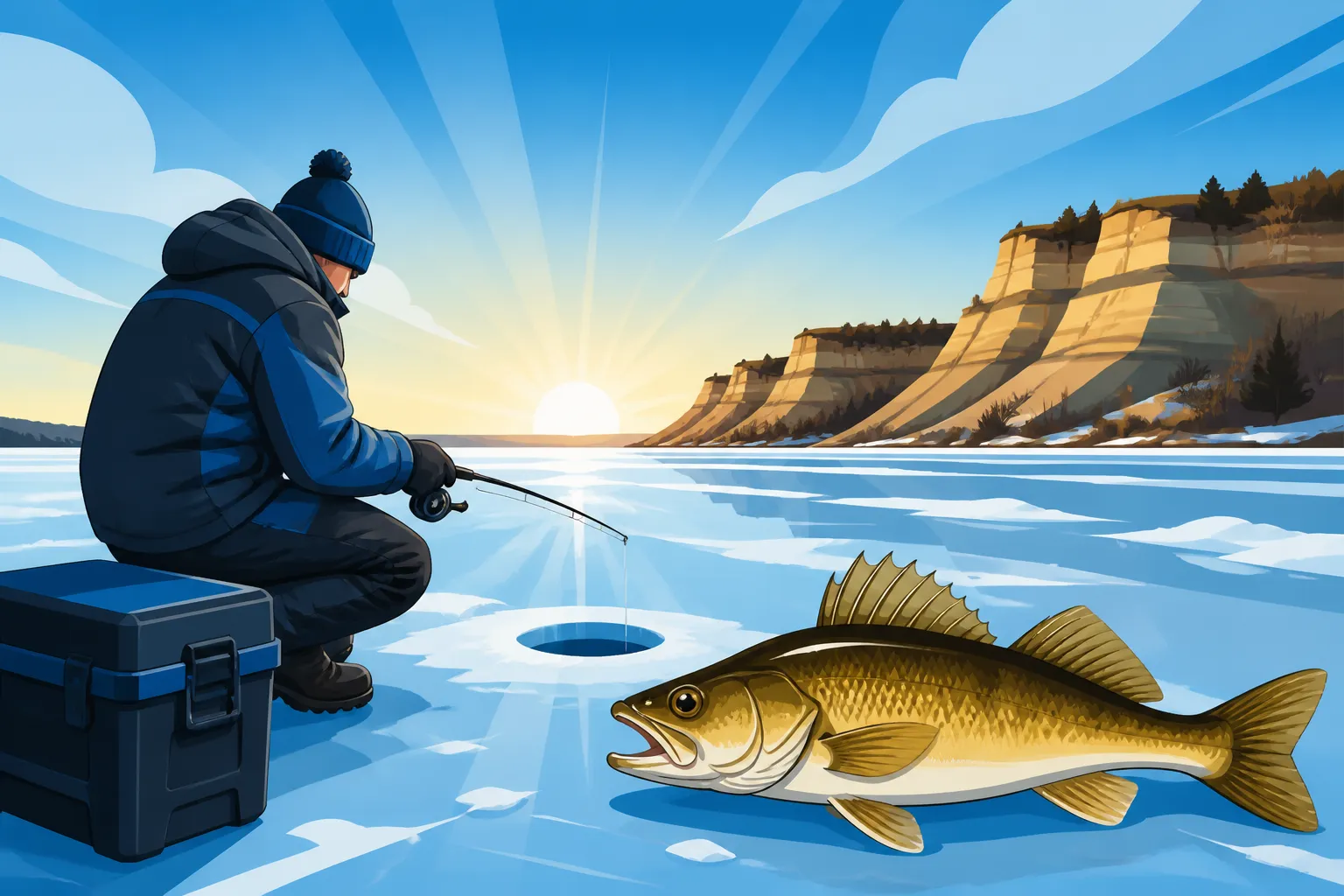
Navigating the vast, frozen expanse of Lake Sharpe in search of prime ice fishing locations can feel like an overwhelming challenge, even for seasoned anglers. With miles of diverse underwater terrain and varying ice conditions, pinpointing where the fish are biting can quickly turn a hopeful day into a frustrating one. This comprehensive guide aims to strip away that uncertainty, offering you detailed insights into the best ice fishing spots on Lake Sharpe, along with crucial tips to maximize your success targeting popular species like walleye, crappie, and perch.
Why Lake Sharpe is an Ice Angler's Paradise
Lake Sharpe, one of the four mainstem Missouri River reservoirs in South Dakota, is an absolute gem for ice anglers, especially if you're chasing walleye. Its unique characteristics, formed by the damming of the Missouri River, create an incredibly rich and diverse environment that supports a thriving fishery even under a blanket of ice. Unlike some smaller, shallower lakes that might freeze solid and become monotonous, Sharpe offers vast opportunities due to its size, depth variations, and consistent flow.
Diverse Fishery and Abundant Prey
What truly sets Lake Sharpe apart for ice fishing is the sheer diversity and abundance of its fish populations. While walleye are often the main draw, anglers can consistently find impressive numbers of crappie, yellow perch, northern pike, and even smallmouth bass in certain areas. This variety means you're not putting all your eggs in one basket; if one species isn't biting, you can often pivot to another without moving far. The ecosystem here is robust, fueled by a plentiful supply of forage fish like gizzard shad and emerald shiners. These baitfish congregate in predictable patterns during winter, which in turn draws in the predators. Understanding these baitfish movements is often the first step to unlocking a hot bite on the ice. For specific regulations on what you can keep, it's always wise to consult the latest South Dakota Walleye Limits and South Dakota Crappie and Panfish Possession Limits before heading out.
Geography and Structure for Winter Success
Lake Sharpe's geography is another significant factor in its ice fishing appeal. It stretches for over 80 miles, created by the Big Bend Dam near Fort Thompson. This elongated reservoir features a former river channel, numerous submerged points, old creek beds, islands, and extensive flats, all of which become crucial structure under the ice. Fish, especially walleye, relate heavily to these features in winter, using them as ambush points or resting areas. The subtle current that still exists in the main channel, even under the ice, helps keep oxygen levels high and can concentrate baitfish, making these areas productive. However, this current also demands extreme caution regarding ice thickness, a topic we'll dive into later. The sheer size of the lake also means there are always new areas to explore, and with a good map and a quality fish finder, you can spend an entire season discovering new honey holes.
Top Ice Fishing Hotspots on Lake Sharpe
When the ice gets thick enough, certain areas on Lake Sharpe consistently stand out as prime locations for ice anglers. These spots offer a combination of accessible structure, consistent fish populations, and relatively safer ice conditions away from the strongest currents. Remember, local knowledge is gold, so always check with bait shops or fellow anglers for the most current conditions before venturing out.
West Bend Recreation Area
The West Bend Recreation Area, located near Pierre, is arguably one of the most popular and productive ice fishing destinations on Lake Sharpe. It's popular for a reason! The area offers a fantastic mix of habitat, from gradual slopes leading to deeper water to submerged humps and points. Anglers here often target walleye, crappie, and perch. The bays within the recreation area tend to freeze earlier and thicker than the main channel, providing safer early-season access.
One of the key advantages of West Bend is the diverse structure available. You can find fish holding on the edges of the main channel, where subtle current breaks provide a feeding lane, or nestled in the protected bays where schools of crappie and perch gather over submerged vegetation or brush piles. Look for distinct drop-offs or underwater contours on your sonar. A common strategy involves setting up in 15-25 feet of water, using a combination of dead sticks with minnows and jigging spoons or tungsten jigs tipped with plastics or wax worms. The area around the boat ramps and extending towards the main lake often holds good numbers of fish. You can learn more about general access in a broader Lake Sharpe Fishing Guide.
Joe Creek Lakeside Use Area
Further down the lake, the Joe Creek Lakeside Use Area is another excellent choice, particularly if you're targeting crappie and yellow perch, though walleye are certainly present. This area features several submerged timber stands and brush piles from the pre-impoundment days, which create ideal winter habitat for panfish. These cover areas act as magnets for baitfish, and in turn, for the crappie and perch that feed on them.
When fishing Joe Creek, focus your efforts around the edges of the old creek channel and any visible submerged timber. Portable ice shelters are invaluable here, allowing you to move efficiently and drill multiple holes to locate active schools. Once you find them, they often bite aggressively. Small jigs tipped with minnows or plastics like a Chartreuse or Glow-in-the-dark Maki Plastics are incredibly effective for crappie. For perch, small tungsten jigs with a maggot or Gulp! Alive! are hard to beat. The deeper pockets, especially those near the main channel but protected from direct current, are prime wintering spots.
Hipple Lake Area
Just south of Pierre, the Hipple Lake area is a quieter, often overlooked gem for ice fishing. This section of Lake Sharpe isn't as heavily trafficked as West Bend, offering a more serene experience, but still holds excellent fishing potential. It's known for consistent walleye and perch action, with some decent northern pike lurking as well. The structure here includes expansive sand flats, subtle humps, and the remnants of the old Missouri River channel, which snakes through the area.
Anglers often find success by targeting the edges of the old river channel where it cuts through the flats. These slight elevation changes, even a few feet, can concentrate fish. Drilling a grid of holes across a flat and then focusing on the breaks is a productive approach. For walleye, rattling spoons like a Northland Forage Minnow or a Rapala Jigging Rap in perch or shad patterns can be very effective, especially when paired with a minnow head. For perch, try small spoons or tungsten jigs closer to the bottom. Because the current is generally less pronounced here, you might find slightly thicker, more stable ice in some parts, but always verify conditions rigorously.
Tailwaters Below Big Bend Dam
Now, this is a spot that requires extreme caution and is often fished by boat in open water conditions, but it's worth mentioning for its immense fishing potential, especially for trophy walleye and sauger. The tailwaters immediately below Big Bend Dam typically remain open water or have highly unstable ice due to the powerful current and fluctuating water releases. Under no circumstances should you venture onto ice in this area.
However, for those willing to venture slightly further downstream or those who are equipped for open water winter fishing from a boat (which is a different ballgame entirely), the strong currents churn up baitfish and concentrate massive schools of walleye and sauger in the deeper holes and current seams. Anglers often employ heavy jigs, blade baits, or vertically jigging spoons to reach these fish. If you're looking for an experienced guide to navigate the vastness of Lake Sharpe, a service like FishingBooker can connect you with local experts who know the ice inside and out, especially those who specialize in these challenging tailwater conditions or can advise on other safer spots further from the dam. This area presents unique challenges, but also offers the reward of truly exceptional fishing.
| Location | Primary Species Targeted | Key Features / Tips | Common Access Points |
|---|---|---|---|
| West Bend Recreation Area | Walleye, Crappie, Perch | Submerged humps, points, bay structure, current breaks. | West Bend Campground boat ramps, shoreline. |
| Joe Creek Lakeside Use Area | Crappie, Perch, Walleye | Submerged timber, brush piles, old creek channel edges. | Joe Creek boat ramp, shoreline access. |
| Hipple Lake Area | Walleye, Perch, Northerns | Sand flats, old river channel edges, protected bays. | Access off Highway 34, smaller pull-offs. |
| Big Bend Tailwaters | Walleye, Sauger | Open water/unstable ice. Powerful currents. Requires boat. | Below Big Bend Dam (river access for boats). |
Essential Gear and Techniques for Lake Sharpe Ice
Success on the ice, particularly on a large reservoir like Lake Sharpe, isn't just about finding the right spot; it's also about having the right tools and knowing how to use them.
The Right Equipment for Big Water
When you're dealing with a body of water the size of Lake Sharpe, you'll want to be well-prepared. A portable ice shelter is almost a necessity. Brands like Eskimo or Clam offer excellent thermal shelters that can withstand South Dakota's often brutal winter winds. Pair this with a reliable ice auger; a gas or propane-powered auger is often preferred for quickly drilling many holes through thick ice, though electric models are becoming increasingly popular for their quiet operation and lighter weight. You can compare different options in a Best Ice Augers for South Dakota Ice Fishing guide.
A good fish finder is your best friend. Vexilar flashers or Humminbird and Lowrance units with sonar and GPS capabilities will help you identify structure, locate fish, and mark those productive holes. For rods and reels, a medium-light action rod with a sensitive tip is perfect for detecting subtle walleye bites, while ultra-light setups are great for perch and crappie. Don't forget a selection of jigs, spoons, and live bait. For walleye, a mix of jigging spoons (like the Lindy Darter or Rapala Slab Rap) and buckshot rattle spoons, paired with live minnows, is a winning combination. Crappie and perch often prefer smaller tungsten jigs tipped with wax worms, spikes, or tiny soft plastics. It’s also good to know how long ice fishing season lasts in South Dakota so you can get the most out of your gear.
Mastering Winter Walleye and Panfish Tactics
Winter walleye on Lake Sharpe can be a bit finicky, but they are catchable. A common technique is to use a "dead stick" – a rod with a plain hook and a lively minnow suspended just off the bottom, often in a rod holder – alongside a jigging rod. The jigging action attracts attention, while the dead stick offers an easy meal for less aggressive fish. Focus on the low-light periods of dawn and dusk, which are often the most productive for walleye. For panfish like crappie and perch, look for them suspended off the bottom, often in schools. A slow, subtle jigging motion is key, and varying your depth until you find the active zone is crucial.
Many anglers also opt for guided trips, especially when exploring new waters or targeting specific species. Platforms like FishingBooker offer a convenient way to find reputable local guides who can provide boats for early and late season open water angling, or guide you on the ice. These guides often have specialized equipment, like underwater cameras, and invaluable knowledge of current conditions and patterns. For a deeper dive into the specifics of cold-weather tactics, exploring a general South Dakota Ice Fishing Guide can provide excellent foundational knowledge.
Safety and Access Considerations for Lake Sharpe
Ice fishing is an exhilarating experience, but safety should always be your top priority, especially on a large river system like Lake Sharpe where currents can create unpredictable ice conditions.
Prioritizing Ice Safety
The Missouri River reservoirs, including Lake Sharpe, can have highly variable ice thickness, particularly early and late in the season, or near current areas. Always assume ice is unsafe until proven otherwise. The general rule of thumb is at least 4 inches of clear, solid ice for walking, 5-7 inches for a snowmobile or ATV, and 8-12 inches for a small vehicle. However, these are just guidelines. Always check local ice conditions, carry safety gear like ice picks, a spud bar to test the ice, and a rope. Fish with a buddy and inform someone of your plans. Areas near bridges, inflows from tributaries, and the main channel will almost always have thinner, weaker ice due to current. Don't let the excitement of a potential bite override your good judgment. For detailed safety information, consider reviewing How Thick Ice Should Be Before Fishing in South Dakota.
Navigating Access Points and Regulations
Access to Lake Sharpe for ice fishing is generally good, with several public recreation areas offering parking and shoreline access when the ice is safe. West Bend and Joe Creek, as mentioned, are prime examples. However, keep in mind that some areas might require a bit of a hike or an ATV to reach more secluded spots. Always respect private property boundaries and only access the lake from designated public areas.
Beyond the specific spots, remember to always have your South Dakota Fishing License Guide in order. This includes understanding the general South Dakota Fishing Regulations Explained and any specific rules for Lake Sharpe. Regulations can change annually, so having the latest information from the South Dakota Game, Fish and Parks (GFP) is crucial. Some areas might have specific length or possession limits, or even special bait restrictions, so a quick check of the current GFP handbook before you head out is never a bad idea. Whether you're booking a full-day trip through FishingBooker or heading out with friends, preparation is key. Consider reaching out to a local guide you might find on FishingBooker for real-time advice on current conditions, as they often have the most up-to-date information on safe ice and active fish.
Disclaimer
The information provided in this guide is for general informational purposes only and is subject to change. Always consult the official South Dakota Game, Fish and Parks regulations, local weather forecasts, and current ice conditions before venturing out onto the ice. Ice fishing can be dangerous; always prioritize safety and never take unnecessary risks.