Bitter Lake Perch Fishing Tips
Finding those elusive schools of jumbo yellow perch can sometimes feel like trying to solve a riddle, especially when you’re fishing a new body of water or conditions have changed on a familiar one. Bitter Lake, a gem among South Dakota's glacial lakes, offers incredible perch opportunities, but knowing where and how to target them can make all the difference between a sparse bucket and a memorable haul. This guide is dedicated to equipping you with the specific insights and actionable tips you need to consistently put Bitter Lake perch on the ice or in your boat, making your next fishing trip a true success.
Understanding Bitter Lake's Perch Fishery
Bitter Lake, located in northeastern South Dakota, is part of the state's renowned glacial lakes region. These lakes are famous for their fertile waters, supporting robust populations of various fish species, including an exceptional yellow perch fishery. Before you even cast a line or drill a hole, understanding the unique characteristics of Bitter Lake and how they influence perch behavior is your first step toward success.
What Makes Bitter Lake a Perch Hotspot?
Bitter Lake is not just any lake; it possesses a unique combination of geographic and biological factors that make it particularly conducive to thriving perch populations. First, its relatively shallow basin, with an average depth of around 10-12 feet and a maximum depth approaching 20 feet in some areas, provides extensive shallow water habitat that perch absolutely adore. These shallower areas warm up quickly in spring and offer ample weed growth, which is critical for perch spawning and as a nursery for young fish.
Furthermore, the lake's rich aquatic vegetation, including submerged grasses and cattails along the shorelines, offers ideal cover and foraging grounds. Perch are ambush predators, and these weed beds provide perfect hideouts for them to surprise smaller baitfish and invertebrates. The lake also boasts a healthy population of forage species, such as shiners and insect larvae, which are primary food sources for growing perch. The fertile waters, fed by agricultural runoff and natural springs, contribute to a high nutrient content, leading to a vibrant food chain that supports not just perch, but also the larger predators like walleye and northern pike that share these waters. This ecological balance ensures a sustained and healthy perch population year after year. For a broader overview of the region, check out our South Dakota Glacial Lakes Fishing Guide.
Key Seasonal Movements of Perch in Bitter Lake
Understanding how perch move throughout the year in Bitter Lake is crucial for knowing where to find them. Their behavior is largely dictated by water temperature, spawning cycles, and the availability of food.
- Spring (Ice Out to Early June): As the ice recedes, Bitter Lake's shallower bays and northern shoreline areas, which warm up fastest, become magnets for perch. This is pre-spawn time, and perch are actively feeding to build up energy. They’ll often be found in 3-8 feet of water, often near developing weed beds or transitions from hard bottom to soft muck. As spawning approaches, typically in late April or early May when water temperatures hit the mid-40s to low 50s, they move into the thickest emergent vegetation. Post-spawn, they might disperse slightly but generally remain shallow, recovering and feeding aggressively.
- Summer (June to August): During the warmer summer months, perch will often relate to the deepest weed lines and structures that offer cooler water and dense cover. Look for them in 8-15 feet of water, especially around submerged humps, points, and the edges of expansive weed flats. Early morning and late evening can see them move shallower to feed, but during the bright midday sun, they'll retreat to the shade and cooler temperatures offered by dense weeds or deeper breaks. Strong winds can also push baitfish, and therefore perch, to wind-blown shorelines.
- Fall (September to Ice Up): Fall is often considered one of the best times for perch fishing on Bitter Lake. As water temperatures cool, perch become incredibly active, feeding aggressively in preparation for winter. They will often school up in large numbers and can be found in a wider range of depths, from shallow weed edges to main lake points and deeper basins (10-18 feet), particularly those with remaining green weed growth. Locating these schools is key, as once you find them, the action can be non-stop. They're often chasing baitfish that are also schooling up.
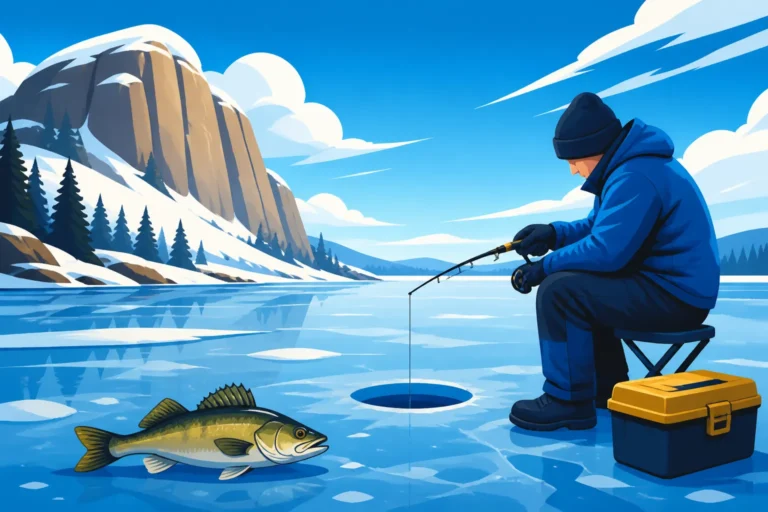
- Winter (Ice On to Ice Out): Bitter Lake becomes an ice fishing paradise in winter, renowned for its perch. Once safe ice forms, perch will typically be found congregated in deeper basin areas (12-18 feet), relating to subtle humps, depressions, or main lake flats where they can find stable temperatures and access to food. As winter progresses, they might also move to the edges of deeper weed beds that retain oxygen. First ice and last ice are generally the most productive times, with a mid-winter lull sometimes requiring more effort and finesse. If you're new to the area, checking out our South Dakota Ice Fishing Guide can provide a great foundation.
Common Perch Sizes and Expectations
One of the great appeals of Bitter Lake is the potential for genuinely large yellow perch. While you'll certainly encounter plenty of smaller "eater" perch in the 7-9 inch range, Bitter Lake has a reputation for producing "jumbo" perch, often exceeding 10 inches, with 12-14 inch fish not uncommon. The lake's rich ecosystem allows perch to grow to impressive sizes, making it a bucket list destination for many perch anglers.
Setting realistic expectations is important, though. While trophy perch are certainly possible, they are not caught on every single outing. A good day might see you catching dozens of 8-10 inch fish, with a handful of true jumbos mixed in. Anglers specifically targeting bigger fish might need to adjust their techniques, perhaps using larger baits or lures to deter the smaller ones. Always remember to check the current South Dakota Fish Limits and Size Restrictions to ensure you're compliant with regulations.
Top Techniques for Bitter Lake Perch
Catching perch on Bitter Lake often comes down to presenting the right bait or lure in the right way, especially given their schooling nature and sometimes finicky bite. Here are some of the most effective techniques to employ throughout the seasons.
Jigging and Live Bait Strategies
When it comes to Bitter Lake perch, a combination of jigging and live bait is often the deadliest strategy.
- Ice Fishing: This is where jigging truly shines. Small tungsten jigs, tipped with a small minnow head, wax worm, or plastic eurolarvae, are incredibly effective. The key is often a subtle presentation. Let the jig hit the bottom, lift it a few inches, and then gently quiver it. Perch will often hit on the fall or when the jig is barely moving. Experiment with jig colors; chartreuse, glow, pink, and orange are popular choices. Don't be afraid to try "pounding" the bottom occasionally to stir up sediment and attract attention. Spoons, like Northland Buck-Shot Rattle Spoons or Lindy Rattl'n Flyers, tipped with a minnow head, can also be fantastic for attracting fish from a distance. If you want to dive deeper into winter tactics, consider exploring resources like How to Catch Perch Through the Ice.
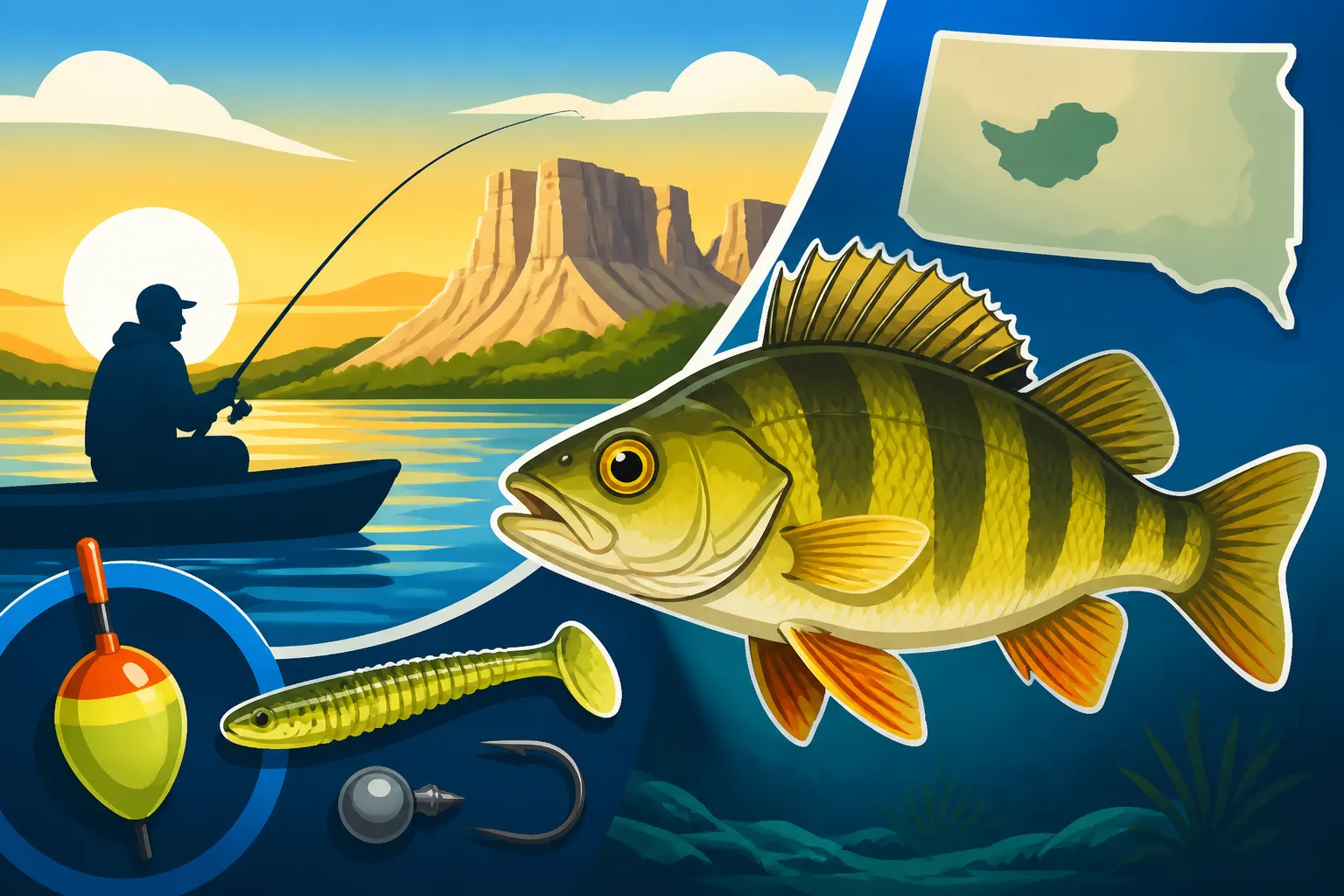
- Open Water (Boat/Shore): Light jigs (1/16 to 1/8 ounce) fished under a slip bobber are a perch angler's best friend. Tip these jigs with a small fathead minnow, a piece of nightcrawler, or even maggots. The slip bobber allows you to present your bait at a precise depth, which is critical when perch are suspended or hugging a specific weed line. Cast out, let it settle, and then impart a slow retrieve with occasional pauses. When the fish are aggressive, simply casting and slowly retrieving a small jig or a small spinnerbait (like a Beetle Spin) can also produce. For shore anglers, a simple bottom rig with a small hook and a piece of worm or minnow can be very effective, especially in areas where perch come close to shore.
Rigging for Success on Bitter Lake
Your rigging setup plays a huge role in how effectively you present your bait and detect bites.
- Slip Bobber Rig: This is almost a universal go-to for open-water perch. It consists of a bobber stop (thread or rubber), a small bead, the slip bobber itself, another small bead, a small split shot or two (just enough weight to make the bobber stand up), and finally, a small jig or hook. This allows you to easily adjust your depth to target perch at various levels in the water column. When fishing near weeds, use enough weight to get your bait through the weed canopy but not so much that it buries in the muck.
- Drop-Shot Rig: While often associated with bass, a light drop-shot rig can be deadly for perch, especially when they are holding tight to bottom structure or when you want to keep your bait stationary above the bottom. Tie a small hook (size 8-12) directly to your main line about 6-12 inches above a small sinker. You can tip the hook with a minnow, piece of worm, or a small plastic bait. This presentation keeps your bait right in the strike zone, even in current or wind, and allows for subtle action.
- Horizontal Jigs/Jigging Raps: These are fantastic for both open water and ice fishing. Brands like Rapala Jigging Raps or similar balanced minnow-shaped baits mimic wounded baitfish. They are designed to swim in circles when jigged vertically, covering a small area and attracting curious perch. Use small sizes (1/8 to 1/4 ounce) and tip the treble hook with a minnow head or wax worm for added attraction. A similar technique is using a "Dead Stick" alongside a jigging rod during ice fishing – simply leave a rod with a live minnow on a plain hook or small jig sitting in the hole, often leading to more bites. For specific ice fishing gear, our Best Ice Fishing Techniques for Lake Oahe article has some transferable tips.
Equipment Essentials for Perch Anglers
Having the right gear makes a difference in both comfort and success on Bitter Lake.
- Rods and Reels: For perch, finesse is key. Light to ultra-light spinning rods (5'6" to 6'6" range) with fast or extra-fast actions are ideal. They offer sensitivity for detecting subtle bites and enough backbone to handle a feisty jumbo. Match these with small, lightweight spinning reels (500-1000 size) spooled with 4-6 lb monofilament or fluorocarbon line. Braided line (6-8 lb test) with a 4-6 lb fluorocarbon leader can offer even more sensitivity, especially for deep-water jigging or in windy conditions. For ice fishing, ultra-light to light action ice rods, 24-30 inches long, are perfect.
- Line: As mentioned, 4-6 lb test monofilament or fluorocarbon is a good starting point. Fluorocarbon is less visible underwater and has good abrasion resistance, making it excellent for leaders. If you use braid, a high-visibility color like neon green can help you detect subtle line movements, indicating a bite before you even feel it.
- Fish Finders/Flasher Units: An absolute game-changer, especially for ice fishing on Bitter Lake. A good fish finder or flasher unit (like those from Lowrance, Humminbird, or Marcum) will show you fish under your hole, the depth, and even your bait. This allows you to adjust your presentation in real-time and know if fish are responding. In open water, a boat-mounted fish finder is invaluable for locating submerged structures, weed lines, and baitfish schools where perch are likely to be lurking. Many anglers even use portable units for kayak or shore fishing. If you're looking for guidance on choosing one, our guide to Best Fish Finders for Ice Fishing might be helpful.
- Other Essentials: Don't forget a sharp fillet knife, a cooler to keep your catch fresh, and a pair of long-nosed pliers or forceps for hook removal. A bucket with an aerator for minnows is also crucial for keeping your live bait lively.
Where to Find Perch on Bitter Lake
Locating the fish is often the hardest part of fishing. On Bitter Lake, knowing what types of structure and depth contours to look for, and how these change with the seasons, will dramatically improve your chances.
Key Structures and Depths by Season
Bitter Lake, while relatively shallow, has distinct features that attract perch throughout the year.
- Spring: Focus on the northern and western shallow bays, especially those protected from cold winds and exposed to early sunlight. Look for areas with developing weed beds, patchy bottom transitions (rock to mud), or subtle depth changes from 3-8 feet. These are prime pre-spawn and early post-spawn feeding zones.
- Summer: As the water warms, perch will often move to the main lake basin. Target the edges of expansive weed flats in 8-15 feet of water. Submerged humps, points that extend into deeper water, and even isolated rock piles can hold large schools. Pay attention to sharp drop-offs or transitions where shallow feeding areas meet deeper sanctuary.
- Fall: Fall perch can be found almost anywhere as they roam to feed. However, concentrate your efforts on main lake points, deeper weed lines that are still green, and main basin areas in 10-18 feet of water. They will often relate to the deepest contour breaks available, especially if there's a baitfish presence.
- Winter: During ice fishing season, the deepest parts of Bitter Lake (12-20 feet) are classic perch holding areas. Look for subtle depressions, humps, or flats within these deeper basins. The key is often small variations in depth or bottom content that congregate forage. Don't overlook the edges of persistent green weed beds that still hold oxygen, even if they're shallower (8-10 feet), especially during early and late ice.
When researching fishing spots or even chartering a trip, services like FishingBooker can sometimes offer insights into popular local guides who know these structures intimately, which can save you a lot of time on the water.
Interpreting Lake Conditions
Perch, like all fish, are influenced by environmental factors. Learning to read these conditions can give you a significant edge.
- Wind: Wind can be your friend! A consistent wind pushing across the lake can create a "current" that concentrates baitfish and plankton on the wind-blown side. Perch will often follow this food source. During open water, fishing wind-blown shorelines or points can be highly productive. For ice fishing, while less about current, heavy winds can still affect fish behavior and make fishing uncomfortable, so positioning your shelter strategically is key.
- Water Clarity: Bitter Lake generally has moderate clarity, but it can vary. In clearer water, perch can be more wary, requiring lighter lines and more subtle presentations. In slightly stained water, they might be more aggressive, and brighter lure colors could be effective.
- Barometric Pressure: A stable or slowly rising barometric pressure often signals an active bite. A rapidly dropping pressure, often preceding a storm, can shut fish down. Conversely, after a storm has passed and pressure stabilizes, fishing can pick up again. While not a hard and fast rule, it's a good general indicator to keep in mind.
Access Points and Navigational Tips
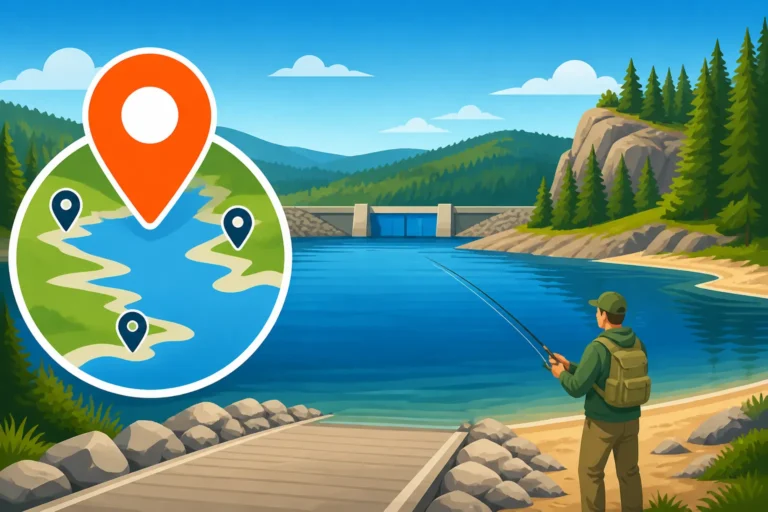
Bitter Lake offers several access points, primarily boat ramps. The South Dakota Game, Fish and Parks (GFP) manages public access areas around the lake. The main boat ramp, often referred to as the "Bitter Lake Recreation Area" or similar, usually provides good concrete ramps and ample parking. During ice fishing season, specific public access points are commonly used for foot or vehicle access, depending on ice conditions. Always prioritize safety, especially on ice, and use a reputable guide if unsure.
Navigational tips are crucial:
- Maps: Always carry a detailed lake map (paper or digital on your fish finder/GPS). These maps will show depth contours, potential weed lines, and subtle bottom features that are crucial for locating perch. Mark successful spots as waypoints on your GPS for future reference.
- Ice Safety: For ice fishing, never go out alone, inform someone of your plans, and check ice thickness regularly. Early and late ice periods are particularly dangerous. Reputable local bait shops are excellent sources for current ice conditions.
- Boat Safety: Ensure your boat is equipped with all required safety gear, including life jackets for everyone on board. For details, refer to our South Dakota Boat Safety Requirements. Bitter Lake can get choppy in strong winds, so a stable boat is advisable.
Advanced Tips for Consistently Catching Bitter Lake Perch
Beyond the basics, there are always little tweaks and observations that can significantly boost your perch catch rates. These advanced tips focus on fine-tuning your approach.
Adjusting to Finicky Bites
Sometimes, Bitter Lake perch can be incredibly picky. Here's how to adapt:
- Color Changes: Don't get stuck on one color. If chartreuse isn't working, switch to glow, then pink, then natural silver or gold. Have a wide array of jig and spoon colors in your tackle box. Sometimes, a subtle change to a more natural baitfish pattern can trigger bites, while at other times, a vibrant glow color is what they want, especially in deeper or stained water.
- Presentation Speed and Action: The speed at which you retrieve or jig your bait is paramount. If aggressive jigging isn't working, slow it down. Try barely moving the bait, just a subtle quiver, or holding it perfectly still for 10-15 seconds between lifts. Conversely, if you're marking fish but they're not biting, an aggressive jigging pattern followed by a long pause can sometimes provoke a reaction strike. In ice fishing, sometimes a rapid ascent (running the lure up through the water column) followed by a drop can trigger followers.
- Scent: Perch have an excellent sense of smell. Adding a dab of fish attractant gel or spray (like those from Berkley or Pro-Cure) to your jig or live bait can make a huge difference, especially on tough days. Minnow heads or small pieces of cut bait also release natural scent that can draw in reluctant fish. Don't underestimate the power of a fresh minnow on a jig.
Locating Large Schools
Perch are schooling fish, so finding one often means finding many.
- Electronics Use: Your fish finder is your most valuable tool for locating schools. Pay attention to dense marks, especially near the bottom or suspended over structure. If you see scattered marks, keep moving. When you hit a school, you'll know it by the sheer number of fish showing up. Don't just drill one hole and sit; be mobile, especially during ice fishing, and use your auger to cover ground until you find the mother lode. In open water, constantly scan your side-imaging or down-imaging sonar for dense schools.
- Following Baitfish: Perch follow their food. If your electronics show large schools of baitfish, perch are likely nearby, or will be soon. Often, the bigger perch will be just below or on the edges of the main bait ball. Identifying the type of baitfish (e.g., shiners) can also inform your lure choice.
- Scouting: Even when you're not fishing, keep an eye on the lake. Look for concentrations of boats, especially ice fishing shanties, as they often indicate active fish. Online fishing reports, forums, or a quick chat with a local bait shop owner can provide invaluable intel on current hot spots and patterns. Services like FishingBooker can even help you connect with local guides who are out on the water constantly and know the current bite.
Practicing Ethical Angling
As with any popular fishery, practicing ethical angling ensures that Bitter Lake continues to provide excellent perch fishing for generations to come.
- Catch and Release: While perch are fantastic eating, consider practicing selective harvest. Keep enough for a fresh meal, but release the biggest "jumbo" perch, especially those over 12 inches. These larger fish are the prime breeders and contribute significantly to the lake's genetics and population health. Proper handling, minimizing air exposure, and using de-hooking tools, are crucial for released fish survival.
- Proper Handling: Handle fish gently, especially if you plan to release them. Wet your hands before touching a fish to protect its slime coat. Avoid squeezing them too hard or dropping them.
- Selective Harvest: Instead of keeping every fish, aim for a "slot" of fish to keep – for example, focusing on 8-11 inch fish that are excellent eaters and leave the smaller ones to grow, and the largest ones to breed. Always stay informed about South Dakota Fishing Regulations Explained and any specific Bitter Lake rules for perch limits. By doing so, you contribute to the sustainability of this fantastic fishery.
Fishing Bitter Lake for perch is a truly rewarding experience. With these tips in your tackle box, you're well on your way to enjoying some of the best perch fishing South Dakota has to offer!
Disclaimer
Please note that fishing conditions and regulations can change rapidly. Always consult the latest South Dakota Game, Fish and Parks (GFP) regulations before heading out. The information provided here is for general guidance and educational purposes only. Always prioritize safety on the water and ice.