Best Ice Fishing Techniques for Lake Oahe
The thought of chasing walleye and perch through a hole in the ice on a vast body of water like Lake Oahe can feel incredibly daunting, especially when the winter winds howl and the temperatures plummet. It’s easy to feel overwhelmed by the sheer size of the lake, wondering where on earth to even begin drilling, or what magical lure will tempt those cold-water giants. But don't you worry, because this comprehensive guide is here to demystify ice fishing on Lake Oahe, arming you with the best techniques, gear insights, and safety tips to make your next trip a successful and enjoyable one.
Understanding Lake Oahe's Winter Ecosystem
Ice fishing Lake Oahe is an experience unlike any other, largely because this colossal reservoir, formed by the Missouri River, transforms into a completely different fishery once the ice sets in. Its vastness, with endless bays, points, and submerged structures, can be intimidating, but understanding how the lake’s ecosystem changes in winter is the first step to finding those elusive fish.
Key Forage and Fish Behavior
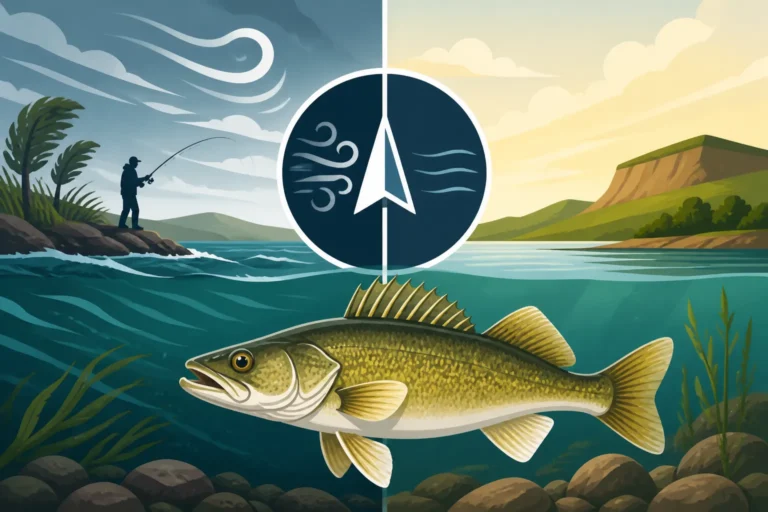
When the mercury drops and a thick layer of ice encases Lake Oahe, the entire underwater world slows down. Fish, especially walleye, perch, and northern pike, become less active, but they still need to eat. Their metabolism slows, which means they aren't chasing down prey with the same gusto as in open water. This shift in behavior makes understanding their winter diet crucial. On Lake Oahe, primary forage includes various species of minnows, young-of-the-year shad, and even small panfish. The presence and concentration of these baitfish will dictate where the predatory species, like walleye, decide to hold. They’ll often congregate in specific areas where baitfish are abundant, conserving energy by staying close to their food source rather than actively hunting over large distances.
This means that while the fish are still feeding, they might be more selective, and you'll often need to present your bait right in front of them to elicit a strike. They're not going to expend a lot of energy pursuing something if it's not worth the calories. Knowing where the baitfish are "wintering" — often in deeper pockets, along breaks, or near prominent submerged structures — becomes paramount to success. It's like finding a buffet line for fish; once you locate the food, the diners aren't far behind.
Reading the Ice and Structure
Lake Oahe is enormous, stretching hundreds of miles, and its structure is incredibly diverse. From deep main-lake basins to shallow, protected bays and submerged river channels, there’s a lot to consider. In winter, fish often relate to specific types of structure that offer a combination of cover, current protection, and proximity to food. Look for submerged points, humps, sharp breaklines where shallow water quickly drops into deeper channels, and areas where the old river channel meanders. These are natural congregation points for both baitfish and the predators that feed on them. The ice itself can also tell a story; areas with consistent, uniform ice might indicate stable conditions, while areas with varying ice thickness or pressure ridges can be more dangerous, but sometimes also more productive due to slight current movements or oxygenated water. Always prioritize safety first when reading the ice.
Using good contour maps, whether on paper or digitally through a GPS unit, is non-negotiable for understanding the underwater topography. Before you even drill a hole, study these maps to identify promising structures. The goal is to find those subtle nuances on the bottom that might hold a school of walleye or a massive slab of perch. Remember, the fish don't spread out randomly; they relate to their environment. A slight break or a small rock pile might be all it takes to hold a concentrated group of fish. Familiarizing yourself with the South Dakota Fishing Depth Charts by Season can also give you a leg up on where to start looking.
Essential Gear and Setup for Lake Oahe
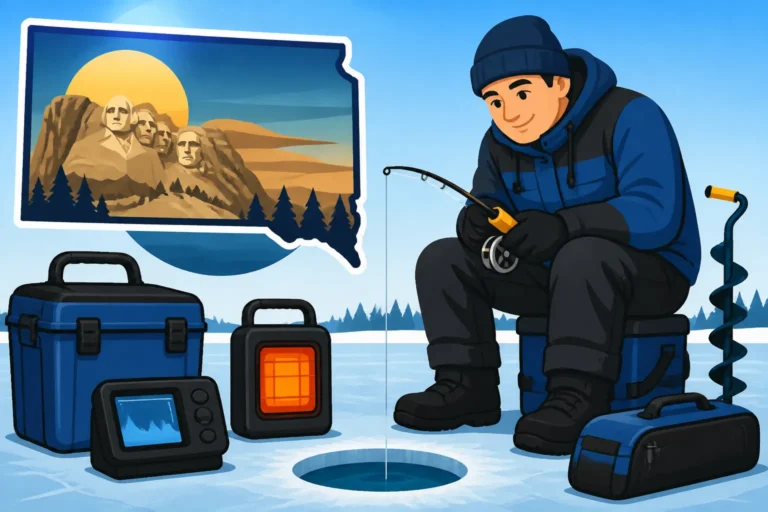
Venturing onto the ice of Lake Oahe without the right gear is like going into a gunfight with a butter knife – you're just not prepared. The right equipment not only maximizes your chances of success but, more importantly, ensures your safety and comfort in potentially harsh conditions. If you're just starting, you can find a lot of reliable gear on platforms like Amazon to get you going. For a more comprehensive overview, check out our Essential Gear Checklist for a South Dakota Ice Fishing Trip.
Rods, Reels, and Line Selection
For walleye and larger perch on Lake Oahe, you’ll want a rod with a good backbone but enough sensitivity to detect light bites. A medium-light to medium power ice rod, typically 28 to 36 inches long, is a solid choice. The shorter length is ideal for fishing inside a portable shelter. Paired with a spinning reel in a 500 to 1000 size, spooled with 4-8 pound test monofilament or fluorocarbon, you'll have a versatile setup. Many anglers are also turning to braided line with a fluorocarbon leader for increased sensitivity and strength. The "no-stretch" quality of braid can be a game-changer when bites are subtle or when fishing in deeper water, allowing you to feel even the faintest tap.
When it comes to line selection, the cold water and often clear conditions of Lake Oahe in winter mean that stealth can be an advantage. Fluorocarbon is less visible underwater than monofilament and has excellent abrasion resistance, which is great if you're fishing around rocks or other submerged structures. Monofilament offers a bit more stretch, which can be forgiving with aggressive hooksets or when fighting a larger fish on light tackle. Choosing between these often comes down to personal preference and the specific technique you're employing. Don't be afraid to experiment to find what works best for you.
Shelters, Augers, and Electronics
Your shelter is your sanctuary on the ice, especially during those blustery South Dakota days. Portable flip-over shelters or pop-up hubs provide crucial protection from the wind and cold, making your time on the ice far more enjoyable and allowing you to focus on fishing. Brands like Clam, Eskimo, and Shappell offer a wide range of options, and many can be easily found on Amazon. For drilling holes, a good auger is indispensable. Whether you opt for a hand auger, a propane-powered auger, or an electric auger, choose one that can handle the thick ice often found on Lake Oahe. An 8-inch auger is a versatile size, large enough for most walleye and pike, but manageable for drilling multiple holes. Electric augers have become increasingly popular for their quiet operation and lack of fumes, especially beneficial inside a shelter. You can find excellent reviews and options for Best Ice Augers for South Dakota Ice Fishing on our site.
Electronics, particularly a flasher or a fish finder, are game-changers for ice fishing on Lake Oahe. A flasher unit, like those from Vexilar or Marcum, provides real-time sonar readings, showing you exactly where your lure is in the water column and when a fish approaches it. This immediate feedback allows you to adjust your presentation on the fly. More advanced fish finders with GPS capabilities can help you mark productive spots and navigate back to them easily, which is invaluable on such a large body of water. Having a reliable unit to help you locate fish and structure is covered in our guide on Best Fish Finders for Ice Fishing. Without one, you're essentially fishing blind, which can be incredibly frustrating when trying to locate schools of fish in such a vast environment.
Top Ice Fishing Techniques for Walleye and Perch
Once you're geared up and understand the lay of the icy land, it's time to talk tactics. Ice fishing isn't just about dropping a line; it's about active presentation, enticing subtle bites, and understanding fish behavior. For walleye and perch on Lake Oahe, a few techniques consistently prove their worth. To broaden your understanding of specific presentations, our Winter Walleye Fishing Techniques article offers even more detailed insights.
Jigging Strategies for Walleye
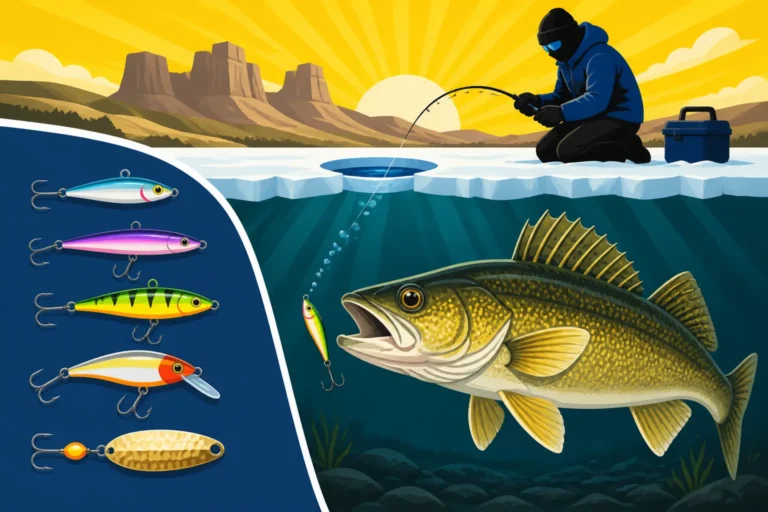
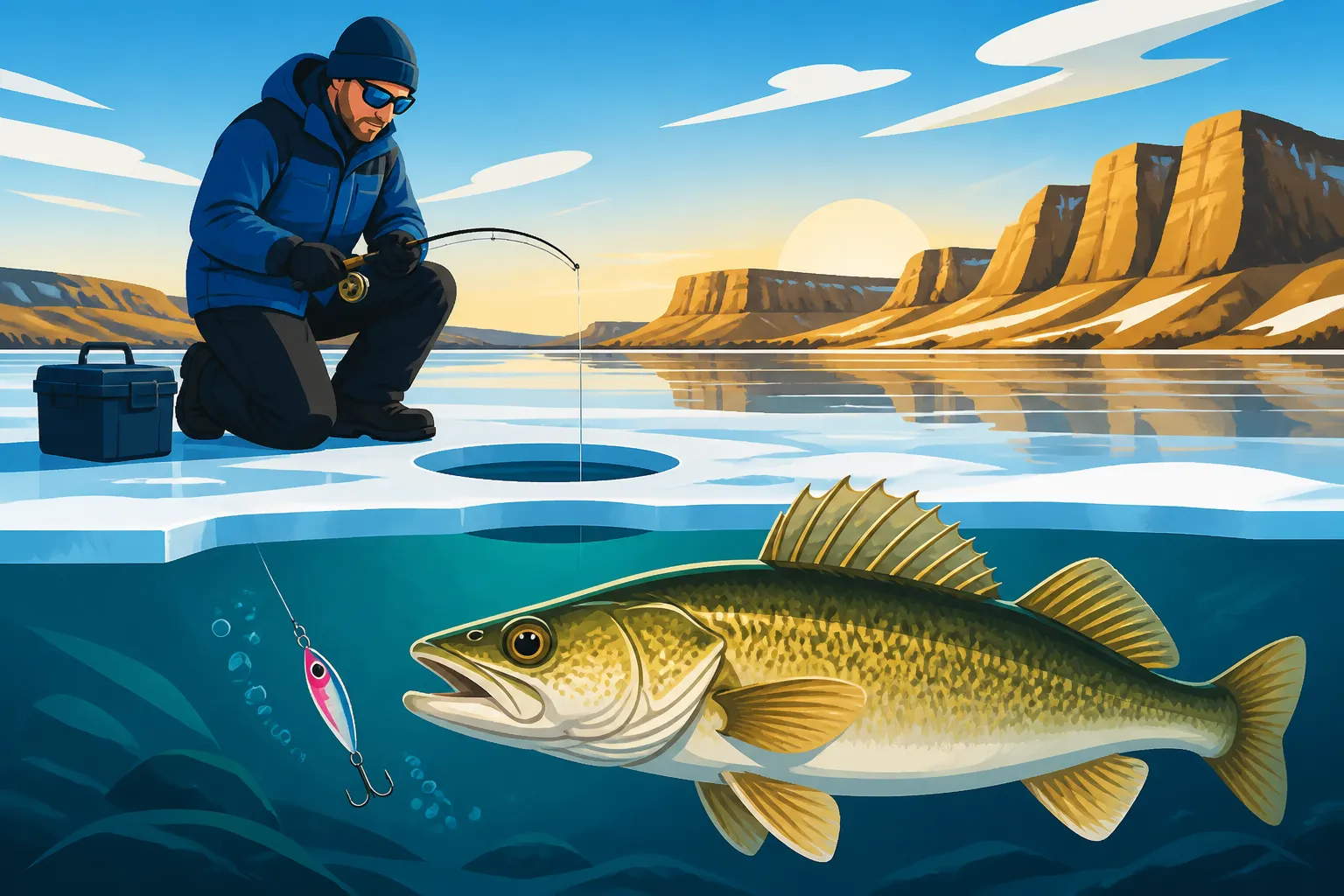
Jigging is arguably the most popular and effective technique for walleye through the ice. It’s an active presentation that allows you to vary your lure’s action and appeal to less aggressive fish. Walleye on Lake Oahe often respond well to a variety of jigging spoons, like the Rapala Jigging Rap, Northland Forage Minnow, or Lindy Darter. The key is to experiment with different jigging motions: sharp rips, subtle lifts, pauses, and light quivers. Sometimes a hungry walleye will smash a aggressively jigged spoon, while other times, a barely perceptible twitch after a long pause is what finally triggers a strike. Tipping your spoon with a minnow head or a maggot can add scent and appeal, especially on slow days.
Depth control is also crucial. Walleye will often hug the bottom, but they might suspend a few feet off it, especially if baitfish are present. Pay close attention to your electronics to see where fish are appearing and adjust your lure depth accordingly. If you mark a fish but it doesn't bite, try lifting your lure slowly above its eye level – this can sometimes provoke a chase response. Varying your presentation and being patient, especially on tougher days, will often lead to success. Remember, even a slight change in your jigging cadence can make all the difference.
Finesse Techniques for Perch
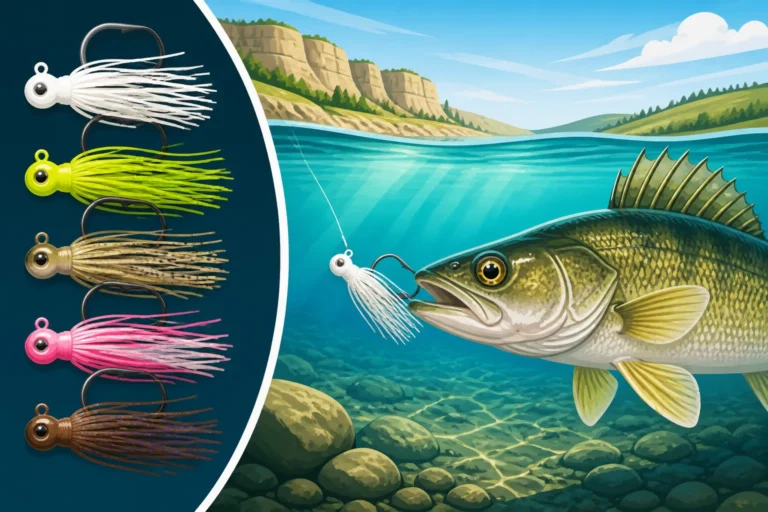
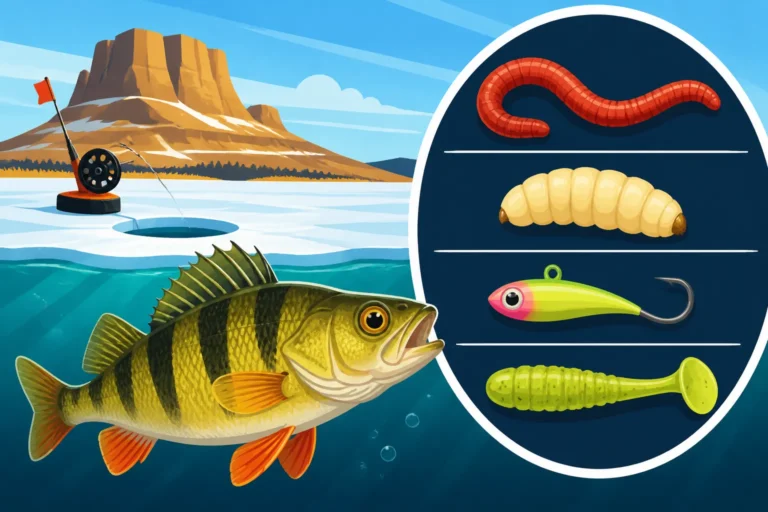
While walleye often draw the most attention, Lake Oahe is also known for producing impressive yellow perch. These panfish, while smaller, can provide fast action and make for excellent table fare. For perch, finesse is the name of the game. Smaller jigging spoons, tungsten jigs tipped with wax worms, spikes, or a small minnow, are deadly. The key is to use light line (2-4 lb test) and a sensitive rod to detect their often incredibly subtle bites. Perch will often just "mouth" the bait, and if you're not paying attention, you'll miss them entirely. Presentation should be delicate – small lifts, quivers, and deadsticking are often most effective.
Perch often school up, so once you find one, you're likely to find more. They tend to relate to softer bottoms, weed edges (if any remain), or the shallower ends of points and humps. They're also often found in slightly shallower water than walleye, though they can coexist in the same areas. If you're targeting perch, start by drilling a series of holes in varying depths and work them systematically. The first few fish caught can give you clues about their preferred depth and location on a given day. You can learn more about specific baits in our Best Bait for Ice Fishing Perch guide.
Deadsticking and Setlines
Sometimes, fish simply aren't in the mood to chase. This is where a "deadstick" or setline comes into play, often used in conjunction with active jigging. A deadstick is essentially a second rod (where legal; always check South Dakota Fishing Regulations Explained for the number of lines allowed) set up with a live minnow, often hooked lightly through the back or lips, suspended just off the bottom or at a depth where fish are being marked. The rod is placed in a holder, and you simply wait for a fish to take the bait. The natural movement of a live minnow can be incredibly effective for enticing hesitant walleye or northern pike that might ignore a jigged lure.
The beauty of deadsticking is its passive nature. You can actively jig one hole, while your deadstick acts as a "silent assassin" in another. Many times, the fish you pick up on the deadstick are larger, more cautious individuals. For optimal presentation, use a small split shot or a very light jig head to keep the minnow in the strike zone without hindering its natural movement. This technique requires patience, but when a fish finally pulls the rod tip down, it's an exhilarating moment. Don't forget that using live bait, especially minnows, can significantly increase your chances of success, and many anglers swear by them, particularly for finicky winter walleye.
Advanced Tactics and Locating Fish
Ice fishing on Lake Oahe isn't just about luck; it's a strategic game of cat and mouse, especially with its vastness. Employing advanced tactics and making smart use of your tools can drastically improve your catch rates.
Using Electronics to Your Advantage
Modern ice fishing electronics are far more than just "fish finders"; they are essential communication devices that tell you what's happening beneath the ice. Your flasher or fish finder is your window into the underwater world. Don't just look for fish arches; learn to interpret the signals. See your jig falling? Good. See a fish come up and check it out? Now you know something’s interested. Does the fish shy away? Time to change your jigging motion, lure color, or even the bait itself. Pay attention to how the fish reacts to your presentation. If they approach quickly, they might be aggressive. If they slowly rise and then disappear, they're likely wary, and a more subtle approach is needed.
Utilize the zoom function to focus on the bottom few feet, where many walleye and perch will be holding. Mark waypoints on your GPS whenever you catch a fish or locate promising structure. These waypoints become invaluable data points for future trips. A detailed understanding of your unit can help you distinguish between baitfish clouds, individual predators, and even bottom composition. Take the time to read the manual and practice using your electronics; they are your most powerful ally on the ice. Understanding how to use these tools effectively is critical for How to Read a Fish Finder for Walleye and other species.
Drilling Smart and Staying Mobile
On a lake as massive as Oahe, you can't just pick one spot and hope for the best. Mobility is key. Don't be afraid to drill many holes and move frequently until you locate active fish. Think of it as mapping the lake on the fly. Start by targeting known structures like points, humps, or drop-offs, but don't be afraid to explore surrounding areas. Drill a series of holes in a grid pattern or along a depth contour to cover different depths and segments of the structure. The old adage, "if you're not catching fish, move," is especially true for ice fishing.
When drilling, try to be as quiet as possible. Fish can be sensitive to vibrations, especially in shallower water. Once you've drilled a hole, give it a few minutes. If you don't see any activity on your flasher or get a bite, move to the next hole. This strategic drilling allows you to quickly eliminate unproductive areas and concentrate your efforts where fish are present. Often, the most successful ice anglers aren't the ones who sit still the longest, but the ones who effectively cover the most water, methodically searching for active schools. You'll thank yourself for having a good quality auger, especially an electric one, when you're drilling 30+ holes in a day.
Safety and Comfort on the Ice
While the pursuit of trophy fish is exciting, nothing is more important than your safety and comfort while ice fishing on Lake Oahe. The conditions can be unforgiving, and proper preparation is paramount. Before heading out, make sure you understand How Thick Ice Should Be Before Fishing in South Dakota for a safe trip.
Ice Safety Protocols
Lake Oahe, being a large reservoir with current, can have variable ice conditions. Always assume the ice is unsafe until proven otherwise. Never venture out alone, especially onto unfamiliar ice. Carry ice picks around your neck, a spud bar to check ice thickness as you go, and wear a PFD (personal flotation device) or a float suit. Tell someone where you're going and when you expect to return. Be aware of pressure ridges, areas of moving water (especially near the main river channel or inflows/outflows), and changes in ice color, which can indicate varying thickness or structural integrity.
A minimum of 4 inches of clear, solid ice is generally considered safe for individual foot travel, but more is needed for groups, ATVs, or vehicles. Avoid areas around docks, bridges, or aerators, as ice in these locations can be unstable. Always check local ice reports from bait shops, the South Dakota Game, Fish and Parks (GFP), or experienced anglers before heading out. Remember, no fish is worth risking your life. This dedication to safety is also highlighted in our South Dakota Ice Fishing Guide.
Staying Warm and Prepared
Comfort directly impacts your enjoyment and ability to focus on fishing. Dressing in layers is crucial. Start with a moisture-wicking base layer, add insulating middle layers (fleece, down), and finish with a waterproof and windproof outer shell. Insulated boots, warm gloves or mittens (and a spare pair!), and a good hat are non-negotiable. Chemical hand and foot warmers can be a lifesaver on particularly frigid days. Beyond clothing, bring plenty of hot drinks in a thermos, high-energy snacks, and a portable heater for your shelter.
A small first-aid kit, a fully charged cell phone, a headlamp, and a tow rope are also essential items for your ice fishing kit. Even if you're only planning a short trip, conditions can change rapidly on Lake Oahe, and being prepared for the unexpected is always wise. Ensuring you have these items on hand means you can spend more time enjoying the fishing and less time worrying about the elements. Getting all your gear organized is a breeze if you shop for items like durable storage containers or even specialized ice fishing sleds on Amazon.
South Dakota Ice Fishing Regulations
Fishing on Lake Oahe, even through the ice, means adhering to the regulations set forth by the South Dakota Game, Fish and Parks. Ignorance of the law is never an excuse, and game wardens are active on the ice to ensure compliance.
Understanding License and Permit Requirements
First and foremost, you need a valid South Dakota fishing license. This applies to most anglers over the age of 16. Non-residents will need to purchase a non-resident license. There are various options, including annual, three-day, or even one-day licenses, depending on the length of your stay. Remember that purchasing a license also often requires a Habitat Stamp, which directly supports conservation efforts in the state. You can easily purchase your license online through the GFP website, at bait shops, or certain retailers. If you're unsure about the specifics, our South Dakota Fishing License Guide is an excellent resource, detailing everything from costs to exemptions like those for children or certain disabled veterans. Always have your license readily available while fishing, either physically or digitally on your phone.
Beyond the general license, be aware of any specific permits if you plan to fish on tribal lands adjacent to Lake Oahe, as these may have their own additional requirements. It's always best to check with the specific tribe or the GFP if you intend to fish in such areas to avoid any issues.
Daily Limits and Size Restrictions
Perhaps the most critical regulations to understand are the daily and possession limits for the species you're targeting. For walleye, which are king on Lake Oahe, there are specific daily and possession limits that can vary by season or even by specific body of water within the Lake Oahe system. For example, the current walleye regulations for Lake Oahe specify a daily limit of four and a possession limit of eight. Be mindful of these numbers and measure any fish close to minimum or maximum sizes to ensure legality. Our South Dakota Walleye Limits guide can provide the most current and detailed information.
Perch, crappie, and northern pike also have their own specific limits. It's not uncommon to encounter a slot limit for walleye in certain areas, meaning fish within a specific size range must be immediately released. Always consult the current year's South Dakota Fishing Regulations Explained handbook, available online or at license vendors, before you head out. These regulations are in place to ensure sustainable fish populations for future generations of anglers, and complying with them is our responsibility as stewards of the outdoors.
Table of Common Lake Oahe Ice Fishing Techniques
| Technique | Target Species | Lure/Bait Type | Action/Presentation | Ideal Conditions | Notes |
|---|---|---|---|---|---|
| Jigging Spoons | Walleye, Perch, Pike | Rapala Jigging Rap, Northland Forage Minnow, Slab Raps | Aggressive rips, subtle lifts, quivers, long pauses. Tip with minnow head or maggot. | Active fish, moderate depths, early morning/late afternoon. | Versatile, great for covering water, triggers reaction strikes. |
| Finesse Jigs | Perch, Crappie, Walleye | Tungsten jigs, VMC Tungsten Drop Jigs, small plastics | Delicate lifts, tiny twitches, deadsticking. Tip with wax worms, spikes, minnow head. | Finicky fish, clear water, light bites. | Best for subtle bites, requires sensitive rod. Perch often hug the bottom. |
| Deadsticking | Walleye, Pike, Larger Perch | Live minnows (shiners, fatheads), small suckers | Rod in holder, minnow suspended near bottom or fish. Natural movement. | Slow bite days, cautious fish, pairing with active jigging. | Excellent for larger, less active fish. Check local regulations on number of lines. |
| Rattle Spoons | Walleye, Pike | Clam Rattlin' Blade Spoon, Rapala Rattlin' Rap | Aggressive jigging to create noise, followed by pauses. Can be tipped with bait. | Stained water, low light, actively searching for fish. | Sound attracts fish from a distance. |
| Tip-Ups | Pike, Walleye | Large live minnows, dead bait fish | Static presentation, flags indicate a strike. Set bait at desired depth. | Covering multiple areas, waiting for trophy fish, overnight fishing (where legal). | Allows you to fish multiple holes and stay mobile while waiting for flags. |
Disclaimer
Always check the most current South Dakota Game, Fish and Parks regulations before heading out on the ice, as rules and conditions can change. Ice fishing can be dangerous; prioritize safety above all else. This guide is for informational purposes only and does not constitute professional advice.