Essential Gear Checklist for a South Dakota Ice Fishing Trip
Stepping onto a frozen lake in South Dakota for the first time can be an exhilarating, yet incredibly daunting, experience. The vast, stark beauty of a snow-covered landscape quickly loses its charm if you're shivering uncontrollably or can't find a single fish. Many new ice anglers, and even some seasoned ones, underestimate just how crucial the right gear is to truly enjoying a day on the hardwater and staying safe in unpredictable conditions. This guide is designed to cut through the confusion and give you a comprehensive, no-nonsense checklist of everything you'll need for a successful and comfortable South Dakota ice fishing trip.
Staying Warm and Safe on the Ice
The number one priority when ice fishing in South Dakota is staying warm. The wind can whip across those open lakes, and temperatures can plummet, turning a fun outing into a miserable ordeal in a hurry if you're not prepared. Don't be that person cutting their trip short because of frozen fingers and toes!
Layering Up for South Dakota's Extreme Cold
Think of your clothing as a system, not just a bunch of random items. Cotton is a definite no-go for base layers because it holds moisture and will make you feel colder once you start to sweat or get damp.
- Base Layers (Next to Skin): Start with moisture-wicking synthetic or merino wool long underwear. These materials pull sweat away from your body, which is critical for staying dry and warm. Imagine hiking across a snowfield to your spot, breaking a sweat, and then sitting still for hours. If that sweat stays on your skin, you're in for a world of hurt.
- Mid-Layers (Insulation): This is where you add warmth. Fleece jackets, vests, or even a puffy down jacket work well here. The idea is to trap warm air close to your body. You might want a couple of options so you can adjust throughout the day. A lighter fleece for milder days, a heavier one for when the mercury really drops.
- Outer Shell (Protection): Your outermost layer needs to be waterproof and windproof. A good quality ice fishing suit, often a bib-and-jacket combo, is ideal. Many of these suits also come with built-in flotation, which is a fantastic safety feature, especially when navigating unfamiliar ice. They're designed specifically for the extreme conditions you'll face on South Dakota lakes like Lake Oahe or Lake Sharpe.
Essential Footwear and Headwear
Your extremities are the first to get cold, so protecting your head, hands, and feet is paramount.
- Insulated, Waterproof Boots: This isn't just about warmth; it's about keeping your feet dry. Slush, melting ice, and even just the moisture from drilling holes can quickly soak through inadequate boots. Look for boots rated for extreme cold (e.g., -40°F or colder) with thick, rubber soles for grip. Many anglers swear by brands known for their heavy-duty winter footwear.
- Wool Socks: Layering applies here too! Wear a thin wicking liner sock underneath a thick pair of merino wool socks. Again, avoid cotton. Having an extra pair in your pack is always a smart move.
- Warm Hat and Balaclava: A good wool or fleece hat that covers your ears is essential. On truly brutal South Dakota days, a balaclava or neck gaiter worn under your hat can make a huge difference, protecting your face and neck from biting winds.
- Insulated Gloves or Mittens: Gloves offer dexterity, but mittens are generally warmer. Some anglers bring both: thin gloves for handling fish and bait, and thick mittens for when they're not actively fishing. Look for waterproof options, as your hands will inevitably get wet.
Shelter and Heat for Your Ice House
While some brave souls fish in the open, an ice shelter and a reliable heat source are game-changers for comfort and extending your time on the ice.
- Portable Ice Shelter: These come in various styles, from pop-up hub shelters to flip-over shanties. Pop-ups offer more space for groups, while flip-overs are quick to set up and move, ideal for chasing fish. Many popular shelters are designed to be light and easy to transport, which is a blessing when you’re pulling gear across a frozen expanse.
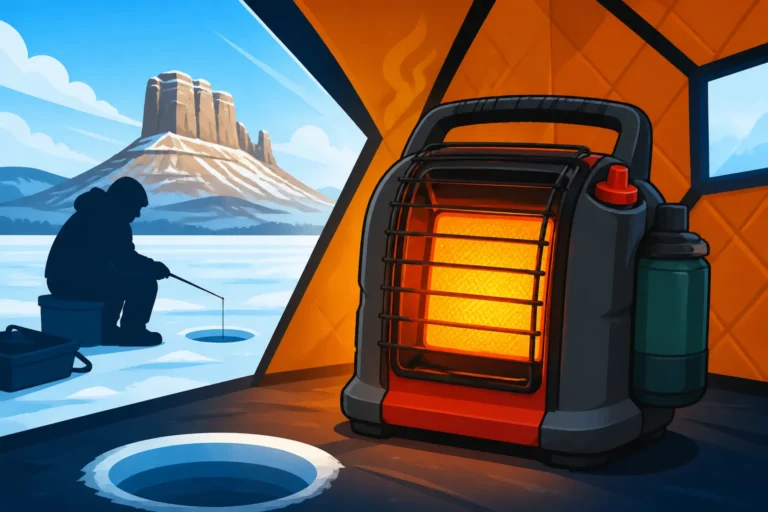
- Reliable Heater: Propane heaters are the most common choice. Models like the Buddy Heater are popular for their portability and safety features. Always ensure proper ventilation to prevent carbon monoxide buildup. This isn't just a suggestion; it's a critical safety measure. You can find options for Best Portable Heater for an Ice Shanty at most sporting goods stores or online retailers like Amazon.
- Propane Tanks: Bring enough fuel! A 1-pound cylinder might last a few hours, but larger 20-pound tanks (with an adapter hose) are more economical for longer trips or multiple days. Nothing ends a warm day faster than running out of propane.
Critical Safety Gear
Ice fishing, while incredibly fun, carries inherent risks. Being prepared for emergencies is non-negotiable.
- Ice Picks: These are paramount. Wear them around your neck. If you break through the ice, they give you the grip needed to pull yourself out. They are literally a lifesaver.
- Spud Bar or Auger: Always test ice thickness as you go, especially on unfamiliar waters or early/late in the season. A spud bar is a heavy chisel used to test the ice ahead of you. An auger can also serve this purpose by drilling test holes. Understanding How Thick Ice Should Be Before Fishing in South Dakota is crucial.
- Rope: A length of sturdy rope can be thrown to someone who has fallen through or used to tow gear.
- First Aid Kit: A basic kit for cuts, scrapes, and minor injuries.
- Charged Phone and Power Bank: For emergencies and communication. Ensure it's fully charged, and consider a portable power bank, as cold can drain batteries quickly.
- Whistle: To signal for help if needed.
- GPS Unit or Map App: Knowing your location and how to get back to shore, especially in whiteout conditions, is vital. Many anglers use a dedicated Best GPS Unit for Marking Fishing Spots or a reliable app on their phone.
Your Fishing Arsenal for Hardwater Success
Once you're warm and safe, it's time to focus on what you came for: catching fish! South Dakota's lakes offer fantastic opportunities for walleye, perch, northern pike, and more through the ice.
Rods, Reels, and Line Built for Ice
Ice fishing rods and reels are specialized for the unique challenges of fishing through a small hole in the ice.
- Ice Fishing Rods: These are much shorter than open-water rods, typically ranging from 24 to 36 inches. The shorter length allows for easier maneuvering inside a shack and gives you better control over your presentation in a small space. Different rods are designed for different species – a sensitive panfish rod for crappie and perch, or a stiffer medium-action rod for walleye and pike.
- Ice Fishing Reels: Spinning reels are most common. Look for models with a good drag system and cold-weather lubricants. Some anglers prefer "inline" reels, which prevent line twist, particularly beneficial for small jigs.
- Ice Fishing Line: Monofilament, fluorocarbon, or braided line can all be used.
- Monofilament: Affordable, good stretch, easy to handle in cold.
- Fluorocarbon: Less stretch, nearly invisible underwater, great for finicky fish. Often used as a leader.
- Braided Line: Extremely strong, no stretch, good for feeling light bites. Many anglers use braided line with a fluorocarbon leader. Consider the specific species; Best Line Weight for South Dakota Catfish would be heavier than for panfish.
The All-Important Ice Auger
You can't fish without a hole! The right auger makes the job quick and efficient.
- Manual Augers: Affordable and quiet, but they require significant physical effort, especially in thick ice. Good for casual anglers or those who only drill a few holes.
- Power Augers: These are a game-changer for serious ice anglers.
- Propane Augers: Reliable, run clean, and start easily in cold weather.
- Electric Augers: Quiet, no fumes (great for inside shelters), but battery life is a consideration. Many run off standard drill batteries.
- Gas Augers: Powerful, but louder and produce fumes. Less common for smaller, portable setups.
- Sharp Blades: Regardless of the type, always ensure your auger blades are sharp. Dull blades make drilling a chore and can be dangerous. Pack a blade cover for safety. You might find detailed comparisons and recommendations in our guide on Best Ice Augers for South Dakota Ice Fishing.
Electronics to Find the Fish
Modern electronics have revolutionized ice fishing, helping anglers locate fish and understand their behavior.
- Flashers (Sonar Units): Brands like Vexilar and Marcum are synonymous with ice fishing flashers. These real-time sonar units show you instantly what's under your hole – fish, your lure, and the bottom. They are invaluable for understanding fish activity and adjusting your presentation. Many anglers use them to track their jig as it drops and see how fish react to it.
- Underwater Cameras: These allow you to visually inspect what's below the ice. You can see fish, bottom structure, and how they react to your bait. Great for confirming species or just for entertainment.
- GPS/Chartplotter: Essential for navigating large lakes like Lake Sharpe, marking productive spots, and finding your way back to your vehicle or previous hot spots. Many fish finders now include integrated GPS capabilities, making it easy to Mark Waypoints on a Fish Finder.
Tackle Box Essentials for Walleye and Perch
Your tackle selection will vary based on your target species and the specific lake. However, some items are universally useful.
- Jigs: Small tungsten jigs are excellent for panfish (crappie, perch), while larger lead or tungsten jigs are good for walleye. Bring a variety of colors and sizes. Consider what jig colors work best for Best Jig Colors for Clear Water versus stained water.
- Spoons: Vibrating spoons or jigging spoons are very effective for drawing in walleye and perch. Tip them with a minnow head or a grub.
- Soft Plastics: Small plastic tails, maggots, or minnow imitations can be deadly when tipped on a jig.
- Live Bait: Minnows are a staple for walleye. Crappie and perch often prefer wax worms or maggots. Keep your bait lively in an insulated container. Check our guides for Best Bait for Ice Fishing Perch and Best Lures for Ice Fishing Walleye for more in-depth advice.
- Forceps/Pliers: For removing hooks, especially from toothy northern pike.
- Line Clippers: For quick and clean line cuts.
- Bobbers: Small, sensitive bobbers for detecting light bites, particularly important for panfish.
Comfort, Sustenance, and Emergency Preparations
A successful ice fishing trip isn't just about catching fish; it's about making the experience enjoyable and safe from start to finish.
Food, Drink, and Fuel
Don't underestimate the energy expenditure of being out in the cold.
- Warm Drinks: A thermos of coffee, hot chocolate, or soup can be a moral booster and a great way to warm up from the inside out.
- High-Energy Snacks: Granola bars, nuts, jerky, and sandwiches provide sustained energy. Keep them in an accessible pocket so they don't freeze solid.
- Plenty of Water: Dehydration is a risk even in cold weather. Drink regularly.
- Extra Heater Fuel: Always bring a spare propane cylinder, especially for longer trips. It’s better to have too much than too little.
Lighting and Power
The days are short in winter, and electronics are a part of modern fishing.
- Headlamp: Absolutely essential for early morning setups, late evening tear-downs, and fumbling with tackle inside a dark shelter. A red light option helps preserve night vision.
- Lantern: A battery-powered or propane lantern can provide ambient light inside your shelter. Again, if using propane, ensure ventilation.
- Portable Power Banks: For charging phones, flashers, or other USB-powered devices. Cold weather can drain batteries faster, so keep power banks in an inside pocket to stay warm.
Miscellaneous Comforts and Emergency Items
These small additions can make a huge difference in comfort and safety.
- Hand and Foot Warmers: Chemical heat packs can be slipped into gloves or boots for an extra boost of warmth. You can often buy these in bulk on Amazon or at local sporting goods stores.
- Extra Change of Clothes: If you get wet, having dry clothes to change into can prevent hypothermia. This is especially true for socks and base layers.
- Small Shovel: Useful for clearing snow around your shelter or vehicle tires.
- Sunscreen and Lip Balm: The winter sun reflecting off snow and ice can cause severe sunburn, even on cloudy days. Protect your skin!
- Dark Sunglasses: Crucial for protecting your eyes from glare off the ice and snow, which can cause strain and headaches.
- Trash Bags: Pack out everything you pack in. Leave no trace.
- Ice Scooper: To keep your hole free of slush and ice buildup.
- Bucket: Useful for carrying gear, sitting on, or holding fish.
Don't Forget Your License and Regulations
Before you even step on the ice, make sure you're legally prepared. South Dakota has specific requirements, and ignorance of the law is no excuse.
- South Dakota Fishing License: Ensure you have a valid South Dakota Fishing License Guide. You can typically purchase these online or from various vendors. Make sure you understand the South Dakota Fishing License Age Requirements and other specifics.
- Habitat Stamp: Most licenses require a habitat stamp. Our article on South Dakota Habitat Stamp Explained can clarify those requirements.
- Regulations Handbook: Always carry the current South Dakota Game, Fish and Parks (GFP) fishing handbook or have access to their rules online. Understanding South Dakota Fishing Regulations Explained, including daily limits, size restrictions, and special regulations for specific lakes, is crucial. For instance, specific lakes might have unique walleye limits, which you can read about in South Dakota Walleye Limits.
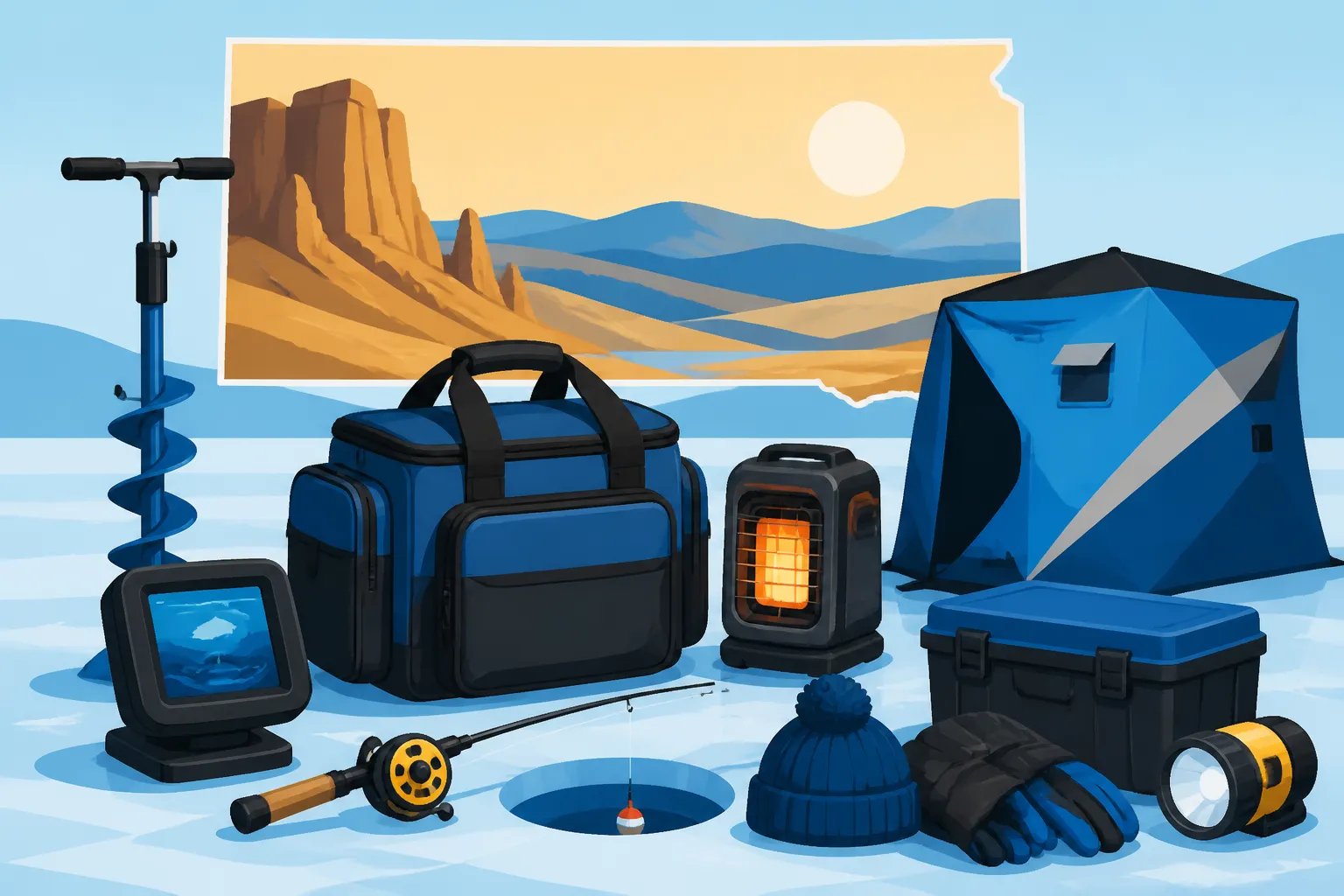
| Category | Essential Item | Why It's Needed | Notes |
|---|---|---|---|
| Warmth & Safety | Layered Clothing (base, mid, outer) | Moisture-wicking, insulating, wind/waterproof | Avoid cotton; look for flotation suits |
| Insulated, Waterproof Boots | Keep feet warm and dry in slushy conditions | Rated for extreme cold (-40°F) | |
| Wool Socks | Superior warmth and moisture management | Bring extra pairs | |
| Warm Hat & Balaclava | Protect head, ears, face from extreme cold/wind | ||
| Insulated Gloves/Mittens | Keep hands warm; waterproof is key | Consider dexterity vs. warmth (gloves vs. mittens) | |
| Portable Ice Shelter | Protection from wind, snow, and extreme cold | Pop-up hubs or flip-over shanties | |
| Portable Propane Heater | Maintain comfortable temperature inside shelter | Ensure ventilation; bring extra propane | |
| Ice Picks | Crucial self-rescue tool in case of ice break-through | Wear around neck | |
| Spud Bar / Auger | Test ice thickness for safety | Always test ahead when moving to new spots | |
| Rope | Emergency rescue, gear hauling | At least 50 feet of sturdy rope | |
| First Aid Kit | Address minor injuries | Basic essentials for cuts, scrapes, pain relief | |
| Charged Phone & Power Bank | Communication, navigation, emergency calls | Keep warm to preserve battery life | |
| Fishing Specifics | Ice Fishing Rods (various actions) | Short rods for control in small spaces | Specialized for panfish, walleye, pike, etc. |
| Ice Fishing Reels (spinning or inline) | Smooth drag, cold-weather performance | ||
| Ice Fishing Line (mono, fluoro, braid) | Low stretch, abrasion resistance, invisibility | Match to species and water clarity; use fluorocarbon leaders | |
| Ice Auger (manual, propane, electric) | Drill holes for fishing | Ensure sharp blades; consider power for ease of use | |
| Flasher / Sonar Unit | Locate fish, monitor lure, observe fish reaction | Brands like Vexilar, Marcum are popular | |
| Tackle Box with Jigs, Spoons, Plastics | Baits for various species, depths, and conditions | Assortment of colors, sizes, and types (e.g., tungsten jigs) | |
| Live Bait (minnows, wax worms) | Often most effective for enticing bites | Keep alive in an insulated bucket or bait puck | |
| Forceps / Pliers, Line Clippers | Hook removal, line maintenance | ||
| Ice Scooper | Keep holes free of slush and ice | ||
| Comfort & Misc. | Thermos with Hot Drinks | Internal warmth and comfort | Coffee, hot chocolate, soup |
| High-Energy Snacks | Sustained energy in cold weather | Granola bars, jerky, nuts, sandwiches | |
| Water Bottles | Prevent dehydration | Even in cold, hydration is important | |
| Headlamp & Lantern | Illumination for dark mornings/evenings | Battery-powered or propane (with ventilation) | |
| Hand/Foot Warmers | Extra warmth for extremities | ||
| Extra Dry Clothes (especially socks) | For changing if you get wet | ||
| Small Shovel | Clear snow, dig out vehicle | ||
| Sunscreen & Lip Balm | Protect from sun and windburn | Reflection off snow and ice can be intense | |
| Dark Sunglasses | Reduce glare, protect eyes | Polarized lenses are a bonus | |
| Trash Bags | Pack out all waste | Leave no trace! | |
| Valid Fishing License & Habitat Stamp | Legal requirement for fishing in South Dakota | Know South Dakota Fishing License Costs and regulations |
This checklist might seem extensive, but each item serves a purpose in ensuring your safety, comfort, and ultimately, your success on the ice. Being prepared means you can focus on the fishing, the camaraderie, and the unique beauty of a South Dakota winter wonderland. Happy fishing, and stay safe out there!
Disclaimer
This article is for general informational purposes only and does not constitute professional advice. Laws, prices and regulations vary by location and change over time. Consult a qualified professional for guidance on your specific situation.