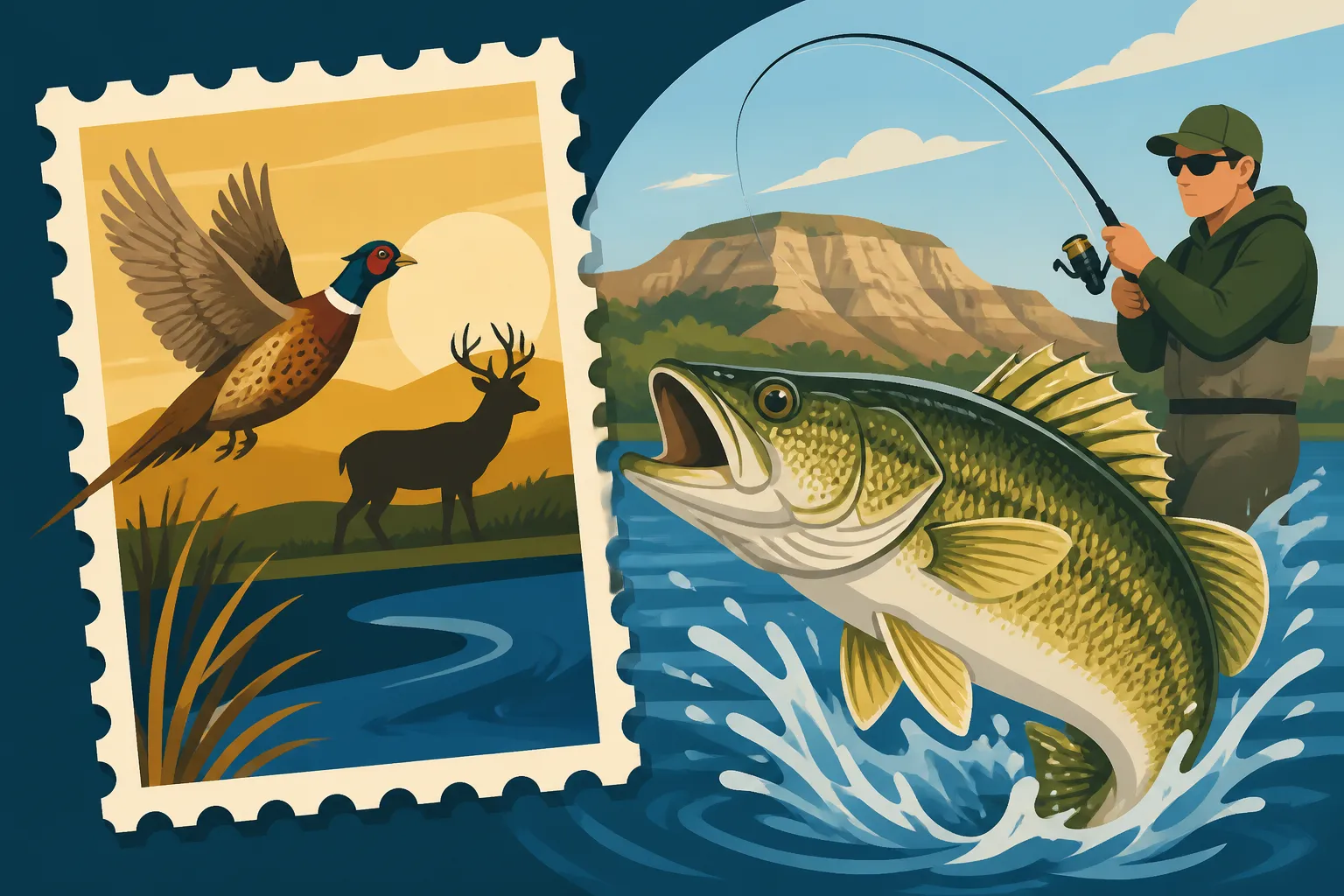
South Dakota Habitat Stamp Explained
Trying to figure out all the ins and outs of fishing licenses in South Dakota can feel like untangling a particularly stubborn fishing line. Just when you think you've got your basic license sorted, you hear whispers of a "Habitat Stamp," and suddenly, a whole new layer of questions arises. It can be genuinely confusing, making you wonder if you're truly compliant before heading out to your favorite fishing hole. This guide is here to demystify the South Dakota Habitat Stamp, breaking down exactly what it is, who needs it, and why it's such a vital part of our state's incredible outdoor heritage.
What Exactly is the South Dakota Habitat Stamp?
When you’re preparing for a fishing trip in South Dakota, you’re likely focused on your tackle box, bait, and perhaps even checking the latest South Dakota Fishing Regulations Explained before heading out. But then you encounter this "Habitat Stamp" requirement, and it might just feel like another hurdle. Let me assure you, it’s not just an arbitrary fee; it's a critical component of ensuring the sustained health and accessibility of our cherished outdoor spaces. Think of it as your direct contribution to keeping South Dakota wild and vibrant.
The Purpose Behind the Stamp
At its core, the South Dakota Habitat Stamp is a funding mechanism designed to support the conservation, restoration, and enhancement of wildlife habitat across the state. The dollars generated from these stamps go directly into programs managed by the South Dakota Department of Game, Fish and Parks (GFP). These aren't just vague initiatives; they translate into tangible projects like purchasing and developing public access areas, restoring wetlands for waterfowl and fish spawning, improving critical pheasant nesting cover, and ensuring healthy deer and elk populations. When you buy this stamp, you’re literally helping to preserve the very ecosystems that make fishing in places like Lake Oahe or the Black Hills trout streams so exceptional. Without these funds, many of the prime fishing spots and the robust fish populations we enjoy would simply not exist or would decline significantly. It's a small investment for a massive return in outdoor quality.
Distinguishing it from Your Fishing License
It’s easy to get these things mixed up, but it’s important to understand that the Habitat Stamp is not your fishing license itself. Instead, it acts as an endorsement that you purchase in addition to your base fishing or hunting license. Think of your main South Dakota Fishing License Guide as your primary permission slip to fish, while the Habitat Stamp is an extra, mandatory requirement for many anglers, especially adults, that funds vital conservation work. You can't just buy the stamp and expect to fish legally; you need both your appropriate fishing license (whether it's an annual, temporary, or combination license) and the Habitat Stamp, if required for your specific situation. This two-tiered approach ensures that the general privilege to fish is covered by your license, while the specific conservation efforts are directly supported by the stamp. It’s a way for all participants in our outdoor heritage to contribute meaningfully to its future.
Who Needs a South Dakota Habitat Stamp and When?
The rules around who needs a Habitat Stamp can sometimes feel like trying to solve a riddle, especially with different age groups, residency statuses, and license types. It's a common point of confusion, and frankly, a small mistake here could lead to an unpleasant interaction with a game warden. Let’s break it down clearly so you can cast your line with confidence. Understanding the South Dakota Habitat Stamp Requirements is key.
General Requirements for Anglers
Generally speaking, if you are a resident or nonresident angler aged 18 or older and you plan to purchase an annual South Dakota fishing, hunting, or combination license, you will also need to purchase the Habitat Stamp. This applies whether you're buying a standard annual fishing license, a specific type like those outlined in the South Dakota Resident Fishing License Options, or even a general hunting license. The stamp is typically a mandatory add-on for most adult annual licenses. This ensures broad participation in funding conservation efforts from the majority of the adult angling and hunting community. For nonresidents, the rules are often similar, though the cost may differ, as you'll see when looking into South Dakota Nonresident Fishing License Rules. Essentially, if you're an adult planning an extended stay or multiple trips, budget for this stamp alongside your main license.
Specific Scenarios and Exemptions
Now, this is where it gets a little nuanced. Not everyone needs the Habitat Stamp, and there are specific exemptions designed to make fishing accessible for certain groups. For instance, kids under 18 typically don't need a Habitat Stamp, even if they need a fishing license for specific activities or age groups. Many older seniors, particularly residents, might also be exempt, especially if they qualify for discounted or complimentary licenses. Another common question revolves around temporary licenses: Do You Need a Habitat Stamp for a One-Day License? Generally, no, you typically do not need a Habitat Stamp if you purchase a one-day or even a three-day nonresident fishing license. These shorter-term options are often designed for quick trips without the added stamp requirement. Also, certain situations like fishing on privately owned ponds where you have permission, or during designated "Free Fishing Days," might exempt you from needing a stamp. Disabled veterans or those with specific exemptions for their fishing licenses may also find they are exempt from the Habitat Stamp. Always double-check the latest GFP regulations or their official website to confirm your specific status, as rules can sometimes change.
Understanding the Cost of the Habitat Stamp
Let's be honest, nobody likes unexpected costs, especially when you're just trying to enjoy a peaceful day on the water. However, understanding where your money goes with the Habitat Stamp can actually make that cost feel a lot more palatable, knowing you’re directly investing in the future of South Dakota’s natural resources. It's an additional fee on top of your South Dakota Fishing License Costs, but it’s for a very good cause.
Resident vs. Nonresident Pricing
The cost of the South Dakota Habitat Stamp varies depending on whether you are a resident or a nonresident of the state. As with most licenses and stamps, nonresidents often pay a higher fee. For South Dakota residents, the Habitat Stamp is generally quite affordable, often just a few dollars. This nominal fee allows all resident anglers and hunters to contribute to local conservation efforts without breaking the bank. On the other hand, nonresidents, who come to enjoy our world-class fishing and hunting, typically pay a higher price for the stamp. This difference in pricing reflects the broader contribution residents make through taxes and other means to state resources. You can find the most current and specific figures for both residents and nonresidents directly from the GFP, but for a general idea, you can refer to resources like South Dakota Habitat Stamp Price for Residents and South Dakota Habitat Stamp Price for Nonresidents to get a clearer picture of what you'll be looking at. Keep in mind that these prices are subject to change, so an annual check of the GFP website is always a good idea.
How the Funds are Utilized
So, where exactly does your hard-earned money go once you've purchased that Habitat Stamp? This isn't just money disappearing into a general fund; it's meticulously directed towards projects that have a tangible impact on our outdoor environment. The funds are primarily allocated to the South Dakota Game, Fish and Parks to acquire, develop, and maintain public lands and waters, enhancing habitat for both fish and wildlife. Imagine pristine fishing access points along the Missouri River reservoirs like Lake Sharpe, or improved spawning habitat for walleye in the Glacial Lakes region. A portion of the funds also supports habitat projects on private lands through incentive programs, encouraging landowners to manage their property in ways beneficial to wildlife. These projects ensure healthy ecosystems, diverse wildlife populations, and most importantly for anglers, better fishing opportunities and more places to fish. For a deeper dive into the specific projects and allocations, learning What Is the Habitat Stamp Fee Used For in South Dakota? can give you a real appreciation for your contribution. It's a direct investment in the beauty and bounty that makes South Dakota a premier destination for outdoor enthusiasts.
How to Purchase and Manage Your Habitat Stamp
Getting your South Dakota Habitat Stamp should be as straightforward as picking up a new lure or a fresh spool of fishing line. The good news is that the South Dakota GFP has made the process relatively simple and convenient, integrating it seamlessly with your regular license purchase. You won't have to jump through hoops, which is a relief when you're itching to get on the water.
Online and In-Person Purchase Options
The easiest and often most preferred way to buy your South Dakota Habitat Stamp is online, directly through the South Dakota Game, Fish and Parks website. This allows you to purchase your fishing license and the associated stamp from the comfort of your home, any time of day or night. It's a streamlined process where the Habitat Stamp is typically offered as an add-on when you select your primary fishing or hunting license. For a step-by-step walkthrough, you can consult a guide on South Dakota Online Fishing License Purchase. After your purchase, you'll usually receive an electronic copy of your license and stamp that you can print or save to your mobile device. If you prefer a more traditional approach, or if you find yourself needing a license while already on the road, you can purchase the Habitat Stamp in person. Authorized license agents, such as sporting goods stores, bait shops, and some county treasurer offices across the state, sell them. Many anglers find it convenient to grab their license and stamp at the same time they're picking up bait or last-minute tackle. Just remember to keep your license and stamp safe; a durable, waterproof license holder, perhaps one you found on Amazon, can be a real lifesaver to protect it from the elements.
Integrating it with Your Fishing License
The beauty of the current system is that the Habitat Stamp is usually integrated directly into your fishing license purchase. When you go through the process of buying your annual fishing license, whether online or in person, the system will typically prompt you to add the Habitat Stamp if it's required for your age and residency status. This means you don't receive a separate, physical stamp to affix to a different piece of paper; rather, the endorsement is printed directly on your main license document. If for some reason you initially purchased a license without the stamp (perhaps due to an oversight or a change in your fishing plans), you can usually go back and purchase just the Habitat Stamp separately through the same online portal or at an authorized vendor. It will then be linked to your existing license. Knowing How to Add a Habitat Stamp to an Existing License can be particularly handy if you realize you need it after your initial purchase. Always carry proof of both your fishing license and your Habitat Stamp with you while fishing – whether it’s a physical printout or a digital copy on your phone – to ensure you're compliant with all state regulations.
The Importance of Compliance and What Happens if You Don't Have One
It’s easy to dismiss a small detail like a habitat stamp, especially when you’re just eager to get your line in the water. But overlooking this requirement can turn a relaxing day of fishing into a frustrating and costly experience. Compliance isn't just about avoiding a penalty; it's about being a responsible steward of South Dakota's natural beauty and resources.
Penalties for Non-Compliance
Let's not sugarcoat it: fishing without the required Habitat Stamp, much like fishing without a valid license, is a violation of South Dakota law. Game wardens in South Dakota are diligent, knowledgeable, and regularly patrol our lakes, rivers, and streams. They have a job to do, and that includes ensuring everyone is properly licensed and has the necessary endorsements. If you are caught fishing without a required Habitat Stamp, you could face fines, which vary but can be substantial. Beyond monetary penalties, repeat offenses or serious violations can lead to the revocation of your fishing privileges, meaning you could be barred from fishing in South Dakota waters for a period of time. In some cases, your fishing gear might even be confiscated. It’s simply not worth the risk. The cost of a Habitat Stamp is minimal compared to the potential financial and legal headaches, not to mention the embarrassment, of being caught without one. Make it a routine part of your pre-fishing checklist to ensure you're fully compliant before you even leave the house.
Supporting South Dakota's Conservation Efforts
Beyond the legal aspect, there's a much more profound reason to ensure you have your Habitat Stamp: you are directly contributing to the conservation efforts that make South Dakota's fishing so spectacular. Every dollar from that stamp fuels projects that benefit the fish you pursue, the habitats they rely on, and the public access points that allow you to reach them. From the clear, cold waters of the Black Hills trout streams to the vast expanses of the Missouri River reservoirs teeming with walleye, these ecosystems thrive because of sustained conservation efforts. The Habitat Stamp ensures that future generations will have the same, if not better, opportunities to experience the thrill of catching a trophy fish or simply enjoying the serenity of our natural landscapes. It’s an investment in the legacy of South Dakota's outdoor heritage. When you consider the vast array of fishing and hunting opportunities available, from the legendary walleye fisheries on Lake Oahe to ice fishing for perch on the glacial lakes, it's clear that the health of these resources depends on collective support. Your small contribution, combined with thousands of others, creates a powerful fund that protects and enhances the very reason we love to fish here.
South Dakota Habitat Stamp Details at a Glance
To help you quickly reference the key information, here’s a breakdown of the South Dakota Habitat Stamp requirements. Remember to always verify the latest information with the South Dakota Game, Fish and Parks (GFP) as regulations and fees can change.
| Requirement | Resident Angler (18+) | Nonresident Angler (18+) | Youth Angler (Under 18) | Seniors | Disabled Veterans | One-Day/Three-Day License |
|---|---|---|---|---|---|---|
| Habitat Stamp Required? | Yes (with annual license) | Yes (with annual license) | No (generally) | No (often exempt) | No (often exempt) | No (generally) |
| Approx. Cost (Annual) | ~$10* | ~$25* | N/A | N/A | N/A | N/A |
| Purpose | Conservation Funding | Conservation Funding | N/A | N/A | N/A | N/A |
| Where to Purchase | GFP Website, Vendors | GFP Website, Vendors | N/A | N/A | N/A | N/A |
Note: These are approximate costs and are subject to change by the South Dakota Game, Fish and Parks. Always check the current fees on the official GFP website before purchasing.
Disclaimer
The information provided in this guide is for general informational purposes only and is not intended as legal advice. Fishing regulations, license requirements, and associated fees in South Dakota are subject to change at any time by the South Dakota Department of Game, Fish and Parks (GFP). It is the responsibility of every angler to consult the most current official South Dakota Fishing Handbook or the GFP website directly before engaging in any fishing activities to ensure full compliance with all state laws and regulations.