South Dakota Youth Fishing License Rules
It can be incredibly confusing to figure out all the rules and regulations around fishing licenses, especially when it comes to the youngest anglers in our lives. Many parents and guardians are left scratching their heads, wondering "Do kids need a fishing license in South Dakota?" This guide is here to clear up that confusion, diving deep into the specific South Dakota Youth Fishing License Rules so you can focus on making memories on the water, not stressing about paperwork.
Understanding South Dakota's Youth Fishing License Basics
When you're planning a fishing trip to the beautiful lakes and rivers of South Dakota, one of the first things on your mind might be what licenses you and your family need. For the younger members of your fishing party, the rules are often a little different, and thankfully, a bit more straightforward in many cases. It's designed to encourage youth participation, which is fantastic, but there are still specific age thresholds and requirements that need to be understood. Missing these details can quickly turn a fun outing into a headache, so let's get into the nitty-gritty.
The Age Threshold for Needing a License
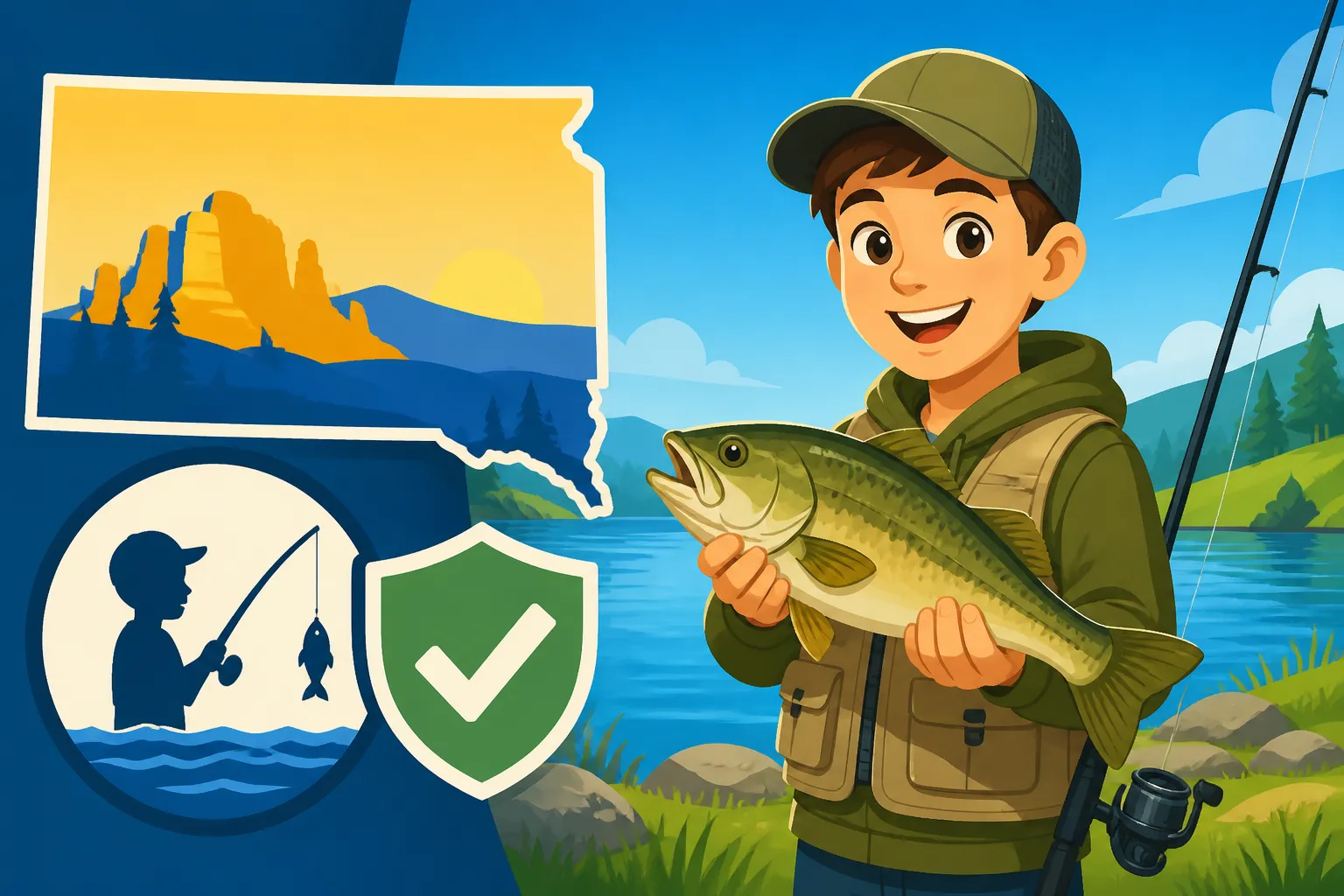
In South Dakota, the age at which a youth needs to obtain a fishing license is a common point of confusion. Thankfully, the South Dakota Game, Fish and Parks (GFP) makes it quite clear: children under the age of 16 are not required to have a fishing license. This means that if you're hitting the water with a child who is 15 years old or younger, they can cast their line without needing any state-issued permit. This exemption is a wonderful way to introduce kids to the joys of fishing without the added expense or administrative burden for parents, fostering a love for the outdoors from a young age.
However, once a child celebrates their 16th birthday, the rules change. At this point, they are considered an adult angler in the eyes of South Dakota law and must possess a valid fishing license to continue fishing legally. This transition is important to note, especially if you have a child who might be turning 16 during the fishing season. It's always a good idea to check their birthdate against your planned trips to ensure they're covered. This age cut-off aligns with many other states, making it a fairly standard practice across the nation for youth fishing regulations.
Why These Rules Exist: Protecting Resources
You might wonder why there are age limits on fishing licenses at all. It might seem like a simple bureaucratic hurdle, but these regulations are actually a crucial part of wildlife management and conservation efforts in South Dakota. The funds generated from fishing license sales directly contribute to the South Dakota Game, Fish and Parks (GFP) budget, which is then used for vital programs like fish stocking, habitat improvement, scientific research, and maintaining public access points. Without these funds, the incredible fishing opportunities we enjoy in South Dakota wouldn't be nearly as robust or healthy.
By exempting younger children from needing a license, the GFP aims to remove barriers to entry for new anglers, nurturing a passion for fishing and outdoor recreation from an early age. The hope is that by fostering this interest, these young people will grow up to become responsible, conservation-minded adult anglers who understand the importance of preserving South Dakota's natural resources. When they do turn 16 and purchase their first adult license, they'll already have a connection to the sport and a greater appreciation for how their license dollars support the very waters they love to fish. It's a long-term investment in the future of South Dakota fishing.
Distinguishing Resident vs. Non-Resident Youth
While the age exemption for those under 16 generally applies to both residents and non-residents, it's always good to be clear about the definitions, especially as children approach the age of requiring a license. A "resident" in South Dakota for licensing purposes generally means someone who has established a domicile in the state for at least 90 consecutive days immediately preceding the application for a license and who does not claim residency in any other state. This often requires proof like a driver's license, voter registration, or utility bills.
For non-resident youth, the same rule applies: if they are under 16, they do not need a license to fish. However, once they turn 16, they will need to purchase a non-resident fishing license. These licenses are typically more expensive than resident licenses, reflecting the fact that non-residents haven't contributed to the state's tax base that also supports wildlife management. Understanding the distinction between resident and non-resident status is particularly important for families who might be visiting South Dakota for a fishing vacation, ensuring that their 16-year-old and older children comply with the correct requirements. You can find more details on specific options in our guide on South Dakota Nonresident Fishing License Rules.
Specific License Requirements by Age Group
The progression of fishing license requirements in South Dakota isn't a one-size-fits-all situation; it subtly shifts as children grow. It's not just about when they hit a certain age, but also about understanding the nuances of exemptions and special circumstances that can apply. Knowing these specifics can save you a lot of hassle and ensure your young angler is always compliant, whether they're just starting out or becoming a seasoned teen fisherman.
Youngest Anglers: The 15 and Under Exemption
For many families, the best news about South Dakota's fishing regulations is the generous exemption for its youngest participants. Any child who is 15 years old or younger can fish in South Dakota's public waters without needing any state-issued fishing license. This rule is a fantastic encouragement for parents and guardians to get their kids outdoors and introduce them to the joys of angling. Imagine the simple pleasure of watching your little one catch their first bluegill on Lake Kampeska, or perhaps a small trout in a Black Hills stream, all without the need to navigate license applications. It truly simplifies the experience for families.
This exemption means you don't have to worry about the specific details of a South Dakota Resident Fishing License Options or a South Dakota Nonresident Fishing License Options for your younger kids. Just grab your gear, a cooler, and head out! It's a deliberate choice by the state to foster an early connection with nature and the sport of fishing. The idea is to make those initial fishing experiences as accessible and enjoyable as possible, hoping that these positive early encounters will spark a lifelong passion for angling and, eventually, a commitment to conservation when they become license-paying adults.
Bridging the Gap: What Happens at Age 16
The magical age of 16 is when the rules change for young anglers in South Dakota. On their 16th birthday, a youth officially transitions into needing a valid fishing license to continue fishing legally in the state. This means that if your child is turning 16 during the summer fishing season, you'll need to plan ahead to ensure they acquire the necessary permit. This isn't just a suggestion; it's a legal requirement, and conservation officers do enforce these regulations, even for those who might just be a few days past their 16th birthday.
At 16, youth can purchase either a resident or non-resident annual fishing license, or even shorter-term options like a South Dakota One-Day Fishing License or a South Dakota Three-Day Fishing License if they're visiting from out of state. The cost will be the same as an adult license. It’s important to remember that this also includes the requirement for a Habitat Stamp, which we’ll discuss in more detail shortly. This age requirement serves as an introduction to the responsibilities of adult anglers, reminding them that their participation directly supports the management of the fish populations and habitats they enjoy.
Special Cases: Youth with Disabilities or During Free Fishing Days
While the general rule is clear, South Dakota does offer a few special considerations that can impact youth fishing license requirements. One such important exemption applies to youth with disabilities. South Dakota residents who are legally blind or paraplegic, regardless of age, may be eligible for a free fishing license. Additionally, disabled veterans, including youth who meet the criteria, may also qualify for a South Dakota Disabled Veteran Fishing License. These specific exemptions are designed to ensure that everyone has the opportunity to experience the joy of fishing, regardless of physical challenges. You would need to consult the South Dakota GFP website or local office for specific application procedures and eligibility documentation for these special permits.
Another fantastic opportunity that allows everyone to fish without a license, including youth aged 16 and older who would normally need one, is South Dakota's annual Free Fishing Days. Typically held over a weekend in May or June, these days are specifically designated to encourage new anglers and families to try fishing without the barrier of purchasing a license. It’s a perfect chance to introduce an older teenager to the sport, or for a 16-year-old who might not fish often to enjoy a day on the water without the usual cost. Keep an eye on the official GFP calendar for specific dates, which are usually announced well in advance. Check our dedicated article on South Dakota Free Fishing Days for more information on how to take advantage of this fantastic program.
Navigating the Application Process for Youth Anglers
Once your child reaches that magical age of 16, or if you're looking into special permits, the next step is actually acquiring the license. The process is designed to be relatively straightforward, but knowing your options and what information you'll need beforehand can make it a breeze. Gone are the days of only being able to get a license at a specific tackle shop; today's options offer flexibility.
Where to Purchase a Youth Fishing License
For those 16 and older who need a South Dakota fishing license, there are several convenient options available for purchase. The easiest and often preferred method for many is to buy it online directly through the South Dakota Game, Fish and Parks (GFP) website. This allows you to purchase a license from the comfort of your home, print it out immediately, or store it digitally on your phone. This method is particularly handy for non-residents planning a trip from afar, as they can secure their license before they even arrive in the state. Check out our guide on South Dakota Online Fishing License Purchase for a step-by-step walkthrough.
Beyond online purchases, you can also acquire licenses in person. There are numerous authorized license agents spread across the state. These agents typically include bait shops, sporting goods stores like Cabela's or Runnings, and some larger retailers. For example, many Walmarts in South Dakota serve as license vendors. These locations are great if you prefer a physical transaction, have questions, or need to pick up some last-minute bait and tackle at the same time. The GFP website usually has a search function to find authorized vendors near your location or destination, ensuring you're never too far from a purchase point.
What Information You'll Need for Application
Whether you're purchasing a license online or in person for a 16-year-old, you'll need to have some basic information ready. For a South Dakota resident youth, this typically includes their full legal name, date of birth, address, and social security number. The social security number is required for compliance with federal law related to child support enforcement. You might also need to provide proof of residency, such as a South Dakota driver's license or state ID card, to qualify for resident rates.
For non-resident youth aged 16 and over, similar information will be required: full name, date of birth, current out-of-state address, and social security number. You won't need to prove South Dakota residency, of course, but accurate personal identification is still essential. Having all of this information readily available will speed up the application process considerably, letting you get your angler out on the water faster. It’s a good practice to double-check all details before finalizing the purchase to avoid any errors that could invalidate the license later.
Online vs. In-Person Purchases: Convenience and Considerations
Choosing between an online or in-person purchase often comes down to personal preference and circumstance. Online purchases offer unparalleled convenience. You can complete the transaction 24/7, print your license instantly, and often keep a digital copy on your phone, making it harder to lose. This is particularly advantageous for busy families or those planning a trip on short notice. It also allows you to compare different license types and prices at your leisure.
However, in-person purchases at authorized vendors still hold their own advantages. For starters, if you have specific questions about different license types, regulations, or local fishing hotspots, the staff at a bait shop or sporting goods store can often provide valuable insights. It’s also an opportunity to pick up any forgotten gear or bait. Sometimes, the peace of mind of holding a physical printout of the license immediately after purchase is also a factor. Ultimately, both methods are equally valid, and South Dakota ensures that obtaining a youth fishing license for those who need it is as accessible as possible.
Costs and Additional Stamps for Young Anglers
While the younger kids get to fish for free, once they hit 16, the financial aspect of fishing licenses comes into play. It’s not just the license itself, but often additional requirements like the Habitat Stamp that anglers need to consider. Understanding these costs upfront helps with budgeting and prevents any surprises down the line.
Breaking Down the Costs: Are Youth Licenses Free?
To reiterate, for youth aged 15 and under, fishing is absolutely free in South Dakota. No license, no fees, no worries. This wonderful policy encourages widespread participation among the youngest generation of anglers. However, for those 16 and older, the youth fishing license is essentially an adult license, meaning it carries the same cost as an adult resident or non-resident fishing license.
For a South Dakota resident youth aged 16 and above, an annual fishing license typically costs around $28. This price can fluctuate slightly, so it's always best to check the current rates on the GFP website. For non-resident youth of the same age, the cost is significantly higher, reflecting their non-contributory status to the state's tax base. A non-resident annual fishing license generally runs closer to $70-$80. There are also shorter-term options, like a 1-day or 3-day non-resident license, which might be more cost-effective for a brief family vacation. These costs, though not exorbitant, are important to factor into your fishing trip budget. For the most up-to-date pricing, you can refer to our detailed article on South Dakota Fishing License Costs.
Understanding the Habitat Stamp for Youth
Here's another important detail that sometimes catches anglers off guard, especially for those transitioning from free fishing to licensed fishing: the Habitat Stamp. In South Dakota, anyone aged 16 or older who is required to purchase a fishing or hunting license must also purchase a Habitat Stamp. This applies equally to resident and non-resident youth once they turn 16. The Habitat Stamp is a small additional fee, usually around $10 for residents and $25 for non-residents, and the revenue generated goes directly towards funding habitat development and improvement projects across the state.
The Habitat Stamp is a vital component of South Dakota's conservation efforts, ensuring that there are healthy, thriving environments for fish and wildlife. It's often purchased automatically alongside your fishing license, so you might not even realize it's a separate item. However, it's critical to understand that it's a mandatory add-on for licensed anglers 16 and over. Failing to purchase one when required can lead to fines, just like fishing without the primary license. For a deeper dive into this requirement, check out our guide on South Dakota Habitat Stamp Requirements.
Combination Licenses: When They Make Sense for Families
For active outdoor families where a 16-year-old might enjoy both fishing and hunting, South Dakota offers "combination licenses." These licenses bundle both fishing and hunting privileges into a single permit, often at a slightly reduced overall cost compared to buying them separately. For a youth who is passionate about both activities, a combination license can be a convenient and economical choice. This saves on paperwork and sometimes a few dollars, which can add up, especially for non-residents.
Before opting for a combination license, it's wise to consider whether your youth will actually participate in both activities enough to justify the purchase. If they only fish once or twice a year but are avid hunters, or vice versa, separate licenses might still be the better fit. However, for well-rounded young outdoors enthusiasts, the Combination Hunting and Fishing Licenses offer a streamlined approach to enjoying South Dakota's diverse natural resources. It’s all about finding the most practical and cost-effective solution for your family’s specific outdoor pursuits.
| Age Group | License Required? | Habitat Stamp Required? | Resident Annual Cost (approx.) | Non-Resident Annual Cost (approx.) |
|---|---|---|---|---|
| 0-15 Years Old | No | No | Free | Free |
| 16+ Years Old | Yes | Yes | $28 (plus stamp) | $70-$80 (plus stamp) |
| Disabled Youth | No (with permit) | No (with permit) | Free (with permit) | Free (with permit) |
| Free Fishing Days | No (for all ages) | No | Free | Free |
Note: Costs are approximate and subject to change. Always verify current rates with the South Dakota Game, Fish and Parks (GFP) or authorized vendors.
Common Questions and Misconceptions for Youth Fishing
Even with all the rules laid out, there are always those lingering "what if" questions or common misunderstandings that pop up. Knowing the answers to these can prevent awkward situations on the water and ensure your family's fishing trip remains stress-free and enjoyable. Let's address some of the most frequently asked questions specific to youth fishing.
Can a Parent's License Cover Their Child?
A very common question among parents is whether their own fishing license extends coverage to their children. The answer in South Dakota is a clear no. A fishing license is an individual permit, meaning it covers only the person whose name is on the license. This holds true for adults and youth alike. So, while your 15-year-old can fish without a license, your 16-year-old cannot simply "fish under your license." They must have their own valid South Dakota fishing license and Habitat Stamp if they are 16 or older.
This might feel a little inconvenient, especially if you're used to other activities where family passes or memberships cover multiple individuals. However, the individuality of fishing licenses is essential for accurate angler participation tracking, which in turn informs fish stocking decisions and resource management. Each license contributes directly to the conservation efforts that keep South Dakota waters teeming with fish. So, ensure every angler in your group aged 16 and over has their own separate license to avoid any issues with GFP officers.
Fishing on Tribal Lands and Private Property
Another area that often leads to confusion, particularly for those new to fishing in South Dakota, involves tribal lands and private property. The state's fishing license rules, including those for youth, generally apply to public waters. However, when fishing on tribal lands, additional permits are often required. Many of the Native American tribes in South Dakota have their own distinct regulations and licensing systems for fishing within their reservation boundaries. This means even if your child is under 16 and doesn't need a state license, they might still need a tribal permit to fish on tribal lands.
Similarly, if you are fishing on private land, such as a pond or lake owned by a friend or family member, and that water body is entirely contained within the private property and not connected to public waterways, a state fishing license may not be required. However, if the water is connected to public waters or if fish from state stocking programs are present, a license is generally still needed. It's always best to err on the side of caution and check with the property owner or the specific tribe's game and fish department before casting a line. You can start by looking into resources like South Dakota Tribal Land Fishing Permits for more information on these specific requirements.
Penalties for Non-Compliance: What You Need to Know
No one wants to think about getting into trouble while enjoying a peaceful day of fishing, but it's important to understand the consequences of not adhering to South Dakota's fishing license rules, especially for youth who are at the age where a license is required. Fishing without a valid license (for those aged 16 and over) or without a required Habitat Stamp is a violation of state law. The penalties can range from a warning for a first-time, minor offense, to significant fines and potentially even confiscation of fishing equipment.
A fine for fishing without a license in South Dakota can be several hundred dollars, plus court costs. For a 16-year-old, this can be a very expensive lesson. Conservation officers are out on the water to protect resources and ensure fair play, and they take these regulations seriously. The best way to avoid any unpleasant encounters is to simply ensure that any youth aged 16 and over in your fishing party has their current, valid fishing license and Habitat Stamp. Keep it easily accessible, either in physical form or on a mobile device, to present if asked. Being informed and prepared is the key to a worry-free fishing experience for everyone. For detailed information on the repercussions, read our guide on South Dakota Fishing Without a License Penalties.
Encouraging the Next Generation of Anglers
Beyond simply understanding the rules, it's crucial to actively encourage and support the next generation of anglers. Fishing offers so much more than just catching fish; it teaches patience, connects us with nature, and creates lasting memories. Making it easy and exciting for kids to get involved ensures the tradition continues and the appreciation for South Dakota's natural resources grows.
The Role of Mentorship in Youth Fishing
One of the most powerful ways to foster a love for fishing in youth is through mentorship. It's not just about teaching them how to cast a line or tie a knot; it's about sharing your passion, imparting knowledge about fish species, their habitats, and the importance of conservation. Imagine a seasoned angler taking a young person to Lake Sharpe to teach them about smallmouth bass behavior near riprap, or explaining the nuances of trout fishing in the Black Hills streams. These experiences are invaluable. Mentors teach patience when the fish aren't biting, resilience when a line gets tangled, and respect for the environment by modeling catch-and-release practices or proper fish handling.
This mentorship can come from parents, grandparents, older siblings, or even community programs. It’s about creating an environment where learning and discovery are celebrated. Consider taking a young person to a local bait shop (maybe one that uses the point-of-sale system powered by Amazon cloud services for smooth transactions) to pick out their first lure, or showing them how to read a basic depth finder. These shared moments build bonds and instill a deep appreciation for the outdoors that lasts a lifetime. The lessons learned on the water, guided by an experienced hand, are often remembered long after the fish count is forgotten.
Youth Fishing Programs and Events
South Dakota is home to many fantastic youth fishing programs and events designed to get kids hooked on fishing (pun intended!). The South Dakota Game, Fish and Parks often hosts events like "Hooked on Fishing" clinics, where kids can learn basic techniques, knot tying, and safety from experienced anglers. These events are typically free or low-cost and provide all the necessary equipment, making them incredibly accessible for families who might not have their own gear. Local angling clubs, conservation organizations, and even some state parks also frequently organize youth-specific fishing derbies, instructional days, and family fishing outings.
These structured programs are excellent for introducing kids to fishing in a supportive and fun environment. They often focus on panfish like crappie and perch, which are plentiful and provide exciting action for young anglers. Beyond the immediate fun, these events often include lessons on ethical angling, conservation principles, and aquatic ecology, laying a strong foundation for responsible outdoor stewardship. Checking the GFP website or local community calendars is a great way to find out about upcoming opportunities in your area.
Essential Gear for Young Anglers
While the focus should always be on the experience, having the right gear can significantly enhance a young angler's enjoyment and success. For beginners, a simple spin-casting rod and reel combo (often available on Amazon for under $30) is perfect. These are easy to use, minimize tangles, and are durable enough to withstand the inevitable drops and bumps. Look for lighter rods and smaller reels that fit comfortably in smaller hands. Basic tackle should include an assortment of hooks (sizes 6-10), sinkers (split-shot works great), bobbers, and some simple artificial baits like small jigs or soft plastics. Live bait, such as worms or minnows, is almost always a hit with kids and often leads to more bites.
Beyond the rod and reel, consider a small tackle box (many child-friendly options found on Amazon), a simple net, a pair of pliers for hook removal, and a measuring tape if you plan on keeping fish. Don't forget essentials like a hat, sunscreen, insect repellent, and plenty of water. A comfortable chair for shore fishing can also make a big difference for younger kids. For safety, a properly fitted life jacket is a must, especially if fishing near deeper water or from a boat – even for non-motorized vessels, though kayaks and canoes don't require registration, safety gear is critical. For more ideas on what to bring, refer to an Essential Gear Checklist for a South Dakota Ice Fishing Trip if you're planning a winter adventure, or adapt it for open water. Making sure they're comfortable, safe, and have a good chance of catching something will make them want to come back for more!
Disclaimer
Please remember that fishing regulations, license fees, and requirements are subject to change by the South Dakota Game, Fish and Parks (GFP). While we strive to provide the most accurate and up-to-date information, it is always your responsibility to verify current regulations directly with the GFP before heading out on your fishing trip. This guide is for informational purposes only and should not be considered legal advice.