South Dakota Tribal Land Fishing Permits
Venturing out to fish in South Dakota can be an incredibly rewarding experience, with its vast lakes and winding rivers teeming with life. However, many anglers find themselves scratching their heads when they realize that some of the best fishing spots are located on tribal lands, requiring a completely separate set of rules and permits from the standard state license. This guide is here to untangle that confusion, providing you with a clear roadmap to understanding and respecting South Dakota's tribal fishing regulations so you can cast your line with confidence.
Why Tribal Land Fishing Is Unique in South Dakota
It’s easy to assume that once you have your South Dakota state fishing license, you’re good to go anywhere within the state borders. But the reality on the ground, especially in regions like the Missouri River corridor or parts of western South Dakota, is far more intricate. Tribal lands operate under their own distinct jurisdictions, which can be a significant hurdle for anglers who aren't familiar with the nuances.
Sovereignty and Dual Regulations
The core reason for these separate regulations lies in the concept of tribal sovereignty. Native American tribes in South Dakota, such as the Cheyenne River Sioux, Standing Rock Sioux, and Oglala Sioux, are recognized as sovereign nations with the inherent right to govern their lands and resources, including fish and wildlife. This means they have the authority to establish and enforce their own fishing laws, which exist independently of, and sometimes in conjunction with, state regulations. You might hold a valid state license, perhaps even a specific endorsement like the South Dakota Habitat Stamp, but it won't grant you permission to fish on tribal waters without the appropriate tribal permit. Understanding this fundamental difference is the first step toward a compliant and respectful fishing trip. Each tribal nation has its own game, fish, and parks department, often with dedicated wardens who enforce their specific codes. This dual system can be a bit of a maze, but it’s crucial to respect the sovereignty and management practices that have been put in place by these communities.
The "Checkerboard" Dilemma
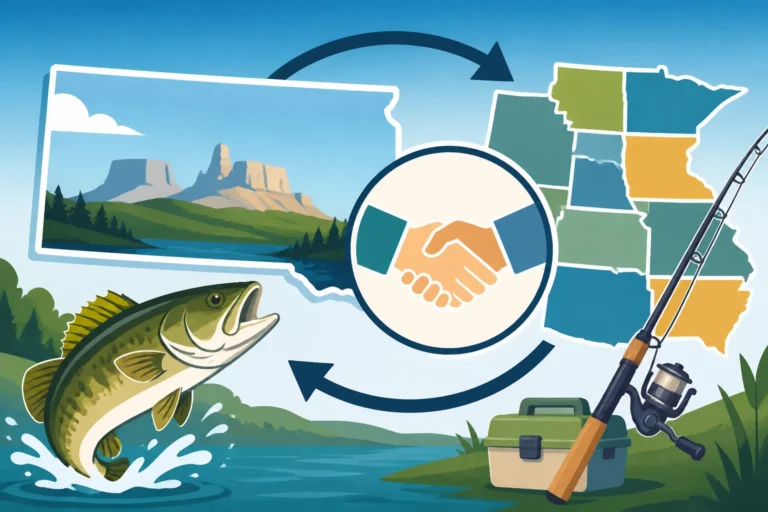
One of the most frustrating aspects of fishing around tribal lands in South Dakota is what’s often called the "checkerboard" land ownership pattern. Imagine looking at a map and seeing a patchwork of different colors: some areas are tribal trust land, others are privately owned, some are state lands, and still others might be held in fee status by tribal members but are essentially private. These different parcels can be intertwined, making it incredibly difficult to discern exactly whose jurisdiction you're under at any given moment, especially when you're out on a large body of water like Lake Oahe or Lake Sharpe. You could be trolling along, perfectly legal, then drift into a tribal zone or even private land without even realizing it. This uncertainty can deter many anglers, but with careful planning and the right resources – like detailed GPS maps, which you can often find on platforms like Amazon, or by downloading specific tribal land apps – you can navigate these waters successfully. Always err on the side of caution; if you’re unsure, assume you need a tribal permit or move to a clearly marked state or public access area.
Understanding the Major Tribal Nations and Their Fishing Regulations
South Dakota is home to several distinct tribal nations, each with its own specific set of fishing rules. While a comprehensive list of every single rule isn't feasible here due to their dynamic nature, understanding the primary tribes and where to seek their regulations is paramount.
Cheyenne River Sioux Tribe
The Cheyenne River Sioux Reservation encompasses significant portions of Lake Oahe, particularly its western shorelines and large bays. This area is renowned for its outstanding walleye fishing, but to enjoy it, you'll need a specific Cheyenne River Sioux Tribe fishing permit. Their regulations often parallel state rules in spirit but can differ in specifics such as daily limits, possession limits, or even allowed bait. For instance, the general statewide rule for South Dakota Walleye Limits might not be the exact regulation on Cheyenne River Sioux tribal waters. Their Game, Fish, and Parks department is the go-to resource for current permit prices and a detailed breakdown of their fishing regulations. It's not uncommon for them to have specific areas designated for certain types of fishing or even seasonal closures to protect spawning fish, so always check their official channels before you head out.
Standing Rock Sioux Tribe
Further north, the Standing Rock Sioux Reservation also covers substantial parts of Lake Oahe, stretching into North Dakota. This region is another prime destination for walleye, northern pike, and even some smallmouth bass. Similar to the Cheyenne River Sioux, the Standing Rock Sioux Tribe requires its own fishing permit for anyone fishing on waters within its reservation boundaries. Their regulations are meticulously laid out by their Game and Fish Department, and it's essential to consult their current rulebook. Anglers accustomed to the broader South Dakota Fishing Regulations Explained will find that Standing Rock's rules often have unique twists, so don't just assume. They're often very proactive in managing their fish populations, which means rules can be updated to reflect current conservation needs.
Oglala Sioux Tribe (Pine Ridge Reservation)
Heading to southwestern South Dakota, the Pine Ridge Reservation, home to the Oglala Sioux Tribe, offers a different fishing landscape. While perhaps not as famous for its massive walleye reservoirs as the Missouri River tribes, Pine Ridge boasts several lakes and dams like Angostura Recreation Area (though Angostura Lake itself is largely state-managed, surrounding areas and waterways might involve tribal lands) and smaller tribal lakes that provide excellent opportunities for bass, panfish, and sometimes catfish. Their permits are crucial for fishing these waters. The Oglala Sioux Tribe's Game, Fish, and Parks department administers these permits and regulations. It’s a completely different environment from the Missouri River, and the species targeted might be different, leading to varied regulations concerning Smallmouth Bass Daily Limits or Catfish Limits and Size Rules. Always contact their tribal offices for the most current information regarding permits and specific lake regulations before you plan your trip to avoid any surprises.
Rosebud Sioux Tribe
The Rosebud Sioux Reservation, located in south-central South Dakota, is another significant tribal land where anglers might find themselves. Like other tribes, the Rosebud Sioux Tribe manages its own fish and wildlife resources. They oversee various streams, ponds, and lakes within their reservation boundaries, offering fishing opportunities for species like bass, catfish, and panfish. To fish these waters, you must obtain a Rosebud Sioux Tribe fishing permit. Their regulations, while perhaps not as widely publicized as those of the larger Missouri River tribes, are just as important to follow. It's always best practice to reach out to the Rosebud Sioux Tribe Game, Fish, and Parks department directly for details on their permit process, fees, and specific fishing rules. This ensures you're fully compliant and can enjoy your angling experience without concerns.
Other Tribal Nations with Fishing Considerations
South Dakota is home to several other tribal nations, each with their own sovereign territories and potential fishing regulations:
- Yankton Sioux Tribe: Located in southeastern South Dakota, their lands may encompass various waterways.
- Sisseton Wahpeton Oyate: In the northeastern part of the state, near the Glacial Lakes region.
- Crow Creek Sioux Tribe: Along the eastern bank of Lake Sharpe, a prime walleye fishery.
- Lower Brule Sioux Tribe: On the western bank of Lake Sharpe, directly across from Crow Creek.
For any of these tribes, if you plan to fish on or access waters within their reservation boundaries, assume you will need a separate tribal permit. The best approach is to identify which tribal land you might be on and then directly contact their game and fish department. Relying solely on your state-issued South Dakota Fishing License Guide or the South Dakota GFP Fishing Handbook Guide will not cover you for these specific tribal jurisdictions.
Obtaining Your Tribal Fishing Permit: A Step-by-Step Guide
Getting a tribal fishing permit might seem daunting at first, especially if you’re used to the straightforward process of buying a state license. However, with a little preparation, it's quite manageable. The key is to understand that each tribe has its own system, so there isn't one universal "tribal permit."
Online vs. In-Person Purchase
The convenience of purchasing permits online has become more widespread, but it's not universally available for all South Dakota tribes. Some of the larger tribes, especially those with significant tourism and fishing interest like the Cheyenne River Sioux and Standing Rock Sioux, have developed online portals where you can purchase permits with ease. This is usually the most convenient option, allowing you to secure your permit before you even leave home. Just search for their respective "Game, Fish, and Parks" or "Wildlife Department" websites.
For other tribes, or if you prefer a more traditional approach, in-person purchase is often the only way. This typically involves visiting the tribal game and fish office located on the reservation. Sometimes, local stores or bait shops within the reservation boundaries are authorized vendors. This method offers a chance to speak with locals and get real-time information about fishing conditions, but it requires planning your travel to include a stop at the office during business hours. Remember, these are sovereign nations, so checking their specific office hours and days of operation is crucial. Don’t just assume they follow state holidays or business schedules.
Required Information and Fees
When purchasing a tribal permit, you'll generally need to provide similar information to what's required for a state license. This includes:
- Your valid state fishing license number: Many tribes require you to hold a valid South Dakota state fishing license in addition to their tribal permit. This is an important distinction, as tribal permits are rarely a standalone license if you're not a tribal member. For example, a nonresident will likely need their South Dakota Nonresident Fishing License Rules and a tribal permit.
- Personal identification: A driver's license or other government-issued ID is usually necessary.
- Contact information: Name, address, phone number.
The fees for tribal permits vary significantly from tribe to tribe and depend on the type of permit (daily, annual, resident, non-resident). They are generally modest and serve to support the tribe's conservation and wildlife management efforts. While specific prices change, here's a general idea for illustrative purposes. Always confirm current fees directly with the respective tribal game and fish department.
| Tribal Nation | Typical Permit Types | Estimated Non-Resident Cost (Annual) | Estimated Non-Resident Cost (Daily) | Notes |
|---|---|---|---|---|
| Cheyenne River Sioux | Annual, 3-Day, Daily | $40 – $70 | $10 – $20 | Popular for Lake Oahe Walleye. Check for specific area rules. |
| Standing Rock Sioux | Annual, 7-Day, Daily | $40 – $70 | $10 – $20 | Covers northern Lake Oahe. Often requires state license in conjunction. |
| Oglala Sioux (Pine Ridge) | Annual, Monthly, Weekly, Daily | $30 – $60 | $5 – $15 | Primarily for inland lakes and streams. Contact for specific lake access. |
| Rosebud Sioux | Annual, Daily | $30 – $60 | $5 – $15 | For fishing within Rosebud Reservation waters. |
Note: These are approximations and can change. Always verify current fees and requirements with the specific tribal game, fish, and parks department.
Reciprocity and Exemptions
A common question is whether tribal permits offer any reciprocity with other tribes or with the state. Generally, no, one tribe's permit does not typically allow you to fish on another tribe's land, nor does a tribal permit replace a state license (unless you are a tribal member fishing on your own reservation, which often has specific exemptions). Similarly, a South Dakota state license usually doesn't grant you fishing privileges on tribal lands.
However, there are important exemptions. Federally recognized tribal members often have fishing rights on their own reservation lands without needing to purchase a state or even a tribal permit, though they must still adhere to tribal regulations. These specific exemptions are critical for tribal members and are part of their inherent rights. For all other anglers, regardless of whether you're a resident or non-resident, the expectation is that you will purchase both a state license and the specific tribal permit for the waters you intend to fish. Be aware that even on a South Dakota Free Fishing Weekend Rules, tribal lands generally maintain their permit requirements for non-tribal members.
Navigating Tribal Waters: Rules, Etiquette, and Conservation
Fishing on tribal lands is not just about having the right permit; it's also about understanding and respecting a different set of rules and a unique cultural landscape. These aren't just arbitrary guidelines; they're often deeply rooted in conservation, cultural significance, and the desire to manage resources sustainably for future generations.
Key Differences from State Regulations
While many tribal regulations align closely with state rules, especially for popular species like walleye and northern pike, there can be crucial differences that catch anglers off guard. These might include:
- Catch and Possession Limits: Tribal limits for certain species might be more restrictive or, in some cases, slightly more liberal than state limits, depending on localized fish population health and management goals. For example, while the state has specific South Dakota Northern Pike Limits, a tribal jurisdiction might adjust these based on their local assessment.
- Size Restrictions (Slot Limits): Some tribal waters might implement different slot limits or minimum/maximum size restrictions to protect trophy fish or ensure adequate spawning populations. Always check these carefully.
- Bait Restrictions: While live minnows are generally legal bait in South Dakota, certain tribal waters or specific areas might have restrictions on live bait, particularly in smaller, more sensitive ecosystems.
- Gear Restrictions: The number of lines allowed per angler might differ from the state’s standard, or there could be specific rules about snagging, spearfishing, or the use of certain types of lures.
- Access Points and Vehicle Use: Some areas on tribal lands might have restricted access, requiring specific permissions for vehicle use, or limiting where you can launch a boat or fish from shore. This is particularly relevant if you're wondering, "Do you need a license to fish from shore in South Dakota?" on tribal lands – yes, you'll need the tribal permit regardless of whether you're in a boat or on the bank.
It’s always a good idea to consult the specific tribal game and fish handbook for the area you intend to fish, as it will supersede any general South Dakota Fishing Regulations Explained you might be familiar with.
Respecting Land and Culture
When you fish on tribal lands, you are a guest. This means conducting yourself with respect for the land, its people, and their cultural heritage.
- Leave No Trace: This fundamental principle of outdoor ethics is even more critical on tribal lands. Pack out everything you pack in, including all trash, fishing line, and discarded bait containers. Leaving litter is not only disrespectful but can also lead to fines and loss of fishing privileges.
- Private Land Boundaries: Be extremely vigilant about private land. The "checkerboard" nature means that what looks like open public land might, in fact, be privately owned by tribal members. Always ask permission before entering private property, even if you just need to cross it to reach public water. Trespassing is a serious offense.
- Cultural Sensitivity: Be aware of and respect any cultural sites or traditional practices you might encounter. If you see signs indicating a sacred site or a restricted area for cultural reasons, respect those boundaries without question.
- Campfire Rules and Camping: If you plan to camp, understand and adhere to tribal regulations regarding campfires and designated camping areas. These can differ significantly from state park rules.
Conservation Efforts and Future Fishing
The fees collected from tribal fishing permits directly contribute to the conservation and management efforts undertaken by the tribal game and fish departments. These funds are vital for:
- Fish Stocking Programs: Ensuring healthy populations, especially in smaller lakes or those that experience heavy fishing pressure.
- Habitat Restoration: Protecting and improving critical spawning and nursery habitats for various fish species.
- Enforcement: Funding game wardens who patrol tribal waters, ensuring compliance, and preventing poaching.
- Research and Monitoring: Conducting scientific studies to understand fish populations, water quality, and the overall health of the aquatic ecosystem.
By purchasing a tribal permit, you're not just gaining access to incredible fishing; you're actively supporting the sustainability of these precious natural resources for future generations, both tribal and non-tribal anglers alike. This makes your contribution through permit purchase even more meaningful.
Common Challenges and How to Avoid Them
Even with the best intentions, fishing on tribal lands can present unique challenges. Forewarned is forearmed, so let's discuss some common pitfalls and how to navigate them gracefully.
Identifying Boundaries
As mentioned with the "checkerboard" dilemma, knowing exactly where you are can be the trickiest part.
- GPS and Mapping Apps: Invest in a good GPS unit or a reliable mapping app on your smartphone or fish finder. Many popular mapping services (like those available through Amazon for outdoor recreation) offer layers showing land ownership. Specific tribal game and fish departments sometimes offer their own digital maps or resources. Download these offline if you anticipate areas with poor cell service.
- Physical Markers: While not always present, look for physical signs, fences, or changes in land use that might indicate a boundary. Don't rely solely on these, however, as they can be sparse or misleading.
- Local Knowledge: If possible, talk to locals at bait shops, gas stations, or community centers on the reservation. They can often provide invaluable insights into current conditions, regulations, and where to avoid potential issues.
- Missouri River Specifics: The Missouri River, particularly areas like Lake Oahe and Lake Sharpe, can be especially confusing. For example, if you're asking, "Is a South Dakota Fishing License Required on the Missouri River?" the answer for state-managed portions is yes. But if you're on a section that borders or crosses tribal lands, a tribal permit will be required in addition to your state license. Know which side of the river you're on and whose jurisdiction that entails.
Enforcement and Penalties
Tribal game wardens are fully authorized law enforcement officers within their reservation boundaries. They have the authority to check for permits, ensure compliance with regulations, and issue citations or make arrests for violations.
- Permit Checks: Expect to be stopped and asked to show your permits (both state and tribal) and sometimes your ID. Have them readily accessible.
- Violations: Fishing without the correct tribal permit, exceeding limits, or other violations can lead to significant penalties. These can include:
- Fines: Monetary penalties that can be substantial.
- Confiscation of Gear: Your fishing equipment, and in some cases, your boat, might be seized.
- Loss of Privileges: You could be banned from fishing on tribal lands in the future.
- Legal Action: Depending on the severity of the offense, more serious legal consequences could apply.
- Compare this to South Dakota Fishing Without a License Penalties on state lands; tribal penalties can be equally, if not more, stringent. The best approach is always to be informed and compliant.
Planning Your Trip
A well-planned trip minimizes surprises and maximizes enjoyment.
- Contact Tribal Authorities Early: The single most important piece of advice is to contact the relevant tribal game and fish department well in advance of your trip. Don't wait until the last minute. This allows you to confirm current regulations, permit requirements, fees, and any specific access information. Many questions about specific South Dakota Fish Limits and Size Restrictions on tribal waters can only be answered by the tribal authority.
- Get Physical Copies: If available, obtain a physical copy of their regulations handbook. It's much easier to reference than trying to navigate a website on your phone with spotty reception.
- Pack Appropriately: Beyond your standard fishing gear, consider bringing extra water, snacks, and a first-aid kit, especially if you're exploring remote areas. A good pair of polarized sunglasses (available on Amazon, of course) can also help you spot submerged structures and potential hazards.
- Flexibility: Be prepared to adjust your plans. If you arrive and discover unforeseen restrictions or confusing boundaries, it's better to move to a clearly legal area than to risk a violation. Have a backup plan for state-managed waters if tribal access becomes complicated.
By taking these steps, you can ensure a respectful, legal, and ultimately more enjoyable fishing adventure on South Dakota's tribal lands.
Disclaimer
The information provided in this guide is for general informational purposes only and does not constitute legal advice. Fishing regulations and permit requirements on tribal lands in South Dakota are subject to change by each sovereign tribal nation. Always contact the specific tribal game, fish, and parks department directly for the most current and accurate information before planning your fishing trip. Failure to comply with tribal regulations can result in penalties.