Chinook Salmon Spawning Run Dates on Lake Oahe
There's nothing quite like the thrill of chasing Chinook salmon, but if you've ever planned a trip to Lake Oahe only to arrive either too early or too late for the iconic spawning run, you know the deep frustration of missed opportunities. It feels like trying to hit a moving target with constantly shifting variables. Understanding the exact timing of the Chinook salmon spawning run on Lake Oahe isn't just about luck; it's about knowing the biological triggers and environmental cues that dictate when these magnificent fish make their final, dramatic journey. This guide is dedicated to helping you decipher those patterns, giving you the best chance to witness or participate in this incredible annual event.
The Incredible Journey of Lake Oahe's Landlocked Chinook Salmon
While Chinook salmon are typically anadromous, meaning they migrate from saltwater to spawn in freshwater, the population in Lake Oahe has adapted to a completely landlocked existence. Despite living their entire lives in this vast reservoir, they retain the powerful instinct to spawn, making their annual run a fascinating display of nature.
From Stocking to Spawning: A Unique Life Cycle
The Chinook salmon fishery in Lake Oahe is entirely sustained by the dedicated stocking efforts of the South Dakota Game, Fish and Parks (GFP). These fish aren't naturally reproducing in the reservoir; instead, millions of fingerlings are released each year, primarily in the northern reaches of Lake Oahe near the Missouri River. These young salmon spend several years growing to impressive sizes, feasting on the abundant rainbow smelt population, which serves as their primary food source. Their growth rates on Lake Oahe are truly remarkable, often reaching trophy sizes in a relatively short period compared to other fisheries.
As they mature and the biological clock ticks, typically in their third or fourth year, these salmon begin to feel the undeniable urge to return to what their instincts tell them is their "birthplace." For the landlocked Chinook, this means a migration towards the areas where they were stocked, or more specifically, towards the facilities designed to collect them for their eggs and milt. This journey is their final hurrah, a testament to the powerful genetic programming that drives them. If you're keen to learn more about where these fish come from, you might find information on the Origin of Chinook Salmon Stocked in South Dakota particularly interesting.
Why the Spawning Run Matters for Anglers and Enthusiasts
The spawning run is more than just a biological phenomenon; it's a huge deal for anglers and nature enthusiasts alike. For fishermen, it represents a concentrated period when large numbers of mature, often enormous, salmon gather in predictable areas. This can lead to some of the most exciting and challenging fishing opportunities of the year. The fish, driven by their spawning instincts, become aggressive and are often more willing to strike at various presentations. Whether you're trolling or casting from shore, this is a prime time for a shot at a trophy.
Beyond the fishing, witnessing the salmon run is an incredible experience in itself. Seeing hundreds of large salmon, vibrant with their spawning colors, battling their way upstream or congregating near collection facilities is a spectacle that truly connects you with the wild. It’s a chance to appreciate the power and resilience of these fish, even in an artificial environment. Many people visit these areas just to observe the fish, making it a unique eco-tourism draw for the region. You might be surprised at the average size of these fish; details about the South Dakota Chinook Salmon Average Size can give you a good idea of what to expect.
Pinpointing the Chinook Salmon Spawning Run Dates on Lake Oahe
The question everyone wants to know: when exactly does this magic happen? While there's a predictable general window, pinpointing the exact peak of the Chinook salmon spawning run on Lake Oahe can feel a bit like forecasting the weather a month out – you can get a good idea, but the specifics always depend on current conditions.
The Typical Window: Late September Through October
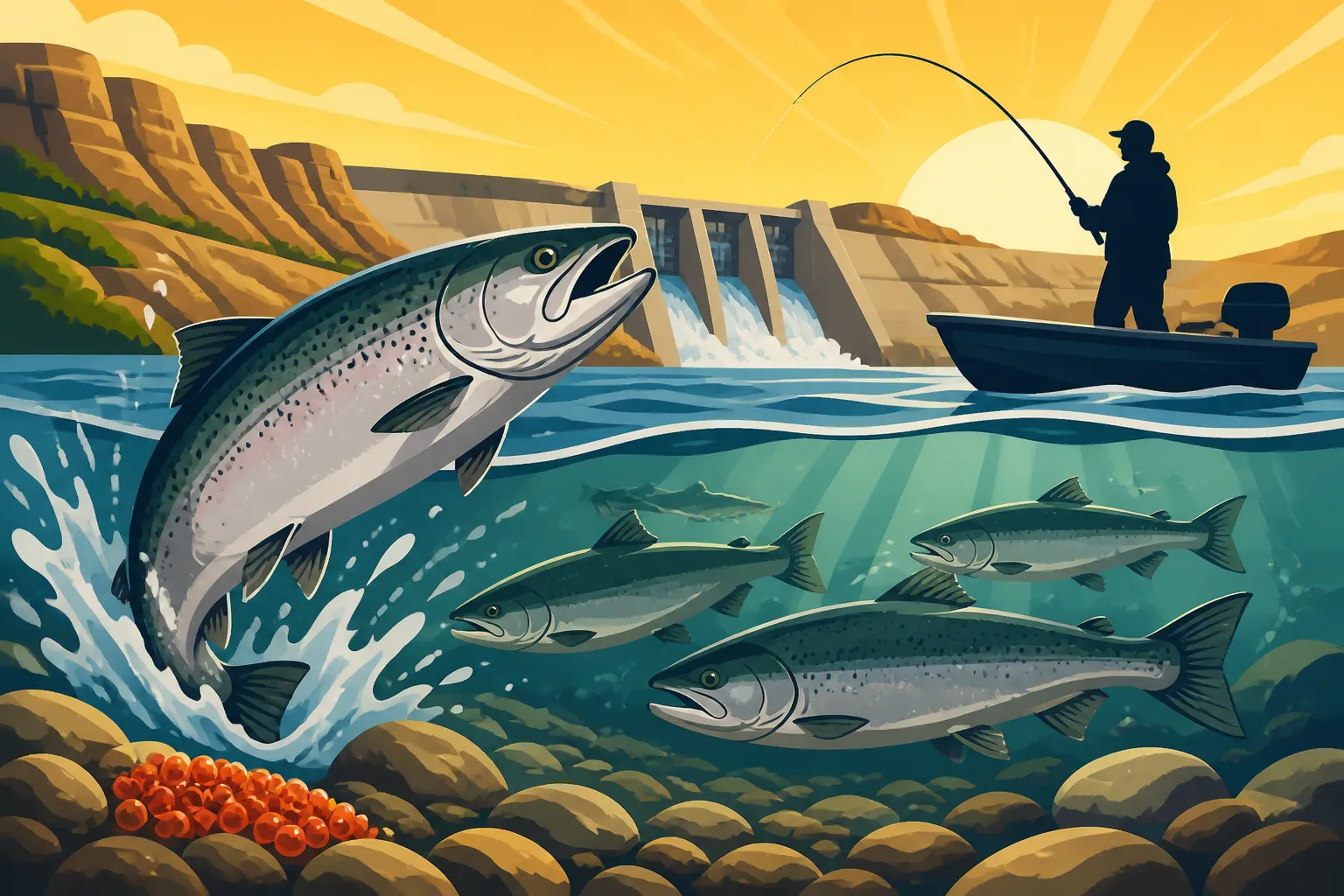
Generally speaking, the Chinook salmon spawning run on Lake Oahe kicks into gear in late September and continues robustly through October, often extending into early November. This is the broadest timeframe during which you can reasonably expect to encounter staging or actively migrating salmon. Think of late September as the "early bird" phase, where the first waves of fish begin to show up, and October as the prime time when the majority of the mature salmon are making their move.
It's a misconception to think there's a single "day" when the run starts and stops. It's a gradual build-up, a peak, and then a tapering off. Planning a trip in early to mid-October usually puts you squarely in the middle of the action, but being prepared for slight variations year-to-year is crucial. Keep an eye on regional fishing reports as your planned dates approach.
Early Arrivals and Peak Action
The vanguard of the run usually starts to appear around the last week of September. These are the eager fish, responding to the first significant drops in water temperature. They'll begin congregating in deeper channels and staging areas near known collection points or larger tributaries. Anglers who hit the water at this time can often find good success, though the fish might be a bit more scattered.
The peak of the Chinook salmon run on Lake Oahe typically occurs from the first to the third week of October. This is when the largest numbers of salmon are concentrated, making their final push towards the collection stations. This period often sees the most intense activity, both for the salmon themselves and for the anglers hoping to intercept them. During this time, areas like Whitlock Bay become buzzing hubs of activity, with boats and shore anglers working the waters. This is also when the South Dakota Game, Fish and Parks often ramps up their egg collection efforts at the Whitlock Bay Salmon Spawning Station. To maximize your chances, understanding How to Catch Chinook Salmon From Shore on Lake Oahe during this peak period is invaluable.
The Late Season Stragglers
As November rolls in, the run usually begins to wind down. While there will still be salmon in the system, and some later-maturing fish might make their push, the sheer numbers and intensity of the peak October weeks will diminish. Fishing can still be good, especially if a fresh batch of fish moves in with a late cold front, but it generally requires more effort to locate active fish.
By mid-November, most of the spawning activity has concluded. The surviving fish are spent, and those that haven't been collected or perished naturally disperse back into the main lake or succumb to the rigors of the spawning process. This is when thoughts might turn to different species or preparations for the upcoming ice fishing season.
Here’s a general guide to help you visualize the timing:
| Phase of Run | Typical Dates (Approximate) | Salmon Behavior | Angling Outlook | Key Influences |
|---|---|---|---|---|
| Early Run | Late September – Early October | First fish staging, beginning migration | Good, but fish may be scattered; requires searching. | First significant water temp drops |
| Peak Run | Mid-October (1st-3rd week) | Large concentrations, aggressive migration | Excellent, high numbers of active fish. | Sustained cold temperatures, stable flows |
| Late Run | Late October – Early November | Numbers decreasing, remaining fish are exhausted | Fair, requires more effort; some stragglers. | Further temp drops, run winding down |
Factors Influencing the Salmon Run Timing and Intensity
While the general window for the Chinook salmon run on Lake Oahe is fairly consistent, the precise timing and intensity can fluctuate year to year due to several environmental factors. Being aware of these variables can help you better predict the best time to plan your visit.
The Role of Water Temperature
Water temperature is arguably the most critical trigger for the Chinook salmon spawning run. As the long, warm South Dakota summer gives way to crisp fall air, the surface temperatures of Lake Oahe begin to drop. When the water temperatures consistently fall into the 50-55°F range, it acts as a powerful signal for the salmon to begin their migration. A rapid cool-down can accelerate the run, while a prolonged warm spell in early fall can delay it.
Anglers often pay close attention to forecasts and water temperature readings from various parts of Lake Oahe. Sites like NOAA or local fishing reports often provide this data. If you’re seeing temperatures hovering around 60°F in early October, it might suggest the peak is still a week or two away. Conversely, an early cold snap pushing temps into the low 50s could mean the fish will be moving sooner rather than later. This is a prime example of how nature dictates the schedule, not the calendar.
Water Flow and Lake Levels
The mighty Missouri River feeds Lake Oahe, and the amount of water flowing through the system can also impact the salmon run. Significant changes in water levels or current can affect how and when fish move. For example, increased flows might encourage fish to push harder upstream, or they might seek out areas with less current to conserve energy as they stage. Conversely, extremely low water levels might make certain areas less accessible or alter their traditional staging points.
While not as critical as temperature, sustained high or low water events can subtly shift fish behavior. The Army Corps of Engineers manages the dams on the Missouri River, and their release schedules can indirectly influence conditions. Monitoring these conditions, often reported in detailed fishing forecasts, can give you a slight edge in predicting salmon movements.
Weather Patterns and Their Impact
Beyond temperature, general weather patterns play a significant role. Cold fronts, particularly those accompanied by strong winds or rain, can often spur fish into action. A sudden drop in air temperature, especially after a period of stability, can cool the surface water quickly, initiating or intensifying the run. On the flip side, prolonged periods of calm, sunny weather, even if the water is cool, might see the fish become a bit more lethargic or hold in deeper water.
Cloud cover can also influence fishing success during the run. Overcast days often keep salmon more active throughout the day, whereas bright, sunny conditions might push them into deeper water or make them more wary. When preparing for your trip, checking the long-range forecast isn't just about packing the right layers; it's about anticipating how the conditions might influence the fish. Consider investing in a good weather app or even a dedicated fishing weather station to keep track of these subtle changes. There are plenty of reliable, portable options available on Amazon that can give you real-time data right from your boat or campsite.
Key Locations for Witnessing the Spawning Spectacle
While salmon can be found throughout parts of Lake Oahe during their migration, one location stands out as the absolute epicenter of the Chinook salmon spawning run: Whitlock Bay.
Whitlock Bay: The Salmon Capital
Whitlock Bay, located near Gettysburg, South Dakota, is synonymous with Chinook salmon on Lake Oahe. This is the primary location for the South Dakota Game, Fish and Parks (GFP) to collect the eggs and milt necessary to sustain the salmon population. Because of these operations, the fish are instinctively drawn to this area during the spawning run, making it the most reliable spot to encounter them in large numbers.
During the peak of the run, Whitlock Bay becomes a hive of activity. Anglers converge on the bay, both from boats and from shore, hoping to intercept these powerful fish. The GFP's fish ladder and collection facilities are often visible, offering a unique opportunity to witness the biologists at work and see the sheer volume of salmon making their final push. There are often opportunities for public viewing, and it's truly a sight to behold. For more detailed information on visiting this critical location, check out resources like Whitlock Bay Salmon Spawning Station Fishing.
Navigating the Angling Opportunities at Whitlock Bay
Fishing at Whitlock Bay during the run requires specific techniques. Many anglers utilize trolling methods, dragging large spoons or crankbaits that mimic the baitfish salmon feed on. Popular brands like Rapala or Michigan Stinger spoons are often good choices. Others find success casting from shore, especially early in the morning or late in the evening, using heavy spoons or soft plastic swimbaits that imitate struggling baitfish. You can find a wide variety of these specialized lures and tackle on Amazon, perfect for targeting these aggressive salmon.
It's crucial to be aware of the specific South Dakota Chinook Salmon Regulations when fishing during the run. Limits and methods might be strictly enforced to ensure the sustainability of the fishery. Always consult the most current South Dakota Fishing Regulations Explained handbook, available from the GFP or as a free download online, before you head out. Understanding the specific South Dakota Fishing Season Dates and Limits is part of being a responsible angler.
Other Potential Staging Areas on Lake Oahe
While Whitlock Bay is the main attraction, some salmon might stage in other areas as they approach their "destination" or if they are from different stocking points. Deep points, submerged humps, and areas where larger tributaries flow into Lake Oahe can sometimes hold migrating salmon. For example, areas near the Cheyenne River arm or the main channel of the Missouri River farther north on Oahe might see staging fish. These spots typically require more exploration and a good fish finder to locate schools of fish. Often, these fish will be holding deeper, requiring different tactics such as downrigging or deep jigging.
However, for a guaranteed chance to see and potentially catch salmon during the spawning run, Whitlock Bay remains the undisputed prime location. If you're looking for specific gear for these varied techniques, whether it's trolling spoons or the latest in fish finder technology, you'll find an extensive selection on Amazon that can help you prepare for any scenario on Lake Oahe.
Disclaimer
Please remember that fishing regulations, season dates, and environmental conditions can change. Always consult the official South Dakota Game, Fish and Parks (GFP) website or their current fishing handbook for the most up-to-date and accurate information before planning any fishing trip. This guide is for informational purposes only and should not replace official sources.