South Dakota Trout Season Dates in the Black Hills
Oh, the Black Hills! If you’ve ever dreamed of casting a line in crystal-clear mountain streams, surrounded by pine trees and granite peaks, then trout fishing here is likely on your bucket list. But let's be honest, figuring out exactly when and where you can chase those elusive trout in South Dakota's Black Hills can feel like cracking a secret code. Between general seasons, special regulation waters, and knowing what bait you can even use, it’s enough to make a seasoned angler scratch their head. This guide is here to untangle that complexity, giving you the real scoop on South Dakota trout season dates in the Black Hills so you can plan your perfect fishing adventure with confidence.
Understanding the Black Hills Trout Seasons
It's easy to assume that trout fishing is just a simple "open season, closed season" affair, but in the unique ecosystem of the Black Hills, it's a bit more nuanced. Unlike some areas where fishing is strictly seasonal, the beauty of the Black Hills is that trout fishing is largely a year-round pursuit. This doesn't mean you can just show up any day and start fishing without a second thought, though. There are important distinctions and specific regulations that dictate what you can keep, what tackle you can use, and even if a certain stretch of water is open to harvest at all.
Many anglers get confused by the idea of a "season," imagining a specific opening and closing date like for deer hunting. While some very specific, smaller waters or ice fishing spots might have more defined windows, the major trout streams and lakes in the Black Hills largely operate on a continuous basis. However, the type of fishing you can do and the rules that apply will definitely change with the calendar and location. Understanding this fundamental difference is your first step to a successful and legal trip.
Year-Round Opportunity with Key Distinctions
Indeed, you can generally fish for trout in the Black Hills year-round. This is fantastic news for dedicated anglers who love the solitude of a winter stream or the vibrant colors of fall fishing. However, "year-round" doesn't mean "anything goes." The South Dakota Game, Fish and Parks (GFP) has implemented a variety of regulations designed to protect the diverse trout populations, which include rainbow, brown, and brook trout, each with their own habits and preferred habitats.
For instance, while you can fish for brown trout in a stream like Rapid Creek in January, the specific daily limits and tackle restrictions might be different than for rainbow trout in Sheridan Lake in July. The key distinction lies in identifying whether you're on a general regulation water or a special regulation water. This is critical, as failing to understand these nuances can quickly turn a peaceful day of fishing into a frustrating encounter with a game warden. Always double-check your intended fishing spot against the current regulations.
The General Season and What It Means
For most of the Black Hills trout waters, the "general season" effectively runs year-round. What this implies is that there isn't a hard opening or closing date where all trout fishing ceases. Instead, the general regulations, which cover most streams and lakes without specific additional rules, are always in effect. These general rules typically include standard daily limits and possession limits for the various trout species.
However, even within the general season, different species might have slightly different limits, and it's important to be able to identify your catch. For a comprehensive overview of statewide rules, checking the South Dakota Fishing Regulations Explained is always a wise move. The challenge, and where most people get tripped up, is when a specific body of water deviates from these general rules due to its unique ecology or management goals. This is where the special regulation waters come into play, and they often have their own specific dates and rules that need close attention.
Key Dates and Regulations for Black Hills Trout Streams
Now, let's talk about the nitty-gritty: the actual dates and regulations that will impact your fishing plans. The Black Hills is a patchwork of different water bodies, each managed with its own set of rules to ensure sustainable fisheries and diverse angling experiences. You can't just assume what applies to one stream will apply to another, even if they're only a few miles apart. It requires a bit of homework, but trust me, it’s worth it to avoid disappointment (or worse, a citation).
Many of the most popular and productive trout streams in the Black Hills, especially those closer to population centers like Rapid City or popular tourist destinations like Custer State Park, will have these distinct regulations. It's not designed to be difficult, but rather to enhance the fishing experience and protect the resource. Whether you're planning to fly fish for wild browns or simply enjoy a relaxing day with a spinning rod, knowing these details is paramount.
Special Regulation Waters and Their Unique Calendars
This is where things get interesting and where you really need to pay attention. Several premier trout fishing locations in the Black Hills operate under "special regulations," which can modify everything from daily limits to bait restrictions. For example, parts of Rapid Creek, especially the stretch below Pactola Dam and through Rapid City, are famous for their wild trout and often have catch-and-release only sections, artificial lure-only rules, or specific length limits that supersede general regulations. The same can be true for portions of Spearfish Creek.
These special regulations don't necessarily have "closed" seasons in the traditional sense, but they often impose rules that effectively change how you can fish and what you can keep year-round. For instance, a "catch-and-release" section means your season for keeping fish is effectively never open there, no matter the time of year. Likewise, an "artificial lures and flies only" section means your favorite live bait from a tackle shop on Amazon is off-limits. To truly understand these nuances, consult the Black Hills Catch-and-Release Trout Streams guide, or even better, the official GFP regulations.
Stocking Schedules and Their Impact on Fishing Dates
While wild trout populations thrive in many Black Hills streams, the South Dakota GFP also maintains a robust stocking program, particularly for rainbow trout. These stockings significantly influence when and where many anglers choose to fish, as freshly stocked fish can provide excellent catch rates, especially for those looking to take a few home for dinner. The GFP typically stocks various locations throughout the spring, summer, and fall, with specific dates often depending on water temperatures and fish availability.
Lakes like Sheridan Lake and Pactola Reservoir, along with many smaller ponds, regularly receive trout stockings. While there isn't a "season date" dictated by stocking, knowing when new fish are released can make a big difference in your success. For example, if you're planning a trip to Sheridan Lake, checking the GFP stocking reports can give you a heads-up on when fishing might be hot for rainbow trout. This information, combined with a good understanding of Sheridan Lake Rainbow Trout Fishing Tips, can truly maximize your outing.
Planning Your Black Hills Trout Fishing Trip Around the Calendar
Given that trout fishing in the Black Hills is a year-round possibility, it's more about choosing the best time for your specific angling goals rather than adhering to strict "open" and "closed" dates. Each season offers unique advantages and challenges, from the bustling activity of summer to the serene quiet of a winter morning. Thinking seasonally will help you pack the right gear, choose the right spots, and set realistic expectations for your adventure.
Consider what kind of experience you're after. Are you looking for big numbers of stocked fish? Or are you chasing a trophy brown trout that requires patience and skill? The answers to these questions will heavily influence which calendar months are ideal for you. Don't forget to consider factors like crowds, weather, and accessibility when making your plans.
Spring Thaw and Early Season Excitement
Spring in the Black Hills (roughly March to May) is a time of awakening, both for nature and for anglers. As the snow melts and water levels rise, trout become more active. This is a fantastic time for many, especially for targeting brown trout before the water gets too warm. Streams like Spearfish Creek and portions of Rapid Creek can be particularly productive. The water might be a bit chilly, and flows can be high from snowmelt, but the fish are often aggressive as they shake off winter dormancy.
Many of the lakes and ponds that receive rainbow trout stockings will see their first major releases in spring, making it a prime time for families and those looking for consistent action. You’ll want to pack layers, as spring weather in the Black Hills can be unpredictable, swinging from mild to chilly in a day. A good pair of Best Waders for Black Hills Stream Fishing will be invaluable during this period of colder water.
Summer's Abundance and Challenges
Summer (June to August) is peak tourist season in the Black Hills, and for good reason—the weather is generally warm and inviting. Trout fishing remains popular, but it presents its own set of challenges. As air temperatures rise, so do water temperatures, especially in smaller streams. Trout, being cold-water fish, can become stressed in warmer water. This often means they’ll be less active during the heat of the day, seeking deeper, cooler pools or becoming more active during the cooler mornings and evenings.
Popular spots like the urban stretches of Rapid Creek near Rapid City or the lower sections of Spearfish Creek will see heavy pressure. Focus your efforts on higher elevation streams or the deeper sections of reservoirs like Pactola. For a quiet escape, try researching lesser-known streams or practicing catch-and-release to minimize stress on the fish. You can find excellent fishing, but you might need to adapt your techniques, perhaps by learning some Nymph Fishing Techniques for Trout Streams.
Fall Colors and Trophy Trout Opportunities
Many seasoned Black Hills trout anglers will tell you that fall (September to November) is the absolute prime time. The summer crowds dissipate, the air is crisp, and the Black Hills burst into spectacular color. More importantly, water temperatures begin to cool, rejuvenating the trout, and brown trout, in particular, become extremely aggressive as they prepare for their spawning run. This is the season if you're dreaming of a true trophy brown.
Streams like upper Rapid Creek, Castle Creek, and the specific sections known for their wild brown populations are excellent choices. Check out the Best Black Hills Streams for Brown Trout for some top-tier suggestions. While stockings of rainbow trout still occur, the focus for many shifts to chasing bigger, wilder fish. The fish are often more willing to strike larger flies or lures, making for exhilarating fishing.
Winter Chill and Ice-Out Potential
Don't hang up your waders just because winter arrives (December to February)! While ice fishing becomes popular on larger lakes like Pactola and Sheridan, many Black Hills streams remain open and fishable year-round, thanks to consistent spring flows and underground warmth. Fishing in winter offers unparalleled solitude and a unique challenge. Trout activity will be slower, but they are still there and can be caught with patient, subtle presentations.
Access can be a factor, as some roads might be closed due to snow, but popular areas like the special regulation waters of Rapid Creek near town often remain accessible. For those brave enough to face the chill, winter fly fishing can be incredibly rewarding. If you're interested in learning how to tackle the streams during this quiet period, articles like How to Fly Fish for Trout in the Black Hills can provide invaluable insights. Just remember to dress warmly and practice ice safety if you venture onto frozen lakes.
Navigating Specific Black Hills Trout Regulations
With the varied opportunities across the Black Hills, it's clear that regulations are not one-size-fits-all. The South Dakota GFP puts a lot of effort into managing these diverse fisheries, and understanding their rules is not just about staying legal—it's about contributing to the long-term health of these precious trout populations. Always approach your fishing trip with the most current information available.
It's tempting to rely on old knowledge or hearsay, but regulations can and do change. A quick check before your trip can save you a lot of grief. Think of it as part of your essential gear, right alongside your rod and reel.
Daily and Possession Limits by Species
The daily and possession limits for trout in the Black Hills can vary significantly based on the specific body of water and the species you're targeting. Generally, there are limits for rainbow trout, brown trout, and brook trout. For many general waters, you might have a combined limit, but special regulation areas can have much stricter rules. For example, some streams might allow you to keep a certain number of rainbow trout but require immediate release of all brown trout.
It’s crucial to know how to identify each species correctly to comply with these rules. The South Dakota Trout Fishing Guide can help you with identification and provide general limits, but always, always cross-reference with the official GFP handbook for the exact spot you plan to fish. Misidentifying a fish or misunderstanding a slot limit can lead to unnecessary fines.
Gear and Bait Restrictions on Certain Waters
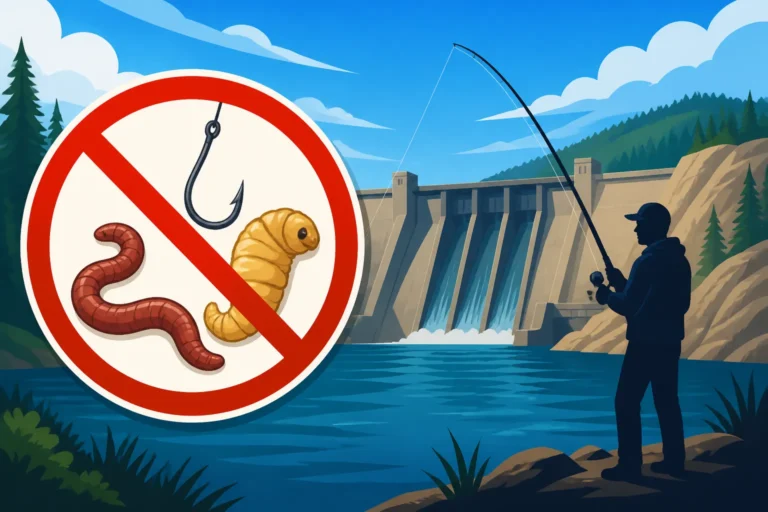
This is another area where Black Hills trout fishing diverges from many other parts of South Dakota. While bait fishing is widely accepted in many areas, specific trout streams, particularly those managed for wild trout or high-quality angling experiences, often have "artificial lures and flies only" or even "fly-fishing only" restrictions. These rules are in place to minimize harm to fish, especially in catch-and-release areas, as live bait can cause deeper hooking and higher mortality rates.
Before heading out, be sure to confirm the bait and gear rules for your chosen destination. If you're planning to visit a stream like the highly regulated sections of Rapid Creek below Pactola Dam, forget the worms and powerbait. You’ll need to stick to artificial flies or lures. Many anglers purchase specialized gear for these waters, and you can find a huge selection of appropriate lures and flies on sites like Amazon to ensure you're compliant.
Where to Find the Most Up-to-Date Information
I can’t stress this enough: the absolute best source for current, official Black Hills trout season dates and regulations is the South Dakota Game, Fish and Parks (GFP). They publish an annual fishing handbook that details all statewide regulations, specific water body rules, and any special exceptions. This handbook is your bible for fishing in South Dakota.
You can usually pick up a physical copy at GFP offices, bait shops, or sporting goods stores throughout the state, including some larger retailers like Cabela's or smaller local shops in Rapid City. Alternatively, the GFP website offers a digital version that is often the most up-to-date. Before any trip, make it a habit to check the current South Dakota GFP Fishing Handbook Guide. Regulations can change year to year, and staying informed is your responsibility as an ethical and legal angler.
Comparison of Black Hills Trout Fishing Season Highlights
To help you visualize the different opportunities throughout the year, here's a quick overview of what you might expect during each season for general trout fishing in the Black Hills. Remember, this is a generalization, and special regulation waters will always have their own specific rules.
| Season | Typical Weather | Primary Target Species | General Fishing Conditions | Best for | Key Considerations |
|---|---|---|---|---|---|
| Spring (Mar-May) | Cool, often wet, variable | Rainbow, Brown, Brook | Rising water levels, cooler temps, aggressive fish | Stocked trout, early season browns | Dress in layers, watch for high water |
| Summer (Jun-Aug) | Warm, sunny | Rainbow, Brown, Brook | Lower water levels, warmer temps, slower midday bite | Families, accessible spots, morning/evening | Crowds, water temps, seek cooler water |
| Fall (Sep-Nov) | Cool, crisp, colorful | Brown (trophy), Rainbow | Stable flows, cooling temps, active fish | Trophy browns, solitude, fly fishing | Spawning fish (handle with care) |
| Winter (Dec-Feb) | Cold, snowy | Brown, Rainbow | Low flows, clear water, slow but steady bite | Solitude, unique challenge, ice fishing on lakes | Accessibility due to snow, staying warm |
This table provides a snapshot, but as you’ve read, the detailed rules for specific locations within the Black Hills can (and often do) vary. Always consult the official GFP resources for the exact area you're planning to fish.
Disclaimer
Please note that fishing regulations, season dates, and limits are subject to change by the South Dakota Game, Fish and Parks. While every effort has been made to provide accurate and up-to-date information, this guide is for informational purposes only. It is the angler's responsibility to consult the most current official South Dakota Fishing Handbook or GFP website before heading out on any fishing trip.