Best Black Hills Streams for Brown Trout
Finding those elusive, hard-fighting brown trout in the Black Hills can feel like cracking a secret code, especially if you're new to the area or even if you've been around a while but haven't quite figured out their favorite haunts. It’s not always as simple as just showing up; these wily fish demand a bit of local knowledge and a good understanding of stream dynamics. This comprehensive guide is here to unravel the mystery, leading you to the best streams where brown trout not only live but thrive, offering you the chance to land some truly memorable fish in South Dakota's beautiful western landscape.
Understanding Black Hills Brown Trout Habitat
Brown trout are incredible survivors, but they don't just hang out anywhere. In the Black Hills, they have specific preferences that make certain streams, and even certain sections of those streams, far more productive than others. Understanding these habitats is the first step to consistently finding success.
Why Brown Trout Thrive Here
The Black Hills offer a near-perfect environment for brown trout, which is why anglers from all over flock to these waters. What makes it so ideal? It boils down to a combination of factors. First and foremost, brown trout absolutely demand cold, clear, and highly oxygenated water. The limestone geology of the Black Hills provides a natural filtration system, leading to incredibly pure water that stays cold even through the warmer summer months thanks to abundant springs and groundwater seeps. This steady, cool water supply is critical for their survival and growth.
Beyond the water quality, the physical structure of these streams is a brownie's dream. You'll find a mix of rocky bottoms, which provide excellent spawning grounds and hiding spots for aquatic insects, their primary food source. Critically important are the numerous undercut banks and fallen logs. These features create crucial overhead cover, protecting brown trout from predators like ospreys, eagles, and even us anglers. Deep pools offer refuge during low water or intense sunlight, while riffles and runs provide oxygenated feeding lanes. When you encounter a stream that ticks all these boxes – cold, clear, structured, and alive with insect life – you know you're in a prime brown trout zone.
Reading the Water for Brownies
Once you're on a stream, the next challenge is actually spotting or predicting where a brown trout might be holding. It's not about casting blindly; it's about learning to "read the water." Brown trout, especially larger ones, are often territorial and will position themselves in spots where they can efficiently feed while remaining hidden. Look for current seams, which are the lines where fast water meets slower water. These are ambush points where insects drift by effortlessly, but the fish doesn't have to fight a strong current.
Undercut banks, as mentioned, are gold mines. The fish will lie deep under the bank, darting out to grab a passing meal. Often, you won't see them until they strike, so presenting your fly or lure tight to these banks is crucial. Logjams and large boulders also create excellent cover and current breaks. Think about where a fish could comfortably rest out of the main current but still have easy access to food. The deeper, slower water at the tail end of a riffle, just before it spills into a pool, is another consistent holding spot. Similarly, the head of a pool, where the faster water first enters, can be productive. Take your time, observe the water, and try to think like a fish – where would you hide and wait for dinner?
Top Brown Trout Streams in the Black Hills
The Black Hills are a network of fantastic trout streams, each with its own character and charm. While many hold brown trout, a few truly stand out as prime destinations for those targeting these beautiful, challenging fish.
Rapid Creek's Renowned Waters
Rapid Creek is arguably the most famous trout stream in the Black Hills, and for good reason. It's a powerhouse for brown trout, particularly in certain sections. The stretch of Rapid Creek that flows through Rapid City, known as the "urban fishery," is surprisingly productive and holds a healthy population of brown trout, alongside rainbows. Access is excellent here, with parks and public pathways making it easy to hop in and out. If you're looking for an accessible spot to try your luck, especially if you're staying in the city, the section of Rapid Creek Fishing Access in Rapid City is a fantastic starting point. You might not find solitude, but you'll definitely find fish.
However, for those seeking larger browns and a more quintessential Black Hills experience, the "Catch-and-Release" sections upstream of Rapid City are legendary. Specifically, the water below Pactola Dam and downstream to the city limits is managed as a special trophy fishery. This means artificial lures only, and all brown trout must be immediately released. This restrictive management has allowed brown trout to grow to impressive sizes, with 18-20 inch fish not uncommon. The scenery is breathtaking, with steep canyons and towering pines, making the fishing experience as much about the environment as it is about the fish. You'll need to be stealthy and precise with your presentations in these clear waters, but the rewards are truly magnificent.
Castle Creek's Hidden Gems
If Rapid Creek feels a bit too popular, Castle Creek offers a wonderful alternative for those who prefer a more intimate stream experience. It's a smaller, freestone stream that winds its way through diverse terrain, from open meadows to tight, pine-lined canyons. While it may not produce the sheer numbers of trophy browns that Rapid Creek's special regulation water does, Castle Creek has a reputation for offering a more classic, adventurous trout fishing experience. The brown trout here are typically smaller, but they are wild, feisty, and absolutely gorgeous.
Access can be a bit more challenging on Castle Creek, often requiring some hiking or bushwhacking, which adds to its charm and helps keep fishing pressure down in certain areas. Look for sections where the creek has plenty of structure – large rocks, fallen timber, and deep pockets created by natural erosion. These are the places where the browns will feel most secure. Fly fishing is particularly rewarding on Castle Creek, with opportunities for dry fly action during hatches and nymphing through deeper runs. It’s a stream that demands exploration and rewards patience, making it a favorite for many local anglers who enjoy the challenge of a more untamed environment.
Spearfish Creek's Legendary Runs
Spearfish Creek, flowing through the dramatic Spearfish Canyon, is another Black Hills icon and a prime destination for brown trout anglers. This stream is truly unique, characterized by its incredibly steep gradient in places and its almost canyon-like flow. The water is gin-clear and cold, providing an ideal environment for trout. Like Rapid Creek, Spearfish Creek benefits from special regulations in certain areas, particularly within Spearfish Canyon, which helps protect and grow its trout population, including some very respectable brown trout.
What makes Spearfish Creek so special for brown trout? The sheer volume of diverse holding water. You'll find roaring rapids giving way to tranquil, deep pools, intricate riffles, and long, glassy runs. The browns here are known for their strong currents and aggressive takes. The canyon section, in particular, is visually stunning and offers fantastic fishing, though it can be quite popular. Downstream sections, as the creek leaves the canyon and flows closer to the town of Spearfish, also hold good numbers of browns and are often more accessible. A helpful tip for planning your trip is to consider working with a local guide; services found through platforms like FishingBooker can connect you with experts who know exactly where the big browns are hiding and what flies or lures they're hitting. They can guide you to both popular and more secluded spots on this magnificent waterway.
Other Notable Brown Trout Haunts
While Rapid, Castle, and Spearfish Creeks are undoubtedly the stars, the Black Hills are dotted with numerous smaller streams and tributaries that also offer excellent brown trout fishing. These often get less pressure and can provide wonderful, solitary experiences. Streams like Box Elder Creek, Spring Creek, and French Creek are worth exploring. They might be smaller in scale, but they often hold surprisingly healthy populations of wild brown trout.
These lesser-known waters might require a bit more effort to locate and access, but that's part of the adventure. They are often characterized by dense riparian vegetation, which provides great cover for the fish but can make casting a bit tricky. Small spinners or short, accurate fly casts are often the key to success. Don't overlook the tributaries feeding into the larger rivers either; these can act as nurseries for young trout and hold opportunistic browns looking for an easy meal. Many of these streams are part of the broader network of Black Hills Catch-and-Release Trout Streams or have specific regulations, so always check the latest South Dakota Game, Fish and Parks (GFP) handbook before you head out. Exploring these quieter waters can be incredibly rewarding, offering a true sense of discovery and often leading to encounters with beautiful, unpressured brown trout.
Essential Techniques and Gear for Black Hills Browns
Brown trout in the Black Hills can be challenging, but with the right approach and equipment, you'll significantly increase your chances of success. It’s not about having the most expensive gear, but rather the most appropriate.
Fly Fishing Tactics That Work
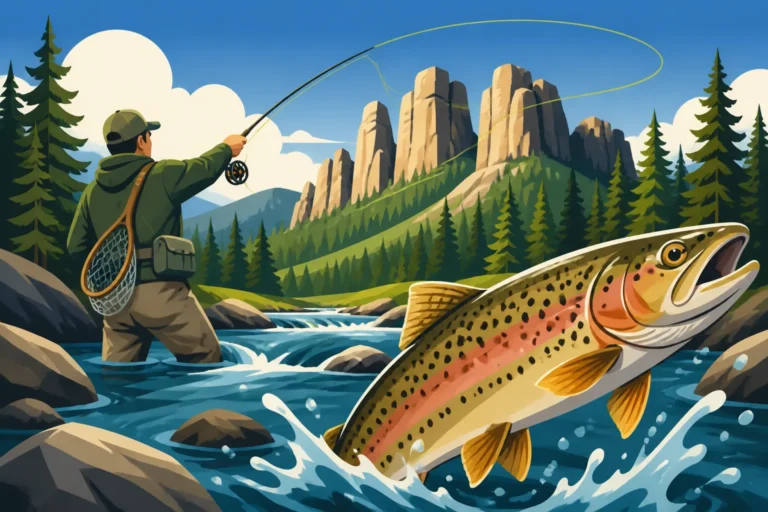
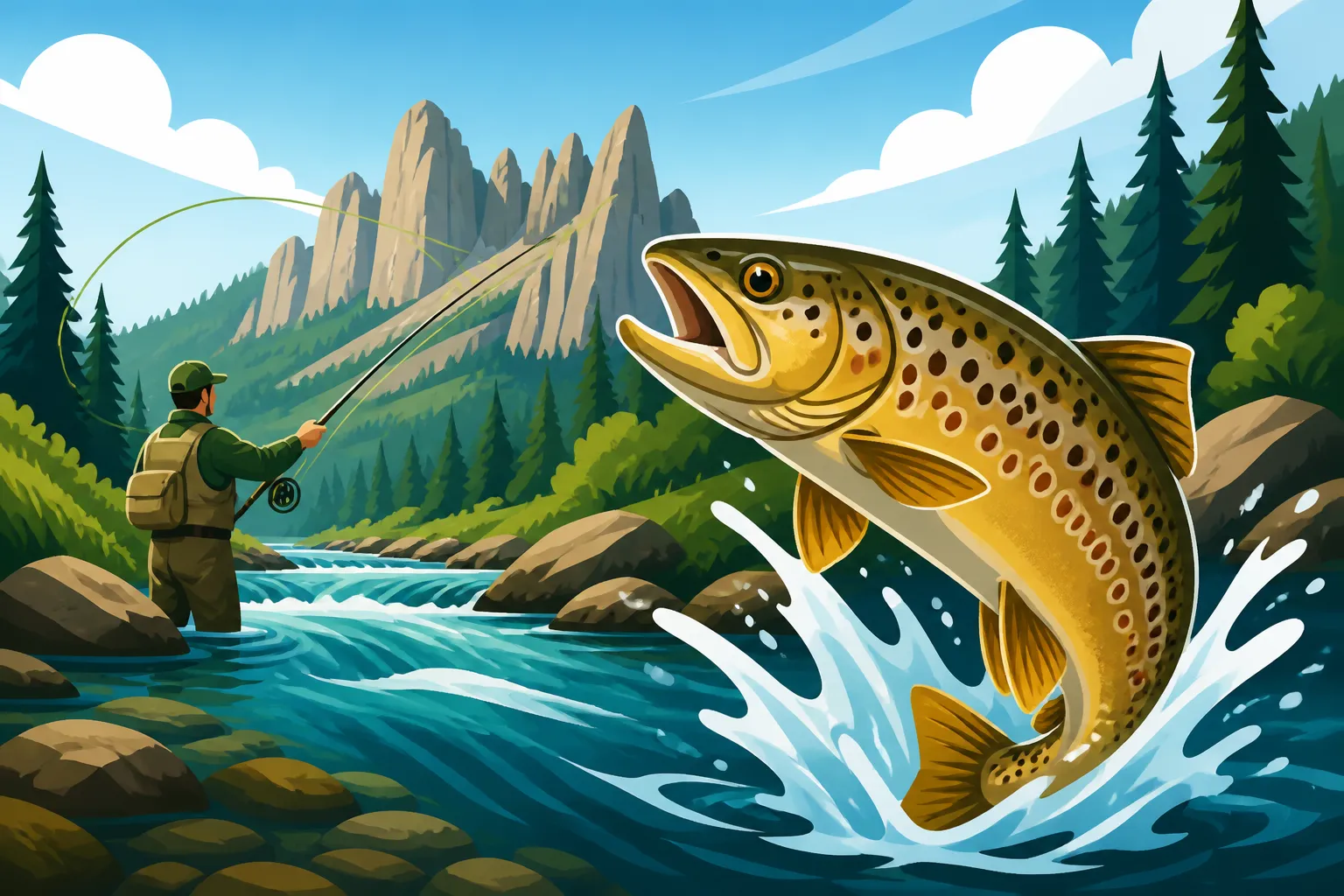
Fly fishing is incredibly popular in the Black Hills, and for good reason—it's remarkably effective for brown trout. When you're standing in the cold, clear waters of these streams, understanding the nuances of presentation is key. For most of the year, especially outside of peak hatch periods, nymphing is your bread and butter. This involves using weighted flies that imitate aquatic insect larvae and pupae drifting along the stream bottom. A good dead drift, where your flies move at the same speed as the current, is paramount. Indicators (bobbers) help you detect subtle bites. Popular nymph patterns include Pheasant Tails, Hare’s Ears, Prince Nymphs, and Caddis Larva imitations in various sizes. If you want to dive deeper, check out this guide on Nymph Fishing Techniques for Trout Streams.
When hatches occur, especially in spring and fall, dry fly fishing can be explosive. Matching the size and color of the natural insects (caddis, mayflies, stoneflies) is crucial. Presentation needs to be delicate, landing your fly softly upstream of a rising fish. Streamer fishing can also be incredibly effective, particularly for targeting larger, more aggressive brown trout. These flies imitate baitfish and crayfish. Stripping streamers through deeper pools, around logjams, or along undercut banks can elicit a violent strike. The key is to vary your retrieve speed until you find what triggers a reaction.
Spin Fishing Strategies for Success
While fly fishing gets a lot of attention, spin fishing is an equally viable and often highly effective method for catching brown trout in the Black Hills. Many anglers, especially those just starting out or preferring a more straightforward approach, find great success with spinning gear. Small spinning rods, typically 5-7 feet in length with a fast action, paired with a lightweight spinning reel spooled with 4-6 lb test monofilament or fluorocarbon line, are ideal. The goal is finesse and accurate casting.
Small inline spinners, like those from Panther Martin, Mepps, or Rooster Tail, are perennial brown trout favorites. Colors such as black, brown, gold, or silver with red accents often work well. Cast them upstream or across current and retrieve just fast enough to get the blade spinning, allowing the current to impart natural action. Small crankbaits, mimicking baitfish, can also be deadly in deeper pools and runs. Target your casts to structure: undercut banks, submerged logs, and large rocks. Soft plastics, rigged on a small jig head, can also be bounced along the bottom. The beauty of spin fishing is its versatility; you can cover a lot of water and adapt to different conditions more easily. For a great comparison of techniques, you might find this article on Fly Fishing vs Spin Fishing for Black Hills Trout quite insightful.
Gear Checklist for Stream Fishing
Heading out to the Black Hills for brown trout means being prepared. Having the right gear not only makes your trip more enjoyable but also more successful. Here’s a basic rundown of what you’ll want to consider:
| Item | Description | Why It's Important |
|---|---|---|
| Rod & Reel | 4-6 weight fly rod with matching reel, or 5-7 ft light action spinning rod. | Ensures proper presentation for trout and handles their fight. |
| Waders & Boots | Breathable chest waders and sturdy wading boots with good grip. | Essential for staying dry and safe in cold, rocky streams. |
| Line & Leaders | Floating fly line with tapered leaders/tippet, or 4-6lb mono/fluoro for spin. | Critical for stealthy presentation and turning over flies/lures. |
| Tackle Box/Vest | Small, organized box or vest for flies, lures, tools. | Keeps essentials handy and organized on the water. |
| Net | Rubber-coated landing net with a long handle (for fly fishing). | Minimizes harm to fish for release, especially larger browns. |
| Polarized Sunglasses | Reduces glare, helps spot fish and underwater structure. | Enhances visibility and protects eyes from hooks. |
| Nipper/Pliers | For cutting line, removing hooks. | Essential safety and convenience tool. |
| Water & Snacks | Stay hydrated and fueled, especially when hiking. | Maintains energy and focus throughout the day. |
| Rain Gear | Lightweight, packable rain jacket. | Black Hills weather can change quickly. |
For fly anglers, a good quality fly rod specifically designed for trout streams is key; you can explore options in this guide on Best Fly Rods for Black Hills Trout. Similarly, durable and comfortable waders are a must, especially given the cold nature of these streams; consider insights from Best Waders for Cold Black Hills Streams. Beyond the basics, a South Dakota Fishing Gear Checklist can help you remember everything from bug spray to a first-aid kit. Remember, preparation is paramount for a comfortable and productive day on the water.
Planning Your Black Hills Brown Trout Adventure
A successful brown trout trip to the Black Hills involves more than just knowing where to go and what to use; it also means understanding the optimal timing and respecting the local environment and regulations.
When to Go for Brown Trout
The Black Hills offer fantastic brown trout fishing opportunities throughout much of the year, but certain seasons stand out. Spring, particularly April and May, is a prime time. As ice recedes and water temperatures slowly rise, brown trout become very active, feeding heavily on emerging insects. It’s a great time for nymphing and streamer fishing, and often the first major dry fly hatches occur. Fall, from September through November, is arguably the most spectacular season for brown trout. This is when the leaves change, the crowds thin, and the brown trout become incredibly aggressive as they prepare for their spawn. Larger browns are often caught during this period, aggressively defending their territories and feeding voraciously.
Summer fishing (June-August) can be excellent, especially in the higher elevation streams or the colder tailwaters like below Pactola Dam, where water temperatures remain consistently cool. Early mornings and late evenings are often the most productive times during summer. Winter ice fishing is also possible on some lakes and larger river sections, but dedicated stream fishing for browns typically slows down significantly with frigid temperatures and heavy ice. Always check the latest South Dakota Trout Season Dates in the Black Hills for specific opening and closing dates or any seasonal restrictions on particular waters.
Respecting Regulations and Conservation
Fishing in the Black Hills means being a responsible angler. South Dakota Game, Fish and Parks (GFP) has put specific regulations in place to ensure the health and sustainability of these precious trout populations. It's absolutely crucial to familiarize yourself with the current South Dakota Fishing Regulations Explained before you even cast a line. These regulations cover everything from possession limits to specific gear restrictions and catch-and-release rules in certain areas.
Many of the best brown trout streams, like parts of Rapid Creek and Spearfish Creek within the canyons, operate under special regulations that often include "artificial lures only" and "catch-and-release" mandates. These rules are designed to protect larger, trophy-sized fish and allow them to contribute to future generations. For example, the Black Hills Stream Trout Regulations detail these specific rules. Always be mindful of stream access, respecting private property and public easements. Practice leave-no-trace principles, packing out everything you pack in. Ethical angling also means handling fish gently when releasing them, minimizing their time out of water, and using rubber-mesh nets to protect their slime coat. Our actions as anglers directly impact the future of these incredible fisheries, so let’s all do our part.
Guided Trips and Local Insights
For many anglers, especially those visiting the Black Hills for the first time or looking to significantly improve their success, hiring a local fishing guide can be an invaluable investment. Guides don't just know where the fish are; they understand the nuances of the local waters, the insect hatches, the subtle changes in fish behavior, and the most effective techniques for that specific day. They can save you countless hours of trial and error, putting you on fish faster and teaching you skills that will last a lifetime.
A good guide will also provide all the necessary gear, flies, or lures, and often offers valuable insights into the area's history, ecology, and other attractions. They can steer you towards the Best Guided Fishing Trips in the Black Hills, ensuring you get the most out of your experience. Websites like FishingBooker are excellent resources for finding reputable, experienced local guides who specialize in Black Hills brown trout. You can read reviews, compare services, and book directly, giving you peace of mind that you're in good hands. Even seasoned anglers can benefit from a day with a local expert, uncovering new spots or refining techniques. It’s an investment in a memorable and often more productive fishing adventure.
Disclaimer
Please remember that fishing conditions, regulations, and access can change. Always consult the official South Dakota Game, Fish and Parks (GFP) website or their most current fishing handbook before planning any trip. This guide is for informational purposes only and does not supersede state or local regulations.