Best Waders for Cold Black Hills Streams
Wading into the crystal-clear, yet often frigid, streams of the Black Hills for trout fishing is an experience unlike any other. However, if you've ever felt that icy bite creep through inadequate gear, you know the frustration – a cold, wet day can quickly turn a beautiful outing into a miserable one, making it impossible to focus on the fish. This comprehensive guide is dedicated to helping you navigate the sometimes daunting task of choosing the absolute best waders to keep you warm, dry, and comfortable, ensuring your focus stays where it should be: on those magnificent Black Hills trout.
Why Quality Waders are Absolutely Essential for Black Hills Streams
The Black Hills streams, while breathtakingly beautiful, present unique challenges that demand high-quality wading gear. We're not talking about slow-moving, warm-water rivers here. These are mountain streams, often fed by snowmelt and natural springs, maintaining consistently chilly temperatures even on a hot summer day. Come spring or fall, or even early winter for the truly dedicated angler, that water can be downright numbing. Without the right protection, you're not just uncomfortable; you're risking hypothermia, which is a serious safety concern.
Navigating the Cold, Rocky Terrain
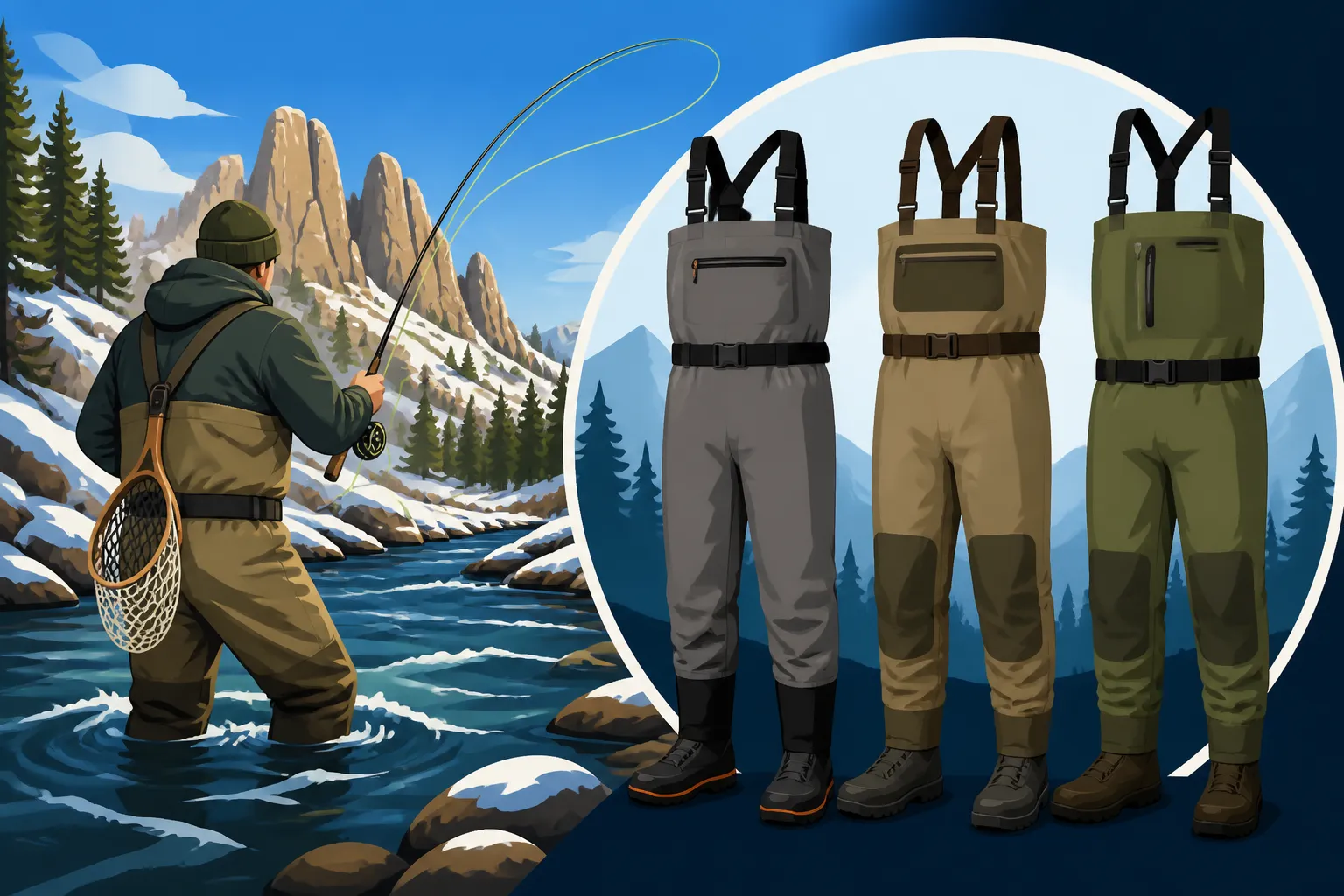
Imagine stepping into Rapid Creek or Spearfish Creek in early spring. The air might be crisp, but the water flowing over those rocky bottoms is likely in the 30s or 40s Fahrenheit. Cheap, ill-fitting, or uninsulated waders simply won't cut it. The cold will penetrate quickly, chilling your core and making your muscles stiff. Beyond just the temperature, these streams often feature slippery, moss-covered rocks and irregular bottom contours that require confident footing. High-quality waders with appropriate boot options are critical for stability and preventing painful falls.
A good pair of waders acts as your personal shield against these elements. They allow you to move freely, get to those prime fishing spots that bank anglers can't reach, and stay in the water for extended periods without succumbing to the cold. This means more time fishing, more comfort, and ultimately, a more enjoyable and productive experience. For anyone serious about fly fishing or even just spinning for trout in these picturesque settings, investing in the right waders is paramount. It’s an investment in your safety, comfort, and success on the water.
The Impact of Cold Water on Your Fishing Experience
It's not just about physical discomfort; cold water can genuinely hamper your ability to fish effectively. When your legs and feet are freezing, your concentration wanes. You might rush your casts, miss subtle bites, or simply decide to call it a day prematurely. Think about trying to tie a tiny nymph onto a thin leader with numb fingers – it’s nearly impossible. The overall goal of a fishing trip is relaxation and enjoyment, and shivering uncontrollably certainly doesn't fit that bill.
Moreover, good waders aren't just about warmth; they're also about staying dry. A leaky seam or a small puncture can ruin your day just as quickly as inadequate insulation. The Black Hills environment, with its thorny bushes, sharp rocks, and abrasive gravel, can be tough on gear. Durable waders designed to withstand this kind of abuse are crucial. You want to focus on the presentation of your fly or lure, not on whether your socks are slowly soaking through. Protecting yourself from the elements allows you to truly immerse yourself in the beauty of the Black Hills Trout Stream Fishing Guide and focus on the thrill of the catch.
Key Features to Look for in Waders for Cold Water
When you're choosing waders specifically for the cold waters of the Black Hills, you need to think beyond just "waterproof." Several features play a critical role in keeping you warm, dry, and safe. Paying attention to these details can make all the difference between a memorable day on the stream and one you'd rather forget.
Material and Insulation: Neoprene vs. Breathable with Layers
This is often the first big decision. You essentially have two main categories: neoprene and breathable.
-
Neoprene Waders: These are typically thicker, made from the same material as wetsuits. They offer excellent inherent insulation, trapping a layer of water against your body that your body then warms. This is fantastic for truly frigid conditions, like early spring, late fall, or even ice-out fishing. The downside is they can be bulky and hot if the air temperature rises, leading to sweat buildup which can then make you cold when you stop moving. Many anglers appreciate the robust feel and warmth of neoprene when fishing in places like Pactola Reservoir in colder months.
-
Breathable Waders: Made from multiple layers of a waterproof, breathable fabric (like Gore-Tex or similar proprietary materials), these waders are designed to let sweat vapor escape while preventing water from entering. They offer less inherent insulation than neoprene but are much more versatile. You control your warmth by layering underneath. This adaptability makes them a popular choice for South Dakota Fly Fishing Guide, as you can adjust to changing conditions throughout the day. For moderate to cold days, breathable waders with appropriate fleece or synthetic layers underneath are often preferred for active anglers who do a lot of walking or hiking between fishing spots.
The choice depends heavily on when and how you plan to fish. If you're a dedicated winter angler or primarily fish during the coldest months, neoprene might be your hero. If you fish year-round and value versatility, breathable waders with a smart layering system are likely a better fit.
Bootfoot vs. Stockingfoot Waders
This decision impacts your mobility and comfort directly.
-
Bootfoot Waders: These come with integrated boots attached directly to the wader legs. They are incredibly convenient; just step in, pull them up, and you're ready to go. They often offer a good seal, reducing the chance of water intrusion at the ankle. For ice fishing or very cold conditions where minimal fuss is desired, they can be great. However, the boots are fixed, so fit can be an issue, and they tend to be heavier and bulkier, which can make walking longer distances less comfortable. You might find a wider selection of specialized bootfoot waders at a dedicated outdoors retailer like Bass Pro Shops, where you can try them on.
-
Stockingfoot Waders: These end in neoprene booties, requiring you to wear separate wading boots over them. This setup offers superior ankle support and much better traction, as you can choose boots with specialized soles. They are also lighter and more packable, making them ideal for anglers who hike into remote sections of Black Hills streams or value precise footing. The downside is the extra step of putting on boots and the additional cost of purchasing boots separately. However, for serious South Dakota Fly Fishing for Black Hills Trout, the customizable fit and improved grip of stockingfoot waders combined with quality wading boots are often the preferred choice. For options on separate wading boots, check out our guide on Best Wading Boots for Rocky Streams.
Sole Type and Traction: Felt, Rubber, or Cleated
If you opt for stockingfoot waders, your choice of wading boot sole is paramount for safety in the Black Hills.
-
Felt Soles: Historically, felt has been the king for slippery, algae-covered rocks. The porous material provides excellent grip by conforming to the irregular surfaces. However, felt can pick up invasive species and is prohibited in some areas (though generally not in the Black Hills streams). They also offer less grip on muddy banks or snow.
-
Rubber Soles: Modern rubber soles, often with aggressive lug patterns or sticky compounds, have come a long way and offer a great alternative. They perform better on muddy trails, snow, and general land navigation. Many brands incorporate siping or specialized compounds to improve wet rock traction. They are also easier to clean and less prone to transporting invasives.
-
Cleated Soles (or studded rubber/felt): For the ultimate in traction on extremely slippery bedrock or large, unstable rocks, many anglers add studs or choose boots with integrated cleating options. This can provide a huge confidence boost when navigating treacherous sections of the stream. However, studs can be noisy, damage boat floors, and are overkill for some situations. When fishing in areas with swift currents or very slick conditions, like some parts of the Cheyenne River arm or tailwaters below dams, added traction can be a lifesaver.
When considering the varying conditions from smooth gravel runs to mossy boulders in the Black Hills Catch-and-Release Trout Streams, carefully evaluating your sole choice is critical for safety and stability.
Neoprene vs. Breathable: Which is Best for You?
The great debate in wader selection often boils down to neoprene versus breathable materials. Each has its staunch advocates, and each shines in particular situations. For the varied conditions of the Black Hills, understanding the nuances of both will help you make an informed decision that suits your fishing style and comfort needs.
Diving Deep into Neoprene Waders
Neoprene waders are the traditional choice for cold-water angling, and for good reason. Their inherent insulating properties are hard to beat when you're standing in near-freezing water for hours. Think of them as a personal wetsuit for your legs.
Pros of Neoprene Waders:
- Superior Warmth: This is their undisputed superpower. The closed-cell foam construction traps heat incredibly well, making them ideal for those bone-chilling mornings in April or late-season excursions into November. If you're someone who gets cold easily, or if you plan on fishing when ice might still be clinging to the banks, neoprene is a strong contender.
- Durability: Neoprene tends to be quite tough and puncture-resistant, especially the thicker models (3mm to 5mm). This is a big plus when you’re pushing through dense brush along a stream bank or scrambling over sharp rocks.
- Cost-Effective: Generally, good quality neoprene waders can be a bit more budget-friendly than their high-end breathable counterparts. This makes them an attractive option for anglers just getting into cold-water fishing or those on a tighter budget. You can often find decent neoprene options for a great price on sites like Amazon, particularly if you're not looking for all the bells and whistles.
Cons of Neoprene Waders:
- Overheating: The excellent insulation becomes a drawback when air temperatures rise, or if you're hiking a lot between spots. Neoprene doesn't breathe, so sweat gets trapped inside, leading to a clammy feeling. This trapped moisture can actually make you colder when you stop moving or if the air cools off.
- Bulk and Weight: Neoprene is thicker and heavier, which can feel restrictive. This makes long hikes uncomfortable and packing them down for transport a bit more cumbersome.
- Limited Layering: While you can layer under neoprene, you need to be careful not to restrict blood flow, which would defeat the purpose of their warmth. Over-layering can also exacerbate the sweating issue.
If your primary focus is keeping absolutely toasty in the coldest conditions the Black Hills can throw at you, and you don't anticipate extensive hiking, neoprene remains a solid, reliable choice. They are fantastic for stationary fishing in deep, cold pools or during Winter Walleye Fishing Techniques if you're venturing out of trout streams.
Exploring the Advantages of Breathable Waders
Breathable waders have become increasingly popular due to their versatility and comfort, especially among active anglers who prefer Nymph Fishing Techniques for Trout Streams and moving around a lot.
Pros of Breathable Waders:
- Comfort and Versatility: This is where breathable waders truly shine. Their ability to wick moisture away from your body while preventing water ingress means you stay drier and more comfortable across a wider range of temperatures and activity levels. This adaptability is perfect for the Black Hills, where mornings can be chilly and afternoons can warm up considerably.
- Lightweight and Packable: Made from thinner, multi-layered fabrics, breathable waders are much lighter and less bulky than neoprene. This makes them ideal for hiking into remote sections of streams or packing for destination trips.
- Excellent for Layering: The beauty of breathable waders is that you control your insulation. You can add or subtract fleece pants, long johns, or other synthetic layers underneath to perfectly match the air and water temperature. This strategic layering allows you to fish comfortably from early spring through late fall, adapting to conditions on a day-by-day basis. For more on this, check out Breathable vs Neoprene Waders for Trout Fishing.
- Increased Mobility: The lighter, less bulky material allows for a greater range of motion, which is beneficial for casting, bending, and navigating tricky stream bottoms.
Cons of Breathable Waders:
- Less Inherent Warmth: Without layers, breathable waders offer minimal insulation. If you forget your warm base layers, you’ll feel the cold quickly.
- Higher Cost (Often): High-quality breathable waders, especially those using premium fabrics, tend to be more expensive upfront than neoprene. However, their longevity and versatility can often justify the investment over time.
- Puncture Vulnerability: While durable, the thinner multi-layer fabrics can sometimes be more susceptible to punctures from thorns or sharp rocks compared to thick neoprene. However, modern breathable waders often feature reinforced knees and seats to mitigate this.
For many Black Hills anglers, especially those who enjoy the dynamic nature of South Dakota Fly Fishing for Black Hills Trout, breathable waders with a well-planned layering system offer the best all-around solution. They provide the flexibility to handle a wide range of conditions, from the crisp mornings of September to the warming afternoons of May, without sacrificing comfort or mobility.
| Feature | Neoprene Waders | Breathable Waders |
|---|---|---|
| Primary Benefit | Maximum warmth in extremely cold water | Versatility, comfort, and moisture management |
| Insulation | Excellent inherent insulation (wetsuit material) | Minimal inherent insulation; warmth comes from layers |
| Temperature Range | Best for very cold water (spring, fall, winter) | Good for wide range of temperatures (with layering) |
| Activity Level | Better for less active wading, stationary fishing | Ideal for active anglers, hiking, frequent movement |
| Weight/Bulk | Heavier, bulkier, less packable | Lighter, more flexible, more packable |
| Durability | Very durable, good puncture resistance | Durable, but high-end models offer best resilience |
| Cost (Generally) | Often more budget-friendly | Can be more expensive, especially premium models |
| Sweat Management | Traps sweat, can lead to clamminess | Allows sweat vapor to escape, keeps you drier |
Important Considerations Beyond Wader Type
Choosing between neoprene and breathable, and bootfoot versus stockingfoot, covers the main bases, but there are still several other important factors that will influence your overall satisfaction and safety when fishing in the Black Hills. These details can often be the difference between a good pair of waders and a truly great one that you rely on for years.
Proper Fit and Sizing
This might seem obvious, but a proper fit is paramount. Waders that are too tight will restrict movement, cut off circulation, and compromise insulation. Waders that are too loose will be baggy, create drag in the water, and can cause chafing. You need enough room to layer comfortably underneath (especially with breathable waders) without feeling constricted. Always consult the manufacturer's sizing chart, and if possible, try them on in person with your intended base layers and wading boots.
Pay close attention to:
- Torso Length: Ensure you can bend, squat, and reach without pulling the shoulder straps taut or feeling a strain in the crotch.
- Inseam: The legs shouldn't be too long that they bunch up excessively, nor too short that they pull tight.
- Foot Size (for bootfoot): Bootfoot waders need to fit your regular shoe size comfortably, allowing for thick socks.
- Neoprene Bootie Size (for stockingfoot): These should fit snugly but not compress your foot, as compression reduces warmth.
A well-fitting wader will feel like a second skin, allowing for natural movement and providing optimal warmth and comfort. Trying on waders in a store like Bass Pro Shops can give you a real feel for the fit, which is hard to replicate online.
Durability and Reinforcement
Black Hills streams often feature rocky beds, thorny bushes, and rough terrain along the banks. Your waders will take a beating. Look for models with reinforced knees and seat areas, often made with a thicker denier nylon or a more abrasion-resistant fabric. Triple-layer or five-layer construction in critical areas can significantly extend the life of your waders. Good quality seams are also essential; glued, taped, and stitched seams offer the best protection against leaks.
Think about how you fish. Are you scrambling over boulders in Best Black Hills Streams for Brown Trout? Are you kneeling to release a fish or to get a better casting angle? These actions put stress on specific areas, and reinforcement there will pay dividends. A minor tear can quickly ruin a day, so investing in durable construction upfront will save you headaches and repair costs down the line.
Pockets, Zippers, and Features
While not directly related to warmth or dryness, these "extras" can greatly enhance your fishing experience.
- Hand-Warmer Pockets: These are a godsend on cold days, providing a quick spot to warm your hands between casts, especially if you're not wearing gloves or need to handle tackle.
- Storage Pockets: Zippered chest pockets are invaluable for storing fly boxes, tippet spools, leaders, and other small essentials, keeping them dry and easily accessible. Some waders even feature internal pockets for valuables or a small camera.
- Accessory Attachments: D-rings, tool docks, and fly patches allow you to keep essential tools (like nippers, forceps, or a zinger) within easy reach without having to dig through your vest or pack.
- Waterproof Zippers: While full front zippers on waders are a luxury, they offer incredible convenience for ventilation and bathroom breaks. If present, ensure they are high-quality, fully waterproof zippers designed for marine use.
These thoughtful additions, though seemingly minor, contribute significantly to the overall user experience, making your day on the water more efficient and enjoyable. When browsing online marketplaces like Amazon, pay attention to the detailed product descriptions and customer reviews regarding these features.
Wader Care and Maintenance
No matter how expensive or durable your waders are, proper care and maintenance will extend their lifespan and performance.
- Cleaning: After each trip, especially if you've been in muddy water, rinse your waders thoroughly with clean, cool water. This removes dirt, algae, and any potential aquatic invasive species. Hang them to dry completely, inside and out, in a well-ventilated area away from direct sunlight or heat. Never store them damp, as this can lead to mildew and fabric degradation.
- Repair Kits: Most wader manufacturers offer repair kits for minor punctures or tears. Learning how to patch a small hole on the stream or at home can save a trip. Small pinholes are often hard to find, but can be located by turning the waders inside out and spraying them with rubbing alcohol, which will darken the fabric around the leak.
- Storage: Store waders hanging or loosely folded in a cool, dry place. Avoid compressing them for long periods, as this can damage the fabric and seams. Proper storage is key to preventing premature wear and tear, ensuring they're ready for your next adventure in Pactola Dam Catch-and-Release Water Rules.
By considering these important factors, you're not just buying a piece of gear; you're investing in a comfortable, safe, and enjoyable fishing experience in the incredible South Dakota Trout Fishing Guide.
Disclaimer
This article is for general informational purposes only and does not constitute professional advice. Laws, prices and regulations vary by location and change over time. Consult a qualified professional for guidance on your specific situation.