Pactola Dam Catch-and-Release Water Rules
Navigating the nuanced regulations of South Dakota's premier fishing spots can feel like trying to untangle a bird's nest of fishing line – confusing, frustrating, and often leading to more questions than answers. When it comes to the highly regarded waters below Pactola Dam, specifically the designated catch-and-release stretch, understanding the specific rules isn't just a good idea; it's essential for protecting this unique fishery and ensuring you have a successful, lawful day on the water. This comprehensive guide is here to unravel all those complexities, making sure you're fully prepared to enjoy the pristine trout fishing offered in this special part of the Black Hills.
Understanding the Special Catch-and-Release Zone Below Pactola Dam
The area immediately below Pactola Dam is renowned for its exceptional trout fishing, a direct result of careful management and specific regulations designed to foster a healthy, thriving population of brown and rainbow trout. This isn't just any stretch of river; it's a designated haven where conservation takes precedence, providing a unique experience for anglers who appreciate the challenge and reward of a catch-and-release fishery.
Defining the Geographic Boundaries
It's crucial to know exactly where these special rules begin and end, as the regulations shift once you leave this protected zone. The catch-and-release waters below Pactola Dam specifically refer to the stretch of Rapid Creek from the Pactola Dam spillway downstream to the point where the creek widens near the confluence with Little Elk Creek. This area is usually well-marked with signage from the South Dakota Game, Fish and Parks (GFP), but it’s always wise to consult a detailed map or the latest copy of the South Dakota Fishing Handbook Guide before heading out. Anglers often get confused about where the Catch-and-Release Water Below Pactola Dam Starts and ends, so paying close attention to these markers can save you a lot of hassle.
This specific designation isn't arbitrary. It's an intentional management strategy to maintain a robust population of larger, wilder trout, particularly brown trout, which thrive in these conditions. By restricting harvest and imposing certain gear limitations, the GFP ensures that these fish can grow to impressive sizes, offering a thrilling challenge for dedicated anglers. This commitment to conservation directly contributes to the exceptional quality of fishing you'll find here, making it a truly special destination within the Black Hills.
The Philosophy Behind Catch-and-Release Management
Why designate an area as catch-and-release? For Pactola Dam, the philosophy centers on creating a trophy trout fishery and preserving genetic diversity within the wild trout populations. Many of the trout in Rapid Creek below Pactola are wild-spawned, meaning they reproduce naturally in the stream, which is a testament to the health of the ecosystem. Allowing these fish to live and spawn multiple times is vital for the long-term sustainability of the fishery.
Beyond conservation, catch-and-release also enhances the angling experience itself. Knowing that every fish you hook has the chance to be caught again, perhaps even by another angler, adds a layer of respect and responsibility to the sport. It shifts the focus from filling a creel to the pure joy of the chase, the skill of the presentation, and the thrill of the fight. This approach cultivates a community of anglers who are deeply invested in protecting these precious resources for future generations.
Specific Regulations Governing Pactola's Catch-and-Release Waters
Once you step into the special catch-and-release zone below Pactola Dam, the standard South Dakota Fishing Regulations Explained take a backseat to a set of highly specific rules designed to maximize fish survival. These aren't just suggestions; they are legally binding requirements that every angler must adhere to. Ignoring them can lead to significant penalties, but more importantly, it undermines the very purpose of this special designation.
Mandatory Artificial Lures and Single Hooks Only
One of the most critical rules in this section of Rapid Creek is the requirement for artificial lures only. This means no live bait, no dead bait, and no processed bait of any kind. Worms, minnows, salmon eggs, or even scented soft plastics are strictly forbidden. The logic here is simple: artificial lures, especially when paired with single hooks, minimize the chances of a fish deeply ingesting the bait, which can be fatal. This regulation is explicitly designed to reduce internal injuries and improve the survival rate of released fish.
Furthermore, all artificial lures must be equipped with single hooks, which must also be barbless. If your lure comes with treble hooks, you'll need to remove them and replace them with a single, barbless hook. For those store-bought lures with barbed hooks, the barb must be crimped down completely. You can easily find tools for this, or even pre-made barbless hooks, on platforms like Amazon, making compliance straightforward. This dual requirement for artificial lures and barbless single hooks drastically reduces tissue damage to the fish's mouth, making the release process much less stressful and increasing the likelihood of the fish swimming away healthy.
Zero Possession and Immediate Release
This might sound obvious for a catch-and-release area, but it bears repeating: absolutely no fish may be kept or possessed in this specific stretch of water. This isn't just about limiting your daily harvest; it's about the instantaneous release of any fish caught. As soon as you land a fish, it must be immediately released back into the water where it was caught. There's no measuring, no photo shoot on the bank if it prolongs the release, and certainly no putting fish on a stringer or in a livewell.
The goal is to minimize the time the fish spends out of the water and reduce handling stress. Even if you catch a trophy-sized brown trout, the rule is the same: admire it briefly in the water, unhook it, and let it go. This regulation is crucial for protecting the trophy potential of the fishery, ensuring that these larger, more experienced fish continue to contribute to the natural reproduction cycle and provide future angling opportunities. For information on general South Dakota Fish Limits and Size Restrictions for other areas, it's always best to consult the GFP regulations.
Gear and Technique Considerations for Success and Conservation
Fishing the catch-and-release waters below Pactola Dam isn't just about following the rules; it's about adopting practices and using gear that align with the conservation goals of the area. This means being mindful of your approach, selecting the right tools, and handling fish with the utmost care.
Recommended Tackle and Lures
Given the artificial lure and barbless single hook mandate, your tackle selection needs to be precise. Fly fishing is incredibly popular here, and for good reason. A lightweight fly rod (3-5 weight) with a matching reel and floating line is ideal for presenting small nymphs, dry flies, and streamers to wary trout. Many anglers favor specific patterns that mimic local insects, like Blue-winged Olives, Caddis, and Stoneflies, which you can easily purchase from specialty fly shops or even online retailers like Amazon. Nymph fishing techniques for trout streams are particularly effective in this stretch of Rapid Creek, especially during colder months.
For spin anglers, ultralight spinning gear is the way to go. Small inline spinners (e.g., Panther Martins, Mepps Aglias), tiny spoons, or small jerkbaits equipped with a single barbless hook are highly effective. Using light line (4-6 lb test monofilament or fluorocarbon) not only makes the fight more exciting but also minimizes stress on the fish. Remember to always check that your hooks are indeed single and barbless before casting. A pair of needle-nose pliers or hemostats is indispensable for crimping barbs and safely removing hooks.
Best Practices for Fish Handling and Release
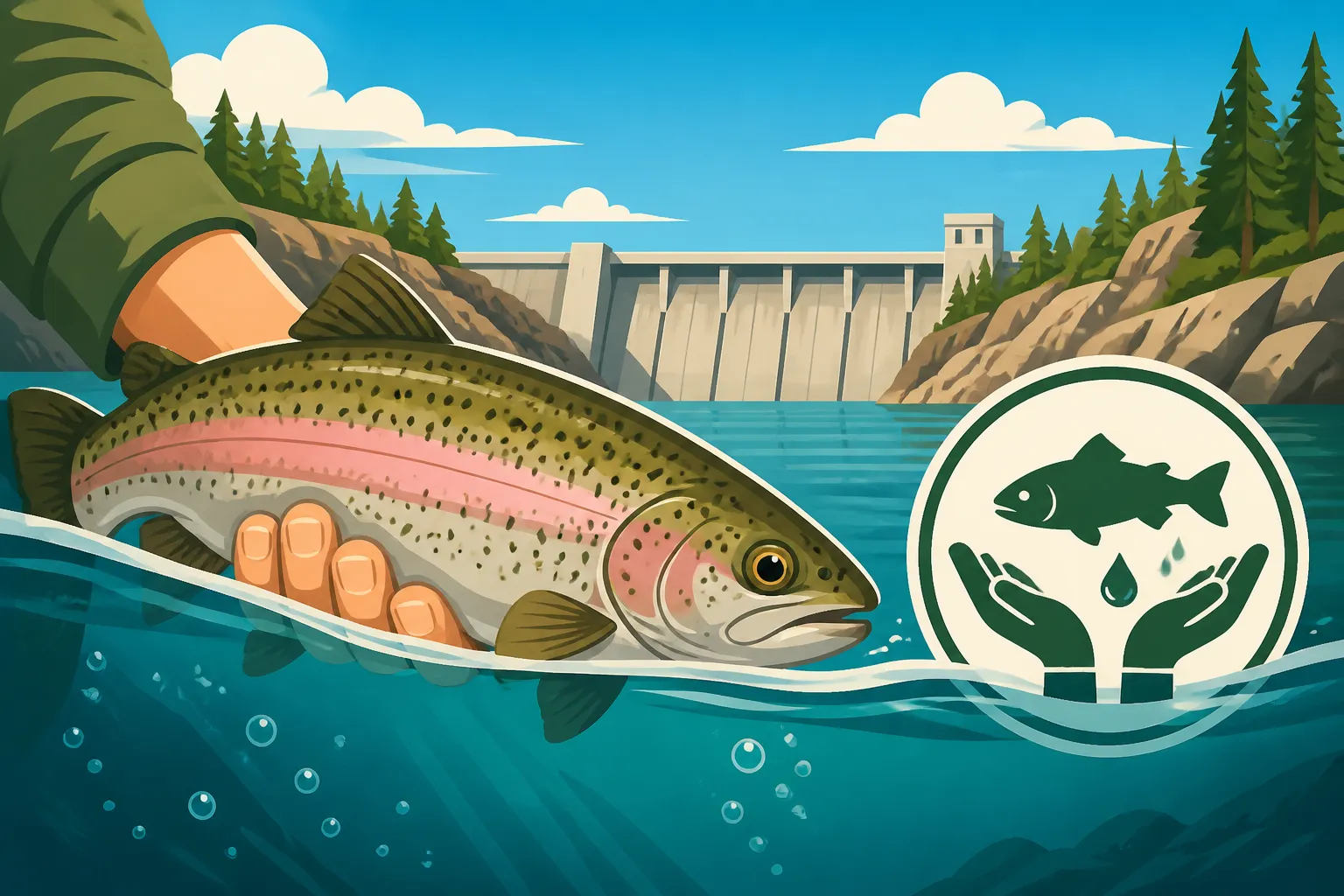
Proper fish handling is paramount for ensuring the survival of released fish. Always try to keep the fish in the water as much as possible. If you need to bring it out for hook removal, do so quickly. Wet your hands before touching the fish to avoid removing its protective slime coat, which defends against disease. Avoid squeezing the fish, especially around its belly or gills.
When removing the hook, use forceps or needle-nose pliers. Since your hooks are barbless, they should slide out easily. If the fish is deeply hooked, which is less likely with artificial lures and barbless hooks, it might be best to snip the line as close to the hook as possible rather than tearing sensitive tissue. Allow the fish to recover in the water, supporting it gently until it swims away under its own power. Never throw or drop a fish back into the water. This gentle approach is a cornerstone of responsible fishing in a catch-and-release environment.
The Ecological Impact of These Regulations
The strict catch-and-release rules below Pactola Dam aren't just bureaucratic red tape; they are a vital component of a larger ecological management strategy. These regulations directly contribute to the health and sustainability of the entire Rapid Creek ecosystem within the Black Hills.
Fostering a Healthy Trophy Trout Fishery
One of the most apparent benefits of the catch-and-release designation is the development of a trophy trout fishery. By protecting fish from harvest, particularly the larger, more mature individuals, the population can age, and fish can grow to impressive sizes. This provides anglers with the opportunity to catch true "lunkers" that might otherwise be removed from the system. This management style is why areas like this are often highlighted in any South Dakota Trout Fishing Guide.
These larger fish are not just for bragging rights; they are crucial breeders. Older, larger trout typically lay more eggs and often have a higher survival rate for their offspring, contributing significantly to the next generation of fish. This creates a self-sustaining cycle where the regulations directly support the very resource anglers come to enjoy. It’s a win-win: better fishing for us, and a healthier future for the fish.
Protecting Native and Wild Trout Populations
While some stocking might occur in other parts of Rapid Creek, the catch-and-release section below Pactola Dam is especially focused on protecting its wild trout populations. These fish, especially the brown trout, have adapted to the local environment over generations, possessing genetic traits that make them resilient to regional conditions. Removing these wild fish, even in small numbers, can have a disproportionate impact on the genetic diversity and overall health of the population.
The regulations help ensure that these wild trout can complete their life cycles, including spawning multiple times. This natural reproduction is far more sustainable and ecologically beneficial than relying solely on stocking programs. It’s about preserving a piece of wild South Dakota, ensuring that future generations can experience the thrill of catching a truly wild Black Hills trout. This careful balance makes it one of the most productive trout streams in the region.
Navigating the Area and Access Points
Getting to the catch-and-release waters below Pactola Dam is relatively straightforward, but understanding the best access points and what to expect can greatly enhance your fishing experience. This area, nestled within the beautiful Black Hills National Forest, offers stunning scenery alongside fantastic fishing.
Designated Parking and Access Trails
Most anglers access this special section of Rapid Creek via designated parking areas off US Highway 385, just south of Pactola Dam. There are typically well-maintained trails leading from these parking lots down to the creek. These trails can sometimes be steep or uneven, so sturdy hiking shoes are highly recommended. Always be mindful of private property signs and stick to public access points to avoid trespassing.
While the primary access is close to the dam, further downstream access points become available, offering a different angling experience. It's always a good idea to scout the area on a map beforehand or even visit without gear the first time to get a lay of the land. Remember, patience is key when exploring new water, and finding your preferred spot can take a little effort. Knowing Where the Catch-and-Release Water Below Pactola Dam Starts is crucial for proper navigation.
Safety and Environmental Considerations
Fishing in any natural setting comes with inherent risks, and Rapid Creek is no exception. The water can be cold and swift, especially during high flows. Waders are essential for staying warm and dry, and wading boots with good traction will help prevent slips on slippery rocks. Always use a wading staff for added stability, particularly if you're venturing into faster currents.
Beyond personal safety, be acutely aware of your environmental impact. Pack out everything you pack in, including all trash, broken fishing line, and discarded bait containers. Practice Leave No Trace principles to preserve the pristine beauty of the Black Hills. Respect wildlife, maintain a respectful distance from other anglers, and be a good steward of this incredible natural resource. This also includes understanding that South Dakota Boat and Water Access Rules are important, although this particular stretch is generally foot-access only.
Frequently Asked Questions and Clarifications
Even with clear regulations, questions often arise when fishing in a specialized area like the Pactola Dam catch-and-release waters. Let's address some common points of confusion to ensure you're fully informed and confident on the stream.
What if I accidentally catch a fish with a barbed hook?
Accidents happen, especially if you've forgotten to crimp a barb or if a hook bends. If you accidentally catch a fish using a barbed hook in the catch-and-release zone, the first and most important step is to release the fish immediately and as gently as possible. Then, immediately rectify the situation: crimp the barb on that hook and double-check all other hooks on your lures. Game, Fish and Parks officials prioritize education and compliance, but repeated infractions, or clearly intentional disregard for the rules, will result in citations. It's about demonstrating good faith and making an effort to follow the rules, which are in place for the welfare of the fish.
Are there any exceptions to the artificial lures only rule?
No, there are no exceptions to the artificial lures only rule within the designated catch-and-release section below Pactola Dam. This includes popular organic baits often used elsewhere, such as powerbait, corn, or worms. The rule is absolute to protect the fishery. If you are looking to fish with bait, you'll need to move out of the special regulation zone and into areas where bait fishing is permitted under general South Dakota regulations. This is why Bait Restrictions Near Pactola Dam are so strictly enforced in this specific area.
Can I use multiple rods in this area?
Generally, in South Dakota, anglers are allowed to use up to two lines while fishing. However, specific regulations for special waters like this catch-and-release area can sometimes modify general rules. As of the current South Dakota Game, Fish and Parks regulations, the two-rod limit typically applies, but always double-check the most recent fishing handbook for any localized changes. The spirit of fishing in this area often lends itself to more focused, single-rod angling, allowing for precise presentations and careful fish handling, which aligns perfectly with the conservation goals.
What if the dam is releasing water?
Dam releases can significantly impact water levels, current speed, and clarity in Rapid Creek. Always exercise extreme caution during dam releases, as water levels can rise rapidly and currents can become very strong, creating dangerous wading conditions. It's advisable to check the water release schedules if available or observe the water conditions carefully before wading in. Fishing can still be productive during releases, but safety should always be your top priority. Adjust your casting and wading strategies to account for the increased flow, perhaps targeting slower eddies or pockets along the banks.
Can I fish here all year round?
The catch-and-release section below Pactola Dam is generally open to fishing year-round, subject to Black Hills-specific trout season dates and any temporary closures. Trout streams in the Black Hills, including Rapid Creek, often have extended seasons compared to warm-water fisheries. However, always consult the current South Dakota Fishing Season Dates and Limits or the South Dakota Game, Fish and Parks website for the most up-to-date information, as regulations can change. Winter fishing, especially ice-out periods, can be fantastic for hardy anglers, offering a unique opportunity to target large, hungry trout.
| Regulation Category | Rule for Pactola Dam Catch-and-Release Zone | Rationale |
|---|---|---|
| Location | Rapid Creek, from Pactola Dam spillway downstream to Little Elk Creek confluence. | Designated to protect a unique wild trout fishery. |
| Lures | Artificial lures only. | Minimizes deep hooking and internal injury. |
| Hooks | Single, barbless hooks only. Replace trebles; crimp barbs on all hooks. | Reduces mouth damage and stress during release. |
| Possession/Harvest | Zero possession. All fish must be immediately released. | Fosters trophy fishery and ensures fish contribute to spawning. |
| Bait | No live bait, dead bait, or any organic/processed bait whatsoever. | Prevents accidental deep hooking and reduces fish mortality. |
| Fish Handling | Keep fish in water, wet hands, avoid squeezing, use forceps for hook removal. | Maximizes post-release survival rates. |
| Rod Limit | Typically two rods, but confirm with current GFP regulations. | General state rule, but responsible use is emphasized for conservation. |
Conclusion
The catch-and-release waters below Pactola Dam are truly a jewel in the crown of South Dakota fishing. They offer a challenging yet incredibly rewarding experience for anglers dedicated to the art of trout fishing and the principles of conservation. By understanding and diligently adhering to the specific rules – mandatory artificial lures, single barbless hooks, and immediate release – you're not just avoiding a fine; you're actively participating in the preservation of a precious natural resource. So grab your gear, crimp those barbs, and prepare for an unforgettable day casting lines into one of the Black Hills' most treasured trout streams.
Disclaimer
The information provided in this guide is intended for general informational purposes only and is subject to change. Fishing regulations, license requirements, and access rules are set by the South Dakota Department of Game, Fish and Parks (GFP) and can be updated at any time. It is the angler's responsibility to consult the most current official South Dakota Fishing Handbook or the GFP website before engaging in any fishing activities. This guide does not constitute legal advice, and compliance with all applicable laws and regulations is solely the responsibility of the individual angler.