South Dakota Walleye Possession Limit
It can be incredibly confusing trying to keep track of all the fishing rules, especially when you're excited to hit the water in South Dakota and just want to enjoy a day of walleye fishing. The distinction between a daily limit and a possession limit is one of those subtle but critical details that often trip up even seasoned anglers. This guide is here to clear up exactly what the South Dakota walleye possession limit entails, ensuring you understand the regulations, navigate any special rules, and confidently enjoy your time on our beautiful lakes and rivers without worry.
Understanding Walleye Limits in South Dakota
South Dakota is a walleye angler's paradise, but with that incredible opportunity comes the responsibility of understanding and adhering to the regulations designed to protect these cherished fish populations. Misinterpreting limits is a common pitfall, and getting it wrong can lead to serious headaches.
Daily Limit vs. Possession Limit – What's the Difference?
Let's cut right to the chase because this is where most of the confusion arises. The terms "daily limit" and "possession limit" are often used interchangeably by accident, but they refer to two distinct things:
-
Daily Limit: This is the maximum number of fish you can catch and keep in a single day (from midnight to midnight). If the daily limit for walleye is, say, 4, then you can only harvest and retain four walleye from the moment you start fishing until the clock strikes midnight. Once you've reached that number, you must stop fishing for that species for the rest of the day, or switch to catch-and-release only if regulations permit it in that specific water body. It's about what you take out of the water during a 24-hour period.
-
Possession Limit: This is the total number of fish of a given species you are allowed to have in your possession at any one time, regardless of when or where they were caught. This includes fish in your livewell, in your cooler, in your vehicle, at your campsite, in your freezer at home, or even at a fish cleaning station. Think of it as your cumulative total. So, if the possession limit is 8 walleye, and you fished for two days, keeping 4 each day, you would hit your possession limit after the second day. You cannot catch more walleye on the third day until some of those previously caught fish have been consumed or legally given away. This rule is designed to prevent anglers from stockpiling fish over multiple days beyond a sustainable amount.
Many anglers make the mistake of thinking they can simply catch a new daily limit every single day they are on a multi-day trip, even if they haven't eaten or processed the fish from previous days. This is precisely where the possession limit comes into play. It's a crucial conservation tool to manage harvest over longer periods and prevent overexploitation of our valuable walleye populations.
The Statewide Walleye Possession Limit
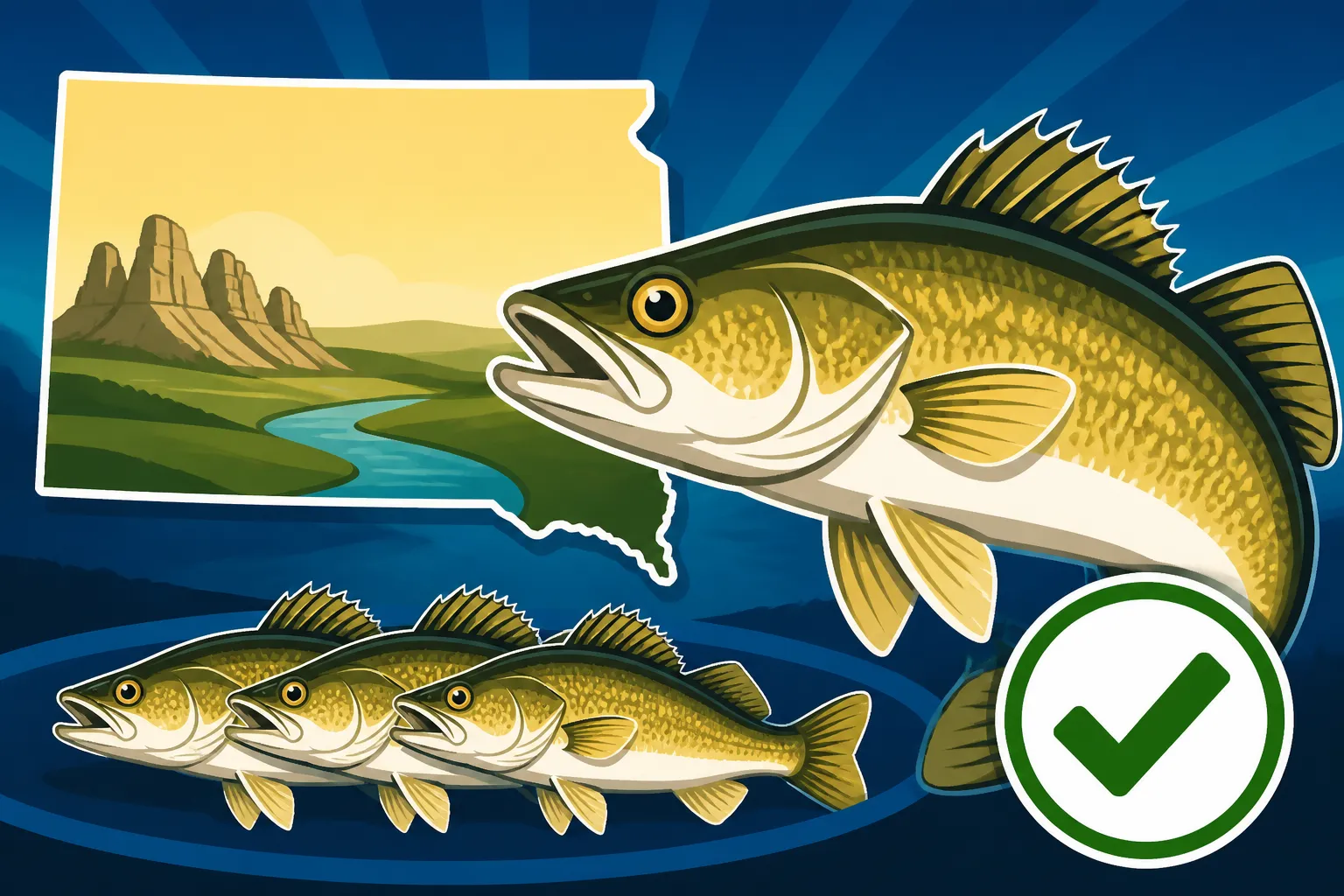
For most of South Dakota's waters, the statewide walleye possession limit is twice the daily limit. This means if the daily limit is 4 walleye, the possession limit is generally 8 walleye. This is a pretty standard setup across many states and helps simplify things while still encouraging responsible harvest.
However, it's absolutely vital to remember that "most waters" isn't "all waters." There are always exceptions, and that's why it's so important to dig a little deeper into the specific regulations for the area you plan to fish. Just because you caught 4 walleye yesterday doesn't automatically mean you can keep another 4 today if you still have all 4 from yesterday in your cooler and the possession limit is 8. You'd be at 8, which is your limit. To keep more, you'd need to have consumed or otherwise legally disposed of some of the previous catch.
This possession limit applies to all forms of possession, including frozen fillets back at your cabin or even fish being transported home. If a game warden stops you, they'll count everything. So, if you're planning a week-long fishing adventure, say on the vast waters of Lake Oahe, you need to be constantly mindful of how many walleye you currently possess. You can find more details in the comprehensive South Dakota Walleye Limits guide.
Why These Limits Exist
It's easy to look at fishing regulations as just a bunch of hoops to jump through, but they are absolutely critical for the long-term health of our fisheries. Walleye limits, both daily and possession, are established by the South Dakota Game, Fish and Parks (GFP) for several important reasons:
-
Conservation and Sustainability: First and foremost, limits are about ensuring that walleye populations remain healthy and abundant for future generations. Without limits, it would be far too easy for anglers to overharvest, especially during peak seasons or in highly productive areas. The GFP conducts extensive research, including population surveys and creel censuses, to determine sustainable harvest levels. These scientific insights directly inform the daily and possession limits.
-
Fair Distribution of Resources: Limits help ensure that the angling opportunities are distributed more equitably among all fishermen. If a few anglers were to take an excessive number of fish, it would diminish the experience and success for everyone else. By setting reasonable limits, more people have a chance to enjoy catching and keeping walleye.
-
Protection of Spawning Stocks: Certain limits, combined with potential slot limits or seasonal closures (though walleye generally have a continuous season in South Dakota, specific areas might have variations), help protect mature breeding fish, ensuring they have the opportunity to spawn and contribute to the next generation of walleye. This is particularly important for species like walleye, which are highly sought after.
-
Ecosystem Health: Walleye are apex predators in many South Dakota lakes and rivers. Their numbers directly influence the balance of the entire aquatic ecosystem, affecting baitfish populations and even other game fish. Maintaining healthy walleye numbers through responsible limits contributes to a healthier overall environment.
These limits aren't arbitrary; they are carefully calculated decisions based on science and a commitment to preserving South Dakota's incredible fishing heritage.
Navigating Special Regulations for Walleye
While there's a general statewide possession limit, South Dakota's diverse waterways often necessitate specific, localized regulations. Ignoring these can land you in hot water, so it's vital to be aware of where and when these exceptions apply.
Region-Specific Rules and Water Bodies
One of the most important things to remember about South Dakota fishing is that the rules aren't always uniform across the entire state. Certain lakes or stretches of river might have different walleye limits or size restrictions than the statewide standard. These special regulations are put in place because different bodies of water have unique ecosystems, walleye growth rates, and fishing pressures.
A prime example is the Belle Fourche Reservoir. This popular fishing destination frequently has its own unique set of walleye rules, which can include different daily limits, possession limits, or even slot limits (we'll get to those in a moment). The GFP implements these rules to manage specific walleye populations that might be experiencing different pressures or growth patterns than, say, walleye in Lake Oahe or the glacial lakes of eastern South Dakota. Always make sure to check the Belle Fourche Reservoir Special Walleye Rules if you plan to fish there. Similarly, other prominent fisheries along the Missouri River System, like Lake Sharpe or Lake Francis Case, might occasionally have specific advisories or modified limits depending on the year's survey data.
Before you even tie on your first lure, it's absolutely crucial to consult the most current regulations for the specific lake or river you intend to fish. A simple search on the South Dakota Game, Fish and Parks website or a quick check of the latest fishing handbook can save you a lot of grief.
The Impact of Slot Limits and Minimum Sizes
Beyond just the number of fish you can keep, special regulations often involve size restrictions. These are particularly important for managing walleye fisheries and can profoundly impact your possession limit strategy.
-
Minimum Size Limit: This is the most straightforward. Any walleye you catch that is under a specified length (e.g., 15 inches) must be immediately released. These limits protect juvenile fish, allowing them to grow to a mature size and contribute to spawning.
-
Slot Limit: This is a bit more nuanced and incredibly effective for managing trophy fisheries or balancing population demographics. A slot limit means that fish within a certain size range must be released. For example, a common walleye slot limit might be "no walleye between 15 and 18 inches may be kept." This means you can keep fish under 15 inches (if a daily limit allows and there's no minimum size above that) and fish over 18 inches, but anything in the "slot" must go back.
The purpose of a slot limit is often to protect the middle-aged, prime spawning fish, allowing them to reproduce multiple times, while still allowing anglers to harvest smaller "eater" fish and occasionally a larger trophy. This helps create a more balanced population structure.
When a slot limit is in effect, it directly influences what you can count towards your daily and possession limits. For instance, if you have a daily limit of 4 walleye, but a 15-18 inch slot, you might only be able to keep one fish over 20 inches and three under 15 inches. This makes keeping track even more critical. You might consider adding a fish ruler or a measuring board to your essential gear. You can find many reliable options for these on Amazon that easily attach to your boat or tackle box.
Checking the Latest South Dakota Fishing Regulations
There’s no excuse for not knowing the rules, and frankly, it’s not hard to find them. The South Dakota Game, Fish and Parks department does an excellent job of making their regulations accessible.
Your primary resource should always be the official South Dakota Game, Fish and Parks (GFP) Fishing Handbook. This handbook is updated annually and contains all the current rules, limits, and special regulations for specific water bodies. You can usually pick up a physical copy wherever you buy your South Dakota Fishing License Guide, such as bait shops, sporting goods stores like Cabela's, or GFP offices.
Even better, the GFP makes the full handbook available online on their official website. Before every trip, especially if you're venturing to a new lake or it's a new fishing season, take a few minutes to review the digital version. It’s always up-to-date and easily searchable. You can also download a PDF version to keep on your phone or tablet for quick reference while you’re out on the water. This is an indispensable tool for understanding everything from South Dakota Fish Limits and Size Restrictions to South Dakota Boat and Water Access Rules.
Don't rely solely on word-of-mouth or last year's memories. Regulations can and do change, often based on biological surveys, environmental conditions, or management goals. Make it a routine to check the current handbook, and you'll always be fishing legally and responsibly.
Practical Tips for Responsible Walleye Anglers
Beyond simply knowing the rules, developing good habits as an angler is crucial for staying within possession limits and contributing to the conservation of South Dakota's walleye fishery. It's about being prepared and thoughtful in your approach.
Keeping Track of Your Catch
This might sound obvious, but it's where many anglers accidentally run into trouble, especially on multi-day trips or when fishing with multiple people from the same boat. It's not enough to just count the fish you’ve kept for the day; you need to know your total possessed fish.
-
Logging Your Catch: For multi-day trips, consider keeping a small, waterproof notebook or using a fishing app on your phone to log your kept fish. Note the date, location, and number of walleye retained. This mental or written tally is essential for knowing when you're approaching your overall possession limit. For instance, if you're targeting the prized walleye on Lake Oahe, you might be out there for several days. Knowing exactly how many you've put in the cooler is key to managing your possession.
-
Separate Coolers: If you're fishing with family or friends and everyone has their own license, make sure each person's catch is clearly identifiable and separate. While fish cleaning stations often allow co-mingling once processed, on the water and during transport, each individual is responsible for their own possession limit. If a game warden checks, they'll want to see clearly who caught what. This also applies to the South Dakota Nonresident Fishing License Rules if you have out-of-state guests.
-
Tagging Your Fish: Some anglers, especially those participating in tournaments or who want to ensure clear identification for multi-day trips, will use a simple, non-damaging tag (like a zip tie through the gill plate) for each day's catch. While not always necessary for casual fishing, it's an option for very particular tracking.
Ultimately, vigilance and a system for tracking your harvest are your best defense against accidental violations. Don't leave it to chance or a foggy memory after a long day on the water.
Proper Fish Handling and Storage
Once you've decided to keep a walleye, ensuring it's handled properly not only maintains the quality of the meat but also reflects responsible angling practices. Poor handling can lead to spoilage, making those precious fish unfit for consumption, which is a waste of a limited resource.
-
Quick and Humane Dispatch: If you intend to keep a fish, dispatch it quickly and humanely. A swift blow to the head or a gill cut (to bleed it out) are common methods. This reduces stress on the fish and improves meat quality.
-
Immediate Cooling: The moment a fish is kept, it should go straight into a cooler filled with ice. A good ice-to-fish ratio is crucial for rapidly chilling the fish and preventing bacterial growth. Don't just throw them in a dry cooler, especially on a warm South Dakota summer day; that's a recipe for soft, mushy fillets. A quality cooler, like those found from Yeti or Engel (or numerous comparable options available on Amazon), can make a huge difference in preserving your catch.
-
Cleaning and Filleting: Process your fish as soon as possible after returning from your trip. Fillet them carefully, remove any bloodlines, and rinse them thoroughly. This is where your possession limit really comes into play, as the cleaned fillets still count towards your limit until consumed or given away. Make sure you leave enough skin or a patch of skin on fillets to allow for species identification, if required by local regulations (though this is less common for walleye).
-
Freezing for Long-Term Storage: If you're not planning to eat your walleye right away, vacuum sealing or freezing in water are excellent methods for long-term preservation. This helps prevent freezer burn and keeps the meat fresh for months. Just remember, those frozen fillets still count towards your possession limit when you're back home, not just when you're on the water.
Avoiding Common Mistakes
Even the most well-intentioned anglers can make errors. Being aware of common pitfalls can help you steer clear of trouble.
-
Co-Mingling Fish: As mentioned, mixing everyone's catch into one cooler without clear identification can lead to issues. If two anglers each have a 4-walleye daily limit, and a 8-walleye possession limit, and they catch 4 each, but then combine them with no way to tell them apart, it looks like one person has 8 walleye, potentially hitting their possession limit if they already had fish from a previous day. Keep catches separate until you're at a cleaning station or home.
-
Forgetting About Fish in Transit/Storage: Your possession limit isn't just about the fish in your boat. It includes any fish in your vehicle, at your lodge, or even in your home freezer until they are consumed. If you have 6 walleye in your freezer from last weekend's trip, and the possession limit is 8, you can only keep 2 more on your next outing. This is where the term "possession" really makes sense.
-
Not Checking Current Regulations: Regulations change. The limits for South Dakota Walleye Limits might be slightly different year to year or even month to month in certain special waters. Always, always check the current South Dakota GFP fishing handbook before you head out, especially if you haven't fished in a while or are visiting a new area. Relying on outdated information is a surefire way to accidentally violate regulations. This applies to everything from South Dakota Fishing License Exemptions to the opening and closing dates of specific seasons.
-
High-Grading: This is a practice where anglers catch fish, keep them for a while, and then release them later in the day if they catch larger fish, essentially "upgrading" their catch. In South Dakota, this is generally illegal for most species once a fish has been "reduced to possession" (i.e., put in a livewell or cooler with the intent to keep). Once you decide to keep a fish, it counts towards your limit. You can't just swap it out for a bigger one later. The goal is responsible harvest, not selective "trophy" hunting within a daily limit in a way that wastes fish.
By being mindful of these common mistakes, you can ensure a smooth, enjoyable, and legal fishing trip.
Consequences of Exceeding Walleye Possession Limits
Nobody wants to face penalties, especially when you're out to enjoy the peace and thrill of fishing. Understanding the repercussions of exceeding possession limits is another strong motivator to stay informed and adhere to regulations.
Penalties for Violations
Exceeding the walleye possession limit in South Dakota is a serious offense. It's not just a slap on the wrist; it can lead to significant legal consequences. The specific penalties can vary depending on the severity of the violation (e.g., how many fish over the limit you possess), your history of offenses, and the discretion of the legal system.
Typically, common penalties for fishing without a license or exceeding limits include:
- Fines: These can range from hundreds to thousands of dollars. Each illegally possessed fish might incur a separate fine.
- Confiscation of Equipment: Game wardens have the authority to confiscate fishing equipment, including rods, reels, boats, and even vehicles used in the commission of a serious offense. Imagine losing your prized fishing gear or even your boat over a few extra walleye!
- Loss of Fishing Privileges: You could have your South Dakota fishing license suspended or revoked for a period, potentially for several years. This means no more legal fishing in the state until your privileges are reinstated.
- Criminal Charges: In egregious cases, especially involving large numbers of over-limit fish or repeated offenses, violations can escalate to criminal misdemeanors, which could lead to jail time.
- Restitution: You might be required to pay restitution for the value of the illegally taken fish, further adding to the financial burden.
It's clear that the consequences far outweigh the perceived benefit of keeping a few extra walleye. A game warden’s job is to protect the resource, and they take violations seriously. For more information on what could happen, you can look into What Happens If You Fish Without a License in South Dakota?, as many of the penalties for license violations are similar to those for exceeding limits.
Importance of Conservation
Beyond the legal ramifications, there's a broader, more ethical reason to respect possession limits: conservation. As anglers, we are stewards of the natural resources we enjoy. Every fish we catch and keep is one less fish in the ecosystem, and every fish that spawns is contributing to the next generation.
-
Sustainable Harvest: By adhering to possession limits, you are directly contributing to the sustainable management of walleye populations. This ensures that the population can replenish itself, providing continued opportunities for fishing year after year. It's about taking only what is needed and leaving enough for the fish to thrive and for others to enjoy.
-
Protecting Future Opportunities: The walleye fishing in South Dakota is world-class, and we all want it to remain that way. Overharvesting by a few individuals can have cumulative negative impacts on fish stocks, potentially leading to reduced limits, stricter regulations, or even closures in the future. Your responsible actions today help secure fishing opportunities for your children and grandchildren.
-
Ethical Angling: Responsible angling extends beyond just following the law. It’s about respecting the fish, the environment, and fellow anglers. It means understanding the impact of your actions and choosing to act in a way that benefits the entire fishery.
Ultimately, understanding and respecting the South Dakota walleye possession limit isn't just about avoiding a fine; it's about being a responsible, ethical angler and contributing to the health and vitality of one of South Dakota's most cherished natural resources. So, grab your Best Fishing Rods and Reels for Walleye, review the South Dakota Fishing Regulations Explained, and enjoy the incredible walleye fishing our state has to offer, all while being a good steward of the resource.
South Dakota Walleye Limits at a Glance
To summarize the key points regarding South Dakota walleye limits, here's a helpful table. Remember, this is a general overview, and specific water bodies may have different rules. Always consult the current GFP Fishing Handbook!
| Limit Type | Definition | Standard Rule (Most Waters) | Key Considerations Wal |
|---|---|---|---|
| Daily Limit | Number of fish you can legally harvest and retain from midnight to midnight. | Typically 4 walleye (check specific waters) | You must stop harvesting or switch to catch-and-release once this number is reached for the day. |
| Possession Limit | Total number of fish you can have in your possession at any given time, regardless of when caught. | Typically 8 walleye (twice the standard daily limit) | Includes fish in livewell, cooler, vehicle, at camp, in freezer at home, etc. You cannot exceed this total. |
| Minimum Size | Fish below this length must be immediately released. | Varies by water body; statewide not always applicable. | Protects juvenile fish. |
| Slot Limit | Fish within a specific size range must be immediately released. | Varies by water body (e.g., Belle Fourche Reservoir) | Protects prime spawning fish or manages population structure. Carefully review for specific water bodies. |
Disclaimer
The information provided in this guide is intended for general informational purposes only and is subject to change. While we strive to provide accurate and up-to-date content, fishing regulations, limits, and seasons can be modified by the South Dakota Game, Fish and Parks (GFP) at any time. It is the angler's sole responsibility to consult the official and most current South Dakota Fishing Handbook or the GFP website before engaging in any fishing activity. Reliance on the information provided herein is at your own risk.