South Dakota Fishing Season Dates and Limits
One of the biggest headaches for anglers, especially when planning a trip to a new state or simply trying to stay compliant, is keeping up with ever-changing fishing season dates and limits. South Dakota, with its incredible diversity of fisheries, presents unique opportunities but also a labyrinth of rules that can make your head spin. You want to make sure your hard-earned catch is legal and that you're not inadvertently breaking any regulations. This comprehensive guide will untangle the complexities, providing clear, up-to-date information on South Dakota fishing season dates and the crucial limits you need to know to ensure a successful and lawful outing on our waters.
Understanding South Dakota's General Fishing Season Framework
South Dakota's fishing seasons are, for the most part, quite generous, offering year-round angling opportunities for many popular species. Unlike some states that have strict opening and closing dates for entire species, South Dakota often maintains continuous open seasons. However, this apparent simplicity can be deceiving because what does change, and quite frequently, are the daily and possession limits, as well as size restrictions, that can vary by water body and even time of year.
Continuous Seasons Versus Variable Limits
When we talk about "season dates" in South Dakota, for many species like walleye, crappie, perch, and bass, you're looking at a 365-day season. This means you can cast a line for these fish any day of the year, provided the water is accessible and safe. However, the critical piece of information that every angler must be diligent about checking is the specific daily and possession limits. These limits are the number of fish you can keep per day and the total number you can have in your possession (including those at your camp or home), respectively. They are the regulatory tools the South Dakota Game, Fish and Parks (GFP) uses to manage fish populations and ensure sustainable angling for future generations.
These limits aren't static; they are meticulously crafted by fisheries biologists and often adjusted based on population surveys, spawning success, and angler pressure. For example, a lake experiencing a boom in walleye numbers might see a more liberal daily limit, while a lake with struggling populations could have reduced limits or even slot limits designed to protect a certain size class of fish. It's truly a dynamic system, and relying on outdated information is a sure-fire way to end up in a difficult situation with conservation officers. Keeping a current copy of the South Dakota Fishing Regulations Explained handy is always a smart move, whether it's a physical copy or the digital version on your phone.
The Importance of Checking Local Regulations
While statewide regulations provide a baseline, many of South Dakota's premier fishing destinations have specific, localized rules that override the general guidelines. These special regulations are often implemented to address unique ecological conditions or management goals for particular bodies of water. Think of it like this: the speed limit on a highway might be 70 mph, but in a school zone, it drops to 20 mph. You wouldn't want to get caught going 70 through a school zone, and the same principle applies to fishing regulations on specific lakes or rivers.
For instance, the Black Hills area, with its cold-water streams and diverse trout populations, operates under entirely different rules compared to the warm-water fisheries of the Missouri River reservoirs. Likewise, some smaller glacial lakes might have experimental regulations to boost panfish sizes or protect specific species. Before you even pack your gear, your first step should always be to identify your target water body and then cross-reference it with the most current GFP regulations handbook to uncover any special provisions. Websites like Amazon often carry regional fishing guides that highlight these nuances, or you can simply download the official handbook directly from the GFP website. It's not just about avoiding fines; it's about being a responsible steward of South Dakota's incredible aquatic resources.
Missouri River System Fishing Seasons and Limits
The Missouri River System, comprising Lakes Oahe, Sharpe, Francis Case, and Lewis and Clark Lake, is the undisputed king of South Dakota fishing, particularly for walleye. However, these vast reservoirs also hold trophy-class smallmouth bass, hard-fighting catfish, and even a unique salmon fishery. Each species and each stretch of these immense waters can have its own nuances when it comes to limits and optimal fishing times.
Walleye Regulations on the Missouri River Reservoirs
Walleye fishing on the Missouri River reservoirs is a year-round affair, with anglers braving everything from the heat of summer to the biting winds of winter for a chance at these prized fish. While the season is continuous, the daily and possession limits are carefully managed. Historically, the statewide daily limit for walleye has often been four, with a possession limit of eight. However, it's crucial to remember that these are subject to change, and specific reservoirs may deviate. For instance, sometimes certain slot limits are introduced to protect spawning fish or increase the trophy potential of a particular lake.
For example, a common regulation might be a daily limit of four walleye, with no more than one fish over 20 inches in length. This "slot" is designed to allow smaller, abundant fish to be harvested while protecting the larger, reproductively valuable females. Always check the annual South Dakota Walleye Limits for the specific reservoir you plan to fish, whether it's the sprawling waters of Lake Oahe or the more contained Lake Sharpe. The success of the Missouri River walleye fishery depends on every angler adhering to these guidelines, ensuring a healthy population for everyone to enjoy for years to come.
Chinook Salmon Season on Lake Oahe
Lake Oahe stands out as a unique fishery in South Dakota, being the only lake with a viable population of Chinook salmon. Unlike many other species, Chinook salmon fishing is highly seasonal and heavily dependent on their life cycle and spawning runs. The primary "season" for Chinook salmon in Lake Oahe typically runs from late summer through the fall, often peaking in September and October as these powerful fish begin their migration towards spawning areas like Whitlock Bay.
During this period, anglers primarily target them by trolling with downriggers in the deeper, cooler waters of the main lake, or by casting from shore near the spawning station. The daily and possession limits for Chinook salmon are often quite generous during this peak time, but it's essential to consult the South Dakota Chinook Salmon Regulations for the current year. These regulations might specify a daily limit of a certain number of salmon, often with no size restrictions, recognizing that these fish are generally nearing the end of their life cycle as they prepare to spawn. Fishing for salmon is an experience unlike any other in South Dakota, offering a chance to hook into a true freshwater powerhouse, but timing your trip with the peak run and knowing the limits is key.
Other Popular Species: Bass, Catfish, and Panfish
Beyond walleye and salmon, the Missouri River System is a fantastic destination for a variety of other popular sport fish, each with its own season nuances and limits. Smallmouth bass, in particular, thrive in the rocky structures and clean waters of these reservoirs, with Lake Francis Case and Lake Sharpe being prime locations. Their season is generally open year-round, with daily and possession limits usually set at a standard number, often around five or six fish daily. While there typically aren't slot limits for smallmouth, checking the South Dakota Smallmouth Bass Daily Limits is always a good idea before hitting the water.
Catfish, especially channel catfish, are abundant throughout the Missouri River and its impoundments. These bottom-dwelling fighters also offer a continuous, year-round season, providing excellent action, especially during the warmer months. Limits for catfish are typically quite liberal, often allowing for 10 or more fish daily, making them a great target for family outings or those looking to fill a cooler. Panfish like crappie and yellow perch are also present, often with continuous seasons and generous limits, though specific areas or years might see adjusted crappie and panfish possession limits to manage local populations. Always remember to check the comprehensive South Dakota Fish Limits and Size Restrictions for all species you intend to target.
Glacial Lakes Region Fishing Seasons and Limits
The Glacial Lakes region in northeastern South Dakota offers a completely different fishing experience compared to the Missouri River. These natural lakes, carved by ancient glaciers, are typically shallower, rich in aquatic vegetation, and known for their phenomenal populations of walleye, northern pike, yellow perch, and crappie. While the general "season" for most species here is also continuous, the nuanced limits and occasional special rules are what make successful and compliant fishing trips possible.
Walleye and Northern Pike Regulations
The Glacial Lakes are renowned for their walleye fishing, often producing impressive numbers and some true trophy-sized fish. Similar to the Missouri River, walleye season here is open year-round, allowing anglers to target them from ice-out to ice-up. The daily and possession limits often mirror the statewide general limits, but it is not uncommon for individual lakes to have specific regulations. For example, some lakes might implement a 15-inch minimum length for walleye or a protected slot limit to enhance population health. Always double-check the current year's South Dakota Walleye Limits as these can be updated annually based on biological surveys and population dynamics.
Northern pike are another major draw in the Glacial Lakes, offering explosive fights and a chance at a truly massive fish. The pike season is also continuous, making them accessible year-round. Daily and possession limits for northern pike are often more liberal than for walleye, but specific lengths might be protected. Some lakes may have a restriction on keeping pike over a certain length (e.g., no pike over 28 inches), or a reduced limit for larger fish, to promote the growth of trophy individuals. Reviewing the South Dakota Northern Pike Limits is crucial, especially if you're venturing to a lake known for producing monster pike, as the rules might be tailored to protect those big breeding fish.
Perch and Crappie Fishing Guidelines
Yellow perch and crappie are the bread and butter of panfishing in the Glacial Lakes, providing fantastic action, especially through the ice or during spring and fall. These panfish species typically have continuous open seasons, meaning you can chase them all year. What really sets the Glacial Lakes apart is the often-generous daily and possession limits for these species, which can sometimes be as high as 15-25 fish daily. This makes them perfect targets for anglers looking to bring home a substantial meal.
However, even with panfish, it’s not a free-for-all. Fisheries managers sometimes implement specific Crappie and Panfish Possession Limits on certain lakes to prevent overharvest and ensure sustainable populations, especially for larger "jumbo" perch or crappie. For example, a lake might have a standard daily limit of 15 crappie, but if there's concern about the average size decreasing, that limit could be reduced temporarily. These adjustments are vital for maintaining the quality of fishing. You can usually find the most up-to-date information in the digital copy of the South Dakota Fishing Handbook, readily available on Amazon Kindle or the GFP website.
Black Hills Region Trout Seasons and Limits
The Black Hills of western South Dakota offer a completely different angling experience, a cool-water haven for trout fishing amidst pine-covered hills and clear, flowing streams. Here, the regulations are often more specific, focusing on protecting wild trout populations and managing stocked fisheries to provide diverse opportunities.
Year-Round Trout Fishing Opportunities
Many of the Black Hills streams and lakes offer year-round trout fishing, but with important distinctions that anglers must understand. For the most part, streams are open all year, providing opportunities for ice fishing in the winter (on lakes and some slower-moving stretches) and traditional stream fishing during the warmer months. However, the exact daily and possession limits, and even the type of bait or lure allowed, can vary significantly from one stream section to another. It's a patchwork of regulations designed to manage different types of trout fisheries, from catch-and-release only waters to areas where harvest is encouraged.
Lakes like Sheridan Lake or Pactola Reservoir also offer year-round trout fishing, primarily for stocked rainbow trout, but may have special regulations for other species or for specific areas. The key takeaway is that "year-round" does not mean "anything goes." It means the opportunity to fish exists, but the rules will dictate how you can fish and what you can keep. Always verify the specific regulations for the particular stream or lake you plan to visit, as they are often more detailed than statewide general rules.
Special Regulations and Species-Specific Limits
The Black Hills are home to rainbow, brown, and brook trout, and the regulations are often tailored to each species and the specific fishery. For example, many popular streams, such as certain sections of Rapid Creek near Rapid City or Spearfish Creek, have special regulations. These might include:
- Artificial Lure or Fly Only: Many pristine trout waters restrict bait use to prevent incidental mortality of fish and maintain water quality.
- Catch and Release Only: Specific sections are designated for catch and release to foster trophy trout populations and provide a challenge for experienced anglers.
- Reduced Limits: Other sections might have a daily limit of one or two trout, often with a minimum size restriction, to allow for some harvest while protecting the overall population.
For instance, the South Dakota Trout Limits in the Black Hills document details these variations, including specific rules for Pactola Dam Catch-and-Release Water Rules. Brown trout, known for their elusive nature and larger size, often have different management strategies than the more frequently stocked rainbow trout. Brook trout, being native to some of these high-elevation streams, might have even more restrictive limits to protect their delicate populations. Anglers targeting trout in the Black Hills must be particularly diligent about checking the regulations map and text for their chosen fishing spot to ensure compliance and help conserve these beautiful fisheries.
Statewide General Fishing Limits and Rules
Beyond species-specific and location-specific regulations, South Dakota has a set of general statewide rules that apply to all anglers, regardless of where they are fishing or what they are targeting. These rules cover fundamental aspects of angling, from how many lines you can use to basic bait restrictions, and are critical for every angler to understand.
Number of Lines and Bait Restrictions
One of the most common questions new anglers have is about how many fishing lines they can legally use at once. In South Dakota, the general rule is that an angler may use no more than two lines at any time. This applies to most open-water fishing scenarios, whether you're casting from shore, trolling from a boat, or still-fishing from a dock. However, there's a notable exception for ice fishing, where anglers are generally allowed to use up to four lines through the ice, offering a bit more flexibility when targeting schools of perch or walleye. Always consult the official regulations, as even these general rules can have rare, localized variations. You can usually find a clear explanation in the Number of Fishing Lines Allowed Per Angler in South Dakota section of the GFP handbook.
Bait restrictions are another important statewide consideration. While live bait is generally permitted and widely used across South Dakota, there are specific instances where its use is restricted or prohibited. The most common restrictions involve the use of live minnows or other organic baits in certain trout streams, especially in the Black Hills. These restrictions are often put in place to prevent the introduction of invasive species or diseases into sensitive ecosystems, or to promote a "fair chase" ethic in artificial-lure-only waters. Always check the regulations for your specific body of water, particularly if you're heading to the Black Hills, as some pristine trout streams will strictly enforce "artificial lures only" rules.
Possession Limits and High-Grading Rules
Possession limits are a key component of fishing regulations across South Dakota. A possession limit is the maximum number of fish of a certain species an individual may have in their physical control or in their immediate vicinity, including fish in coolers, livewells, freezers, or at their temporary lodging (like a cabin or campsite). Generally, the statewide possession limit is twice the daily limit. So, if the daily limit for walleye is four, the possession limit would typically be eight. This allows anglers on multi-day trips to accumulate fish without exceeding conservation goals.
However, anglers must be mindful of "high-grading," which is the practice of replacing smaller fish in possession with larger fish caught later in the day. This practice is illegal in South Dakota and is considered a violation. The intention behind daily limits is that once you have kept your legal limit of fish for the day, you must cease fishing for that species or immediately release any additional fish caught. This prevents anglers from selectively keeping only the largest fish, which can negatively impact fish populations. It's about taking your limit and being done, not upgrading your catch throughout the day. Conservation officers are very serious about enforcing high-grading rules, so it's always best to be transparent and release any fish you're not keeping immediately.
Understanding Boat and Water Access Rules
While this guide focuses on season dates and limits, it’s worth a quick mention that how you access the water and what kind of vessel you use also falls under South Dakota's regulatory umbrella. Understanding South Dakota Boat and Water Access Rules is vital for any angler planning to use a boat, kayak, or even just access shorelines. This includes regulations on boat registration, mandatory safety equipment like life jackets, and rules regarding aquatic invasive species prevention.
For instance, any motorized boat and most non-motorized boats over a certain length must be registered with the state. All vessels must carry appropriate safety gear, and adults must wear life jackets in certain situations, while children always have strict requirements. Additionally, South Dakota is actively fighting aquatic invasive species, so understanding the "Clean, Drain, Dry" protocol for your boat and gear is not just a suggestion, but a legal requirement when moving between different bodies of water. These rules ensure public safety and protect the health of South Dakota's lakes and rivers, making them a crucial part of your overall fishing preparation.
Special Seasons and Opportunities
Beyond the continuous open seasons for most species, South Dakota also offers unique fishing opportunities with their own specific timings and regulations. These special seasons provide diverse ways to enjoy the state's waters, from targeting fish through the ice to special days designed to introduce new anglers to the sport.
South Dakota Ice Fishing Season
Ice fishing is not just a pastime in South Dakota; it's a way of life for many anglers during the long winter months. The "season" for ice fishing generally begins when safe ice forms, typically in late November or December, and continues until the ice becomes unsafe in March or early April. Unlike open water, where lines are limited, during ice fishing, an angler is usually allowed to use up to four lines. This allows for more coverage of the ice and increases the chances of locating schools of walleye, perch, or crappie.
While the underlying daily and possession limits for species like walleye, perch, and crappie remain the same as open water, ice fishing often presents unique challenges and opportunities. For example, the South Dakota Ice Fishing Guide provides comprehensive details on specific gear like augers, shelters, and electronics, all crucial for a safe and successful trip. Species like yellow perch truly shine during the ice fishing season, often congregating in large schools, providing fast and furious action for anglers willing to brave the cold. Always prioritize safety by checking ice thickness and conditions before venturing out, and be mindful that ice fishing regulations might have subtle differences, so keep your GFP handbook handy.
Darkhouse Spearfishing for Northern Pike
For the truly adventurous angler, darkhouse spearfishing for northern pike offers an exhilarating and traditional method of harvesting fish. This unique season typically runs from mid-December through the end of February, coinciding with the peak of the ice fishing season. It involves setting up a dark, portable shelter (the "darkhouse") over a hole in the ice, allowing the spearer to sight-fish for pike that swim beneath.
The regulations for darkhouse spearfishing are distinct. A specific permit is usually required in addition to a valid fishing license, and there are often limitations on the size of the spear opening, the use of decoys, and the specific water bodies where it's allowed. The daily and possession limits for northern pike during spearfishing are usually the same as rod and reel fishing, but the method itself requires specialized equipment and a keen eye. It's a fantastic way to harvest large pike and experience a different side of South Dakota's winter fisheries. Anyone interested should definitely check out the specific darkhouse spearfishing regulations in the annual GFP handbook, which you can often purchase on Amazon or download directly.
South Dakota Free Fishing Days
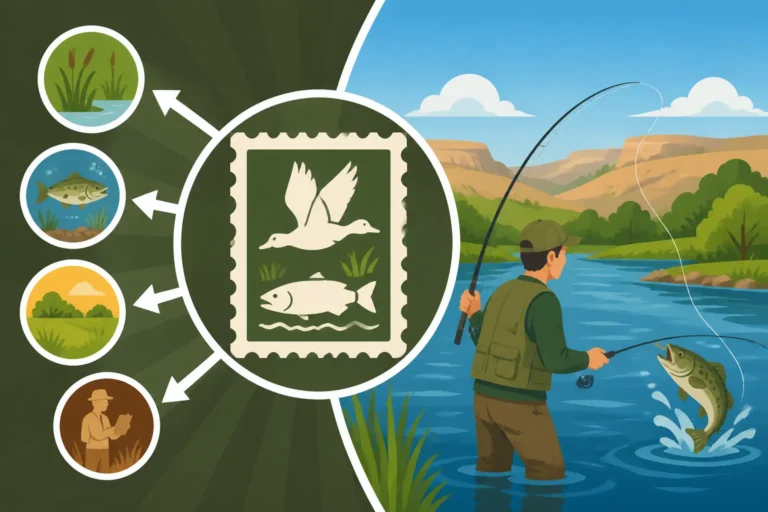
To encourage participation in angling and introduce new people to the joys of fishing, South Dakota annually hosts "Free Fishing Days." This special weekend, typically in early June, allows residents and non-residents alike to fish in any public waterbody without needing a South Dakota Fishing License Guide or a Habitat Stamp. It's a fantastic opportunity for families, beginners, or those just curious about fishing to try it out without the upfront cost of a license.
While the license requirement is waived, all other fishing regulations regarding daily limits, possession limits, and any specific lake or stream rules remain in effect. So, even on a free fishing day, you must adhere to the walleye limit on Lake Sharpe or the trout regulations in the Black Hills. This event is carefully planned to coincide with generally good weather and active fish, making it an ideal time for a first fishing experience. You can find the exact dates for these South Dakota Free Fishing Days on the GFP website each year, usually well in advance. It's a great way to enjoy the outdoors and perhaps spark a lifelong passion for fishing.
Navigating Specific Lake Regulations and Exceptions
South Dakota's approach to fisheries management is highly localized, meaning that while statewide rules provide a general framework, many individual lakes, reservoirs, and streams have their own distinct regulations. These exceptions are critical to understand, as they often override the general rules and are designed to address unique biological or environmental conditions.
Belle Fourche Reservoir's Unique Walleye Rules
One of the most notable examples of highly localized regulations is found at Belle Fourche Reservoir in western South Dakota. This reservoir is known for its excellent walleye fishery, but it operates under a specific and often different set of rules compared to other major walleye lakes. Belle Fourche has, at times, implemented special walleye slot limits that aim to improve the average size and overall health of its walleye population.
For instance, a typical regulation for Belle Fourche might allow for a daily limit of four walleye, but with a protected slot: all fish between 15 and 18 inches must be immediately released. This means you could keep fish under 15 inches and one fish over 18 inches, as long as your total doesn't exceed the daily limit. These slot limits are designed to protect the "breeder" fish, allowing them to grow larger and reproduce more effectively, ultimately leading to a healthier and more robust fishery. Understanding these Belle Fourche Reservoir Special Walleye Rules is absolutely paramount before casting a line there; ignoring them could lead to significant penalties.
Black Hills Stream Trout Regulations
As previously touched upon, the Black Hills are a mosaic of diverse trout streams, each managed with precision. The sheer variety of regulations from one stream section to another can be bewildering if you're not prepared. You might encounter stretches with "artificial flies and lures only," "catch-and-release only," or areas with specific minimum or maximum size limits for brook, brown, or rainbow trout.
For instance, certain areas within Custer State Park might have unique regulations that differ from, say, Spearfish Creek or Rapid Creek. Some sections are managed for wild trout, emphasizing natural reproduction and requiring barbless hooks for all artificial lures. Others are heavily stocked and have more liberal harvest opportunities. It's not enough to know the general Black Hills Stream Trout Regulations; you often need to pinpoint the exact stretch of water you're fishing. Many local bait shops in towns like Rapid City, Spearfish, or Custer are excellent resources for up-to-date information, and they'll likely point you to the detailed maps in the GFP handbook.
Missouri River System Tailwater Special Rules
Below the massive dams on the Missouri River (Oahe, Big Bend, Fort Randall, and Gavins Point), the "tailwater" sections often have specialized rules that differ from the main reservoirs. These tailwaters are unique environments, characterized by strong currents, colder water, and often high concentrations of fish that are attracted to the turbulent oxygenated water or migrating upstream.
For example, the tailwaters below Oahe Dam near Pierre are a renowned walleye and salmon fishery, but the specific rules regarding bait, snagging (particularly for salmon during their spawning run), or even areas closed to fishing near the spillways can be very strict. These areas are heavily monitored by conservation officers due to their popularity and the density of fish. Always check the specific regulations for fishing below these dams, as they are often detailed in dedicated sections within the South Dakota Game, Fish and Parks official regulations. Disregarding these can quickly turn an exciting fishing trip into a disappointing encounter with law enforcement.
Staying Informed and Compliant
Navigating South Dakota's fishing season dates and limits might seem like a lot to take in, but staying informed is genuinely half the battle. With a little proactive effort, you can ensure every fishing trip is both enjoyable and completely compliant with state regulations.
Essential Resources for Anglers
The most important resource for any angler in South Dakota is the South Dakota Game, Fish and Parks (GFP) annual Fishing Handbook. This comprehensive guide contains all current season dates, daily and possession limits, size restrictions, and special regulations for specific bodies of water. It's updated annually, usually in late winter or early spring, so it's vital to ensure you have the most recent edition.
You can typically:
- Download a free digital copy from the official South Dakota GFP website.
- Pick up a physical copy at GFP offices, most bait and tackle shops, county treasurer offices, or even sporting goods departments in larger stores like Walmart.
- Purchase a printed version through online retailers like Amazon, which can be convenient for those planning a trip from out of state.
Beyond the handbook, the GFP website is a treasure trove of information, offering fishing reports, stocking schedules, and news updates that might affect regulations. Consider signing up for their email newsletters to stay on top of changes. These resources are your best friends in ensuring a lawful and successful fishing adventure.
How Regulations are Made and Updated
It's helpful to understand that fishing regulations aren't just arbitrary rules; they are the result of extensive scientific research, public input, and adaptive management by fisheries biologists. The South Dakota GFP continually monitors fish populations through surveys, creel censuses (talking to anglers about their catch), and habitat assessments. This data helps them determine the health of fish stocks, identify areas of concern, and evaluate the effectiveness of existing regulations.
Proposed changes to fishing season dates, limits, or methods are typically announced well in advance and are often subject to public hearings and comment periods before being finalized. This ensures that anglers and other stakeholders have an opportunity to provide feedback. Once adopted, the new regulations are then published in the annual Fishing Handbook. This process underscores the importance of obtaining the most current handbook each year, as regulations can and do change based on the dynamic nature of fish populations and environmental factors.
Licensing and Enforcement Considerations
Remember, possessing a valid South Dakota Fishing License Guide is the absolute first step before you even think about seasons and limits. Whether you're a resident or a nonresident, almost everyone needs a license, with specific South Dakota Fishing License Exemptions for certain age groups or circumstances (like during Free Fishing Days). These licenses are readily available online through the GFP website, at licensing agents across the state, or by visiting a county treasurer’s office.
Conservation officers are responsible for enforcing these regulations. Their primary goal is to protect South Dakota's natural resources and ensure fair chase for all anglers. They are knowledgeable about the laws and are there to answer questions, but they will also issue citations for violations. Penalties for fishing without a license or exceeding limits can range from fines to confiscation of fishing gear and catch. The best way to avoid any unpleasant encounters is to be thoroughly familiar with the rules, carry your license, and always err on the side of caution if you're unsure about a specific regulation.
South Dakota Fishing Limits and Seasons Overview
To help you get a quick overview of some of the most popular species and their typical regulations, here’s a table. Please note: This table provides general guidance and is subject to change. Always consult the most current South Dakota Game, Fish and Parks Fishing Handbook for definitive rules.
| Species | General Season | Typical Daily Limit | Typical Possession Limit | Key Considerations | Primary Location Type |
|---|---|---|---|---|---|
| Walleye | Year-round | 4 | 8 | May have minimum size or slot limits on specific lakes. | Missouri River, Glacial Lakes |
| Northern Pike | Year-round | 6 | 12 | May have restrictions on large fish on specific lakes. | Glacial Lakes, Some Reservoirs |
| Smallmouth Bass | Year-round | 5 | 10 | Generally consistent limits statewide. | Missouri River, Black Hills |
| Channel Catfish | Year-round | 10 | 20 | Very liberal limits, excellent for harvest. | Missouri River, Larger Rivers |
| Yellow Perch | Year-round | 15 | 30 | Limits can vary greatly by lake, check local rules. | Glacial Lakes, Ice Fishing |
| Black/White Crappie | Year-round | 15 | 30 | Limits can vary greatly by lake, check local rules. | Glacial Lakes, Reservoirs |
| Rainbow/Brown Trout | Year-round | 5 | 10 | Highly variable by stream/lake; often artificial lure/fly only, or catch & release. | Black Hills Streams/Lakes |
| Chinook Salmon | Seasonal | 3 | 6 | Primarily late summer/fall on Lake Oahe; snagging rules apply seasonally. | Lake Oahe |
Disclaimer
Please remember that fishing regulations, season dates, and limits in South Dakota are subject to change. While every effort has been made to provide accurate and up-to-date information in this guide, it should not be considered the definitive source. Always consult the most current official South Dakota Game, Fish and Parks Fishing Handbook or website before planning your fishing trip to ensure full compliance with all regulations.